
REVIEW · EVEREST BASE CAMP TREKS
From Kathmandu Budget: 15 Day Everest Base Camp Trek
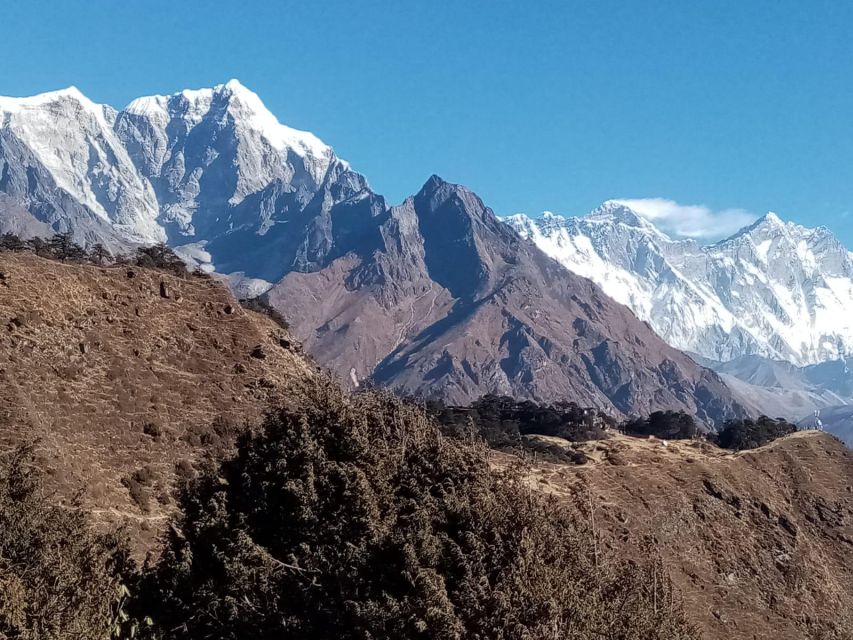
Everest rewards patience, not speed. This 15-day trek from Kathmandu reaches Everest Base Camp at 5,364 meters and adds the Kala Patthar climb, the trip’s best viewpoint for Everest, Lhotse, and Nuptse. I like the private trekking format and the guide support, especially since guides such as Milan and Krisna have shown flexibility when trekkers need a slower pace.
I also like the value: the $796 price includes permits, guesthouse stays, road transfers, a trekking pole, and the guide’s costs. The main drawback is the long overland travel, including roughly 10 hours from Kathmandu to Salleri at the start and end. You also pay separately for food, drinks, travel insurance, and any emergency rescue.
In This Review
- Key points to know before booking
- What this Everest trek actually offers
- Days 1 and 2: Kathmandu to Salleri and Surkhe
- Days 3 and 4: Surkhe, Phakding, and Namche Bazaar
- Day 5: Tengboche and its famous monastery
- Days 6 and 7: Dingboche and the needed rest day
- Days 8 and 9: Lobuche and Everest Base Camp
- Day 10: Kala Patthar and the descent to Pheriche
- Days 11 to 13: Pheriche, Pangboche, Namche, and Lukla
- Guide support, flexibility, and the private format
- What the $796 price includes, and what it does not
- Best seasons and the limits of mountain weather
- Who should choose this trek?
- Should you book this Everest Base Camp trek?
- FAQ
- How long is the Everest Base Camp and Kala Patthar trek?
- What is the highest point reached?
- Is transportation from Kathmandu included?
- Are meals included in the price?
- Is a guide included?
- Is travel insurance included?
- What should you bring?
Key points to know before booking
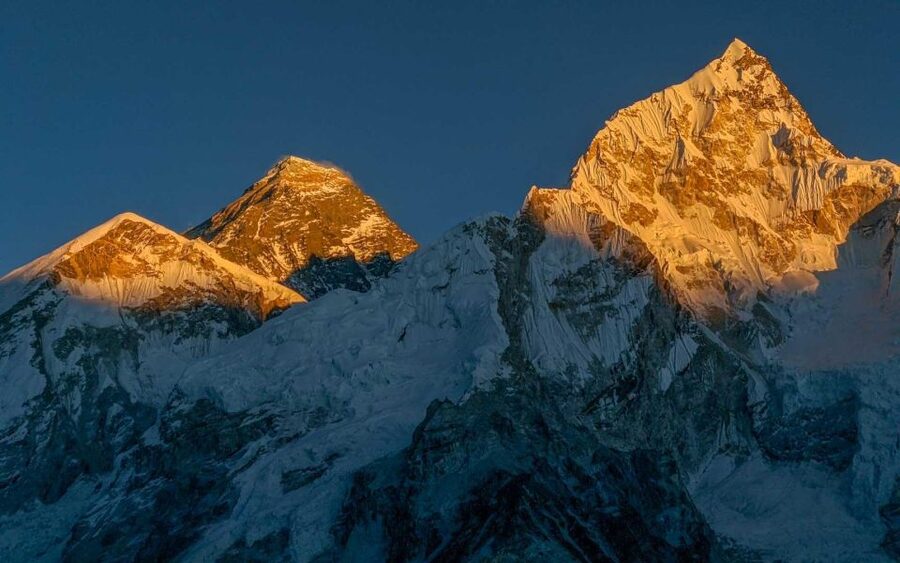
- Kala Patthar is the visual high point: At 5,545 meters, it offers broad views of Everest, Lhotse, and Nuptse.
- The route uses road transfers instead of a flight-based start: You travel from Kathmandu to Salleri by shared bus or jeep, then continue on foot.
- Two acclimatization points matter: Namche Bazaar and Dingboche help break up the steady climb toward high altitude.
- Base Camp is not the best Everest viewpoint: The rocky Kala Patthar summit usually provides the more open mountain panorama.
- The trek includes a private group and English-speaking guide: Nepali and Hindi guiding are also available.
- The $796 price covers useful essentials: Permits, official documents, accommodation, transfers, guide expenses, and a trekking pole are included.
What this Everest trek actually offers
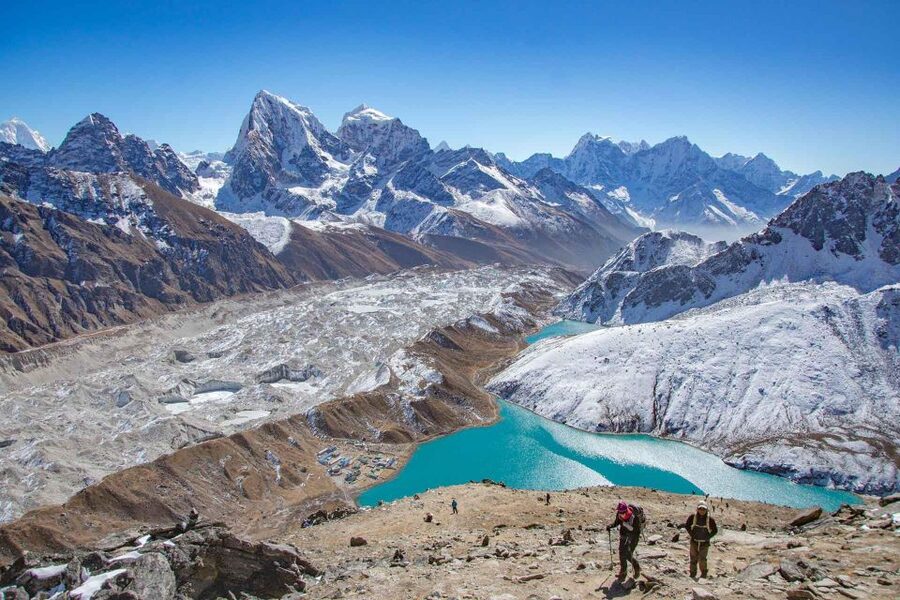
This is not a quick sightseeing outing. It is a serious Himalayan trek with long walking days, high altitude, simple guesthouse accommodation, and changing weather.
The route begins in Kathmandu, crosses the lower Khumbu by road and foot, then follows the classic approach through Namche Bazaar, Tengboche, Dingboche, Lobuche, Gorak Shep, and Everest Base Camp. Kala Patthar adds another steep high-altitude climb before you descend through Pheriche, Pangboche, Namche, and Lukla.
The goal is not only to reach Base Camp. You also get suspension bridges, Buddhist monasteries, prayer flags, Sherpa settlements, rhododendron forests, and daily views of some of the world’s tallest peaks. I like that this plan allows time at Dingboche rather than treating the trek as a nonstop uphill march.
Still, you need to be honest with yourself. Reaching 5,545 meters is physically demanding. The walking hours are estimates, and the guide may need to adjust the pace or schedule according to health and weather.
More Everest Base Camp treks:
- Everest Base Camp Trek – 14 Days
★ 5.0 · 1,499 reviews - Everest Base Camp Trekking
★ 5.0 · 485 reviews - Everest Base Camp Trekking – 13 Day
★ 5.0 · 365 reviews
Days 1 and 2: Kathmandu to Salleri and Surkhe
The first day begins early with pickup in Kathmandu. You travel by shared bus or jeep to Salleri, a road journey of about 10 hours covering approximately 266.9 kilometers. Salleri sits at about 2,600 meters.
This approach is cheaper than relying on an air transfer, and it forms part of the price advantage. It also means your first day is mostly transport, not trekking. Road conditions and the long ride may test your patience, so pack water, snacks, and anything you need close at hand.
On day two, you continue by jeep from Salleri to Tham Danda, then walk to Surkhe. The combined day takes about seven to nine hours. This is an unusual but practical start for anyone seeking a lower-cost Everest route.
You should note the transport wording carefully. The trek is private in terms of the walking group and guide, but the road transfers are described as shared. That distinction matters if you expect a private vehicle throughout.
Days 3 and 4: Surkhe, Phakding, and Namche Bazaar
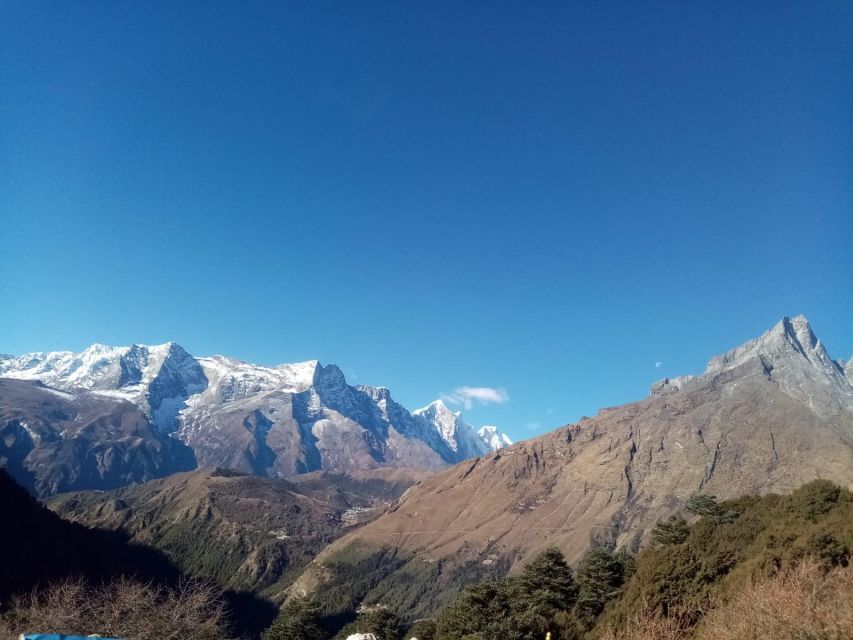
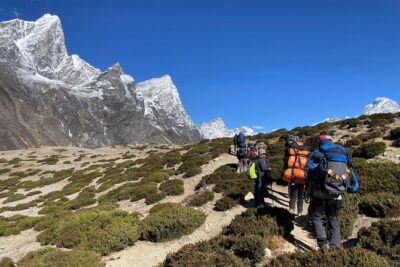
The walk from Surkhe to Phakding takes roughly six to seven hours. The route moves through lower mountain country, with forests, village paths, and suspension bridges across deep gorges.
Phakding is an important early stop because it lets your body settle into the walking routine before the bigger climb to Namche. Accommodation is in guesthouses, so you should expect practical mountain lodging rather than hotel comforts.
Day four brings the six to seven-hour trek to Namche Bazaar at 3,440 meters. Namche is the main trading and service center of the Khumbu region, and its position in a mountain bowl gives it a strong sense of place.
This is one of the route’s most rewarding stops. You begin to see more substantial Himalayan peaks, meet local residents, and notice the steady rhythm of life at altitude. The climb to Namche can feel demanding because the route gains height, but arriving here marks a real change from the lower valleys.
Day 5: Tengboche and its famous monastery
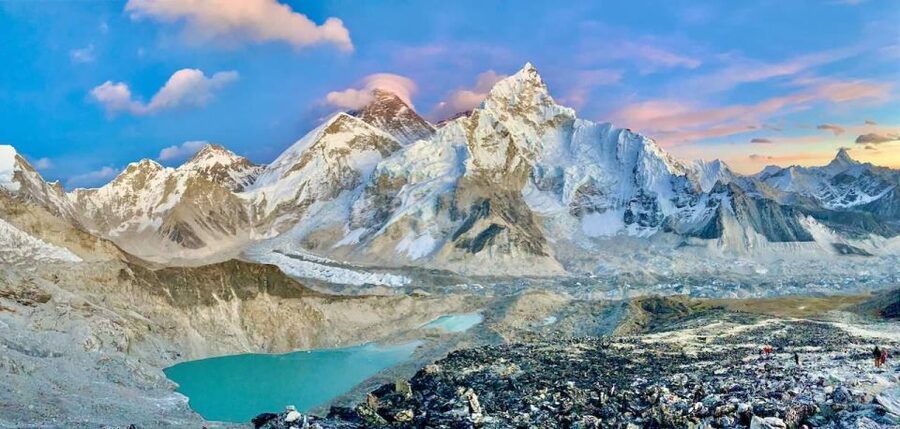
From Namche, you trek for about five hours to Tengboche Monastery at 3,860 meters. The stop adds culture to the mountain scenery, with Buddhist prayer flags and monastery grounds set among high peaks.
Tengboche is valuable because it gives the trek a human and spiritual dimension. You are not simply walking toward a famous mountain. You are moving through Sherpa communities where monasteries, prayer flags, and mountain traditions are part of daily life.
The distance is shorter than some other days, but altitude changes the effort. You may find that a five-hour walk feels much harder here than a similar walk near Kathmandu. That is normal enough to plan for, but you should report serious symptoms to your guide.
More walking in the hills of Nepal:
- Nagarkot Sunrise View and Day Hiking from Kathmandu
★ 5.0 · 471 reviews - Annapurna Circuit Trek with Tilicho Lake
★ 5.0 · 368 reviews - Everest Base Camp Trek -14 Days
★ 5.0 · 321 reviews - Annapurna base camp trek 5 Days
★ 5.0 · 252 reviews
Days 6 and 7: Dingboche and the needed rest day
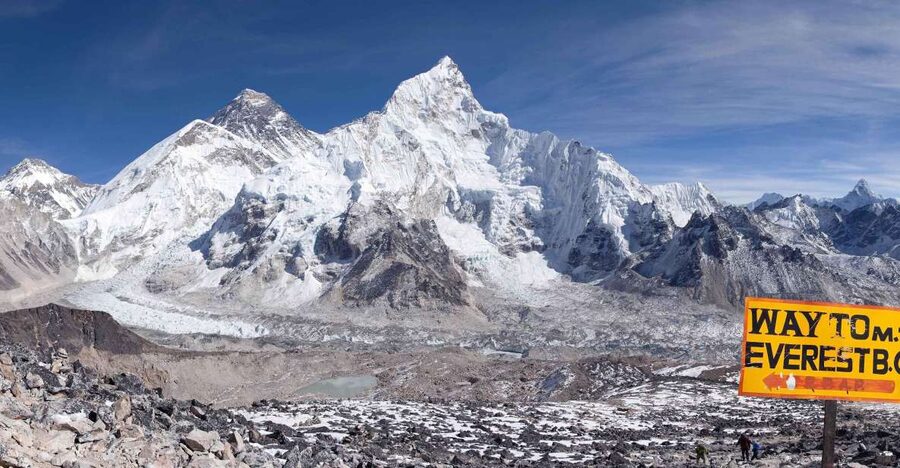
Day six takes you to Dingboche, a settlement at about 4,350 meters. The trek lasts five to six hours and brings you farther into the high Khumbu, where the scenery becomes more open and the air thinner.
Dingboche is one of the most important stops on the trip because day seven is reserved for acclimatization. You remain at the same settlement instead of adding another high overnight point.
I consider this rest day one of the plan’s strengths. It gives you time to adjust before the route climbs toward Lobuche, Gorak Shep, and Base Camp. The schedule does not describe a required activity for the day, so the exact use of your time can depend on your guide and how you feel.
The accommodation remains in guesthouses, and food and drinks are not included in the package. Budget for meals as you go, especially since you will need to eat and drink regularly during long walking days.
Days 8 and 9: Lobuche and Everest Base Camp
The trek from Dingboche to Lobuche takes about five hours and reaches 4,910 meters. By this stage, the route feels more remote and the physical demands are more obvious.
Lobuche is a staging point for the most important walking day. On day nine, you trek to Everest Base Camp at approximately 5,364 meters, then return to Gorak Shep at 5,180 meters. The total day takes around eight hours.
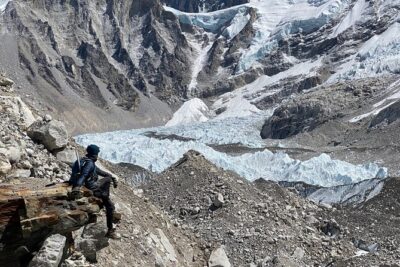
Everest Base Camp is the iconic destination, and reaching it is a major personal achievement. You are at the point used by expeditions attempting Everest, surrounded by immense peaks and the stark high mountain setting.
Do not expect Base Camp itself to provide the widest view of Everest. The area is famous because of its role in Everest expeditions, while the surrounding peaks and route create much of the visual drama. The next morning’s Kala Patthar climb is the stronger viewpoint experience.
Because day nine combines the walk to Base Camp with a return to Gorak Shep, you need to conserve energy. This is not the day to race ahead for photographs. Follow the guide’s pace and keep your warm clothing ready.
Day 10: Kala Patthar and the descent to Pheriche
Day ten begins with a hike to Kala Patthar, reaching 5,545 meters. The full day is listed at about seven hours, followed by a trek to Pheriche at 4,120 meters.
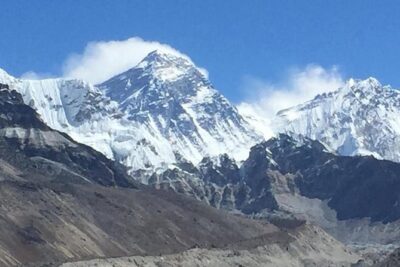
Kala Patthar is the star of the route for mountain views. From this rocky summit, you can look toward Everest, Lhotse, Nuptse, and nearby Himalayan peaks. Sunrise or sunset can offer especially striking light, although the mountain weather may not cooperate.
This climb is short in distance compared with the whole trek, but the altitude makes it difficult. You gain a little more height than Base Camp, and every step can feel slow. The reward is a broad outlook that Base Camp may not provide.
The descent to Pheriche is welcome after the high point. Dropping nearly 1,400 meters from Kala Patthar to Pheriche over the day also brings you back to a more manageable altitude. Still, it remains a long day, so you should not treat the downhill section as effortless.
Days 11 to 13: Pheriche, Pangboche, Namche, and Lukla
The return route begins with a trek to Pangboche, also written as Panboche, at about 3,985 meters. The walk takes five to six hours.
Pangboche offers another chance to experience Sherpa village life away from the most famous stops. The setting feels less focused on the Base Camp goal, which can make the descent more relaxed. You continue to see mountain scenery while gradually leaving the highest section behind.
Day twelve takes about seven hours to reach Namche Bazaar at 3,440 meters. Returning to Namche gives you a familiar point on the route, but the descent can still be tiring after the high-altitude days.
On day thirteen, you trek from Namche to Lukla, a five to six-hour walk ending at about 2,860 meters. This is the last major walking day. The lower altitude should help, though your legs may be feeling the full effect of the journey.
The plan then uses a shared jeep from Lukla to Salleri on day fourteen, taking about seven to eight hours. You finish with another shared jeep or bus from Salleri to Kathmandu on day fifteen, a journey of roughly 10 hours.
That ending is practical but not glamorous. You do not fly back from Lukla in this arrangement. The road return adds time and potential discomfort, yet it is part of how the trek reaches a $796 price point.
Guide support, flexibility, and the private format
The package includes an English-speaking guide, with Nepali and Hindi also available. Guide costs, accommodation, food, personal expenses, insurance, and official documents for the guide are included.
The most reassuring detail is the emphasis on personal care. Milan is described as checking in often, putting the trekker’s health first, answering questions in depth, and adjusting the pace or plan when needed. Krisna is also praised for listening and adapting to the needs of the group.
Those details matter more here than polished marketing language. On a high-altitude trek, a guide who pays attention can make the experience feel safer and less stressful. The plan also includes a first-aid kit carried by the guide.
The trek is marked as a private group, which should appeal to you if you prefer direct communication and a pace shaped around your needs. It does not mean every vehicle is private, since the road transfers are shared.
What the $796 price includes, and what it does not
At $796 per person, the price offers strong value for a 15-day Everest Base Camp route. You receive Kathmandu pickup and drop-off, round-trip road transfers, guesthouse accommodation, permits, official documents, a guide, a trekking pole, and guide-related expenses.
The inclusion of permits and accommodation removes two major planning tasks. The guide is also not an extra daily cost, which makes the price easier to compare with more expensive trek packages.
You still need to budget for food and drinks. These are available to purchase, but the total cost will depend on what you choose and how much you consume during the 15 days.
Travel insurance is not included. Emergency rescue is also excluded and must be covered by your own insurance. This is a key point, not a footnote. Do not book a high-altitude trek without checking that your policy covers the activity and the possibility of rescue at the required altitude.
The provided equipment is limited to a trekking pole and a first-aid kit with the guide. You must bring warm clothing, hiking shoes, hiking pants, and a passport or accepted copy. A passport-sized photo is also required.
Best seasons and the limits of mountain weather
The trek can operate throughout the year, but March to May and September to November are given as the best periods. Spring and autumn generally offer more stable conditions and clearer mountain views.
Mountain weather can change quickly in any season. The best months improve your odds, but they do not guarantee clear skies, easy roads, or comfortable temperatures. Pack for cold conditions and be ready for schedule changes.
The activity is not suitable for pregnant women or wheelchair users. Pets are not allowed. Free cancellation is available up to 24 hours before the start, and you can reserve now and pay later, which helps if you are still sorting out a long Nepal trip.
Who should choose this trek?
I would point this trek toward a fit and determined adult who wants the classic Everest route but prefers a lower price and road-based access. It suits you if Base Camp matters, Kala Patthar views matter even more, and you are comfortable with guesthouses and long transport days.
The plan is also a good fit if you value a guide who can adjust the pace. The strongest praise connected to this experience focuses on safety, communication, flexibility, and personal attention from guides such as Milan and Krisna.
I would hesitate if you want a short trip, private vehicles for every transfer, included meals, or a polished hotel-style experience. The route is long, the altitude is serious, and the shared road journey from Kathmandu to Salleri is a real tradeoff.
Should you book this Everest Base Camp trek?
Book it if you want the full 15-day challenge, a private walking group, Kala Patthar, and a guide-led route at a relatively modest price. The combination of permits, accommodation, road transfers, and guide support makes $796 appealing.
Before paying, confirm the shared transport arrangements, what guesthouses are planned, and how the guide handles a slower schedule if you become unwell. Also arrange suitable travel insurance that covers emergency rescue.
For the right trekker, this is a practical way to reach Everest Base Camp without paying for a flight-based package. You trade comfort and speed for value, patience, and a closer look at the Khumbu villages and high mountain route.
FAQ
How long is the Everest Base Camp and Kala Patthar trek?
The trek lasts 15 days, including transport from Kathmandu to Salleri at the start and the return journey from Salleri to Kathmandu at the end.
What is the highest point reached?
Kala Patthar is the highest point, at approximately 5,545 meters. Everest Base Camp is at about 5,364 meters.
Is transportation from Kathmandu included?
Yes. Hotel pickup and drop-off are included, along with round-trip transfers by shared bus or jeep. The journey to Salleri takes about 10 hours, and the return from Salleri also takes about 10 hours.
Are meals included in the price?
No. Food and drinks are available for purchase during the trek but are not included in the $796 price.
Is a guide included?
Yes. The package includes an English-speaking trekking guide. Guiding is also available in Nepali and Hindi, and the guide’s food, accommodation, personal expenses, and insurance are included.
Is travel insurance included?
No. You must arrange your own travel insurance. Emergency rescue is also excluded and should be covered by your insurance policy.
What should you bring?
Bring warm clothing, hiking shoes, hiking pants, a passport or accepted copy, a passport-sized photo, and travel insurance. A trekking pole is included, and the guide carries a first-aid kit.
New in the Nepal listings
- Traditional Momo Making Class★ 5.0 · 10 reviews
- Kathmandu: Ancient City Kirtipur & Pharping Monastery Tour★ 5.0 · 2 reviews
- Pokhara: Pokhara Highlights Tour by Bus★ 3.6 · 10 reviews
- Day Walk(8-10h.) inside Chitwan National Park.★ 5.0 · 1 review
- One Day Tour inside Chitwan National Park★ 5.0 · 2 reviews
- Private Jeep Safari (8-10 hrs.)inside Chitwan National Park.★ 5.0 · 3 reviews
- Jungle Towernight Stay: 4-Day Tour in Chitwan National Park★ 5.0 · 4 reviews
- Night Stay in Chitwan National Park, 2 Nights 3 Days Package★ 5.0 · 1 review
Everest Base Camp Treks, compared.
Everest Base Camp Trek with Helicopter Return from Gorakshep to Lukla
Read our review →Browse the lists this tour appears in