
REVIEW · EVEREST BASE CAMP TREKS
Everest Base Camp Trek from Lukla
The mountains start working on you at Lukla. I like the way this 12-day trek combines Sherpa villages, pine and rhododendron forests, Tengboche Monastery, and the high drama of Everest Base Camp. I also like the built-in acclimatization days in Namche and Dingboche, which give you time to adjust instead of racing uphill. The main drawback is the price: $466 excludes flights, insurance, meals, drinks, and other personal costs, so your final bill will be higher.
This is a demanding high-altitude walk, not a sightseeing holiday with a little exercise attached. You hike about five to seven hours most days, sleep in basic tea houses, and face weather that can change quickly. Still, the small group limit of 10, porter service, English-speaking guide, permits, and flexible booking make this a well-supported way to tackle one of Nepal’s best-known routes.
In This Review
- Five things to know before you book
- Why the Lukla start works so well
- Day 1: Lukla to Phakding beside the Dudh Koshi
- Day 2 and Day 3: Namche Bazaar and the first altitude test
- Day 4: The forest trail to Tengboche Monastery
- Day 5 and Day 6: Dingboche at 4,410 meters
- Day 7: Dingboche to Lobuche and a harsher world
- Day 8: Gorakshep and Everest Base Camp at 5,364 meters
- Day 9: Kala Patthar sunrise, then Pheriche
- Days 10 to 12: Returning through Namche to Lukla
- Tea houses, meals, porters, and group size
- What the $466 price really covers
- Who should choose this Everest trek?
- Should you book it?
- FAQ
- How long is the Everest Base Camp trek from Lukla?
- What is the price per person?
- Are flights to Lukla included?
- What accommodation is provided?
- Are meals included?
- How high is Everest Base Camp?
- How many hours do you hike each day?
- Is a guide included?
- What should you bring?
Five things to know before you book
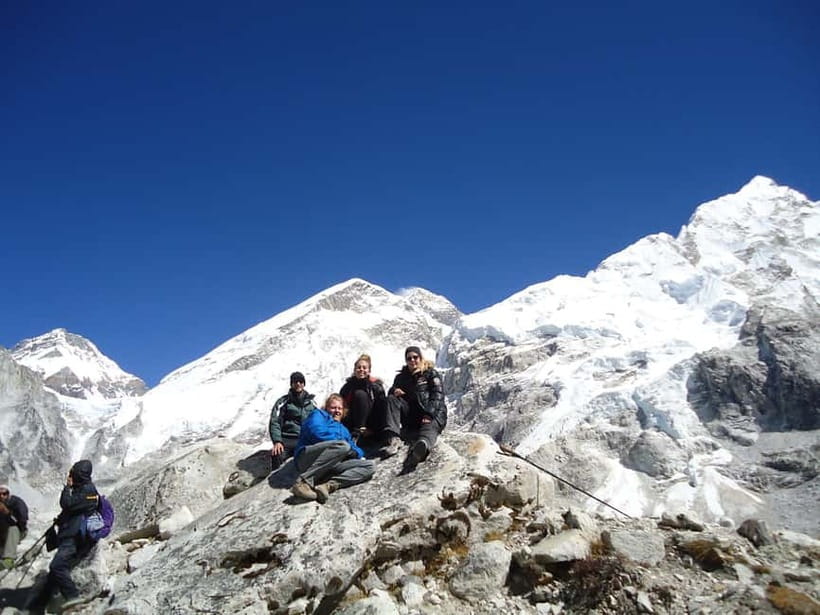
- Kala Patthar is the big visual payoff: At 5,545 meters, the sunrise view toward Everest can be more impressive than Base Camp itself.
- Everest Base Camp sits at 5,364 meters: You reach the Khumbu Icefall area on foot from Gorakshep.
- Two acclimatization days are built in: Namche and Dingboche each receive a rest day, a sensible feature at this height.
- Tengboche adds a cultural stop: Its monastery gives the trek a spiritual center, with views toward Ama Dablam, Everest, and Lhotse.
- Flights are not included: You must arrange the Lukla flight separately, though the company can help with ticketing.
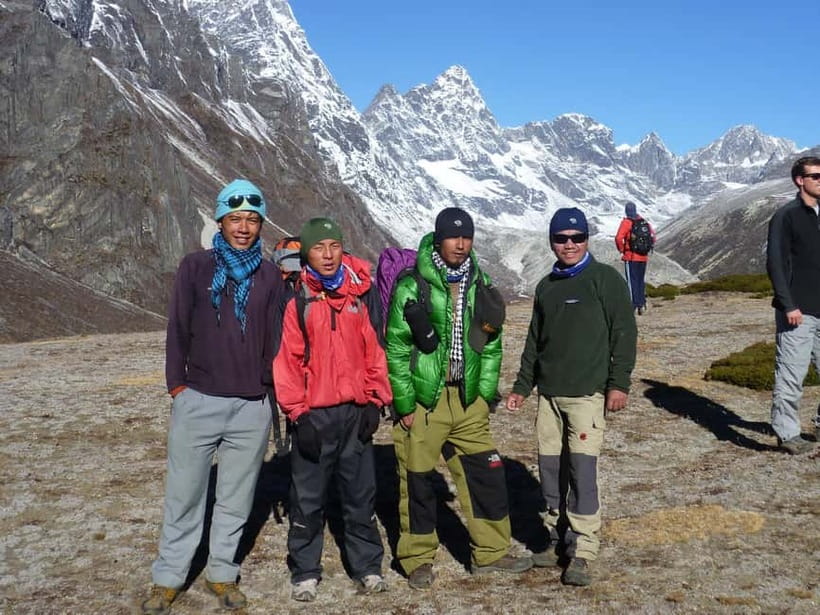
- The support is personal: Guide Tirtha received special praise for keeping one group on track, while the team also arranged extra porters, meals, and itinerary changes when requested.
Why the Lukla start works so well
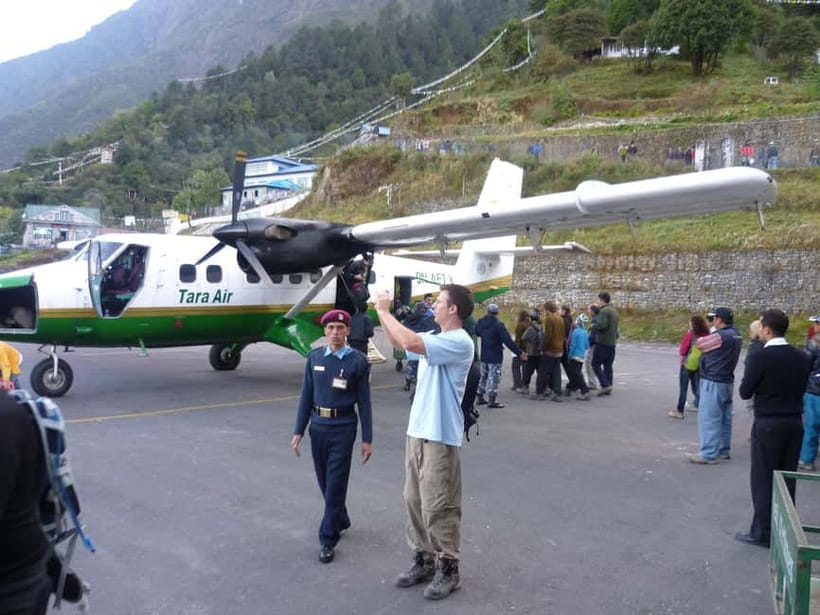
The route begins at Tenzing-Hillary Airport in Lukla, where a guide meets you after you share your flight details. From there, the trek begins almost at once. This saves you the long approach from lower Nepal and puts you straight into the Khumbu Valley.
Lukla is more than a transport point. It marks the change from ordinary Nepal to a walking world shaped by rivers, bridges, stone paths, mountain villages, and Sherpa culture. The first day to Phakding is relatively gentle compared with what follows, which gives you a useful introduction to the rhythm of hiking with a pack or porter.
The separate flight cost needs careful attention. Flights to Lukla can also involve transport planning through Ramechhap, and the operator has helped people arrange those details. I would contact Peregrine Treks before booking your flight, especially if you want help with the airport transfer or ticket purchase.
More Everest Base Camp treks:
- Everest Base Camp Trek – 14 Days
★ 5.0 · 1,499 reviews - Everest Base Camp Trekking
★ 5.0 · 485 reviews - Everest Base Camp Trekking – 13 Day
★ 5.0 · 365 reviews
Day 1: Lukla to Phakding beside the Dudh Koshi
The first walk takes about five hours according to the route plan, although daily hiking times can vary with pace and conditions. You follow the Dudh Koshi River toward Phakding, crossing suspension bridges and walking through forest.
This is a fine opening stage because it introduces several themes that continue throughout the trek: moving water, wooded slopes, small settlements, and a trail shared by local people and trekking groups. You are not yet at the highest elevations, so it is a good time to settle your boots, water system, clothing, and walking pace.
Phakding is a small village along the river. Your accommodation is in a tea house, which means simple rooms and basic facilities rather than hotel comfort. That tradeoff is part of the route. You sleep close to the trail and local communities, but you should expect your personal expenses, drinks, internet, and laundry to cost extra.
Day 2 and Day 3: Namche Bazaar and the first altitude test
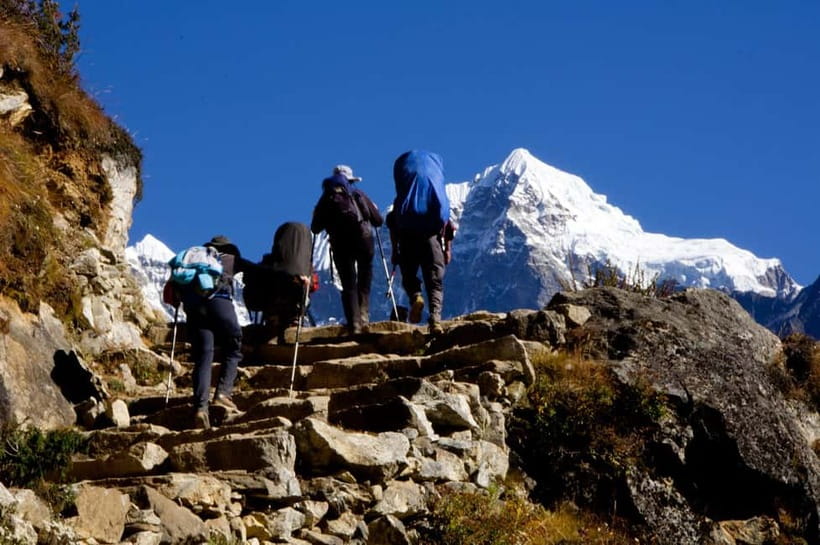
The hike from Phakding to Namche Bazaar takes about eight hours in the published schedule. This is one of the route’s more important days because the trail begins climbing in earnest and Namche sits at a much higher altitude than Lukla.
Namche is widely known as the Sherpa capital, and it is the best place on this trek to pause and get your bearings. You can explore the markets, take in views of Thamserku and Kongde Ri, and learn more about the people whose culture shapes the Khumbu Valley.
The third day is reserved for acclimatization. That does not mean doing nothing. You spend time around Namche, take short walks, and let your body adjust before climbing higher. The value here is practical: a rest day can help you manage the altitude, though it cannot remove the need to listen to your guide and your body.
I like that Namche is not treated as a quick overnight stop. You get a chance to appreciate the town as a living Sherpa center rather than seeing it only as a waypoint. Carry local currency here, because ATMs become scarce beyond Namche Bazaar.
Day 4: The forest trail to Tengboche Monastery
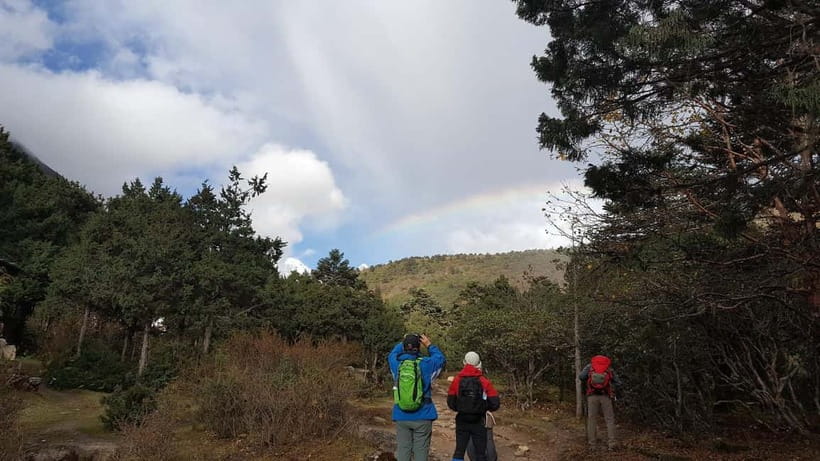
From Namche, the route continues toward Tengboche through rhododendron and pine forests. The hike is listed as about eight hours, so you should be ready for a full day on foot.
Tengboche Monastery is one of the most memorable stops because it adds a cultural and religious dimension to the trek. It is a working spiritual center for monks and trekkers, not just a photo stop. The setting is especially striking, with Ama Dablam, Everest, and Lhotse forming the backdrop.
I would plan to slow down here. Mountain trips can turn into a march from one sleeping place to the next, but Tengboche rewards attention. Look at the monastery, notice the quiet, and give yourself time to take in the setting.
The basic tea house accommodation remains part of the deal. The support team helps with the practical side, but you still need warm clothing, comfortable shoes, a hat, sunscreen, water, snacks, and a camera. You are moving into colder and higher country now.
More walking in the hills of Nepal:
- Nagarkot Sunrise View and Day Hiking from Kathmandu
★ 5.0 · 471 reviews - Annapurna Circuit Trek with Tilicho Lake
★ 5.0 · 368 reviews - Everest Base Camp Trek -14 Days
★ 5.0 · 321 reviews - Annapurna base camp trek 5 Days
★ 5.0 · 252 reviews
Day 5 and Day 6: Dingboche at 4,410 meters
The trail from Tengboche reaches Dingboche, a village at 4,410 meters. The route describes another eight-hour hiking day, followed by a full acclimatization day.
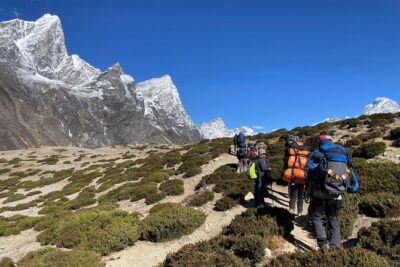
Dingboche feels like a major turning point. The forests thin out, the air gets colder, and the mountains begin to dominate every view. You can take short hikes around the village during the rest day, which gives you movement without the strain of advancing to another overnight stop.
This second acclimatization day is one of the strongest features of the itinerary. You are about to sleep and walk at still higher elevations, so the pause in Dingboche is not wasted time. It is an important part of making the final approach more manageable.
Altitude affects people differently, and this trek is not suitable for people with heart problems, mobility impairments, or pregnant women. The information also lists people prone to seasickness as unsuitable, although that warning is unusual for a mountain trek. I would ask the operator for clarification if that applies to you.
Day 7: Dingboche to Lobuche and a harsher world
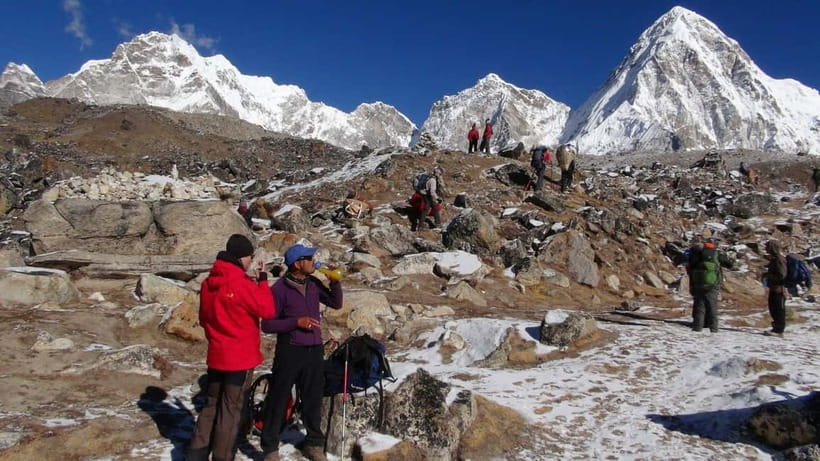
The move to Lobuche continues the climb through a more exposed, barren area. The route remains around eight hours, and the physical demands increase as the altitude rises.
Lobuche is a remote settlement surrounded by high peaks. The vegetation is much less prominent here, so the feeling changes from forest walk to serious high-mountain approach. You may find the scenery less soft and colorful, but the sense of purpose grows because Everest Base Camp is close.
This is where pacing matters. You do not gain much by rushing, and the guide’s role becomes more important. A good guide watches the group, helps maintain a steady speed, and pays attention to changing conditions. The support from Peregrine Treks includes an English-speaking guide, porters, a first aid kit, and permits.
Day 8: Gorakshep and Everest Base Camp at 5,364 meters
The route reaches Gorakshep before continuing to Everest Base Camp. Gorakshep is the final resting point before Base Camp and a useful place to pause before the last stretch.
The walk to Base Camp is listed as about eight hours for the day. At 5,364 meters, you are operating in a thin-air environment, so this is not simply a longer version of a low-altitude hike. The trail, the cold, and the height all add weight to each step.
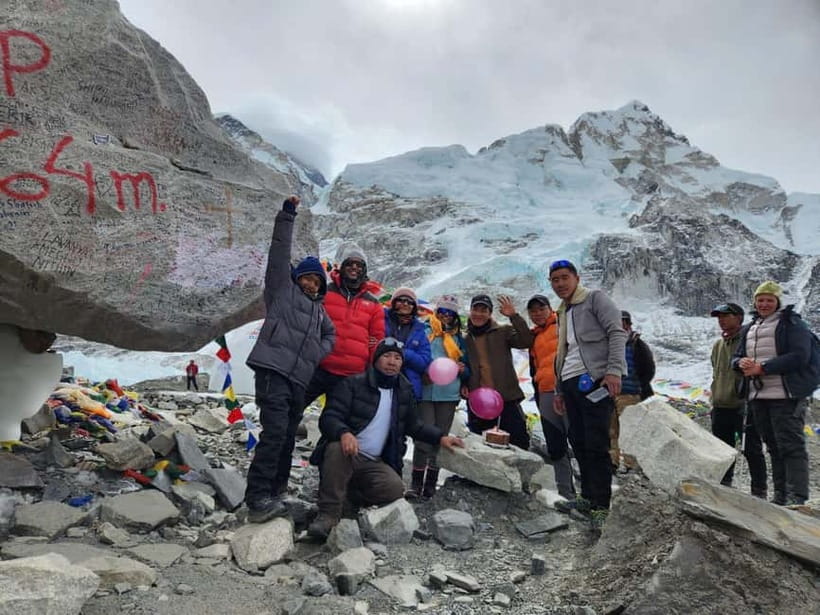
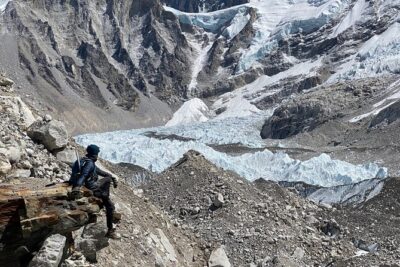
Reaching Base Camp is the emotional center of the trek. You see the Khumbu Icefall and the peaks around it, and you have the satisfaction of arriving on foot at the base of the world’s highest mountain. Keep your expectations realistic, though. Everest Base Camp is a rugged high-altitude staging area, not a polished viewpoint or a comfortable resort.
One practical point is worth noting: one group arranged an extra night at Gorakshep for a small additional cost, while another changed the order of Base Camp and Kala Patthar. These changes were handled by the company, but they were not part of the basic $466 price. Ask about any alteration before you rely on it.
Day 9: Kala Patthar sunrise, then Pheriche
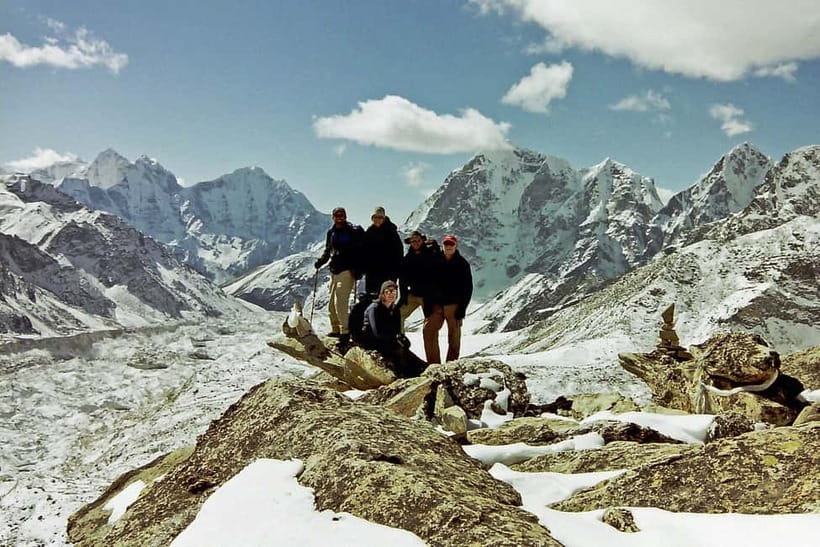
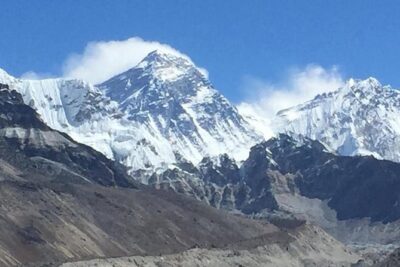
Kala Patthar reaches 5,545 meters, higher than Everest Base Camp, and it offers the trek’s best viewpoint of Mount Everest. The usual plan is an early morning hike, when the first light turns the surrounding peaks gold.
The climb is short in distance compared with the full trek, but the altitude makes it hard. You may find this is the morning when your legs, lungs, and patience all get tested at once. The reward is a close view of Everest and the surrounding Himalayan giants.
Many people regard Kala Patthar as the visual high point of the route. That makes sense: Base Camp gives you arrival and atmosphere, while Kala Patthar gives you the broad mountain view. If you must choose where to spend your energy, I would protect this morning.
After Kala Patthar, you descend to Pheriche. Going downhill is not effortless, but the lower altitude usually feels welcome. The day still involves about eight hours of hiking, so it is a full stage rather than a casual walk after sunrise.
Days 10 to 12: Returning through Namche to Lukla
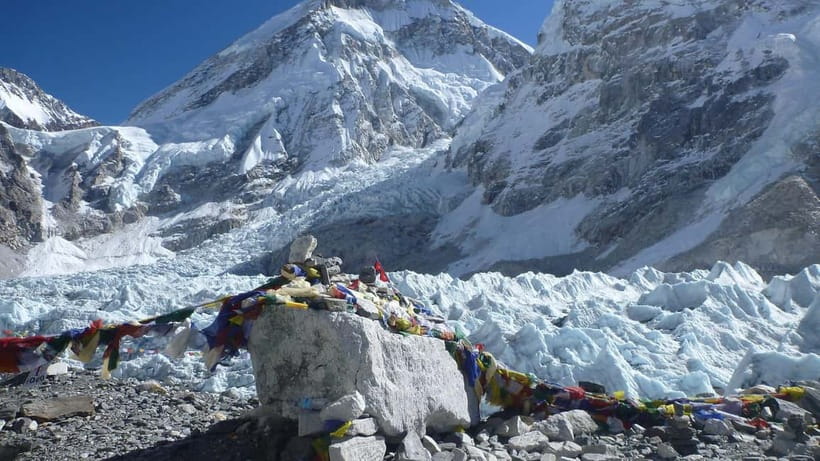
The return route retraces the trail through the Khumbu Valley. From Pheriche, you return to Namche, then continue to Lukla on the final trekking day.
The walk back lets you see familiar places from a new angle. Forests, villages, bridges, and river valleys feel different after the high section, especially once you have completed Base Camp and Kala Patthar. It also gives your body time to recover gradually rather than dropping straight into low country.
The final night in Lukla brings the walking portion to a close. On the next day, you return to Tenzing-Hillary Airport. Flight schedules in mountain regions can be sensitive to weather, so keep your onward plans sensible and avoid arranging an immediate, unchangeable connection.
Tea houses, meals, porters, and group size
Tea house accommodation keeps the cost down and places you close to the route. The rooms are basic, but the arrangement includes a bed and essential shelter in villages where comfort is limited by altitude and access.
Meals are not included in the advertised price. This matters because food is a major daily expense on a 12-day trek. Several groups arranged meals through Peregrine Treks after booking, and one group received a 10 percent discount on meal prices. Dal bhat was especially useful as filling trekking food.
Porter service is included, which is a major benefit. You can carry a lighter daypack while porters handle the main load. One group also added an extra porter, so ask in advance if your luggage needs exceed the standard arrangement.
The small group limit is 10 people. That is large enough to share the cost of guiding but small enough for the guide to keep track of the group. The strongest praise goes to the staff’s care, preparation, and ability to adjust plans. Guide Tirtha was singled out for keeping one group comfortable and safe, while the company team, including Pradip, helped with wider arrangements.
What the $466 price really covers
At $466 per person, this trek looks inexpensive for a 12-day guided Everest Base Camp route. The value is strongest if you need the core trekking structure: guide, tea house accommodation, porters, permits, entrance fees, first aid kit, and taxes.
The price does not cover flights, travel insurance, meals, drinks, laundry, internet, other personal costs, or visa fees. You should also plan for snacks, bottled or treated water, and local currency for purchases beyond Namche.
Travel insurance is not a minor extra. It needs to cover high-altitude trekking, and you should check the policy before leaving home. The route reaches 5,545 meters, so ordinary holiday insurance may not be enough.
The operator offers free cancellation up to 24 hours before departure and a reserve-now, pay-later option. Those terms make the booking less rigid, but they do not remove the need to budget for the excluded items.
Who should choose this Everest trek?
I would recommend this trip to you if you want a classic Everest route with support but do not need luxury. It suits people who can handle five to seven hours of walking per day, basic accommodation, cold conditions, and rapid changes in weather.
It is especially useful for first-time high-altitude trekkers who want an English-speaking guide, porters, permits, and planned acclimatization days in one package. It also suits small groups that value help with flights, meals, extra porters, or modest itinerary changes.
I would hesitate if you want a private room, included meals, guaranteed flight conditions, or a soft adventure. You should also reconsider if you have a heart condition, limited mobility, or a pregnancy. Carry warm layers, proper walking shoes, a hat, sunscreen, water, snacks, and a first aid plan.
Should you book it?
Book this trek if the goal is to reach Everest Base Camp while seeing Sherpa villages, Tengboche Monastery, Namche Bazaar, and Kala Patthar along the way. The strongest reasons to choose it are the two acclimatization days, porter support, small group size, and responsive help with practical arrangements.
Before paying, confirm the Lukla flight process, meal costs, porter allowance, tea house details, and any transport through Ramechhap. Also buy high-altitude trekking insurance and keep a cash reserve for the upper Khumbu.
At $466, it is a strong starting price rather than an all-in holiday cost. If you understand that distinction, have the fitness for long mountain days, and accept simple tea houses, Peregrine Treks offers a sensible route to one of Nepal’s great walking achievements.
FAQ
How long is the Everest Base Camp trek from Lukla?
The trek lasts 12 days, beginning and ending at Lukla, with arrival and departure through Tenzing-Hillary Airport.
What is the price per person?
The listed price is $466 per person. Flights, travel insurance, meals, beverages, laundry, internet, visa fees, and other personal expenses are not included.
Are flights to Lukla included?
No. Flights are separate. You need to share your flight details, and Peregrine Treks can assist with issuing the ticket.
What accommodation is provided?
Accommodation is provided in tea houses along the route. The rooms and facilities are basic.
Are meals included?
No. Meals are not included in the listed price. The company can help arrange meals, and one group received a 10 percent discount on meal prices.
How high is Everest Base Camp?
Everest Base Camp is at 5,364 meters. Kala Patthar, reached on the following morning, is higher at 5,545 meters.
How many hours do you hike each day?
The trek involves about five to seven hours of walking daily. Several itinerary stages are listed as approximately eight hours.
Is a guide included?
Yes. A professional English-speaking guide is included. The trip has a small group limit of 10 participants.
What should you bring?
Bring comfortable shoes, warm clothing, a hat, a camera, snacks, sunscreen, and water. You should also carry local currency because ATMs are scarce beyond Namche Bazaar.
New in the Nepal listings
- Traditional Momo Making Class★ 5.0 · 10 reviews
- Kathmandu: Ancient City Kirtipur & Pharping Monastery Tour★ 5.0 · 2 reviews
- Pokhara: Pokhara Highlights Tour by Bus★ 3.6 · 10 reviews
- Day Walk(8-10h.) inside Chitwan National Park.★ 5.0 · 1 review
- One Day Tour inside Chitwan National Park★ 5.0 · 2 reviews
- Private Jeep Safari (8-10 hrs.)inside Chitwan National Park.★ 5.0 · 3 reviews
- Jungle Towernight Stay: 4-Day Tour in Chitwan National Park★ 5.0 · 4 reviews
- Night Stay in Chitwan National Park, 2 Nights 3 Days Package★ 5.0 · 1 review
Everest Base Camp Treks, compared.
Everest Base Camp Trek with Helicopter Return from Gorakshep to Lukla
Read our review →Browse the lists this tour appears in