
REVIEW · ANNAPURNA BASE CAMP TREKS
From Kathmandu: 11-Day Annapurna Base Camp Trek
The mountains arrive quickly on this trek. I like the short 11-day format, which fits Annapurna Base Camp into a tight holiday, and I like the mix of Gurung villages, terraced farms, waterfalls, and rhododendron forests. The main drawback is the demanding altitude, with Base Camp at 4,130 meters and several long walking days.
This trip also keeps logistics fairly tidy, with domestic flights, permits, meals on the trail, a licensed English-speaking leader, porter service, and teahouse rooms included. You should still allow room in your budget for insurance, personal expenses, lunches in Kathmandu and Pokhara, and possible extra hotel nights.
In This Review
- Key points to know before booking
- Why this 11-day Annapurna trip works for busy schedules
- Kathmandu arrival and the flight to Pokhara
- Ghandruk brings village life into the itinerary
- Ghandruk to Chhomrong, the trail gains height
- Bamboo and Deurali lead into the high country
- Annapurna Base Camp via Machhapuchhre Base Camp
- The long return to Bamboo
- Jhinu Danda and the final walk to Pokhara
- Kathmandu departure and the value of the package
- What the organization adds to the experience
- Best seasons, weather, and packing choices
- Who should book this Annapurna Base Camp trek
- Should you book the 11-day Annapurna Base Camp trek?
- FAQ
- How long is the Annapurna Base Camp Trek?
- What is the price of the trek?
- Where does the trek begin?
- How high is Annapurna Base Camp?
- How long is the flight from Kathmandu to Pokhara?
- What accommodation is included?
- Are meals included?
- Is a guide included?
- Is porter service included?
- What are the best months for this trek?
Key points to know before booking
- Annapurna Base Camp reaches 4,130 meters, so altitude and steady pacing matter more than speed.
- The trek begins near Pokhara, reached by a 30-minute flight from Kathmandu, followed by a drive to Nayapul.
- Ghandruk offers a strong cultural start, with Gurung homes, village life, and a possible visit to the local museum.
- The itinerary includes Machhapuchhre Base Camp, before continuing to the main Annapurna Base Camp.
- Seven trekking nights use teahouse or guesthouse accommodation, with breakfast, lunch, and dinner included.
- The price is $1,699 per person, including domestic flights, permits, staff costs, porter support, equipment, hotels, and most meals.
Why this 11-day Annapurna trip works for busy schedules
The Annapurna Base Camp Trek from Kathmandu is designed for people who want a serious Himalayan walk without giving up two full weeks. The route takes 11 days from arrival to departure, with the main walking section running from Ghandruk to Base Camp and back toward Pokhara.
You still get the essential Annapurna experience: mountain villages, forests, high valleys, stone paths, waterfalls, and a close approach to the peaks. The shorter schedule means the days are purposeful rather than leisurely, so I would choose this version only if you are comfortable walking for several hours on consecutive days.
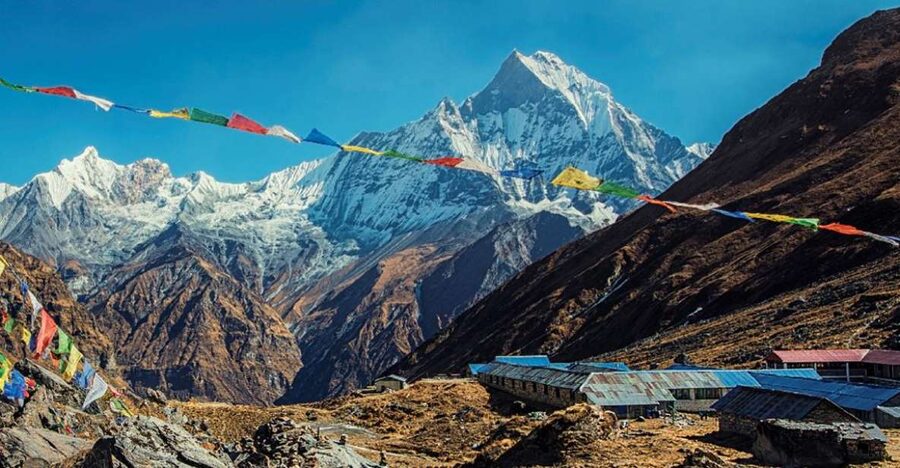
The centerpiece is Annapurna I, rising to 8,091 meters. It is the world’s 10th-highest mountain, and the wider Annapurna massif includes many other major peaks. You are not simply walking toward one mountain, but into a large ring of high summits that becomes more dramatic as the trail climbs.
This is not a sightseeing bus tour with a short walk added. The itinerary includes five to eight hours of trekking on many days, stone steps, altitude gain, and a high overnight stop. The reward is a close mountain setting that feels much more personal than viewing the Himalayas from a road or hotel terrace.
More Annapurna Base Camp treks:
- Annapurna base camp trek 5 Days
★ 5.0 · 252 reviews - Annapurna Base Camp Trek
★ 5.0 · 111 reviews - Kathmandu to Annapurna Base Camp (ABC) 5-Day Trek
★ 5.0 · 102 reviews
Kathmandu arrival and the flight to Pokhara
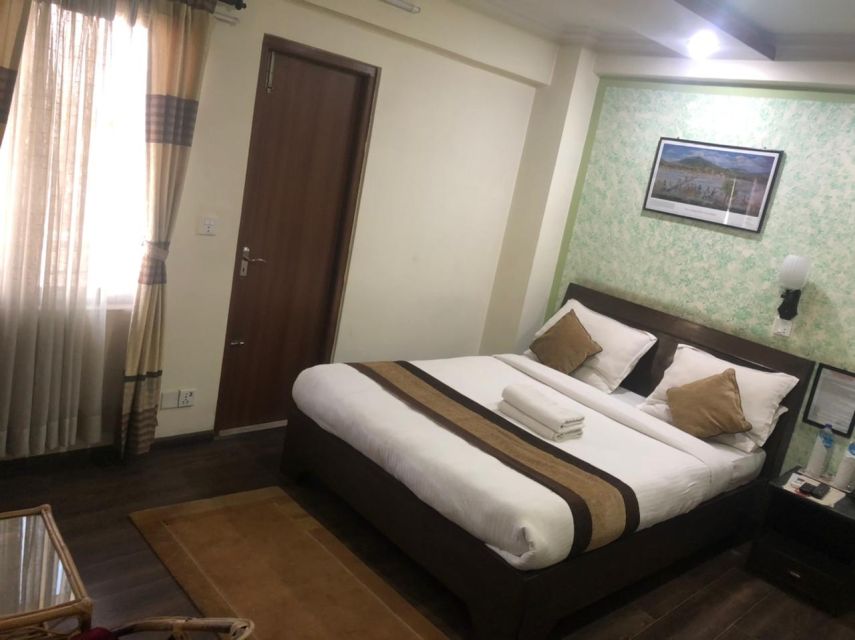
Day 1 is deliberately light. You arrive in Kathmandu at around 1,300 meters, settle into a three-star hotel, and attend a welcome dinner. The package includes airport transportation and a hotel with breakfast, but lunch in Kathmandu is not included.
On Day 2, the group takes a flight to Pokhara. The flight lasts about 30 minutes, and the right side of the aircraft is suggested for better Himalayan views. That small seating tip is worth remembering, though views depend on weather and the flight itself.
Pokhara sits at about 823 meters and is known as the Lake City. The town is also a useful staging point for the trek, with mountain views toward Dhaulagiri, Manaslu, Machhapuchhare, and Annapurna.
After landing, a representative collects you at the airport. The next transfer takes about one hour and 20 minutes by road to Nayapul, also called New Bridge, near Birethanti. From there, the walking begins.
Ghandruk brings village life into the itinerary
The first walking day runs from Birethanti to Ghandruk and takes around five to six hours. Ghandruk is largely inhabited by the Gurung community, giving the trip an early cultural element rather than making it only about high peaks.
If time allows, you can visit the Gurung museum. The wording matters here: the museum visit depends on the day’s timing, so you should not treat it as a guaranteed scheduled stop. Still, Ghandruk is an important first overnight because it gives you a village setting before the trail turns higher and wilder.
The combination of a flight, road transfer, and a five to six hour walk makes Day 2 fairly full. I would keep your morning simple and avoid planning anything demanding before the flight. You will also want to pay attention to your trekking bag and personal items from the start, since porter support handles the main load but not every item you bring.
Ghandruk to Chhomrong, the trail gains height
Day 3 takes you from Ghandruk to Chhomrong at 2,170 meters. The walk lasts about five to six hours, and this is where the trip begins to feel like a proper mountain route rather than a village approach.
Chhomrong is one of the key settlements on the way to Annapurna Base Camp. It is high enough to bring a noticeable change in temperature and scenery, but it is not yet the high point of the journey.
This part of the trek is also a useful test of your pace. You have several days ahead, so rushing early is a poor strategy. I would walk at a steady speed, drink regularly, and treat the schedule as a guide rather than a race.
More walking in the hills of Kathmandu:
- Everest Base Camp Trek – 14 Days
★ 5.0 · 1,499 reviews - Everest Base Camp Trekking
★ 5.0 · 485 reviews - Nagarkot Sunrise View and Day Hiking from Kathmandu
★ 5.0 · 471 reviews - Annapurna Circuit Trek with Tilicho Lake
★ 5.0 · 368 reviews
Bamboo and Deurali lead into the high country
The route from Chhomrong to Bamboo takes about four to five hours on Day 4. Bamboo sits at approximately 2,310 meters, only a little higher than Chhomrong, but the trail continues to feel more enclosed and forested.
The next day, you walk from Bamboo to Deurali at 3,230 meters. This takes about three to four hours, making it shorter in walking time than several other days. That shorter day is useful because the altitude is now becoming a bigger factor.
The route is known for cascading waterfalls, lush rhododendron forests, and mountain scenery. Rhododendrons are especially associated with Nepal’s spring trekking season, from March through May, when the weather is generally favorable and the forests can add color to the walk.
Teahouse accommodation keeps the experience practical. You sleep in local guesthouses rather than in full-service hotels, and meals are provided during the trek. The package includes seven nights in teahouses or guesthouses, along with the staff costs for food, lodging, insurance, and equipment.
You should still expect a simple style of lodging. The supplied information does not promise private bathrooms, heating, or upgraded rooms, so pack with basic mountain accommodation in mind. The operator provides a down jacket and sleeping bag for use during the trek, which reduces the amount of bulky gear you need to bring.
Annapurna Base Camp via Machhapuchhre Base Camp
Day 6 is the big ascent. You walk from Deurali to Machhapuchhre Base Camp at 3,700 meters, then continue to Annapurna Base Camp at 4,130 meters. The whole day takes about five to six hours.
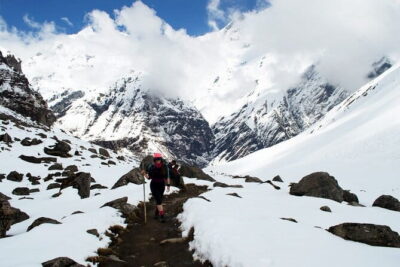
This is the point where the route changes from forest and village scenery to a much more open high mountain setting. The Annapurna Sanctuary area brings you close to the massif, and the surrounding peaks become the main event.
Machhapuchhre means Fishtail, referring to the distinctive shape of Machhapuchhare. The stop is valuable because it breaks up the climb and gives you a first major high-altitude viewpoint before the final approach to Annapurna Base Camp.
At 4,130 meters, Base Camp is high enough that you should take symptoms of altitude seriously. The itinerary includes a medical kit carried by the trek leader, but that is not a substitute for travel and rescue insurance, which is specifically excluded from the price.
The overnight at Base Camp is one of the strongest reasons to choose this itinerary. You are not only looking at Annapurna from a distant viewpoint. You reach a recognized base camp inside the mountain area, surrounded by major Himalayan peaks.
The tradeoff is comfort. A high teahouse night can be cold and basic, and your body may feel the altitude. The included sleeping bag and down jacket are useful here, but you should still bring suitable personal layers.
The long return to Bamboo
Day 7 goes from Annapurna Base Camp back to Bamboo and takes seven to eight hours. This is the longest walking day in the schedule, and the descent does not make it effortless.
Long downhill sections can be tiring on knees and thighs, especially after a cold night and a high-altitude morning. Good footwear and trekking poles may help, although poles are not listed among the included equipment. The route retraces part of the approach, giving you another look at the valleys and forests from a different direction.
This long day is a good reason to assess your fitness honestly before booking. You do not need to be an elite mountaineer for this trip, but you should be ready for sustained walking and changing conditions.
Jhinu Danda and the final walk to Pokhara
On Day 8, you walk from Bamboo to Jhinu Danda at 1,760 meters. The walk takes around five to six hours, and the lower altitude should feel easier after the high Base Camp section.
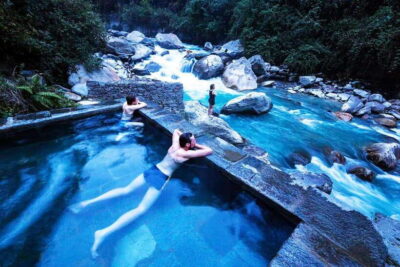
Jhinu Danda is often associated with a hot spring stop on Annapurna routes, but that feature is not specified in the supplied schedule, so you should not assume it is included. The confirmed value of this day is the descent, the changing vegetation, and the overnight location at a much lower elevation.
Day 9 takes you toward Naya Pul, with about six hours of walking followed by a one-hour drive to Pokhara. This final trail section closes the walking portion without forcing you to return directly to Kathmandu the same day.
Back in Pokhara, the pace changes. You have a chance to rest at the included hotel, enjoy the Lake City setting, and recover before the flight back to Kathmandu. Lunch in Pokhara is not included, so budget separately for meals outside the trekking package.
Kathmandu departure and the value of the package
Day 10 is the flight from Pokhara to Kathmandu. Day 11 is departure, with airport transport provided by the Alpine Club of Himalaya. The package includes three hotel nights in Kathmandu and Pokhara with breakfast, although the exact split depends on the schedule.
At $1,699 per person, the trip is not a shoestring trek. It does, however, include a useful collection of costs that can add up quickly in Nepal:
- Domestic flights between Kathmandu and Pokhara
- Three nights in three-star hotels
- Seven nights of teahouse or guesthouse lodging
- All trekking breakfasts, lunches, and dinners
- A welcome dinner and farewell dinner
- Private ground transportation listed in the itinerary
- An English-speaking, government-licensed trek leader
- One porter for every two trekkers
- Trekking permits, including ACAP and TIMS
- A down jacket, sleeping bag, duffel bag, t-shirt, and map
- Staff wages, insurance, food, accommodation, and equipment
- Government and local taxes
That list makes the price easier to judge. You are paying for a managed trek rather than only a bed and a guide. The porter ratio is also practical: one porter carries the main load for two people, while you should carry your day-use essentials.
Several expenses remain outside the price. You pay for your Nepalese visa, international flights, excess baggage, travel and rescue insurance, personal purchases, and lunches in Kathmandu and Pokhara. Extra hotel nights are also separate if you arrive early, leave late, or return from the mountains ahead of schedule.
The reserve-now and pay-later option gives you some planning flexibility, and cancellation is available up to 24 hours before the activity for a full refund. Starting times should still be checked for your chosen date.
What the organization adds to the experience
This trek is operated by the Alpine Club of Himalaya, with an English-speaking government-licensed leader. That matters most on a route where altitude, weather, lodging, and transport all need attention.
The strongest available feedback is about organization and staff manner. A verified German booking from March 2023 gave the trip five stars and praised the smooth arrangements, friendly and helpful guides, and clear answers about both practical planning and local subjects.
There are only two published ratings, so I would not treat that score as a large statistical record. Still, the praise points to the areas where a guided trek should earn its keep: clear organization and approachable staff.
The company also supplies a medical kit, handles the required paperwork and permits, and pays for staff insurance and equipment. Those inclusions do not remove all mountain risk, but they reduce the number of details you must arrange yourself.
Best seasons, weather, and packing choices
The recommended seasons are autumn, from September through November, and spring, from March through May. These periods usually offer sunny, warm conditions and better chances of clear mountain views.
Winter, from December through February, may bring fewer people and a quieter feel. The cost of that solitude is harsh cold, especially at the higher overnight stops. Your supplied down jacket and sleeping bag will help, but winter still demands careful clothing choices.
The summer monsoon period, from June through August, brings rain. Wet paths and cloud cover can reduce the clear mountain views that are a major reason to choose Annapurna Base Camp.
The official required item is your passport. In practical terms, you should also prepare for a multi-day mountain walk with warm layers, rain protection, comfortable walking shoes or boots, personal medication, and a small daypack. These extra suggestions are basic preparation rather than included equipment.
Who should book this Annapurna Base Camp trek
I would recommend this trip to someone who wants the main Annapurna Base Camp experience in less time than the 14-day Annapurna Sanctuary option. It suits people who value organized transport, a licensed guide, included meals, and porter support.
It is also a good fit if you want more than mountain photographs. The route includes Ghandruk and Gurung culture, village stays, terraced farmland, forests, waterfalls, and the changing feel of the trail as you gain altitude.
I would hesitate if you want a relaxed holiday with short walks and hotel comfort every night. The five to eight hour trekking days, basic teahouses, high altitude, and long return from Base Camp are real demands.
You should also think carefully about insurance. Travel and rescue insurance is not included, and the itinerary reaches 4,130 meters. That is one of the most important items to arrange before setting out.
Should you book the 11-day Annapurna Base Camp trek?
Book it if you want a tightly organized, high-altitude trek with a strong mix of scenery and village life, and you have only 11 days available. The inclusion of flights, permits, meals, porter support, gear, hotels, and staff costs gives the $1,699 price solid practical value.
Choose the 14-day Annapurna Sanctuary version instead if you want a slower schedule or more time in the mountains. Choose this 11-day trip if reaching Annapurna Base Camp is your priority and you are ready for long walking days, simple lodging, cold conditions, and a serious altitude gain.
FAQ
How long is the Annapurna Base Camp Trek?
The trip lasts 11 days, including arrival in Kathmandu, domestic flights, the trekking section, and final departure.
What is the price of the trek?
The listed price is $1,699 per person.
Where does the trek begin?
The walking portion begins near Nayapul, also called New Bridge, after a flight from Kathmandu to Pokhara and a road transfer.
How high is Annapurna Base Camp?
Annapurna Base Camp is at approximately 4,130 meters, or 13,545 feet, above sea level.
How long is the flight from Kathmandu to Pokhara?
The domestic flight takes about 30 minutes.
What accommodation is included?
The package includes three nights in three-star hotels in Kathmandu and Pokhara, plus seven nights in teahouse or guesthouse accommodation during the trek.
Are meals included?
Breakfast is included at the Kathmandu and Pokhara hotels. Breakfast, lunch, and dinner are included during the trek, along with a welcome dinner and farewell dinner.
Is a guide included?
Yes. The trek includes an experienced, English-speaking, government-licensed trek leader.
Is porter service included?
Yes. The stated arrangement is one porter for every two trekkers.
What are the best months for this trek?
The recommended seasons are September through November and March through May. Winter can be quieter but colder, while June through August is the monsoon period and can bring rain.
New in the Kathmandu listings
- Traditional Momo Making Class★ 5.0 · 10 reviews
- Kathmandu: Ancient City Kirtipur & Pharping Monastery Tour★ 5.0 · 2 reviews
- Kathmandu to Pokhara Premium sofa bus ticket★ 4.0 · 17 reviews
- Women Empowerment Project(Nepali cooking class & jewelry workshop★ 5.0 · 15 reviews
- Yoga Experience Day Trip with Private Transfer From Kathmandu★ 4.0 · 2 reviews
- 7-Day Langtang Valley Trek from Kathmandu★ 5.0 · 1 review
- Kathmandu 2 Nights 3 Days Chitwan Jungle Safari Tour★ 5.0 · 9 reviews
- Wildlife Adventure in Chitwan Nepal★ 4.0 · 4 reviews
Annapurna Base Camp Treks, compared.
Kathmandu to Annapurna Base Camp (ABC) 5-Day Trek
Read our review →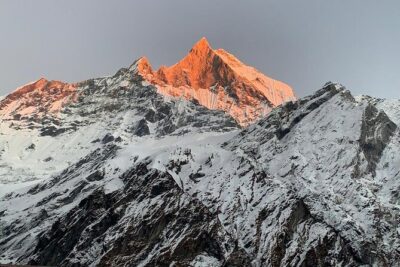
Kathmandu/Pokhara: 5-Day Annapurna Base Camp (ABC) Trek
Read our review →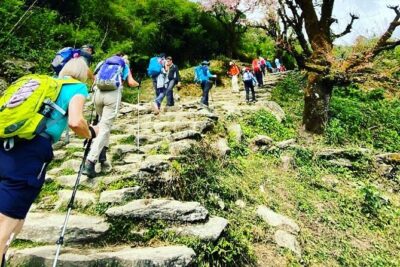
11-Day Hike Tour to Annapurna Base Camp Bliss in Kathmandu
Read our review →Browse the lists this tour appears in