
REVIEW · ANNAPURNA CIRCUIT TREKS
From Kathmandu Budget: 8 Day Private Annapurna Circuit Trek
High altitude comes quickly here. This eight-day Annapurna Circuit trek packs subtropical valleys, dry Mustang country, traditional villages, and the 5,416-meter Thorong La Pass into one demanding trip. I like the strong mix of scenery and culture, especially the chance to meet Gurung, Thakali, and Manangi communities while moving between Annapurna and Dhaulagiri views.
I also like the practical price of $655 per person, which covers transport, a guide, permits, teahouse lodging, and an emergency first aid kit. The main caution is the schedule: reaching Thorong La on day seven means you need to be fit, prepared for cold and thin air, and comfortable with long travel and walking days.
In This Review
- The Details That Matter Most
- What $655 Covers, and What It Does Not
- Day One: Kathmandu to Besi Shahar, Then Toward Bahun Danda
- Day Two: Bahun Danda or Chame to Pisang
- Day Three: Pisang to Manang via Braga Monastery
- Day Four: Acclimatization in Manang
- Day Five: Manang to Yak Kharka
- Day Six: Yak Kharka to Thorong Phedi
- Day Seven: Thorong La at 5,416 Meters, Then Muktinath
- Day Eight: Muktinath to Pokhara by Local Bus
- Culture Along the Annapurna Route
- Weather, Clothing, and Timing
- Who Will Get the Most From This Trek?
- Should You Book the Annapurna Circuit Trek?
- FAQ
- How long is the Annapurna Circuit trek?
- How high is Thorong La Pass?
- Is food included in the price?
- Is travel insurance included?
- What languages does the guide speak?
- What are the best months for this trek?
The Details That Matter Most
- Thorong La reaches 5,416 meters, making it the hardest and most memorable part of the trip.
- Manang gets two nights, giving you useful time to adjust before the highest section.
- The route changes sharply, from green valleys and pine forest to dry, high-altitude country.
- Muktinath adds cultural meaning, with a sacred pilgrimage site at the end of the pass day.
- Transport shapes the experience, with a shared bus from Kathmandu and a long local bus ride to Pokhara.
- The group is limited to 10 people, while the tour remains a private experience with an English or Hindi-speaking guide.
What $655 Covers, and What It Does Not
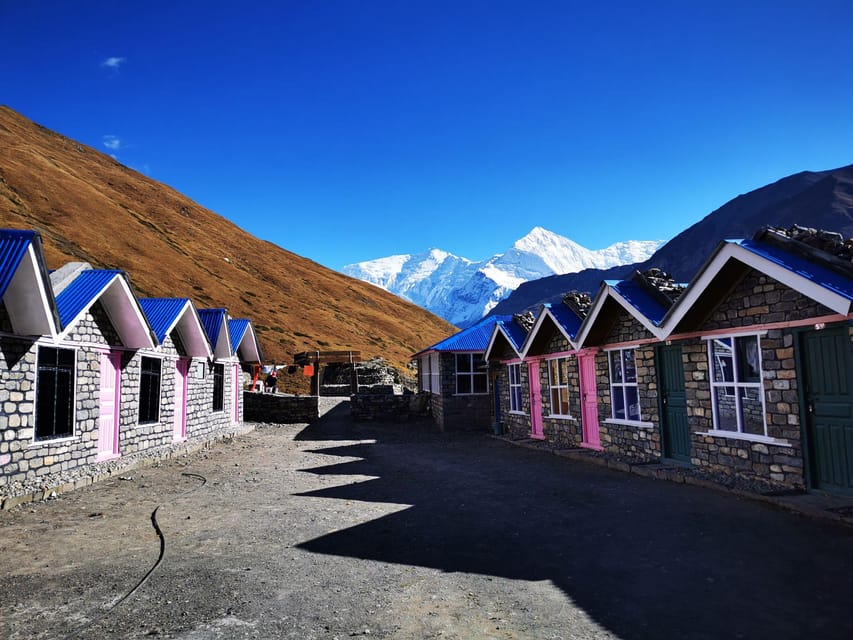
At $655, this trek offers a fair package for a short, organized route through the Annapurna region. You get hotel pickup and drop-off by car in the Kathmandu area, shared bus transfers, a trekking permit, official documents, teahouse accommodation, a guide, and a basic emergency first aid kit.
The price does not include food, drinks, travel insurance, or emergency rescue. That last point matters. At high altitude, rescue costs can be serious, so I would treat travel insurance with mountain rescue coverage as essential, not optional.
Food and drinks are available to buy along the route, but the total cost of meals is not given. Bring cash, as the instructions specifically call for it. You should also budget for personal trekking gear and warm clothing.
The phrase private tour needs a little context. You receive a private guide service, but the group type is listed as small, with up to 10 participants, and some transport is shared. This is not a fully private vehicle and fully private lodge arrangement from start to finish. It is better understood as a guided small-group trek with private booking arrangements.
More Annapurna Circuit treks:
- Kathmandu: 9-Day Annapurna Circuit Trek via Thorong La Pass
★ 5.0 · 17 reviews - Kathmandu: 10-Day Annapurna Circuit Trek via Thorong La Pass
★ 5.0 · 10 reviews - Kathmandu/Pokhara: Annapurna Circuit Trek 10 days
★ 5.0 · 6 reviews
Day One: Kathmandu to Besi Shahar, Then Toward Bahun Danda
Your first morning begins at 7:30, with a drive from Kathmandu to Besi Shahar. The road journey takes about six to seven hours, so this is a long opening day before the walking begins.
After reaching Besi Shahar, the plan calls for walking toward Bahun Danda. There is also an option to take a local jeep to Chame, but that cost is paid separately. This choice changes the character of the trip.
If you walk toward Bahun Danda, you begin the route at a slower pace and get more time on foot. If you use the jeep to Chame, you save walking time and follow a more compressed version of the circuit. The itinerary allows either approach, so you should confirm the exact starting point with the guide before departure.
This is also the first sign that the eight-day schedule is ambitious. Classic versions of the Annapurna Circuit often take longer, while this trip uses road transport to cover some sections. That makes it useful for people with limited time, but it also means less time in some villages.
Day Two: Bahun Danda or Chame to Pisang
The second day takes four to five hours, starting from Bahun Danda or Chame depending on your transport choice. The route includes a suspension bridge and a steep climb toward Dhukur Pokhari.
From there, you continue toward Pisang. The mountain views begin to take center stage, with Annapurna II and Annapurna IV named as key sights. The route is not just a walk from one lodge to another. You get a clear change in scenery as the trail moves toward higher, cooler country.
The steep ascent near Dhukur Pokhari will feel more demanding if you started from Bahun Danda. If you arrived at Chame by jeep, you may have a shorter walking day, but you will have spent more time on a rough local road. Neither option is automatically better. It depends on whether you value more walking or a faster approach to the high section.
Pisang is an important point in the route because you are moving farther from the warmer valley environments and closer to the dry upper part of the circuit. Keep warm layers accessible rather than buried in your bag.
Day Three: Pisang to Manang via Braga Monastery
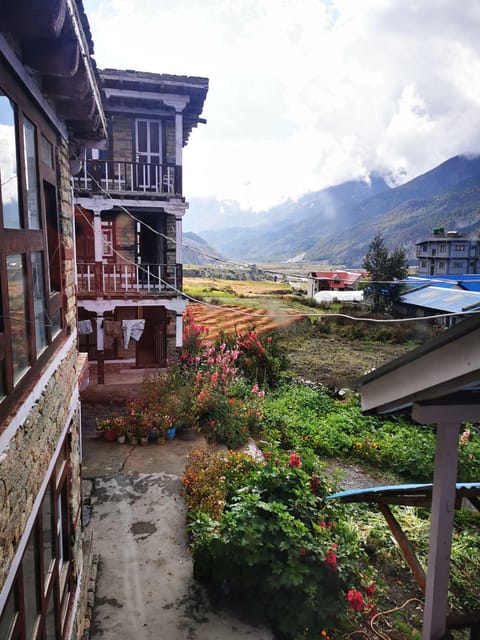
The walk from Pisang to Manang takes about five to six hours. Along the way, you stop at Braga, a village known for its hilltop monastery, said to date back about 900 years.
Braga gives the day more than mountain scenery. The monastery and village setting offer a look at the religious traditions of the Manang area, and the location makes the stop feel like a real part of the journey rather than a quick photo break.
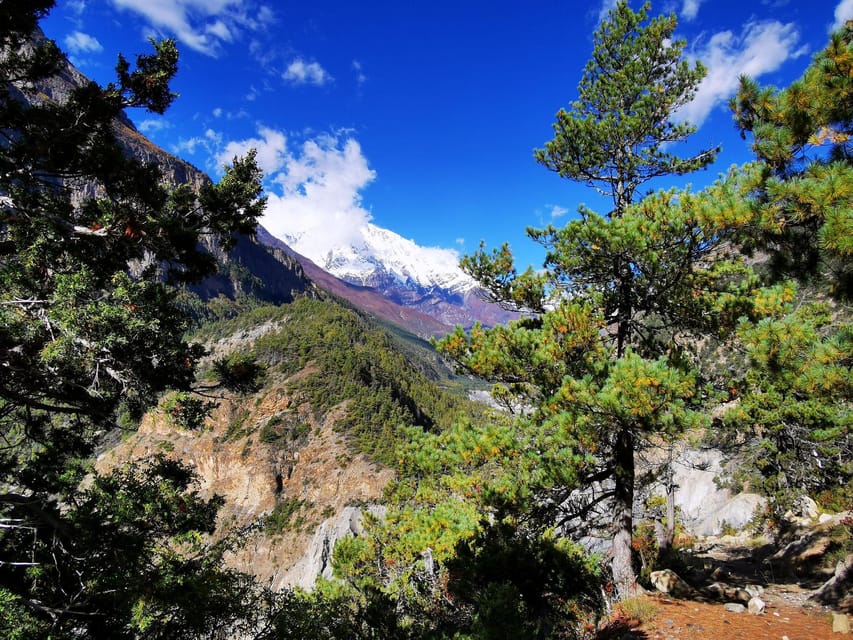
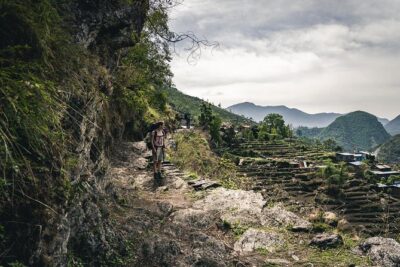
The route continues through pine forest, across suspension bridges, and beside the Marsyangdi River. The river sits far below in places, adding drama to the walk. Annapurna views remain an important reward, but the changing vegetation is just as interesting.
You spend the next two nights in Manang for acclimatization. That pause is one of the most valuable parts of the schedule. The trek reaches much higher ground soon, and moving too quickly from low elevations to Thorong La can cause serious problems.
More walking in the hills of Pokhara:
- Poon hill Trek 3 days
★ 5.0 · 176 reviews - Trekking in Annapurna/Langtang/Everest/Upper Mustang regions
★ 5.0 · 161 reviews - Pokhara: 4-Day Ghorepani, Poonhill & Ghandruk Mountain Trek
★ 5.0 · 132 reviews - Ghorepani – Poon Hill Trek 3N-4D
★ 5.0 · 125 reviews
Day Four: Acclimatization in Manang
Manang is not simply a place to wait around. The itinerary allows you to explore viewpoints, monasteries, and a cultural museum while your body adjusts to the altitude.
I like this rest day because it gives you a chance to make the trip more than a sequence of walking hours. You can look around the town, take in the surrounding peaks, and learn more about local customs before heading into the higher section.
The schedule includes an important qualification. If you take the jeep option, the acclimatization plan may change, and the group may move on after breakfast. You should ask exactly how many nights you will spend in Manang before booking or at the start of the trek.
That detail is worth checking carefully. Rest at altitude is not wasted time. It can make the difference between enjoying the pass and struggling through it.
Day Five: Manang to Yak Kharka
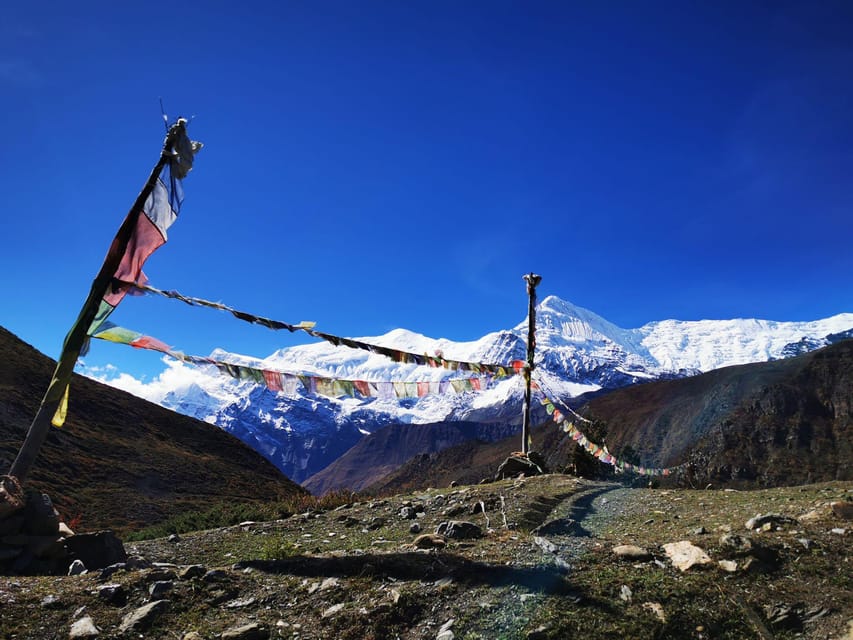
The walk to Yak Kharka takes about four hours. You continue upward through small areas of juniper and across suspension bridges, with Annapurna II and Annapurna IV still part of the view.
This is a shorter walking day, but altitude makes the effort count. A four-hour walk at high elevation can feel harder than a much longer walk in the lower valley. I would keep a slow pace and drink regularly, even if the trail looks manageable.
Yak Kharka is a practical overnight stop before Thorong Phedi. The setting becomes more open and alpine, with fewer trees and a greater sense of exposure. You may find the scenery less lush here, but the wide views and high mountain atmosphere make the change worthwhile.
The short day also gives you time to rest, organize warm clothes, and prepare for the next morning. Keep your gloves, hat, and insulated layers easy to reach.
Day Six: Yak Kharka to Thorong Phedi
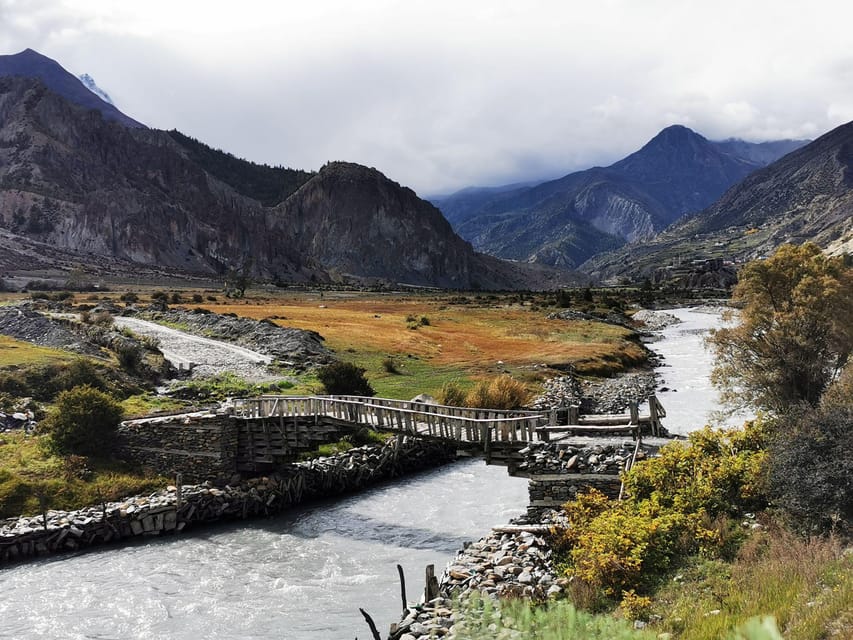
The four to five-hour walk to Thorong Phedi continues the slow climb. The route passes alpine pastures where horses roam, and Himalayan griffons may cast shadows across the ground as they fly overhead.
The description of this day sounds peaceful, but do not mistake the shorter distance for an easy outing. You are approaching the highest point of the trek, and the thin air becomes the main challenge.
Thorong Phedi is your staging point for the pass. The evening should be quiet and practical: eat, drink, rest, and prepare for an early start. The next day combines a major climb over Thorong La with a long descent to Muktinath.
This is where your guide matters most. An English or Hindi-speaking guide can help with pacing, route decisions, and basic first aid. The included first aid kit is useful, but it is not a substitute for insurance or professional rescue support.
Day Seven: Thorong La at 5,416 Meters, Then Muktinath
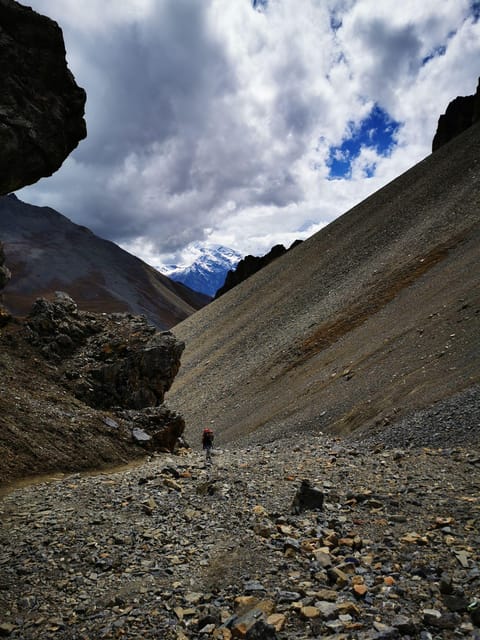
This is the demanding centerpiece of the trek. The walk from Thorong Phedi over Thorong La to Muktinath takes about seven to eight hours.
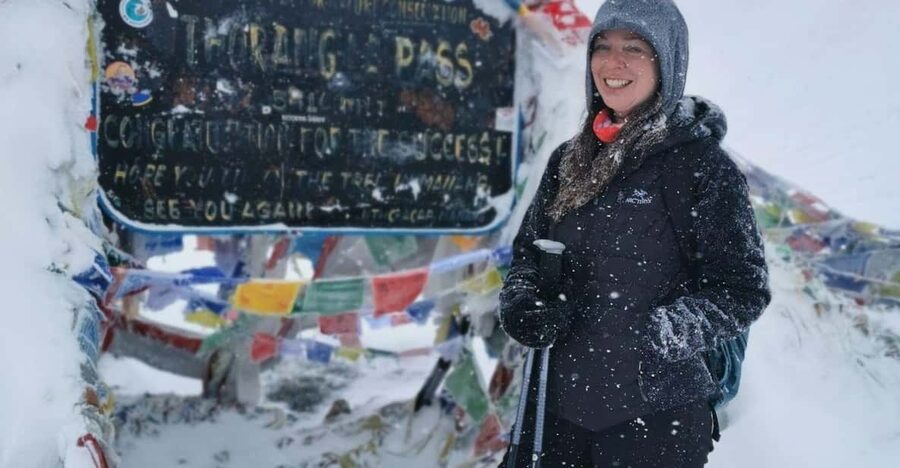
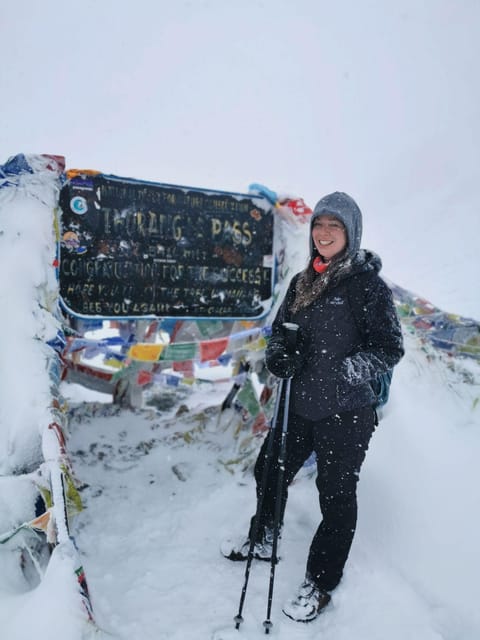
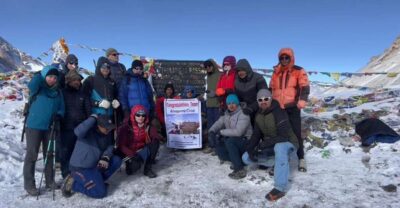
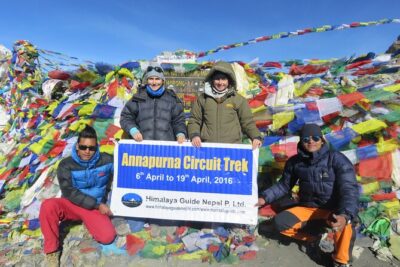
Thorong La reaches 5,416 meters, or 17,769 feet. That number is not just a statistic. At this height, cold, wind, steep ground, and low oxygen can make every section feel slower. You need warm shoes, proper trekking gear, and clothing that can handle changing conditions.
The reward is a broad mountain view from the pass, with a powerful sense of having crossed from the Manang side into the Mustang region. After the pass, you continue to Muktinath and spend the night in a teahouse.
Muktinath is a sacred pilgrimage site, so the day ends with cultural importance as well as physical achievement. You get more than a mountain crossing. You reach a place that matters deeply to pilgrims and local communities.
This is also the day when the tight schedule is most apparent. A seven to eight-hour walking day at extreme altitude is serious. I would choose this trek only if you are comfortable with sustained uphill walking and prepared to follow your guide’s instructions about pace and safety.
Day Eight: Muktinath to Pokhara by Local Bus
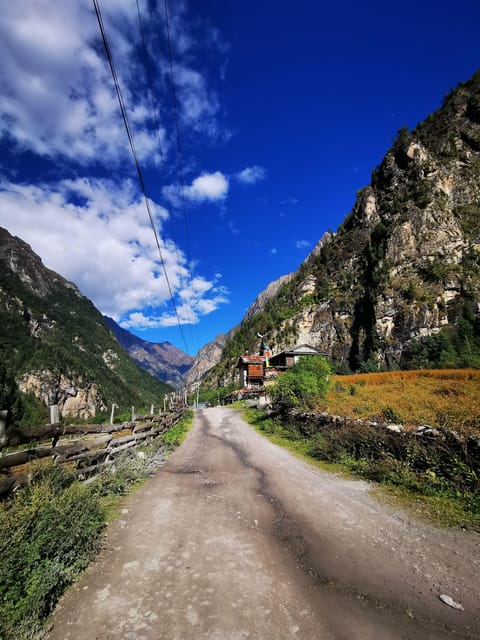
The final day is not a gentle sightseeing transfer. You take a local bus through the lower Mustang valley toward Pokhara, with the journey lasting about eight to nine hours.
The road offers a final change of scenery, but local bus travel can be tiring after the pass. The long ride is part of the price-saving structure of the trip, so you should not expect a quick private transfer.
This transport also explains how the itinerary fits into eight days. The route combines trekking with road travel rather than covering every section entirely on foot. If your priority is to experience the major high pass and the Annapurna views within a short holiday, that is a practical tradeoff.
The tour ends in Pokhara. Hotel pickup and drop-off are provided in the Kathmandu area at the beginning and end of the wider arrangement, while the final mountain transfer is by local bus.
Culture Along the Annapurna Route
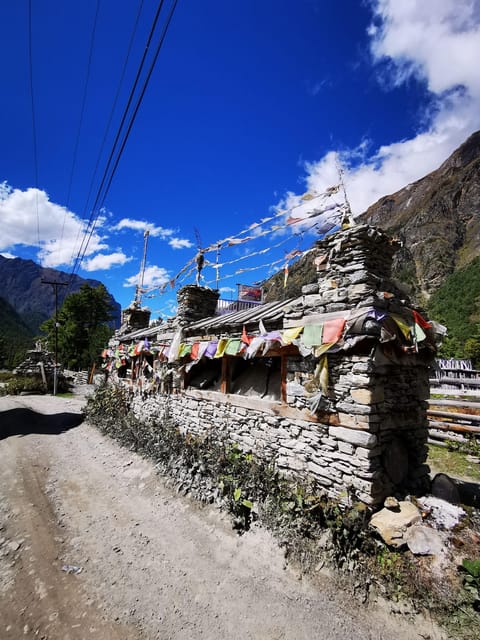
The mountain views are the headline, but the communities give the trek its character. You pass through areas associated with Gurung, Thakali, and Manangi people, each with distinct traditions, languages, and local customs.
The route also includes monasteries, village life, teahouses, and the pilgrimage site at Muktinath. These stops help you understand that the Annapurna Circuit is not only a physical challenge. It is also a passage through different cultural zones.
A guide can add value here by helping you notice details you might otherwise pass without understanding. Since the guide speaks English or Hindi, you should ask questions about the villages, religious sites, and local customs as you walk.
Weather, Clothing, and Timing
The trek can operate throughout the year, but spring from March to May and autumn from September to November are identified as the best seasons. These months usually offer more stable conditions and clearer mountain views.
Mountain weather can change quickly at any time. You should bring warm clothing, warm shoes, trekking gear, and a camera. A passport or ID card is also required, along with cash for meals and drinks.
The basic packing lesson is simple: prepare for more than one temperature in the same day. Lower valleys can feel mild, while Thorong La requires serious cold-weather protection. Keep rain or wind protection available, even when the morning begins clear.
This trek is not suitable for wheelchair users. It also demands a reasonable level of fitness because of steep climbs, high altitude, suspension bridges, and the long pass day.
Who Will Get the Most From This Trek?
I would recommend this experience to you if you have eight days available, want the Annapurna region’s major highlights, and accept that some sections will be covered by road. It suits people who want a guided route with teahouse accommodation rather than a fully independent trek.
The small group limit of 10 can help keep the experience manageable, while the guide provides support in English or Hindi. The free cancellation up to 24 hours before departure and reserve-now, pay-later option also give you some booking flexibility, though your real preparation should focus on insurance and fitness.
I would be more cautious if you want a relaxed pace, private transport throughout, or extra time in each village. The Thorong La day is long, and the compressed eight-day plan leaves little room for delays caused by weather or road conditions.
Only one verified review is available, from Sergio of Mexico, who gave the trip five out of five and described it simply as good. That is a positive signal, but it is too little feedback to judge every detail of the operator’s service. I would confirm the transport plan, exact starting point, guide arrangements, and Manang acclimatization nights before paying.
Should You Book the Annapurna Circuit Trek?
Book it if you want a short, value-focused Himalayan trek with the major prize of Thorong La, a night in Muktinath, mountain views, and contact with several Himalayan cultures. At $655, the included guide, permits, teahouses, and transfers make the package appealing.
Do not book it expecting an easy holiday. The route is compressed, food and insurance cost extra, and day seven is a serious high-altitude effort. If you arrive prepared with warm gear, cash, insurance, and realistic expectations about buses and teahouses, this can be an efficient way to experience one of Nepal’s best-known mountain routes.
FAQ
How long is the Annapurna Circuit trek?
The experience lasts eight days, beginning with pickup in the Kathmandu area and ending in Pokhara after the bus journey from Muktinath.
How high is Thorong La Pass?
Thorong La Pass reaches 5,416 meters, or 17,769 feet.
Is food included in the price?
No. Food and drinks are available for purchase but are not included in the $655 price.
Is travel insurance included?
No. You need to arrange your own travel insurance. Emergency rescue is also not included and should be covered by your policy.
What languages does the guide speak?
The live guide service is available in English and Hindi.
What are the best months for this trek?
Spring, from March to May, and autumn, from September to November, are recommended because they usually bring stable weather and clear mountain views.
New in the Pokhara listings
- Pokhara: Pokhara Highlights Tour by Bus★ 3.6 · 10 reviews
- Discover Pokhara in Style: Private Vehicle Service with Driver★ 5.0 · 5 reviews
- Multi-Day Tour from Pokhara, Poon Hill and Mulde Trek★ 5.0 · 1 review
- Pokhara in 5 Hours: Lake, Museum, Cave, Falls & Pagoda Hill★ 4.5 · 16 reviews
- Private 4 Day Poon Hill Trek from Pokhara★ 5.0 · 16 reviews
- 4 Day Mardi Himal Base Camp Trek from Pokhara★ 5.0 · 18 reviews
- From Pokhara Full Day Entire Pokhara Tour with Guide★ 5.0 · 1 review
- Ultralight Flight: Into The Heart Of The Mountains (90 min)★ 5.0 · 1 review
Annapurna Circuit Treks, compared.
15-Day Private Annapurna Circuit Trek from Kathmandu
Read our review →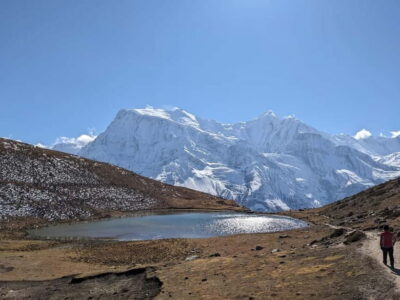
Browse the lists this tour appears in