REVIEW · FULL-DAY
Full Day Guided Khukuri Making the Primitive Way in Kathmandu
Metal meets fire in Kathmandu. This full-day workshop lets you help turn raw iron into a traditional khukuri, the curved knife linked with Nepal and the Gurkhas. I like the direct, hands-on work, and I like the chance to enter a local artisan’s home and workshop rather than simply watch a staged demonstration. The warm welcome described by one participant, along with help from James, made the day feel personal.
The main consideration is the $200 price, which is high for a seven-hour activity in Nepal. You should also expect heat, hammering, workshop dust, and a moderate level of physical effort, so this suits you best if you want active cultural learning rather than a relaxed sightseeing stop.
In This Review
- Key points to know before you book
- Why a khukuri workshop matters in Nepal
- Starting at Lal Durbar Marg at 9:15 am
- Meeting the artisan in the home workshop
- Hammering iron and watching the sparks
- Shaping the blade from raw metal
- Polishing the finished khukuri
- Lunch and conversation with the family
- What the $200 price includes
- Who should choose this workshop
- Practical booking advice for a seven-hour day
- Should you book the Kathmandu khukuri workshop?
- FAQ
- Where does the khukuri-making experience begin?
- What time does the workshop start?
- How long does the experience last?
- Is transportation included?
- Is lunch included?
- Do I need previous blacksmithing experience?
- What safety equipment is provided?
Key points to know before you book
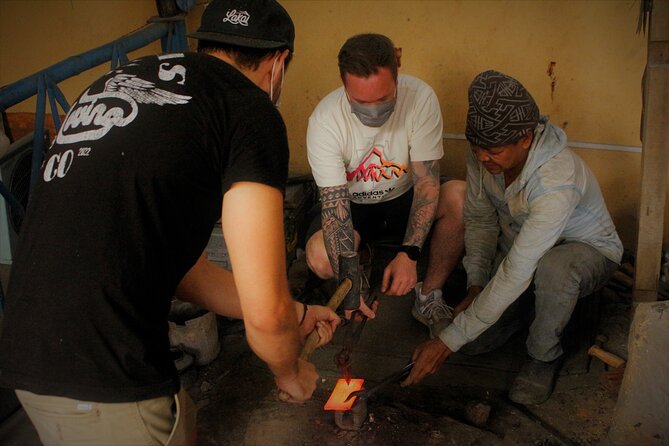
- You help make the khukuri from scratch: The work includes hammering iron, shaping the blade, and polishing the finished knife.
- The workshop takes place with local artisans: You spend the day learning about their craft, daily life, and traditions.
- The old method is the main attraction: Expect primitive blacksmithing techniques rather than a polished factory demonstration.
- The group is very small: A maximum of three people allows close guidance and easy conversation.
- Transport and lunch are included: Private transportation and a meal make the seven-hour schedule simpler.
- The day begins at 9:15 am: Pickup is offered, with the listed meeting point at Community Homestay Network on Lal Durbar Marg.
Why a khukuri workshop matters in Nepal
The khukuri is more than a useful blade. It is a strong symbol of Nepalese identity and is closely tied to the Gurkhas, whose reputation for courage helped make the knife known far beyond Nepal.
That cultural meaning gives this workshop more weight than an ordinary souvenir-making class. You are not simply decorating a pre-made object. You are learning how a piece of iron can become a tool with a place in Nepal’s history and everyday traditions.
I like experiences that explain an object through the people who make it. Here, the blacksmiths can show you the process through action: the heat, the hammer blows, the sparks, and the slow change in shape. Even if you know nothing about metalwork, you can see why the khukuri carries such pride.
The workshop also offers a look at the artisan’s way of life. The personal account available for this activity describes a welcome into the artisan’s home and workshop, where the visitor felt at home. That detail matters. The setting is not just a workroom arranged for tourists. It is part of the maker’s daily world.
A short list of alternatives around Kathmandu
- Everest Base Camp Trek – 14 Days
★ 5.0 · 1,499 reviews - Private Kathmandu Sightseeing Tour | UNESCO World Heritage sites
★ 5.0 · 756 reviews - Everest Base Camp Helicopter Tour landing at Everest View Hotel
★ 5.0 · 668 reviews
Starting at Lal Durbar Marg at 9:15 am
Your day begins at 9:15 am at Community Homestay Network, Lal Durbar Marg, Kathmandu 44600. Pickup is offered, and private transportation is included, which is helpful in a city where getting around can take more time than expected.
The exact travel time to the workshop is not provided, so do not plan a tight appointment immediately after the activity. The seven-hour estimate includes the full experience, but local road conditions and the time spent with the artisan may affect the finish.
The maximum group size is three people. That is one of the strongest practical features here. With only a few participants, you should have a better chance to ask questions, receive corrections from the blacksmith, and work directly on the metal instead of waiting behind a crowd.
Confirmation is sent within 48 hours of booking, subject to availability. I would book before building the rest of your Kathmandu schedule around this day, especially because the group is so small.
Meeting the artisan in the home workshop
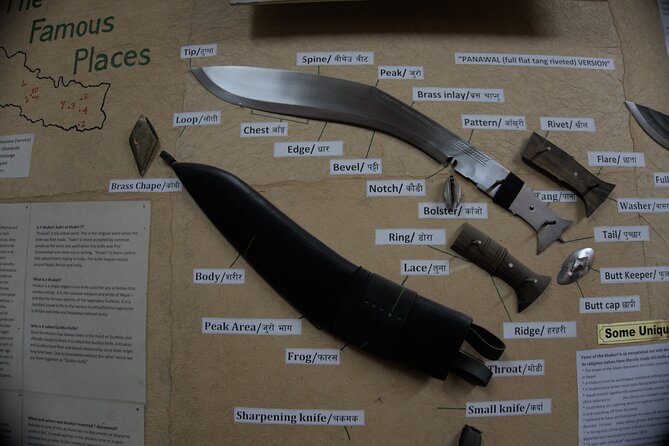
The first part of the day is about connection and context. You meet the local artisan and get introduced to the workshop, the tools, and the traditional approach to making a khukuri.
The setting gives the craft a human scale. You can ask about the artisan’s work and lifestyle while seeing where the knife is made. One participant especially valued the easy communication during the day, with James serving as a helpful assistant. That kind of support can make a big difference when you are working with unfamiliar tools and technical steps.
This is also the point where you should listen carefully to the cultural explanation. The khukuri is connected with bravery, Nepalese pride, and the Gurkha tradition. The workshop is designed to explain those links while showing how the knife is produced.
Do not expect a museum-style lecture with a long display of objects. The information is tied to the work in front of you. As the blade takes shape, the history becomes easier to understand because you can see the skill and labor involved.
Hammering iron and watching the sparks
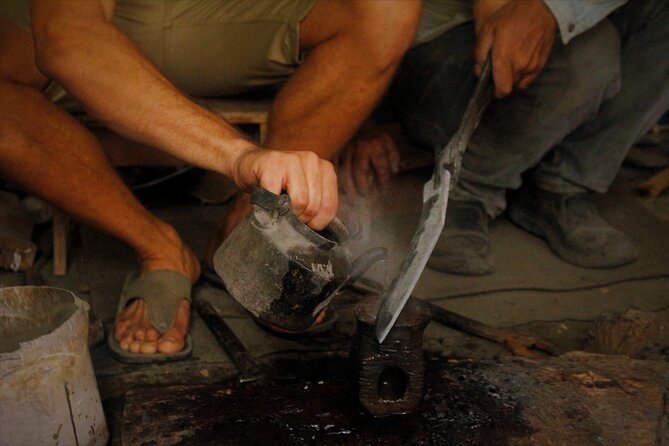
The most memorable portion is the forge work. You hammer a piece of iron as the artisan guides you through the old method. Sparks fly from the metal, and the sound and effort make this very different from a normal Kathmandu tour.
You do not need previous blacksmithing experience. The activity is built for beginners, and the artisans guide you through the process. That said, the work is physical. Repeated hammering requires effort, and the tour asks for a moderate level of fitness.
Your role may vary according to safety, timing, and the stage of the blade. The supplied details promise hands-on participation, but they do not specify every tool or step. You should think of this as guided craft work, not a chance to operate every part of a working forge without supervision.
The safety gear includes a helmet and masks. You return both after use. Wear practical clothing and shoes you do not mind exposing to workshop dust. The operator does not list protective clothing beyond the helmet and mask, so dress for an active work area.
The fire and sparks are part of the appeal, but they also explain why safety instructions matter. Pay close attention to the artisan, keep your hands where you are told, and do not rush to get a photograph during the working stages.
A completely different way to spend the day:
- Half day cooking class in Thamel kathmandu
★ 5.0 · 607 reviews - Everest Base Camp Trekking
★ 5.0 · 485 reviews - Nagarkot Sunrise View and Day Hiking from Kathmandu
★ 5.0 · 471 reviews - Kathmandu: Full Day 7 UNESCO Tour with Lunch – Private/Group
★ 5.0 · 415 reviews
Shaping the blade from raw metal
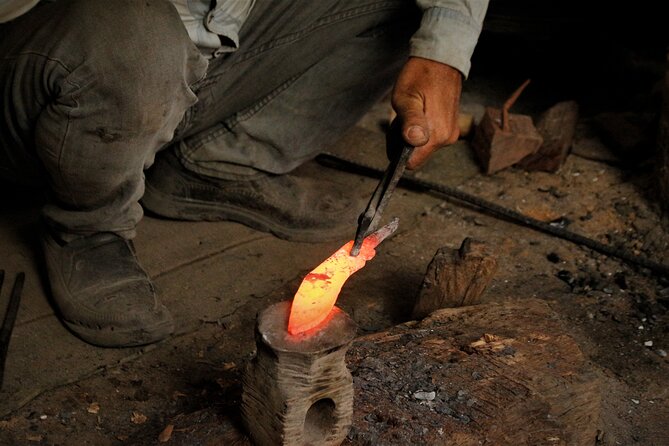
A khukuri’s curved profile is one of its defining features. The workshop shows how a plain piece of metal changes through heat, force, and repeated adjustment.
This is where the activity earns its cultural value. You begin with something that looks ordinary, then watch it become a recognizable Nepalese knife. The transformation is slow enough for you to appreciate the labor, but active enough to keep the day from feeling like a lecture.
The artisan’s role remains essential. Traditional blacksmithing depends on judgment, timing, and experience. You may strike the metal yourself, but the finished form comes from the maker’s eye as well as your effort.
That balance is worth understanding before you book. You are participating in the creation of your own khukuri, but you are not replacing the artisan. The final result reflects guided teamwork. If you want a completely self-directed project, this may feel more supervised than expected. If you want to learn safely from someone who makes these knives, the supervision is a benefit.
Polishing the finished khukuri
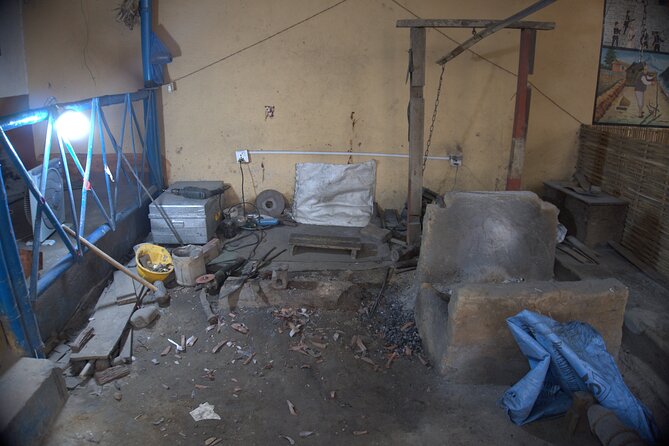
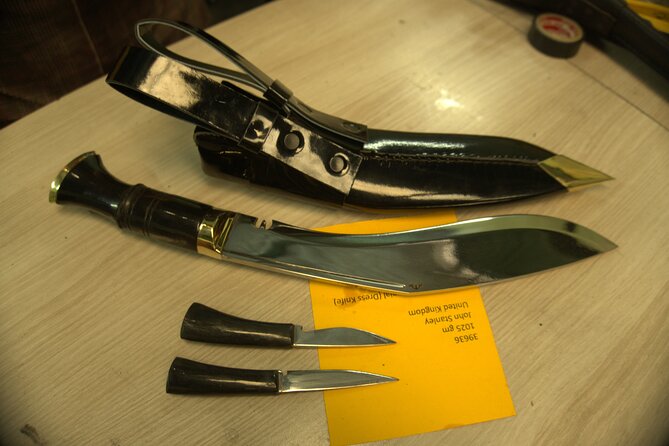
After the heavy work comes the finishing stage. You polish the knife and see the rough forged metal take on a cleaner appearance.
Polishing may sound less dramatic than the forge, but it completes the story. The sparks get the attention. The final surface shows the patience required to turn a rough object into something useful and presentable.
This stage also gives you time to look closely at the shape and workmanship. You can appreciate how much has changed since the start of the morning. The activity description does not specify the exact materials used for the handle or sheath, so you should not assume that every part of a complete commercial khukuri will be made during the session.
The clearest promise is that you work on the knife from scratch and finish by polishing it. Ask the provider in advance if you need precise information about what you take home, the final dimensions, or any transport requirements for the finished blade.
Lunch and conversation with the family
Lunch is included, which helps make the long workshop easier to manage. It also fits the personal nature of the visit. You are spending time around the artisan’s home and learning about local customs, not simply moving from one scheduled demonstration to another.
The supplied information does not name the menu, so you should not book this expecting a particular dish. If you have dietary needs, ask the provider before the day begins. The included meal is a useful part of the value, but its greater importance is the chance to pause and talk.
The personal account of the activity placed real emphasis on being welcomed into the house and feeling comfortable with the artisan’s family. That is the kind of detail I would weigh heavily when choosing between a standard craft demonstration and this workshop. The knife is the focus, but the human contact may be what you remember longest.
James was praised as a very good assistant who helped communication flow during the day. If you are concerned about language or technical explanations, that support may make the process more approachable.
What the $200 price includes
At $200 per person, this is not a budget activity. The price needs to be judged against what you receive: about seven hours, private transportation, lunch, the khukuri-making session, and safety equipment.
The small group is important here. A maximum of three people means the cost is buying more than admission to a workshop. It is paying for close access to the artisan and time to work directly on the knife.
I would consider the price fair for someone who places a high value on a private cultural activity and a handmade object with personal meaning. It is less attractive if you mainly want a quick introduction to Nepalese knives or a low-cost souvenir.
Private transport also adds convenience, though the pickup details are limited. The listed starting point is Lal Durbar Marg, so confirm where the driver will meet you and how pickup will work before the morning of the activity.
Lunch and safety gear remove a few extra costs, but the main value remains the access to the artisan and the chance to take part in the work. You are paying for time, instruction, and personal contact rather than simply for the blade itself.
Who should choose this workshop
I would recommend this day to you if you enjoy learning through your hands. It suits people who like traditional crafts, local food, small-group activities, and conversations with makers.
It can also work well for visitors who have already seen Kathmandu’s major sights and want a slower look at one part of Nepalese culture. The workshop gives you a story to carry home, not just another photograph.
You should think twice if you dislike heat, noise, physical work, or workshop dust. The day is not designed as a passive cultural visit. Moderate fitness is required, and the activity may feel long if you are mainly interested in sightseeing.
Families should check the age and participation rules before booking, since no child policy is provided. The group limit is three people, so larger parties may not fit into one departure.
Because a khukuri is a blade, think carefully about how you will pack it and transport it after the activity. The supplied information does not explain shipping, airline packing, or any local rules. Ask those questions before you pay if you are flying onward.
Practical booking advice for a seven-hour day
Book early enough to allow for the 48-hour confirmation period. The booking remains subject to availability, and the small group limit can make last-minute planning difficult.
You can cancel for a full refund if you do so at least 24 hours before the start time. Cancellations or changes made less than 24 hours before the 9:15 am start are not accepted for a refund, and all cut-off times use Kathmandu local time.
Bring a patient attitude. The work may not follow the exact rhythm of a city tour, and the artisan may spend time explaining, correcting, or repeating a technique. That is part of the point.
I would also leave the rest of the day open after the workshop. The listed duration is about seven hours, and the physical effort may leave you ready for a quiet evening rather than another major attraction.
Should you book the Kathmandu khukuri workshop?
Book it if you want a close, active encounter with Nepalese craft and you are comfortable paying $200 for a small private experience. The strongest reasons are the chance to hammer and polish your own khukuri, the contact with a local artisan and family, and the help available from James during the day.
Skip it if you want a cheap souvenir, a short demonstration, or a fully predictable schedule. This is a hands-on workshop with physical demands, a moderate fitness requirement, and limited detail about the finished knife or onward transport.
For the right person, the value is not just the object you make. It is the understanding that comes from feeling the work in your arms and seeing sparks turn raw iron into a symbol of Nepal.
FAQ
Where does the khukuri-making experience begin?
The listed meeting point is Community Homestay Network, Lal Durbar Marg, Kathmandu 44600, Nepal.
What time does the workshop start?
The scheduled start time is 9:15 am.
How long does the experience last?
The activity lasts approximately seven hours.
Is transportation included?
Yes. Private transportation is included, and pickup is offered.
Is lunch included?
Yes. Lunch is included in the price.
Do I need previous blacksmithing experience?
No. The activity is designed to provide hands-on instruction even if you have zero experience.
What safety equipment is provided?
A safety helmet and masks are provided for use during the workshop. You must return them after the activity.
New in the Kathmandu listings
- Traditional Momo Making Class★ 5.0 · 10 reviews
- Kathmandu: Ancient City Kirtipur & Pharping Monastery Tour★ 5.0 · 2 reviews
- Kathmandu to Pokhara Premium sofa bus ticket★ 4.0 · 17 reviews
- Women Empowerment Project(Nepali cooking class & jewelry workshop★ 5.0 · 15 reviews
- 7-Day Langtang Valley Trek from Kathmandu★ 5.0 · 1 review
- Kathmandu 2 Nights 3 Days Chitwan Jungle Safari Tour★ 5.0 · 9 reviews
- Yoga Experience Day Trip with Private Transfer From Kathmandu★ 4.0 · 2 reviews
- Wildlife Adventure in Chitwan Nepal★ 4.0 · 4 reviews
Full-Day, compared.
Full Day 7 UNESCO Tour with Lunch – Private/Group
Read our review →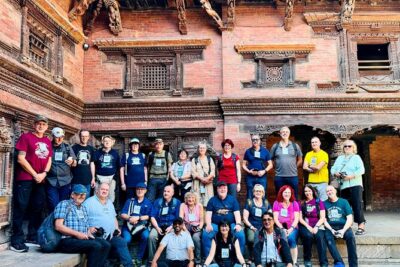
Full Day Top 4 UNESCO Tour with Lunch – Private/Group
Read our review →Full-Day 7 UNESCO Tour with Lunch – Private/Group
Read our review →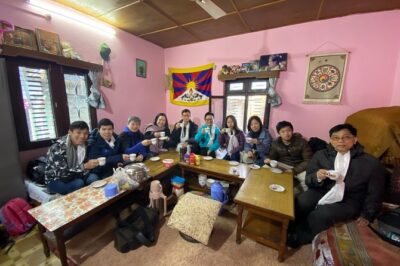
Full-Day Tibetan Cultural Tour to Tibetan Settlements Pokhara
Read our review →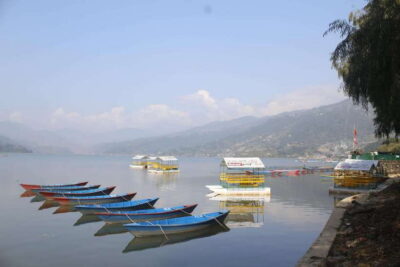
Full-Day Sharing Bus Tour on 7 Iconic Destination
Read our review →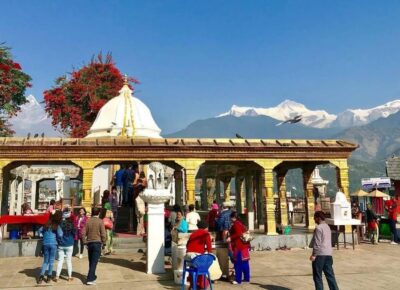
Full Day 7 UNESCO Tour with Lunch – Private/Group
Read our review →