
REVIEW · FOOD TOURS
Kathmandu Food Crawl & Market Tour
Come hungry, leave curious. This two-hour Kathmandu food crawl combines local dishes with a walk through Ason Bazar, giving you a useful first look at Newar traditions, market life, and everyday Nepali food. I especially like the minimum five food and drink tastings, plus the chance to reach small local food spots you might not find on your own. I also like that the tour is led in English by Santosh Pandey, a guide praised for explaining food, religion, history, and daily life in clear, friendly terms.
The main consideration is pace. Two hours is enough for a generous sampling and market walk, but not enough for a slow, detailed tour of every lane and landmark. The food portions can also be much larger than expected, so arrive hungry and avoid scheduling a heavy meal immediately afterward.
In This Review
- Key points at a glance
- Why this short Kathmandu food tour works
- Meeting Santosh Pandey at Chhaya Center
- Entering Ason Bazar, Kathmandu’s old market quarter
- Tasting Newari food one stop at a time
- Yomari
- Samay Baji
- Momo
- Chatamari
- Laphing
- More than food, crafts and daily life
- How much food do you really get for $28?
- Who should book this experience?
- Practical timing and booking advice
- My final call: book it if food is your way into Kathmandu
- FAQ
- Where does the Kathmandu food tour start?
- Where does the tour finish?
- How long does the activity last?
- What food and drinks are included?
- Is a guide included?
- What market does the tour visit?
- Can I cancel for a refund?
Key points at a glance
- Ason Bazar sets the scene: Explore Kathmandu’s famous old local market and see how food, worship, trade, and daily errands meet in one crowded area.
- At least five tastings are included: Food and drinks are covered, giving you better value than a simple guided walk.
- Newari cooking is the star: You might sample dishes such as yomari, samay baji, chatamari, or other local specialties, depending on the day.
- Santosh Pandey adds local context: His explanations cover ingredients, customs, religion, history, and Nepali food preferences.
- The route favors real local places: Narrow passages and modest food stops are part of the adventure, not a polished restaurant circuit.
- The price is easy to justify: At $28 per person, the combination of food, guiding, and market access offers strong value for a short introduction to Kathmandu.
Why this short Kathmandu food tour works
Kathmandu can be hard to read at first. There are temples, shrines, shops, food stalls, traffic, and narrow lanes all competing for your attention. A food tour gives you a simple way in. You follow what people eat, then learn why they eat it.
This experience is not only about filling your stomach. It connects food with the Newar people, one of the main cultural communities of the Kathmandu Valley. Their cooking includes ceremonial platters, sweet dumplings, beaten rice, pickles, spiced meat, and snacks made for quick eating. The dishes reflect Nepal’s links with Tibetan, Indian, and local traditions.
I like this approach because food makes cultural information easier to remember. You may forget a list of dates, but you are less likely to forget the taste of a spicy momo, the texture of beaten rice, or the sweet filling inside a yomari.
The tour lasts two hours and begins and ends at the main gate of Chhaya Devi Complex, also called Chhaya Center. That makes the route simple to fit into a morning or afternoon in Kathmandu. You do not need to arrange separate transport between stops, and you return to the same place where you started.
More Food Tours in Kathmandu:
- Walking Street Food Tour in Kathmandu
★ 5.0 · 111 reviews - Secret Food Tour – Food Bites and Sights Kathmandu 14+ Testings
★ 5.0 · 82 reviews - Kathmandu Secret Food Crawl & Local Market Tour
★ 4.7 · 54 reviews
Meeting Santosh Pandey at Chhaya Center
The meeting point is the main gate of Chhaya Devi Complex. This clear start and finish matters in Kathmandu, where a busy street, shopping center, or market entrance can otherwise become confusing.
Your English-speaking guide is Santosh Pandey. His role goes beyond pointing out food counters. He explains what you are eating, discusses Nepali food preferences, and adds background about local history, religion, and ordinary life.
That personal element is one of the strongest parts of the experience. A food stall can look like a quick stop if you do not know what to notice. With a guide, you can ask about ingredients, preparation, customs, and how a dish fits into local life.
Santosh has also been praised for being easy to talk with and for speaking openly about life in Nepal. That can make the walk feel less like a formal lecture and more like a conversation with someone helping you understand his city.
Still, remember that the tour is conducted in English only. If you want detailed explanations in another language, this is not the right match.
Entering Ason Bazar, Kathmandu’s old market quarter
Ason Bazar is the heart of the market portion of the outing. It is known as Kathmandu’s oldest local market, and its importance comes from more than age. The area brings together trade, food, crafts, religious practice, and neighborhood life.
You can expect a sensory walk rather than a quiet sightseeing route. Market lanes may be close and crowded, and the route can include passages that feel less obvious than a normal city street. That is part of what gives the tour its character. One person described reaching food areas that would have been difficult to find or even think to enter alone.
The market visit also helps explain the food. Ingredients are not separate from the culture here. Spices, grains, pickles, meat, sweets, and cooking tools all appear within the same local setting. You get to see the setting where food is bought and sold, rather than eating in a restaurant designed mainly for outsiders.
The tradeoff is comfort. This is not a polished food hall with wide paths and neat menus. You should expect a genuine market atmosphere, walking, close quarters, and a route shaped by local streets. Wear practical shoes and keep your schedule flexible enough that the walk does not feel rushed.
Tasting Newari food one stop at a time
The tour includes a minimum of five food items with drinks. That is important when judging the $28 price. You are not paying only for a guide to point at stalls. The price includes a substantial amount of food, and the samples can add up to nearly two full meals.
The exact menu is not fixed in the information provided, so you should treat the following dishes as examples of the local food culture you may encounter rather than guaranteed stops.
More market mornings in Kathmandu:
- Kathmandu Food Crawl & Market Tour
★ 5.0 · 26 reviews - Best Nepali Cooking Class in Thamel with Local Market Trip
★ 5.0 · 26 reviews - Oldest Local Market Walking Tour with Living Goddess Kumari
★ 5.0 · 8 reviews - Oldest Local Market Walking Tour With Living Goddess Kumari
★ 5.0 · 8 reviews
Yomari
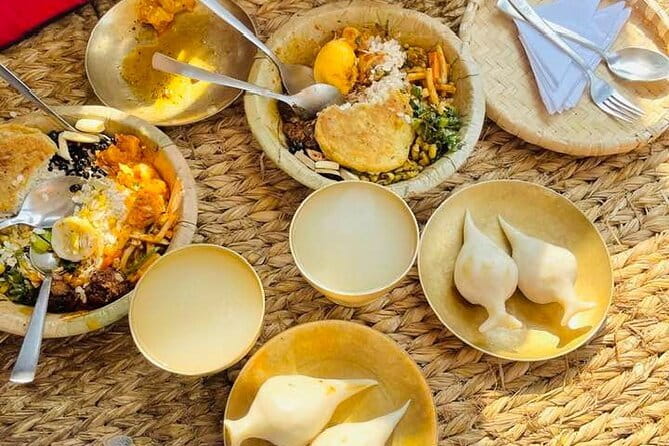
Yomari is a steamed Newari dumpling with a sweet filling made from molasses and sesame seeds. Its shape and preparation give it a special place in Newar food traditions.
For you, it is a useful reminder that Kathmandu food is not all spice and meat. The city’s cooking also includes carefully made sweets with a strong connection to community customs and celebrations.
Samay Baji
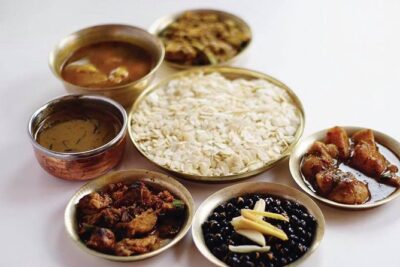
Samay baji is a ceremonial platter rather than one single bite. It can include beaten rice, spiced buffalo meat, pickles, and other small portions.
This is one of the best dishes for understanding how several flavors work together. The beaten rice gives the platter a dry, light base, while meat and pickles add salt, spice, and sharpness. If you want one tasting that shows the range of Newari cooking, this is a good candidate.
Because buffalo meat may be unfamiliar to you, ask the guide what is in each portion before eating. The tour’s purpose is to introduce local food, but you should always speak up about dietary limits or ingredients you avoid.
Momo
Momos are Nepali dumplings with many variations. They are among the most familiar foods associated with Nepal, but a local tasting can still show you versions you might not order independently.
The advantage of trying them with a guide is context. You can ask about fillings, sauces, and how the dumplings fit into the wider mix of Nepali and Tibetan influences. They are also an easy introduction if you are cautious about unfamiliar food.
Chatamari
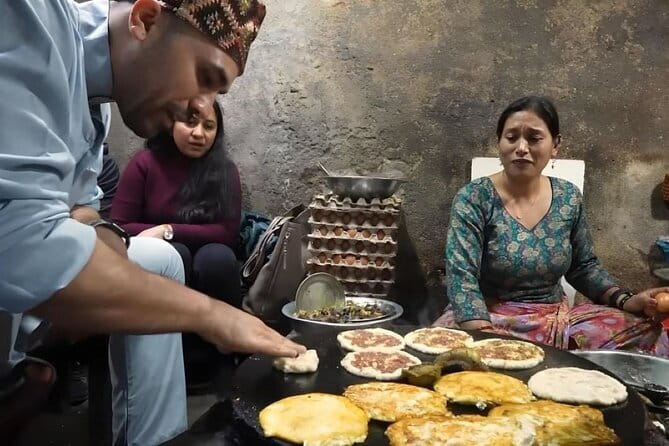
Chatamari is often called Newari pizza, though that label only goes so far. It is a savory rice-flour dish that can be topped or prepared in different ways.
It gives you a different texture from a wheat-based snack and shows how rice shapes Newari cooking. This is exactly the kind of dish that can be overlooked if you only eat at restaurants with familiar menus.
Laphing
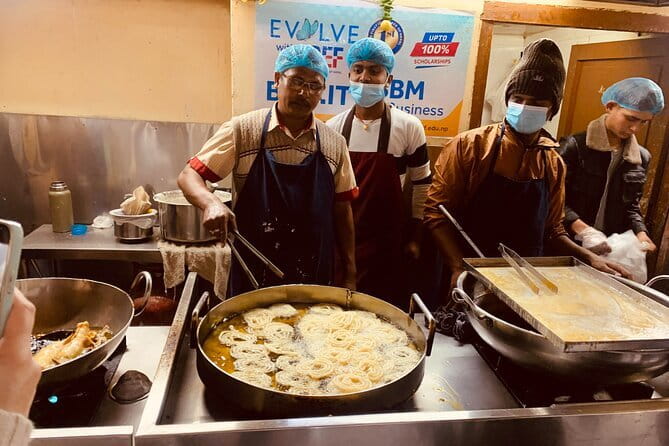
Laphing is a cold mung bean noodle dish known for its spicy flavor. It has become particularly popular with local eaters and adds a sharp, refreshing contrast to warmer or heavier foods.
For many people, this may be the most unexpected tasting of the route. If you do not handle chili well, ask about the heat before taking a large portion. The guide can help you understand what you are eating and how strongly it is seasoned.
More than food, crafts and daily life
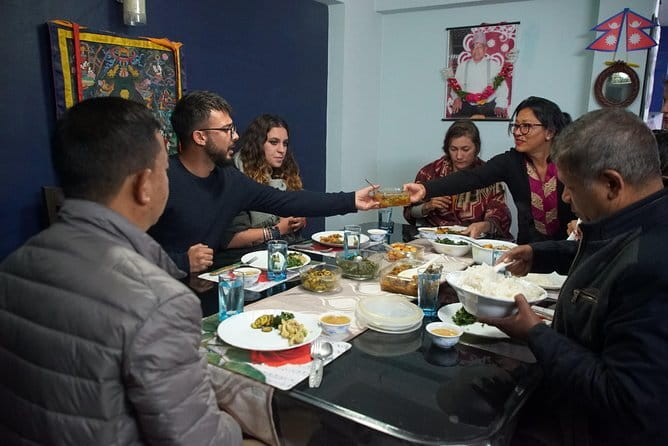
The market walk includes more than eating. You will see crafts and traditions connected with Newars and other cultural communities in Kathmandu.
The supplied details do not promise a specific craft demonstration or a named historic monument, so you should not expect a formal museum-style program. Instead, the value comes from seeing culture in use: local goods being sold, people handling daily errands, and traditions appearing within ordinary market life.
That difference matters. A staged cultural display gives you information, but a working market shows how culture continues through routine. You may notice the relationship between food, religion, household shopping, and neighborhood trade in a way that is difficult to grasp from a guidebook alone.
Santosh also adds information about religion and history as you walk. His explanations help turn the market from a collection of sights into a place with meaning. The tour is especially useful early in a Kathmandu stay, when you are still learning how the city’s food and customs fit together.
How much food do you really get for $28?
At $28 per person, this is a strong-value activity if you plan to eat most of what is served. The package includes the English-speaking guide, government taxes and official expenses, at least five food items, and drinks.
The food quantity is a real feature. Some people have found the combined tastings close to two full meals. That makes the price more attractive than a short walk with one or two token samples.
I would schedule this as a meal, not as a snack before lunch. You may want a light breakfast beforehand, but avoid arriving after a large meal. The route is designed for tasting, and generous portions can turn the outing into a serious amount of food.
Personal expenses are not included. That means you should bring money for anything extra you choose to buy in the market or for personal purchases along the way. The included food and drinks cover the planned tastings, not optional shopping.
Who should book this experience?
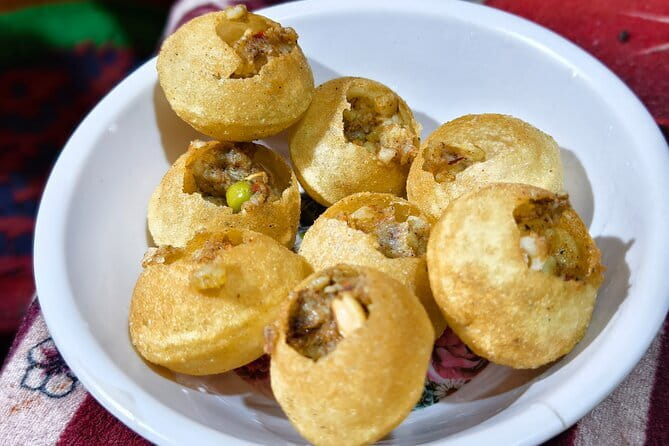
I would recommend this tour to you if you want a quick, approachable introduction to Kathmandu food and local market culture. It works particularly well for first-time visitors who might otherwise feel unsure about ordering from small stalls or entering narrow market lanes.
It also suits curious eaters who want more than standard restaurant versions of Nepali food. The emphasis is on local dishes and ordinary places, not a high-end dining experience.
The tour is a good fit for couples and small groups who enjoy conversation with a guide. The comments about Santosh suggest that he contributes strongly to the experience, especially when explaining food and daily life.
You may want to choose a different activity if you need a very slow itinerary, a private culinary lesson, or a fixed restaurant menu. The focus here is movement through markets and food stops, so the exact dishes and route may depend on what is available that day.
People with dietary restrictions should contact the operator before booking or tell the guide clearly at the start. The food examples include buffalo meat and spicy dishes, and the available information does not state that vegetarian, vegan, gluten-free, or allergy-specific menus are guaranteed.
Practical timing and booking advice
The tour runs for two hours, with starting times subject to availability. Since it begins and ends at Chhaya Center, you can pair it with other central Kathmandu plans, as long as you leave enough time to reach the meeting point.
You can cancel up to 24 hours in advance for a full refund. The reserve-now, pay-later option also lets you hold a place without paying immediately, which is useful when your Kathmandu schedule is still changing.
The experience has received a five-star rating from eight verified bookings in the supplied information. That is a small sample, so I would not treat it as proof that every departure will be identical. Still, the praise is notably consistent: food quality, generous portions, local settings, clear cultural explanations, and Santosh’s friendly manner are the repeated strengths.
My final call: book it if food is your way into Kathmandu
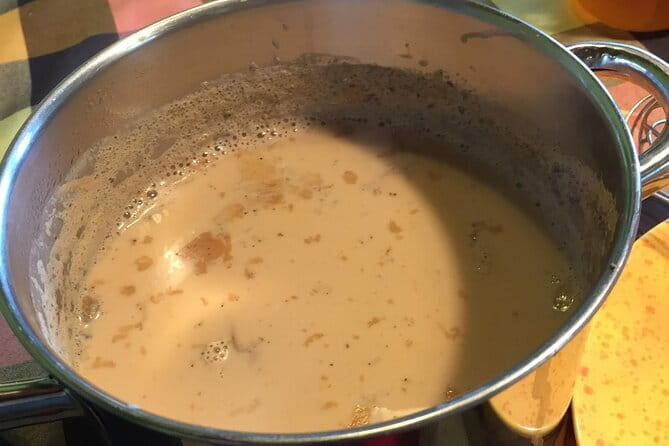
I would book the Kathmandu Food Crawl and Market Tour if you want to eat local food, see Ason Bazar, and learn how cuisine connects with Newar culture in just two hours. The included tastings make $28 a fair price, and the generous portions may cover much of a meal.
Go with an open mind and a light stomach. Expect market lanes rather than polished dining rooms, and remember that the exact food choices are not guaranteed. If that sounds appealing, this is a practical and enjoyable way to get your bearings through flavor, conversation, and everyday Kathmandu life.
FAQ
Where does the Kathmandu food tour start?
The tour starts at the main gate of Chhaya Devi Complex, also known as Chhaya Center.
Where does the tour finish?
The tour returns to Chhaya Center after the two-hour food market visit.
How long does the activity last?
The activity lasts two hours. Starting times depend on availability.
What food and drinks are included?
The price includes a minimum of five food items with drinks. Examples of local foods connected with the experience include yomari, samay baji, momo, chatamari, and laphing, but the exact tastings are not guaranteed.
Is a guide included?
Yes. An experienced, friendly, English-speaking guide is included. The experience provider is Santosh Pandey.
What market does the tour visit?
The tour visits Ason Bazar, described as the oldest local market in Kathmandu.
Can I cancel for a refund?
Yes. You can cancel up to 24 hours in advance for a full refund. You can also reserve now and pay later.
More Eating and Drinking in Kathmandu
- Kathmandu Food and Drink Walking Tour
★ 5.0 · 266 reviews - Kathmandu: Food and Drink Walking Tour
★ 4.9 · 119 reviews - Kathmandu Food & Drink and Shopping Rickshaw Tour
★ 5.0 · 48 reviews - Walking Food Tour in Hidden Local Eateries of Kathmandu
★ 5.0 · 40 reviews
New in the Kathmandu listings
- Traditional Momo Making Class★ 5.0 · 10 reviews
- Kathmandu: Ancient City Kirtipur & Pharping Monastery Tour★ 5.0 · 2 reviews
- Kathmandu to Pokhara Premium sofa bus ticket★ 4.0 · 17 reviews
- Women Empowerment Project(Nepali cooking class & jewelry workshop★ 5.0 · 15 reviews
- 7-Day Langtang Valley Trek from Kathmandu★ 5.0 · 1 review
- Kathmandu 2 Nights 3 Days Chitwan Jungle Safari Tour★ 5.0 · 9 reviews
- Yoga Experience Day Trip with Private Transfer From Kathmandu★ 4.0 · 2 reviews
- Wildlife Adventure in Chitwan Nepal★ 4.0 · 4 reviews
Food Tours, compared.
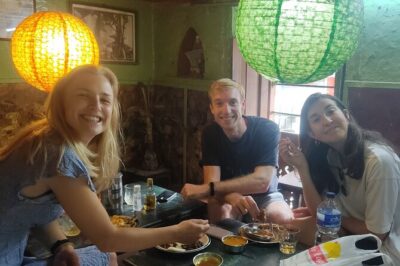
Secret Food Tour – Food Bites and Sights Kathmandu 14+ Testings
Read our review →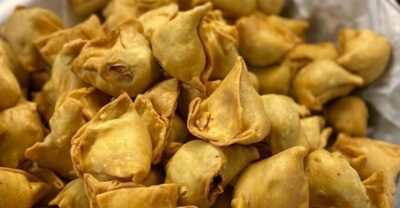
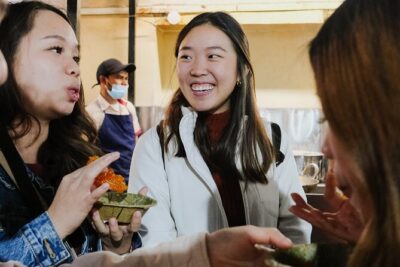
Walking Food Tour in Hidden Local Eateries of Kathmandu
Read our review →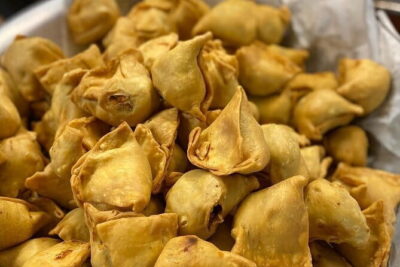
Private half day Medieval Kirtipur town with Newari food tasting trip
Read our review →
Private Half Day Kirtipur Trip With Newari Food Tasting
Read our review →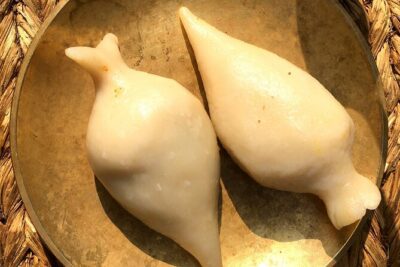
Walking Street Food Tour and 2 UNESCO Sightseeing in Kathmandu
Read our review →Browse the lists this tour appears in