
REVIEW · WALKING TOURS
Kathmandu Heritage Walk | Heritage Walk of Kathmandu
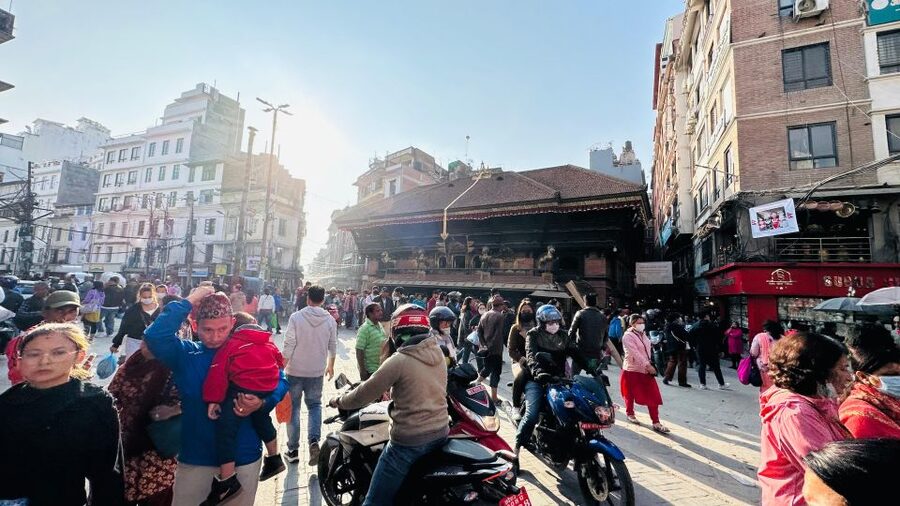
Kathmandu reveals itself one lane at a time. This 3.5-hour private walk links Thamel, Tahiti, Indrachowk, Bhotahiti, temples, markets, and quieter courtyards that are easy to miss when you only visit the city’s famous monuments. I like the personal pace and the chance to focus on places outside Kathmandu’s UNESCO-listed sights. I also like that the route mixes religious sites with ordinary shopping streets, so you see daily city life rather than only polished monuments.
The $40 price is fair for a private English-speaking guide, bottled water, and service charge, especially if two people share the experience. The main consideration is physical comfort: this is a walking tour through busy urban streets, and the route is not suitable for wheelchair users, pregnant women, babies under one, or people over 70. UNESCO World Heritage sites are deliberately left out, so this is best used as a side trip from the standard Kathmandu sightseeing circuit.
In This Review
- Key points to know before booking
- Starting in Thamel, Kathmandu’s practical launch point
- Tahiti and the shift toward old Kathmandu
- Shanti Bihar Stupa offers a quiet pause
- Akash Bhairab Temple in Indrachowk
- The Gold Souq shows Kathmandu’s craft and commerce
- Sankata Temple and Mahankal Bhairab
- Bhotahiti brings the walk back to daily life
- Annapurna Temple gives the route a strong visual finish
- A local market closes the circuit
- What $40 includes and what it leaves out
- Who should book this Kathmandu walk?
- Should you book the Heritage Walk of Kathmandu?
- FAQ
- Where does the Kathmandu Heritage Walk start?
- Where does the tour end?
- How long does the walk last?
- How much does the tour cost?
- Is the tour private?
- What language does the guide speak?
- Is a guide included?
- Is water included?
- Are meals and drinks included?
- Are UNESCO World Heritage sites included?
- Can I cancel for a refund?
- Can I reserve without paying immediately?
- What should I bring?
- Is transportation included?
- Who is the tour not suitable for?
Key points to know before booking
- Private guiding makes the route flexible: The tour is for a private group, giving you more room to ask questions and set a comfortable pace.
- The walk begins and ends in Thamel: Meet at Breakfree Adventures, in front of Everest Bank Limited, then return to the Thamel area after about three and a half hours.
- Religious sites are part of the route: Shanti Bihar Stupa, Akash Bhairab Temple, Sankata Temple, Mahankal Bhairab, and Annapurna Temple each offer a different look at Kathmandu’s religious life.
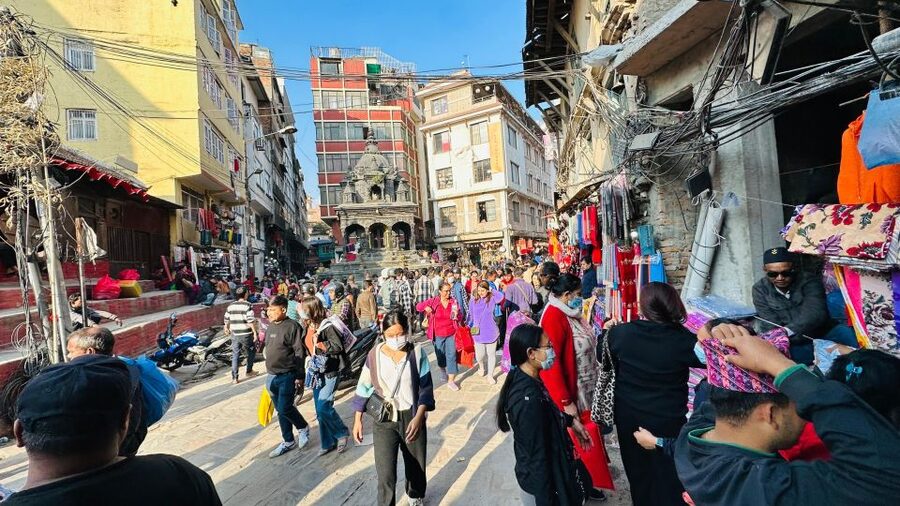
- Markets are as important as monuments: Tahiti, Indrachowk, the Gold Souq, Bhotahiti, and a local market add shopping streets and everyday activity to the temple visits.
- The famous UNESCO sights are not included: You will not visit Kathmandu Durbar Square or other UNESCO-listed sites on this tour, which keeps the focus on less standard stops.
- Guide quality is a major strength: Martin and Madan have received especially warm praise for their explanations, kindness, professionalism, and ability to manage the pace.
Starting in Thamel, Kathmandu’s practical launch point
The meeting point is the entrance to Breakfree Adventures in Thamel, directly in front of Everest Bank Limited. That makes the start simple if you are staying in Thamel, which is one of the easiest parts of Kathmandu for visitors to reach on foot.
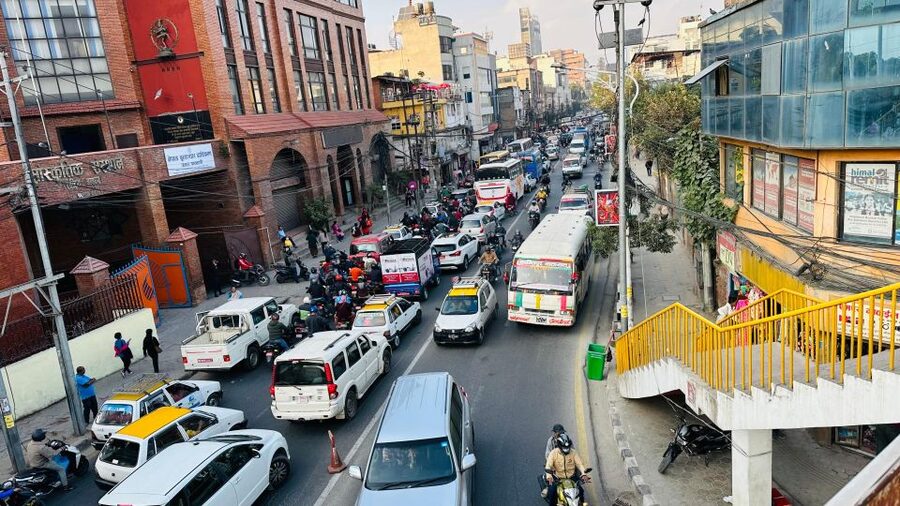
Thamel is known for its shops, restaurants, travel offices, and busy streets. You begin here among the practical side of Kathmandu tourism, then move toward older neighborhoods where the city feels more local and less arranged for visitors. I like this opening because it gives you an immediate contrast: modern Thamel is the starting line, but it is not the whole story.
The tour ends back in Thamel, so you do not need to arrange a ride after the walk. Transportation is not included if it becomes necessary, so ask about that before setting out. For most participants, the key planning point is simply getting to the meeting place and wearing shoes you can use comfortably for several hours.
More Walking Tours in Kathmandu
- Kathmandu Food and Drink Walking Tour
★ 5.0 · 266 reviews - Kathmandu: Food and Drink Walking Tour
★ 4.9 · 119 reviews - Walking Street Food Tour in Kathmandu
★ 5.0 · 111 reviews
Tahiti and the shift toward old Kathmandu
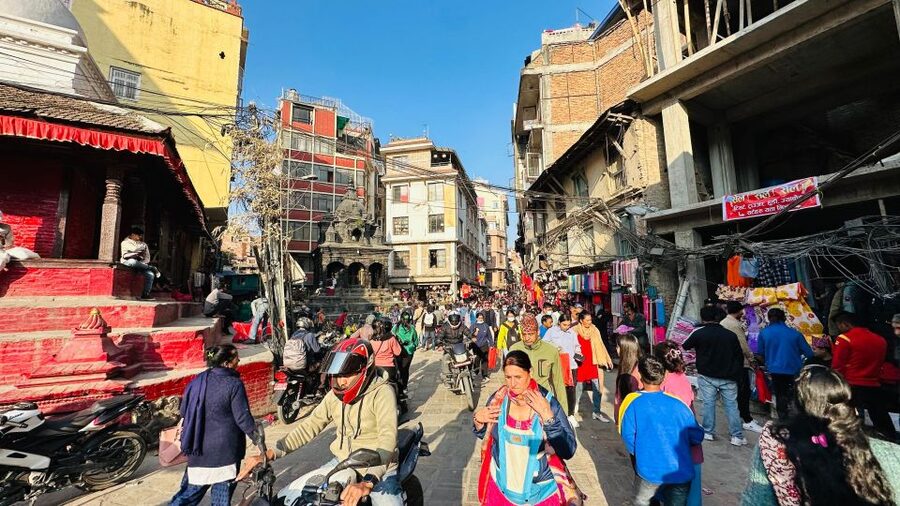
Tahiti is one of the early stops, and it helps show how Kathmandu changes block by block. The area brings together older architecture and modern city activity, giving you a sense of the city’s layered character without requiring a long transfer.
You should not expect a single grand monument at every stop. The appeal here is the changing texture of the streets, the smaller details, and the way a local guide can explain what you are seeing. A guide is particularly useful in Kathmandu because a shrine, temple courtyard, or market lane can look ordinary at first glance if you do not know its religious or social role.
Since this is a private group, you can ask for clarification when something catches your eye. That matters more on a neighborhood walk than on a large group outing, where the guide must keep moving and follow a fixed script.
Shanti Bihar Stupa offers a quiet pause
The Shanti Bihar Stupa brings a calmer mood to the route. It is described as a peaceful place within the city, and that contrast is one of the walk’s useful features. Kathmandu can feel crowded and noisy, so a quiet religious site gives you time to slow down and look carefully.
This stop is valuable early in a Kathmandu visit because it introduces the spiritual side of the city without making the entire experience feel like a formal monument tour. You get a pause between streets, shops, and traffic, then continue into areas where religious activity is more closely tied to commerce.
Your guide can also help you understand the difference between simply photographing a stupa and paying attention to the way people use the space. Keep your voice low and follow local customs at every sacred site. The tour provides an English-speaking government-certified guide, but it does not include an advertised religious briefing or special access, so expect interpretation from public areas.
Akash Bhairab Temple in Indrachowk
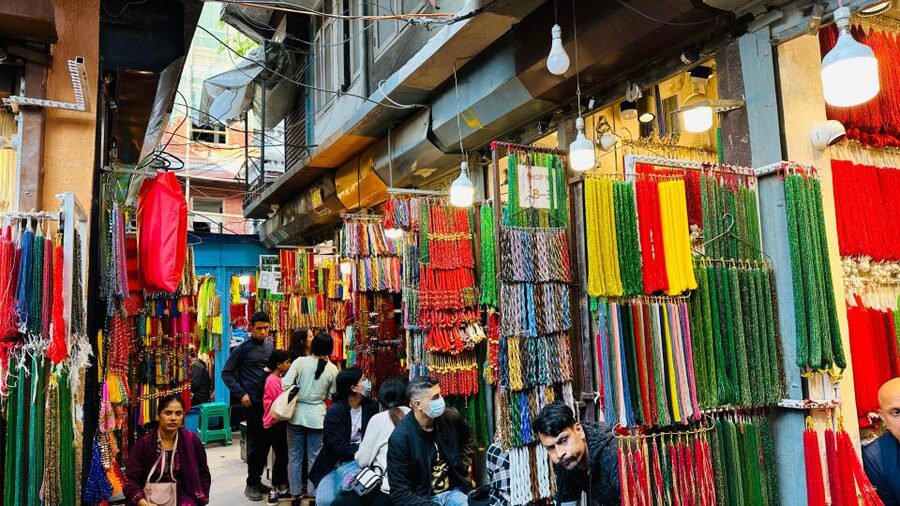
The route then reaches Akash Bhairab Temple in Indrachowk. This is one of the walk’s stronger historical and religious stops, especially if you want to see a living place of worship rather than a museum piece.
Indrachowk also connects temple visits with commercial Kathmandu. The setting gives you a close look at how prayer, trade, and movement share the same urban space. That combination is more revealing than visiting a monument in isolation. You see the sacred site, then step back into the working city almost immediately.
Be ready for a busy environment. Indrachowk is not presented as a quiet open plaza, and the route’s appeal depends partly on seeing the city in motion. Stay close to your guide, watch your footing, and keep valuables secure in crowded areas. These are sensible habits for any central Kathmandu walk.
A completely different way to spend the day:
- Everest Base Camp Trek – 14 Days
★ 5.0 · 1,499 reviews - Private Kathmandu Sightseeing Tour | UNESCO World Heritage sites
★ 5.0 · 756 reviews - Everest Base Camp Helicopter Tour landing at Everest View Hotel
★ 5.0 · 668 reviews - Half day cooking class in Thamel kathmandu
★ 5.0 · 607 reviews
The Gold Souq shows Kathmandu’s craft and commerce
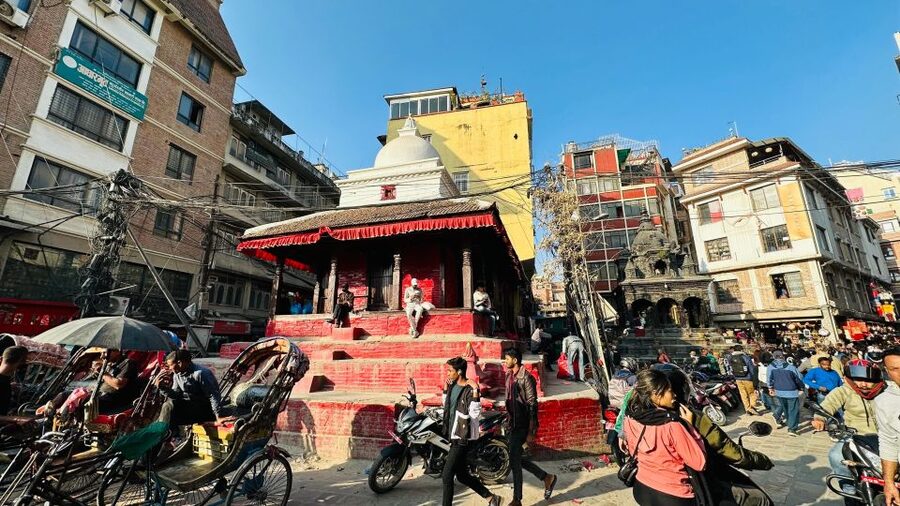
The Gold Souq is a different kind of stop. Instead of focusing on a stupa or temple, the tour takes you into Kathmandu’s jewelry trade and local craftsmanship. The name may suggest a large tourist market, but the useful point is that you get to see a commercial tradition tied to detailed handiwork.
I like this part of the route because it broadens the meaning of heritage. Heritage is not only old stone and religious buildings. It also includes skilled work, buying habits, and the businesses that have served local communities over time.
Do not treat this stop as a promise of a shopping discount or a buying opportunity. Personal expenses are not included, and the tour description does not promise purchases, bargaining assistance, or a jewelry demonstration. If you are interested in buying anything, handle that separately and keep the walk’s schedule in mind.
Sankata Temple and Mahankal Bhairab
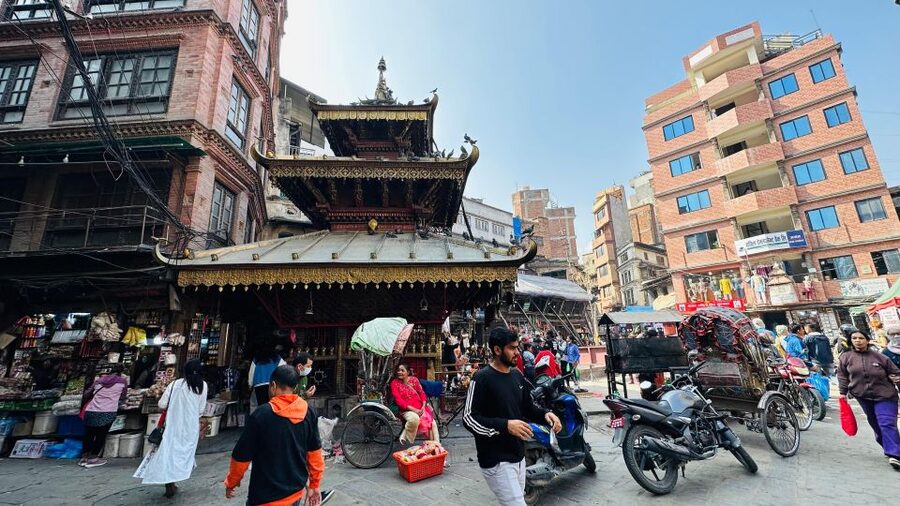
The Sankata Temple and Mahankal Bhairab add two more religious points to the middle of the walk. Each is presented as culturally important, but the value for you will depend on how much context the guide provides and how much time the group has at each location.
This is where a private guide earns the price. Martin has been praised for explaining the historical and religious sites while covering a lot of ground at a pace that did not feel too strenuous for older participants. Madan has also been praised for being professional, kind, efficient, and clear. The company may assign either guide or another English-speaking guide, so you should not assume a particular person will lead your tour, but those names give you a useful idea of the standard guests have experienced.
Sacred places call for respectful behavior. Dress comfortably but modestly, follow any instructions at the site, and ask before photographing people or religious activity. The supplied information does not promise entry into every temple interior, so understand the experience as a guided visit to the sites rather than guaranteed access behind every door.
Bhotahiti brings the walk back to daily life
Bhotahiti is another chance to see local activity outside the usual sightseeing route. It is described as an area full of local flavor, which in practical terms means you should expect streets where shopping and ordinary city business matter as much as architecture.
This section can be especially useful if you want to understand Kathmandu as a lived-in capital. You are not moving from one isolated attraction to another. You are crossing through connected neighborhoods, with temples, small businesses, markets, and passersby sharing limited street space.
The tradeoff is comfort. Urban walking can be tiring, and a three-and-a-half-hour route may feel longer if you have just arrived in Nepal, are dealing with jet lag, or are not used to uneven streets. Comfortable shoes are specifically recommended, and an umbrella is worth carrying because weather can change. Water is included, with one 1,000-milliliter bottle per person, but meals and other drinks are not.
Annapurna Temple gives the route a strong visual finish
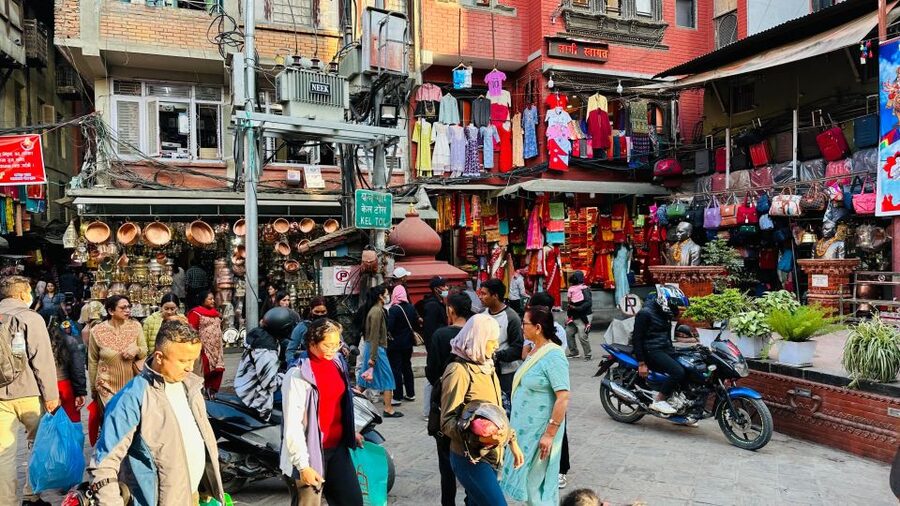
The Annapurna Temple is one of the final major stops and is highlighted for its architectural appeal. It gives the walk a visual focus after the more market-oriented sections and reinforces the connection between design, worship, and city life.
A guide can point out details that might otherwise pass unnoticed. Still, the experience is not designed as a long architectural lecture. The guide needs to keep the group moving so the full route fits into three and a half hours. If you want extended time at one temple, say so early, since a private group gives you more flexibility than a fixed large group.
The temple also helps explain the route’s overall shape. You begin in Thamel, pass through older neighborhoods, move between quiet religious spaces and active markets, and then finish with another important cultural site before returning toward Thamel.
A local market closes the circuit
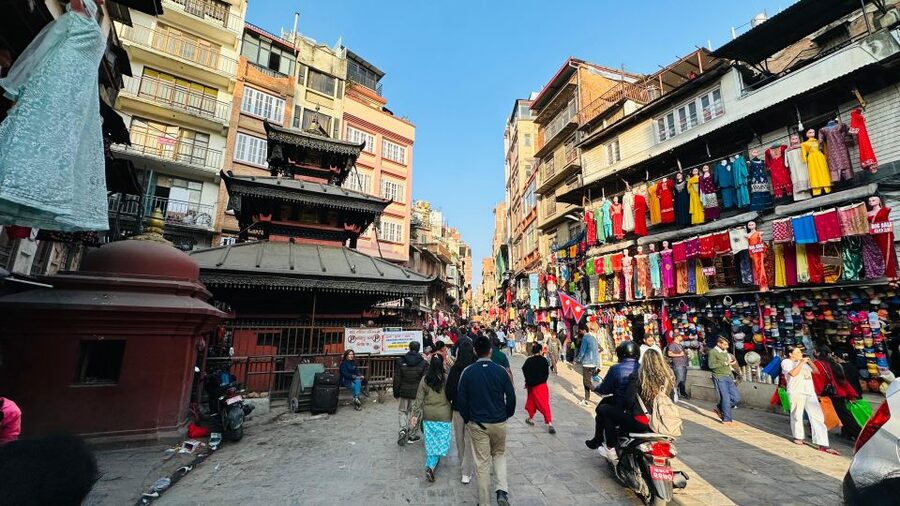
The final market visit keeps the ending informal. You have already seen commercial activity at Indrachowk, the Gold Souq, and Bhotahiti, but this last market gives you one more look at local shopping and street life before the walk ends.
This is a good place to ask your guide about products, customs, or areas you may want to revisit later. The tour does not include meals or drinks, so do not count on the market as part of the paid package. If you want a snack or a meal, plan to pay separately.
Returning to Thamel is convenient. You can continue shopping, find a restaurant, or head back to your accommodation without arranging included transport. The start and finish in the same general area also make the walk easier to fit into a first or final day in Kathmandu.
What $40 includes and what it leaves out
At $40 per person, the tour offers a private group, a government-certified English-speaking guide, 1,000 milliliters of mineral water, and service charge. That is a reasonable package for a three-and-a-half-hour private experience, particularly for two people who want individual attention and the chance to ask questions.
The value depends on how you use the guide. If you only want to walk past temples and take photographs, you could spend less by exploring independently. If you want the religious sites explained, the route connected into a coherent story, and the pace adjusted to your group, the private format makes the fee easier to justify.
Meals, drinks beyond the included water, personal purchases, and transportation if needed cost extra. The tour also does not include UNESCO World Heritage sites. If those are your main reason for visiting Kathmandu, you will need another tour or separate visits.
The flexible booking terms are helpful. You can reserve now and pay later, and cancellation is free up to 24 hours in advance for a full refund. Starting times depend on availability, so check the schedule before you choose the day.
Who should book this Kathmandu walk?
I would recommend this tour to a first-time Kathmandu visitor who wants orientation beyond the standard monuments. It also suits repeat visitors who have already seen the major UNESCO sites and want a different route through temples, markets, and older neighborhoods.
The private format is useful for couples, families with adult members, and small groups with different walking speeds. The feedback about Martin’s pacing is worth noting if you are older or concerned about stamina. Madan’s reported efficiency and friendly manner also point to the benefit of having a personal guide during a relatively full route.
I would be cautious if you dislike crowded city streets, need wheelchair access, or want a slow, specialized temple study. The official limits exclude wheelchair users, pregnant women, babies under one, and people over 70, as well as people over 95. The age wording is unusual because the over-95 category is already covered by the over-70 limit, but the practical rule is clear: this is not aimed at older participants above that stated age.
Should you book the Heritage Walk of Kathmandu?
Book it if you want a private introduction to everyday Kathmandu, with temples and markets sharing equal billing. The strongest reasons are the route’s variety, the return to Thamel, and the chance to have a guide explain places that can be easy to overlook on your own.
Skip it if your priority is UNESCO World Heritage sites, a food-focused tour, or a short sightseeing outing with little walking. For everyone else, $40 is a sensible price for a private English-language walk, provided you wear good shoes, carry an umbrella, and accept that Kathmandu’s streets are part of the experience, not merely the path between attractions.
FAQ
Where does the Kathmandu Heritage Walk start?
It starts at the entrance to Breakfree Adventures in Thamel, in front of Everest Bank Limited.
Where does the tour end?
The tour starts and ends in Thamel.
How long does the walk last?
The experience lasts approximately 3.5 hours.
How much does the tour cost?
The listed price is $40 per person.
Is the tour private?
Yes. The group type is a private group.
What language does the guide speak?
The live guide speaks English.
Is a guide included?
Yes. A government-certified guide is included.
Is water included?
Yes. Each participant receives 1,000 milliliters of mineral water.
Are meals and drinks included?
No. Meals and drinks are not included, although the listed mineral water is provided.
Are UNESCO World Heritage sites included?
No. UNESCO World Heritage sites are specifically excluded from this tour.
Can I cancel for a refund?
Yes. You can cancel up to 24 hours in advance for a full refund.
Can I reserve without paying immediately?
Yes. The reserve-now, pay-later option lets you book without paying on the day of reservation.
What should I bring?
Bring your passport, comfortable shoes, an umbrella, a camera, comfortable clothing, and a face mask or protective covering.
Is transportation included?
No. Transportation is not included if it is needed.
Who is the tour not suitable for?
It is not suitable for pregnant women, wheelchair users, babies under one year, people over 95, or people over 70.
More History Tours in Kathmandu
- UNESCO Seven World Heritage Tour in Kathmandu
★ 5.0 · 253 reviews - Kathmandu Private Sightseeing Tour | UNESCO World Heritage Sites
★ 5.0 · 109 reviews - Kathmandu: Full Day Private Top 4 UNESCO Heritage Tour W/Lunch.
★ 5.0 · 86 reviews - Kathmandu World Heritage Tour
★ 5.0 · 74 reviews
New in the Kathmandu listings
- Traditional Momo Making Class★ 5.0 · 10 reviews
- Kathmandu: Ancient City Kirtipur & Pharping Monastery Tour★ 5.0 · 2 reviews
- Kathmandu to Pokhara Premium sofa bus ticket★ 4.0 · 17 reviews
- Women Empowerment Project(Nepali cooking class & jewelry workshop★ 5.0 · 15 reviews
- 7-Day Langtang Valley Trek from Kathmandu★ 5.0 · 1 review
- Kathmandu 2 Nights 3 Days Chitwan Jungle Safari Tour★ 5.0 · 9 reviews
- Yoga Experience Day Trip with Private Transfer From Kathmandu★ 4.0 · 2 reviews
- Wildlife Adventure in Chitwan Nepal★ 4.0 · 4 reviews
Walking Tours, compared.


Walking Food Tour in Hidden Local Eateries of Kathmandu
Read our review →
Old Kathmandu Walking Tour, Historic World Heritage Durbar Square
Read our review →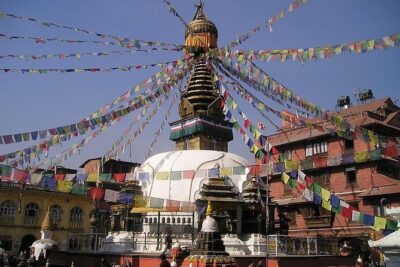
Browse the lists this tour appears in