
REVIEW · LANGTANG VALLEY TREKS
Kathmandu: Langtang Valley 6-Day all inclusive Guided Trek
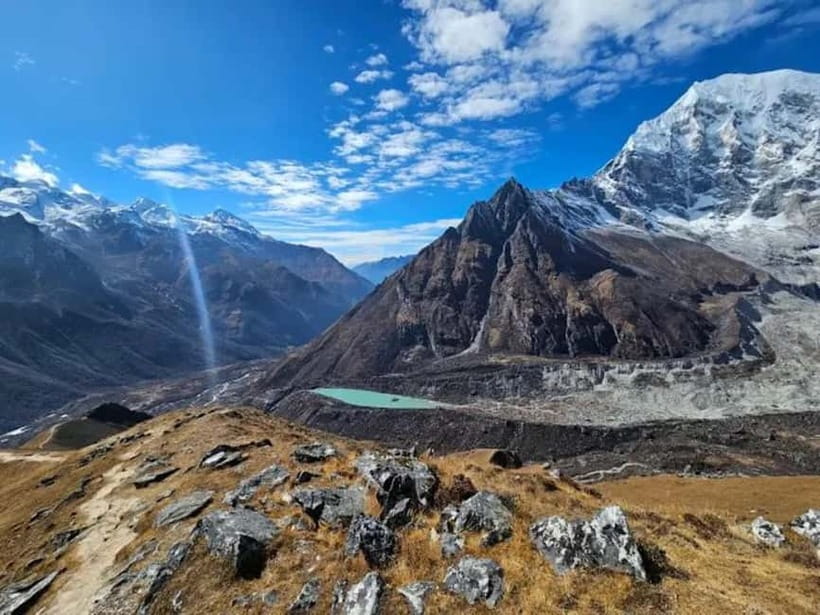
Mountain quiet begins sooner than you expect. This six-day Langtang Valley trek pairs a long but scenic road trip with forest trails, Tamang villages, and big views of Langtang Lirung and Dorje Lakpa. I especially like the visit to Kyanjin Gompa and the local yak cheese factory, plus the chance to see daily mountain life away from Nepal’s busiest trekking routes.
I also like the moderate pace and the simple planning: permits, teahouse stays, a licensed English-speaking guide, and local transport are arranged. The main drawback is the first and last day, when you spend about six hours on the road between Kathmandu and Syabrubesi. The trek suits people with good fitness, but it is not a gentle sightseeing walk.
In This Review
- Key points before you book
- Why Langtang works for a six-day Himalayan break
- Day 1: Kathmandu to Syabrubesi, then Pahiro
- Day 2: Forests, waterfalls, and the climb to Ghoda Tabela
- Day 3: Reaching Kyanjin Gompa at 3,870 meters
- Day 4: Kyanjin Ri or a slower morning, then Thangsyap
- Day 5: Following the Langtang River back to Syabrubesi
- Day 6: The long return to Kathmandu
- What the $179 price really covers
- Food, rooms, connectivity, and daily comfort
- Guide support and the feel of the experience
- Best seasons and practical preparation
- Should you book the Langtang Valley trek?
- FAQ
- How long is the Langtang Valley trek?
- What is the highest overnight stop?
- Is Kyanjin Ri included?
- How difficult is the trek?
- Which permits are required?
- Where do you sleep during the trek?
- Are meals included?
- Is a guide included?
- Is a porter included?
- What is the best time to go?
Key points before you book
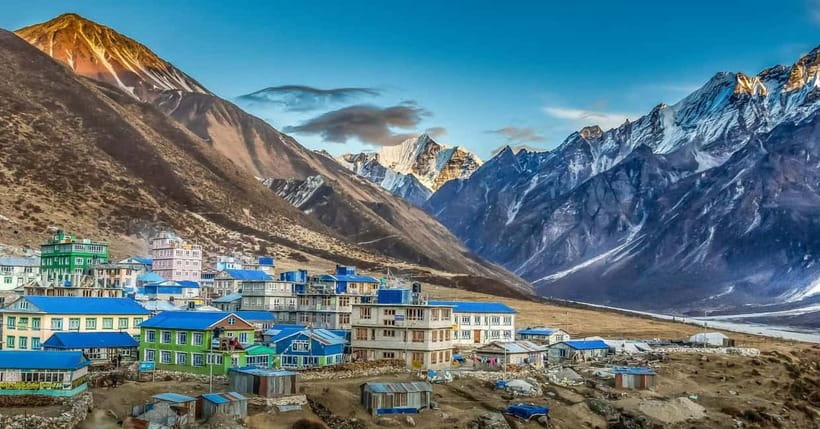
- Kyanjin Gompa is the high point: Spend a night at 3,870 meters with monasteries, mountain views, and a traditional cheese factory nearby.
- The route changes as you climb: You walk from subtropical forest and waterfalls toward alpine meadows and high Himalayan peaks.
- Tamang and Tibetan culture is part of the trek: Villages, monasteries, food, and local mountain life give the walk a strong cultural side.
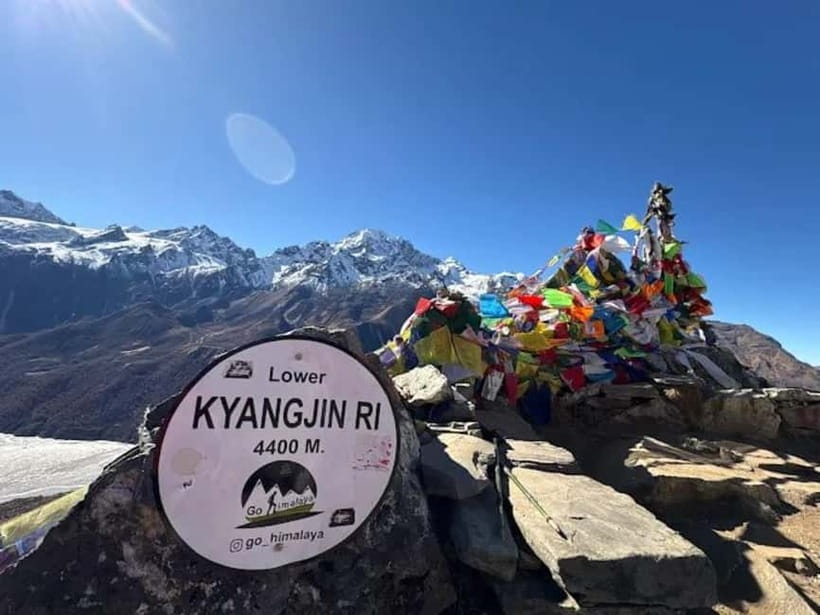
- Kyanjin Ri is optional: The climb reaches 4,770 meters and offers broad views, but you can skip it if altitude or fatigue becomes a concern.
- The $179 price can be good value: It includes transport, permits, teahouse lodging, a guide, and meals if the full-board option is selected.
- Pack for basic mountain living: Wi-Fi, charging, and hot showers may cost extra or be limited, so a power bank is a smart choice.
Why Langtang works for a six-day Himalayan break
Langtang Valley gives you a proper Himalayan trek without requiring a long expedition. You leave Kathmandu by road, reach the trailhead at Syabrubesi, and spend four nights moving through forests and mountain villages before returning the way you came.
I like the balance here. You get changing scenery, high peaks, village culture, and a chance to sleep in the mountains, yet the route fits into a single week. It also avoids the need to plan separate transport, permits, guides, and accommodation yourself.
The trek is described as moderate. That means you should arrive with good physical fitness and be ready for several hours of walking on uneven trails. It is a reasonable choice for a first Himalayan trek, a couple, a solo visitor with a guide, or a family whose members are comfortable with sustained uphill and downhill walking.
The route is not crowd-free by definition, and mountain conditions can change. Still, the Langtang Valley generally offers a quieter feel than Nepal’s most famous trekking corridors. You will spend more time noticing forests, rivers, village homes, and peaks than standing in a line of hikers.
More Langtang treks:
- Langtang Valley Trek
★ 5.0 · 140 reviews - Private 8 – Day Langtang Trekking
★ 5.0 · 29 reviews - Kathmandu: 6-Day Limitless Langtang Trek
★ 5.0 · 21 reviews
Day 1: Kathmandu to Syabrubesi, then Pahiro
The first day begins with a drive of about six hours from Kathmandu to Syabrubesi. This is a real travel day, not just a quick transfer. You get mountain scenery along the way, but road conditions and traffic can make the journey feel long.
At Syabrubesi, the walking begins. The trek to Pahiro takes about two hours and follows forest paths near the Langtang River. This short first walk is useful because it lets you move your legs after the road journey without starting with the hardest section of the trek.
Pahiro sits at about 1,550 meters. You sleep in a teahouse, where the setting is simple and practical rather than luxurious. If you want a polished hotel experience, this is not the trip for you. If you enjoy a warm meal, a bed, and a mountain village at the end of a walking day, the arrangement fits well.
Day 2: Forests, waterfalls, and the climb to Ghoda Tabela
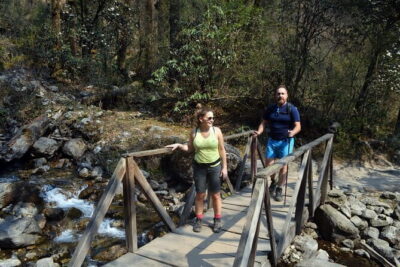
The second day takes you farther into the valley, with green forest, small villages, and waterfalls along the route. The trail feels more like a walk through living mountain country than a series of isolated viewpoints.
Ghoda Tabela is at about 2,900 meters, so this day brings a noticeable gain in altitude. The gradual rise is useful for acclimatization, but you should still drink water and tell your guide if you feel unwell. Headache, unusual tiredness, or other discomfort should not be brushed aside simply because the group is moving onward.
This section may be one of the most rewarding parts for people who like natural variety. The route shifts from lower forest toward a more open mountain setting as you climb. You also begin to feel the change in air and temperature, so layered clothing becomes more important than it was near Kathmandu.
The overnight stay at Ghoda Tabela breaks up the climb before Kyanjin Gompa. That is a sensible feature of the schedule. You are not asked to rush from the valley floor straight to the highest village.
Day 3: Reaching Kyanjin Gompa at 3,870 meters
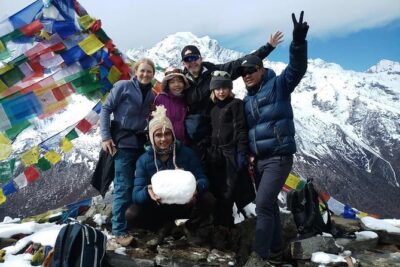
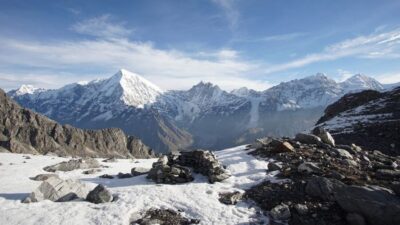
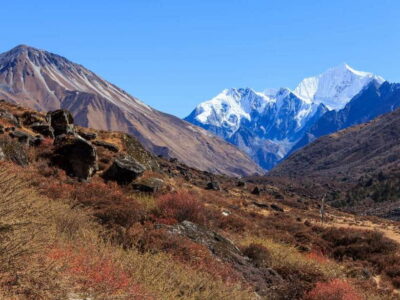
Day three is the trek’s central achievement. You continue toward Kyanjin Gompa, a mountain village at 3,870 meters, with views of Langtang Lirung, Dorje Lakpa, and other Himalayan peaks.
The route also brings you closer to Tamang and Tibetan cultural traditions. Monasteries and local villages give the day more meaning than a simple climb toward a high sleeping point. I like that the cultural side is built into the walk rather than added as a separate city tour.
At Kyanjin Gompa, you visit the local yak cheese factory. This is a small but memorable detail. Yak cheese production connects the food on your plate with the high mountain economy around you, and it gives you a practical reason to pay attention to how people live at altitude.
You spend the night at Kyanjin Gompa. Because this is the highest overnight stop, take the evening slowly. Drink water, eat properly, and avoid treating the altitude casually. The gradual ascent helps, but no schedule can guarantee that every person will feel comfortable at nearly 3,900 meters.
The views are the reward. You do not need to climb a major peak to feel surrounded by the Himalayas here. From the village and nearby paths, the mountains become the main event, especially after the forested sections below.
More walking in the hills of Kathmandu:
- Everest Base Camp Trek – 14 Days
★ 5.0 · 1,499 reviews - Everest Base Camp Trekking
★ 5.0 · 485 reviews - Nagarkot Sunrise View and Day Hiking from Kathmandu
★ 5.0 · 471 reviews - Annapurna Circuit Trek with Tilicho Lake
★ 5.0 · 368 reviews
Day 4: Kyanjin Ri or a slower morning, then Thangsyap
Day four gives you a choice. You can attempt Kyanjin Ri, which reaches about 4,770 meters, for broad views of the Langtang peaks. Or you can skip the optional climb and conserve energy before descending toward Thangsyap.
Kyanjin Ri is the most demanding part of the schedule. The elevation is high, and the climb adds effort to a day that later includes a descent. I would treat it as an option, not an obligation. A clear head and steady health matter more than checking off one extra viewpoint.
After returning from Kyanjin Ri, you follow the trail downhill to Thangsyap at about 3,200 meters. The return route lets you see familiar places from a different direction, and the lower altitude may feel welcome after time at Kyanjin Gompa.
This day is well suited to mixed-ability groups because not everyone has to make the same choice. Strong walkers can try for the summit, while others can enjoy a slower morning and still take part in the main trek.
Day 5: Following the Langtang River back to Syabrubesi
The fifth day is your final full day on foot. You follow the Langtang River through forests and back toward Syabrubesi at 1,550 meters.
After the high mountain views, the lower trail may feel warmer and greener. You get a final look at the forests, villages, and river corridor that shaped the first half of the trek. Downhill walking can be easier on your breathing, but it may still be tiring on knees and ankles, especially after several days on the trail.
This is a good day to slow down and notice details you may have hurried past on the way up. The route is not only about reaching the highest point. Its appeal comes from the full change in setting, from river valleys and forest to open alpine country and back again.
You spend the night in Syabrubesi. That gives you a proper break before the long drive to Kathmandu rather than forcing a same-day trek and road transfer.
Day 6: The long return to Kathmandu
The final day is a road transfer from Syabrubesi to Kathmandu. Expect another journey of roughly six hours, with mountain scenery along the way.
This return drive is the least active part of the experience, but it keeps the trip within six days. You trade a slower, longer trek for a compact schedule that works well if your time in Nepal is limited.
I would avoid planning an important international flight immediately after the drive. The transport is included, but road timing can be less predictable than a city taxi or airport transfer. Give yourself breathing room if your wider Nepal plans are fixed.
What the $179 price really covers
At $179 per person, the trip can offer strong value, especially for a first trek. The package includes private airport transfers, local bus transport between Kathmandu and Syabrubesi, the Langtang National Park permit, the TIMS card, teahouse accommodation, a licensed English-speaking guide, a first aid kit, and government taxes and service charges.
Full-board breakfast, lunch, and dinner during the trek are included if you select that option. Check this point carefully when booking, because the price structure depends on the option chosen. A porter for one person shared between two trekkers is available as an add-on, not automatically included in the base arrangement.
The package does not cover lunch and dinner in Kathmandu, international airfare, visa fees, travel insurance, or personal expenses. Wi-Fi, bar bills, hot showers, and similar extras may also cost more. Travel insurance is mandatory, and it should cover trekking and altitude-related emergencies.
For the money, the main benefit is reduced planning work. You do not need to arrange permits, a guide, transport, and mountain lodging one by one. The tradeoff is that the local bus and teahouses are basic. This is good value for a practical trek, but not a luxury package.
Food, rooms, connectivity, and daily comfort
Teahouses are part of the Langtang experience. They provide basic accommodation and local meals, giving you a place to sleep and eat near the trail. Comfort levels can be simple, and services such as hot showers, Wi-Fi, and charging may be limited or charged separately.
Bring a power bank. Connectivity is limited, and you should not depend on steady Wi-Fi for messages, work, or online bookings. It is also wise to keep personal expenses in reserve for drinks, showers, snacks, and other small needs.
The full-board meal option makes daily budgeting easier during the trek. Even so, the package does not make the mountain environment feel like a resort. You should expect a clean, useful base rather than room service or a private bathroom at every stop.
Guide support and the feel of the experience
The English-speaking licensed guide is an important part of this trek. A guide helps with route finding, local culture, altitude awareness, and communication at teahouses. The experience provider is Nepal treks, and the two verified ratings currently give the experience a five out of five score.
The praise is specific. Maria Jesus Santos from Spain described herself as being in love with the experience and her guide. Svatoslava from the Czech Republic highlighted the beautiful route, the local guide’s attention, and the chance to see local points of interest.
Those comments point to the strongest part of the experience: personal guidance rather than simply being led from one stop to the next. You should use the guide actively. Ask about Tamang customs, monasteries, village life, the cheese factory, and the peaks around Kyanjin Gompa. The more curious you are, the more cultural value you will get from the walk.
A porter is available for one person shared between two trekkers if you add that service. That can make a real difference on a moderate trek with changing altitude. If you carry your own bag, pack carefully and keep the load light.
Best seasons and practical preparation
Spring, from March through May, and autumn, from September through November, are the best seasons listed for clear skies and pleasant temperatures. These periods offer the strongest chance of good mountain views, though weather in the Himalayas can still change.
You need good physical fitness. Prepare for repeated walking days, uneven trails, altitude, and a long road transfer at both ends. Comfortable walking shoes, warm layers, rain protection, water storage, and a power bank are sensible basics, though the exact packing list is not specified.
The route gains altitude gradually, which supports acclimatization. Still, you should stay hydrated and report any discomfort to your guide. Kyanjin Ri is optional, so you have some flexibility if you are tired or not adjusting well.
Private airport transfers are included. Pickup is available within the stated pickup area, and you should contact the provider if you are staying outside it so you can receive meeting-point details.
Should you book the Langtang Valley trek?
Book this trek if you want six days of forest walking, mountain villages, cultural encounters, and high Himalayan views without arranging every detail yourself. It is especially suitable if you have limited time, enjoy basic teahouse travel, and want a guided route with permits and transport handled.
Think twice if you dislike long bus journeys, basic accommodation, limited connectivity, or sustained uphill and downhill walking. The optional Kyanjin Ri climb is useful flexibility, but it does not turn the trek into an easy holiday.
At $179 per person, the value is strongest when you choose the included services carefully and confirm whether full-board meals and the porter add-on are part of your selected option. With realistic expectations, this is a compact and culturally grounded way to reach the Langtang Valley, with Kyanjin Gompa and its yak cheese factory providing the trip’s most distinctive moments.
FAQ
How long is the Langtang Valley trek?
The trek lasts six days, including the drives between Kathmandu and Syabrubesi.
What is the highest overnight stop?
Kyanjin Gompa is the highest overnight stop, at about 3,870 meters or 12,696 feet.
Is Kyanjin Ri included?
Kyanjin Ri is optional. The climb reaches about 4,770 meters and is followed by a return to the trail before continuing toward Thangsyap.
How difficult is the trek?
The trek is rated moderate and is suitable for people with good physical fitness.
Which permits are required?
The Langtang National Park Permit and TIMS card are required, and both are included.
Where do you sleep during the trek?
You stay in teahouses offering basic amenities and local meals.
Are meals included?
Breakfast, lunch, and dinner during the trek are included if you select the full-board option.
Is a guide included?
An English-speaking licensed guide is included.
Is a porter included?
A porter for one person shared between two trekkers is available if you add that service.
What is the best time to go?
The best listed seasons are spring, from March through May, and autumn, from September through November.
New in the Kathmandu listings
- Traditional Momo Making Class★ 5.0 · 10 reviews
- Kathmandu: Ancient City Kirtipur & Pharping Monastery Tour★ 5.0 · 2 reviews
- Kathmandu to Pokhara Premium sofa bus ticket★ 4.0 · 17 reviews
- Women Empowerment Project(Nepali cooking class & jewelry workshop★ 5.0 · 15 reviews
- 7-Day Langtang Valley Trek from Kathmandu★ 5.0 · 1 review
- Kathmandu 2 Nights 3 Days Chitwan Jungle Safari Tour★ 5.0 · 9 reviews
- Yoga Experience Day Trip with Private Transfer From Kathmandu★ 4.0 · 2 reviews
- Wildlife Adventure in Chitwan Nepal★ 4.0 · 4 reviews
Langtang Valley Treks, compared.
Trekking in Annapurna/Langtang/Everest/Upper Mustang regions
Read our review →
Browse the lists this tour appears in