
REVIEW · CITY TOURS
Kathmandu: Private City Guided Tour
Kathmandu rewards a well-planned first look. This six-hour private tour links Patan Durbar Square, Swayambhunath, Pashupatinath, and Boudhanath by car, giving you a useful introduction to Nepalese art, Buddhism, Hinduism, and daily city life without the work of arranging each stop yourself. I especially like the private format and the chance to adjust the pace. Guides such as Kapil, Saru, Shanti, and Bhim are often praised for clear explanations and friendly, flexible service.
I also like the hotel pickup and drop-off, which matters in Kathmandu’s busy streets. The main drawback is time: four major religious and historic sites in six hours makes this a brisk overview, not a leisurely study of each place. Traffic can also turn a short drive into a long one, so keep your expectations sensible.
In This Review
- At a glance: what makes this tour useful
- Four major monuments in six hours
- Swayambhunath, the hilltop Monkey Temple
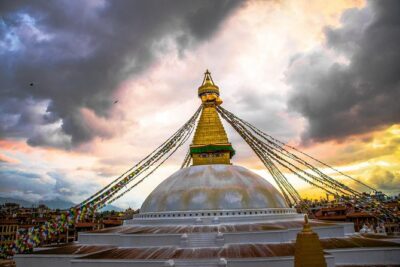
- Boudhanath and the great white stupa
- Pashupatinath and the Bagmati River
- Patan Durbar Square and Newari design
- The guides make the private format worthwhile
- Traffic, cars, and the real six-hour clock
- Price, entrance fees, and what you really pay
- How to prepare for the day
- Should you book this Kathmandu tour?
- FAQ
- How long does the Kathmandu private city tour last?
- Which sites are included?
- Is hotel pickup included?
- Are entrance fees included in the price?
- Is lunch included?
- Is the tour wheelchair accessible?
At a glance: what makes this tour useful
- Four major sites in one private outing: See Kathmandu Valley highlights that would take much longer to organize independently.
- Flexible pacing: Your guide can give you more time at a favorite temple or adjust the route to suit your interests.
- Strong cultural focus: Learn how Hindu and Buddhist traditions overlap in Nepal, especially at Swayambhunath, Pashupatinath, and Boudhanath.
- Hotel pickup and private transport: Choose a sedan, SUV, or minivan based on your group size.
- Good first-day orientation: The tour gives you a practical sense of Kathmandu’s major monuments before you explore on your own.
- Bring extra cash: Monument admission costs about NPR 2,700, or roughly US$22, per person, and food is not included.
Four major monuments in six hours
This is best understood as a carefully packed introduction to Kathmandu rather than a slow cultural walk. You begin at your hotel in Kathmandu, Thamel, Lazimpat, Naya Bazaar, Boudha, Lalitpur, or Ekantakuna, then travel between the sights with a private driver and an English-speaking guide.
The route includes sightseeing, guided visits, free time, and some opportunity for shopping. Since your group is private, you are not tied to the interests or walking speed of strangers. That makes a real difference if you want extra time for photographs, need a break, or prefer more explanation at one particular site.
The exact order can change, and the guide may adjust the plan. One useful example is a solo booking that skipped Patan Durbar Square but still took nearly six hours because the other stops and traffic filled the day. That tells you two things: flexibility is real, but Kathmandu traffic is not a minor detail.
One point needs clarification. The highlights include a line about a helicopter stopping at Everest View Hotel for a closer look at Mount Everest. That does not fit the rest of this six-hour private city tour, which is described as a car-based visit to four Kathmandu monuments. I would confirm this directly before booking if the helicopter element matters to you. Do not assume it is part of the city tour.
A short list of alternatives around Kathmandu
- Everest Base Camp Trek – 14 Days
★ 5.0 · 1,499 reviews - Private Kathmandu Sightseeing Tour | UNESCO World Heritage sites
★ 5.0 · 756 reviews - Everest Base Camp Helicopter Tour landing at Everest View Hotel
★ 5.0 · 668 reviews
Swayambhunath, the hilltop Monkey Temple
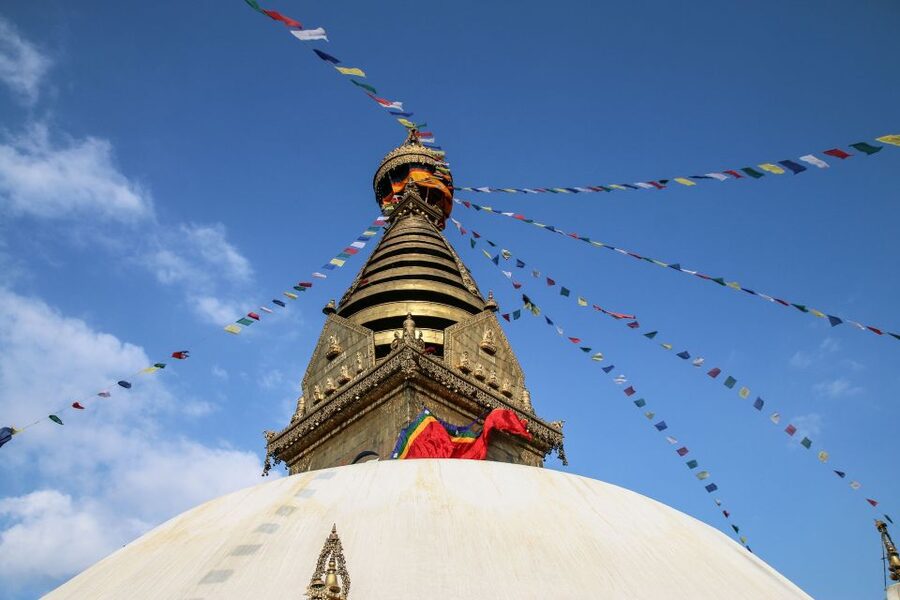
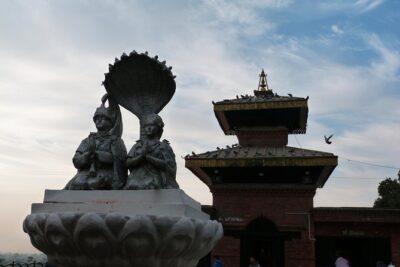
Swayambhunath is usually the most dramatic opening to Kathmandu. The ancient stupa sits on a hillock about 77 meters above the surrounding ground, giving you broad views across the Kathmandu Valley when the air is clear.
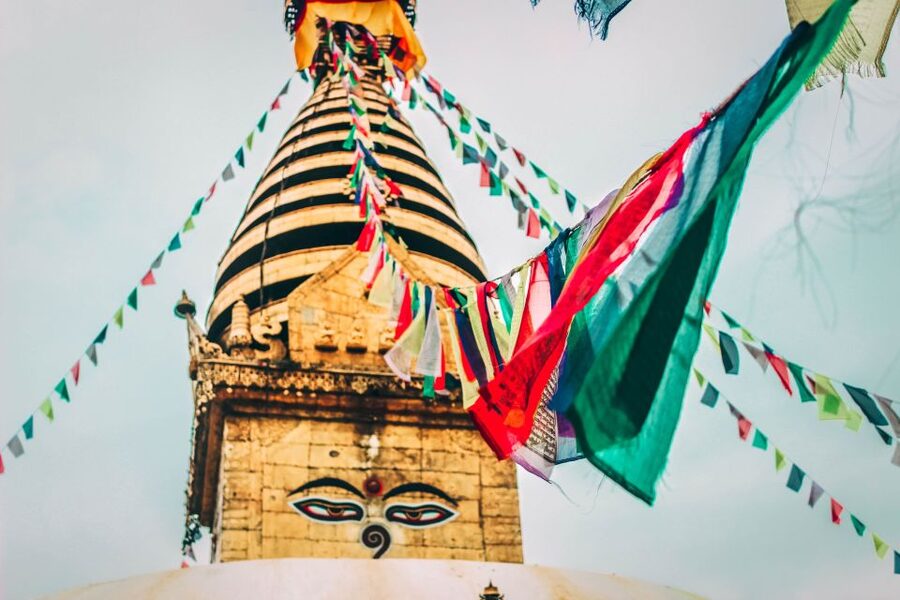
The main dome is topped by a cube painted with Buddha’s eyes on all four sides. These all-seeing eyes are one of the most recognizable symbols in Nepal. Your guide can explain the Buddhist meaning of the stupa, the prayer traditions, and the way the site also serves Hindu worshippers.
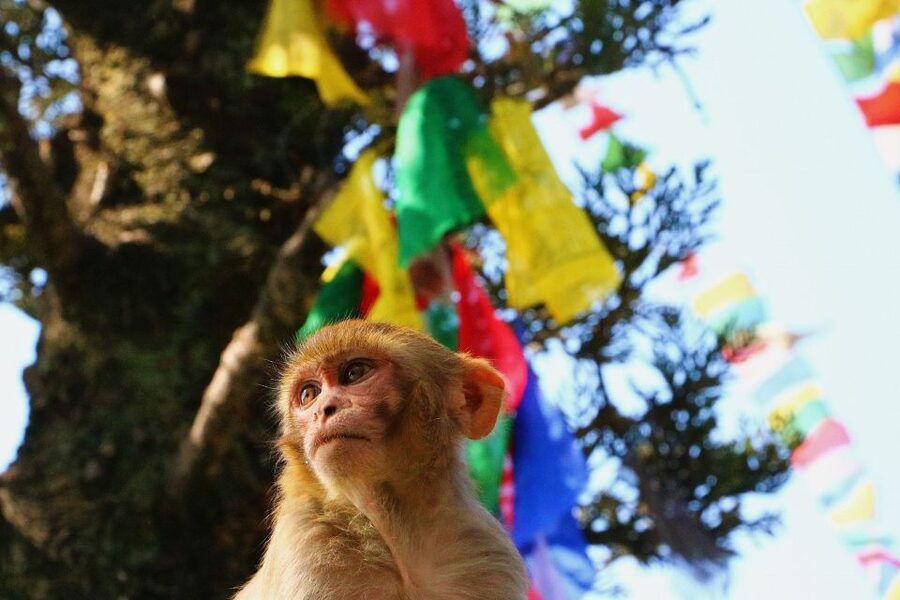
The nickname Monkey Temple is not decorative. Monkeys are part of the scene, so keep your belongings secure and avoid feeding them. The complex includes two Buddhist monasteries and the Temple of Haratima, a place respected by both Buddhists and Hindus. The temple of Manjushree and Anandakuti Bihar are nearby, within a short walk from the main site.
This stop combines views, architecture, living religion, and a little natural comedy from the monkeys. It can also mean steps and uneven surfaces, so comfortable shoes are important. The tour is not suitable for wheelchair users, and anyone with mobility concerns should discuss the route with the operator before setting out.
Boudhanath and the great white stupa
Boudhanath, also spelled Bouddhanath, is about six kilometers east of central Kathmandu. Its huge white dome and watchful eyes create a calmer, more spacious setting than many of the city’s tighter streets.
The stupa is believed to date to the fifth century and is among the largest Buddhist stupas in the world. It is surrounded by monasteries, shops, and Buddhist communities, with Tibetan Buddhist lamas and pilgrims forming a central part of the atmosphere.
Your guide can help you understand the basic ritual of walking around the stupa, rather than treating it as a monument for photographs alone. You might see people turning prayer wheels, moving clockwise around the dome, or pausing for personal devotion. The value of having a guide here is context. Without it, you can admire the scale and design but miss how the site functions as a living place of worship.
Several people have enjoyed lunch on a rooftop cafe facing the stupa, but lunch is not included in the tour price. If your timing allows, ask your guide about a meal with a view. Local food can include savory snacks, main dishes, and sweets, and one food-focused outing with guide Deepak included several distinctive tastings. Still, treat food stops as an optional part of the day, not a guaranteed feature.
Pashupatinath and the Bagmati River
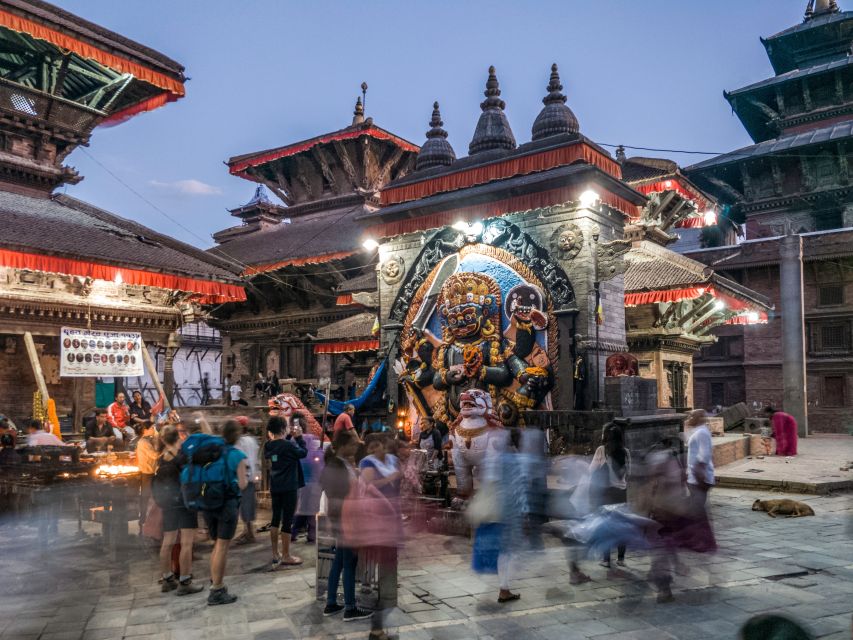
Pashupatinath is one of Nepal’s most important Hindu pilgrimage sites. The temple is dedicated to Lord Shiva and sits beside the Bagmati River, about five kilometers east of Kathmandu.
The main temple has two golden roofs and four silver doors. Non-Hindu visitors cannot enter the main temple, but you can still see the architecture and observe the wider sacred complex from permitted areas. This is a place where respectful behavior matters more than getting the perfect picture.
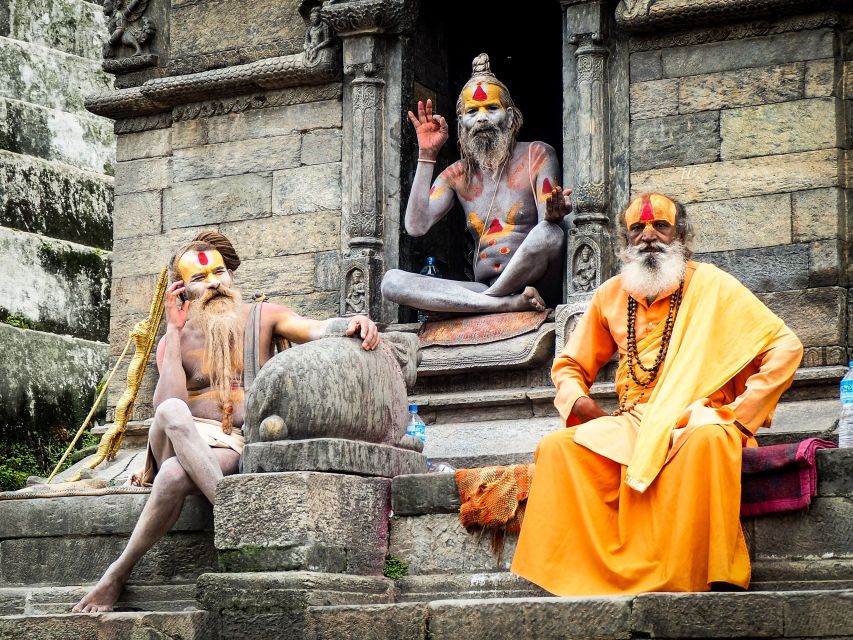
Along the Bagmati River, Hindu cremation rituals may be visible. This can be a powerful and difficult cultural experience, especially if you have not encountered public cremation grounds before. A good guide prepares you for what you may see and explains the practice without turning someone’s grief into a sightseeing display.
One guide provided masks before entering this area because of smoke and odor. That is a useful practical detail. Carry your own face covering as well, since masks are included on the recommended packing list. Ask before taking photographs, follow local instructions, and remember that families are using this space for sacred funeral rites.
Pashupatinath is also where the tour may feel most emotionally demanding. If you prefer architecture and street life, you may find Boudhanath or Patan easier. If you want to understand an important part of Hindu life in Nepal, this stop is essential.
A completely different way to spend the day:
- Half day cooking class in Thamel kathmandu
★ 5.0 · 607 reviews - Everest Base Camp Trekking
★ 5.0 · 485 reviews - Nagarkot Sunrise View and Day Hiking from Kathmandu
★ 5.0 · 471 reviews - Kathmandu: Full Day 7 UNESCO Tour with Lunch – Private/Group
★ 5.0 · 415 reviews
Patan Durbar Square and Newari design
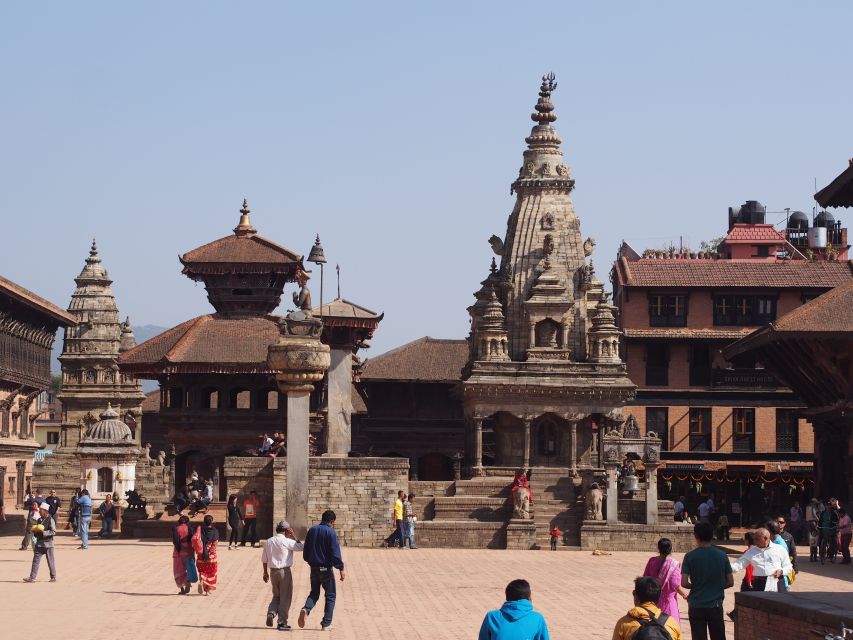
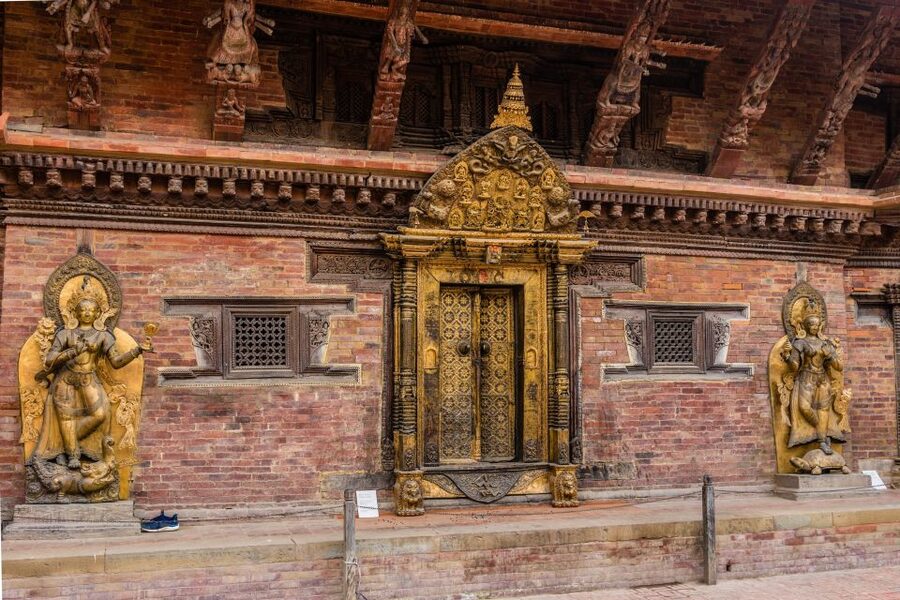
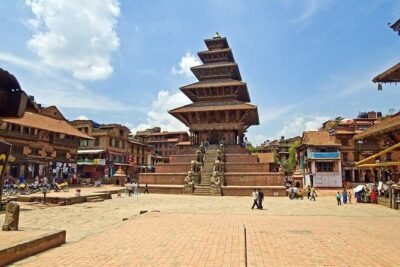
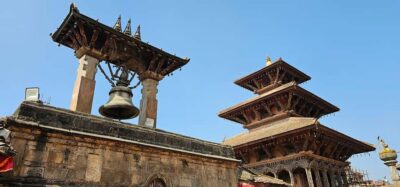
Patan Durbar Square is in Lalitpur, the historic city often considered one of the finest places in the Kathmandu Valley for Newari architecture. It was once home to the Patan royal family and is packed with carved brick, timber, metalwork, courtyards, and temple roofs.
The square’s main sights include the Krishna Temple, with 21 golden pinnacles; Rudra Varna Mahavihar, a Buddhist monastery containing local treasures; and Mul Chowk, a central courtyard with strong palace architecture.
Patan is the stop where a guide’s storytelling can add the most value. The buildings are beautiful, but the details are easy to overlook: a carved doorway, a roof support, a courtyard layout, or the connection between royal buildings and religious spaces. You can spend your free time taking photographs or browsing nearby shops, but leave enough time for the guide’s explanation.
There is a practical tradeoff. If you want all four major sites, your time at Patan may be limited. Some people choose to skip it to spend longer elsewhere, while others consider it the finest architectural stop of the day. Tell your guide what matters most before the route begins.
The guides make the private format worthwhile
The strongest part of this experience is not simply the car or the list of monuments. It is the ability to ask questions and shape the day around your interests.
Kapil is repeatedly praised for his stories, history lessons, flexibility, and calm handling of time. He has helped solo visitors with short layovers see the main sites efficiently, and he has adjusted the route for people who wanted to linger at a temple. Saru is also praised for explaining Nepalese culture, Buddhism, and Hinduism in a personal and approachable way. Other guides named in bookings include Bhim, Shanti, Raj, Kumar, Deepak, and Sarida.
That variety means you cannot guarantee one particular guide unless the company confirms it. If having a female guide matters to you, ask in advance. One solo visitor was especially pleased with Saru and noted that she had not requested a female guide but felt fortunate to receive one.
The private setup also helps families and mixed-ability groups. A guide adjusted the pace for a visitor with mobility problems, while another group avoided excessive stairs by changing the plan. The tour is not wheelchair accessible, but it can be adapted to some walking limitations if you communicate clearly before departure.
Traffic, cars, and the real six-hour clock
Transport is by private car, with a sedan, SUV, or minivan available to match group size. Hotel pickup and drop-off are included from listed areas such as Thamel, Boudha, Kathmandu, Lalitpur, Lazimpat, Naya Bazaar, and Ekantakuna.
The car saves you from arranging taxis between four scattered sites. It also gives you a place to rest between visits, which is useful after climbing at Swayambhunath or walking around Patan.
Traffic is the main catch. A drive that looks like 10 or 15 minutes on a map can take 30 minutes or longer. That makes the tour’s private vehicle valuable, but it also means you should not plan a tight flight or another fixed appointment immediately afterward.
Vehicle comfort can vary. Most experiences describe transport as smooth and comfortable, but one booking raised a concern about air conditioning. If you are visiting during a hot period or dislike warm car rides, ask what vehicle is assigned and confirm that air conditioning is available.
Price, entrance fees, and what you really pay
The tour costs $40 per person. For a private six-hour outing with hotel pickup, a dedicated vehicle, and a guide, that is a reasonable price, especially for a first visit or a short stopover in Kathmandu.
The advertised price is not the complete cost. Monument admission is paid separately and is listed at about NPR 2,700, or approximately US$22, per person. Rates differ for citizens of South Asian Association for Regional Cooperation countries and for Chinese nationals, so check the current amount at each ticket counter before paying.
Meals and drinks are also extra. Bring water and cash, and ask your guide about a suitable lunch stop if you want local food. The food itself can become one of the pleasures of the day, but you should not book this tour expecting a meal to be included.
At $40, the best value comes when you use the guide well. Ask questions, request explanations of religious symbols, and speak up if one site matters more to you than another. If you have two full days in Kathmandu, you could visit the four sites independently and spend much longer at each. If you have only one day, a layover, or limited patience for arranging transport, the fee earns its keep.
How to prepare for the day
Wear comfortable shoes. You will walk through courtyards, temple grounds, and uneven areas, and Swayambhunath may involve steps.
Bring:
- Passport or another form of identification
- Water
- Cash for admission, food, and personal purchases
- A face mask or protective covering
- Sun protection
- A scarf or modest covering if you prefer one for temple visits
Pets are not allowed. The tour is not suitable for wheelchair users, and you should mention mobility concerns before the pickup time.
Cancellation is flexible: you can cancel up to 24 hours ahead for a full refund. You can also reserve now and pay later, which helps if your Kathmandu schedule may change.
Should you book this Kathmandu tour?
Book it if you want a strong first look at Kathmandu, especially during a short stay or airport layover. The guide adds cultural meaning to places that can otherwise blur together, and the private car makes four separate sites manageable in one day.
I would also recommend it for families, solo visitors, and anyone uneasy about navigating Kathmandu’s traffic and religious customs alone. The best experiences here come from asking for flexibility, as guides such as Kapil and Saru have done for many different kinds of visitors.
Skip it if you have several days and prefer a slow pace. You will pay extra admission, buy your own lunch, and spend part of the day in traffic. But if your goal is to get your bearings fast and see the valley’s major Buddhist, Hindu, royal, and architectural highlights, this is a practical and worthwhile introduction.
FAQ
How long does the Kathmandu private city tour last?
The tour lasts six hours. Starting times depend on availability, so check the schedule when booking.
Which sites are included?
The planned visits are Swayambhunath, Boudhanath, Pashupatinath Temple, and Patan Durbar Square.
Is hotel pickup included?
Yes. Pickup and drop-off are included from listed areas including Kathmandu, Thamel, Lazimpat, Naya Bazaar, Boudha, Lalitpur, and Ekantakuna.
Are entrance fees included in the price?
No. Monument entry fees are paid separately on the spot and total about NPR 2,700, or approximately US$22, per person. Prices vary for South Asian Association for Regional Cooperation nationals and Chinese nationals.
Is lunch included?
No. Meals and drinks are not included. You can ask your guide about local food or a restaurant stop, but you should budget separately for lunch.
Is the tour wheelchair accessible?
No. The activity is not suitable for wheelchair users. Comfortable shoes are recommended, and the route may include steps and uneven surfaces.
New in the Kathmandu listings
- Traditional Momo Making Class★ 5.0 · 10 reviews
- Kathmandu: Ancient City Kirtipur & Pharping Monastery Tour★ 5.0 · 2 reviews
- Kathmandu to Pokhara Premium sofa bus ticket★ 4.0 · 17 reviews
- Women Empowerment Project(Nepali cooking class & jewelry workshop★ 5.0 · 15 reviews
- 7-Day Langtang Valley Trek from Kathmandu★ 5.0 · 1 review
- Kathmandu 2 Nights 3 Days Chitwan Jungle Safari Tour★ 5.0 · 9 reviews
- Yoga Experience Day Trip with Private Transfer From Kathmandu★ 4.0 · 2 reviews
- Wildlife Adventure in Chitwan Nepal★ 4.0 · 4 reviews
City Tours, compared.
Sarangkot Sunrise with Half or Full-Day City Tour
Read our review →
Full Day Kathmandu City Sightseeing Tour of UNESCO Heritage Sites
Read our review →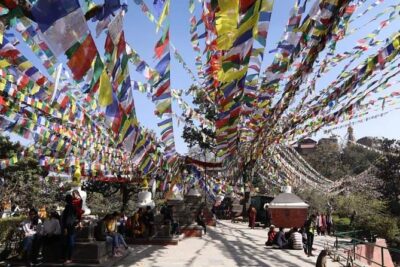
Browse the lists this tour appears in