REVIEW · GUIDED
Kathmandu: Scooter Tour with Local Guide and Pickup
Kathmandu moves fast. This private scooter tour lets you slip through narrow lanes, reach four UNESCO World Heritage Sites, and see daily city life from street level. I especially like the freedom of two wheels and the chance to ride as a passenger with Ram, a careful, friendly guide who explains Nepalese history, religion, and customs along the way.
I also like that hotel pickup, helmets, bottled water, and entrance tickets are included in the $5 price. The main consideration is traffic: Kathmandu’s roads can be hectic, and the five-hour schedule leaves little spare time if you want to linger at every stop.
In This Review
- Key details at a glance
- Why a scooter makes sense in Kathmandu
- Starting in Thamel and entering the city
- Swayambhunath, the hilltop Monkey Temple
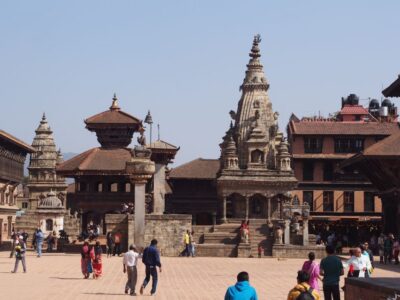
- Patan Durbar Square and Newar craftsmanship
- Pashupatinath and the Bagmati River
- Boudhanath, prayer wheels, and a quieter finish
- What the $5 price really includes
- Ram’s role and the private format
- Who should book this tour?
- Should you book the Kathmandu scooter tour?
- FAQ
- How long does the scooter tour last?
- Which sites are included?
- Can I drive the scooter myself?
- Is a helmet provided?
- Does the tour include hotel pickup and drop-off?
- Is lunch included?
- What language does the guide speak?
Key details at a glance
- Four major heritage sites in five hours: Visit Swayambhunath, Patan Durbar Square, Pashupatinath, and Boudhanath.
- Passenger or driver option: Ride behind the guide, or drive your own scooter with a valid license.
- Ram is the guide to request: He is praised for safe driving, clear explanations, storytelling, and helping shape the route around your needs.
- Private touring, not a large group: The experience is arranged for a private group, which gives you more room to ask questions and adjust the pace.
- Nearly all the costly basics are covered: Pickup, drop-off, helmet, site tickets, water, and taxes are included. Lunch and personal spending are not.
- A lively street-level view: The scooter reaches alleys and neighborhoods that are harder to access by car.
Why a scooter makes sense in Kathmandu
Kathmandu is not a city I would want to see only through a car window. The streets are crowded, the routes can be tight, and the most interesting turns are often found away from the main roads. A scooter gives you a closer look at local neighborhoods while helping you move between the city’s major sights.
You can choose to sit behind the guide, which is the simplest option. This lets you watch the streets without worrying about directions, traffic, or parking. You may also drive your own scooter if you have a valid license, but that choice requires more confidence and attention.
I would choose the passenger option unless you already feel comfortable riding in busy city traffic. The main appeal here is the guide’s local knowledge, not simply renting a motorbike. Ram is described as a safe driver, a helpful storyteller, and someone who explains Nepalese history, culture, religion, and rituals in a clear way.
The private format also matters. You are not being moved through Kathmandu as part of a large convoy. You can ask why a shrine matters, pause for a photo, or request a route that suits your interests. One booking was adjusted in advance to fit the visitor’s needs, so it is worth discussing your preferences before the day begins.
A short list of alternatives around Kathmandu
- Everest Base Camp Trek – 14 Days
★ 5.0 · 1,499 reviews - Private Kathmandu Sightseeing Tour | UNESCO World Heritage sites
★ 5.0 · 756 reviews - Everest Base Camp Helicopter Tour landing at Everest View Hotel
★ 5.0 · 668 reviews
Starting in Thamel and entering the city
The tour begins with pickup from your hotel, with Thamel Marg listed as the starting and finishing point. This is useful if you are staying in or near Thamel, since you do not need to find an unfamiliar meeting place.
Before setting off, make sure your clothing is comfortable and that you have sunscreen. A helmet is provided, and wearing it is not a minor detail in Kathmandu traffic. Alcohol and drugs are not allowed on the activity.
The first part of the ride is part sightseeing and part orientation. You get a sense of how Kathmandu works at street level, with the guide handling navigation and traffic if you are riding behind him. The route is designed to include smaller lanes and local neighborhoods that a car may not reach easily.
The tradeoff is that scooter touring is less sheltered than traveling in a private vehicle. You are exposed to sun, road dust, noise, and changing traffic conditions. Comfortable clothes and a little patience will help.
Swayambhunath, the hilltop Monkey Temple
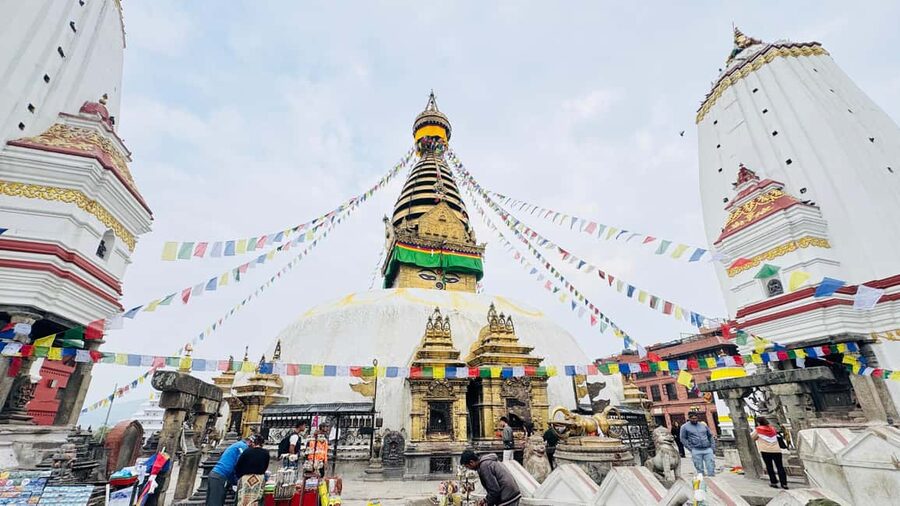
Swayambhunath is the first major stop, with about an hour set aside for a visit, guided tour, walking, and photos. The stupa sits on a hilltop and is known for its Buddhist symbolism and wide views over the Kathmandu Valley.
The hilltop setting gives this stop a strong beginning. You are not simply looking at a monument from a street corner. You walk through a sacred place with a sense of height, movement, and ceremony. The temple’s common name, Monkey Temple, points to one of its memorable features, but the site’s religious meaning is the more important part of the visit.
I would use your guide’s time here to ask about the symbols, prayer practices, and the relationship between the stupa and Kathmandu’s Buddhist traditions. The value of a guide is especially clear at a place like this. Without context, you may notice the architecture and views but miss why the forms and rituals matter.
The main practical issue is the walking. This stop includes a hilltop visit and a walk, so it is not suited to people with mobility impairments. Pregnant women are also listed as unsuitable for the tour.
Bring sunscreen and water, even though bottled water is included. One bottle may not be enough for a warm day, especially when the tour continues through several outdoor sites.
Patan Durbar Square and Newar craftsmanship
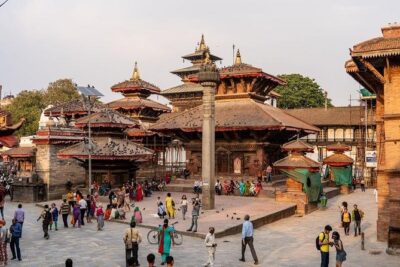
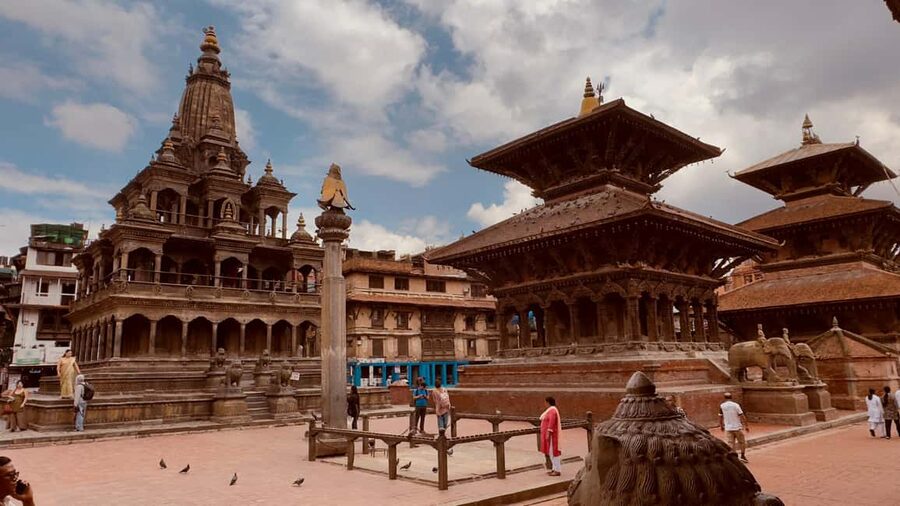
The tour continues to Patan Durbar Square for about an hour and a half. This is the longest scheduled stop, giving you time for a guided visit, photos, free time, shopping, and a break.
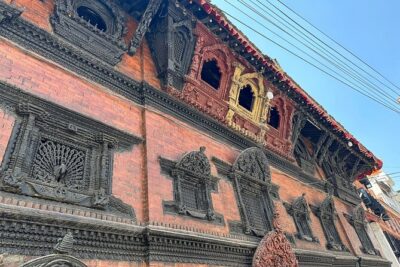
Patan is a strong choice for anyone interested in Newar art and architecture. Ancient palaces, temples, and courtyards show the skill of the Kathmandu Valley’s traditional builders and artists. The square is not just one building to photograph. It is a collection of spaces that reward slow looking.
Your guide can help connect the carvings, courtyards, and temples to the city’s cultural past. I would ask him to point out details you might otherwise pass without noticing. The supplied tour description specifically emphasizes Newar architecture, so this is a good place to focus on design rather than rushing from one photo stop to the next.
The free time is useful, but it can also create a small temptation to spend more than planned. Shopping is included as an option, not a required part of the tour. Since personal expenses are not covered, keep purchases separate from the tour price.
Patan is also where the schedule needs some judgment. Ninety minutes sounds generous, but it includes the guided visit, walking, a break, photos, and possible shopping. If you want detailed explanations and time to browse, tell Ram early. A private tour gives you a better chance of shaping the stop than a fixed group excursion.
A completely different way to spend the day:
- Half day cooking class in Thamel kathmandu
★ 5.0 · 607 reviews - Everest Base Camp Trekking
★ 5.0 · 485 reviews - Nagarkot Sunrise View and Day Hiking from Kathmandu
★ 5.0 · 471 reviews - Kathmandu: Full Day 7 UNESCO Tour with Lunch – Private/Group
★ 5.0 · 415 reviews
Pashupatinath and the Bagmati River
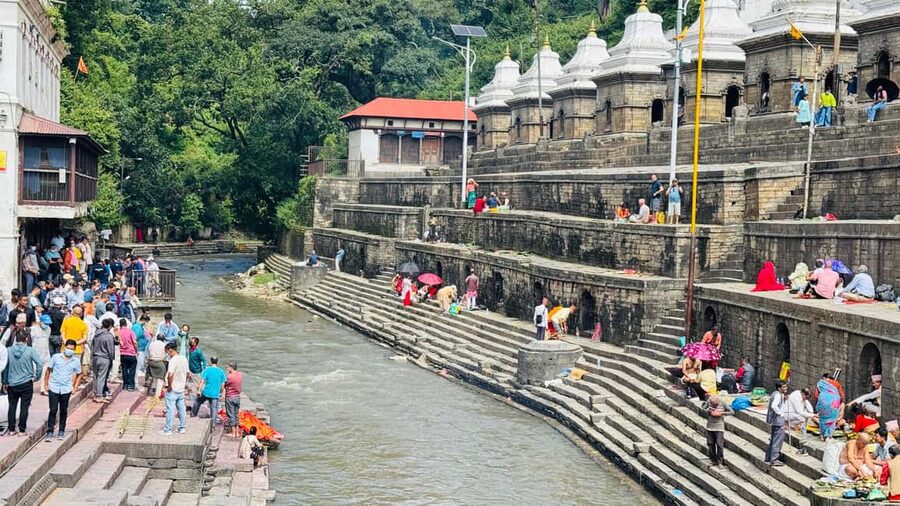
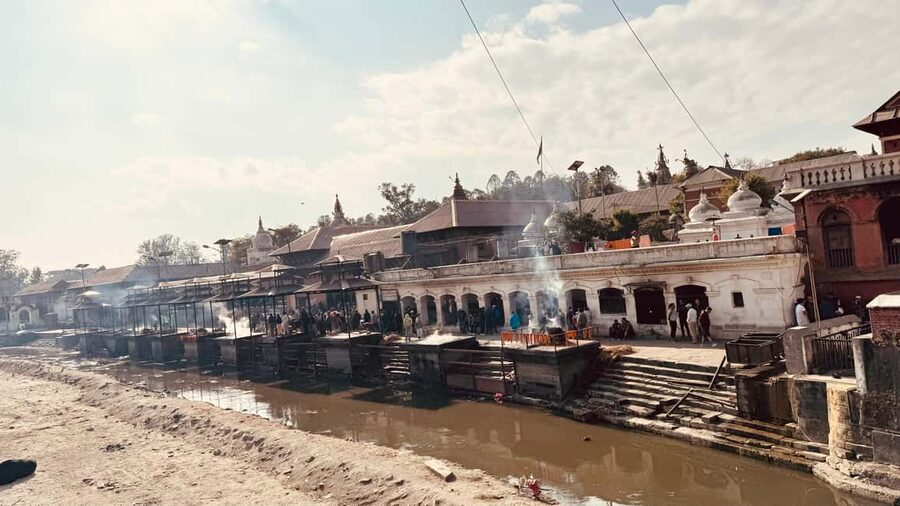
Pashupatinath Temple is scheduled for about an hour. It is Nepal’s holiest Hindu site and one of the most important religious places in the country. The complex sits along the Bagmati River, where sacred rituals take place.
This stop brings a different religious tradition into the day. Swayambhunath and Boudhanath are strongly associated with Buddhism, while Pashupatinath gives you a direct look at Hindu worship and ritual life. That contrast is one of the tour’s real strengths.
The guide’s role here is important. Religious sites are easier to understand when you know what customs you are seeing and why they matter. Ram is praised for explaining rituals and traditions, so this is a place where his storytelling may add more value than a quick independent visit.
You should also approach Pashupatinath with respect. This is a working sacred site, not simply an old monument. Follow your guide’s instructions about where to walk, what to photograph, and how to behave around ceremonies.
The one-hour schedule is enough for an introduction, but it is not a long study visit. If Pashupatinath is your main interest, you may want to tell the guide in advance so he can make the most of the time.
Boudhanath, prayer wheels, and a quieter finish
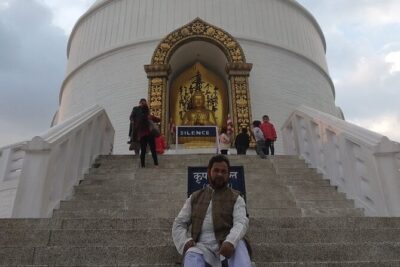
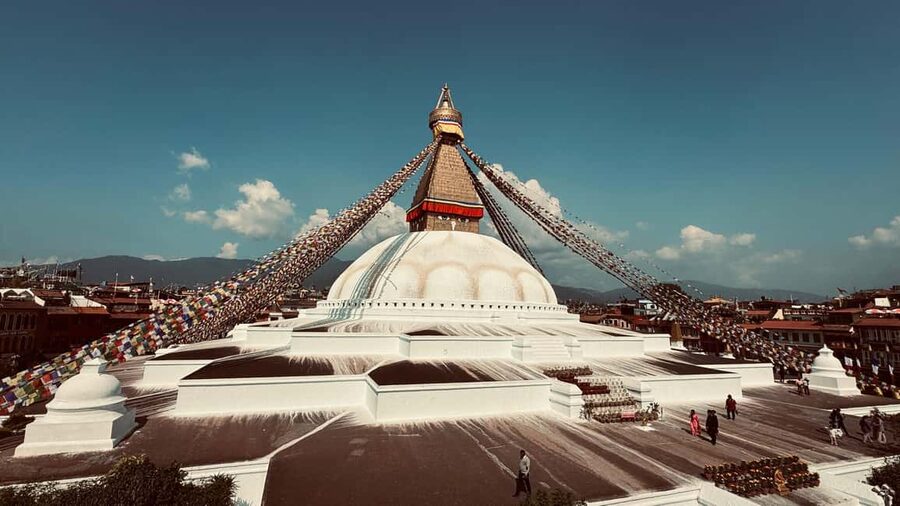
The final major stop is Boudhanath Stupa, with about an hour and a half for a visit, photos, sightseeing, shopping, and a break. It is one of the largest stupas in the world and is surrounded by monasteries, prayer wheels, and chanting monks.
Boudhanath gives the day a calmer closing note after the traffic and movement of Kathmandu. The round stupa and surrounding religious activity create a place where you can pause and take in the atmosphere instead of rushing through another formal monument.
I would save some time here for simply walking around the stupa. The schedule includes shopping, but the real value is seeing how the surrounding religious life works. Your guide can explain the symbolism and the Buddhist practices connected with the site.
This is another stop where a private tour helps. You can spend more time asking questions or less time shopping, depending on your interests. The 90-minute period is useful, though the day’s total schedule is still tight once riding time is included.
After Boudhanath, the scooter returns you to Thamel Marg. Hotel drop-off is included, so the tour ends with transport back rather than leaving you to arrange your own ride.
What the $5 price really includes
At $5 per person, this is an unusually low-cost way to cover four major Kathmandu sites in one outing. The value is not only the ride. The fee includes hotel pickup and drop-off, the scooter with a local guide, a helmet, entry tickets, bottled water, and taxes.
That combination makes the price especially attractive for a first day in Kathmandu. You get an overview of several major areas without paying separately for a driver, entrance fees, and a guide.
Lunch is not included, and personal expenses are extra. The five-hour duration also means this is an introduction rather than a slow, specialist tour. You will see a lot, but you should not expect unlimited time at each monument.
I would judge the value by your priorities. If you want a broad cultural overview and a practical way to move around, the price is excellent. If you prefer long museum visits, unhurried meals, or a highly focused study of one temple, a longer private arrangement may suit you better.
Ram’s role and the private format
The guide can make or break a scooter tour. Here, Ram receives particularly strong praise for safe driving, friendliness, useful explanations, and storytelling. His driving matters because you need to feel secure before you can enjoy the city around you.
You can also request to ride as his passenger rather than drive. This is helpful if you do not have a valid license, do not know Kathmandu’s roads, or simply want to concentrate on the sights.
The private group setup gives you a better chance to ask questions about culture, religion, history, and daily life. It also allows some flexibility. One visitor arranged a route with Ram in advance, so I recommend telling him what matters most before pickup.
At the same time, the tour depends on one guide and one scooter arrangement. If you are traveling with several people, confirm how the private group is handled before booking, since the supplied details do not specify the number of scooters or passengers included.
Who should book this tour?
I would recommend it to you if you want a quick, active introduction to Kathmandu and like seeing cities from the street. It suits solo visitors, couples, and small private groups who value a local guide and do not want to spend the day inside a car.
It is also a good match if you want to compare Buddhist and Hindu sacred sites in one outing. The route brings together Swayambhunath, Patan, Pashupatinath, and Boudhanath, giving you a broad view of the valley’s architecture and religious life.
I would be more cautious if you dislike traffic, need step-free access, are pregnant, or want a slow and restful day. The tour includes walking at several sites, and the scooter puts you close to the noise and motion of the city.
For the best day, wear comfortable clothes, use sunscreen, listen carefully to the guide, and decide in advance if you will ride as a passenger or drive. If you plan to shop at Patan or Boudhanath, bring money for personal purchases since lunch and shopping are not included.
Should you book the Kathmandu scooter tour?
Book it if the idea of seeing Kathmandu from a scooter sounds more appealing than sitting in a car. The route covers four major UNESCO sites, the guide adds cultural context, and the included tickets and transport make the $5 cost hard to overlook.
I would choose the passenger option and ask for Ram, especially if safety and explanation matter more to you than driving yourself. Just keep your expectations realistic: this is a fast five-hour overview, not a leisurely day at each monument.
The tour is best for an active visitor who wants broad coverage, local stories, and access to smaller streets. It is less suitable for anyone needing easy mobility, quiet transport, or a long pause at every sacred site.
FAQ
How long does the scooter tour last?
The tour lasts five hours, including the visits to the four heritage sites and the rides between them.
Which sites are included?
The route includes Swayambhunath Stupa, Patan Durbar Square, Pashupatinath Temple, and Boudhanath Stupa.
Can I drive the scooter myself?
Yes. You can drive your own scooter if you have a valid license. You can also ride as a passenger with the guide.
Is a helmet provided?
Yes. A helmet is included with the scooter ride.
Does the tour include hotel pickup and drop-off?
Yes. Pickup and drop-off from your hotel are included. Thamel Marg is listed as the starting and return location.
Is lunch included?
No. Lunch and personal expenses are not included in the price.
What language does the guide speak?
The live tour guide speaks English.
New in the Kathmandu listings
- Traditional Momo Making Class★ 5.0 · 10 reviews
- Kathmandu: Ancient City Kirtipur & Pharping Monastery Tour★ 5.0 · 2 reviews
- Kathmandu to Pokhara Premium sofa bus ticket★ 4.0 · 17 reviews
- Women Empowerment Project(Nepali cooking class & jewelry workshop★ 5.0 · 15 reviews
- 7-Day Langtang Valley Trek from Kathmandu★ 5.0 · 1 review
- Kathmandu 2 Nights 3 Days Chitwan Jungle Safari Tour★ 5.0 · 9 reviews
- Yoga Experience Day Trip with Private Transfer From Kathmandu★ 4.0 · 2 reviews
- Wildlife Adventure in Chitwan Nepal★ 4.0 · 4 reviews
Guided, compared.