
REVIEW · ANNAPURNA BASE CAMP TREKS
Pokhara: 5-Day Annapurna Base Camp (ABC) Trek
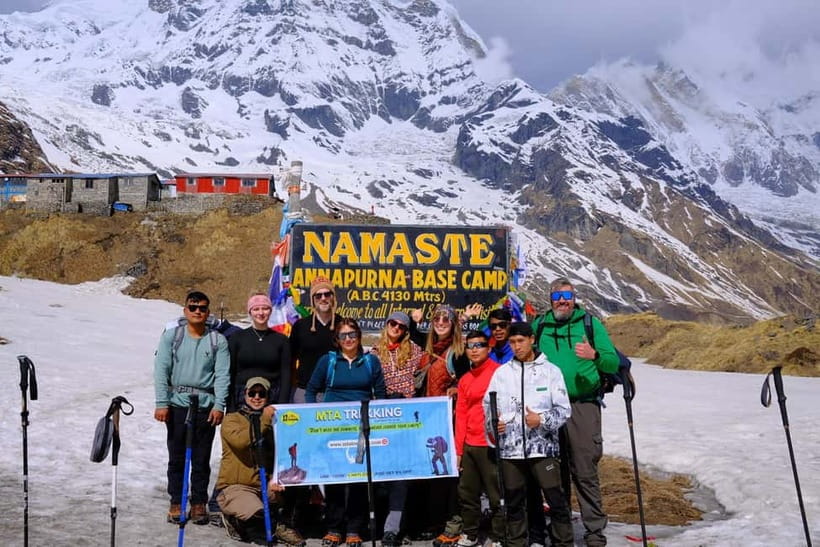
The mountains arrive one step at a time. This five-day Annapurna Base Camp trek takes you from Pokhara’s Lake Side to 4,130 meters, with terraced fields, forest trails, Gurung villages, and the great peaks of the Annapurna Massif along the way. I like the route’s compact design, and I especially like that it includes private road transport, a registered guide, permits, tea-house stays, and luggage storage in Pokhara.
The two strongest points are the small private-group format and the care built into the guiding. Guides such as Santosh, Prabit, and Ramit have been praised for clear communication, pacing, mountain knowledge, and practical help. The main caution is simple: five days is a tight schedule for a high-altitude trek. You need a fair level of fitness, and you should take altitude symptoms seriously.
In This Review
- The five details that shape this trek
- From Pokhara’s Lake Side to the trailhead
- Day one: Jhinu and Lower Sinuwa
- Day two: Lower Sinuwa to Deurali
- Day three: Machhapuchhre Base Camp and Annapurna Base Camp
- Day four: The long descent to Bamboo
- Day five: Jhinu hot springs and the road to Pokhara
- Tea houses, meals, and what $136 really covers
- Guide support and the private-group advantage
- Fitness, altitude, and the monsoon problem
- What to pack for five days
- Who should book this ABC trek?
- Should you book the 5-day Annapurna Base Camp trek?
- FAQ
- How long is the Annapurna Base Camp trek?
- Where does the trek start?
- How high is Annapurna Base Camp?
- Is transport from Pokhara included?
- Is accommodation included?
- Are meals included?
- Is a guide included?
- Can I cancel the booking?
The five details that shape this trek
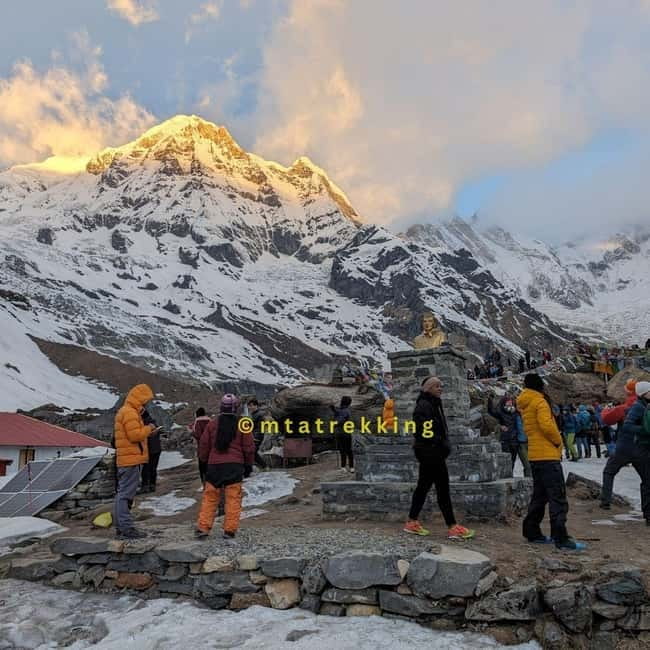
- Annapurna Base Camp at 4,130 meters: The goal is a dramatic mountain bowl surrounded by the Annapurna peaks.
- Private transport from Pokhara: A jeep or SUV covers the three-hour road journey to and from Siwai, the last road access point.
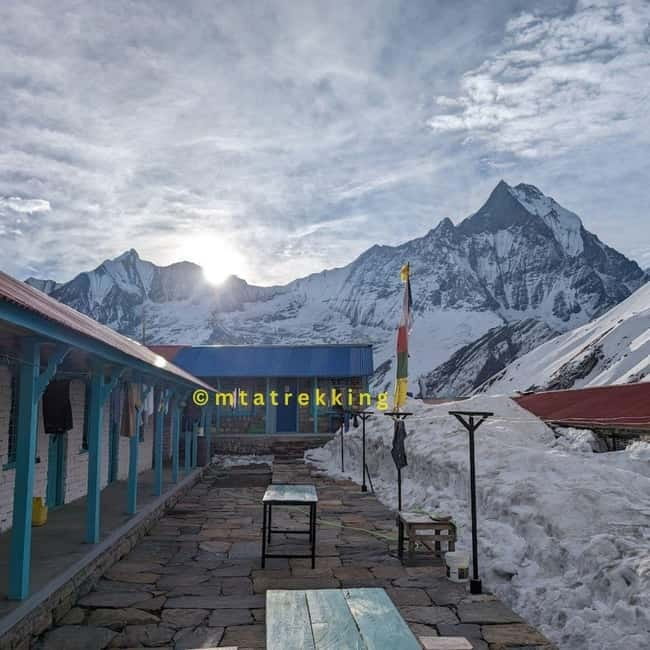
- Four nights in tea houses: Accommodation is basic mountain lodging, not a hotel-style retreat.
- Jhinu hot springs: You can stop at the natural hot springs on the first or final day, depending on timing and energy.
- A fast five-day schedule: The route works well for travelers with limited time, but the daily walking hours and altitude make fitness important.
- $136 base price: Permits, guide service, transport, tea-house accommodation, taxes, and first aid are included, while several mountain expenses are extra.
From Pokhara’s Lake Side to the trailhead
Your pickup begins at a hotel or location in Pokhara’s Lake Side area. Pickup is also available from Pokhara International Airport, which is handy if you are arriving just before the trek.
The drive to Siwai takes about three hours in a jeep or SUV. This is not just a transfer to forget. It gives you a first look at the changing scenery around Pokhara and brings you to the last road access point before the trail takes over.
The road portion also explains why private transport matters. You are not trying to match your schedule to a public bus or arrange a separate transfer. At the same time, mountain roads can make a three-hour drive feel longer, so keep water and a light snack within reach.
From Siwai, the walking begins. The program describes the first day as a route toward Lower Sinuwa through Jhinu, with roughly five to six hours of walking. The altitude at Lower Sinuwa is about 2,300 meters.
More Annapurna Base Camp treks:
- Annapurna base camp trek 5 Days
★ 5.0 · 252 reviews - Annapurna Base Camp Trek
★ 5.0 · 111 reviews - Kathmandu to Annapurna Base Camp (ABC) 5-Day Trek
★ 5.0 · 102 reviews
Day one: Jhinu and Lower Sinuwa
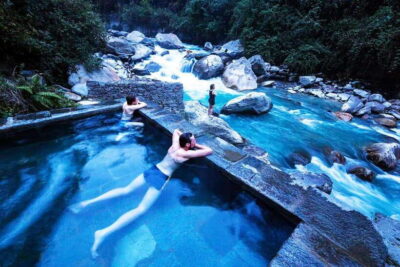
Jhinu is one of the most appealing stops early in the route because of its natural hot springs. The springs are optional, and your guide will need to balance the visit with the day’s walking time. If you arrive with enough energy, a soak can be a pleasant way to ease tired legs. If the schedule is tight, the village and trail views still make Jhinu worthwhile.
The route climbs through changing scenery, including terraced rice fields and forest. This is where the trek begins to feel like more than a mountain photo trip. You see working villages, footpaths used by local people, and the way Gurung communities are connected to the hills.
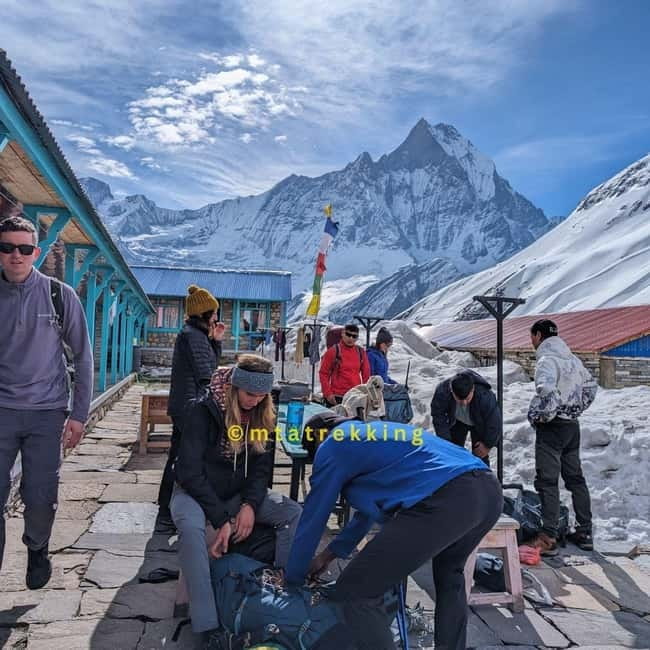
You spend the night in Lower Sinuwa at a tea house. Tea houses are practical places to eat and sleep along the route. They are part of the experience, but you should expect simple accommodation and extra charges for comforts such as hot showers, Wi-Fi, drinks, bottled water, laundry, and mountain hot water.
Day two: Lower Sinuwa to Deurali
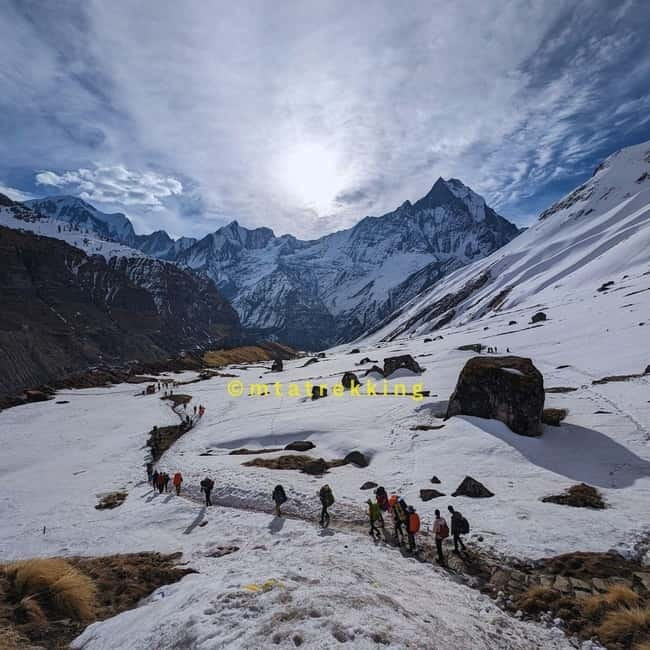
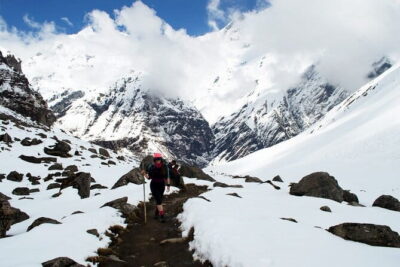
The second day is a longer climb toward Deurali at approximately 3,200 meters. The stated walking time is about six hours. You will move through more forest and higher mountain terrain, with the air becoming cooler and thinner as you gain altitude.
This is the day when pacing starts to matter. A strong early pace can sound impressive, but it may leave you struggling later. I would ask your guide to keep the rhythm steady, drink regularly, and use short rests before you feel exhausted.
Deurali is more than a place to sleep. It is an important overnight stop before the push to Annapurna Base Camp. You will have time for mountain views, sunset, and the next morning’s light, though the exact views depend on weather and cloud cover.
The altitude here makes the trek more demanding. The tour information describes altitude sickness as uncommon, but it is still possible. Headache, nausea, unusual tiredness, and poor coordination should not be brushed aside. Tell your guide quickly if you feel unwell.
Day three: Machhapuchhre Base Camp and Annapurna Base Camp
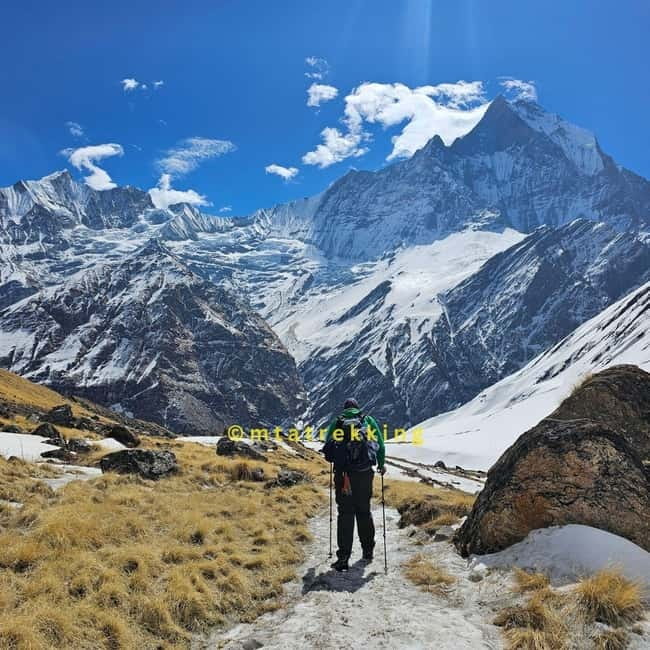
Day three brings the main prize. From Deurali, you walk toward Machhapuchhre Base Camp, also called the base area for Fishtail Peak, before continuing to Annapurna Base Camp.
The walking time is listed at roughly four to six hours. That range matters because mountain conditions, rest stops, group pace, and weather can change the day. The distance may not look extreme on paper, but the altitude makes each uphill section harder than it would be at home.
Machhapuchhre is known for its distinctive Fishtail shape. The stop adds a second major viewpoint to the day, rather than making Annapurna Base Camp the only point of interest. From there, the route continues into the broad mountain setting around ABC.
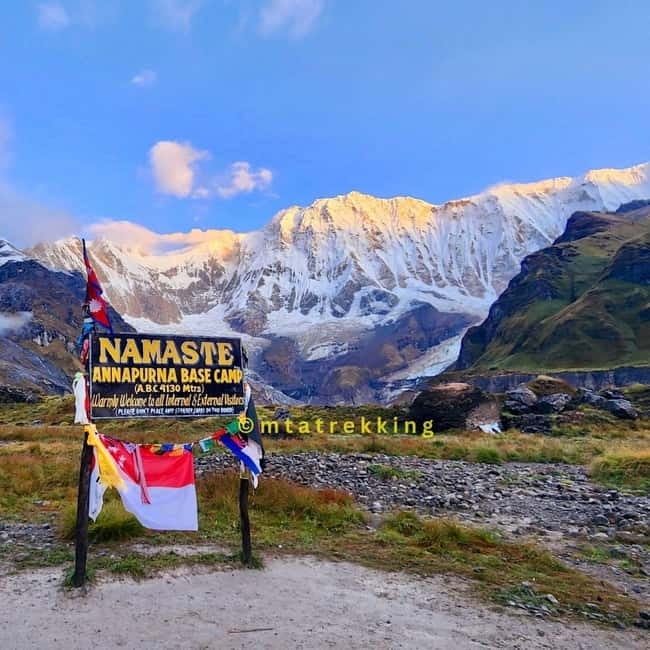
At 4,130 meters, Annapurna Base Camp is a serious high point, both physically and emotionally. You are surrounded by the Annapurna Massif, with steep peaks rising around the basin. The scale of the mountains is the reason this trek has such a strong reputation.
You spend the night at base camp. That overnight stay lets you see the area in more than one kind of light. Sunset may bring changing colors on the peaks, while sunrise can offer the clearest and most memorable views. One guest specifically described sunrise facing Annapurna South as unforgettable, and that is the sort of moment that justifies the effort of reaching ABC.
Still, do not treat arrival as the end of the hard work. At high altitude, sleep can be less comfortable, and temperatures can be cold. Bring suitable clothing, and listen to your guide if the weather or your health calls for a change of plan.
More walking in the hills of Kathmandu:
- Everest Base Camp Trek – 14 Days
★ 5.0 · 1,499 reviews - Everest Base Camp Trekking
★ 5.0 · 485 reviews - Nagarkot Sunrise View and Day Hiking from Kathmandu
★ 5.0 · 471 reviews - Annapurna Circuit Trek with Tilicho Lake
★ 5.0 · 368 reviews
Day four: The long descent to Bamboo
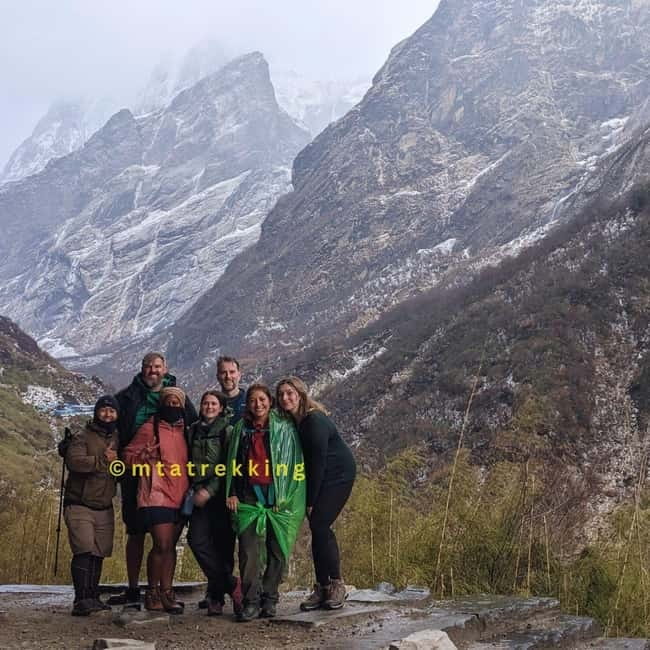
After seeing the base camp in the morning, you descend to Bamboo at about 2,400 meters. The program gives this day around six hours of walking.
Descending sounds easy until your knees and feet have spent hours absorbing the impact. Trekking poles can help, though they are not listed among the included items. Your comfortable shoes should be well broken in before you arrive in Nepal.
The return route gives you a different view of places you passed while climbing. Forest sections may feel warmer and more humid as you lose altitude. Bamboo is a useful overnight stop because it breaks the return journey into a manageable section rather than forcing one exhausting march back to the road.
This is also a good point to judge the value of having a guide. A registered guide can help set a sensible pace, explain local customs and mountain features, and keep the group moving when tiredness affects decision-making. Ramit was praised for managing walking times and rest periods, while Prabit was noted for checking equipment and preparing the group carefully.
Day five: Jhinu hot springs and the road to Pokhara
The final walking section leads from Bamboo toward Jhinu Danda and its hot springs. The listed walking time is about six hours, followed by roughly three hours by jeep back to Pokhara.
The hot springs are optional, so do not feel that you have failed if you skip them. After several days on the trail, you may prefer to keep dry clothes on and reach the vehicle. If you do stop, the springs provide a pleasant final pause before returning to Lake Side.
The road trip back completes a full circle from lakeside town to high mountain camp and back again. You arrive in Pokhara with the physical fatigue that comes from a real trek, not a sightseeing ride with a few steps added.
Tea houses, meals, and what $136 really covers
At $136 per person, this is an attractive price for a private five-day package, provided you understand exactly what is included. The package covers tea-house accommodation, private transport from Pokhara to Siwai and back, Annapurna Conservation Area permits, government permits, TIMS, taxes, a registered trekking guide, a first-aid kit, and luggage storage in Pokhara.
Meals need closer attention. The included information says to choose the full-board option if you want meals included. Do not assume the basic displayed price automatically covers every breakfast, lunch, and dinner. Confirm the meal plan before paying.
The package does not include personal spending such as hot showers, Wi-Fi, drinks, mineral water, hot water, or laundry in the mountains. A porter costs $20 per day and is extra. Rescue costs and insurance are also excluded.
I see good value here for a trekker who already owns suitable gear and does not need a porter. The price is less complete for someone who will add bottled water, showers, snacks, drinks, laundry, a porter, and insurance. You should also arrange proper rescue and trekking insurance yourself, since those costs are not covered.
Guide support and the private-group advantage
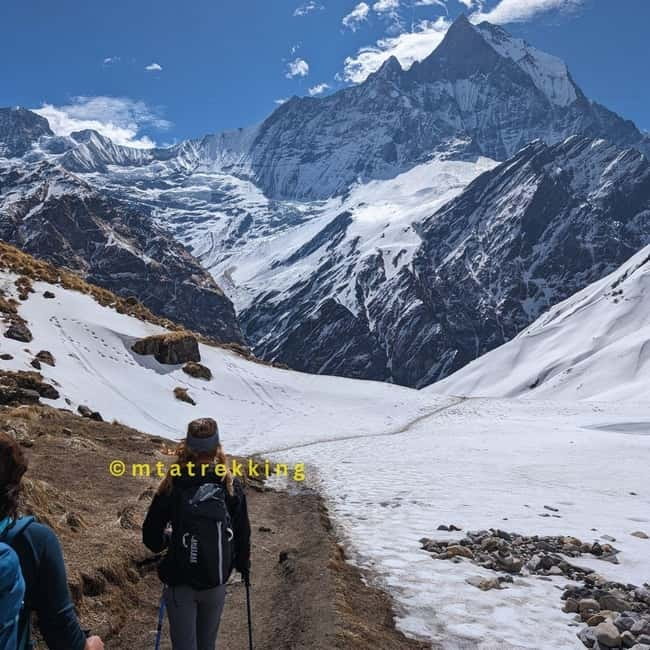
The guiding is the strongest part of this experience. Santosh was described as kind, understanding, and a good companion. Nathalie’s guide was praised for explaining the mountains and local culture. Prabit was noted for detailed planning and careful preparation, while Ramit was praised for handling rest periods and travel times.
Those details matter more than a guide simply knowing the route. On a five-day schedule, the guide needs to notice when you are overdoing it, help you prepare for changing conditions, and keep the day moving without turning the trek into a race.
The private-group format also gives the trip some flexibility. A guide can adjust the pace when one person is tired. One participant specifically appreciated that the team made changes to avoid overexertion, allowing the trek to continue with more confidence.
There is no promise that every group will have the same guide, so ask who is assigned before departure if that matters to you. English is the listed tour language.
Fitness, altitude, and the monsoon problem
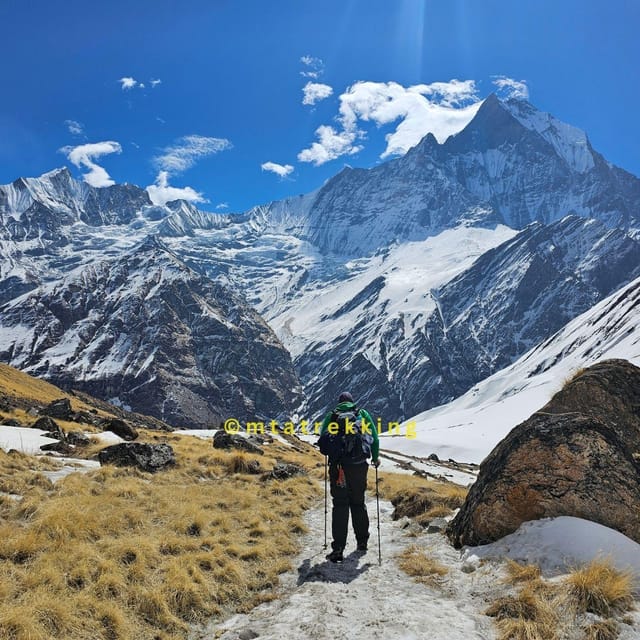
You do not need to be an elite athlete, but you do need to prepare. The route includes several days of approximately six hours of walking, repeated ascents and descents, and an overnight stay at 4,130 meters.
The five-day version saves time by keeping the route moving. That is useful if your Nepal plans are short, but it leaves less room for slow acclimatization or an extra rest day. The trek is best for people who are comfortable with long hill walks and who can maintain a steady pace for several days.
Annapurna Base Camp can produce altitude problems even for fit people. The tour notes that altitude sickness is rare, but rare does not mean impossible. Carry your passport or a copy, follow your guide’s advice, and report symptoms early instead of trying to prove toughness.
The monsoon months of June through August bring another set of concerns. Heavy rain can make trails wet and weather unpredictable. Leeches may appear on lower forest paths, especially during the monsoon. Long trousers tucked into gaiters and insect repellent can help.
Spring and autumn are generally the more appealing seasons for mountain views, but the supplied information does not promise clear weather at any time. You should pack for changing conditions rather than counting on postcard skies.
What to pack for five days
The basic advice is comfortable shoes, comfortable clothing, spare clothes, cash, and a passport or accepted copy. I would treat the shoe advice seriously. A painful blister can turn a beautiful route into a long negotiation with every stone on the path.
Cash is important because mountain extras are not included. You may need it for drinks, showers, Wi-Fi, water, laundry, or other personal costs. Carry enough for the trek, since the included information does not promise card payments along the route.
You should also bring weather-ready layers, rain protection during wet periods, and a small daypack for items you need while walking. If you hire a porter, confirm the baggage arrangement with the company before departure.
Who should book this ABC trek?
I would recommend this trek to an active visitor who wants the full Annapurna Base Camp experience without committing to a much longer route. It suits people who value a private group, guide support, local village contact, mountain scenery, and a clear five-day plan from Pokhara.
It is also a good choice if you want the practical work handled for you. The company arranges pickup, private road transport, permits, accommodation, guiding, and luggage storage, which leaves you to focus on walking.
I would hesitate if you dislike basic lodging, need guaranteed creature comforts, or have not prepared for long days on steep trails. It is not suitable for pregnant women, wheelchair users, people with mobility or visual impairments, people currently experiencing altitude sickness, or people over 70. Those restrictions are direct and should be taken seriously.
Should you book the 5-day Annapurna Base Camp trek?
Book it if you want a focused Himalayan trek with strong guide support and a reasonable starting price. The best parts are the sunrise at base camp, the changing scenery from rice terraces to high peaks, Gurung village life, and the chance to make the route private rather than join a large group.
Before booking, confirm three things: the exact meal plan, the assigned guide, and the extra budget for a porter, mountain showers, water, Wi-Fi, and drinks. Also buy rescue and travel insurance, since it is not included.
The five-day schedule is the key tradeoff. You gain speed and convenience, but you give up spare time for slow acclimatization. If you are fit, flexible, and ready for long walking days, this is a well-priced way to reach Annapurna Base Camp from Pokhara.
FAQ
How long is the Annapurna Base Camp trek?
The experience lasts five days and includes four nights in tea-house accommodation.
Where does the trek start?
Pickup is available from hotels and locations in Pokhara’s Lake Side area, as well as Pokhara International Airport. The road journey then goes by jeep or SUV to Siwai, the last road access point.
How high is Annapurna Base Camp?
Annapurna Base Camp is at 4,130 meters, or about 13,550 feet.
Is transport from Pokhara included?
Yes. Private transport from Pokhara to Siwai and back is included. The listed drive takes about three hours each way.
Is accommodation included?
Yes. Tea-house accommodation is included for the four nights of the trek.
Are meals included?
Meals are included when you choose the full-board option. Confirm that option before booking if you want meals covered.
Is a guide included?
Yes. A professional, government-registered trekking guide is included. The listed tour language is English.
Can I cancel the booking?
You can cancel up to 24 hours in advance for a full refund. The experience also offers reserve now and pay later.
New in the Kathmandu listings
- Traditional Momo Making Class★ 5.0 · 10 reviews
- Kathmandu: Ancient City Kirtipur & Pharping Monastery Tour★ 5.0 · 2 reviews
- Kathmandu to Pokhara Premium sofa bus ticket★ 4.0 · 17 reviews
- Women Empowerment Project(Nepali cooking class & jewelry workshop★ 5.0 · 15 reviews
- Yoga Experience Day Trip with Private Transfer From Kathmandu★ 4.0 · 2 reviews
- 7-Day Langtang Valley Trek from Kathmandu★ 5.0 · 1 review
- Kathmandu 2 Nights 3 Days Chitwan Jungle Safari Tour★ 5.0 · 9 reviews
- Wildlife Adventure in Chitwan Nepal★ 4.0 · 4 reviews
Annapurna Base Camp Treks, compared.
Kathmandu to Annapurna Base Camp (ABC) 5-Day Trek
Read our review →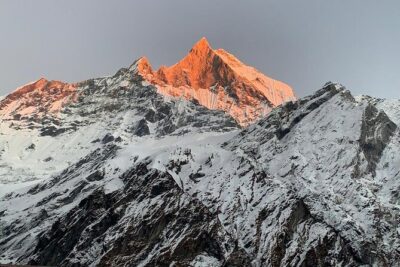
Kathmandu/Pokhara: 5-Day Annapurna Base Camp (ABC) Trek
Read our review →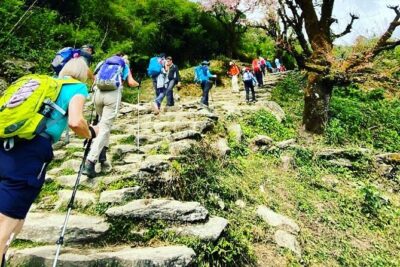
11-Day Hike Tour to Annapurna Base Camp Bliss in Kathmandu
Read our review →Browse the lists this tour appears in