
REVIEW · ANNAPURNA BASE CAMP TREKS
Pokhara: 7-Day Annapurna Base Camp Trek & Natural Hot Spring
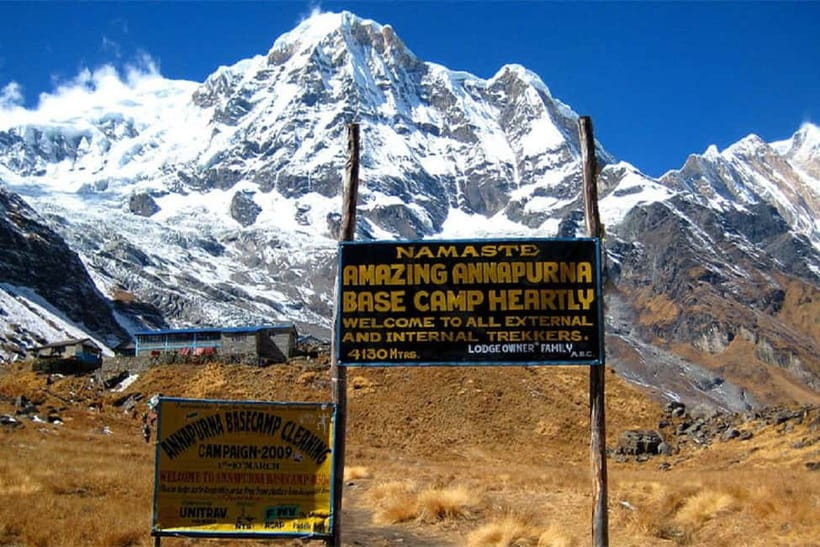
The mountains make every step count. This seven-day trek from Pokhara combines Annapurna Base Camp at 4,130 meters with Gurung villages, rhododendron forests, simple tea houses, and a natural hot spring at Jhinu Danda. You get a compact Himalayan route with a clear goal, rather than a long trek that takes weeks to complete.
I especially like the mix of scenery and culture. You move from terraced hills and village paths into the high alpine bowl of the Annapurna Sanctuary, then finish with a hot spring soak. I also like the practical setup: permits, TIMS fees, guide costs, basic lodging, luggage storage in Pokhara, and transport are covered. The main caution is the pace. Six to seven hours of walking on several days, plus a high overnight at 4,130 meters, demands good fitness and sensible acclimatization.
The tour costs $181 per person, though meals depend on the option you select. That price can be strong value for a private guided trek, but you should budget for drinks, snacks, insurance, and possibly a porter. Guides including Chandra, Bishnu Giri, Anil, Laxman, Sun, and Jeet Bahadur have received especially warm praise for their care, flexibility, mountain information, and encouragement.
In This Review
- Key Things to Know Before You Book
- Why This Seven-Day Route Works So Well
- Day 1: Pokhara, Nayapool, and Ghandruk at 1,940 Meters
- Day 2: Stone Steps and Mountain Views to Chomrong
- Day 3: Through Bamboo and Rhododendron Forest to Himalaya
- Day 4: Machhapuchhre Base Camp and Annapurna Base Camp
- Day 5: The Long Descent from Base Camp to Bamboo
- Day 6: Bamboo to Jhinu Danda and the Natural Hot Spring
- Day 7: Back to Nayapool and Pokhara
- Tea Houses, Meals, and What $181 Covers
- Guides, Safety, and the Value of a Private Group
- When to Go and How Hard It Feels
- Should You Book This Annapurna Trek?
- FAQ
- How long does the Annapurna Base Camp trek take?
- What is the highest altitude reached?
- Is transportation from Pokhara included?
- What accommodation is provided?
- Are meals included?
- Is a porter included?
- What languages can the guide speak?
- Do I need travel insurance?
- Can I cancel or pay later?
Key Things to Know Before You Book
- Base camp at 4,130 meters: The high point is a serious mountain day, not just a scenic walk.
- A changing route in seven days: You pass through Ghandruk, Chomrong, Himalaya, Machhapuchhre Base Camp, Annapurna Base Camp, Bamboo, and Jhinu Danda.
- Private group format: Your guide can pay close attention to your pace, comfort, and health.
- Tea house nights: Accommodation is simple lodges along the trail, with meals included only on selected booking options.
- Jhinu Danda hot spring: The final reward is a warm soak after a long descent.
- January can be wonderfully quiet: Clear winter conditions and fewer people may appeal to you, but warm clothing is essential.
Why This Seven-Day Route Works So Well
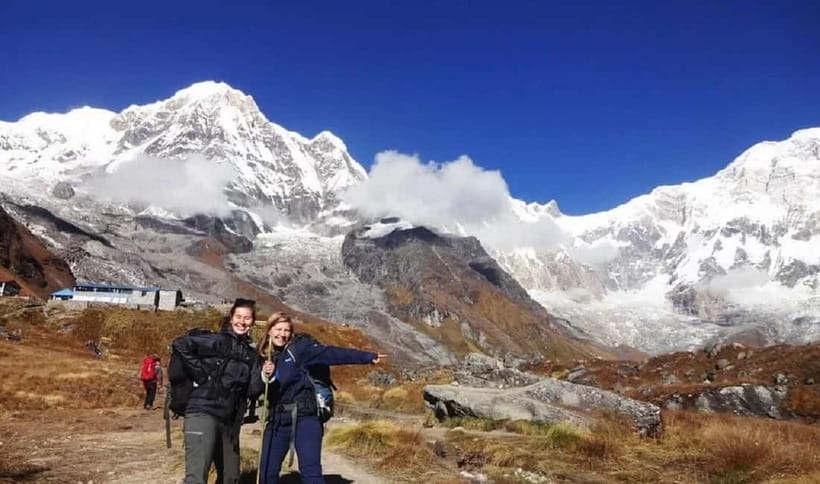
The Annapurna Base Camp route packs a great deal into one week. You see working mountain villages, forest paths, rushing rivers, waterfalls, and huge snow peaks without committing to a much longer expedition.
That compact schedule is both its strength and its weakness. You save time and money, but there is not much spare room if you walk slowly or need an extra rest day. The itinerary is best for you if you already enjoy regular walking and can handle long days on uneven paths.
The route also offers a pleasing change in mood. Ghandruk and Chomrong feel inhabited and connected to village life. Higher up, the forest closes around the trail. Then the trees thin out and the Annapurna Sanctuary opens into a cold, grand amphitheater of peaks.
More Annapurna Base Camp treks:
- Kathmandu/Pokhara: 5-Day Annapurna Base Camp (ABC) Trek
★ 4.9 · 72 reviews - Private 7 – Day Annapurna Base Camp Trekking
★ 5.0 · 50 reviews - Annapurna Base Camp Trek (8 days)
★ 5.0 · 45 reviews
Day 1: Pokhara, Nayapool, and Ghandruk at 1,940 Meters
The trek begins with transportation from your hotel in Pokhara or from Pokhara International Airport, depending on the option you choose. The drive to Nayapool takes about an hour, followed by roughly five to six hours on foot toward Ghandruk.
Ghandruk is one of the most appealing stops on this route. It is a mountain village with traditional character and wide views toward the Annapurna range and Machhapuchhre. The first day also introduces the route’s basic rhythm: walking through forest and village paths, then settling into a simple tea house for the night.
You should not treat this as an easy warm-up. Five or six hours of walking after a transfer can feel demanding, especially if you have just arrived in Nepal. Start slowly, drink often, and let your guide set a steady pace.
The exact road arrangements deserve a quick check before departure. The published plan includes a drive to the starting point, but one participant specifically wished for more vehicle use on the road sections because of dust. Ask the operator how much of Day 1 is by vehicle and where the walking begins.
Day 2: Stone Steps and Mountain Views to Chomrong
Day 2 takes about five to six hours and ends in Chomrong at 2,170 meters. Expect stone steps, forest trails, and broad views of Annapurna and Machhapuchhre.
Chomrong is an important point on the route because the trail begins to feel more seriously mountainous. You gain altitude, but the village setting still gives you a comfortable place to rest, eat, and prepare for the higher days ahead.
The stone steps can test your knees and calves. Trekking poles are useful here, especially on descents. A trekking stick may be available as part of the included gear, but confirm what you will receive before setting out.
This is also a good day to pay attention to your guide’s advice. Bishnu Giri has been praised for watching trekkers closely at higher elevations and offering practical health tips. That kind of care matters more than a fast pace.
Day 3: Through Bamboo and Rhododendron Forest to Himalaya
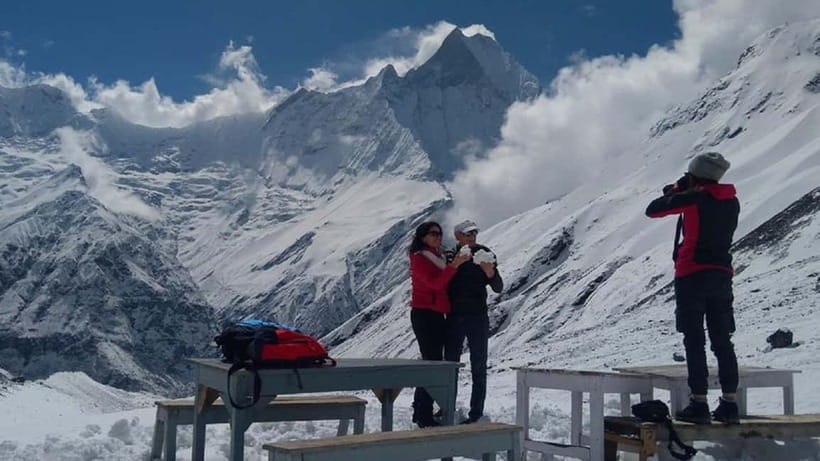
From Chomrong, you descend toward the river before climbing again through bamboo and rhododendron forest. The walk takes about six to seven hours, with an overnight stop at Himalaya, 2,920 meters above sea level.
The route now feels more enclosed and more remote. Forest gives shade, but it can also hide the distant views that make the open sections so dramatic. You will hear and cross the river corridor, then work steadily upward through a trail that demands patience.
This is a day when your footwear matters. The packing list calls for comfortable shoes, hiking shoes, waterproof shoes, rain gear, and warm clothing. You do not need to carry every possible item on your back at once, but you should be ready for wet ground, changing weather, and cool evenings.
Himalaya is high enough for altitude to become a real concern. The itinerary does not include a separate acclimatization day, so go slowly and tell your guide if you develop a headache, unusual tiredness, or feel unwell. Travel insurance is mandatory, and emergency rescue services are available if needed.
More spa and hot spring stops in Pokhara:
- From Pokhara: 5-Day Annapurna Basecamp Trek with Hot Springs
★ 4.9 · 26 reviews - Pokhara: 7-Day Annapurna Base Camp Via PoonHill & Hot Spring
★ 5.0 · 6 reviews - Pkr/Kathmandu: 5-Day Annapurna Base Camp & Hot spring Trek
★ 5.0 · 6 reviews - Pokhara: Amazing 7-Day ABC Trek with Natural Hot Spring
★ 5.0 · 5 reviews
Day 4: Machhapuchhre Base Camp and Annapurna Base Camp
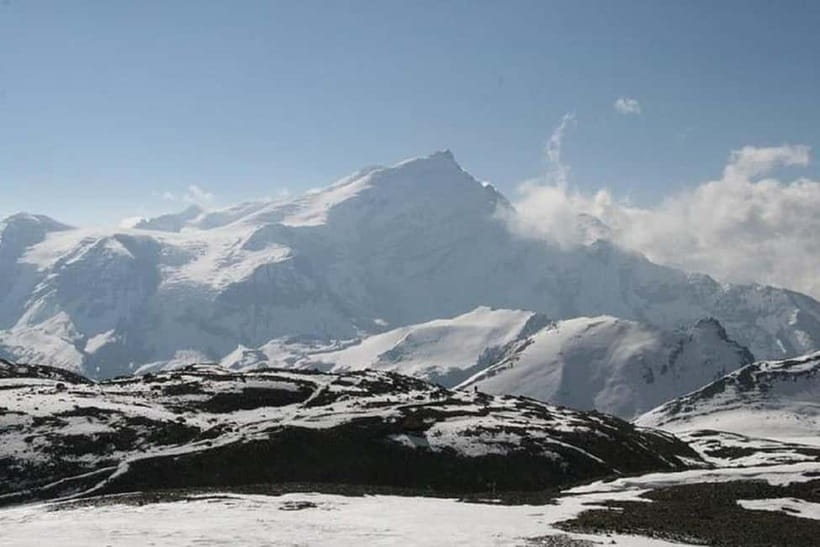
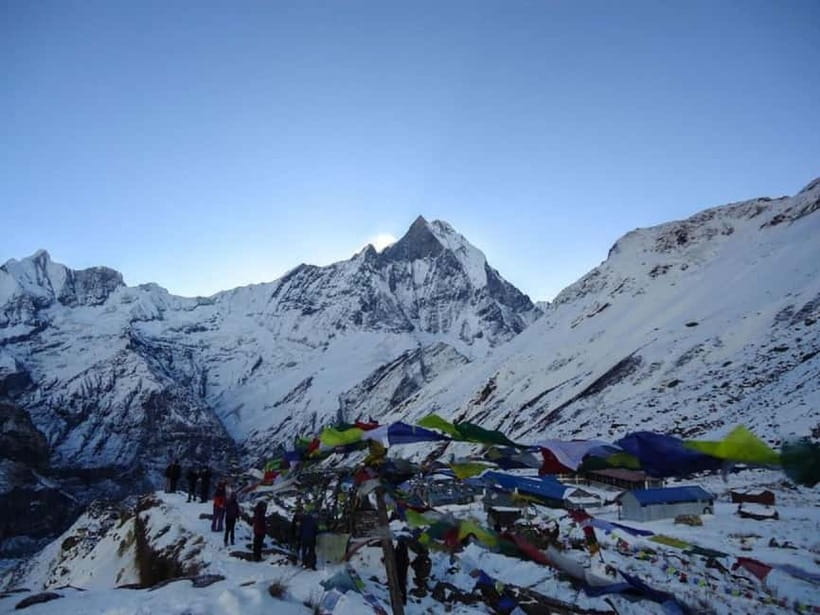
This is the trek’s big day. You walk from Himalaya through the alpine zone to Machhapuchhre Base Camp, then continue to Annapurna Base Camp. Walking time is listed at six to seven hours, with the night at Annapurna Base Camp, 4,130 meters.
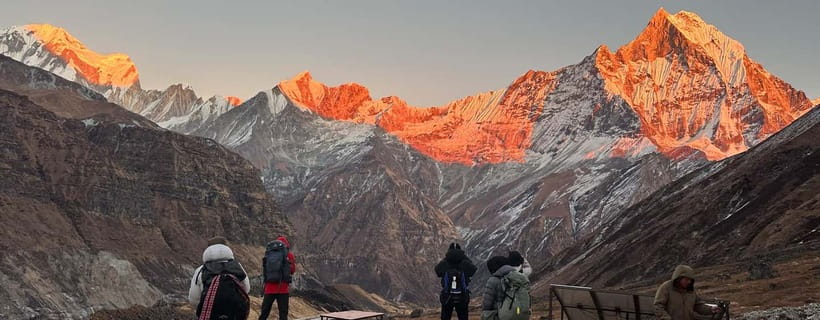
The forest gives way to a glacier valley and the immense walls of the Annapurna Sanctuary. The destination is not simply a viewpoint. You are inside a natural mountain bowl, surrounded by major Himalayan peaks, including Annapurna I and Machhapuchhre.
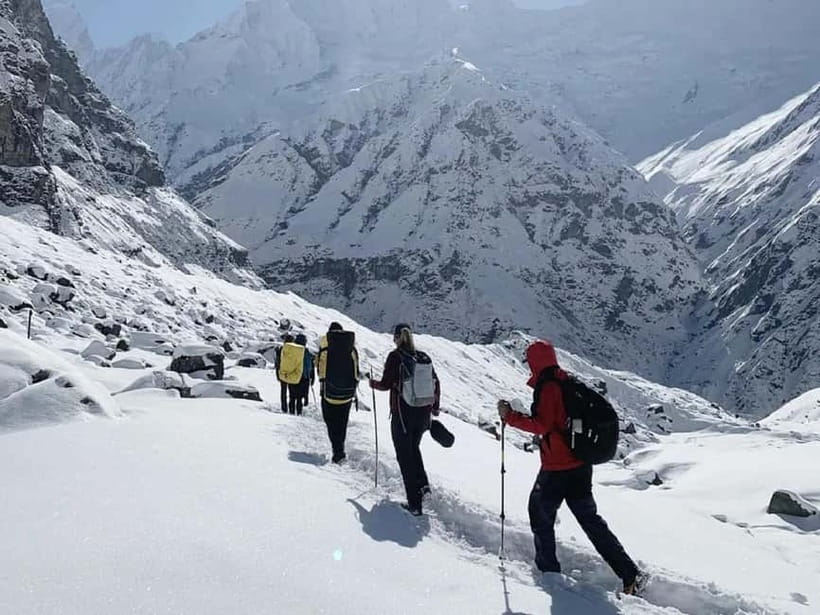
The reward is large, but the effort is real. You gain substantial altitude in a short period and then sleep at the highest point of the trek. A clear morning or evening can bring unforgettable views, while cloud or snow may limit what you see. Mountain weather does not follow the brochure.
Keep your day simple. Walk at a measured pace, carry warm layers, protect your eyes with sunglasses, and keep your camera or phone ready without letting it distract you from footing. A power bank is sensible because charging facilities can be limited or costly along mountain routes, though exact charging arrangements are not specified.
A guide can make this day much easier. Chandra has been praised for clear English, mountain information, flexibility, and staying attentive to progress. That combination is useful when you need encouragement but also need someone to recognize when caution is wiser than speed.
Day 5: The Long Descent from Base Camp to Bamboo
After the high overnight, you descend from Annapurna Base Camp to Bamboo. The walk takes about six to seven hours and brings you back down to 2,335 meters.
Many people focus so heavily on reaching base camp that they underestimate this day. Descending steep, uneven trails can be hard on the knees, and tired legs make slips more likely. Use your trekking pole, keep your pack light, and avoid rushing because the scenery is behind you as often as ahead.
This section gives you a different view of the Annapurna range. Looking back from the trail, you can appreciate the valley and peaks from changing angles. Waterfalls and forest return as you lose height, creating a welcome contrast with the exposed alpine zone.
Bamboo is a practical overnight stop rather than a grand destination. That is fine. After the previous day, a simple tea house, a meal, and a lower sleeping altitude are exactly what you need.
Day 6: Bamboo to Jhinu Danda and the Natural Hot Spring
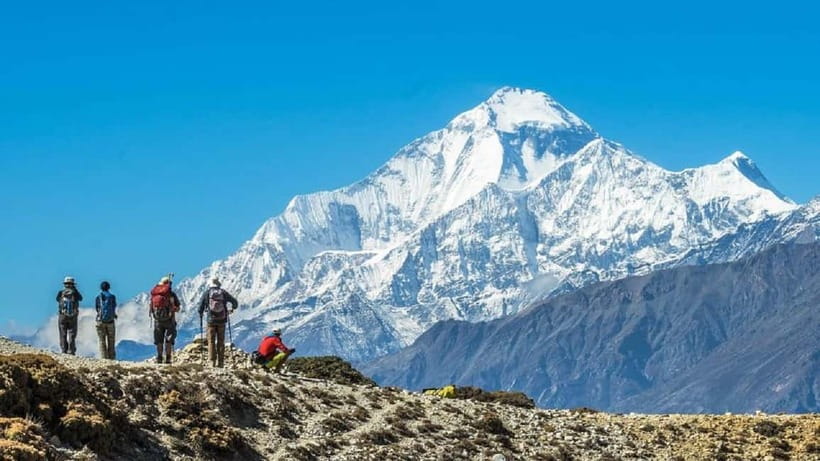
Day 6 takes about five to six hours and ends at Jhinu Danda, at 1,610 meters. You descend toward the riverside, then make time for the natural hot spring.
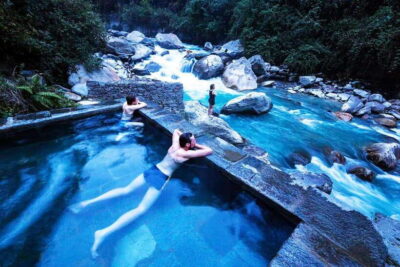
This is the trek’s most satisfying recovery day. After several demanding stages, warm water can ease tired legs and give the route a relaxed finish before the final walk out. Bring a towel, swimsuit or suitable change of clothes, and sandals if you have them. The supplied packing advice specifically includes a towel and change of clothes, both of which are useful here.
Jhinu Danda also breaks up the journey nicely. You are no longer focused only on altitude and endurance. The village stop and hot spring bring you back toward the warmer, lower hills and offer a chance to enjoy the social side of the trek.
Do not expect the soak to erase every ache. The walk to the spring and the final return to your lodging still involve uneven paths. Treat it as a pleasant reward, not a substitute for rest.
Day 7: Back to Nayapool and Pokhara
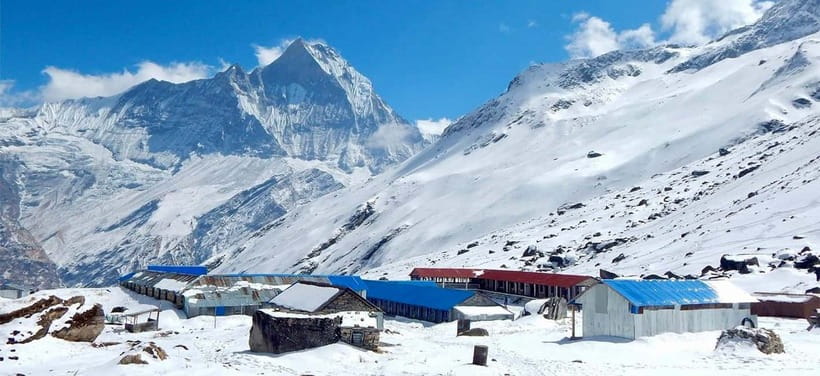
The final day includes about four to five hours of walking from Jhinu Danda to Nayapool, followed by roughly an hour of driving to Pokhara. Drop-off can be arranged at selected hotels, Pokhara Lakeside locations, Sarangkot, or Pokhara International Airport, depending on the booking details.
This last section may feel long after six days of hiking. One practical concern is that parts of the return can involve dusty road walking, so it is worth confirming the day’s vehicle plan in advance. If you have a flight, give yourself plenty of time and verify the exact airport transfer arrangement.
The return to Pokhara is useful because you finish where you started, with your stored luggage available. Luggage storage in Pokhara is included, which means you do not need to carry every item from your wider Nepal trip up the mountain.
Tea Houses, Meals, and What $181 Covers
At $181 per person, this trek offers good value if you want a guided, organized route rather than arranging each part yourself. The price includes required permits, TIMS fees, simple tea house or lodge accommodation, guide expenses, government and local taxes, and transport connected with the trek.
It also includes the guide’s salary, food, lodging, insurance, transportation, and equipment. A first aid kit is provided, and trekking gear such as a trekking stick or sleeping bag may be available as needed.
Meals depend on the option selected, so read that detail carefully before paying. You should still carry cash for personal expenses, snacks, and beverages. A porter is not included, but one can be hired for $20 per day if you do not want to carry your own pack.
The lodging is simple, not resort-style. Tea houses are part of what makes this route practical and social, but comfort and facilities can vary. Pack a sleeping bag if advised for your dates, and bring warm clothes, gloves, a jacket, and rain gear.
Guides, Safety, and the Value of a Private Group
The guide is one of the strongest parts of this experience. The tour uses government-certified English-speaking guides, with English, Hindi, and Nepali available. The private group format should give you more personal attention than a large fixed group.
Specific guides praised for this route include Chandra, Bishnu Giri, Anil, Laxman, Sun, and Jeet Bahadur. The useful pattern is not simply friendliness. These guides have been valued for helping with food, adjusting lodging to progress, explaining the mountains and local culture, encouraging tired walkers, and watching health at altitude.
You should submit a passport copy at least one day before the trek so permits can be obtained. Carry your passport or an accepted copy, cash, a flashlight, sunscreen, sunglasses, a hat, and a power bank.
Travel insurance is mandatory. Make sure your policy suits a trek reaching 4,130 meters and covers emergency rescue services. Do not assume that included guide insurance covers your own medical or evacuation needs.
When to Go and How Hard It Feels
January can offer quieter trails and tea houses, along with clear skies and peaceful mountain views. It is also cold, especially at Annapurna Base Camp, so warm layers and a proper sleeping bag become more important.
The experience is described as a challenge, and that is accurate. Walking times range from four to seven hours, with repeated climbs and descents. You should have a reasonable fitness level and be in good health before booking.
This route suits you if you want a short Himalayan adventure, enjoy village accommodation, and are prepared to walk for most of the day. It may not suit you if you want a leisurely holiday, dislike basic lodging, or prefer a schedule with several spare days.
The tour has flexible booking terms, including cancellation up to 24 hours before departure for a full refund and a reserve-now, pay-later option. Starting times depend on availability, so confirm those details before making connected travel plans.
Should You Book This Annapurna Trek?
I would recommend this trek if you want to reach Annapurna Base Camp in one week and value having a guide handle permits, transport, lodging, and mountain logistics. The combination of the Sanctuary, Gurung villages, tea houses, and Jhinu hot spring gives you more variety than a simple out-and-back hike.
Book it with realistic expectations. You will not have much spare time, the high days are demanding, and tea house comfort is basic. Confirm what meals are included, ask about the road transfers on Days 1 and 7, arrange insurance, and consider a porter if carrying a pack for six hours sounds unpleasant.
For a fit walker who wants a focused Nepal adventure, the $181 starting price is appealing. The best choice is to go prepared, walk steadily, and make your guide aware of any health or pacing concerns from the first morning.
FAQ
How long does the Annapurna Base Camp trek take?
The trek lasts seven days, including transportation from Pokhara to the trail and the return trip from Nayapool to Pokhara.
What is the highest altitude reached?
Annapurna Base Camp is the highest point, at 4,130 meters or 13,550 feet.
Is transportation from Pokhara included?
Yes. Round-trip transportation is included between your hotel, Pokhara International Airport, and the trek starting point. Pickup is available from the airport or hotels in the Lakeside area of Pokhara.
What accommodation is provided?
You stay in simple tea houses or lodges along the trekking route. Overnight stops include Ghandruk, Chomrong, Himalaya, Annapurna Base Camp, Bamboo, and Jhinu Danda.
Are meals included?
Meals are included depending on the option selected when booking. Personal snacks and beverages are not included.
Is a porter included?
No. A porter can be hired if needed for $20 per day.
What languages can the guide speak?
Live guiding is available in English, Hindi, and Nepali.
Do I need travel insurance?
Yes. Travel insurance is mandatory. Emergency rescue services are available if needed, but personal travel insurance is not included in the tour price.
Can I cancel or pay later?
You can cancel up to 24 hours in advance for a full refund. The reserve-now, pay-later option lets you hold a place without paying immediately.
New in the Pokhara listings
- Pokhara: Pokhara Highlights Tour by Bus★ 3.6 · 10 reviews
- Discover Pokhara in Style: Private Vehicle Service with Driver★ 5.0 · 5 reviews
- Multi-Day Tour from Pokhara, Poon Hill and Mulde Trek★ 5.0 · 1 review
- Pokhara in 5 Hours: Lake, Museum, Cave, Falls & Pagoda Hill★ 4.5 · 16 reviews
- Private 4 Day Poon Hill Trek from Pokhara★ 5.0 · 16 reviews
- From Pokhara Full Day Entire Pokhara Tour with Guide★ 5.0 · 1 review
- 4 Day Mardi Himal Base Camp Trek from Pokhara★ 5.0 · 18 reviews
- Ultralight Flight: Into The Heart Of The Mountains (90 min)★ 5.0 · 1 review
Annapurna Base Camp Treks, compared.
Kathmandu to Annapurna Base Camp (ABC) 5-Day Trek
Read our review →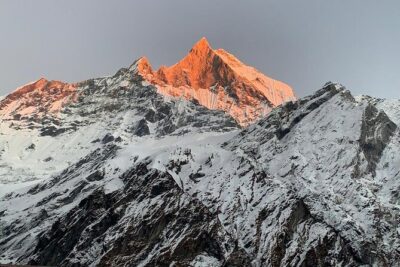
Kathmandu/Pokhara: 5-Day Annapurna Base Camp (ABC) Trek
Read our review →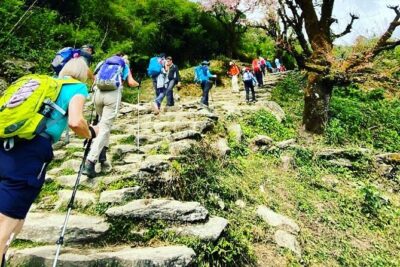
11-Day Hike Tour to Annapurna Base Camp Bliss in Kathmandu
Read our review →Browse the lists this tour appears in