
REVIEW · ANNAPURNA BASE CAMP TREKS
Pokhara: Dynamic Annapurna Base Camp Trek In Just 4 Days
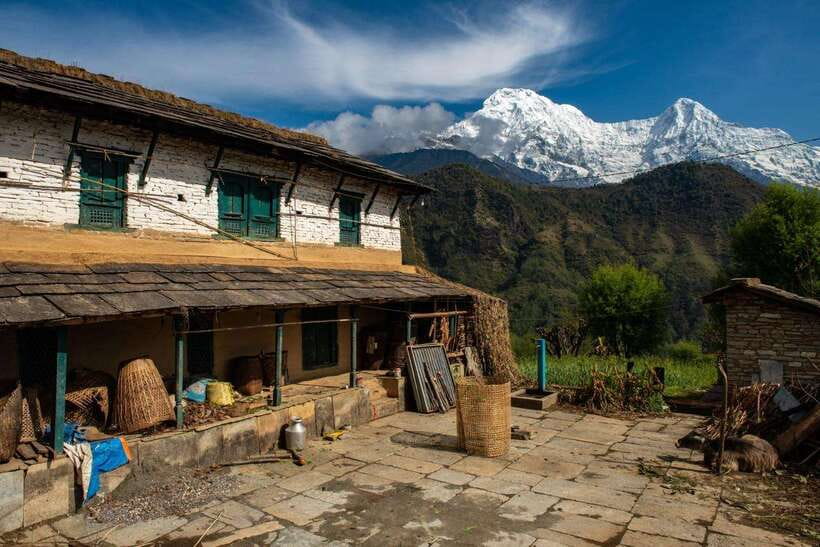
Four days gets you remarkably high. This fast Annapurna Base Camp trek packs waterfalls, rhododendron forests, suspension bridges, and two famous base camps into a tough but rewarding route from Pokhara. I especially like the chance to see Annapurna I and Machhapuchhre up close, then finish with a soak in Jhinu Danda’s natural hot springs. The $148 price is appealing, though you should confirm exactly which food, mountain lodging, transport, and porter options are included before paying.
The schedule is demanding, with the biggest test coming on the long climb from Bamboo to Annapurna Base Camp. I also like that the package includes permits, a government-licensed guide, an oximeter, a sleeping bag, a down jacket, and emergency first-aid supplies. Lodge heating is the main comfort warning: you may need to sleep fully dressed, and evenings in the high villages can be very cold.
The route can also be made more reassuring by good guiding. Two young guides named Shisir helped one couple stay calm during difficult moments and even swapped backpacks when one load became too heavy. That small detail says a lot about the human side of this trek, but you should still prepare for a serious physical effort.
In This Review
- Key points at a glance
- Why this four-day route is such a big deal
- Leaving Pokhara for Bamboo on day one
- Bamboo to Annapurna Base Camp on day two
- The return to Bamboo on day three
- Jhinu Danda and the hot springs on day four
- What the $148 price really covers
- Guides, gear, and altitude support
- The Gurung and Magar side of the trek
- Cold lodges and other practical realities
- Who should book this trek?
- Should you book the Annapurna Base Camp trek?
- FAQ
- How long is the Annapurna Base Camp trek?
- Where does the tour start?
- Does the tour visit both base camps?
- Is a guide included?
- Are trekking permits included?
- Is food and mountain lodging included?
- What trekking equipment is supplied?
- Can I cancel the tour?
Key points at a glance
- Annapurna Base Camp in four days: This is a compressed schedule, not a gentle mountain walk.
- Two base camps: You visit both Annapurna Base Camp and Machhapuchhre Base Camp.
- Jhinu Danda hot springs: The final walking day ends with a chance to relax in natural hot water.
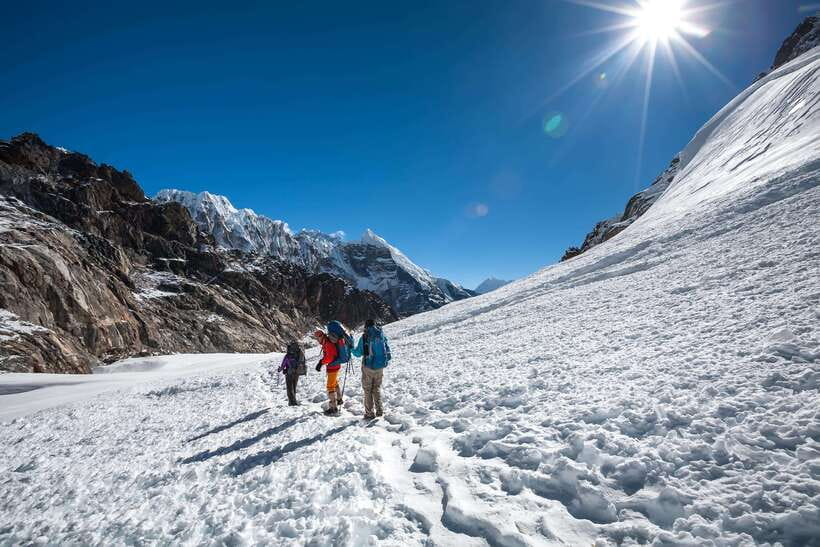
- Strong mountain views: The route includes Annapurna I, Annapurna South, Hiunchuli, Gangapurna, Annapurna III, and Machhapuchhre.
- Useful trekking gear included: A sleeping bag with liner, down jacket, duffel bag, trekking map, and oximeter are supplied.
- Private English-speaking guide: The private-group format gives you more direct support than a large shared departure.
Why this four-day route is such a big deal
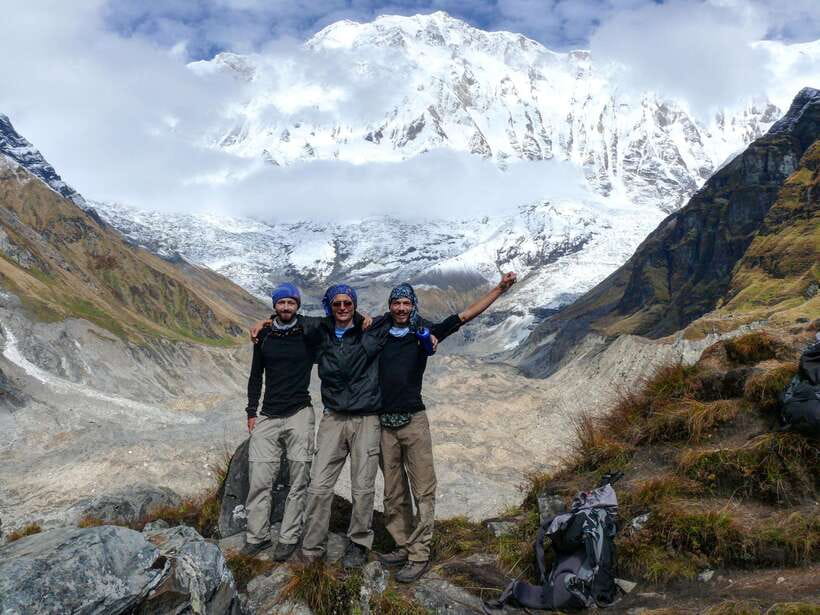
Most people choose Annapurna Base Camp for the mountain setting, but this route offers more than a single viewpoint. You pass through forests, mountain villages, waterfalls, bridges, and high lodges before reaching a natural bowl surrounded by huge peaks.
The main summits named for the route include Annapurna I at 8,091 meters, Annapurna South at 7,219 meters, Gangapurna at 7,455 meters, Annapurna III, Machhapuchhre at roughly 6,993 meters, Hiunchuli at 6,441 meters, Mardi Himal at 5,553 meters, and Bharha Chuli at 7,646 meters.
You do not need to be a mountaineer to appreciate these names. The value is in seeing how quickly the scenery changes as you walk upward. Green forest gives way to more open mountain country, and the peaks become the focus of the day.
The catch is time. A four-day return trek leaves little room for a slow acclimatization schedule or an easy day. The package specifically says it is not suitable for people with altitude sickness, and that warning deserves attention. You should also consider the route unsuitable if you are over 80 or use a wheelchair, based on the stated restrictions.
More Annapurna Base Camp treks:
- Annapurna base camp trek 5 Days
★ 5.0 · 252 reviews - Annapurna Base Camp Trek
★ 5.0 · 111 reviews - Kathmandu to Annapurna Base Camp (ABC) 5-Day Trek
★ 5.0 · 102 reviews
Leaving Pokhara for Bamboo on day one
The trip begins in Lakeside, the main visitor district of Pokhara. From there, you take a bus or coach for about two and a half hours toward Jhinu, then start walking toward Bamboo.
That first drive matters because it moves you from Pokhara’s easygoing lake setting into the mountain route. The walking section introduces the rhythm of the trek without spending your first night at the highest point. You can expect forest paths, crossings over suspension bridges, waterfalls, and village scenery along the way.
Bamboo is a practical overnight stop rather than a grand destination. Its value is its position on the route. You arrive here after the road transfer and hiking, then prepare for the hardest day ahead.
This is also where you begin to see why a private guide can help. The guide handles route paperwork and local navigation while you focus on pace, footing, and keeping your daypack manageable. If you carry your own bag, keep it light. The account of the guides named Shisir swapping backpacks is a useful reminder that pack weight can change the feel of the entire trek.
Bamboo to Annapurna Base Camp on day two
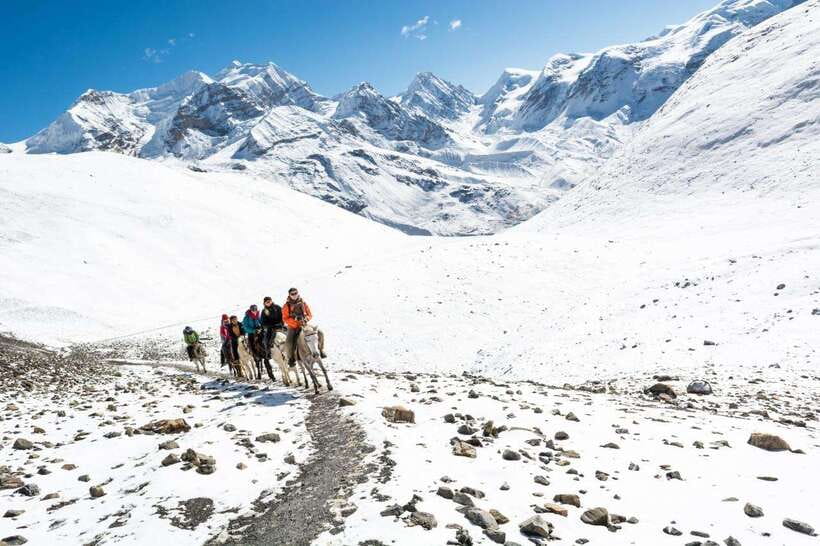
The second day is the heart of the trip. You leave Bamboo and climb toward Annapurna Base Camp, with Machhapuchhre Base Camp included along the way.
This is the day to judge your fitness honestly. The route is short in calendar time but serious in effort, and the package does not present it as an easy stroll. You will be hiking for much of the day, gaining altitude, and spending the night at a high mountain lodge.
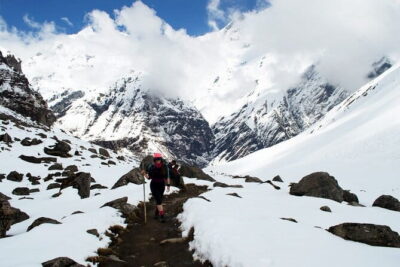
The reward is the change in scale. Annapurna South, Hiunchuli, Machhapuchhre, Gangapurna, Annapurna III, and Annapurna I become the central feature of the walk. The mountains are not background decoration here. They shape the route and give the final approach its purpose.
Machhapuchhre Base Camp is especially important because Machhapuchhre, or Fishtail, is one of the best-known peaks in the region. Visiting both base camps gives the trip more range than simply reaching Annapurna Base Camp, then turning around.
At Annapurna Base Camp, you have time for sightseeing and mountain views before the return journey. The attraction is not only the height. It is the enclosed setting, the sharp peaks, and the feeling that a great deal of scenery has been compressed into a few days.
The practical downside is warmth. Lodges in the Annapurna villages do not have heating, according to the available experience. Plan to sleep in your trekking clothes, use the supplied sleeping bag and liner, and keep your down jacket close. Do not expect hotel-style comfort at altitude.
The return to Bamboo on day three
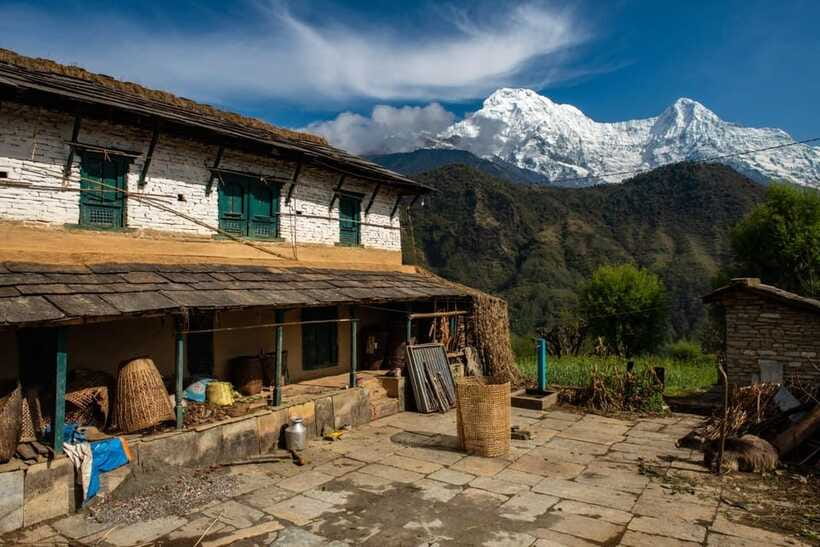
Day three reverses the route from Annapurna Base Camp to Bamboo. Downhill sounds easy, but it can be hard on knees and tired legs, especially after the previous day’s climb.
This is a good reason to use trekking poles if you have them, though personal equipment is not supplied as part of the standard package. You should also pace yourself rather than treating the descent as a race. A private guide can help you keep the day steady.
Returning to Bamboo gives the route a simple structure: climb high, then come back along the same corridor. You do not get a new valley on this schedule, but you do see familiar sections from a different direction and with different light.
The overnight stop also keeps the final day manageable. It prevents you from trying to combine the entire descent with the drive back to Pokhara, though the last day still includes a substantial walk and road transfer.
More walking in the hills of Kathmandu:
- Everest Base Camp Trek – 14 Days
★ 5.0 · 1,499 reviews - Everest Base Camp Trekking
★ 5.0 · 485 reviews - Nagarkot Sunrise View and Day Hiking from Kathmandu
★ 5.0 · 471 reviews - Annapurna Circuit Trek with Tilicho Lake
★ 5.0 · 368 reviews
Jhinu Danda and the hot springs on day four
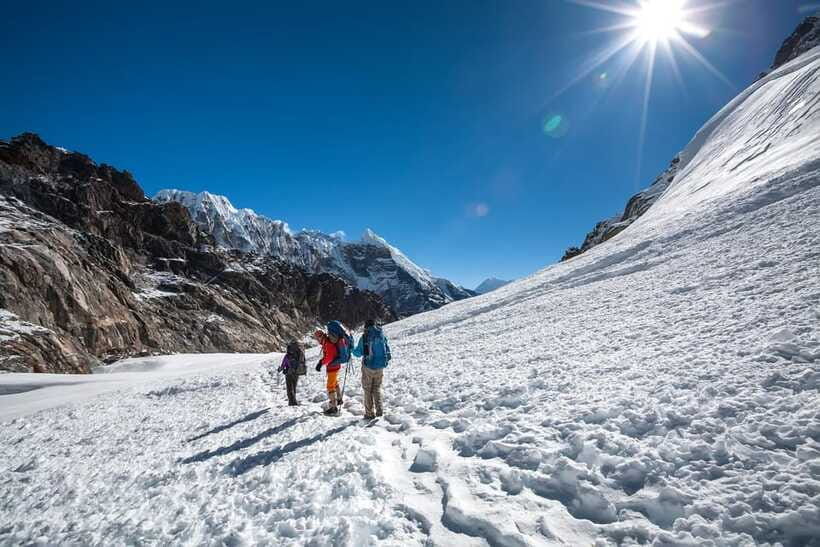
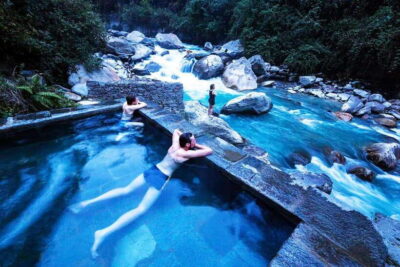
On the final morning, you hike from Bamboo to Jhinu Danda. This section brings you back into the lower mountain setting and ends the walking portion with one of the route’s most appealing comforts: natural hot springs.
The soak at Jhinu Danda is not a decorative extra. It gives your legs a chance to relax after several demanding days, and it creates a gentler ending than simply stepping off the trail and into a vehicle.
After Jhinu Danda, you take the bus or coach for about two and a half hours back to Lakeside in Pokhara. The return drive means the trek can fit into a short holiday, especially if you are using Pokhara as your base.
Still, road travel in mountain areas can be affected by weather, landslides, strikes, safety decisions, or government changes. Those risks are specifically excluded from the operator’s responsibility, so you should leave some flexibility around onward plans.
What the $148 price really covers
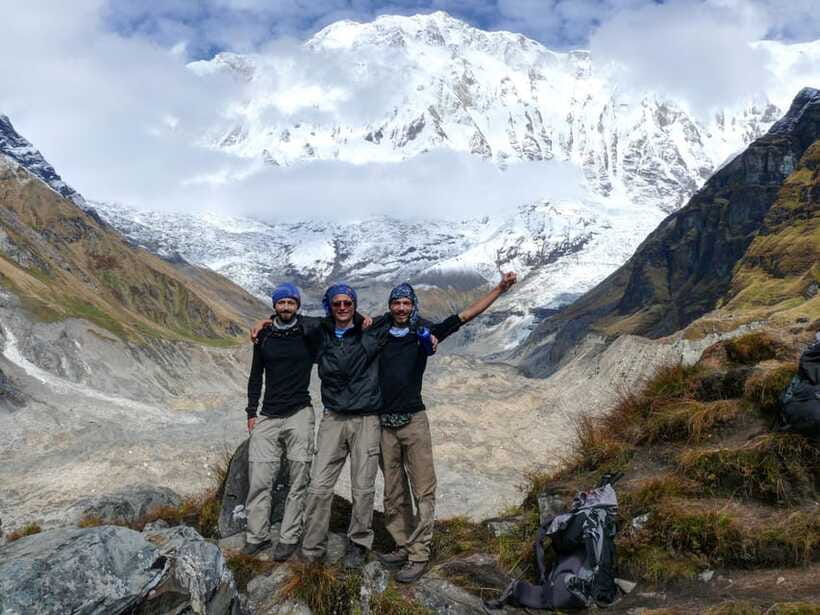
At $148 per person, this is a low-cost way to arrange a guided trek to Annapurna Base Camp. The package includes several expenses that can add up quickly when arranged separately:
- A government-licensed English-speaking guide
- Guide pay, insurance, equipment, transport, and lodging
- Local Government Entry Permit, ACAP, and TIMS paperwork
- Mineral water during the tour
- Emergency first-aid kits
- An oximeter for checking pulse, heart rate, and oxygen saturation
- Duffel bag, sleeping bag with liner, and down jacket
- Trekking map and trek completion certificate
- Staff allowances, equipment, and insurance
- Government taxes and VAT
- A Marvel T-shirt
The key point is that some items are listed as available only if the relevant option is selected. Local bus or private jeep transport, mountain food, mountain hotel lodging, and a porter may depend on the package choice you make.
That wording deserves a careful check before booking. Ask for the final price with your exact choices shown clearly. A cheap headline price can become less cheap if you add private transport, food, lodging, or porter service later.
International flights, Nepal visa fees, Kathmandu accommodation and meals, drinks, personal equipment, individual insurance, and helicopter evacuation are not included. You also pay for personal items and any costs caused by conditions outside management control.
The value is strongest if you already have some of your own trekking clothing and are happy with basic mountain accommodation. It is less attractive if you expect warm lodges, restaurant-style meals, or a porter without confirming that option first.
Guides, gear, and altitude support
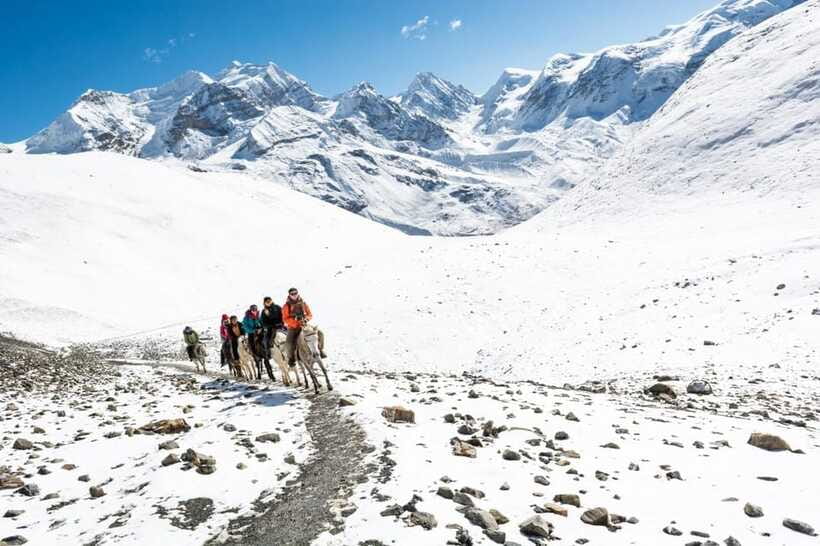
The English-speaking guide is central to this experience. The guide is responsible for leading the walk, helping with permits, and supporting you along a route where weather, altitude, and tiredness can affect the plan.
The private-group format is another advantage. You are not tied to the pace of a large group, and the guide can respond more directly if you need a slower section or extra reassurance. The positive experience with the two guides named Shisir also points to the value of calm, kind support when the schedule begins to feel tough.
The included oximeter is a useful safety tool. It checks pulse, heart rate, and oxygen saturation on the way to base camp and back. It does not make altitude sickness harmless, and it should not replace your own attention to how you feel, but it gives the guide another way to monitor conditions.
The sleeping bag, liner, down jacket, and duffel bag reduce the amount of bulky gear you need to arrange in advance. You must return the sleeping bag and down jacket after the trek.
Personal trekking equipment remains your responsibility. The package specifically notes that down jackets can be hired or bought in Kathmandu, although this tour also lists a down jacket among its included items. Confirm the arrangement so you know what you will receive and what must be returned.
The Gurung and Magar side of the trek
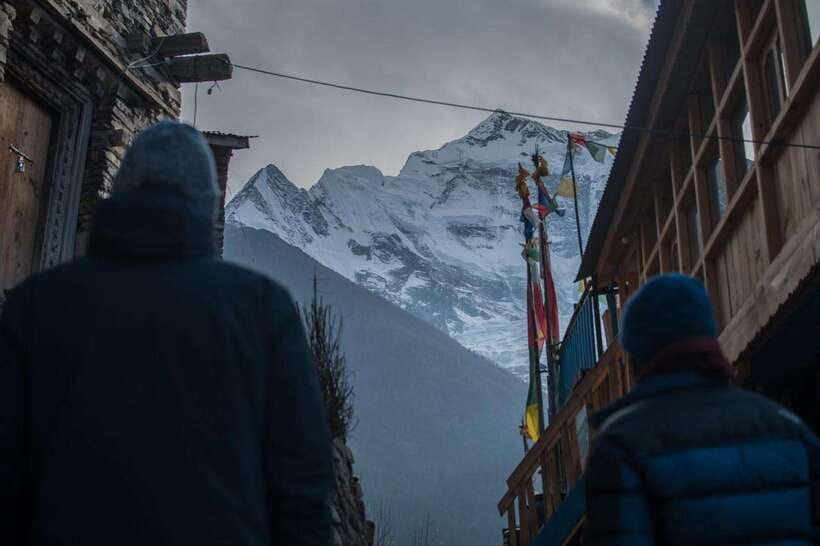
The walk passes through communities connected with Gurung and Magar culture. The point is not simply to take photographs of villages. A guided route gives you a chance to notice how daily life works in mountain communities, where walking routes, lodges, farming, and hospitality are tied closely to the terrain.
The cultural element also balances the dramatic peaks. Annapurna Base Camp is the headline attraction, but the villages and people make the route feel like a journey through a lived-in region rather than a mountain stage set.
You should approach village life with care and patience. The supplied information does not promise a formal cultural program, so expect the guide to help you understand the area during the walk rather than deliver a separate museum-style visit.
Cold lodges and other practical realities
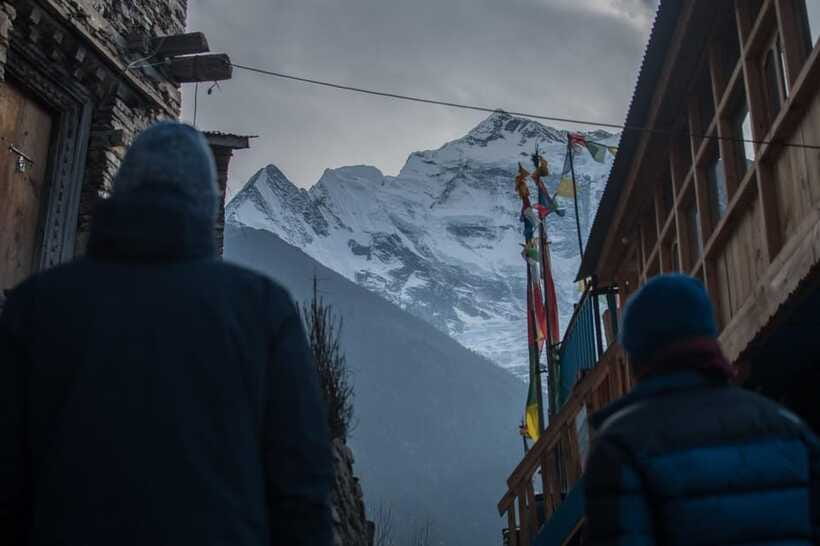
The biggest comfort issue is the lack of heating in villages along the Annapurna route. Evening cold can be intense, and you may sleep in your clothes. Pack warm layers, dry socks, gloves, and a hat even if Pokhara feels mild when you leave.
Bring a passport or ID card. A copy is accepted, according to the stated requirements. Drones are not allowed, so leave yours at home.
Drinks such as cola and beer are not included. Travel insurance is also your responsibility, and helicopter rescue is excluded. These are not minor details on a mountain trek. Check that your personal insurance covers the type of walking you plan to do and understand the emergency terms before setting out.
The tour offers free cancellation up to 24 hours before departure and a reserve-now, pay-later option. Starting times depend on availability, so confirm the departure details before arranging other transport.
Who should book this trek?
I would choose this trip if you have only four days, want a private English-speaking guide, and care more about reaching the major mountain sights than about a slow village-to-village schedule.
It suits people who can handle long walking days and basic lodging. It is also a good fit if you value practical inclusions such as permits, an oximeter, sleeping gear, and a down jacket.
I would hesitate if this is your first serious mountain trek and you are unsure how your body will respond to altitude. The fast itinerary leaves limited room for rest, and the route is not suitable for people with altitude sickness. I would also avoid it if warm accommodation, flexible timing, or a soft hotel bed is important to you.
Should you book the Annapurna Base Camp trek?
Book it if your priority is a short, tightly organized route to Annapurna Base Camp with Machhapuchhre Base Camp, strong peak views, and a hot-spring finish.
Before paying, confirm four things in writing: mountain lodging, food, transport type, and porter service. Then prepare for cold lodges and a strenuous second day. If you accept those conditions, the $148 base price offers a practical way to see a remarkable section of Nepal with personal guide support.
FAQ
How long is the Annapurna Base Camp trek?
The trek lasts four days. It starts and ends in Lakeside, Pokhara, with two nights at Bamboo and one night at Annapurna Base Camp.
Where does the tour start?
The tour starts in Lakeside, Pokhara. You take a bus or coach for about two and a half hours before beginning the walk from the Jhinu area.
Does the tour visit both base camps?
Yes. The route includes Annapurna Base Camp and Machhapuchhre Base Camp.
Is a guide included?
Yes. An experienced, government-licensed English-speaking trekking guide is included. The tour is arranged as a private group.
Are trekking permits included?
Yes. The package includes the Local Government Entry Permit, ACAP permit, and TIMS paperwork.
Is food and mountain lodging included?
The package information lists mountain food and mountain hotel accommodation as options that depend on the selection made. Confirm these items before booking.
What trekking equipment is supplied?
A duffel bag, sleeping bag with liner, and down jacket are included. The sleeping bag and down jacket must be returned after the trek. Personal trekking equipment is not included.
Can I cancel the tour?
Yes. You can cancel up to 24 hours in advance for a full refund. A reserve-now, pay-later option is also available.
New in the Kathmandu listings
- Traditional Momo Making Class★ 5.0 · 10 reviews
- Kathmandu: Ancient City Kirtipur & Pharping Monastery Tour★ 5.0 · 2 reviews
- Kathmandu to Pokhara Premium sofa bus ticket★ 4.0 · 17 reviews
- Women Empowerment Project(Nepali cooking class & jewelry workshop★ 5.0 · 15 reviews
- 7-Day Langtang Valley Trek from Kathmandu★ 5.0 · 1 review
- Kathmandu 2 Nights 3 Days Chitwan Jungle Safari Tour★ 5.0 · 9 reviews
- Yoga Experience Day Trip with Private Transfer From Kathmandu★ 4.0 · 2 reviews
- Wildlife Adventure in Chitwan Nepal★ 4.0 · 4 reviews
Annapurna Base Camp Treks, compared.
Kathmandu to Annapurna Base Camp (ABC) 5-Day Trek
Read our review →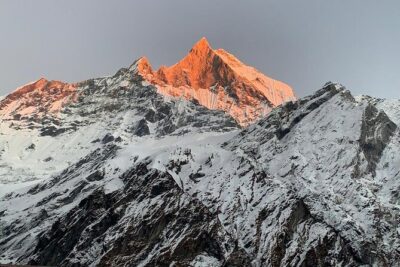
Kathmandu/Pokhara: 5-Day Annapurna Base Camp (ABC) Trek
Read our review →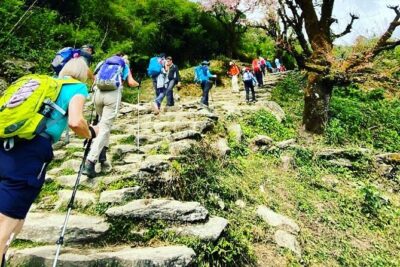
11-Day Hike Tour to Annapurna Base Camp Bliss in Kathmandu
Read our review →Browse the lists this tour appears in