
REVIEW · BHAKTAPUR TOURS
Bhaktapur Durbar Square and Boudhanath Stupa
Two sides of Kathmandu await. This five-hour private outing joins Bhaktapur’s old Newari streets with the calm ritual life around Boudhanath Stupa, giving you art, architecture, prayer, markets, and local stories in one manageable trip. I like the clear contrast between the two stops, and I like that a guide can help you notice details you would probably miss while walking alone. The main consideration is cost: at $60 per person, entrance tickets, food, and personal purchases are extra.
The private car, hotel pickup, and drop-off make this a simple choice after a morning arrival or for a free afternoon in Kathmandu. Guides such as Bijay and Prakriti have earned especially warm praise for their kindness, clear explanations, photography help, and care with timing. Still, the schedule gives only about 80 minutes at Boudha and 90 minutes in Bhaktapur, so this is an introduction rather than a slow, full-day study of either place.
In This Review
- Key points to know before you book
- Why these two places work well together
- Starting in Kathmandu by private car
- Boudhanath Stupa in about 80 minutes
- Bhaktapur Durbar Square and its Newari streets
- What the guide adds to the visit
- Is $60 per person good value?
- Timing, pace, and practical limits
- Who will enjoy this private tour most?
- What I would do to get more from the five hours
- Should you book Bhaktapur and Boudha?
- FAQ
- How long does the Bhaktapur and Boudha tour last?
- Where does the tour begin?
- Is transportation included?
- Is the tour private?
- How much time is spent at Boudhanath Stupa?
- How much time is spent at Bhaktapur Durbar Square?
- Are entrance tickets included in the price?
- What language does the guide speak?
- Can I cancel the booking?
Key points to know before you book
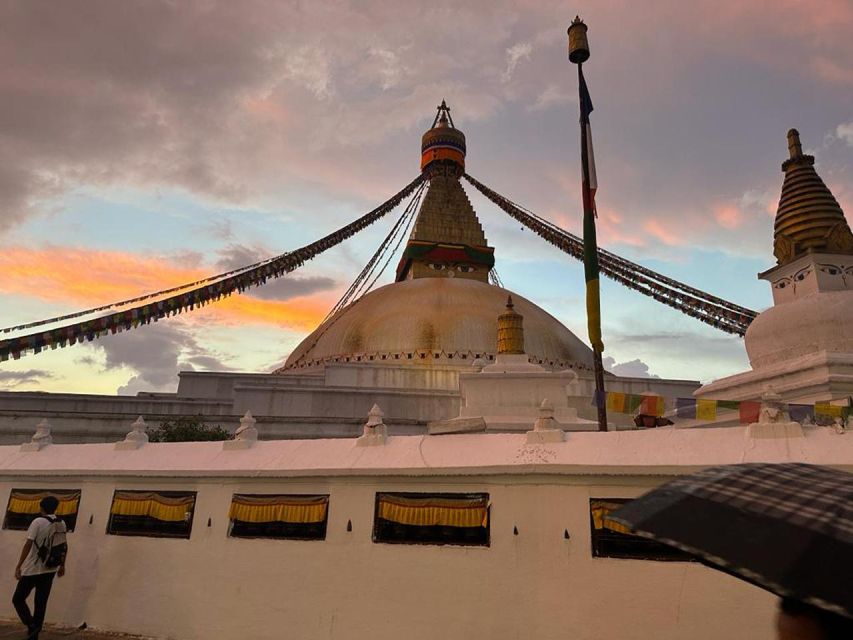
- Two very different cultural stops: Boudhanath offers Buddhist ritual and Tibetan community life, while Bhaktapur brings pagoda temples, palace squares, crafts, and Newari food traditions.
- A private five-hour outing: You travel by car with an English-speaking licensed guide, rather than joining a large shared group.
- Bhaktapur rewards close attention: Look for wood carving, pottery, paper making, palace details, and narrow streets where ordinary local life continues around the monuments.
- Boudha is more than a photo stop: You can watch pilgrims walk the kora, turn prayer wheels, and move through a district filled with monasteries and Tibetan shops.
- The price includes convenience, not admission: Pickup, drop-off, car, guide, and booking flexibility are included, but heritage tickets and food are not.
- A good short-tour fit: This works particularly well if you have just arrived in Nepal, want a private introduction, or need to return to Kathmandu for another plan.
Why these two places work well together
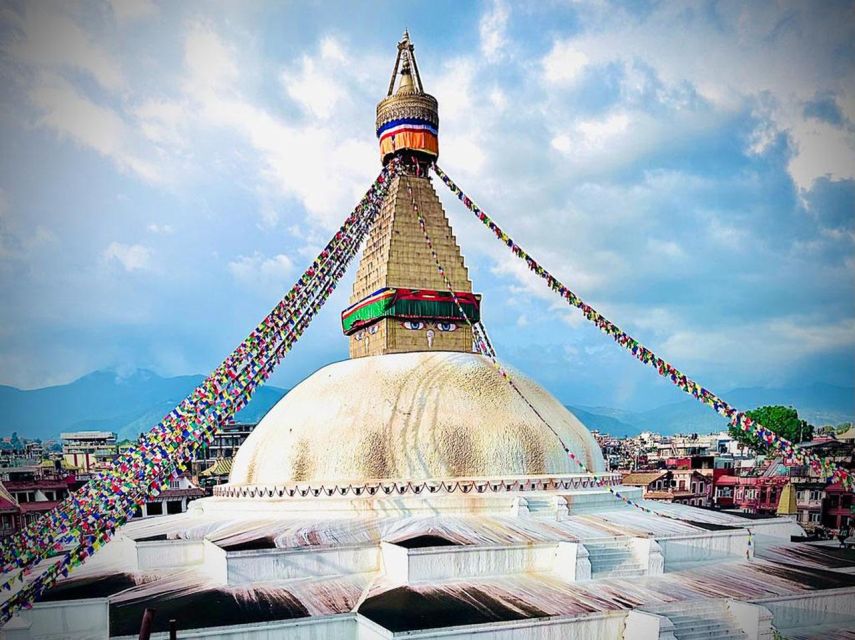
Bhaktapur and Boudha give you two distinct views of Nepal in a single half-day. Bhaktapur is about historic urban design and Newari craftsmanship. Boudha is about faith in motion, with pilgrims circling a major Buddhist monument and Tibetan culture shaping the streets around it.
That contrast gives the tour its purpose. You are not spending five hours looking at similar temples. Instead, you move from carved palace courtyards and artisan workshops to prayer flags, monasteries, incense, and the steady rhythm of kora.
I also like the private format. A guide can adjust the pace, answer questions as they arise, and point out details in a carving or ritual that may not be obvious. A private car is useful in Kathmandu, where getting between sights can take patience, even when the distances do not look great on a map.
The five-hour length is practical but tight. You receive a taste of both places, with about 80 minutes at Boudha and an hour and a half in Bhaktapur. If you want long shopping stops, an extended meal, or time inside every temple and workshop, you will need a longer day.
More time in Bhaktapur:
- Day Trip to Bhaktapur and Panauti from Kathmandu
★ 5.0 · 184 reviews - Bhaktapur & Patan Durbar Square Day Tours
★ 5.0 · 122 reviews - Nagarkot Sunrise & Bhaktapur UNESCO Heritage Private Tour
★ 5.0 · 66 reviews
Starting in Kathmandu by private car
Pickup is available in Kathmandu, and the driver or guide calls to confirm the meeting point. That small bit of coordination matters in a city where hotel names and streets can be confusing. You can also arrange drop-off at your hotel or another central location after the visit.
The car is provided as part of the experience, and the group is private. That means you are not waiting for strangers at every stop or following a fixed crowd through the squares. If you are traveling with family or friends, this arrangement can make the short schedule feel more relaxed.
The tour is listed as wheelchair accessible, though the historic streets and old squares may still require practical discussion with the provider. You should confirm the route details if you use a wheelchair, since ancient lanes and heritage areas can be uneven or constrained.
An English-speaking licensed guide accompanies you. The strongest praise for this experience centers on the people leading it. Prakriti was singled out for kindness and a strong grasp of the places visited, while Bijay was praised for being helpful, sincere, and attentive. One customer also valued a guide who knew good photo positions and took group pictures, which can be a welcome service when you are trying to appear in your own holiday photographs.
Boudhanath Stupa in about 80 minutes
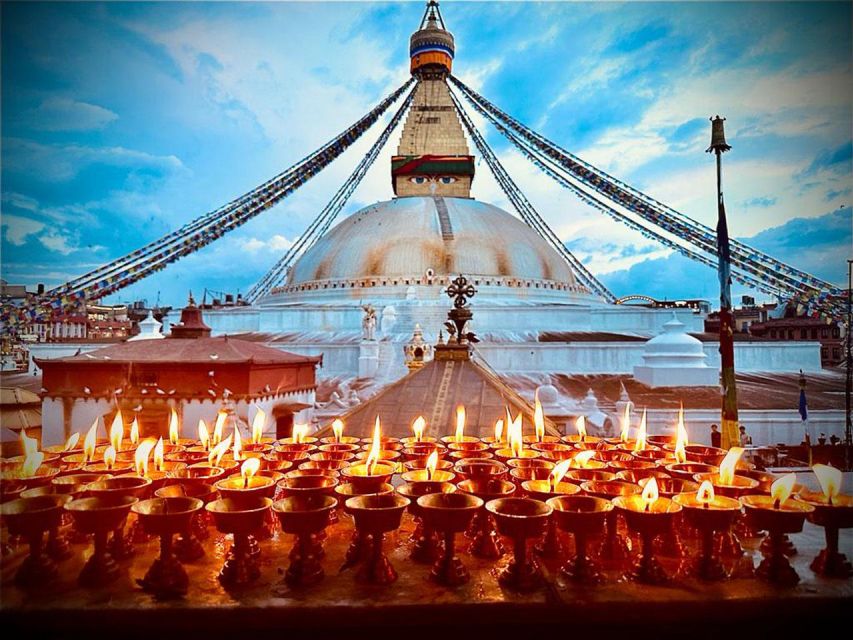
Boudhanath is the tour’s spiritual center. The large stupa draws pilgrims who walk around it in a clockwise circuit, turning prayer wheels and reciting mantras. You can watch this movement from the surrounding paths and absorb the sound and pace of the place without needing a long explanation to understand that this is an active religious center, not simply an old monument.
Your guide can explain what you are seeing and help you approach the site respectfully. The surrounding area includes Tibetan monasteries, prayer flags, shops, incense, and thangka paintings. These details make the visit much broader than a quick photograph of the stupa.
The 80-minute allocation is enough for a guided walk, some photographs, and a look around the nearby market. It is not enough for a leisurely visit to every monastery or a long shopping session. I would treat this stop as a focused introduction. Keep your attention on the ritual activity and the community around the monument rather than trying to collect as many pictures as possible.
The market can be tempting. You might find Tibetan artifacts, incense, and painted thangkas, but personal purchases are not included in the tour price. Ask about prices before committing, and remember that shopping can quickly use up the time set aside for the religious site.
Boudha also gives you a useful chance to slow down. After the movement of Kathmandu streets, the repeated walking of pilgrims and the turning of prayer wheels create a different rhythm. You do not need to be religious to appreciate the atmosphere, but you should behave as you would in any active place of worship: watch quietly, follow your guide’s advice, and be careful with photography.
Bhaktapur Durbar Square and its Newari streets
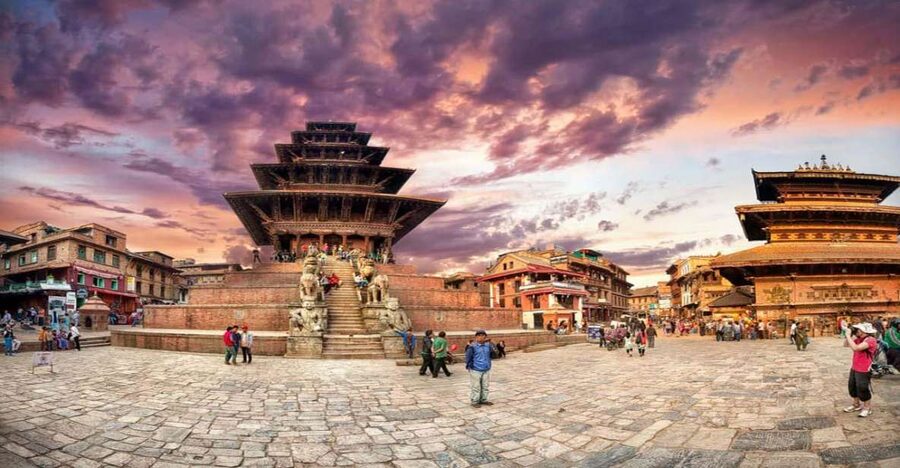
The Bhaktapur portion lasts about 90 minutes, making it the longer of the two visits. Here, the focus shifts to architecture, craft, and the old city’s everyday character.
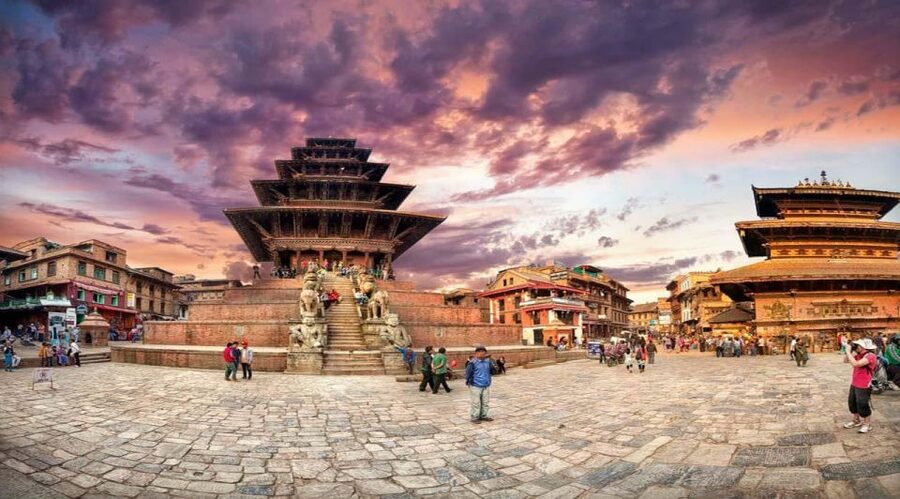
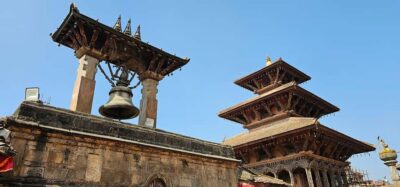
Bhaktapur’s Durbar Square is known for its preserved architecture, including pagoda temples, palaces, detailed woodwork, and courtyards. The guide can place these buildings in the period of the Malla dynasty, when Bhaktapur was an important center for art, architecture, and trade.
That context helps. Without it, you may see a beautiful window or temple strut and move on. With an explanation, the carving becomes part of a larger story about the city, its builders, and the Newari culture that still shapes local life.
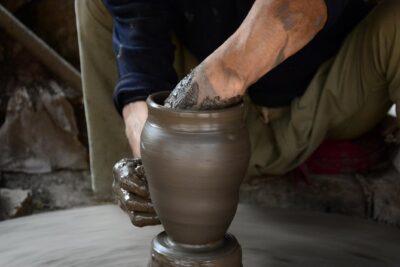
The tour also leads through narrow streets beyond the main square. This is one of its best features. You may see artisans at work and pass workshops connected with pottery, woodwork, and paper making. A customer specifically appreciated being taken through these kinds of workshops, along with streets where local residents continued their daily routines away from the most photographed areas.
Bhaktapur is also a place to sample local food. Yogurt treats were bought during one outing, and the guide was praised for knowing good shops. The tour does not include food, so any tasting or snack comes from your own budget. That is a small extra cost, but it can add a useful sensory link to the city.
You may also have time for shopping. The crafts are part of the appeal, but the 90-minute stop requires some discipline. If you spend too long comparing souvenirs, you may miss the courtyards and workshops that make Bhaktapur worthwhile.
More visits to Boudhanath:
- Kathmandu Spiritual Sites: Bodhnath & Pashupatinath Tour
★ 5.0 · 185 reviews - Sacred Pashupatinath: Aarati,Cremation Rites & Boudha Stupa
★ 5.0 · 18 reviews - PashupatiNath and BoudhaNath – Private/Small Group
★ 5.0 · 18 reviews - Kathmandu City in One Day with Bodhnath Stupa
★ 5.0 · 10 reviews
What the guide adds to the visit
A guide is especially useful at both sites, but in different ways. At Boudha, the guide can help you read the religious setting and explain the actions taking place around the stupa. At Bhaktapur, the guide can connect architectural details with Newari traditions and the city’s role under the Malla rulers.
The best feedback about the tour is not really about speed or transport. It is about personal attention. Bijay was praised for making the day memorable through kindness and practical help. Prakriti was praised for explaining the area and Nepal more broadly. Another guide helped find good photo locations and took group photographs.
That tells you what to look for from the guide: not just dates and names, but help with seeing the place. Ask questions. Point to a carving. Request a little extra time at a workshop if the schedule allows. If photography matters to you, say so early.
The guide names connected with the experience include Prakriti, also written as Parkriti in one account, and Bijay. You may not receive a particular guide, so the names are useful examples of the personal service associated with the company, not a promise about assignment.
Is $60 per person good value?
At $60 per person, the tour is not the cheapest way to reach Bhaktapur and Boudha. But the price includes a private car, hotel pickup and drop-off, an English-speaking licensed guide, and the convenience of combining two major cultural sites in five hours.
You must still pay heritage entrance tickets, food, and personal expenses. That matters when you compare the total cost with independent transport. The value comes from saving time, having a private vehicle, and getting explanations at places where architecture and ritual can be difficult to interpret on your own.
I think the price makes the most sense for first-time visitors, couples, families, and small groups who want a clear introduction without sorting out transport between two separate stops. It is less attractive if you enjoy slow independent wandering, already know Kathmandu well, or want to spend an entire day in Bhaktapur alone.
The free cancellation period also reduces the risk: you can cancel up to 24 hours in advance for a full refund. You can reserve and pay later, which helps if your Kathmandu plans are still shifting. These terms do not lower the entrance costs, but they do make advance planning easier.
Timing, pace, and practical limits
The stated duration is five hours, with pickup in Kathmandu, visits to Boudha and Bhaktapur, and return to Kathmandu. Starting times depend on availability, so check the schedule before booking.
This is best understood as a compact cultural tour. The two main visits take roughly 170 minutes in total, leaving the rest of the time for driving, pickup, drop-off, and transitions. Traffic or delays could reduce the time available for sightseeing, so do not schedule an important appointment immediately afterward.
An afternoon start can work well. One customer specifically found it useful after landing in Nepal in the morning. The company was also praised for prompt confirmation and tour updates. Still, arrival days can become tiring, especially after a long flight, so consider your energy before booking a full afternoon.
Wear shoes suitable for walking. The tour includes guided walks, and Bhaktapur’s old lanes are part of the experience. Bring money for tickets, food, and shopping. If you prefer not to buy anything, you can still enjoy the architecture, religious activity, and workshops without adding much to the listed cost.
Who will enjoy this private tour most?
I would recommend this experience to you if you want:
- A first look at two major cultural sites near Kathmandu
- A private car and guide rather than a large group
- Help understanding Buddhist customs and Newari architecture
- A short outing that fits into a busy Nepal itinerary
- Time for photographs, crafts, and a small amount of shopping
- Hotel pickup and drop-off without arranging transport yourself
Families may appreciate the private setup because the guide can answer questions at a suitable pace. Couples and friends can also benefit from the flexibility and private photographs.
You may want another arrangement if your priority is a long, unhurried visit. Bhaktapur alone can fill much of a day if you want to inspect every courtyard, browse workshops, eat slowly, and shop. Boudha also deserves more time if you want to visit several monasteries or sit quietly near the stupa.
What I would do to get more from the five hours
I would decide before pickup which stop matters most to me. If Bhaktapur is the priority, I would keep shopping brief and use the guide’s time for the square, carvings, workshops, and local streets. If Boudha matters more, I would focus on observing the kora and religious details rather than trying to cover every shop.
I would also ask the guide to explain the difference between what is historic, what is still used for worship, and what belongs to local daily life. That simple question can turn a photo stop into a more thoughtful visit.
For photographs, ask about good positions before the best light or clearest view disappears. The guide may also be able to take group pictures, a useful advantage for solo visitors and families.
Finally, I would leave room for the unexpected. A pottery workshop, paper-making demonstration, or yogurt snack may become more memorable than another palace photograph. The itinerary is short, but the human details can make it feel personal.
Should you book Bhaktapur and Boudha?
Book it if you want an efficient, private introduction to Kathmandu Valley culture and prefer having transport and interpretation arranged for you. The combination of Bhaktapur’s craftsmanship and Boudha’s Buddhist ritual gives you a strong first look at two very different parts of Nepal.
I would be more cautious if you dislike fixed timing or want to explore at a very slow pace. The extra costs for heritage tickets and food should also be included in your budget.
For most first-time visitors with only half a day, I think the tour is a sensible choice. The strongest reason to book is the guide service, especially if you are matched with someone as attentive as Bijay or Prakriti. The strongest reason to hesitate is simply the limited time. Go in expecting a well-guided introduction, not a complete study of either site, and the $60 price offers useful convenience.
FAQ
How long does the Bhaktapur and Boudha tour last?
The tour lasts five hours, including pickup in Kathmandu, transportation, sightseeing, and return to Kathmandu.
Where does the tour begin?
Pickup is included from Kathmandu. The driver or guide will call to confirm the designated pickup location.
Is transportation included?
Yes. A private vehicle is included, along with hotel pickup and drop-off.
Is the tour private?
Yes. The tour is operated for a private group rather than as a shared group experience.
How much time is spent at Boudhanath Stupa?
The planned visit to Boudhanath Stupa lasts about 80 minutes and includes a guided tour, sightseeing, photographs, and walking.
How much time is spent at Bhaktapur Durbar Square?
The planned Bhaktapur visit lasts about 1.5 hours and includes guided sightseeing, free time, photographs, shopping, and walking.
Are entrance tickets included in the price?
No. Tickets to the heritage sites are not included. Food and personal expenses are also separate.
What language does the guide speak?
The live tour guide speaks English.
Can I cancel the booking?
Yes. You can cancel up to 24 hours in advance for a full refund. You can also reserve now and pay later.
More UNESCO World Heritage Tours in Kathmandu
- Private Kathmandu Sightseeing Tour | UNESCO World Heritage sites
★ 5.0 · 756 reviews - Kathmandu: Full Day 7 UNESCO Tour with Lunch – Private/Group
★ 5.0 · 415 reviews - Kathmandu: Full Day Top 4 UNESCO Tour with Lunch – Private/Group
★ 5.0 · 269 reviews - UNESCO Seven World Heritage Tour in Kathmandu
★ 5.0 · 253 reviews
New in the Kathmandu listings
- Traditional Momo Making Class★ 5.0 · 10 reviews
- Kathmandu: Ancient City Kirtipur & Pharping Monastery Tour★ 5.0 · 2 reviews
- Kathmandu to Pokhara Premium sofa bus ticket★ 4.0 · 17 reviews
- Women Empowerment Project(Nepali cooking class & jewelry workshop★ 5.0 · 15 reviews
- 7-Day Langtang Valley Trek from Kathmandu★ 5.0 · 1 review
- Kathmandu 2 Nights 3 Days Chitwan Jungle Safari Tour★ 5.0 · 9 reviews
- Yoga Experience Day Trip with Private Transfer From Kathmandu★ 4.0 · 2 reviews
- Wildlife Adventure in Chitwan Nepal★ 4.0 · 4 reviews
Bhaktapur Tours, compared.
Day Trip to Bhaktapur and Panauti from Kathmandu
Read our review →
Nagarkot Sunrise & Bhaktapur UNESCO Heritage Private Tour
Read our review →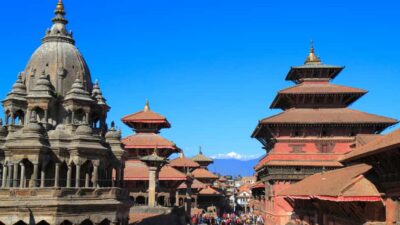
Bhaktapur & Nagarkot Day Tour with Lunch – Private/Group
Read our review →
Nagarkot Sunrise & Bhaktapur Heritage Tour -Private Full Day Trip
Read our review →
Browse the lists this tour appears in