REVIEW · TOURS
All Nepal Tour
Nepal packs an astonishing range into ten days. This private All Nepal Tour links Kathmandu’s historic squares, Chitwan’s wildlife, Lumbini’s sacred sites, and Pokhara’s mountain country in one well-planned route. I like the strong cultural mix, especially the chance to see Hindu and Buddhist places side by side, and I like that private transport keeps the schedule flexible for your own group.
The price is $1,290 per person, including three-star twin-share hotels, breakfast each day, monument fees, the national park permit, airport transfers, and a local English-speaking guide. That is fair value for a private trip covering so much ground. The trade-off is the pace: road journeys between Kathmandu, Chitwan, Lumbini, and Pokhara take time, and some sightseeing days are packed tightly.
In This Review
- Key points to know before booking
- What this 10-day Nepal route does well
- Day 1: Getting settled in Thamel
- Day 2: Kathmandu, Swayambhunath, and Patan
- Day 3: Hindu and Buddhist Kathmandu, then medieval Bhaktapur
- Day 4: Chitwan and the Tharu village
- Day 5: Canoeing and wildlife along the Rapti River
- Day 6: A reflective stop in Lumbini
- Day 7: Phewa Lake and Pokhara
- Day 8: Sarangkot sunrise and Pokhara’s natural sights
- Day 9: The Trishuli River route back
- Day 10: Final time in Kathmandu
- What the $1,290 price includes
- Who should choose this Nepal tour?
- FAQ
- How long is the All Nepal Tour?
- Is this a private tour?
- What accommodation is included?
- Are meals included?
- Are entrance fees included?
- What is the cancellation policy?
- Should you book it?
Key points to know before booking
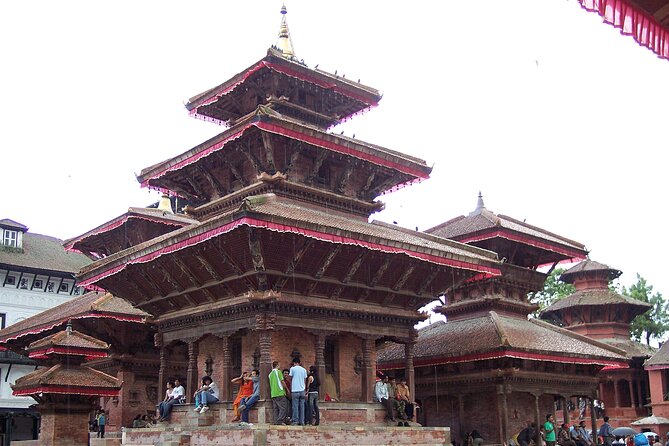
- Kathmandu delivers three UNESCO-listed city centers: You visit Kathmandu Durbar Square, Patan Durbar Square, and Bhaktapur Durbar Square, each with a different architectural feel.
- Chitwan adds a welcome change of pace: Canoeing on the Rapti River, wildlife watching, a Tharu village visit, and traditional dance bring nature and local culture into the trip.
- Lumbini is the quietest stop: The Maya Devi Temple offers a calm spiritual pause between the busier cities and scenic areas.
- Pokhara combines gentle sightseeing with big views: Phewa Lake, Sarangkot, David’s Fall, Gupteshwor Mahadev Cave, the Seti River Gorge, and the International Mountain Museum fill two varied days.
- Private transport matters in Nepal: Your group travels by air-conditioned vehicle, with airport pickup and return included.
- The schedule is full but not strenuous by design: Most travelers can participate, though the early Sarangkot sunrise and long road transfers require energy.
What this 10-day Nepal route does well
This tour works because it gives you several versions of Nepal rather than repeating one kind of sight. Kathmandu supplies temples and old royal cities. Chitwan brings river country and wildlife. Lumbini slows the rhythm. Pokhara finishes with lakes, caves, waterfalls, and mountain views.
You also avoid the hassle of arranging each transfer yourself. The package includes airport to hotel transport, sightseeing by private vehicle, entrance fees, a national park permit, and a local English-speaking guide. For a first visit, that removes a fair amount of guesswork.
The private format is especially useful. Only your group participates, so you are not tied to the needs of a large coach party. You still begin the listed sightseeing at 9:00 a.m., but a private setup can make stops easier to manage.
The route does ask a lot from you. Nepal’s roads can turn a short distance into a long day, and the schedule moves from Kathmandu to Chitwan, then Lumbini, Pokhara, and back toward Kathmandu. You see more of the country, but you give up the slower feel of a single-region holiday.
A short list of alternatives around Kathmandu
- Everest Base Camp Trek – 14 Days
★ 5.0 · 1,499 reviews - Private Kathmandu Sightseeing Tour | UNESCO World Heritage sites
★ 5.0 · 756 reviews - Everest Base Camp Helicopter Tour landing at Everest View Hotel
★ 5.0 · 668 reviews
Day 1: Getting settled in Thamel
Your airport pickup takes you from Tribhuvan International Airport to Thamel, about 7 kilometers away. The transfer is listed at 30 minutes, followed by hotel check-in and time to get your first sense of Kathmandu.
Thamel is the practical starting point for many visitors. It is the city’s main tourism area, with shops, restaurants, and plenty of activity close to your hotel. I would use this first afternoon to recover from the flight, sort out local cash, and keep the evening simple.
The included airport transfer is a small feature with real value. Arriving in a new city after a long flight is not the moment to negotiate transport. You also begin and end the trip with the same service, which makes the package easier to use.
Your accommodation is three-star and based on twin sharing. If you are traveling alone, confirm the single-room arrangement and any extra charge before paying. Breakfast is included for all ten days, while only two dinners and two lunches are covered, so you should budget separately for most other meals.
Day 2: Kathmandu, Swayambhunath, and Patan
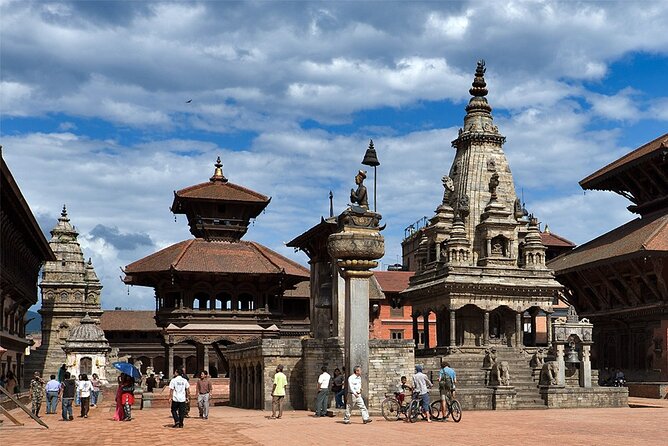
Kathmandu Durbar Square opens the sightseeing. This former royal complex is filled with temples, shrines, courtyards, and carved details that show the strength of Nepal’s Newar architecture. Allow yourself time to look up and around. The square is not one single monument, but a cluster of spaces that reward a slow walk.
The included entry fee is useful here, since monument charges can add up across a trip with several historic sites. Your guide can also help connect the buildings to Kathmandu’s royal and religious past, rather than leaving you with a string of names.
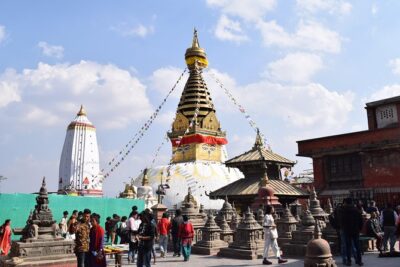
Next comes Swayambhunath, commonly called the Monkey Temple. It sits on a hill above Kathmandu and offers wide city views. The site is ancient and religiously important, but the hilltop position is also the attraction for anyone who wants a first look over the Kathmandu Valley.
Admission is listed as free, though you should still expect a climb or uneven walking around a hilltop religious site. Wear shoes with a firm grip and keep your pace comfortable.
Patan Durbar Square receives two hours, the longest stop of the day. Patan is known for its fine Newar design, detailed temples, and artistic metal and woodwork. Compared with Kathmandu Durbar Square, Patan often feels more focused on craftsmanship and temple architecture.
I like the order of this day. You begin with Kathmandu’s royal center, see the valley from above, then spend proper time in Patan. The drawback is that three major stops can blur together if you rush. Pay attention to the differences in layout, carving, and atmosphere.
Day 3: Hindu and Buddhist Kathmandu, then medieval Bhaktapur
Pashupatinath Temple gives you a look at one of Nepal’s most important Hindu sites. It lies beside the Bagmati River and is dedicated to Shiva. The setting has strong religious meaning, and your guide can help you understand the role of the temple complex and the pilgrims who come here.
This is an active sacred place, not simply a museum. Dress modestly and follow local instructions. Some parts of the complex may have access limits, so the value comes from observing respectfully rather than expecting to enter every building.
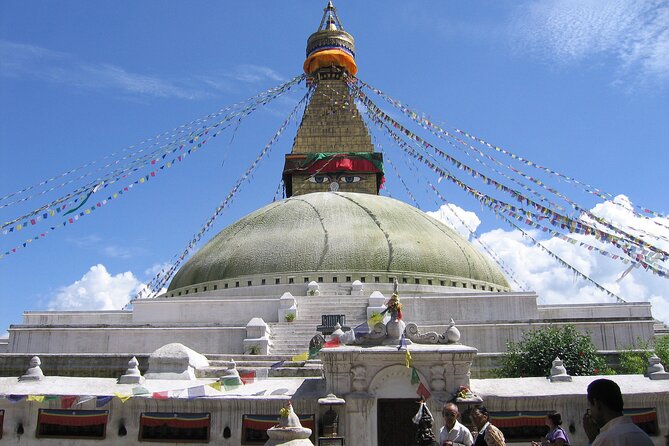
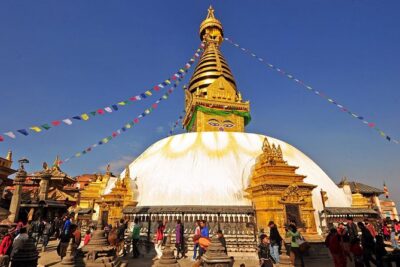
Boudhanath Stupa changes the mood completely. This huge Tibetan Buddhist monument is marked by its white dome and watchful eyes. Spend time walking around it and noticing the devotional rhythm of the site. The stop is only one hour, but it is enough for an introduction if you do not hurry.
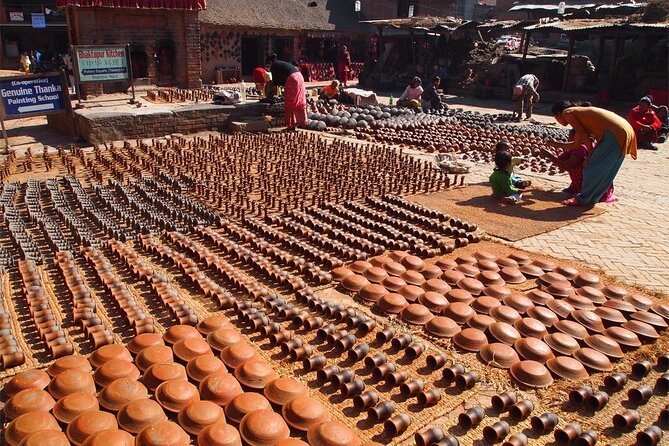
Bhaktapur Durbar Square closes the day with two hours among well-preserved medieval buildings and temples. Bhaktapur has a distinct old-city character, with squares linked by lanes and traditional architecture. It is a strong choice for a final major heritage stop because you can compare it with both Kathmandu and Patan.
The first three days give you a great cultural foundation. You see Hindu and Buddhist centers, royal squares, hilltop views, and different forms of Newar design. Just keep in mind that the pace is active. You are not spending a full day at any one site.
A completely different way to spend the day:
- Half day cooking class in Thamel kathmandu
★ 5.0 · 607 reviews - Everest Base Camp Trekking
★ 5.0 · 485 reviews - Nagarkot Sunrise View and Day Hiking from Kathmandu
★ 5.0 · 471 reviews - Kathmandu: Full Day 7 UNESCO Tour with Lunch – Private/Group
★ 5.0 · 415 reviews
Day 4: Chitwan and the Tharu village
The route then shifts from temples to the Terai, Nepal’s southern lowland region, with Chitwan as the base. In Sauraha, you visit a traditional Tharu village and learn about the customs, daily life, and architecture of the indigenous Tharu people.
This stop adds human context to the wildlife portion of the trip. Instead of treating Chitwan as only a safari destination, the tour gives you a chance to understand a local community connected to the region.
A two-hour visit leaves room for a cultural program, including traditional Tharu dance. That performance gives the evening a clear sense of place without requiring a long activity or strenuous walk.
Chitwan is also where the itinerary changes tempo. After several days of urban monuments, you get more open space and a different climate. Pack light clothing for the warmer lowlands, while keeping a layer available for cooler mornings elsewhere.
Day 5: Canoeing and wildlife along the Rapti River
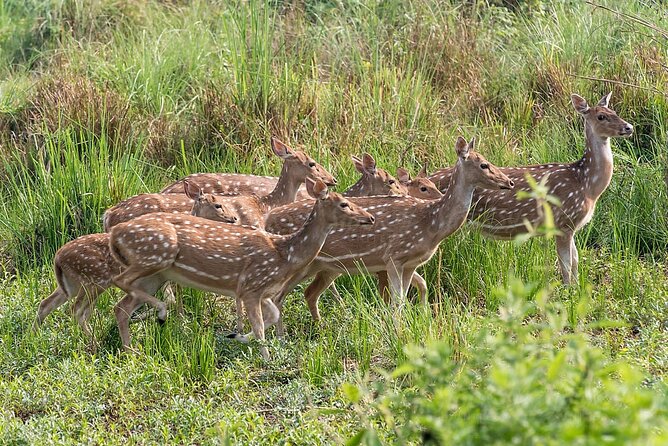
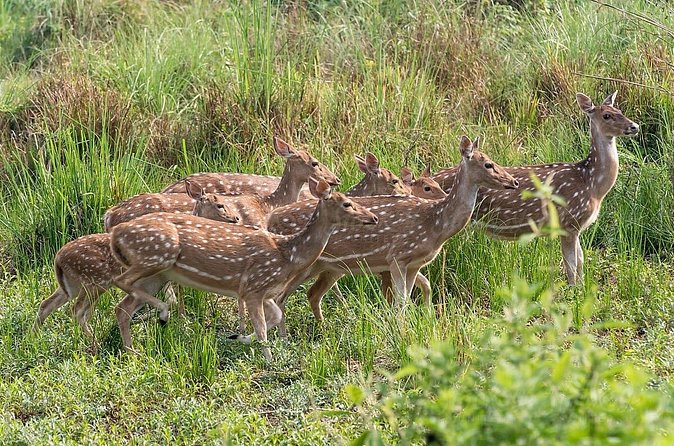
This is the most nature-focused day. A canoe ride on the Rapti River offers the chance to watch crocodiles and birds from the water. The appeal is not speed. It is the quiet view of the river and the possibility of spotting wildlife at close range.
You also visit the Elephant Breeding Center. The day is listed at six hours, making it one of the longer scheduled activities. That gives you time for several parts of the Chitwan program, but it can feel demanding if you are hoping for a lazy resort day.
Wildlife sightings are never guaranteed, so treat the river ride as an experience in its own right. The park permit is included, which helps with value, and the guide can explain what you are seeing as you move through the area.
This is a good day for practical preparation. Bring sun protection, water, and a camera that you can use without fuss. The supplied details do not promise a particular safari vehicle or animal sighting, so ask your guide how the day will be arranged when you arrive.
Day 6: A reflective stop in Lumbini
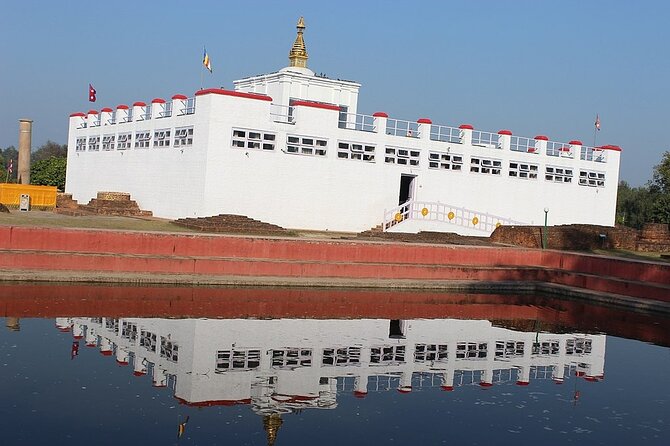
Lumbini, the birthplace of Lord Buddha, brings a quieter note to the route. You have three hours to visit the Maya Devi Temple and the surrounding sacred area.
This stop is less about collecting sights and more about giving yourself time to pause. The Maya Devi Temple marks the traditional birthplace and is the central focus of the visit. Lumbini is a UNESCO World Heritage Site, but its importance is spiritual as much as historical.
The schedule places Lumbini between Chitwan and Pokhara, which makes it a useful transition. You move from wildlife and local culture toward the lakes and mountains of western Nepal.
Lunch and dinner in Lumbini are not included, so plan for those costs. The same applies to most meals in Pokhara and Kathmandu. Breakfast is covered throughout, but the tour does not function as a full meal package.
Day 7: Phewa Lake and Pokhara
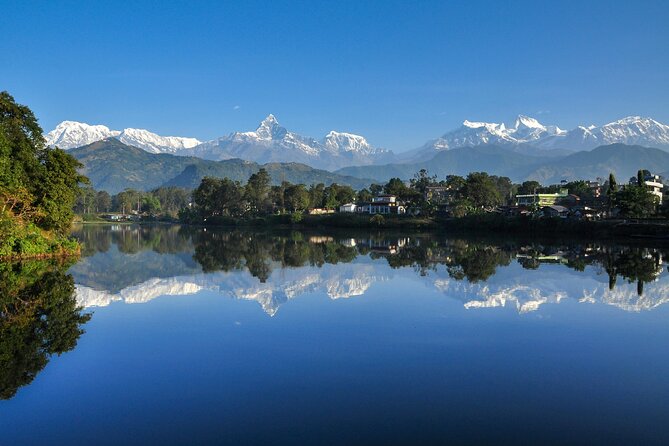
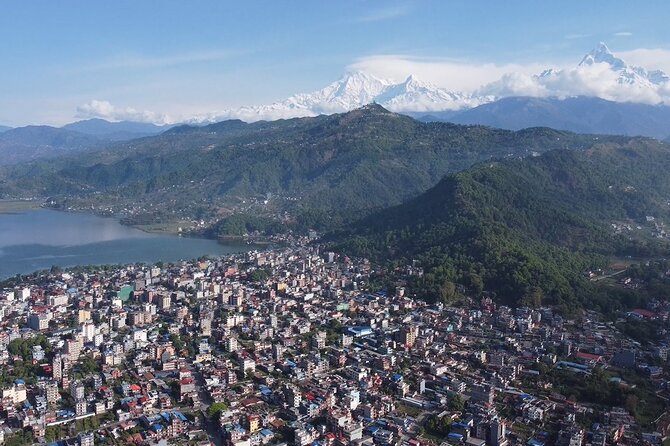
Pokhara is the trip’s easiest place to relax. Phewa Lake sits at the center of the city, and the included boating experience lets you enjoy the water without turning the day into a demanding outing.
The lake is a good reset after several road transfers and temple visits. You can take in the surrounding hills, enjoy the calm water, and let the day breathe a little. The stop is listed at one hour, so do not expect a full free day unless the guide confirms extra time.
Pokhara also works well as a base for the next day’s sightseeing. The route does not include a trek, so this is a scenic Nepal trip rather than a hiking holiday. If you want a walking extension, ask before booking instead of assuming it is part of the package.
Day 8: Sarangkot sunrise and Pokhara’s natural sights
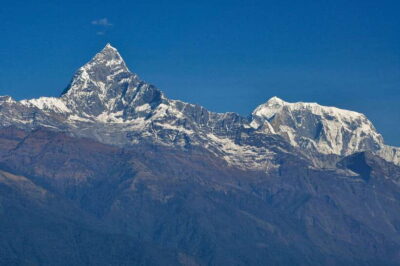
Sarangkot is the early start. The hilltop is known for sunrise views toward the Annapurna range, and the two-hour visit gives you time to watch the light change and take in the mountain panorama.
Weather controls this experience. Clear skies can make it memorable, while cloud may limit the view. Even so, the sunrise setting is a strong reason to accept the early morning. Bring a warm layer, since conditions can feel cool before the sun is up.
Back in Pokhara, David’s Fall takes 30 minutes. Water drops into a deep gorge, creating a compact but striking stop. The name comes from a tourist who drowned there, so take care near wet or exposed areas and follow local barriers.
Gupteshwor Mahadev Cave is nearby and also receives 30 minutes. This limestone cave contains an underground shrine to Shiva and a sacred water stream. It is a religious site as well as a natural formation, so modest clothing and respectful behavior are appropriate.
The Seti River Gorge adds another short stop. The river has cut a narrow, deep channel through the area, creating a dramatic view of turbulent water and steep sides. It is a quick visit, but it breaks up the day nicely.
The final stop is the International Mountain Museum, with one hour devoted to the mountains’ history, cultures, and wildlife. I especially like this inclusion because it gives context to the peaks you have been seeing from Sarangkot. It is not just another viewpoint. It explains why the Himalayas matter to the people and communities connected to them.
This is a full day, with five stops after the sunrise outing. You will see a lot, but you should expect limited time at each place.
Day 9: The Trishuli River route back
The return journey toward Kathmandu includes a 30-minute stop at the Trishuli River. The river runs beside the scenic highway from Pokhara and is known for rugged surroundings, greenery, and white-water rapids.
The stop is brief, so think of it as a roadside scenic break rather than a rafting trip. No rafting activity is included in the stated program. The value is in breaking up the drive and seeing another side of Nepal’s river country.
This is one of the days where private transport helps most. You travel in an air-conditioned vehicle, and only your group is involved. Still, the supplied schedule does not state the exact driving time, so ask your operator for the expected road timetable before you set expectations for the day.
Day 10: Final time in Kathmandu
The last day gives you free time in Kathmandu’s tourist market before the airport drop-off. The listed activity is only 30 minutes, so the main benefit is a little room for last-minute shopping or a final walk rather than a formal sightseeing program.
You can use this time for gifts, local crafts, or a final meal, but keep your flight schedule in mind. Airport transfer is included, which is reassuring on departure day.
What the $1,290 price includes
At $1,290 per person, the tour offers solid value if you want a private, guided route rather than an independent trip. The price includes:
- Three-star hotel accommodation on a twin-share basis
- Breakfast for all ten days
- Two dinners and two lunches
- Air-conditioned airport transfers and private sightseeing transport
- Local English-speaking guide
- Monument entrance fees
- Chitwan National Park permit
- Listed sightseeing and activities
You still pay for most lunches and dinners in Kathmandu, Lumbini, and Pokhara, along with drinks, personal expenses, and tips for guides, drivers, and porters. Group discounts are offered, so the per-person value may improve when several people book together.
The biggest financial advantage is the collection of included fees and transport. With three UNESCO-listed city areas, Pashupatinath, Boudhanath, Chitwan, and several Pokhara sights, entry charges could otherwise become a nuisance. Three-star hotels keep the price below a luxury tour, but you should confirm room arrangements if you do not want to share.
Who should choose this Nepal tour?
I would recommend it to a first-time visitor who wants a broad introduction without arranging hotels, road transfers, permits, and guides independently. It suits people who enjoy cultural sites but also want wildlife, a sacred Buddhist destination, and mountain views.
It is also a sensible option for families or small private groups that value their own vehicle and guide. Most travelers can participate, according to the supplied tour information, but the packed schedule, hilltop visit, cave, and long road sections may not suit anyone needing a very slow pace.
You should think twice if your main goal is trekking. This route includes no trek, and its mountain experience comes through Sarangkot, Pokhara, the museum, and scenic travel. It is a sightseeing circuit, not a walking expedition.
FAQ
How long is the All Nepal Tour?
The tour lasts approximately 10 days, beginning with airport pickup in Kathmandu and ending with an airport drop-off on Day 10.
Is this a private tour?
Yes. Only your group participates, and sightseeing and city transfers are provided by private vehicle.
What accommodation is included?
Three-star hotel accommodation on a twin-share basis is included. The provided information does not specify individual hotel names.
Are meals included?
Breakfast is included for all 10 days. The package also includes two dinners and two lunches. Lunch and dinner in Kathmandu, Lumbini, and Pokhara are not included, and drinks are extra.
Are entrance fees included?
Yes. Monument entry fees, the Chitwan National Park permit, and the stated activity and sightseeing fees are included.
What is the cancellation policy?
You can cancel at least 24 hours before the experience start time for a full refund. Cancellations or changes made less than 24 hours before the start time are not accepted for a refund.
Should you book it?
Book this tour if you want Nepal’s greatest variety in one organized trip: historic Kathmandu, medieval Bhaktapur and Patan, Hindu and Buddhist landmarks, Chitwan wildlife, Lumbini, and Pokhara’s natural sights. The private vehicle, included entry fees, airport transfers, and guide make the $1,290 price reasonable for a first visit.
Skip it if you want long stays in each place, luxury hotels, or a serious trek. For everyone else, this is a busy but useful introduction to Nepal, with enough cultural depth to make the road time worthwhile and enough nature to keep the temples from blending together.
New in the Kathmandu listings
- Traditional Momo Making Class★ 5.0 · 10 reviews
- Kathmandu: Ancient City Kirtipur & Pharping Monastery Tour★ 5.0 · 2 reviews
- Kathmandu to Pokhara Premium sofa bus ticket★ 4.0 · 17 reviews
- Women Empowerment Project(Nepali cooking class & jewelry workshop★ 5.0 · 15 reviews
- 7-Day Langtang Valley Trek from Kathmandu★ 5.0 · 1 review
- Kathmandu 2 Nights 3 Days Chitwan Jungle Safari Tour★ 5.0 · 9 reviews
- Yoga Experience Day Trip with Private Transfer From Kathmandu★ 4.0 · 2 reviews
- Wildlife Adventure in Chitwan Nepal★ 4.0 · 4 reviews
Tours, compared.
Private Kathmandu Sightseeing Tour | UNESCO World Heritage sites
Read our review →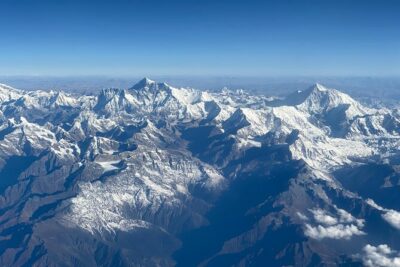
Everest Base Camp Helicopter Tour landing at Everest View Hotel
Read our review →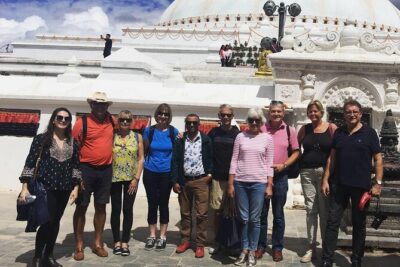
Full Day 7 UNESCO Tour with Lunch – Private/Group
Read our review →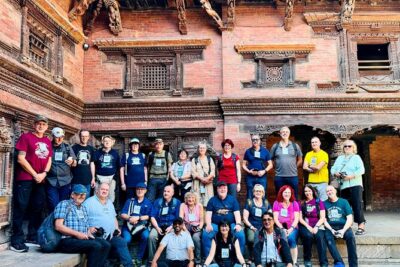
Full Day Top 4 UNESCO Tour with Lunch – Private/Group
Read our review →
Full-Day 7 UNESCO Tour with Lunch – Private/Group
Read our review →