REVIEW · TOURS
Buddhist Pilgrimage Tour In Nepal
Find calm in Kathmandu’s sacred corners. This one-day Buddhist pilgrimage visits Boudhanath Stupa, Kopan Monastery, and Swayambhunath, giving you a clear look at how Buddhist practice fits into Nepal’s larger religious life. I like the small group limit of 10 and the private vehicle, which make a busy Kathmandu day easier to manage.
I also like the English-speaking guide, especially for visitors who want more than a quick photo stop. The main consideration is time: three important sites, city traffic, and lunch all fit into roughly one day, so this is an introduction rather than a slow retreat.
In This Review
- Key points at a glance
- Why this Buddhist tour works in Kathmandu
- Boudhanath Stupa: the day’s great Buddhist landmark
- Kopan Monastery: a look at Tibetan Buddhist practice
- Swayambhunath and the route back toward Thamel
- Lunch at The Ship Restaurant and Bar
- What the $150 price really covers
- The guide is the heart of the experience
- Timing, group size, and practical comfort
- Who should book this pilgrimage day?
- Should you book it?
- FAQ
- Where does the Buddhist pilgrimage tour begin?
- How long does the tour last?
- What sites are included?
- Is transportation included?
- Is hotel pickup provided?
- How many people can join the tour?
- Is a guide included?
- Are admission tickets included?
- Is lunch included in the $150 price?
- Can I cancel for a full refund?
Key points at a glance
- Three major Buddhist sites in one day: Visit Boudhanath Stupa, Kopan Monastery, and Swayambhunath in the Kathmandu Valley.
- A small group of up to 10 people: The size should allow more direct questions and easier movement between stops.
- Private ground transport included: Hotel pickup and transportation in a comfortable private vehicle are part of the tour.
- A guide who can explain Buddhism and local culture: The English-speaking guide is an important part of the experience, not just a driver.
- Lunch is planned in Thamel: A table is reserved at The Ship Restaurant and Bar, with traditional Nepalese dal-bhat listed as the meal.
- Good value at $150 per person: The price covers transport, guide services, staff costs, insurance, and taxes, but not lunch, tips, or your Kathmandu hotel.
Why this Buddhist tour works in Kathmandu
Kathmandu is not a place where religion sits behind museum glass. Shrines appear beside roads, prayer flags cross courtyards, and Hindu and Buddhist customs often share the same neighborhood. This tour gives you a practical way to see that overlap through three important Buddhist sites.
Buddha was born in Nepal, even though Hinduism is the country’s main religion. That fact helps explain why Buddhism is present across Nepalese culture without being separate from it. You will not see only one narrow version of Buddhism here. The tour brings together a major stupa, a Tibetan Buddhist monastery, and the hilltop temple complex of Swayambhunath.
The day begins at 9:15 a.m. with pickup in Kathmandu. That start time gives you a full morning and afternoon, though it also places part of the trip in daytime traffic. Kathmandu roads can make short distances take longer than expected. The private vehicle matters here because you are not left working out several separate taxi rides between sites.
The group is limited to 10 people. That is small enough for questions and conversation, while still allowing the price to remain lower than a fully private one-person tour. The tour has a five-star rating and a 100 percent recommendation rate based on 27 ratings, with the guide’s ability to answer questions about Buddhism and Nepalese culture receiving especially strong praise.
A short list of alternatives around Kathmandu
- Everest Base Camp Trek – 14 Days
★ 5.0 · 1,499 reviews - Private Kathmandu Sightseeing Tour | UNESCO World Heritage sites
★ 5.0 · 756 reviews - Everest Base Camp Helicopter Tour landing at Everest View Hotel
★ 5.0 · 668 reviews
Boudhanath Stupa: the day’s great Buddhist landmark
Your first stop is Boudhanath Stupa, about four miles from central Kathmandu. The visit includes admission and lasts about an hour.
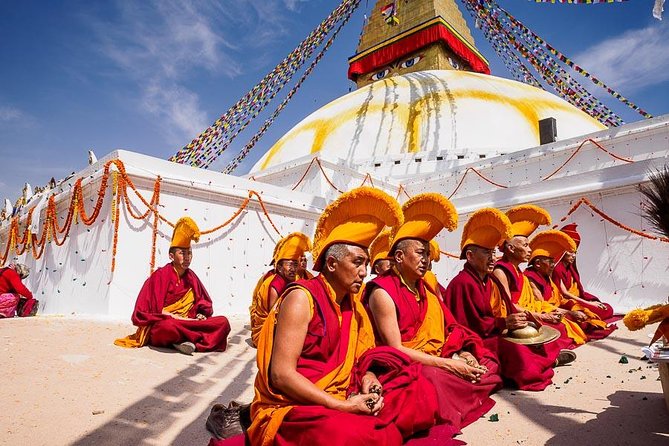
Boudhanath is one of the largest stupas in the world and one of the key Buddhist centers in the Kathmandu Valley. Its scale gives the morning an immediate sense of importance. You are not beginning with a small side shrine. You are entering one of the main places connected with Buddhist worship in Kathmandu.
A stupa is a Buddhist structure associated with devotion and meditation. At Boudhanath, the form itself is part of the lesson. The broad white dome, the raised structure, and the famous painted eyes create a powerful visual marker. Your guide can help explain what you are seeing and why the site matters.
Allow yourself to look beyond the central structure. The visit is about more than taking a photograph of the stupa. This is a place where the physical design, religious practice, and daily life meet. The tour description specifically highlights chanting and spiritual reflection, so this stop is likely to be the strongest setting for understanding the devotional side of the day.
An hour is enough for a guided introduction, but it is not a long contemplative visit. If you prefer to sit quietly, watch the movement around the stupa, or study details at your own pace, the schedule may feel brisk. Still, the guide helps turn a famous sight into a meaningful first stop rather than a quick landmark check.
Kopan Monastery: a look at Tibetan Buddhist practice
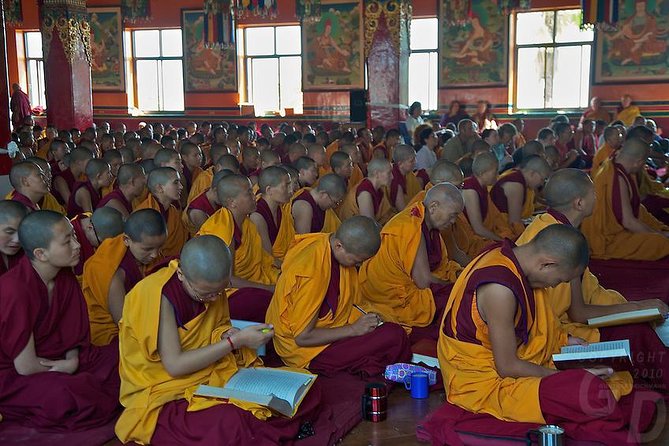
After Boudhanath, the tour continues through Kathmandu traffic to Kopan Monastery. The visit is scheduled for about an hour and admission is included.
Kopan follows the Gelug tradition of Tibetan Mahayana Buddhism. That detail is useful because it gives the stop a clear religious identity. You are not simply visiting another Buddhist building. You are seeing a monastery connected with a specific Tibetan Buddhist tradition.
The monastery is presented as a major pilgrimage site in the Kathmandu Valley. The value here comes from contrast. Boudhanath gives you a monumental public stupa, while Kopan offers a monastery setting where Buddhist teaching and monastic life are central to the place.
This is also where a good guide earns the tour price. The strongest praise for the experience focuses on the guide’s ability to answer questions about Buddhism and culture. If you are curious about the difference between a stupa and a monastery, the role of monks, or the broad traditions within Buddhism, ask directly. The tour is designed to give you that context.
The timing again requires some realism. One hour can introduce Kopan, but it cannot cover every part of its religious background. The route also crosses daytime traffic, and the drive may take longer than the map suggests. You should see the road time as part of the Kathmandu experience, not as a flaw in the route. The city itself is part of the setting, but the schedule will not feel like a silent retreat.
Swayambhunath and the route back toward Thamel
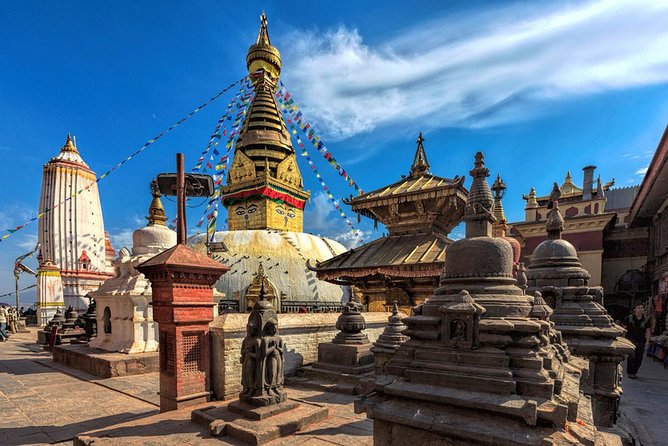
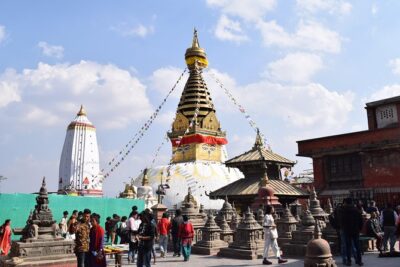
The itinerary then moves toward Swayambhunath, often called the Monkey Temple. The supplied schedule lists this stop with a one-minute duration, which is clearly far shorter than a normal site visit. You should confirm the exact amount of time allocated here before booking or at the start of the day.
Even with limited timing, Swayambhunath is an important inclusion. It is one of the best-known Buddhist pilgrimage sites in the Kathmandu Valley and is recognized for its striking structures. The name Monkey Temple comes from the monkeys associated with the temple complex, though the religious importance is the real reason it belongs on this route.
Swayambhunath gives the day a different setting from Boudhanath and Kopan. It is popularly known for its hilltop position and broad views, though the provided tour details do not specify how much time you will have for those views. The site can help you see how Buddhist worship is tied to Kathmandu’s hills and city surroundings.
This is the part of the itinerary that deserves the most clarification. The route says the group heads to Thamel for lunch from Kopan, then identifies Swayambhunath as the third stop. The timing and order are not fully clear in the supplied information. Treat Swayambhunath as an included part of the day, but ask the operator how long the actual visit lasts and whether lunch comes before or after it.
A completely different way to spend the day:
- Half day cooking class in Thamel kathmandu
★ 5.0 · 607 reviews - Everest Base Camp Trekking
★ 5.0 · 485 reviews - Nagarkot Sunrise View and Day Hiking from Kathmandu
★ 5.0 · 471 reviews - Kathmandu: Full Day 7 UNESCO Tour with Lunch – Private/Group
★ 5.0 · 415 reviews
Lunch at The Ship Restaurant and Bar
Lunch is arranged at The Ship Restaurant and Bar in Thamel, with a table reserved for the group. Traditional Nepalese dal-bhat is listed as the meal.
Dal-bhat is a sensible choice for a Nepal-focused day. It typically centers on lentils and rice, with accompanying dishes, and is one of the best-known meals in Nepalese cooking. Here, the important point is that lunch offers a taste of local food rather than leaving you to find a restaurant on your own in the middle of a packed sightseeing day.
The meal is not included in the tour price, even though a table is reserved. Plan to pay separately for lunch. The information provided does not give a fixed meal price or specify the full menu, so bring enough money for your food and drink.
Thamel is a practical lunch location because the tour passes through one of Kathmandu’s best-known visitor areas. It also means the meal may feel more like a convenient city stop than a secluded monastery meal. That is perfectly reasonable for a one-day tour, but it helps set the right expectation.
What the $150 price really covers
At $150 per person, this is not the cheapest way to visit Kathmandu’s Buddhist sites. Its value depends on how much help you want with transport, timing, and interpretation.
The price includes all ground transportation in a private comfortable vehicle, an English-speaking professional guide, staff salary, insurance, and government and local taxes. Admission tickets for the listed sites are also included. Those details remove several costs that can add up during an independent day.
The private vehicle is especially useful in Kathmandu. You do not have to negotiate separate rides between Boudhanath, Kopan, Swayambhunath, and Thamel. You also have a guide with you for the full route, rather than hiring a different local escort at each site.
For a group of several people, the value improves. Group discounts are available, though the exact discount is not stated. Ask for the current rate if you are booking with family or friends. A small group can also make the guide’s explanations more useful because you are likely to hear answers to questions other people ask.
The price does not cover your Nepal visa, meals, accommodation, tips, or optional activities. It also does not cover services not listed in the included section. The visa requirement deserves attention: the tour information says to bring accurate U.S. dollar cash and two passport photographs for the Nepal visa process. That is separate from the tour itself, but sorting it out early will make your morning easier.
The guide is the heart of the experience
A Buddhist pilgrimage tour can easily become a sequence of impressive buildings. The guide is what gives the buildings meaning.
The guide is English-speaking and trained as a professional tour guide. The strongest praise attached to this experience focuses on a guide who could answer questions about both Buddhism and Nepalese culture. That is exactly the kind of help you need here, because the sites are not all from the same setting or tradition.
You should arrive with questions. Ask about the meaning of the stupa, the role of monks, the Gelug tradition at Kopan, and the relationship between Hindu and Buddhist practice in Nepal. The tour promises an introduction to the foundations of Buddhism in Nepal, so direct questions should help you get more from the day.
The experience also includes staff salary and insurance in the listed price. That is useful because it makes the cost easier to understand. You are paying for a coordinated service, not just a vehicle and a short transfer between monuments.
Timing, group size, and practical comfort
The tour starts at 9:15 a.m. and ends back at the meeting point in Kathmandu. Pickup and return are arranged at the Kathmandu meeting location, with the tour beginning and ending there.
The total duration is approximately one day. The three main site visits are listed as about one hour each, though the Swayambhunath timing needs clarification. Transport between stops and lunch fill out the rest of the day.
The maximum group size is 10 people. That is a useful middle ground. You get the social ease of a small group, but you are not paying the much higher cost of a fully private guide for just yourself. The vehicle is described as comfortable and private, and the tour is near public transportation, though all ground transport for the activity is included.
Most people can participate, according to the supplied information. No specific mobility details are given, so if stairs, walking distances, or hill access are important to you, ask the operator before booking. Swayambhunath is associated with a hilltop temple complex, but the exact access arrangements for this tour are not stated.
The tour is booked an average of 18 days ahead. That suggests you should reserve before arriving if the date matters, particularly if you want a particular morning during a short stay in Kathmandu.
Who should book this pilgrimage day?
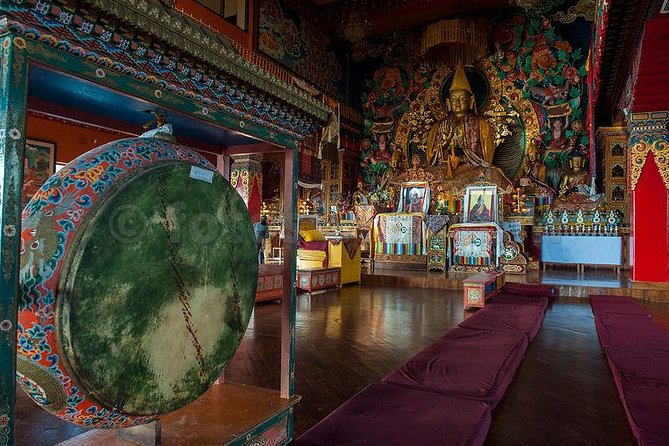
I would recommend this tour to a first-time visitor who wants a structured introduction to Buddhist Kathmandu. It is also a good fit if you are interested in religion, architecture, cultural history, or the way Hindu and Buddhist traditions share space in Nepal.
It suits you especially well if you prefer a guide who can explain what you are seeing. The tour is less suitable if you want to spend long, silent periods at each site or set your own pace. The schedule is designed to connect several major places in one day.
Families and small groups may find the format convenient. Group discounts could improve the value, and the maximum of 10 people keeps the day from becoming unwieldy. Solo visitors can also benefit from the organized transport and guide, though the $150 price is harder to justify if you are comfortable arranging your own taxis and site visits.
I would also suggest it for anyone who wants to avoid spending the day planning routes across Kathmandu. Traffic, unfamiliar streets, and several separate admissions can make an independent visit tiring. Here, those pieces are handled together.
Should you book it?
Book this tour if you want a well-organized, guide-led introduction to three major Buddhist sites in Kathmandu and you value private transport. The guide’s strong reputation for explaining Buddhism and local culture is the main reason to choose it, while the included admissions, insurance, taxes, and vehicle add practical value to the $150 cost.
Think twice if your priority is a slow spiritual retreat. The day covers a lot, traffic can affect the schedule, and Swayambhunath’s listed one-minute visit needs clarification. Before paying, confirm the stop order, the real time at Swayambhunath, and what lunch will cost.
Cancellation is free if you cancel at least 24 hours before the start time. Changes or cancellations made within 24 hours are not accepted for a refund. For a focused first look at Buddhist Kathmandu, this is a strong choice, provided you understand that it is a sightseeing day with spiritual themes, not a monastery retreat.
FAQ
Where does the Buddhist pilgrimage tour begin?
It begins in Kathmandu, in the Kathmandu Valley, at 9:15 a.m. The activity also ends back at the meeting point.
How long does the tour last?
The tour lasts approximately one day.
What sites are included?
The route includes Boudhanath Stupa, Kopan Monastery, and Swayambhunath, also known as the Monkey Temple.
Is transportation included?
Yes. All ground transportation is included in a private, comfortable vehicle.
Is hotel pickup provided?
The guide and driver pick you up from your hotel in Kathmandu, according to the tour details.
How many people can join the tour?
The maximum group size is 10 people.
Is a guide included?
Yes. The tour includes a trained, English-speaking professional guide.
Are admission tickets included?
Admission tickets are included for the listed tour sites.
Is lunch included in the $150 price?
No. A table is reserved at The Ship Restaurant and Bar in Thamel, and dal-bhat is listed as the meal, but meals are not included in the tour cost.
Can I cancel for a full refund?
Yes, if you cancel at least 24 hours before the experience start time. Cancellations made less than 24 hours before the start time are not refunded.
New in the Kathmandu listings
- Traditional Momo Making Class★ 5.0 · 10 reviews
- Kathmandu: Ancient City Kirtipur & Pharping Monastery Tour★ 5.0 · 2 reviews
- Kathmandu to Pokhara Premium sofa bus ticket★ 4.0 · 17 reviews
- Women Empowerment Project(Nepali cooking class & jewelry workshop★ 5.0 · 15 reviews
- 7-Day Langtang Valley Trek from Kathmandu★ 5.0 · 1 review
- Kathmandu 2 Nights 3 Days Chitwan Jungle Safari Tour★ 5.0 · 9 reviews
- Yoga Experience Day Trip with Private Transfer From Kathmandu★ 4.0 · 2 reviews
- Wildlife Adventure in Chitwan Nepal★ 4.0 · 4 reviews
Tours, compared.
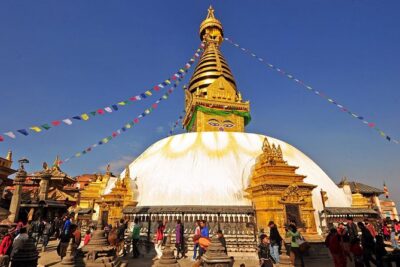
Private Kathmandu Sightseeing Tour | UNESCO World Heritage sites
Read our review →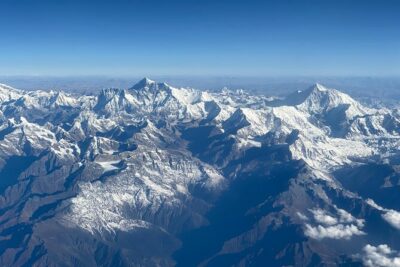
Everest Base Camp Helicopter Tour landing at Everest View Hotel
Read our review →
Full Day 7 UNESCO Tour with Lunch – Private/Group
Read our review →
Full Day Top 4 UNESCO Tour with Lunch – Private/Group
Read our review →
Full-Day 7 UNESCO Tour with Lunch – Private/Group
Read our review →