REVIEW · TOURS
Bungamati Khokana Village Tour
Quiet villages, big cultural rewards. The Bungamati Khokana Village Tour gives you a private day beyond Kathmandu’s crowded core, with time for Newari culture, old temples, village streets, and rice fields. I like the personal guide and private vehicle, and I like that you can reach a rural side of the valley without committing to a long journey. The main drawback is simple: the sightseeing may feel limited, and one assessment found the core visit could take about two hours.
This is best for you if you prefer local history and a calm setting over a packed list of major monuments. It is also a good choice when you want flexibility, since the guide can shape the day around your interests. At $80 per person, the value depends heavily on group size and how much you value private transport and guiding.
In This Review
- Key points at a glance
- Why Bungamati and Khokana make a worthwhile side trip
- Bungamati: a village shaped by tradition
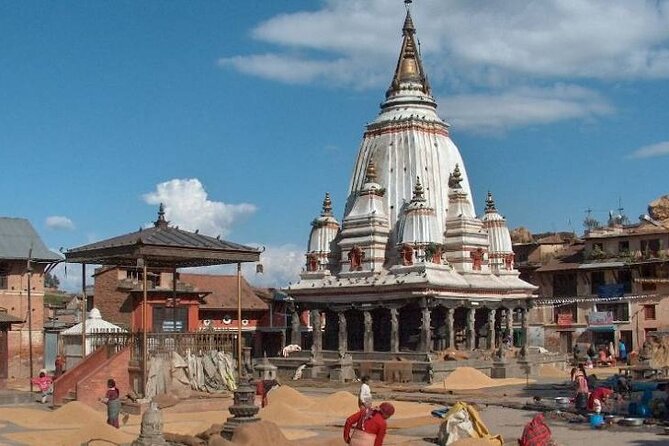
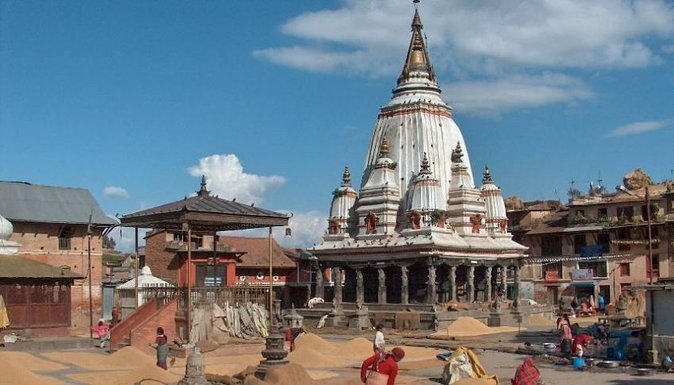
- Rato Machindranath Temple and Bungamati’s cultural focus
- Karya Binayak Temple and a second religious stop
- Khokana’s rice fields and open countryside
- Six to eight hours, but do not assume six full hours of sightseeing
- What private transport changes
- The guide can make or break the day
- Is $80 per person good value?
- Who should book this village tour?
- Should you book Bungamati and Khokana?
- FAQ
- How much does the Bungamati Khokana Village Tour cost?
- How long does the tour last?
- Is the tour private?
- What is included in the price?
- Are food and drinks included?
- Where does the tour start and finish?
- Is a passport required?
- How far in advance is the tour usually booked?
- Can I cancel for a full refund?
Key points at a glance
- Bungamati’s Rato Machindranath Temple gives the tour its strongest cultural focus.
- Karya Binayak Temple adds another important religious stop near Bungamati.
- Khokana’s rice fields provide the most scenic part of the outing, especially for anyone wanting open countryside near Kathmandu.
- Private transport and a local guide make the day easier than arranging separate taxis and visits yourself.
- Six to eight hours are reserved, but the actual sightseeing may feel shorter if you move quickly through the villages.
- The guide is the tour’s best asset, with flexibility, humor, and a good grasp of local culture noted in the available feedback.
Why Bungamati and Khokana make a worthwhile side trip
Kathmandu is full of famous sights, but the valley is not only temples, courtyards, and traffic. Bungamati and Khokana offer a look at village life close to the capital, where traditional customs remain an important part of daily identity.
The two villages also provide a useful contrast. Bungamati leans toward culture and religious history. Khokana is better known for its open fields and Newari village setting. Together, they create a gentle day away from Kathmandu without requiring a major road trip.
I would not choose this outing if you want a long list of grand monuments. The appeal is quieter. You are paying for access, context, and ease, not for a nonstop parade of headline sights.
That difference matters. A traveler who has only one day in Kathmandu may prefer the city’s major heritage sites. Someone staying several days, or someone who has already seen Durbar Square and the best-known temples, may find this village tour a welcome change of pace.
A short list of alternatives around Kathmandu
- Everest Base Camp Trek – 14 Days
★ 5.0 · 1,499 reviews - Private Kathmandu Sightseeing Tour | UNESCO World Heritage sites
★ 5.0 · 756 reviews - Everest Base Camp Helicopter Tour landing at Everest View Hotel
★ 5.0 · 668 reviews
Bungamati: a village shaped by tradition
Bungamati has not developed as quickly as areas with easier access. That has helped preserve parts of its traditional character, although it also means you should not expect a polished tourist district with a long line of attractions.
The village is regarded as an important traditional Newari settlement. Its value comes from the feel of the place as much as from any single building. You may notice older customs, local religious life, and a slower rhythm than in central Kathmandu.
For me, this is where a guide matters most. Without context, a village street or temple courtyard can be easy to glance at and leave behind. With a local guide, you have a better chance of understanding why Bungamati matters and how its religious traditions connect to the wider Kathmandu Valley.
The setting is also a practical benefit. Bungamati is close enough to Kathmandu for a day trip, but far enough to provide a clear change in mood. You are not spending the whole day in the capital’s traffic and crowds.
Still, keep your expectations measured. The village is not presented as a huge open-air museum. Some visitors may find that there is not enough to occupy a full day if they move rapidly or have little interest in religious and cultural detail.
Rato Machindranath Temple and Bungamati’s cultural focus
The Rato Machindranath Temple is one of Bungamati’s main reasons for visiting. The temple is associated with Rato Machindranath, an important deity in the religious traditions of the Kathmandu Valley.
This stop gives the day a clear cultural anchor. Rather than simply walking through a rural settlement, you have a specific place where the guide can explain local beliefs, worship, and the role of temples in village life.
The temple visit is likely to appeal most to you if you enjoy learning how religion shapes a community. You do not need to be an expert in Nepalese history. A good explanation can make the site meaningful even when the architecture itself is not as imposing as Kathmandu’s largest monuments.
The available feedback points to the guide as the strongest part of the experience. The guide was praised for being flexible, informed about the area, and fun to spend time with. That is particularly useful here, because the temple’s importance may not be obvious from a quick look.
There is also a useful warning. The temple is a featured stop, but the tour does not promise a long formal visit with extensive interpretation. If you need detailed architectural commentary or a major museum-style presentation, this may feel modest.
Karya Binayak Temple and a second religious stop
Karya Binayak Temple adds another layer to the Bungamati visit. The temple is connected with Ganesh, a widely respected Hindu deity, and gives you another chance to see how worship remains tied to the local community.
Having two temple stops helps balance the day. You are not relying on a single building to carry the entire cultural program. The guide can compare the two sites and explain their place within the valley’s religious life.
At the same time, the two temples may blend together if you are not especially interested in religious sites. I would ask the guide questions as you go. Since this is a private tour, you have more room to request explanations, slow down, or move along when you feel you have seen enough.
That private format is one of the better features here. A large group often has to follow a fixed pace. With your own guide and vehicle, you can make the temple visits feel more personal and less like a checklist.
A completely different way to spend the day:
- Half day cooking class in Thamel kathmandu
★ 5.0 · 607 reviews - Everest Base Camp Trekking
★ 5.0 · 485 reviews - Nagarkot Sunrise View and Day Hiking from Kathmandu
★ 5.0 · 471 reviews - Kathmandu: Full Day 7 UNESCO Tour with Lunch – Private/Group
★ 5.0 · 415 reviews
Khokana’s rice fields and open countryside
Khokana shifts the focus from sacred buildings to scenery. The village is known for green rice fields spread across the surrounding countryside, creating the most open and restful part of the tour.
The fields are a good reason to bring a camera, though the experience will depend on the season. The description presents Khokana as a green, rice-growing setting, but it does not promise a particular planting or harvest period. You should therefore expect the village atmosphere and views to matter more than a guaranteed seasonal display.
Khokana is also known for its Newari village character. That makes it more than a viewpoint stop. You can connect the open fields with the settlement itself and see how rural life and traditional architecture fit together.
I like this change of pace. After temple visits and cultural explanations, the rice fields give you room to breathe. The setting is also likely to suit you if you want a less crowded day and a break from Kathmandu’s constant movement.
The caution is the same as with Bungamati. Khokana is scenic rather than packed with formal attractions. If you expect a long walking program with one major sight after another, you may feel the day runs out of material early.
Six to eight hours, but do not assume six full hours of sightseeing
The stated duration is approximately six to eight hours. That includes the transport from Kathmandu, time with the guide, visits to Bungamati and Khokana, and the return to the meeting point.
The actual time spent looking at sights can be shorter. One available assessment rated the experience three out of five and judged that the main village visit could be covered in around two hours. That does not mean the outing has no value. It means you should understand the difference between a full-day booking and a full day of continuous sightseeing.
A slower pace improves the experience. You can ask questions, take photographs, observe village life, and give each temple more attention. A fast-moving group that wants to see only the main points may finish much sooner.
This is one reason the private format helps. You can use the extra time for a more thoughtful visit instead of being pushed from one stop to the next. On the other hand, the tour’s flexibility may not create more attractions than the villages actually offer.
I would treat the six to eight hours as a comfortable day-trip window, not a promise of eight hours of scheduled entertainment.
What private transport changes
Transport by private vehicle is included. That removes much of the effort involved in reaching both villages independently, especially if you are unfamiliar with Kathmandu Valley roads or do not want to negotiate separate rides.
The tour begins in Kathmandu and ends back at the meeting point. The listed starting area is Kathmandu in the Kathmandu Valley, rather than a separate out-of-town pickup point. Exact pickup details should be confirmed when booking, since the information provided does not give a specific hotel or street address.
Private transport is particularly useful if your group includes older family members, first-time visitors, or anyone who prefers a simple door-to-door day. It also gives you a place to rest between the village stops.
The vehicle is not the main attraction, of course. You are still paying for the guide and the planning. But the convenience has real value when compared with piecing together local transport, directions, and temple visits on your own.
The guide can make or break the day
The strongest praise goes to the guide. The guide was described as flexible, fun, and well informed about the area. Those qualities matter more here than they would on a tightly scheduled monument tour.
Bungamati and Khokana do not offer a constant stream of obvious attractions. You need someone who can explain what you are seeing and adjust the pace to your interests. A good guide can turn an ordinary village walk into a useful lesson about religion, farming, and Newari traditions.
Since this is a private activity, you should take advantage of that arrangement. Tell the guide if you want more cultural explanation, more time in the fields, or a quicker visit to the temples. You are not limited to the needs of a busload of strangers.
The guide’s flexibility also helps with the tour’s main weakness. If you decide the core sights are enough, the day can be shortened or handled at an easier pace. If you are enjoying the villages, you can use the available time more fully.
Is $80 per person good value?
The price is $80 per person. It includes all taxes, fees, and handling charges, a local guide, and transport by private vehicle. Food, drinks, and alcoholic beverages are not included.
That price is easier to justify for a small group. If two or three people share the private vehicle and guide, you are buying a convenient cultural day without having to organize the pieces yourself. For one person, the cost feels higher because the same fixed services are being used by only one guest.
The value also depends on your priorities. You are not paying for a major monument, a museum ticket, or an elaborate meal. You are paying for a local guide, private transport, and access to two villages that can be awkward to visit efficiently on your own.
I would call it fair value for someone who wants ease and cultural context. I would call it less convincing for someone who wants a full schedule of famous sights. Kathmandu offers plenty of major attractions, and the available assessment specifically judged this outing less worthwhile compared with what is available in the city.
The tour is booked about 60 days ahead on average. That suggests you should not leave it until the last moment if you have fixed dates, particularly if you want a private day during a busy period.
Who should book this village tour?
I would recommend it most strongly to you if you fit one or more of these descriptions:
- You have several days in Kathmandu and want a calmer side trip.
- You prefer temples, local traditions, and rural scenery to major city monuments.
- You want a private guide rather than a large group.
- You value private transport and do not want to arrange village visits yourself.
- You enjoy asking questions and setting your own pace.
- You are interested in Newari culture and village life.
I would be more cautious if you have only one day in Kathmandu. In that case, the capital’s major heritage sites may give you more for your limited time.
I would also hesitate if you need a tightly packed itinerary. Bungamati and Khokana reward attention, not speed. The tour works best when you are content with a few meaningful stops rather than expecting a long catalog of sights.
A current valid passport is required on the day of travel. Most people can participate, and the tour is near public transportation, though the included private vehicle is the simpler way to reach the villages. A mobile ticket is provided, and confirmation is received at booking.
Should you book Bungamati and Khokana?
Book this tour if you want a relaxed cultural outing with a private guide, temple visits, rice fields, and a break from central Kathmandu. The guide’s flexibility and friendly manner are the clearest strengths, and the private vehicle makes the day straightforward.
Skip it if you are measuring value by the number of major attractions. The sights may take less time than the six to eight hour booking suggests, and Kathmandu itself may offer more impressive monuments for the same day.
For the right visitor, Bungamati and Khokana offer a pleasant look at the valley beyond its busiest tourist centers. Just book it for the villages, the temples, and the guide, not for a packed schedule.
FAQ
How much does the Bungamati Khokana Village Tour cost?
The tour costs $80 per person.
How long does the tour last?
The approximate duration is six to eight hours.
Is the tour private?
Yes. Only your group participates in the activity.
What is included in the price?
The price includes all taxes, fees, and handling charges, a local guide, and transport by private vehicle.
Are food and drinks included?
No. Food and drinks are not included. Alcoholic drinks are available to purchase.
Where does the tour start and finish?
The tour starts in Kathmandu, in the Kathmandu Valley, and ends back at the meeting point.
Is a passport required?
Yes. You must bring a current valid passport on the day of travel.
How far in advance is the tour usually booked?
The experience is booked about 60 days in advance on average.
Can I cancel for a full refund?
Yes. You can cancel at least 24 hours before the local start time for a full refund. Cancellations or changes made less than 24 hours before the start time are not accepted for a refund.
New in the Kathmandu listings
- Traditional Momo Making Class★ 5.0 · 10 reviews
- Kathmandu: Ancient City Kirtipur & Pharping Monastery Tour★ 5.0 · 2 reviews
- Kathmandu to Pokhara Premium sofa bus ticket★ 4.0 · 17 reviews
- Women Empowerment Project(Nepali cooking class & jewelry workshop★ 5.0 · 15 reviews
- Yoga Experience Day Trip with Private Transfer From Kathmandu★ 4.0 · 2 reviews
- 7-Day Langtang Valley Trek from Kathmandu★ 5.0 · 1 review
- Kathmandu 2 Nights 3 Days Chitwan Jungle Safari Tour★ 5.0 · 9 reviews
- Wildlife Adventure in Chitwan Nepal★ 4.0 · 4 reviews
Tours, compared.
Private Kathmandu Sightseeing Tour | UNESCO World Heritage sites
Read our review →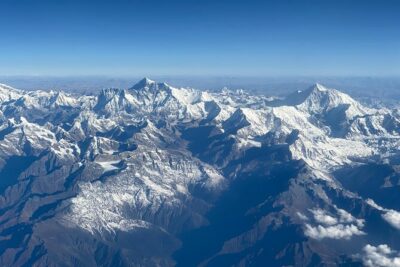
Everest Base Camp Helicopter Tour landing at Everest View Hotel
Read our review →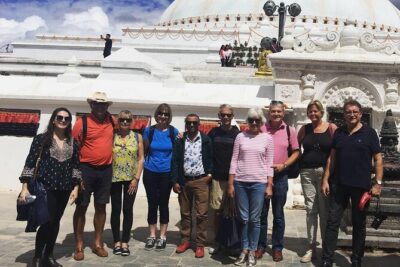
Full Day 7 UNESCO Tour with Lunch – Private/Group
Read our review →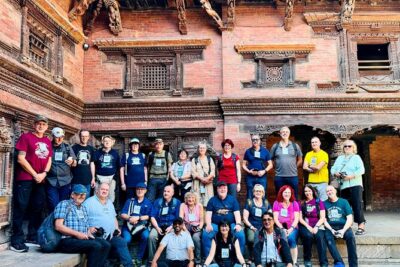
Full Day Top 4 UNESCO Tour with Lunch – Private/Group
Read our review →
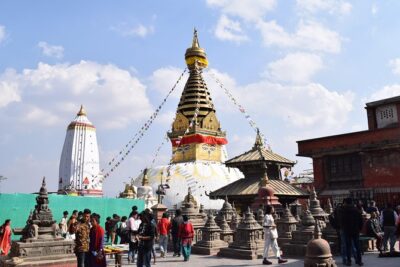
Full-Day 7 UNESCO Tour with Lunch – Private/Group
Read our review →