REVIEW · TOURS
Healing Day tour – Shaman Healing
Curiosity can lead you to unusual places. This one-day experience takes you from Thamel to a Nepali shaman’s studio, where you learn the basics of shamanism, discuss personal concerns, and take part in traditional rituals. I like the small-group format, limited to 10 people, and I like that transport, an English-speaking guide, the shaman fee, and food are included.
The most important consideration is simple: this is a spiritual and cultural experience, not medical treatment. If you are dealing with serious depression, fear, sleep problems, or another health concern, use the ritual as a personal or cultural experience rather than a replacement for qualified care. The day can also feel less predictable than a normal sightseeing tour because the shaman’s work centers on individual consultation.
In This Review
- Key points before you book
- What this Kathmandu healing day is really about
- Pickup in Thamel and the drive to the studio
- The introduction to shamanism
- Meeting the shaman at the Kathmandu studio
- What happens during the healing ritual
- Nepali food and the cooking lesson
- Adding a Buddhist temple to the day
- Returning to Thamel after a full day
- Is $80 a fair price?
- Who should book this experience?
- Should you book the Nepali shaman healing day?
- FAQ
- Where does the shaman healing tour take place?
- Where is pickup provided?
- How long does the experience last?
- What language is the tour conducted in?
- What is included in the price?
- How large is the group?
- Is a cooking lesson included?
- Will I visit a Buddhist temple?
- Can I cancel the booking?
Key points before you book
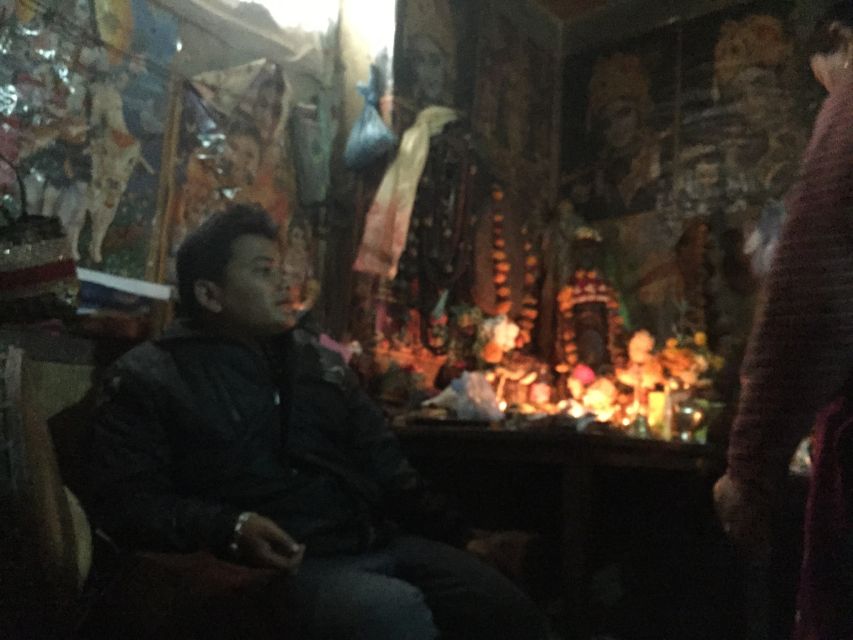
- The day begins at your Thamel hotel: Pickup is included, and the group drives together to the shaman’s studio in Kathmandu.
- You receive a basic introduction to shamanism: An English-speaking guide helps explain the beliefs, rituals, and role of the shaman.
- The consultation is personal: The shaman may discuss fear, stress, sleep, relationships, or what the tradition describes as negative energy.
- The group stays small: A maximum of 10 participants allows more room for questions and personal attention.
- Food is part of the cultural exchange: Lunch or snacks are served in a Nepali family setting, with a Nepali cooking course included in the program.
- A Buddhist temple visit may be included: One completed day also included time to watch monks at prayer after the shamanic session.
What this Kathmandu healing day is really about
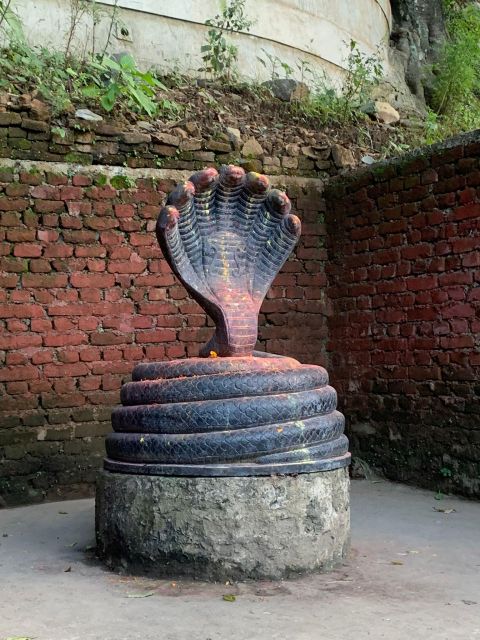
Shamanism in Nepal is presented as an old spiritual practice linked to healing, protection, ritual, and guidance. The program explains beliefs about negative energy, air spirits, evil eyes, and the ways a shaman may try to remove or control those influences.
You do not need to accept every belief to find the day worthwhile. I see the value in hearing how a Nepali practitioner understands fear, illness, family tension, and uncertainty. It gives you a look at a living tradition that is still meaningful to many people, rather than a museum display or a staged dance performance.
The program also connects shamanism with tantric practice and traditions associated with Shiva and Parvati. The reference to the Shakta tradition adds useful context, since this form of worship is closely tied to tantric and shamanic ritual. Your guide should help you separate broad religious ideas from the particular practices used by the shaman you meet.
The session is described as suitable for people who want spiritual help with long-running problems, those curious about Nepali shamans, and healers who want to study techniques in greater detail. The day tour offers an introduction. Longer courses lasting several days or even months may be available for people seeking more serious training.
A short list of alternatives around Kathmandu
- Everest Base Camp Trek – 14 Days
★ 5.0 · 1,499 reviews - Private Kathmandu Sightseeing Tour | UNESCO World Heritage sites
★ 5.0 · 756 reviews - Everest Base Camp Helicopter Tour landing at Everest View Hotel
★ 5.0 · 668 reviews
Pickup in Thamel and the drive to the studio
The day starts at your hotel in Thamel. You need to provide the hotel information when booking, and the operator arranges pickup. This is useful in Kathmandu, where finding a small studio by yourself can be harder than it sounds.
Transport from Thamel to the shaman’s studio and back is included. The program does not give a precise driving time, so you should keep your schedule open for the full day. Kathmandu traffic can also affect the timing, and the exact starting hour depends on availability.
The drive is not the main attraction, but it helps set the scene. You leave the tourist center and head to a working setting where the shaman teaches and meets people. The studio is in Kathmandu, not in a remote mountain village, so you should not expect a wilderness retreat or a long trek.
A guide or translator accompanies you. English is the listed tour language, and the guide helps explain what is happening before and during the consultation. That support matters because spiritual terms can lose their meaning when translated word for word.
The introduction to shamanism
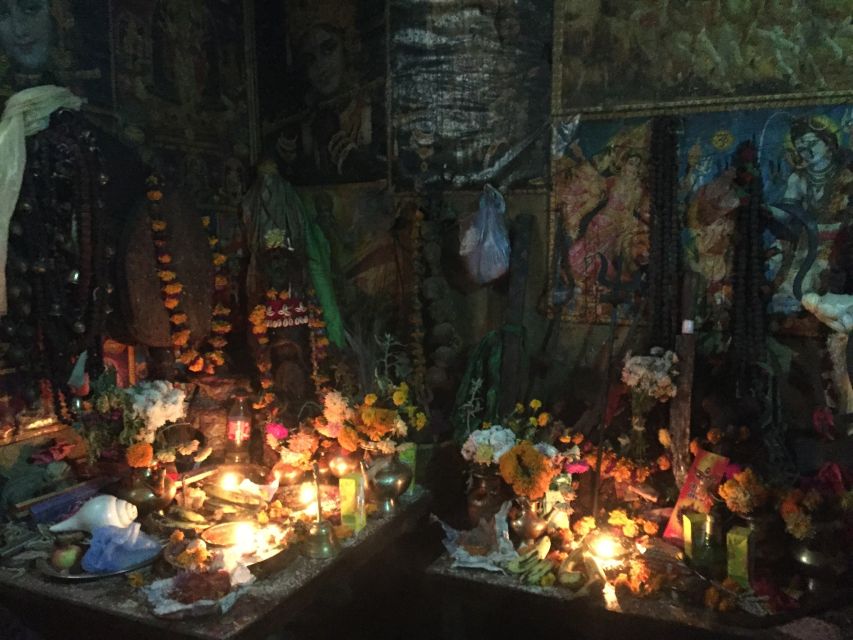
The guided portion lasts about an hour and a half in the Kathmandu area, followed by another guided section of about an hour in the valley. The published schedule is broad, so the exact division between explanation, driving, consultation, food, and temple time may change.
The introduction is one of the strongest parts of the experience for curious visitors. You can ask what a shaman does, how rituals are used, and how people understand problems such as fear, stress, poor sleep, or relationship trouble. The goal is not simply to watch a ceremony. You get some background first, which makes the later ritual easier to follow.
One particularly useful detail comes from the experience of a participant named Maryna. Before the shaman began, she spoke with a guide who was studying mysticism at PhD level. That conversation gave her a chance to discuss the subject in a more academic way before moving into the personal ritual.
That combination is valuable. You hear both a cultural explanation and a spiritual interpretation. Still, you should not assume that every departure includes the same conversation or the same person. The tour information confirms an English-speaking guide, but it does not promise a PhD scholar at every session.
Meeting the shaman at the Kathmandu studio
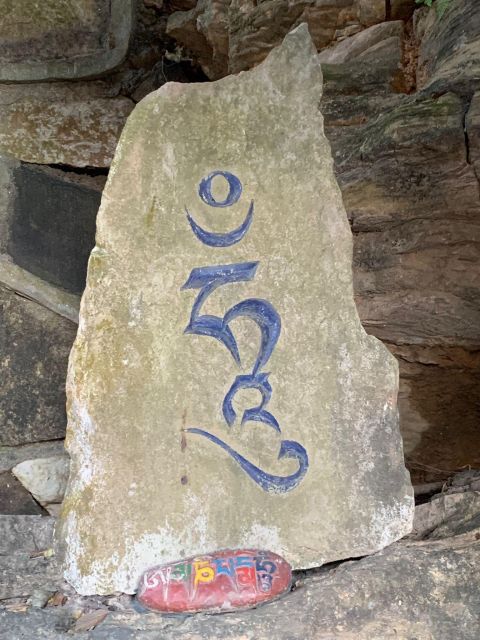
The program takes place in the shaman’s studio. This setting keeps the experience direct and personal. You are not watching a large public ceremony with a crowd around you. You are visiting a practitioner’s place of work, where students may also be learning.
During one completed visit, the shaman’s students were present at the house. That detail gives the meeting a useful teaching element. You may see that shamanism is being passed on through instruction and practice, not treated only as a performance for visitors.
The consultation focuses on your concerns. The description mentions fear, stress, depression, sleep trouble, feeling afraid when alone, relationship tension, and a wish to understand future choices. The shaman may also offer advice about living more happily or protecting a couple from negative influences.
You should go into the meeting with clear expectations. The shaman may ask about your concerns or interpret what she perceives through her own practice. The tradition describes this as scanning the body and identifying possible problems. In Maryna’s case, the session began after the shaman assessed her body and discussed possible issues.
I would treat this as a reflective ritual rather than a test that can diagnose illness. The language of energy and spiritual causes may be meaningful to you, but it is not a substitute for a doctor, psychologist, or sleep specialist. That distinction protects you from expecting a single ceremony to solve a long-standing health problem.
A completely different way to spend the day:
- Half day cooking class in Thamel kathmandu
★ 5.0 · 607 reviews - Everest Base Camp Trekking
★ 5.0 · 485 reviews - Nagarkot Sunrise View and Day Hiking from Kathmandu
★ 5.0 · 471 reviews - Kathmandu: Full Day 7 UNESCO Tour with Lunch – Private/Group
★ 5.0 · 415 reviews
What happens during the healing ritual
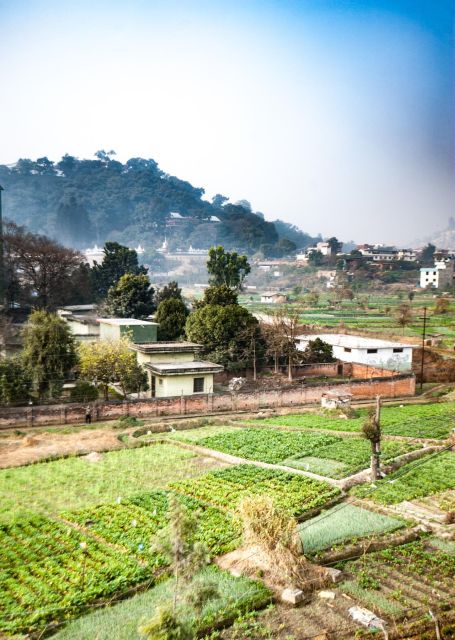
The ritual is the emotional center of the day. The exact actions are not specified, and that is probably deliberate. Shamanic work can vary according to the practitioner and the concern being discussed.
The stated purpose is to remove negative energy and address influences that the tradition may connect with air spirits or the evil eye. The shaman may also offer protective guidance or advice about family and relationships. You are there to take part respectfully, listen, and notice how the process affects you.
Maryna left her session feeling physically lighter and less stressed. That is a useful personal result, but it should not be treated as a guarantee. Spiritual experiences can create relief through ritual, attention, conversation, and a change in mood. The effect may be meaningful even if you interpret the cause differently from the shaman.
Ask your guide for an explanation before the ritual begins. You should know what will happen, what participation involves, and whether you can simply observe at any point. The supplied information does not mention any required dress, physical contact, or special preparation, so do not assume details that have not been explained.
Nepali food and the cooking lesson
Lunch or snacks in a Nepali family setting are included. The program also lists a Nepali cooking course as one of its highlights, giving the day a second cultural element beyond the healing session.
Food helps balance the spiritual material. After an intense conversation or ritual, sitting down for a simple meal can make the day feel more social and grounded. You are not only listening to ideas about shamanism. You are also being welcomed into a family environment and learning about food preparation.
The description does not name the dishes or state how long the cooking lesson lasts. If you have allergies or dietary restrictions, ask about them before the tour. The information only confirms lunch or snacks, not a specific menu.
I like this part because it gives you a practical way to connect with Nepalese culture. A cooking lesson is easier to discuss and remember than an abstract explanation of spiritual energy, and it may become the most relaxed part of the day.
Adding a Buddhist temple to the day
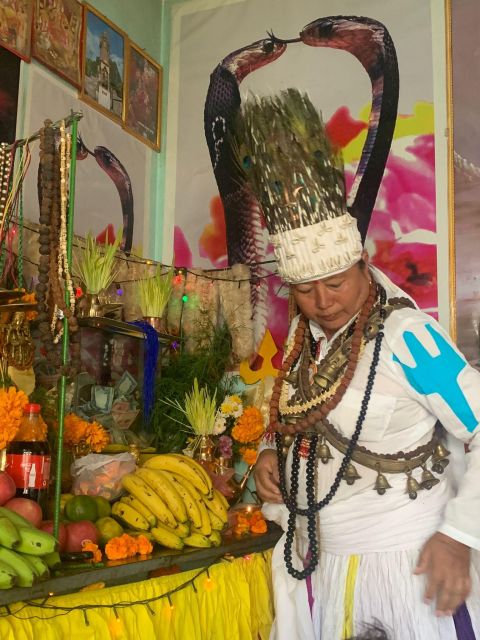
A Buddhist temple visit may form part of the guided time. On one completed day, the participant went to a temple after the shamanic session and watched monks during their daily prayer for about an hour.
This is a strong pairing. Nepal’s religious life does not fit neatly into separate boxes, and a day that includes both shamanic ritual and Buddhist prayer gives you a broader view of local practice. The temple visit also changes the pace. You move from a private healing session to a shared religious setting where you can sit quietly and observe.
The temple is not presented as a guaranteed stop in the fixed outline, so confirm the planned route when you book. If it is included, dress and behave respectfully. Keep your voice low, follow the guide’s instructions, and do not assume that every prayer or ritual is meant for public photography.
The visit described lasted around an hour. That is enough time to watch the daily rhythm without turning the stop into a rushed photo break.
Returning to Thamel after a full day
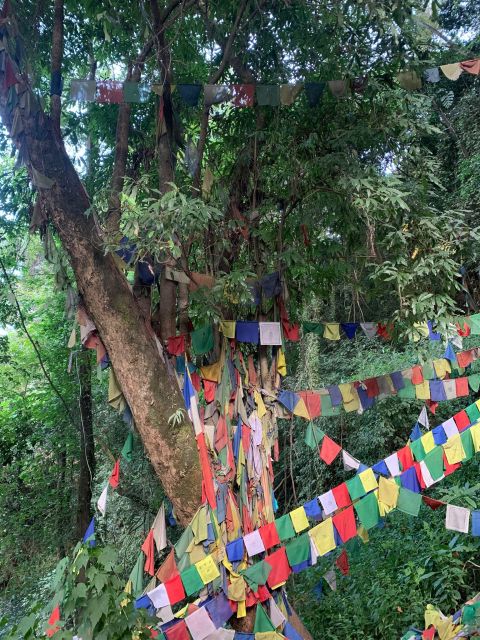
The tour ends back in Thamel. Return transport is included, and one participant was taken back to her hotel by taxi after the temple visit. The exact return arrangement may depend on the group and the day’s route, so confirm whether the included transport ends at your hotel or at a central point.
Because the experience includes a drive, a long guided component, a private consultation, food, and possibly a temple visit, you should keep the rest of your day free. This is not a quick one-hour appointment that fits between two sightseeing stops.
The small-group limit of 10 is helpful here. You are less likely to feel lost in a crowd, and the guide has more room to translate questions and explain unfamiliar ideas. It also means the personal part of the day may depend on how many people in the group want individual attention.
Is $80 a fair price?
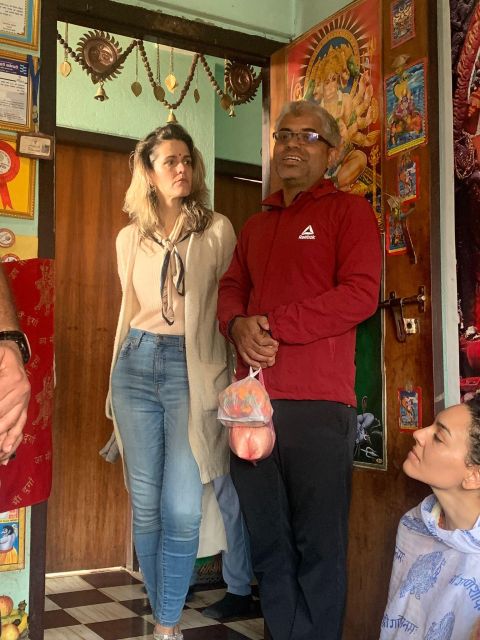
At $80 per person, the price is reasonable if you want a structured introduction rather than an informal visit. It covers transport from Thamel, the shaman consultation and healing fee, an English-speaking guide or translator, and lunch or snacks with a Nepali family.
You are paying for access and interpretation as much as for the ritual itself. Finding a shaman, arranging transport, explaining the custom, and managing communication would take time and effort on your own. The guide also helps you approach the experience with respect.
The value is weaker if you want a conventional sightseeing day. The tour does not focus on major monuments, mountain scenery, or a long list of attractions. You pay for a personal spiritual encounter, cultural context, and the chance to ask questions.
I would also compare the value according to your reason for booking. If you are simply curious about Nepali shamanism, the one-day format is a sensible starting point. If you hope to train as a healer, the operator describes longer courses, so ask about those instead of expecting the day tour to provide advanced instruction.
Who should book this experience?
I would recommend this day to you if you enjoy cultural experiences that are personal, unusual, and not easily found in a standard city tour. It suits people who want to learn how shamanism is practiced, meet a Nepali shaman, and explore the relationship between ritual, belief, and personal wellbeing.
It may also suit you if you are looking for a calm day with a small group and an English-speaking guide. The temple visit and family meal add variety, so the day is not limited to a single ceremony.
I would think twice if you need firm medical answers, guaranteed healing, or a tightly timed sightseeing schedule. The tour describes spiritual methods, not clinical care, and the exact sequence may vary. You should also be comfortable discussing personal concerns in a setting shaped by beliefs that may differ from your own.
The experience has free cancellation up to 24 hours before departure, and you can reserve it without paying immediately. Those terms make it easier to hold a place while you decide, but the key decision is still your expectation of the ritual.
Should you book the Nepali shaman healing day?
Book it if you want a respectful introduction to a living spiritual tradition and you are willing to approach the ritual with an open but sensible mind. The strongest reasons are the small group, included guide and transport, personal consultation, family food, and possible Buddhist temple visit.
Do not book it as a replacement for professional help with depression, anxiety, sleep disorders, or other health problems. Go for cultural understanding and personal reflection, then judge the experience by the quality of the conversation and the meaning you take from it, not by a promise of a guaranteed cure.
FAQ
Where does the shaman healing tour take place?
The program is conducted at a shaman’s studio in Kathmandu, in the Kathmandu Valley area.
Where is pickup provided?
Pickup is provided from your hotel in Thamel. You need to provide your hotel information so the operator can arrange it.
How long does the experience last?
It is a one-day experience. Starting times depend on availability, so you should check the schedule when booking.
What language is the tour conducted in?
The tour is conducted in English and includes an English-speaking live guide or translator.
What is included in the price?
The $80 price includes transport from Thamel to the shaman’s studio and back, the shaman consultation and healing fee, a guide or translator, and lunch or snacks in a Nepali family setting.
How large is the group?
The tour is operated as a small-group experience with a maximum of 10 participants.
Is a cooking lesson included?
Nepali cooking is listed as part of the program. The tour information does not specify the dishes or the length of the lesson.
Will I visit a Buddhist temple?
A Buddhist temple visit can be part of the day. One completed experience included about an hour watching monks during their daily prayer, but you should confirm the exact route for your departure.
Can I cancel the booking?
You can cancel up to 24 hours in advance for a full refund. You can also reserve now and pay later.
New in the Kathmandu listings
- Traditional Momo Making Class★ 5.0 · 10 reviews
- Kathmandu: Ancient City Kirtipur & Pharping Monastery Tour★ 5.0 · 2 reviews
- Kathmandu to Pokhara Premium sofa bus ticket★ 4.0 · 17 reviews
- Women Empowerment Project(Nepali cooking class & jewelry workshop★ 5.0 · 15 reviews
- 7-Day Langtang Valley Trek from Kathmandu★ 5.0 · 1 review
- Kathmandu 2 Nights 3 Days Chitwan Jungle Safari Tour★ 5.0 · 9 reviews
- Yoga Experience Day Trip with Private Transfer From Kathmandu★ 4.0 · 2 reviews
- Wildlife Adventure in Chitwan Nepal★ 4.0 · 4 reviews
Tours, compared.
Private Kathmandu Sightseeing Tour | UNESCO World Heritage sites
Read our review →
Everest Base Camp Helicopter Tour landing at Everest View Hotel
Read our review →
Full Day 7 UNESCO Tour with Lunch – Private/Group
Read our review →
Full Day Top 4 UNESCO Tour with Lunch – Private/Group
Read our review →
Full-Day 7 UNESCO Tour with Lunch – Private/Group
Read our review →