REVIEW · TOURS
Kathmandu Buddhist Pilgrimage Tour
Stillness has a schedule. This private Kathmandu Buddhist pilgrimage tour links four important Buddhist sites in six hours, giving you a focused look at stupas, monastery life, and sacred places tied to Guru Rinpoche. I like the private vehicle, which keeps the day flexible, and I like the calm, respectful tone encouraged by guide Nabin on one recent visit. The main consideration is time: four stops plus driving make this a brisk religious and cultural outing.
I also like the clear price of $68 per person, especially if you value private transport and a simple plan. Entrance fees, donations, meals, and extra activities cost more, so the final bill will be higher than the headline price. Pharping may become your favorite stop, but the guide’s religious background can affect how much detailed Buddhist explanation you receive.
In This Review
- Four places, four different moods
- Why this six-hour tour works
- Starting at Boudhanath Stupa
- Quiet time at Kopan Monastery
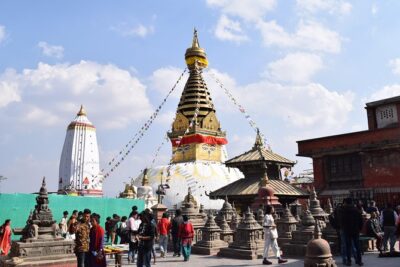
- Visiting Swayambhunath, one of Nepal’s oldest stupas
- Pharping and Dakshinkali: the most reflective stop
- What the $68 price really covers
- The driver, guide, and pace
- Who should book this pilgrimage
- Cancellation and practical booking notes
- Should you book the Kathmandu Buddhist Pilgrimage Tour?
- FAQ
- How long does the Kathmandu Buddhist Pilgrimage Tour last?
- What sites are included?
- Is transportation included?
- Is the tour private?
- What language is available?
- Are entrance fees included?
- Are meals included?
- Where can I be picked up and dropped off?
- Can I cancel the tour?
Four places, four different moods
- Boudhanath Stupa: Begin at Nepal’s largest stupa and a UNESCO site, where the scale and spiritual setting make a strong first stop.
- Kopan Monastery: Spend an hour at this hilltop monastery, with time for a self-guided visit and quiet reflection.
- Swayambhunath Stupa: See one of Nepal’s oldest Buddhist stupas, then take in its place within Kathmandu’s long religious story.
- Pharping and Dakshinkali: End at a sacred area associated with Guru Rinpoche’s meditation, and allow yourself time to slow down.
- Private transport: Your driver handles the road between sites, with pickup and drop-off choices in Thamel or at Buddha Stupa.
- Best for reflective visitors: This suits people interested in Buddhist places, meditation, and culture more than those seeking a packed sightseeing checklist.
Why this six-hour tour works
Kathmandu Valley can feel like several worlds pressed together. Hindu temples, Buddhist stupas, monasteries, old neighborhoods, and modern traffic all share the same space. This tour gives that mix a clear theme: Buddhist worship, sacred geography, and places connected with practice.
The route is also useful if you have limited time. Instead of arranging separate taxis or trying to work out the order yourself, you have a private vehicle and a driver who knows the stops. The experience is listed for a private group, so you are not tied to a large coach schedule or a stranger’s preferred pace.
Still, six hours is not a long day for four major stops. The planned sightseeing time is about one hour at Boudhanath, one hour at Kopan, one hour at Swayambhunath, and one hour at Pharping. That leaves limited room for the journey between them. If you want long meditation sessions, extended conversations with monks, or a leisurely meal, this schedule will feel too tight.
A short list of alternatives around Kathmandu
- Everest Base Camp Trek – 14 Days
★ 5.0 · 1,499 reviews - Private Kathmandu Sightseeing Tour | UNESCO World Heritage sites
★ 5.0 · 756 reviews - Everest Base Camp Helicopter Tour landing at Everest View Hotel
★ 5.0 · 668 reviews
Starting at Boudhanath Stupa
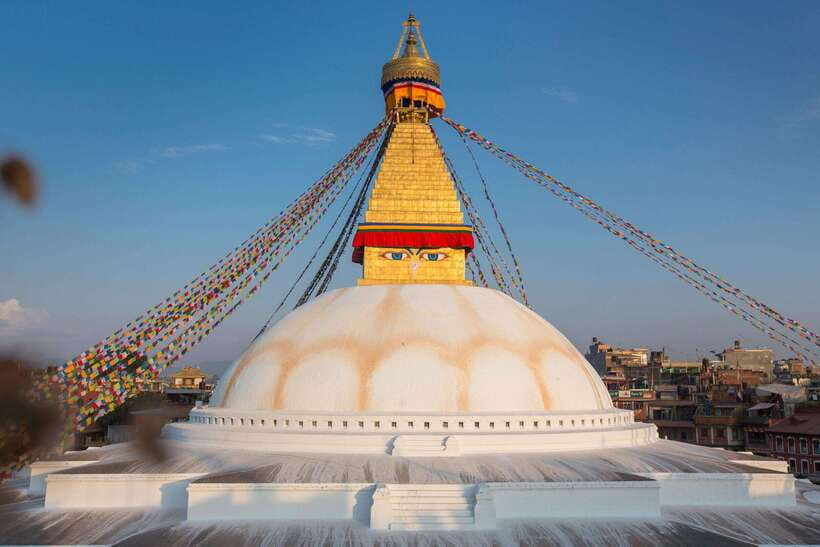
Boudhanath is the tour’s largest and most imposing stop. It is the biggest stupa in Nepal and a UNESCO site, so it gives you an immediate sense of the scale of Buddhist worship in the valley.
You have about an hour here. That is enough for a purposeful visit, but not enough to linger indefinitely. Use the time to look closely at the stupa’s form, watch the steady rhythm of worship, and absorb the setting rather than rushing through it as a photo stop.
I would begin by taking a moment to get oriented. The point of a stupa visit is not simply to walk around a landmark. It is a place of devotion, and your behavior matters. Keep your voice low, follow any local direction, and treat the site as a functioning religious place rather than a monument built only for sightseeing.
Boudhanath is a good opening stop because it gives you a broad introduction before the day moves toward smaller and quieter settings. If you are new to Buddhism, this is a useful place to ask your guide basic questions about stupas and Buddhist practice. The tour’s English-speaking driver can help with practical communication, though the depth of religious explanation may vary.
Quiet time at Kopan Monastery
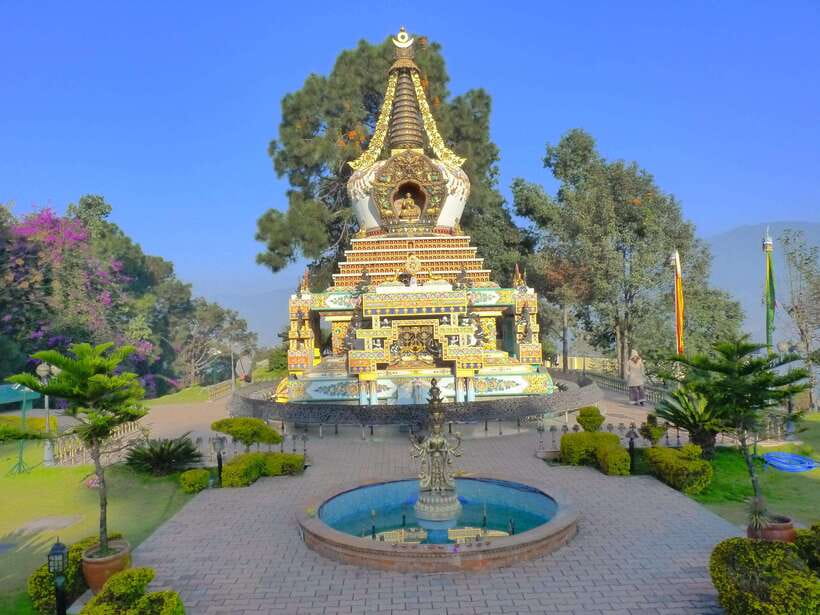
Kopan Monastery brings a different mood. Set on a hill, it offers a more secluded setting than Boudhanath, and the visit is described as a self-guided hour. That distinction matters. You should expect time to look around and reflect, not necessarily a formal lecture or a scheduled teaching session.
I like this part of the tour for visitors who want a pause between larger sightseeing stops. The monastery gives you room to notice the quieter side of Kathmandu’s Buddhist life. It is also the place where a flexible private arrangement can help. You can use your hour for silent observation instead of being pushed from one view to the next.
Do not arrive expecting guaranteed access to every part of the monastery or a private meeting with monks. The information provided does not promise ceremonies, teachings, or a meditation class. Treat the stop as an opportunity to visit respectfully and enjoy the atmosphere.
One useful detail comes from a recent booking: guide Nabin was praised for being courteous, kind, and willing to give his visitor space to meditate. That is exactly the right approach for Kopan. A guide does not need to fill every quiet moment with facts. Sometimes the best service is knowing when to step back.
Visiting Swayambhunath, one of Nepal’s oldest stupas
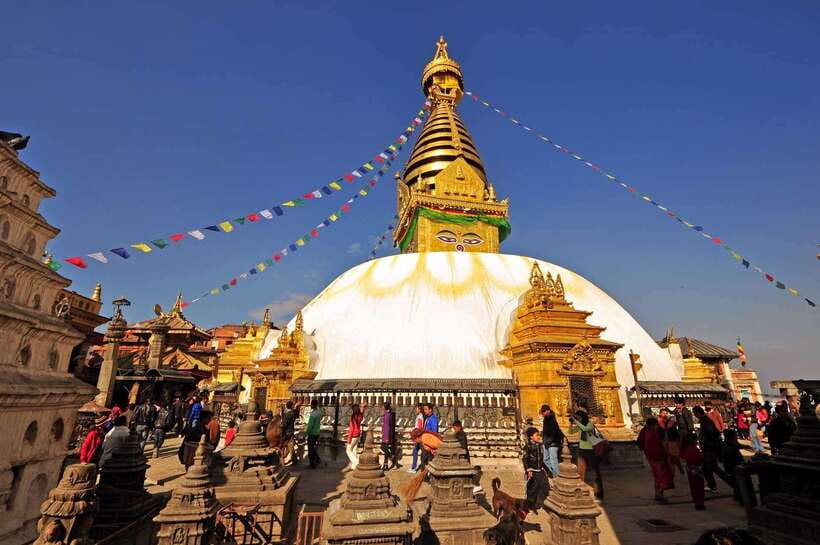
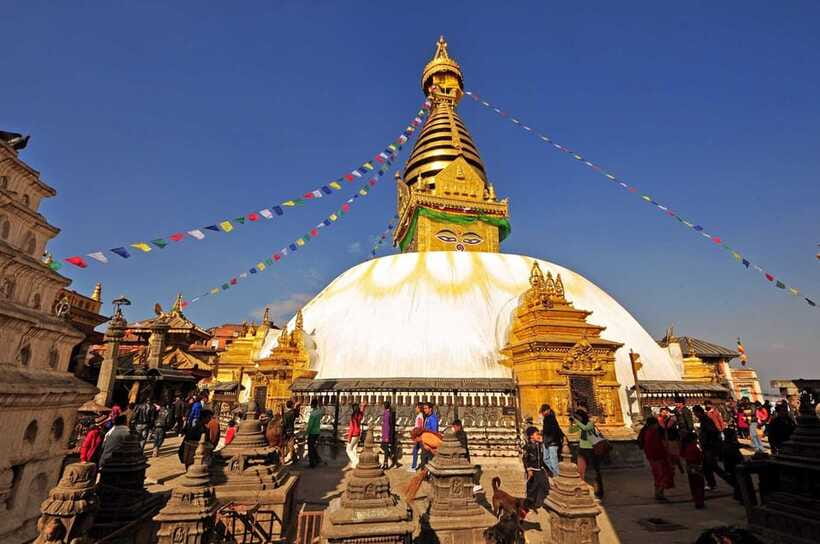
Swayambhunath is described as one of the oldest Buddhist stupas in Nepal. It is an important historical and religious stop, and it gives the tour a strong connection to the long development of Buddhist practice in the valley.
The scheduled visit lasts about an hour and is self-guided. That means you should plan to make your own experience here. Look at the stupa, observe the religious setting, and use the time to connect the earlier stops with this older sacred center.
The benefit of a self-guided hour is freedom. You can move at your own speed and focus on the details that matter to you. The drawback is that you may need to arrive with questions ready if you want a deeper explanation. The tour does not promise a specialist Buddhist scholar, and the available feedback suggests that the religious background of the person accompanying you can shape the amount of detail you receive.
This is a good place to stay patient. A short stop can feel hurried if you try to understand every symbol at once. Choose a few things to notice, then give yourself time to sit quietly and watch the site function as a place of worship.
A completely different way to spend the day:
- Half day cooking class in Thamel kathmandu
★ 5.0 · 607 reviews - Everest Base Camp Trekking
★ 5.0 · 485 reviews - Nagarkot Sunrise View and Day Hiking from Kathmandu
★ 5.0 · 471 reviews - Kathmandu: Full Day 7 UNESCO Tour with Lunch – Private/Group
★ 5.0 · 415 reviews
Pharping and Dakshinkali: the most reflective stop
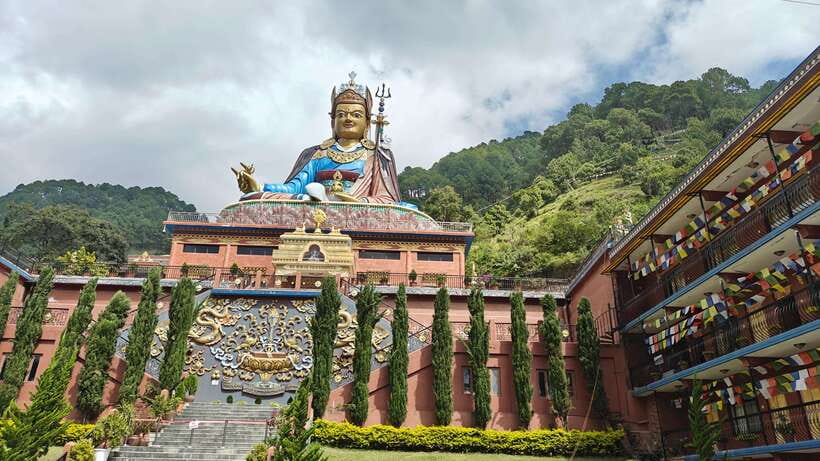
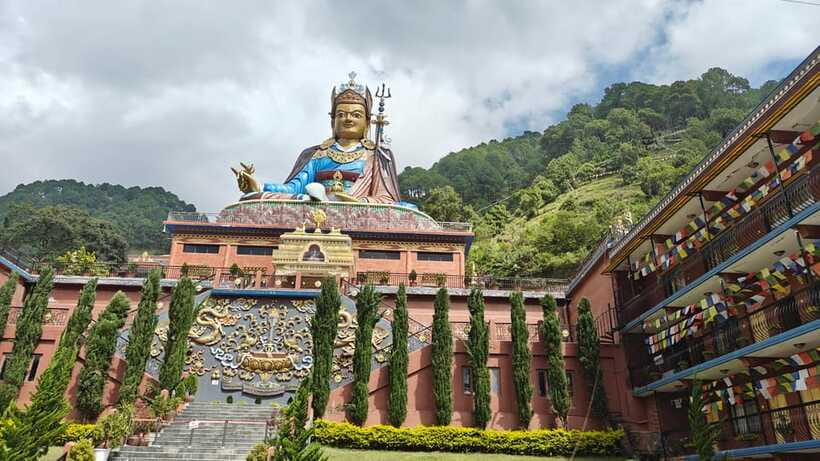
Pharping is likely to be the emotional center of the day. The area is connected with Guru Rinpoche, also known as Padmasambhava, who is said in the tour material to have meditated there. A recent visitor especially valued Pharping, describing it as the place where Padmasambhava attained enlightenment.
The wording around sacred places matters. You are not visiting a standard museum with one fixed interpretation. Pharping carries religious meaning, and the value of the stop comes partly from the atmosphere and the tradition attached to it. If you are open to that kind of visit, the final hour can feel more personal than simply checking another landmark off a list.
This is also where you should protect your own pace. You may want to meditate, sit quietly, or simply think about the day. Nabin’s respectful habit of allowing space was especially appreciated, and that kind of restraint can make a real difference at a place intended for contemplation.
The itinerary names Pharping Dakshinkali together, but it does not spell out every activity included there. You should not assume a ceremony, formal meditation session, or special access. You receive sightseeing time and a self-guided visit, with any donations or extra activities left to you.
What the $68 price really covers
At $68 per person, the tour offers a private vehicle, an experienced driver, and government taxes and service charges. The strongest value comes from convenience. You have one arranged route, private transport, and pickup and return choices instead of piecing together transport between four sites.
The price does not include entrance fees. It also excludes travel insurance, donations at monasteries or temples, meals, and activities not named in the plan. You should budget for those separately and carry enough money for religious donations or admission charges if required at the sites.
Value depends on your group size. For one person, $68 is a reasonable convenience fee if you want private transport and a short, organized pilgrimage day. For two or more people sharing the booking, the arrangement may feel more attractive because the vehicle and service support the whole private group.
The tour is not the best value if you want a fully guided academic study of Buddhism. The information promises an English-speaking driver, but it does not promise a specialist guide at every site. You are paying mainly for transport, route planning, and access to several important places in one day.
The driver, guide, and pace
The available experience with this tour points to a helpful division of roles. Nabin was described as courteous, kind, and respectful of meditation time, while driver Sujit was praised as excellent. Those personal qualities matter on a short spiritual outing. A rushed or intrusive companion could change the tone of the day.
At the same time, a recent visitor felt Nabin was not as informed about Buddhism as desired because he is Hindu. That is a fair limitation to keep in mind. Religious respect and practical help are valuable, but they are not the same as detailed Buddhist instruction.
The tour is conducted in English, and the driver is listed as English-speaking. If you want specific information about Guru Rinpoche, Buddhist symbols, monastery rules, or the meaning of rituals, ask before setting out. Clear questions can help you get more from the self-guided stops.
Your pickup choices are Buddha Stupa or Thamel, and you can return to Thamel or Buddha Stupa. Confirm the exact meeting point when you book, especially since Buddha Stupa may refer to the Boudhanath area. The private format makes this simpler than joining a large group, but precise communication still helps.
Who should book this pilgrimage
I would recommend this tour to you if you have one free day, want to see several major Buddhist sites, and prefer private transport. It also suits first-time visitors who want an introduction without arranging every transfer themselves.
You will get the most from it if you appreciate quiet observation. The day is not built around entertainment, shopping, or a long meal. It is built around sacred places, short visits, and the chance to notice how Buddhism is practiced and remembered across the valley.
It may not suit wheelchair users, who are specifically listed as unable to take part. It may also disappoint you if you expect a long formal teaching, extensive guided interpretation, or unhurried time at every site.
Plan your expectations carefully. This is a compact pilgrimage route, not a retreat. The private vehicle gives you comfort and control, but the schedule still asks you to keep moving.
Cancellation and practical booking notes
You can cancel up to 24 hours before the tour for a full refund. The reserve-now, pay-later option keeps your plans flexible and means you do not have to pay at the time of booking.
The experience lasts six hours, but starting times depend on availability. Entrance fees, insurance, donations, meals, and extra activities are not included. The tour is for a private group, and the stated language is English.
Should you book the Kathmandu Buddhist Pilgrimage Tour?
Book it if you want an efficient, private introduction to Boudhanath, Kopan, Swayambhunath, and Pharping. The best reasons are the four-stop route, the private vehicle, the reasonable $68 starting price, and the respectful approach praised in the experience with Nabin and Sujit.
Think twice if you need detailed Buddhist teaching or plenty of time at each place. The self-guided stops and tight six-hour schedule make this better for cultural orientation and personal reflection than for serious religious study.
If Pharping’s connection with Guru Rinpoche speaks to you, give that final stop your full attention. It may be the place that turns a simple sightseeing day into something quieter and more meaningful.
FAQ
How long does the Kathmandu Buddhist Pilgrimage Tour last?
The tour lasts six hours, including visits to Boudhanath, Kopan Monastery, Swayambhunath, and Pharping Dakshinkali.
What sites are included?
The route includes Boudhanath Stupa, Kopan Monastery, Swayambhunath Temple, and Pharping Dakshinkali.
Is transportation included?
Yes. A private vehicle with an experienced driver is included.
Is the tour private?
Yes. The activity is offered for a private group.
What language is available?
The listed language is English, and the driver is described as English-speaking.
Are entrance fees included?
No. Entrance fees are not included in the price.
Are meals included?
No. Meals and extra activities not mentioned in the plan are excluded.
Where can I be picked up and dropped off?
Pickup is available from Buddha Stupa or Thamel. Drop-off is available at Thamel or Buddha Stupa.
Can I cancel the tour?
Yes. You can cancel up to 24 hours in advance for a full refund. You can also reserve now and pay later.
New in the Kathmandu listings
- Traditional Momo Making Class★ 5.0 · 10 reviews
- Kathmandu: Ancient City Kirtipur & Pharping Monastery Tour★ 5.0 · 2 reviews
- Kathmandu to Pokhara Premium sofa bus ticket★ 4.0 · 17 reviews
- Women Empowerment Project(Nepali cooking class & jewelry workshop★ 5.0 · 15 reviews
- Yoga Experience Day Trip with Private Transfer From Kathmandu★ 4.0 · 2 reviews
- 7-Day Langtang Valley Trek from Kathmandu★ 5.0 · 1 review
- Kathmandu 2 Nights 3 Days Chitwan Jungle Safari Tour★ 5.0 · 9 reviews
- Wildlife Adventure in Chitwan Nepal★ 4.0 · 4 reviews
Tours, compared.
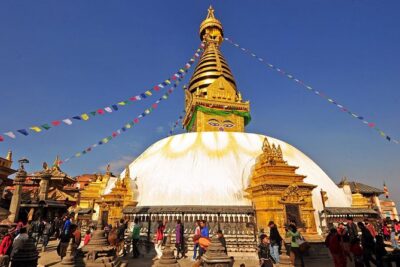
Private Kathmandu Sightseeing Tour | UNESCO World Heritage sites
Read our review →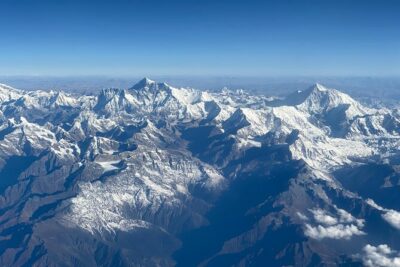
Everest Base Camp Helicopter Tour landing at Everest View Hotel
Read our review →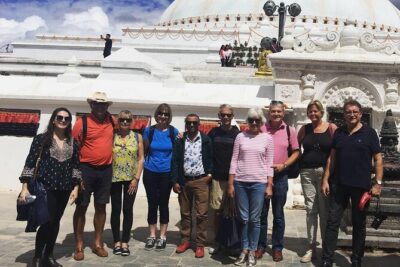
Full Day 7 UNESCO Tour with Lunch – Private/Group
Read our review →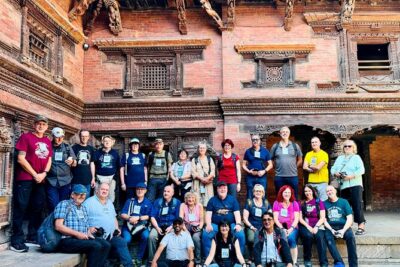
Full Day Top 4 UNESCO Tour with Lunch – Private/Group
Read our review →
Full-Day 7 UNESCO Tour with Lunch – Private/Group
Read our review →