REVIEW · TOURS
Kathmandu: Kailash Mansarovar Yatra Tour 2025
Sacred mountains demand serious preparation. This 15-day Kailash Mansarovar Yatra links Kathmandu’s temples with Tibet’s high plateau, Lake Mansarovar, and the demanding three-day Kora around Mount Kailash. I like the way the trip gives you time in Nepal before heading north, and I like the small group size, limited to 10 people. The main concern is the remote setting: roads can close, accommodation can be basic, and unexpected extra nights are paid by you.
I also appreciate that the price of $4,013 per person covers major permits, transport, guides, entrance fees, and nine nights in Tibet. The difficult part is reading the fine print carefully. Lunches and dinners during the Kailash portion, porter or pony support, insurance, visa costs, and possible delays are extra. This is a serious pilgrimage and high-altitude trek, not a sightseeing holiday with a few easy walks.
In This Review
- Five things to know before booking
- Why Mount Kailash and Lake Mansarovar matter
- Days 1 to 4: Kathmandu temples and a Nagarkot hike
- Days 5 to 7: Rough roads from Rasuwagadhi to Saga
- Days 8 and 9: First sight of Lake Mansarovar
- Days 10 to 12: The three-day Kailash Kora
- Days 13 to 15: Returning through Kerung and Kathmandu
- What the $4,013 price really covers
- Accommodation, food, and road conditions
- Preparation, rules, and who should go
- Should you book the Kailash Mansarovar Yatra?
- FAQ
- How long is the Kailash Mansarovar Yatra?
- What is the price per person?
- Is international airfare included?
- Is the Chinese visa fee included?
- What accommodation is provided in Tibet?
- Are meals included during the Tibet portion?
- Can I hire a porter for the Kora?
- Can I hire a pony for the trek?
- How large is the tour group?
- Is the tour suitable for people with heart or back problems?
Five things to know before booking
- The Kailash Kora reaches Droma La Pass: The highest point is the toughest part of the trek, and good fitness is needed.
- Kathmandu gives the journey a strong opening: You visit four UNESCO World Heritage Sites, then explore Patan, Bhaktapur, and Nagarkot.
- The trip crosses from Nepal into Tibet by road: The route through Rasuwagadhi and Kerung can be rough, slow, and affected by landslides.
- Accommodation changes sharply: Tibet includes six nights in three-star hotels and three nights in shared guest houses, with Zutulpuk likely to feel the most basic.
- Support is a major strength: English-speaking guides, a group limit of 10, permits, private vehicles, and airport transfers reduce much of the logistical burden.
- Build in financial and schedule flexibility: Weather or political conditions may force extra nights, and those costs belong to you.
Why Mount Kailash and Lake Mansarovar matter
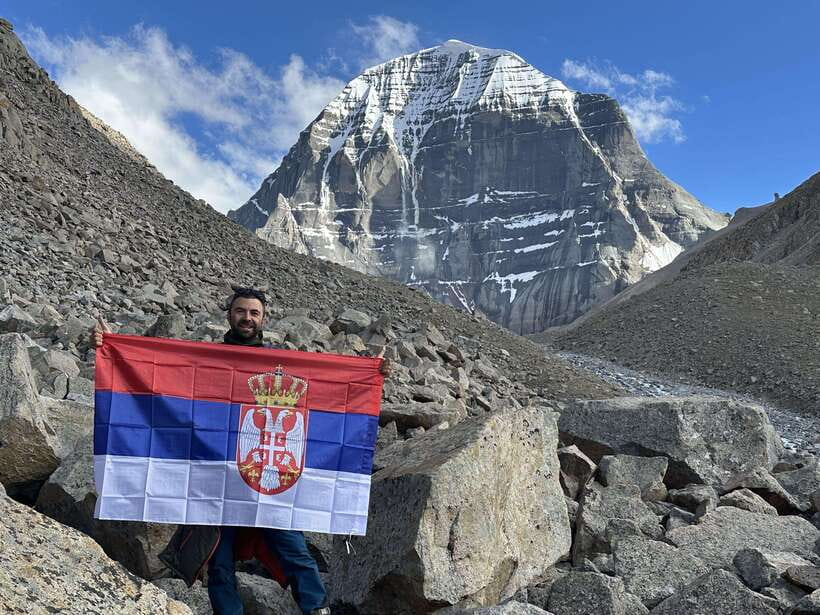
Mount Kailash is sacred to Hindus, Buddhists, Jains, and Bon followers. The mountain is not simply a scenic peak on this journey. It is the focus of prayer, ritual, and the Kora, the circumambulation that gives the trek its spiritual purpose.
Lake Mansarovar carries its own importance. The itinerary allows time for rituals beside the lake, and previous participants valued bathing in its clear water and visiting sacred sites such as Charan Sparsh. You should approach these moments with respect, even if you are not Hindu or do not follow one of the traditions connected with Kailash.
The setting also changes quickly. Kathmandu offers temples, courtyards, and dense city life. Beyond the border, Tibet brings open plateau scenery, high passes, large skies, and long drives between settlements. The change is one of the most striking parts of the trip, but it also means fewer services and less room for casual changes to your plan.
A short list of alternatives around Kathmandu
- Everest Base Camp Trek – 14 Days
★ 5.0 · 1,499 reviews - Private Kathmandu Sightseeing Tour | UNESCO World Heritage sites
★ 5.0 · 756 reviews - Everest Base Camp Helicopter Tour landing at Everest View Hotel
★ 5.0 · 668 reviews
Days 1 to 4: Kathmandu temples and a Nagarkot hike
Your first day is deliberately light. You arrive at Tribhuvan International Airport, meet your transfer, and settle into a three-star Kathmandu hotel. Rest matters here. The trip ahead involves altitude, long road journeys, and a demanding trek, so this is not the time to fill every spare hour.
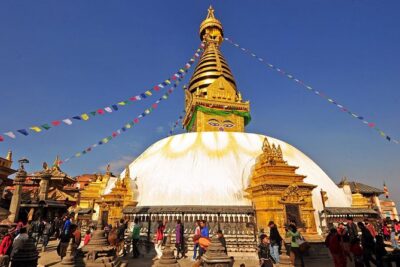
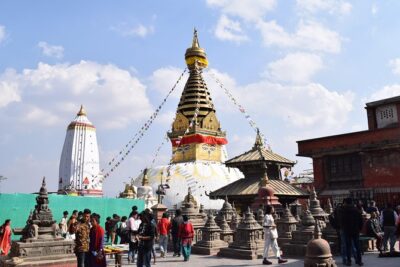
Day two introduces Kathmandu’s major religious and historic sites. You visit Kathmandu Durbar Square, Swayambhunath, Boudhanath Stupa, and Pashupatinath Temple by private vehicle. Entrance fees, fuel, a driver, and a Kathmandu guide are included, which keeps the day simple and efficient.
Pashupatinath is especially meaningful for Hindu participants. You can observe worship and cremation rituals from the appropriate public areas, while other visitors can appreciate the temple complex as an important religious center. Swayambhunath and Boudhanath offer a different tone, with Buddhist symbols and prayer traditions. The four sites make a useful introduction to Nepal before you cross into Tibet.
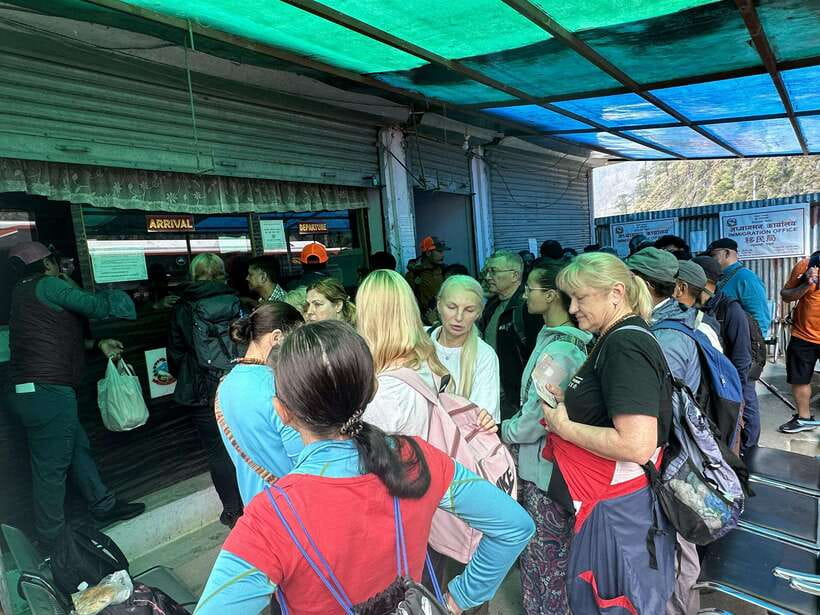
Visa processing takes place on this day, and your original passport is needed for the Tibet Travel Permit and Chinese Group Visa. One previous participant received the passport back after four days with copies of the visa and permit. Keep your own photocopy and digital backup of your passport, since you may not have the original while processing is underway.
Day three visits Patan and Bhaktapur. Both old cities are known for Newari design, carved wood, brick courtyards, and handsome Durbar Squares. This is a good day to look closely rather than rush. The architecture provides a strong contrast with the vast, spare scenery you will see later.
Day four includes a hike between Bhaktapur and Nagarkot. The walk gives you a taste of Nepalese hill country and offers Himalayan views when conditions are clear. It also works as a useful check on your readiness. You are not yet at Tibetan altitude, but the hike reminds you that the Kora will require steady effort rather than speed.
Days 5 to 7: Rough roads from Rasuwagadhi to Saga
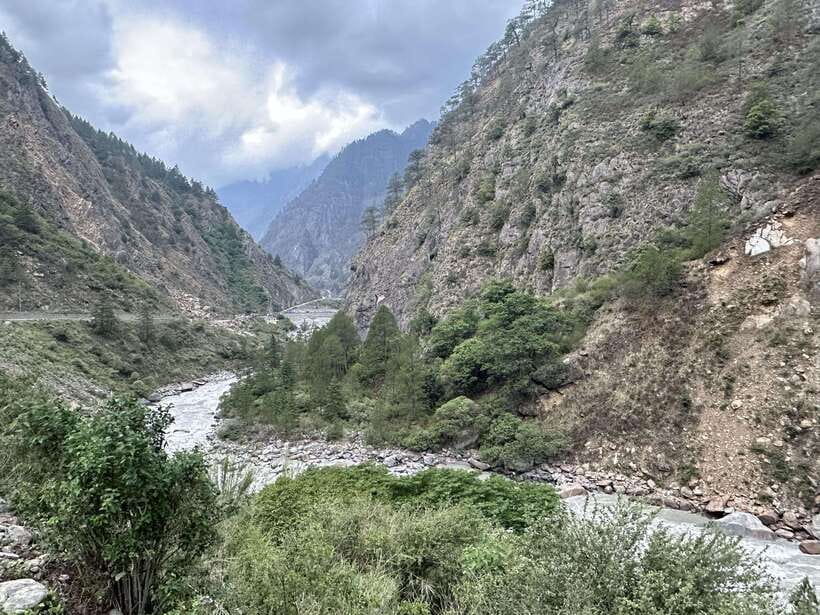
Day five takes you by private jeep toward Rasuwagadhi, the Nepalese border area near Langtang. The road journey is part of the experience, but it is not polished transport. Rough sections, steep turns, and hills can make the drive tiring. One participant described the Nepal side as thrilling but full of rough roads and many bends.
You can pay extra for a helicopter from Kathmandu to Rasuwagadhi if road travel is a concern. A private helicopter costs $1,600, while a shared helicopter costs $320 per person. These prices are not included, so treat the helicopter as an optional expense rather than part of the advertised tour cost.
After crossing into Tibet on day six, you continue to Kerung. This is an important acclimatization point. You will notice the change in scenery and culture quickly, and the town provides time to adjust before the route climbs and stretches farther across the plateau.
Day seven brings a long drive to Saga. The route offers views of the Tibetan plateau and the Brahmaputra River. Saga is less about sightseeing in the usual sense and more about getting your body used to altitude while moving toward the sacred sites.
The schedule includes acclimatization days, but you should not treat that as a guarantee against altitude problems. Move slowly, drink water, follow the guide’s instructions, and report symptoms promptly. Weather can change fast, and road conditions can change the schedule with little warning.
Days 8 and 9: First sight of Lake Mansarovar
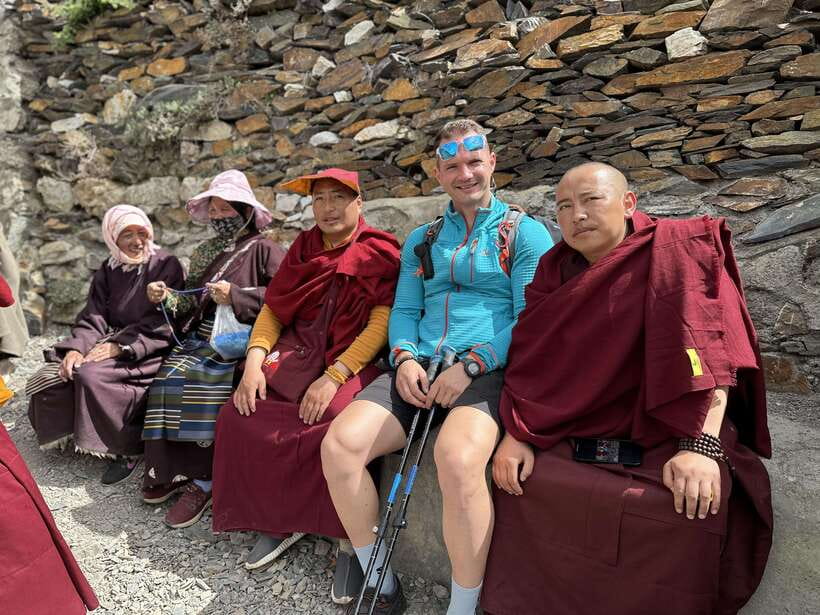
On day eight, you reach Lake Mansarovar. This is one of the emotional high points of the journey. The lake’s still water, surrounding mountains, and religious importance create a quieter experience than the busy temple days in Kathmandu.
The itinerary includes time for spiritual rituals by the lake. Some participants choose to bathe in the water, while others may prefer prayer, reflection, or simply sitting quietly. Bring warm clothing, sunscreen, water, snacks, and a hat. High-altitude sun can be strong even when the air feels cold.
You should also keep expectations practical. This is a remote stop, and the accommodation is a shared guest house rather than a comfortable hotel. Breakfast is included for the nine mornings in Tibet, but lunch and dinner during the Kailash tour are not included. Carry cash for personal expenses because ATMs may not be available.
Day nine is a shorter drive to Darchen, the base for the Mount Kailash Kora. This is the place to organize your day pack, check your footwear, and decide if you need extra carrying support. Darchen is also where you should pay attention to your energy levels. If altitude is affecting you, the guide needs to know before the trek begins.
A completely different way to spend the day:
- Half day cooking class in Thamel kathmandu
★ 5.0 · 607 reviews - Everest Base Camp Trekking
★ 5.0 · 485 reviews - Nagarkot Sunrise View and Day Hiking from Kathmandu
★ 5.0 · 471 reviews - Kathmandu: Full Day 7 UNESCO Tour with Lunch – Private/Group
★ 5.0 · 415 reviews
Days 10 to 12: The three-day Kailash Kora
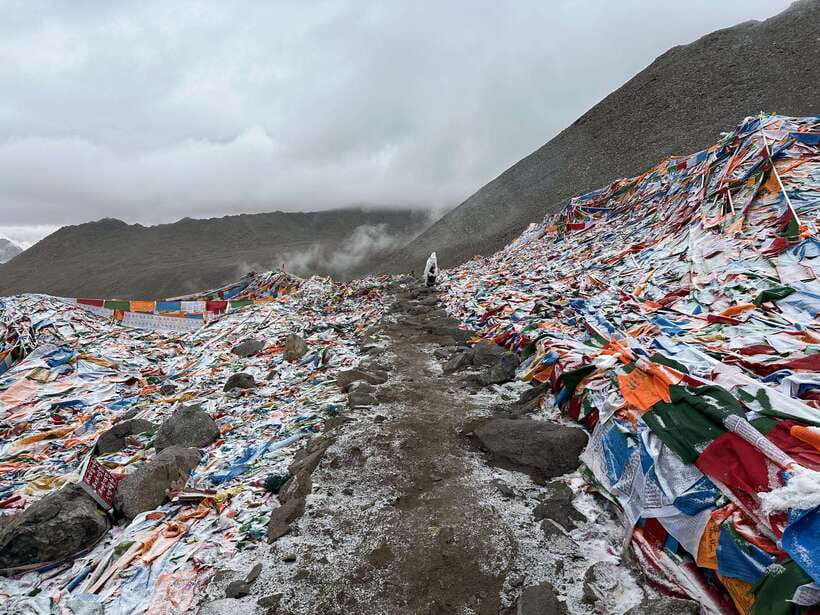
Day ten starts the Kora with the trek to Derapuk. The route offers views of Mount Kailash’s north face, one of the journey’s most memorable sights. The spiritual meaning is central, but the physical setting matters too: open ground, thin air, and a trail that demands an even pace.
A porter can carry up to 12 kilograms, including food and accommodation for the three trekking days. The fee is $350. A pony costs $600 for three days if you need one. These are substantial additions, but they may be worthwhile if carrying a full pack would make the trek unsafe or unnecessarily hard.
Day eleven is the test. You cross Droma La Pass, the highest point of the Kora, before continuing toward Zutulpuk Monastery. This section can be very difficult, especially because altitude and uneven ground add to the effort. You should not plan to race, and you should not assume your performance at sea level predicts how you will feel here.
Zutulpuk accommodation is shared and basic. One person found it poor enough to prefer outdoor toilets, while another said the basic conditions were reasonable for such a remote location. That difference captures the right expectation: you may accept the guest house as part of the pilgrimage, but comfort is not the selling point.
Day twelve completes the Kora and returns you to Darchen before the drive back to Saga. Finishing the circumambulation can feel significant, whether your purpose is religious, personal, or simply a wish to walk one of the world’s great mountain routes. The return drive is long, so keep some energy for the road rather than treating the trek’s finish as the end of the day.
Days 13 to 15: Returning through Kerung and Kathmandu
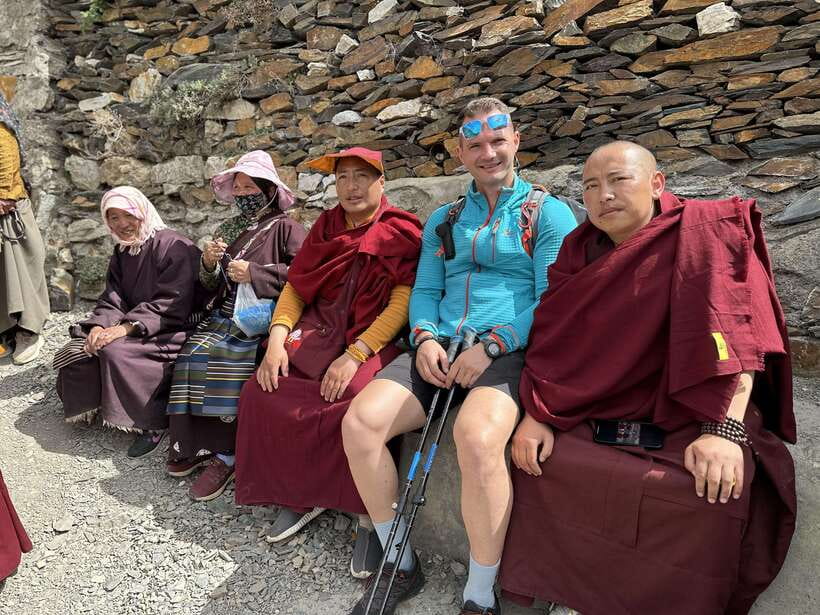
Day thirteen retraces the route to Kerung. The Tibetan scenery may look different on the way back, partly because you now understand the distances and partly because the Kora has changed the rhythm of the trip.
Day fourteen crosses back into Nepal and continues to Kathmandu. Do not schedule an important international connection immediately after this return. Rain and landslides have caused delays, including an extra night in Kerung. The tour terms place the cost of additional accommodation and services on you when natural or political conditions extend the itinerary.
An extra night or two in Kathmandu at the end is sensible. It gives you a cushion after the border crossing and a chance to enjoy the capital without watching the clock. It also protects your international flight plans if the road from Tibet is delayed.
Day fifteen is your airport transfer and departure. The transfer is arranged according to your flight details, so provide those details clearly before arrival.
What the $4,013 price really covers
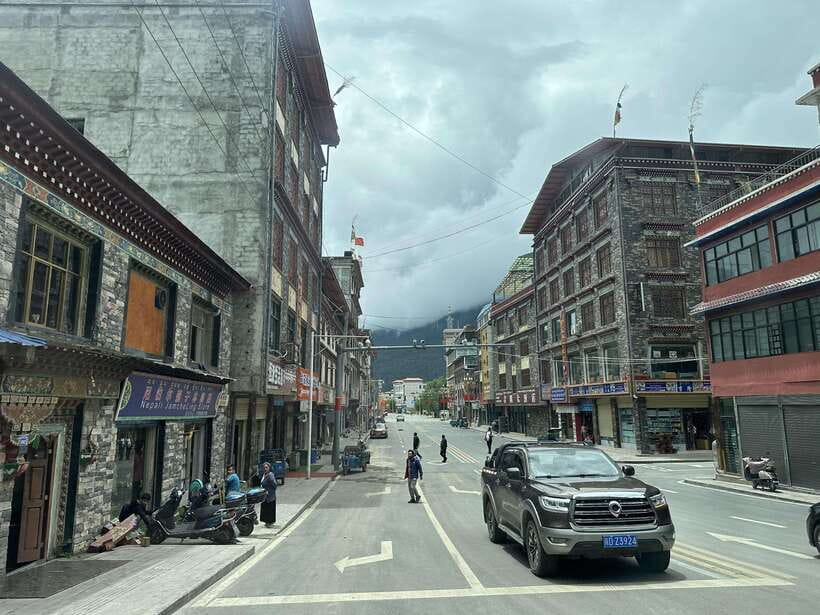
At first glance, $4,013 is a large fee. The value becomes clearer when you separate the included infrastructure from the personal extras. The price covers Kathmandu airport transfers, Kathmandu transport and entrance fees, the Nagarkot hike, private jeep transport to and from Rasuwagadhi, transport throughout Tibet, accommodation in Tibet, breakfast on nine mornings, an English-speaking Tibetan guide, entrance fees, permits, and government taxes.
A small group capped at 10 is valuable here. Border procedures, permit checks, long drives, and high-altitude decisions are easier to manage with a compact group than with a large coach party. The guide can also keep a closer eye on your pace and condition during the Kora.
The price does not cover international flights, travel insurance, Nepal visa fees, the Chinese visa fee of $250 for American, Canadian, and British passport holders, or Kathmandu meals. Lunch and dinner during the Kailash section are also extra. Add $350 for a porter or $600 for a pony if you need support.
The biggest financial risk is delay. If a landslide, weather event, or political issue keeps you in Kerung or another stop beyond the scheduled plan, you pay the added costs. Travel insurance is not optional in practical terms, even though it is not included.
Accommodation, food, and road conditions
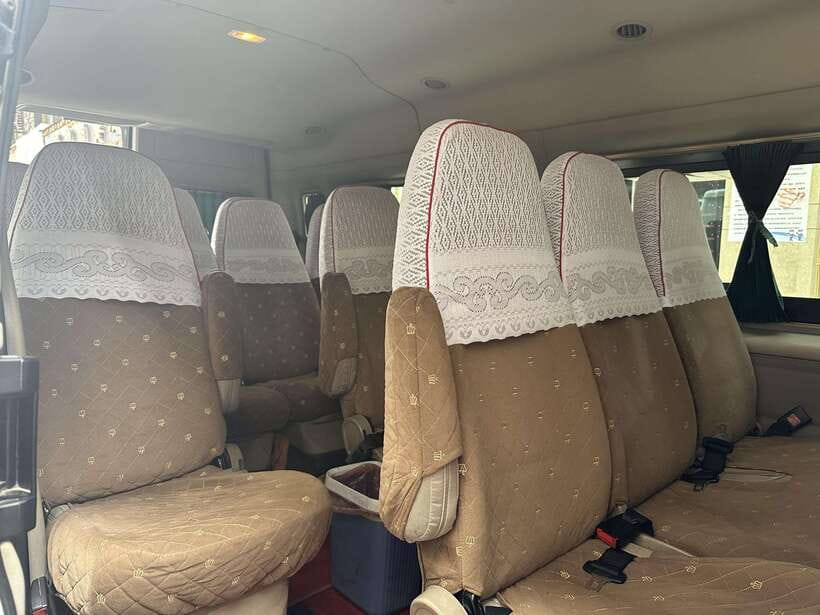
Kathmandu uses three-star hotels with breakfast. The Tibet plan includes six nights in three-star hotels and three nights in shared guest houses at Mansarovar, Darchen, and Zutulpuk. The guest houses are the weak point for anyone expecting hotel-level comfort.
Food is only partly covered. Breakfast is included on the nine Tibet mornings, but lunch and dinner are yours to arrange and pay for. Bring snacks that travel well, especially for long road days and the Kora. Cash is important because card payments and ATMs may not be available.
Transport is private jeep travel from Kathmandu to Rasuwagadhi and back, plus the vehicles used within Tibet. Private transport gives the group control over its route, but it does not make the roads smooth. Expect rough sections in Nepal and long drives in Tibet. The journey is a test of patience as much as a way to reach the mountain.
Preparation, rules, and who should go
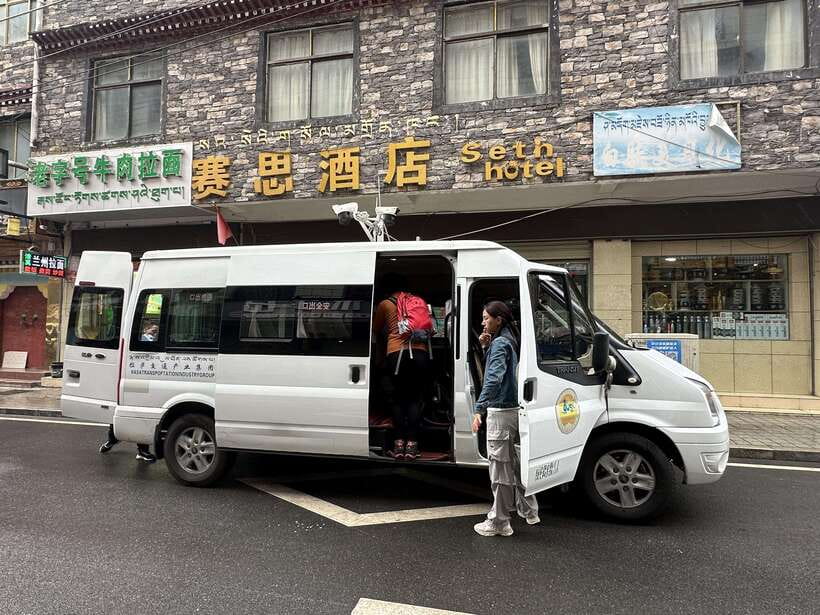
You need good fitness for the high-altitude trek. Comfortable shoes and warm clothing are basic requirements, not suggestions. Pack a hat, sunscreen, water, snacks, and a camera, but keep your luggage practical.
The tour is not suitable for children under 10, pregnant women, people with back or heart problems, or wheelchair users. If you have a medical concern, take professional advice before booking. The itinerary includes acclimatization, but no schedule can remove the risks of high altitude.
You must respect local customs and avoid alcohol, drugs, and littering. Tibet also has strict rules about material connected with the Dalai Lama and other Tibetan leaders. Do not carry related photos, books, CDs, DVDs, or digital material, and do not post related content on social media during the Tibet portion.
Support from the operating team is one of the strongest parts of the plan. Mr. CarKey provided useful pre-trip guidance and assistance during the journey, and the Kathmandu and Tibetan guides helped keep the complicated border, permit, and transport arrangements organized. That support matters more here than fancy hotel rooms.
Should you book the Kailash Mansarovar Yatra?
You should book this trip if Mount Kailash and Lake Mansarovar are your main reason for going, you can handle a demanding high-altitude trek, and you accept basic accommodation and uncertain road conditions. The strongest features are the spiritual focus, the well-planned Nepal introduction, the small group, the included permits and transport, and the guide support.
You should think twice if you need comfortable hotels, flexible independent travel, or a tightly fixed schedule. Add money for food, insurance, visas, possible delays, and porter support. Plan for the May to August period if possible, since that is considered the better travel window, though conditions can still change.
For the right person, this is not an ordinary tour. It is a physically demanding pilgrimage supported by practical logistics. Go prepared, leave room in your schedule, and you will be better placed to appreciate the mountain, the lake, and the meaning of the Kora.
FAQ
How long is the Kailash Mansarovar Yatra?
The tour lasts 15 days, beginning and ending in Kathmandu.
What is the price per person?
The listed price is $4,013 per person.
Is international airfare included?
No. International airfare, travel insurance, and Nepal visa fees are not included.
Is the Chinese visa fee included?
No. American, Canadian, and British passport holders must pay an additional Chinese visa fee of $250.
What accommodation is provided in Tibet?
You receive six nights in three-star hotels and three nights in shared guest houses at Mansarovar, Darchen, and Zutulpuk.
Are meals included during the Tibet portion?
Breakfast is included for nine mornings in Tibet. Lunch and dinner during the Kailash tour are not included.
Can I hire a porter for the Kora?
Yes. A porter costs $350 for three days and carries up to 12 kilograms, including food and accommodation.
Can I hire a pony for the trek?
Yes. Pony hire costs $600 for three days if needed.
How large is the tour group?
The group is limited to 10 participants.
Is the tour suitable for people with heart or back problems?
No. The tour is listed as unsuitable for people with heart problems or back problems, as well as pregnant women, children under 10, and wheelchair users.
New in the Kathmandu listings
- Traditional Momo Making Class★ 5.0 · 10 reviews
- Kathmandu: Ancient City Kirtipur & Pharping Monastery Tour★ 5.0 · 2 reviews
- Kathmandu to Pokhara Premium sofa bus ticket★ 4.0 · 17 reviews
- Women Empowerment Project(Nepali cooking class & jewelry workshop★ 5.0 · 15 reviews
- 7-Day Langtang Valley Trek from Kathmandu★ 5.0 · 1 review
- Kathmandu 2 Nights 3 Days Chitwan Jungle Safari Tour★ 5.0 · 9 reviews
- Yoga Experience Day Trip with Private Transfer From Kathmandu★ 4.0 · 2 reviews
- Wildlife Adventure in Chitwan Nepal★ 4.0 · 4 reviews
Tours, compared.
Private Kathmandu Sightseeing Tour | UNESCO World Heritage sites
Read our review →
Everest Base Camp Helicopter Tour landing at Everest View Hotel
Read our review →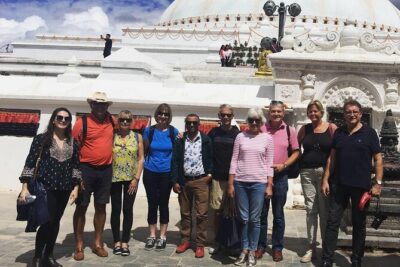
Full Day 7 UNESCO Tour with Lunch – Private/Group
Read our review →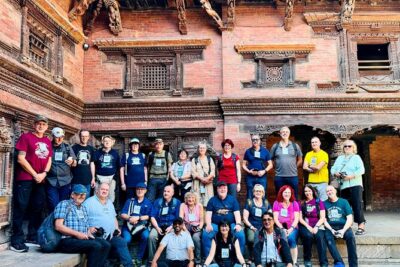
Full Day Top 4 UNESCO Tour with Lunch – Private/Group
Read our review →
Full-Day 7 UNESCO Tour with Lunch – Private/Group
Read our review →