
REVIEW · PASHUPATINATH TEMPLE TOURS
Pashupatinath Aarti Tour
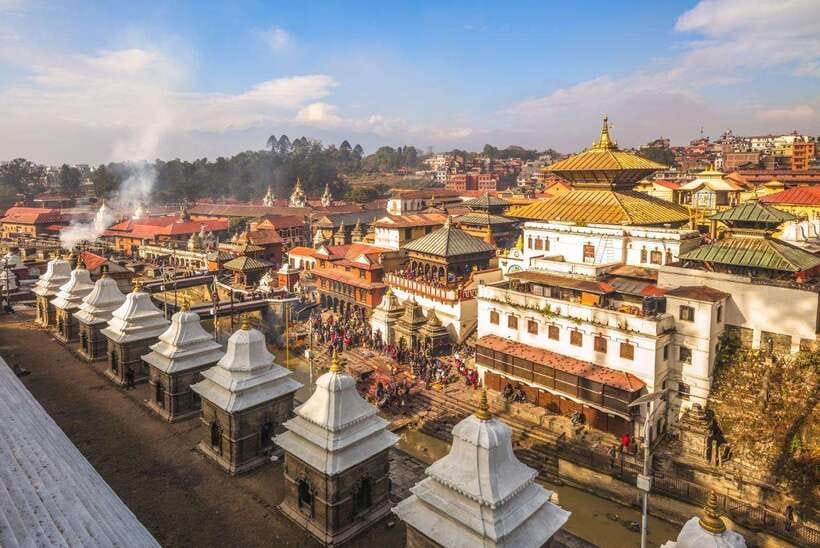
The lamps tell the story. This three-hour evening tour brings you to Pashupatinath Temple for a Hindu Aarti ceremony, where ghee-fed wicks are offered to the deities in a formal act of prayer. I like the small private-group format and the fact that transport, entrance, water, and a local guide are included. The main consideration is the compact schedule, which leaves limited time for anything beyond the temple area and ceremony.
I also like the clear focus. You are not being rushed through a long list of Kathmandu sights. Instead, you spend the evening learning about Hindu rituals, Lord Shiva, and the meaning of Aarti. Since no food or drinks are included, you should plan around the three-hour outing rather than expect a full evening excursion.
In This Review
- Key things to know before you book
- Why Pashupatinath Aarti matters
- 5:00 PM pickup from Thamel
- 5:30 PM around the Pashupatinath Temple area
- 6:00 PM and the Aarti ceremony
- 7:00 PM return to Thamel
- What the $61 price covers
- Why the private group format helps
- Who will enjoy this evening tour
- Booking flexibility and practical advice
- Should you book the Pashupatinath Aarti Tour?
- FAQ
- Where does the Pashupatinath Aarti Tour begin?
- How long does the tour last?
- What time does the tour begin?
- What time does the tour return to Thamel?
- Is transportation included?
- Is the entrance fee included?
- What languages does the guide speak?
- Can I cancel the tour or pay later?
Key things to know before you book
- The ceremony begins at about 6:00 PM, after arrival and time to look around the temple area.
- Pickup and return are in Thamel, making this easy to add to a Kathmandu stay.
- Transport depends on group size, with a car or bike used for the journey.
- The tour is private, so you are not placed into a large shared group.
- English and Hindi guiding are available, with explanations of Hindu customs and rituals.
- The $61 price includes several practical costs, including entrance, transport, water, taxes, and service charges.
Why Pashupatinath Aarti matters
Pashupatinath is closely linked with Lord Shiva, one of the principal deities in Hinduism. The temple area attracts pilgrims and devotees throughout the year, with especially large crowds during Maha Shivaratri, one of the major annual celebrations connected with the site.
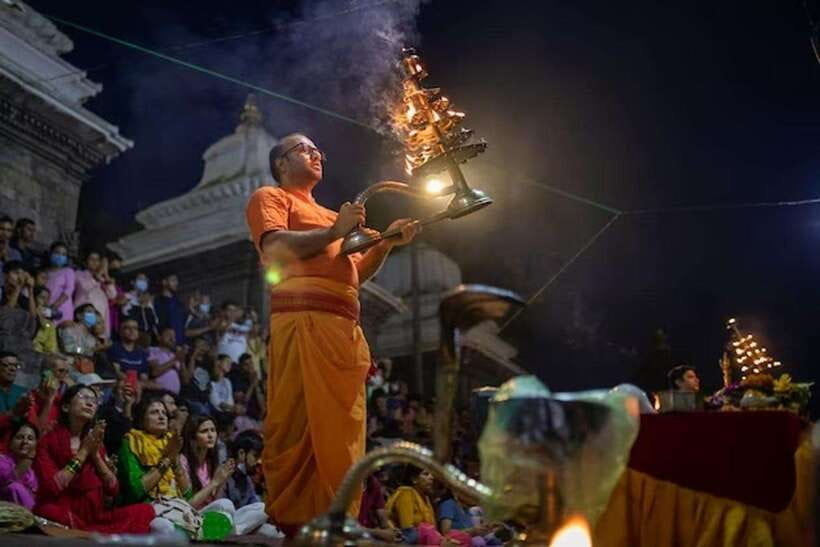
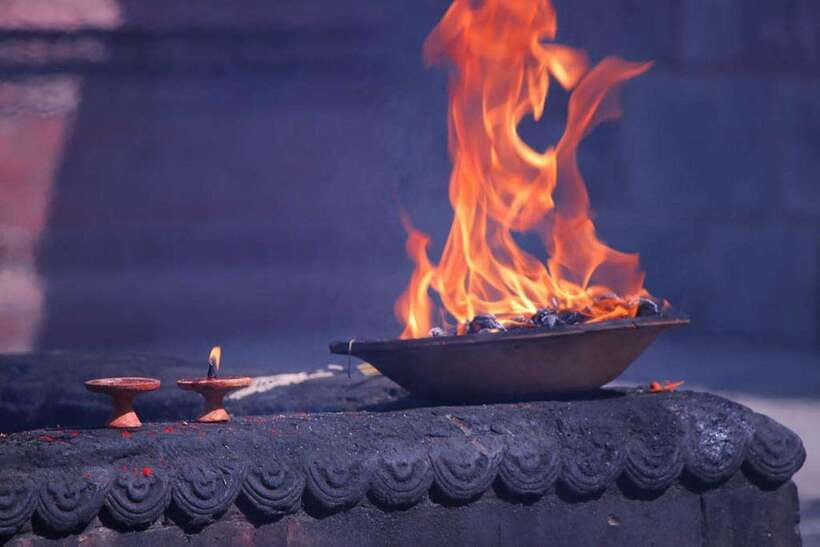
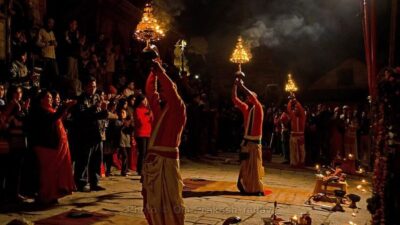
Aarti is built around light. Wicks soaked in ghee are lit and offered during prayer, creating a ceremony that is both visual and devotional. The lamps are not presented as a show for visitors. They are part of worship, and that difference matters. You are being invited to observe a living religious practice, not simply watch a cultural performance arranged for tourists.
Aarti can also be organized for personal milestones. Birthdays, wedding anniversaries, and family anniversaries may provide reasons for devotees to sponsor or attend the ritual. Some people make a vow to worship through Aarti. The organizing group arranges the puja materials and pays the Hindu priests, known as Pandits.
That background gives the ceremony more meaning. As you watch the lights being offered, you can understand that the ritual may be connected to gratitude, family, promises, or a request for divine help. Your guide can help explain these ideas in English or Hindi as the ceremony unfolds.
More visits to Pashupatinath:
- Kathmandu Spiritual Sites: Bodhnath & Pashupatinath Tour
★ 5.0 · 185 reviews - Kathmandu: Pashupatinath Temple Evening Aarati Tour
★ 5.0 · 36 reviews - Kathmandu: Pashupatinath Temple Aarti Night Tour
★ 4.8 · 29 reviews
5:00 PM pickup from Thamel
The outing begins with pickup in Thamel at 5:00 PM. This is a useful starting point because Thamel is one of Kathmandu’s main visitor areas, and the tour returns there after the ceremony.
Transport is provided by car or bike, depending on the size of your group. That arrangement keeps things practical, though the exact vehicle is not fixed in advance. If you are traveling alone, contact the provider before booking, since the tour asks solo visitors to email first.
The early evening start is sensible. It gives you time to reach the temple area, look around, and settle in before the Aarti begins at approximately 6:00 PM. You should not treat the 5:00 PM departure as the ceremony start. The first part of the experience is the transfer and arrival period.
A local guide accompanies you. That support is particularly useful at a religious site, where gestures, offerings, and prayers can be difficult to understand from a distance. A guide can also help you know when to watch quietly and when it is appropriate to ask questions.
5:30 PM around the Pashupatinath Temple area
After arriving, you have time to explore the surroundings before the ceremony. The schedule allows roughly half an hour for this part of the visit.
That is not a long sightseeing window, so keep your expectations in check. You are not receiving an extended temple tour or a full exploration of every part of the complex. The purpose is to get your bearings, understand the setting, and prepare for the evening ritual.
I like this pause because it prevents the Aarti from feeling disconnected from its surroundings. The temple is not simply a stage for a single event. It is a major place of devotion, visited by pilgrims and devotees, and its importance is tied to Lord Shiva and Nepal’s Hindu traditions.
Your guide can explain the role of the temple and the basic ideas behind Hindu worship. This is where the tour is most useful for someone who wants context rather than only photographs. You can ask about the meaning of the lamps, the role of the priests, and why families may arrange an Aarti for important occasions.
The half-hour timing also keeps the evening moving. If you prefer slow, independent sightseeing, this may feel brief. If you want a focused introduction before the main ceremony, it should be enough to give the ritual a clear setting.
6:00 PM and the Aarti ceremony
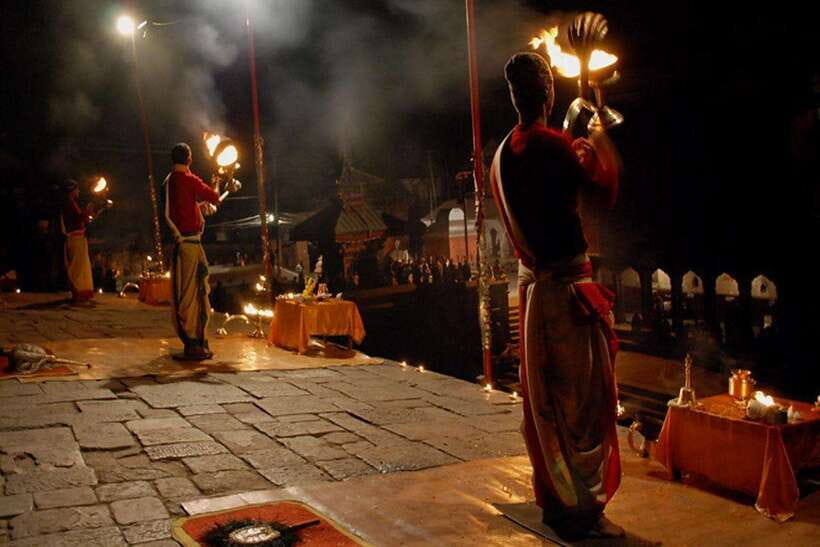
The central part of the tour is the Aarti at around 6:00 PM. During the ceremony, lights with wicks soaked in ghee are lit and offered to the deities. The movement of the lamps, the prayers, and the presence of worshippers create a solemn religious setting.
I would approach this part with patience. The value is not only in seeing the lamps. It is in understanding that the ritual is an act of devotion. Your guide can explain what is happening as it takes place, helping you connect the visible actions with Hindu beliefs and customs.
The ceremony may appeal to you if you enjoy cultural experiences that take place within everyday religious life. It is less suitable if you want a highly interactive attraction or a long sightseeing program with many stops. Much of the experience involves observing respectfully.
The tour description identifies Lord Shiva as central to the temple’s importance. It also points to Maha Shivaratri, when devotees from Nepal and nearby countries come to pay homage and offer prayers. You are not promised a Maha Shivaratri visit on this tour, but knowing about that festival helps show why Pashupatinath carries such weight for Hindu worshippers.
Aarti may also be connected to personal vows and family occasions. That detail helps you read the ceremony in a more personal way. The lamps can represent more than ceremony alone. They may be part of a family’s religious commitment or a special event.
One recent booking rated the experience highly and praised the guide for explaining what was happening while helping the group feel safe. That is an important point here. A guide who can provide calm explanations without interrupting the devotional atmosphere adds real value.
A short list of alternatives around Kathmandu
- Everest Base Camp Trek – 14 Days
★ 5.0 · 1,499 reviews - Private Kathmandu Sightseeing Tour | UNESCO World Heritage sites
★ 5.0 · 756 reviews - Everest Base Camp Helicopter Tour landing at Everest View Hotel
★ 5.0 · 668 reviews - Half day cooking class in Thamel kathmandu
★ 5.0 · 607 reviews
7:00 PM return to Thamel
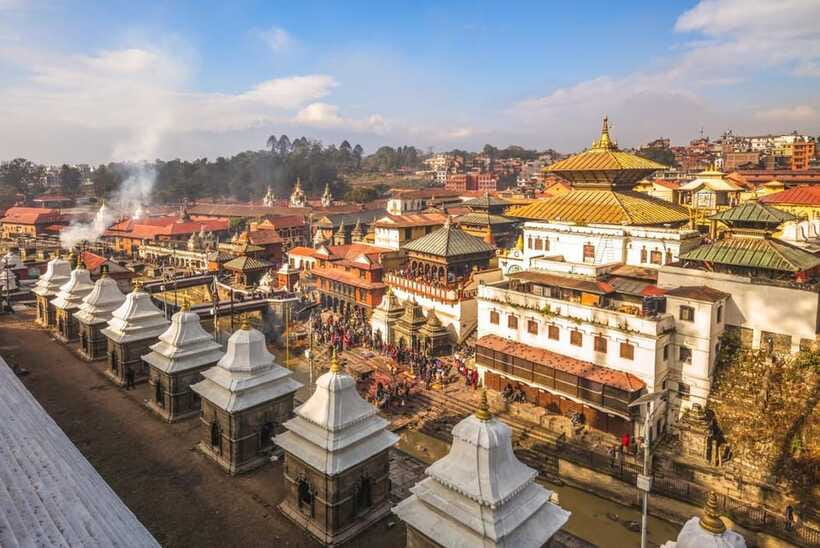
The planned return is at about 7:00 PM, bringing you back to Thamel. The full duration is three hours, including transport, time around the temple, and the ceremony.
This timing works well if you want a compact evening activity. You can fit it around dinner plans or another part of your Kathmandu schedule, but remember that no meal or beverage is included. Mineral water is provided during the tour, so you should arrange anything else you want to eat or drink separately.
The return to Thamel also makes the tour simple for visitors staying in that area. You do not need to arrange your own taxi to the temple or find your way back after the ceremony. Government taxes and service charges are included as well, reducing the number of extra costs to sort out later.
The drawback is that the schedule is fixed and fairly tight. If traffic delays the transfer, your time around the temple could become shorter. The supplied program does not promise extra free time, a meal stop, or visits to other Kathmandu sights.
What the $61 price covers
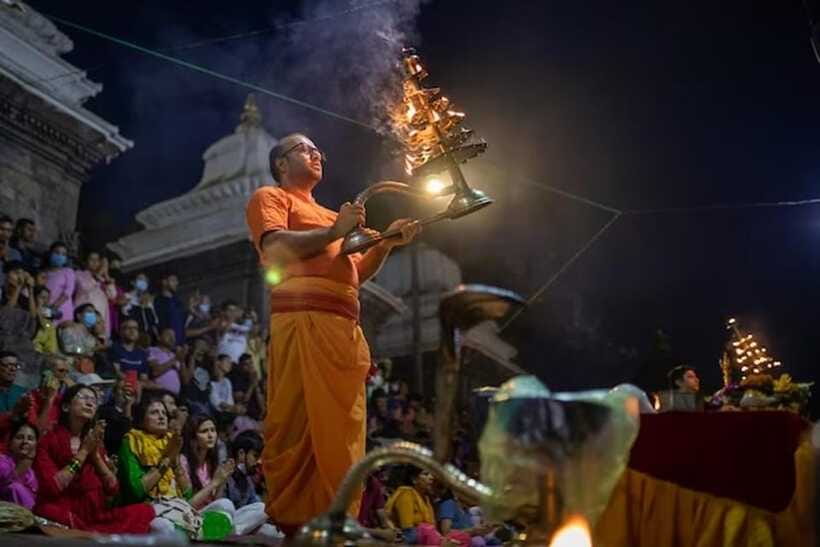
At $61 per person, this is not the cheapest way to see a Kathmandu religious site. The value depends on how much help you want with transport, entry, timing, and interpretation.
The price includes:
- Transport by car or bike, based on group size
- A local guide
- Entrance fee
- Mineral water
- Government taxes and service charges
That package is useful because several common travel expenses are already handled. You are paying for a guided private outing rather than only an entrance ticket. For a first visit to Pashupatinath, the guide may be the most important part of the cost, since the ritual has cultural and religious meaning that is easy to miss when viewed without context.
The price does not include meals or beverages. It also does not include transfers outside the stated itinerary. Read that last point carefully if you are staying somewhere other than the pickup area in Thamel or need an additional transfer.
A solo visit requires prior contact with the provider. Do not assume the standard booking process applies if you are traveling alone. The provider specifically asks solo visitors to email first, and it also advises you to contact them with any confusion before booking.
Why the private group format helps
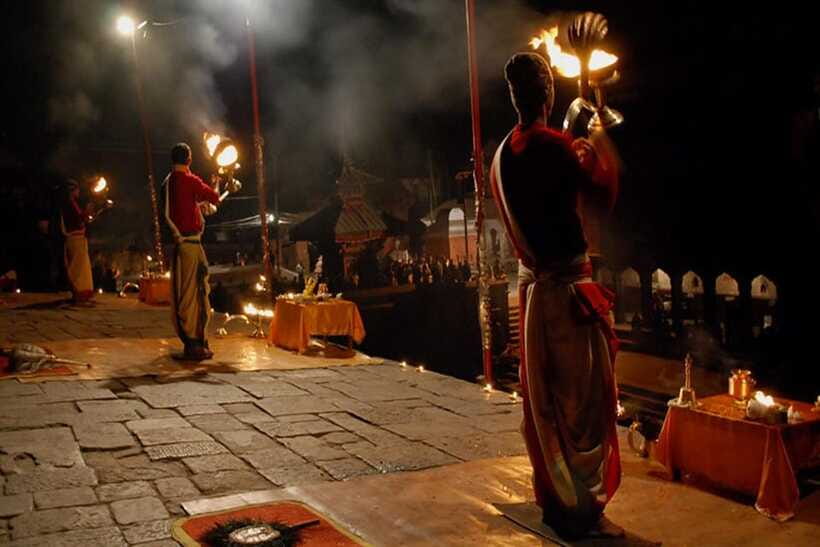
The private-group setup is a good match for a religious ceremony. You can ask questions that relate to your own interests, and the guide can explain the ritual at a pace that suits your group.
It also avoids the feel of a large organized crowd. That matters when the main event is quiet observation and respectful attention rather than a series of quick photo stops.
Still, private does not mean the ceremony itself is private. Pashupatinath attracts many pilgrims and devotees, especially during Maha Shivaratri. The tour gives you a private guide and transport arrangement, but the temple setting remains a public religious place with its own activity and attendance.
The guide languages are English and Hindi. If you are comfortable in one of those languages, you should be able to follow explanations about Hinduism, Aarti, the Pandits, and the role of offerings.
Who will enjoy this evening tour
I would recommend this experience to you if you want:
- A short introduction to Hindu worship in Kathmandu
- A ceremony-centered evening rather than a broad city tour
- A private group with local guiding
- Included transport from and back to Thamel
- Explanations in English or Hindi
- A chance to see a meaningful religious practice respectfully
It may be less suitable if you want a full temple complex tour, a meal, extensive free time, or several attractions in one outing. The schedule is designed around one main experience, and that focus is both its strength and its limitation.
You should also be comfortable attending a religious ceremony as an observer. The point is not simply to collect a picture of lamps. The best approach is quiet, attentive, and respectful of the people taking part in worship.
Booking flexibility and practical advice
You can cancel up to 24 hours in advance for a full refund. You can also reserve now and pay later, which helps if your Kathmandu plans are still changing.
The tour has a stated duration of three hours, but you should check the available starting times when booking. The standard schedule begins with a 5:00 PM pickup, reaches the ceremony at about 6:00 PM, and returns around 7:00 PM.
Before paying, check the included and excluded items carefully. This is especially important for food, drinks, and any transfer that falls outside the Thamel to Pashupatinath plan. If you are solo or have questions about transport, contact Marvel Treks and Expedition before confirming your place.
Should you book the Pashupatinath Aarti Tour?
Book it if you want a focused, guided look at Hindu ritual and you value having transport and entry arranged for you. The $61 cost is reasonable for a private three-hour outing that includes a guide, transport, entrance, water, taxes, and service charges.
Skip it if you are mainly looking for a long sightseeing tour or an inexpensive independent temple visit. The schedule is short, the ceremony is the clear centerpiece, and meals are not included.
For the right visitor, this is a thoughtful way to spend an evening in Kathmandu. The strongest feature is the guide support, especially the promise of clear explanations and a feeling of safety during a ceremony that may be unfamiliar. Go with an open mind, keep your expectations focused, and let the lamps receive your attention.
FAQ
Where does the Pashupatinath Aarti Tour begin?
Pickup is from Thamel in Kathmandu.
How long does the tour last?
The tour lasts three hours.
What time does the tour begin?
The stated schedule begins with arrival at the Pashupatinath Temple area at 5:00 PM. The Aarti ceremony is scheduled for around 6:00 PM.
What time does the tour return to Thamel?
The planned return is at about 7:00 PM.
Is transportation included?
Yes. Transportation by car or bike is included, depending on the size of the group.
Is the entrance fee included?
Yes. The temple entrance fee is included in the tour price.
What languages does the guide speak?
The live tour guide is available in English and Hindi.
Can I cancel the tour or pay later?
You can cancel up to 24 hours in advance for a full refund. You can also reserve now and pay later.
New in the Kathmandu listings
- Traditional Momo Making Class★ 5.0 · 10 reviews
- Kathmandu: Ancient City Kirtipur & Pharping Monastery Tour★ 5.0 · 2 reviews
- Kathmandu to Pokhara Premium sofa bus ticket★ 4.0 · 17 reviews
- Women Empowerment Project(Nepali cooking class & jewelry workshop★ 5.0 · 15 reviews
- 7-Day Langtang Valley Trek from Kathmandu★ 5.0 · 1 review
- Kathmandu 2 Nights 3 Days Chitwan Jungle Safari Tour★ 5.0 · 9 reviews
- Yoga Experience Day Trip with Private Transfer From Kathmandu★ 4.0 · 2 reviews
- Wildlife Adventure in Chitwan Nepal★ 4.0 · 4 reviews
Pashupatinath Temple Tours, compared.

Kathmandu Spiritual Sites: Bodhnath & Pashupatinath Tour
Read our review →

Pashupatinath Temple, Hindu Crematorium and Aarati in-depth Tour
Read our review →
Pashupatinath Evening Aarati: Few Divinely Hours in Kathmandu
Read our review →
Sacred Pashupatinath: Aarati,Cremation Rites & Boudha Stupa
Read our review →
PashupatiNath and BoudhaNath – Private/Small Group
Read our review →Browse the lists this tour appears in