
REVIEW · PASHUPATINATH TEMPLE TOURS
Pashupatinath: Evening tour of temple and Aarati ceremony
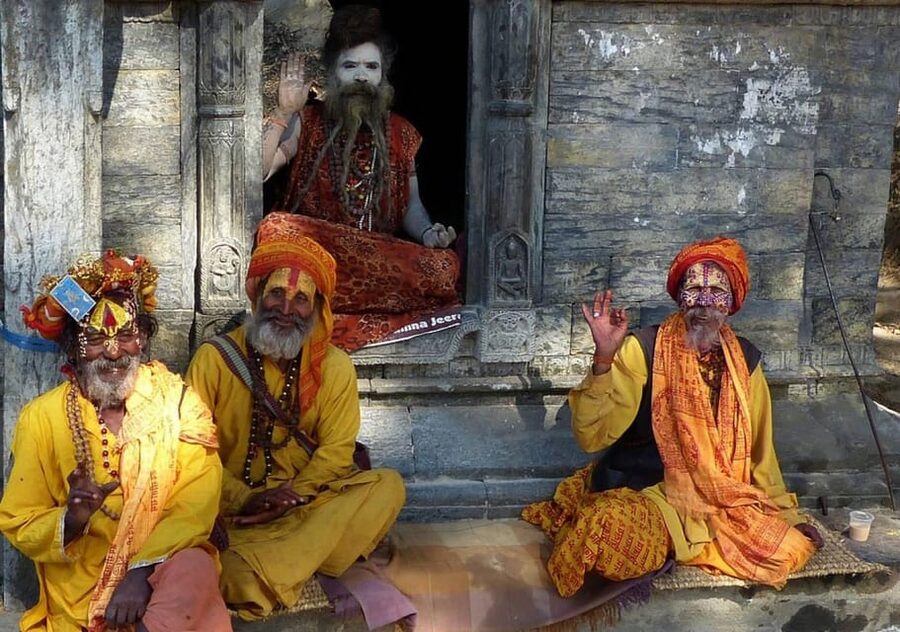
Ancient rituals still shape the evening here. This three-hour visit to Pashupatinath combines sacred temple architecture with the moving Aarati ceremony beside the Bagmati River. I like the private format, which gives you an English-speaking guide and transportation without the fuss of arranging each part yourself. I also like the chance to witness daily worship and cremation rituals in one important religious setting.
The main limitation is clear: the experience is not suitable for wheelchair users, and the cremation ghats can be emotionally difficult. This is not a quick photo stop. You are entering an active place of worship where families mourn, priests work, and ceremonies continue whether you are ready for them or not.
In This Review
- Key points to know before you go
- Why Pashupatinath feels different from a normal temple visit
- Beginning at the pagoda-style temple
- The smaller shrines and sacred statues
- Walking beside the Bagmati River
- The sunset Aarati ceremony
- What the guide adds to the evening
- Is $57 a fair price?
- Practical considerations for comfort and respect
- Who should book this Pashupatinath evening tour?
- Should you book it?
- FAQ
- How long does the Pashupatinath evening tour last?
- What does the $57 price include?
- Is the Aarati ceremony included?
- Will I see cremation rituals?
- Is the tour available in languages other than English?
- Can wheelchair users join the tour?
Key points to know before you go
- The evening ends with the Pashupati Aarati ceremony, when priests use oil lamps, chants, and drums beside the Bagmati River.
- Cremation ghats are part of the visit, offering a direct look at Hindu funeral customs, but the setting calls for quiet respect.
- The private group format matters, since your guide can explain shrines, rituals, and architecture at your pace.
- The main temple is dedicated to Lord Pashupatinath, a form of Lord Shiva, and contains a sacred lingam.
- Transportation, entry fees, and an English-speaking guide are included in the $57 price.
- The three-hour schedule is compact but full, moving from temple grounds and shrines to the river and the evening ceremony.
Why Pashupatinath feels different from a normal temple visit
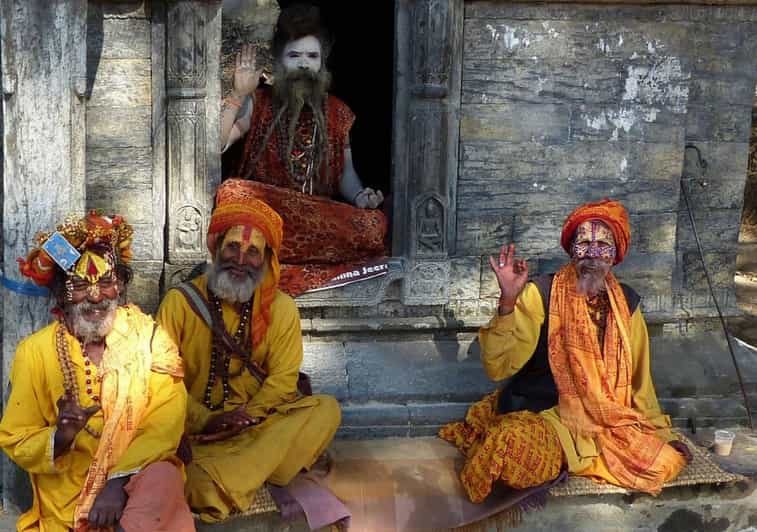
Pashupatinath is not a museum dressed up as a temple. It is a working religious complex. Devotees arrive to pray, priests perform rituals, bells ring, incense burns, and families gather at the river for final farewells.
That living quality is what gives the visit its force. You are not simply looking at an old building and hearing a short explanation of its past. You are watching religious customs continue in the same place, day after day. I find that far more revealing than a polished heritage site where every object sits behind glass.
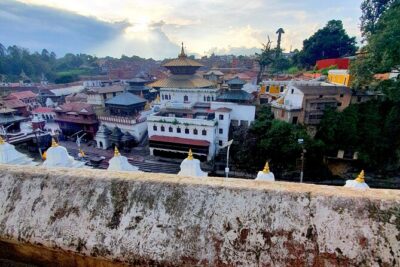
Pashupatinath is located in Nepal’s Bagmati Zone, on the banks of the Bagmati River. The temple has UNESCO heritage status and centuries of religious importance. Its central shrine is dedicated to Pashupatinath, a form of Lord Shiva, and houses a sacred lingam.
The temple complex also contains smaller shrines and statues, each connected with Hindu stories and religious practice. Your guide can help you see the difference between a decorative feature and an object that carries real meaning for worshippers.
More visits to Pashupatinath:
- Kathmandu Spiritual Sites: Bodhnath & Pashupatinath Tour
★ 5.0 · 185 reviews - Kathmandu: Pashupatinath Temple Evening Aarati Tour
★ 5.0 · 36 reviews - Kathmandu: Pashupatinath Temple Aarti Night Tour
★ 4.8 · 29 reviews
Beginning at the pagoda-style temple
The visit begins as you approach the temple complex and take in its traditional pagoda-style design. The main temple’s golden spire rises above the surrounding buildings, giving you an immediate sense of the site’s importance.
The architecture deserves attention, but it is easy to rush past it because the activity around you is so compelling. Give yourself time to notice the layered roofs, the shrine details, the statues, and the way the buildings frame the movement of worshippers.
A guide is especially useful here. Without context, a cluster of murtis can look like a collection of similar statues. With an explanation, you begin to understand that each image may carry its own mythological role and place in temple life.
The main temple is a sacred Hindu shrine, so access and movement should be treated with care. The supplied details do not specify every access rule for every area, so your guide is the right person to ask what you may enter, photograph, or approach. Do not assume that a beautiful doorway is an invitation to walk through it.
The atmosphere can be intense in a good way. Bells, incense, chanting, and the steady movement of people make the complex feel active rather than staged. If you prefer quiet sightseeing, this may feel like a lot at first. If you want a direct look at Nepalese religious life, it is one of the strongest parts of the visit.
The smaller shrines and sacred statues
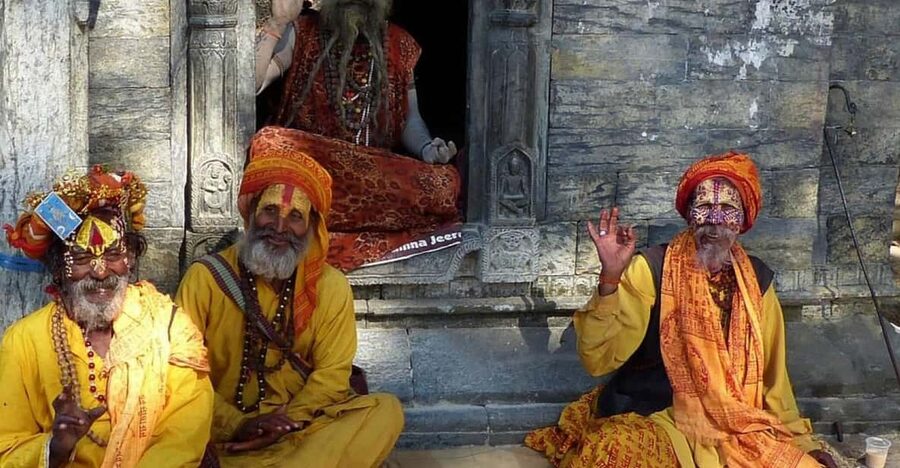
After seeing the main temple, you explore other shrines and murtis around the complex. This section adds detail to the visit. The golden spire may be the image you remember first, but the smaller religious spaces show how broad and layered the site really is.
I would listen closely to the guide here and ask simple questions. What does this statue represent? Why is this shrine placed here? Which rituals take place at this spot? The tour is designed around cultural explanation, and these questions help turn visual details into something you can understand.
The private group arrangement is useful during this part of the outing. You are not tied to a large crowd moving at one fixed pace. The guide can focus on the parts that interest you, including architecture, Hindu traditions, or the role of the temple in daily life.
The information provided does not give a guide’s name, so I cannot recommend a particular individual. It does indicate an English-speaking live guide, and the strongest praise in the available feedback focuses on the guide being pleasant and caring. That personal attention matters at a place where tone and timing are as important as facts.
Walking beside the Bagmati River
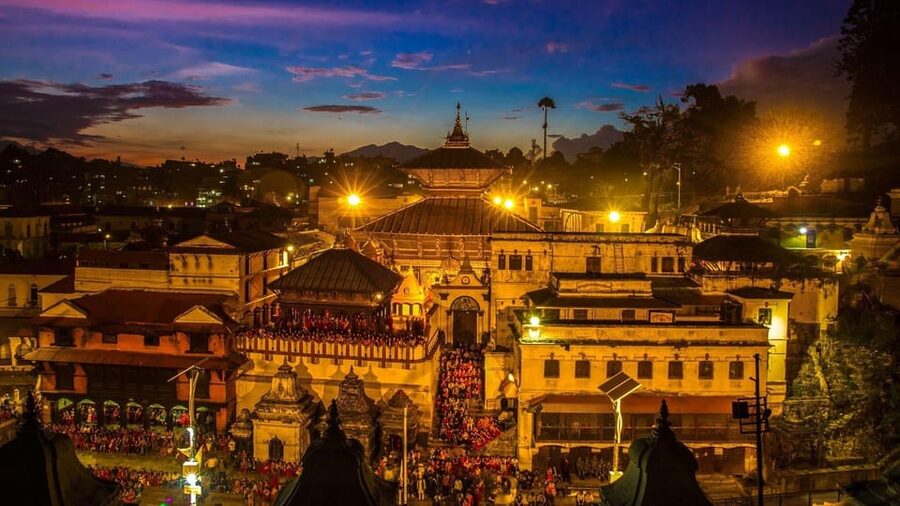
The route then moves toward the Bagmati River and its ghats. This is where the visit takes on a more serious tone.
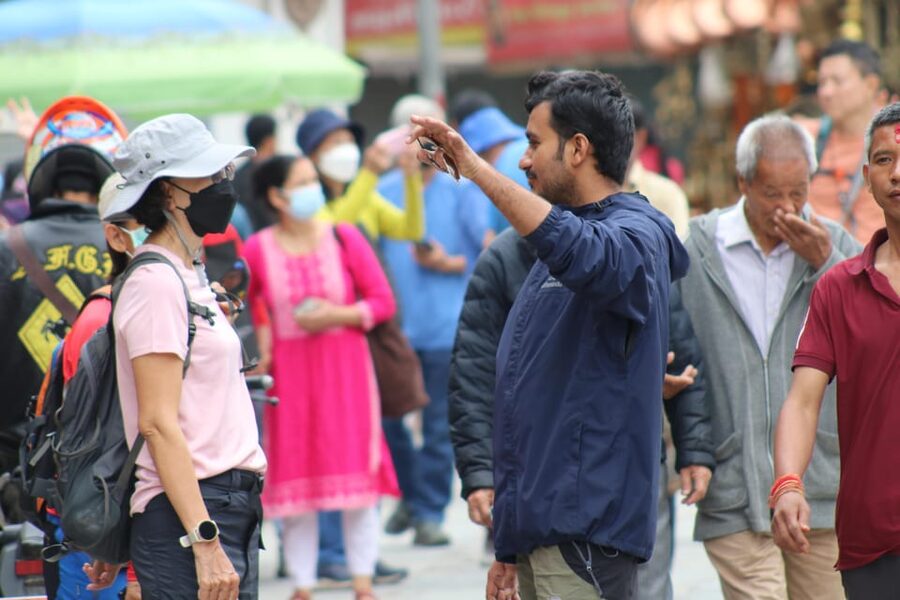
The riverbank is closely tied to cremation rituals. You may see families carrying out funeral customs, with priests chanting and ceremonies taking place at the cremation platforms. These are not performances arranged for an audience. They are private religious rites occurring in a public sacred setting.
That difference should guide your behavior. Keep your voice low, follow your guide’s directions, and avoid treating the ceremonies as a spectacle. The supplied information does not state any specific photography rules, so ask before taking pictures and accept a no without argument.
For me, this part gives the temple visit its strongest cultural meaning. Hindu beliefs about death, rebirth, and the cycle of life are not explained only in a lecture. You can see how those beliefs shape a family’s actions at the river.
It can also be confronting. One person described the experience of seeing a funeral beside the holy river as deeply spiritual and as something that changed their view of death, life, and reincarnation. That reaction makes sense, but you should not expect the same emotional response. Some people may find the sight solemn and meaningful. Others may find it upsetting.
A short list of alternatives around Kathmandu
- Everest Base Camp Trek – 14 Days
★ 5.0 · 1,499 reviews - Private Kathmandu Sightseeing Tour | UNESCO World Heritage sites
★ 5.0 · 756 reviews - Everest Base Camp Helicopter Tour landing at Everest View Hotel
★ 5.0 · 668 reviews - Half day cooking class in Thamel kathmandu
★ 5.0 · 607 reviews
The sunset Aarati ceremony
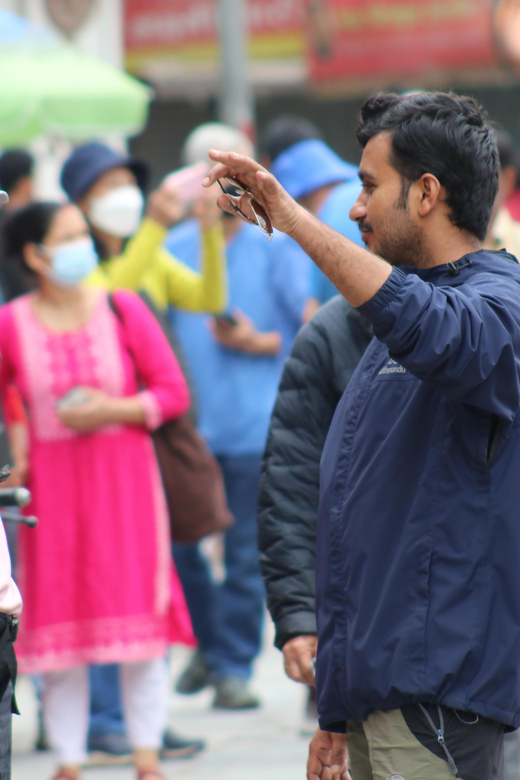
As evening arrives, the focus shifts to the Pashupati Aarati. This is the main event for many people booking the tour.
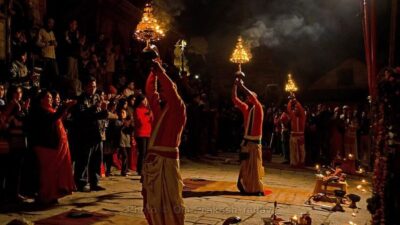
The ceremony takes place near the riverbank. Priests in traditional clothing perform carefully timed movements with oil lamps, known as diyas. Chants and mantras fill the air, joined by the beat of drums. The ceremony ends with a shared offering of prayers and respect to Lord Pashupatinath.
The lighting changes the character of the temple complex. Earlier, you are looking at buildings, shrines, and individual rituals. During Aarati, the group gathers around a single ceremony, and the lamps become the visual center of the evening.
You do not need to be Hindu to appreciate what is happening. You do need to approach it with respect. This is worship, not a stage show. Stand quietly, watch the priests’ movements, and let the ceremony unfold without trying to force it into a photo opportunity.
The timing of the tour is important. The experience lasts three hours, but the exact starting time depends on availability. Book a time that allows you to reach the evening ceremony without rushing. The Aarati is the part you most want to protect from traffic delays or a late departure.
What the guide adds to the evening
Pashupatinath can be confusing without help. The complex includes the main temple, many shrines, statues, river ghats, and active ceremonies. A guide gives the visit a clear shape and explains the customs that may not be obvious from watching alone.
The guide also helps you behave appropriately. At a religious site with cremation rituals, that practical guidance is valuable. You may not know where to stand, when to speak, or whether a certain area is open to you. An English-speaking guide can answer those questions as they arise.
The private group format is another advantage. You are not sharing the experience with an unknown large group, and you have more room to ask questions. It also makes the outing easier for people who want a quieter, more reflective pace.
The available feedback gives special attention to the guide’s manner. The guide was described as pleasant and caring, which is exactly what you want here. A guide who treats the temple and funeral rituals with sensitivity can make the difference between a thoughtful cultural visit and an uncomfortable one.
One person also praised the tea served during the outing. Since the precise refreshments are not listed among the formal inclusions, treat tea as a possible extra rather than a guaranteed feature. If it is offered, it is a small but welcome pause during an emotionally full evening.
Is $57 a fair price?
The price is $57 per person. That is not the cheapest way to see a temple in Kathmandu, but the value depends on what you would otherwise need to arrange yourself.
The fee includes transportation, entry fees, and an English-speaking guide. You also receive a private group experience and skip the ticket line. Those inclusions remove several practical tasks, especially if you are unfamiliar with Kathmandu or do not want to work out transport to an evening ceremony.
The strongest value comes from the guide and timing. You are paying for a structured route through a large religious complex, an explanation of what you are seeing, and help reaching the Aarati ceremony at the right time. For a first visit, that can be worth more than simply paying a lower entry cost and wandering without context.
The price may be less attractive if you already know Pashupatinath well, have local help, or only want to see the ceremony from outside. It is also a poor fit if you want a casual sightseeing stop with no emotionally serious content.
Because transportation is included, ask for the meeting and return details when booking. The activity description confirms that all transportation is covered, but it does not specify the exact vehicle, pickup point, or hotel coverage. Those details matter in Kathmandu, especially when your schedule depends on arriving before sunset.
Practical considerations for comfort and respect
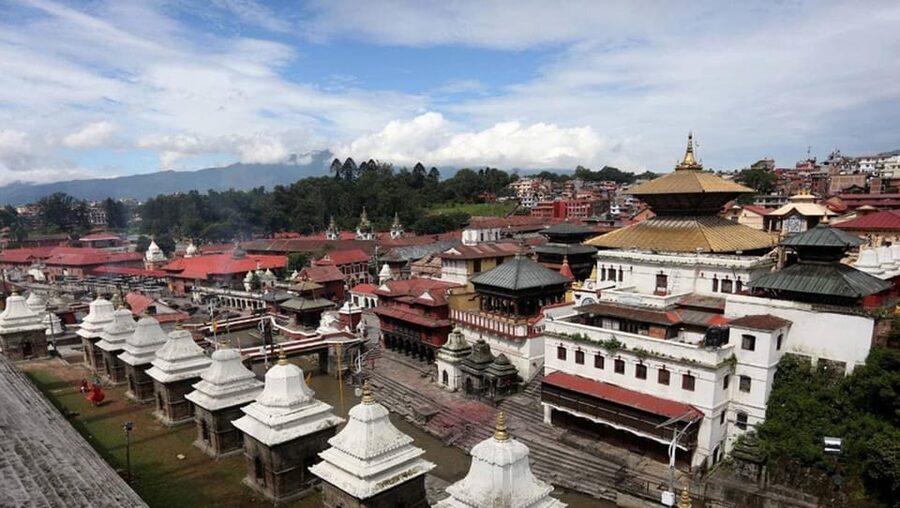
Wear clothing that allows you to move comfortably through the temple grounds, but remember that this is a sacred site. Modest dress and a quiet manner are sensible choices.
You should also prepare yourself for a mix of experiences. One moment may focus on an ornate shrine or a bell ringing in worship. The next may place you near a funeral ceremony at the river. The shift is part of what makes the evening meaningful, but it is not light entertainment.
The tour is not suitable for wheelchair users. The description does not give further mobility details, so anyone with limited walking ability should ask the operator for specific information before paying.
There is free cancellation up to 24 hours before the activity, and you can reserve now while paying later. Those terms give you some flexibility, but the main practical issue remains the starting time. Check the available evening departures and choose one that leaves enough time for the full three-hour program.
The experience is offered in English, with an English-speaking live guide. If you need another language, this activity may not meet your needs.
Who should book this Pashupatinath evening tour?
I would recommend it to you if you want more than architecture. It suits people interested in Hindu traditions, sacred ceremonies, Nepalese culture, and the way religious beliefs shape everyday life.
It is also a strong choice for a first visit to Pashupatinath. The guide, transportation, entry fees, and private format make the evening easier to manage. You can focus on the temple and ceremony instead of solving every practical problem as you go.
You should think twice if you are uncomfortable witnessing cremation rituals. The ghats are not an optional bit of scenery in the cultural sense. They are part of the setting and may be visible during the visit. You should also reconsider if you need wheelchair access or prefer a purely historical tour.
The perfect audience is someone who can be curious and respectful at the same time. You do not need special religious knowledge. You do need patience, an open mind, and a willingness to let a ceremony remain a ceremony.
Should you book it?
Book this tour if you want a guided evening at one of Nepal’s most important sacred sites, with the Aarati ceremony as the centerpiece. At $57, the combination of transportation, admission, a private group, and an English-speaking guide offers solid value for a first visit.
Skip it if you want a short, easy photo stop or if cremation rituals would make you uncomfortable. Pashupatinath asks for attention and respect. For the right person, the evening offers a rare look at faith, death, worship, and community in one place, and the caring guide and powerful riverside ceremony can make it a lasting part of your time in Nepal.
FAQ
How long does the Pashupatinath evening tour last?
The tour lasts three hours. The exact starting time depends on availability, so check the evening departure options when booking.
What does the $57 price include?
The price includes all transportation, entry fees, and an English-speaking guide. The experience is arranged for a private group.
Is the Aarati ceremony included?
Yes. The evening tour includes the Pashupati Aarati ceremony beside the Bagmati River, with priests, oil lamps, chanting, mantras, and drums.
Will I see cremation rituals?
Cremation ceremonies at the river ghats are part of the cultural experience. They take place at the Bagmati River, where families carry out funeral customs with priests and chanting.
Is the tour available in languages other than English?
The listed tour language is English, provided by a live English-speaking guide.
Can wheelchair users join the tour?
No. The activity is listed as not suitable for wheelchair users.
New in the Kathmandu listings
- Traditional Momo Making Class★ 5.0 · 10 reviews
- Kathmandu: Ancient City Kirtipur & Pharping Monastery Tour★ 5.0 · 2 reviews
- Kathmandu to Pokhara Premium sofa bus ticket★ 4.0 · 17 reviews
- Women Empowerment Project(Nepali cooking class & jewelry workshop★ 5.0 · 15 reviews
- 7-Day Langtang Valley Trek from Kathmandu★ 5.0 · 1 review
- Kathmandu 2 Nights 3 Days Chitwan Jungle Safari Tour★ 5.0 · 9 reviews
- Yoga Experience Day Trip with Private Transfer From Kathmandu★ 4.0 · 2 reviews
- Wildlife Adventure in Chitwan Nepal★ 4.0 · 4 reviews
Pashupatinath Temple Tours, compared.
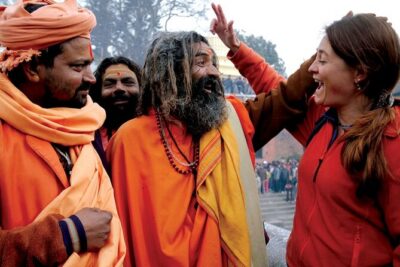
Kathmandu Spiritual Sites: Bodhnath & Pashupatinath Tour
Read our review →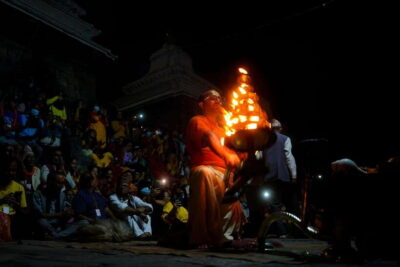
Pashupatinath Temple, Hindu Crematorium and Aarati in-depth Tour
Read our review →
Pashupatinath Evening Aarati: Few Divinely Hours in Kathmandu
Read our review →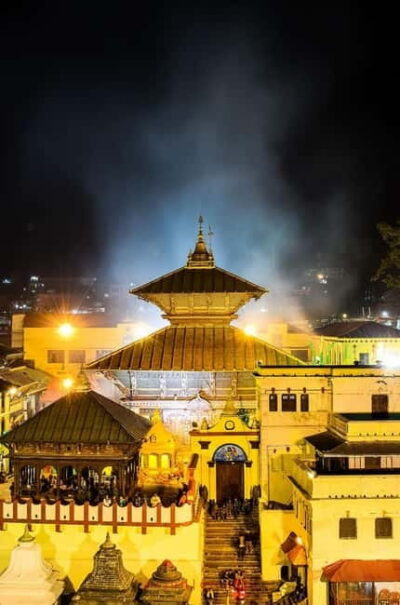
Sacred Pashupatinath: Aarati,Cremation Rites & Boudha Stupa
Read our review →
PashupatiNath and BoudhaNath – Private/Small Group
Read our review →Browse the lists this tour appears in