
REVIEW · ANNAPURNA BASE CAMP TREKS
Pokhara: 7-Day Annapurna Base Camp Trek with Hot Springs
The hot springs make a hard trek sweeter. This seven-day route from Pokhara gives you the classic Annapurna Base Camp experience, with mountain views, Gurung villages, forest paths, and a warm soak at Jhinu Dada. I especially like the clear goal of reaching Annapurna Base Camp at 4,130 meters and the chance to finish the trek with a genuine rest day for tired legs.
I also like that transportation, permits, six tea-house nights, a local guide, first aid, and government taxes are included. The main consideration is the altitude and the daily walking time. You will trek for five to seven hours on most days, and the route includes repeated climbs and descents. At $252 per person, the value depends on which package you select, since meals are included in the full package but not in the standard package.
In This Review
- Key points to know before booking
- Why this Annapurna route works in seven days
- Day 1: Pokhara to Sewai and Chhomrong
- Day 2: Chhomrong to Bamboo through forest
- Day 3: Bamboo to Deurali at 3,200 meters
- Day 4: Deurali to Annapurna Base Camp at 4,130 meters
- Day 5: Annapurna Base Camp to Sinuwa
- Day 6: Sinuwa to Jhinu Dada and the hot springs
- Day 7: Jhinu Dada to Samrong and back to Pokhara
- Tea houses, meals, and what your $252 covers
- Guide support and the personal feel of a private group
- Who should choose this trek?
- Practical packing advice for this route
- Should you book the Annapurna Base Camp trek?
- FAQ
- How long is the Annapurna Base Camp trek from Pokhara?
- How high does the trek go?
- What languages does the guide speak?
- Are meals included in the price?
- Is accommodation included?
- Is porter service included?
- Can I cancel the booking for a refund?
Key points to know before booking
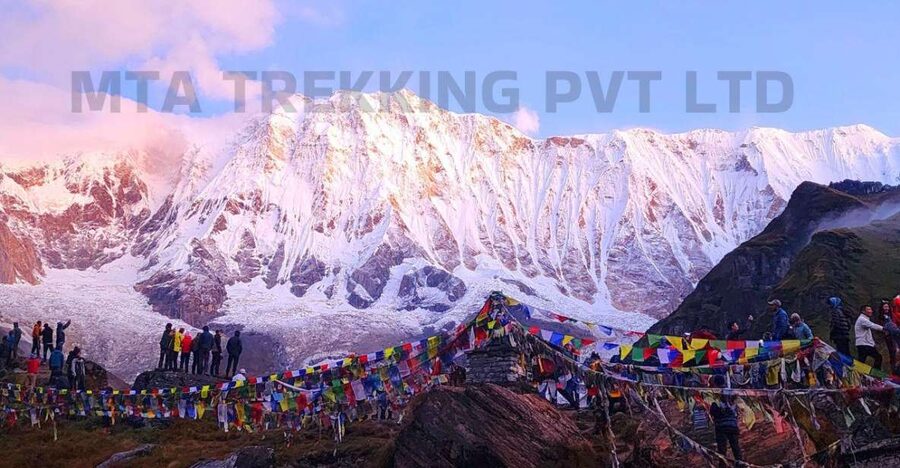
- Annapurna Base Camp reaches 4,130 meters: The high point brings you close to snowy peaks and glaciers, but altitude deserves serious preparation.
- Jhinu Dada adds a welcome finish: Natural hot springs provide a chance to relax after several demanding trekking days.
- The route uses tea houses: Six nights of accommodation are included, giving you a simple local stay rather than a resort-style mountain holiday.
- Gurung villages shape the experience: Chhomrong and the surrounding communities offer a closer look at local mountain life and hospitality.
- The trek begins and ends with road transport: You drive from Pokhara to Sewai at the start, then return by jeep from Samrong after hiking down from Jhinu Dada.
- The strongest praise is for the care provided: MTA Trekking has been praised for organized pickups, local advice, equipment support, good accommodation, and a friendly, patient guide.
Why this Annapurna route works in seven days
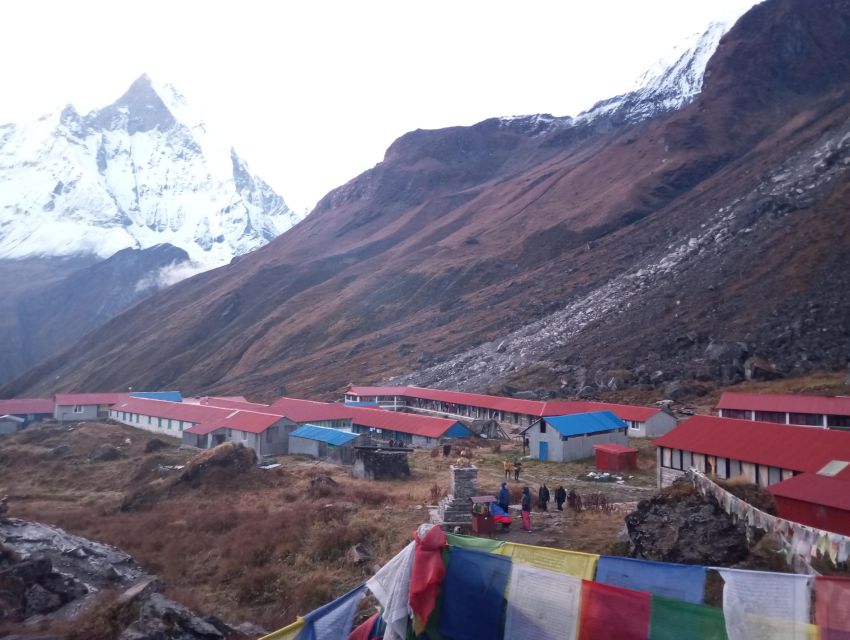
This is a compact trek with a strong sense of purpose. You begin near Pokhara, climb through villages and forests, reach the base camp, then retrace much of the route before relaxing at the hot springs.
The schedule is not a gentle stroll. Day four takes you from Deurali to Annapurna Base Camp, and day five brings a long seven-hour descent to Sinuwa. The route suits you best if you already enjoy walking and can handle several consecutive days on mountain trails.
The reward is variety. You move from road travel and village paths to bamboo forest, rhododendron woodland, high mountain scenery, and finally a hot spring beside the trek route. You are not spending seven days looking at the same view.
More Annapurna Base Camp treks:
- Kathmandu/Pokhara: 5-Day Annapurna Base Camp (ABC) Trek
★ 4.9 · 72 reviews - Private 7 – Day Annapurna Base Camp Trekking
★ 5.0 · 50 reviews - Annapurna Base Camp Trek (8 days)
★ 5.0 · 45 reviews
Day 1: Pokhara to Sewai and Chhomrong
The first morning begins with a drive from Pokhara to Sewai. The trip takes around two to two and a half hours, followed by a five to six-hour trek to Chhomrong.
That opening drive matters. It cuts out part of the approach and lets you begin walking farther along the Annapurna route. From Sewai, the trail leads toward Chhomrong, one of the important villages on this trek.
Chhomrong is a fine first overnight stop because the views begin to feel properly Himalayan. You can expect views of Annapurna South and Machapuchare, also called Fishtail. These peaks give the first day a clear visual reward after the road ride and uphill walking.
The day is still demanding. You should not treat the drive as a substitute for preparation, since the trek itself lasts most of the afternoon. Keep your day pack light and carry the essentials listed for the trip, including sunglasses and sunscreen.
Day 2: Chhomrong to Bamboo through forest
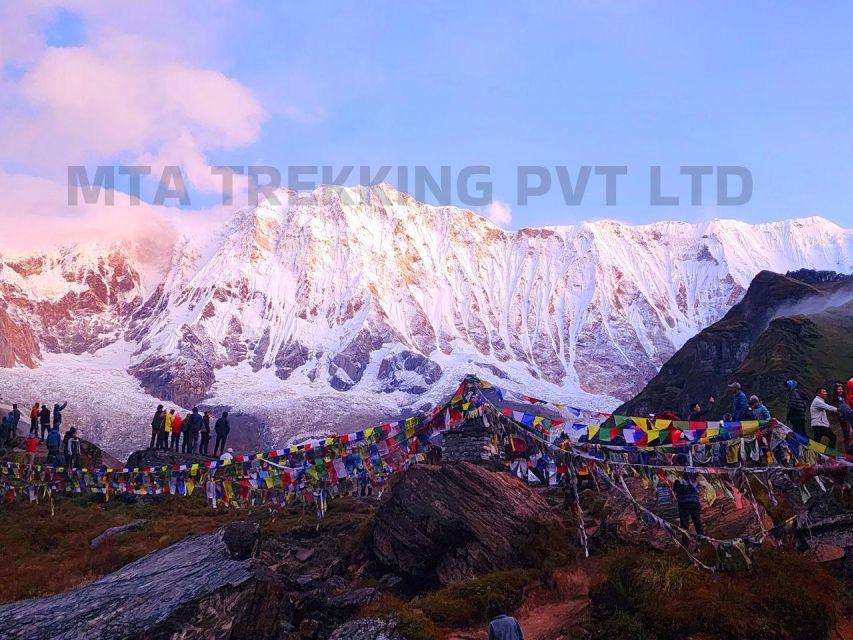
Day two takes you down toward the Chhomrong River before the route climbs again toward Bamboo. The walking time is around five to six hours, with Bamboo at approximately 2,310 meters.
This up and down pattern is typical of mountain trekking. You may start the day feeling fresh, then discover that descending first does not make the day easy. The later climb through forest requires steady pacing rather than a fast start.
The setting changes nicely. Bamboo and rhododendron forests surround the trail, creating a cooler, quieter section after the more open village views around Chhomrong. Bamboo itself is a small forest settlement, so the overnight stay gives you a simple base in the middle of the route.
Tea-house accommodation is part of the plan. You should expect practical lodging rather than hotel comforts. The six included nights make the $252 price more useful, though the standard and full packages differ on meals. Check that point carefully before paying, since food costs can add up on a trek.
Day 3: Bamboo to Deurali at 3,200 meters
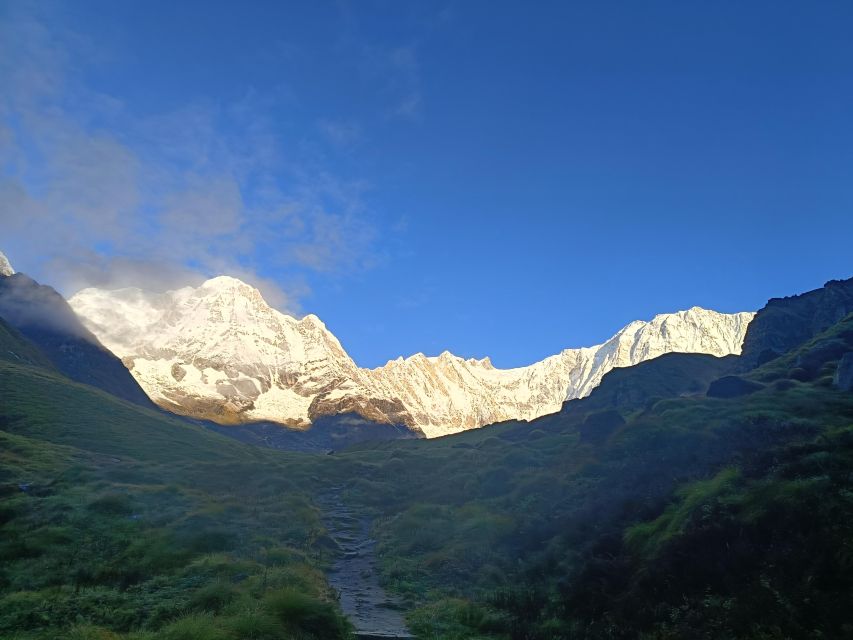
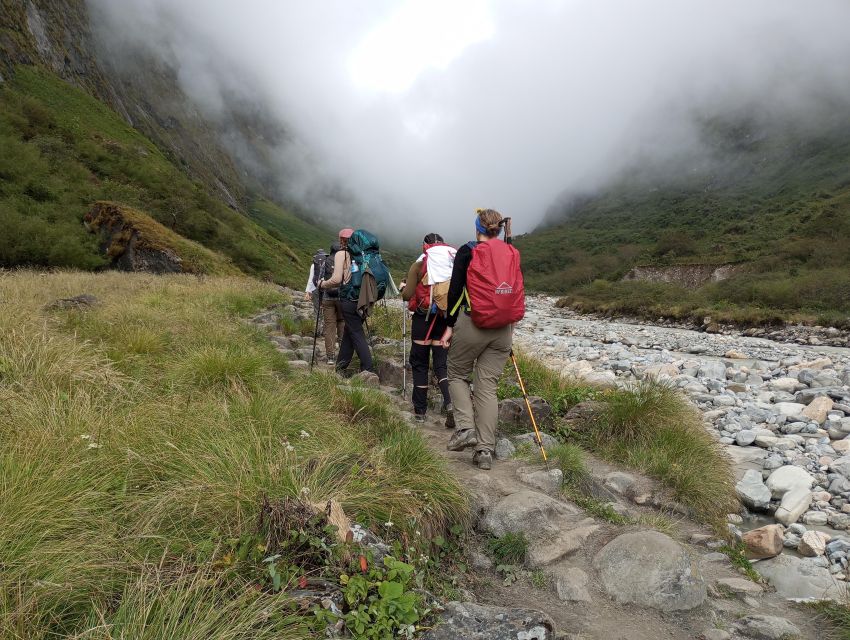
The third day takes around six hours and brings you to Deurali, at about 3,200 meters. You continue through bamboo and rhododendron forest, with waterfalls and mountain views along the way.
This is a key day for managing your energy. The altitude is rising, and the trail is moving closer to the high basin around Annapurna Base Camp. You may find the forest sections pleasant, but the route still involves sustained walking and climbing.
Deurali offers a peaceful mountain stop before the highest part of the trek. It is also where you should pay close attention to how your body feels. The activity specifically excludes people with altitude sickness and is not suitable for people with heart problems or pregnant women. Those warnings should be taken seriously, not treated as routine fine print.
A local guide is especially useful here. An English or Hindi-speaking guide can help with the pace, trail direction, and practical decisions during a day when the altitude begins to matter more. The guide is included, while porter service is not, so you need to plan how your own belongings will be carried.
More spa and hot spring stops in Pokhara:
- From Pokhara: 5-Day Annapurna Basecamp Trek with Hot Springs
★ 4.9 · 26 reviews - Pokhara: 7-Day Annapurna Base Camp Trek & Natural Hot Spring
★ 5.0 · 11 reviews - Pokhara: 7-Day Annapurna Base Camp Via PoonHill & Hot Spring
★ 5.0 · 6 reviews - Pkr/Kathmandu: 5-Day Annapurna Base Camp & Hot spring Trek
★ 5.0 · 6 reviews
Day 4: Deurali to Annapurna Base Camp at 4,130 meters
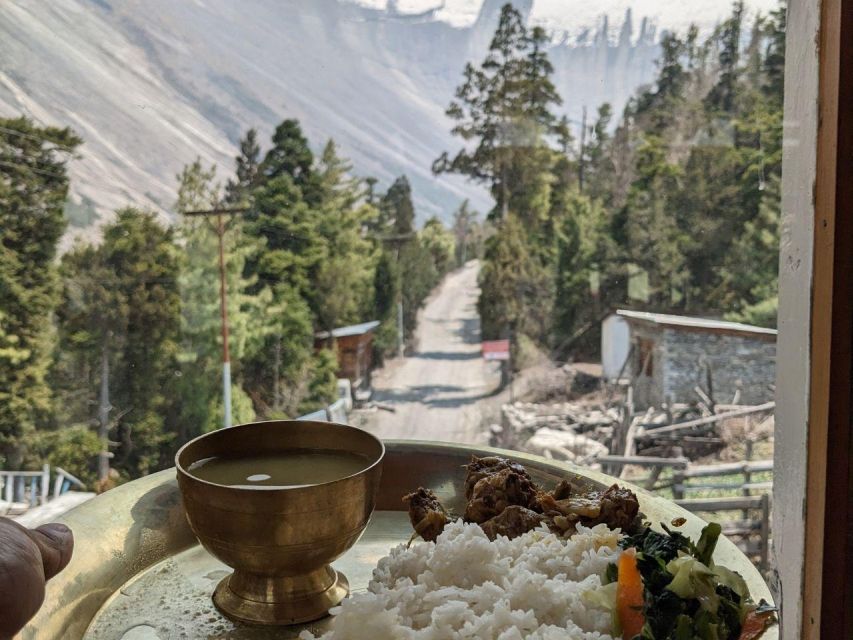
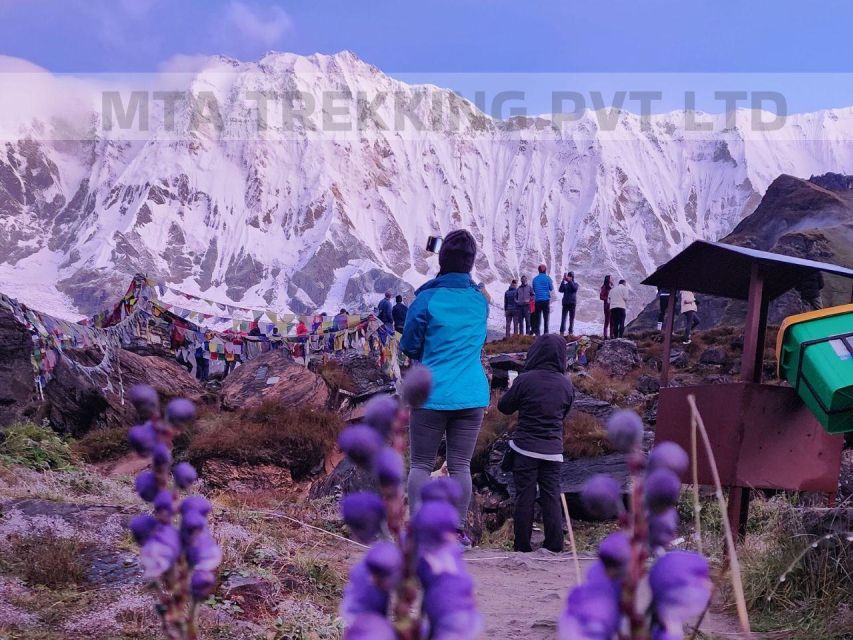
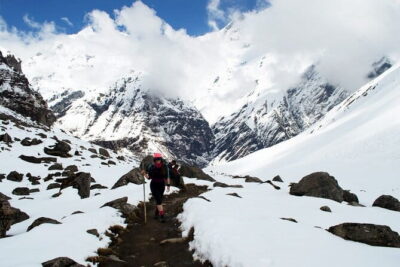
This is the main event. The walk from Deurali to Annapurna Base Camp takes about six hours and reaches 4,130 meters.
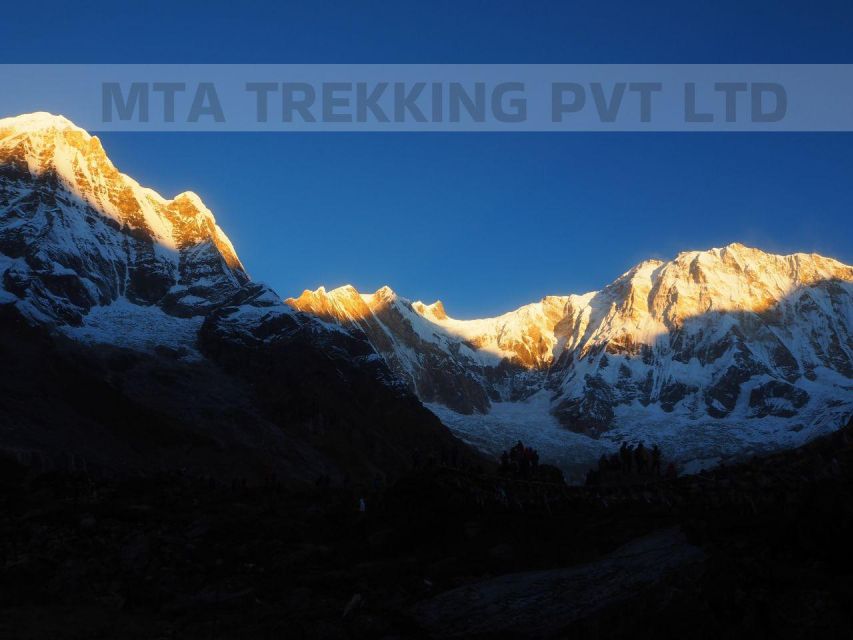
The forest gradually gives way to a more open high mountain setting. The route brings you toward snowy peaks and glaciers, with the mountains surrounding the base camp on a much larger scale than the earlier village views. This is the moment when the long approach earns its keep.
You should keep your expectations realistic. Base camp is not a quick photo stop reached by vehicle. Six hours of trekking at increasing altitude can feel slow, and the cold or thin air may affect you. Your guide’s support and your own pace matter more than arriving first.
The visit also has emotional value. Annapurna Base Camp is a famous Himalayan destination, but the appeal is not just its name. You have walked there from the lower foothills, passing homes, forests, rivers, and mountain settlements along the way. The sense of arrival comes from that gradual change.
Take the photographs you want, but do not rush the stop. The mountain setting is the reason to pause. You may also want to keep warm clothing and sun protection close at hand, since sunglasses and sunscreen are specifically recommended.
Day 5: Annapurna Base Camp to Sinuwa
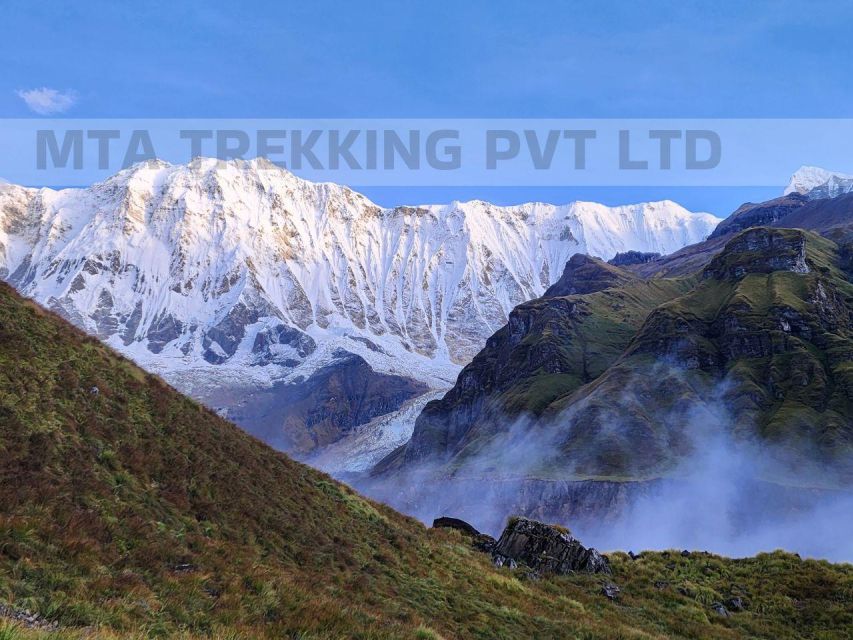
After reaching base camp, you begin the return journey. The descent to Sinuwa takes around seven hours and ends at approximately 2,200 meters.
This is the longest stated walking day, even though you are going downhill. Descending can be hard on knees and ankles, especially after the high-altitude day before. Good footwear and a measured pace will make a bigger difference here than trying to save time.
The reward is a rapid change in surroundings. You leave the high mountain zone and return toward greener forest and lower elevations. The views remain impressive, but the air should feel easier as you lose altitude.
Sinuwa is a useful overnight stop because it breaks up the long return. You do not have to push all the way to the hot springs in one day. That makes the seven-day plan more manageable, even though day five is still a serious effort.
Day 6: Sinuwa to Jhinu Dada and the hot springs
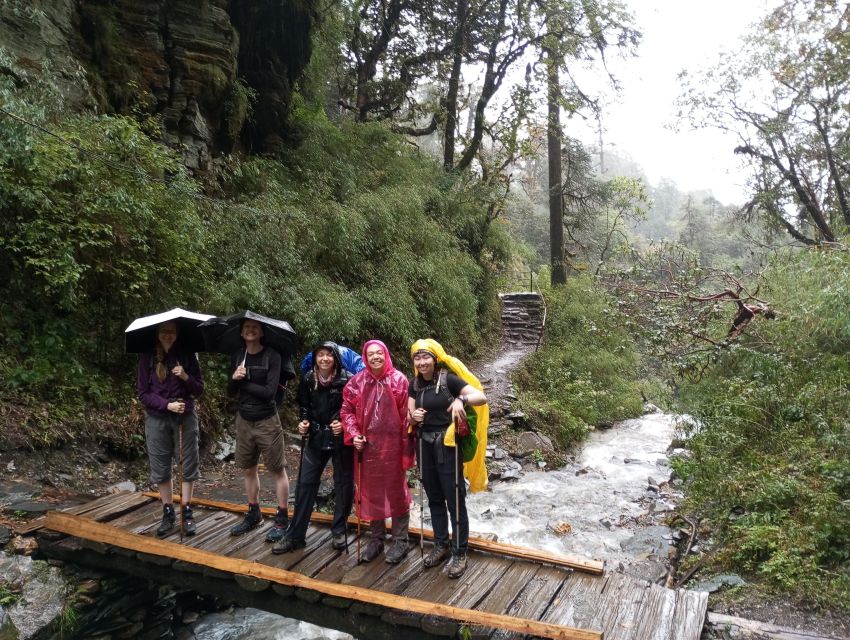
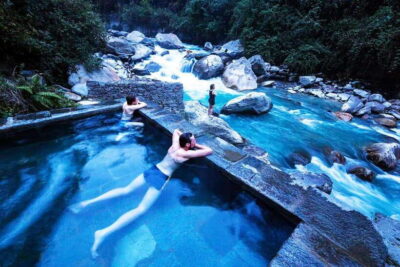
Day six takes around five hours and descends to Jhinu Dada, at about 1,600 meters. The main attraction is the natural hot spring, where you can relax after the demanding days above.
This is one of the smartest features of the schedule. A hot spring does not erase sore muscles, but it gives the trek a clear change of mood. Instead of simply sleeping in another tea house, you have time to unwind in a natural setting and think about reaching base camp.
The descent to Jhinu Dada is still part of the physical challenge. Do not assume the shorter walking time means an easy day. After the long descent to Sinuwa, your legs may welcome the slower pace and lower altitude.
Bring suitable swimwear or clothing for the hot springs if you plan to use them. The supplied information specifically says that hot water, tea, coffee, and other drinks are not included, so budget for beverages along the route.
Day 7: Jhinu Dada to Samrong and back to Pokhara
The final day begins with a hike down to Samrong, followed by a jeep ride to Pokhara. You are dropped at your hotel, bringing the trip to an easy practical finish.
This arrangement avoids another long walk after the hot springs. It also means your return depends partly on the road transfer, so keep your final day flexible rather than booking a tight onward connection.
Ending in Pokhara is convenient. You return to the same city where the trek began, instead of needing a separate transfer plan from a remote trailhead. The trip closes with mountain memories, local village encounters, and a much better appreciation for the distance covered on foot.
Tea houses, meals, and what your $252 covers
The listed price is $252 per person, which is reasonable for seven days if you use the full package and value the included services. You receive a government-licensed local guide, first aid kit, trekking permits, taxes, transportation, and six nights in tea houses.
The meal detail needs close attention. Breakfast, lunch, and dinner are included for the full package only. Meals are not included in the standard package, so the lower-priced option may not represent the final cost once you add food each day.
Drinks are excluded in both cases. That includes soft drinks, alcoholic drinks, hot water, water, tea, and coffee. You should set aside extra money for these basics, especially because warm drinks can be welcome at higher elevations.
Porter service is also not included. You will need to carry your own belongings unless you arrange and pay for a porter separately. Pack with restraint. Six nights in tea houses do not call for a large suitcase, and a heavy load makes the uphill sections less pleasant.
Travel insurance and rescue insurance are excluded. You should arrange suitable cover before departure, particularly because the trek reaches 4,130 meters and includes remote mountain sections. International flights and the Nepalese visa fee are also outside the tour price.
Guide support and the personal feel of a private group
The activity is offered as a private group with a live guide in English or Hindi. That matters if you prefer direct help rather than trying to keep up with a large mixed party.
The provider’s most praised qualities are practical ones. Pickup arrangements, local recommendations, equipment assistance, staff, organization, and tea-house quality all received strong approval. The guide was also described as fun, patient, and a delight to spend time with, which can make a real difference during long walking days.
No guide’s personal name is supplied, so I cannot give you one to request. I would ask MTA Trekking who will lead your departure and what guide-to-group arrangement applies before you book.
A private group can offer more control over breaks and walking speed, but you should still confirm exactly what private means for your booking. The supplied information confirms the group type, but it does not give a maximum number of people.
Who should choose this trek?
I would recommend this route to you if you want a focused Himalayan trek without adding extra days. It gives you the major goal of Annapurna Base Camp, village life, forest walking, high mountain scenery, and hot springs in one week.
It is a good fit for people who value local guiding and simple accommodation over luxury. The route is also useful if you are staying in Pokhara and want transport arranged at both ends.
I would hesitate if you dislike long walking days, carrying your own luggage, or basic tea-house lodging. I would also avoid booking without medical advice if you have heart problems, are pregnant, or have experienced altitude sickness.
Fitness is only part of the issue. The route reaches a high altitude quickly, so you should pay attention to symptoms and follow your guide’s advice. The schedule gives you one night at Deurali before base camp, but it is still a compact seven-day plan rather than a slow acclimatization program.
Practical packing advice for this route
The official essentials are simple: passport or ID card, sunglasses, and sunscreen. Those items make sense because the trek crosses bright, exposed mountain areas as well as shaded forest.
You should also plan for the practical realities of a week on foot. Since porter service is excluded, keep your luggage light and make sure you can carry it comfortably. A day pack should hold the items you need while walking, with the rest secured for the tea-house stops.
Do not assume drinks or hot water are covered. Budget separately for water, tea, coffee, and other beverages. You should also arrange travel and rescue insurance, since neither is part of the package.
The experience provider is MTA Trekking Pvt. Ltd. Free cancellation is available up to 24 hours before departure for a full refund, and you can reserve now and pay later. Starting times depend on availability, so check the date before making other plans.
Should you book the Annapurna Base Camp trek?
I would book this trek if you want a well-organized, private seven-day route with a clear mountain goal and a relaxing finish. The strongest reasons are the included guide and permits, the arranged transport, the local tea-house stays, and the praised care from MTA Trekking’s staff.
I would choose the full package if you want meals included and prefer to keep daily budgeting simple. If you choose the standard package, confirm exactly what food costs will be added.
This is not a soft adventure. The altitude, six-hour base camp approach, and seven-hour descent require preparation. But if you are ready for that effort, this route gives you a strong sample of the Annapurna region without unnecessary detours, and the Jhinu Dada hot springs provide a welcome reward before you return to Pokhara.
FAQ
How long is the Annapurna Base Camp trek from Pokhara?
The experience lasts seven days, including transportation from Pokhara, trekking, tea-house stays, and the return to Pokhara.
How high does the trek go?
The highest point is Annapurna Base Camp at 4,130 meters.
What languages does the guide speak?
The live guide service is available in English and Hindi.
Are meals included in the price?
Breakfast, lunch, and dinner are included with the full package only. Meals are not included with the standard package.
Is accommodation included?
Yes. Six nights in tea-house accommodation are included for both the standard and full packages.
Is porter service included?
No. Porter service is not included in the package.
Can I cancel the booking for a refund?
Yes. You can cancel up to 24 hours in advance for a full refund.
New in the Pokhara listings
- Pokhara: Pokhara Highlights Tour by Bus★ 3.6 · 10 reviews
- Discover Pokhara in Style: Private Vehicle Service with Driver★ 5.0 · 5 reviews
- Multi-Day Tour from Pokhara, Poon Hill and Mulde Trek★ 5.0 · 1 review
- Pokhara in 5 Hours: Lake, Museum, Cave, Falls & Pagoda Hill★ 4.5 · 16 reviews
- Private 4 Day Poon Hill Trek from Pokhara★ 5.0 · 16 reviews
- 4 Day Mardi Himal Base Camp Trek from Pokhara★ 5.0 · 18 reviews
- From Pokhara Full Day Entire Pokhara Tour with Guide★ 5.0 · 1 review
- Things to do at Pokhara World Peace Stupa tour with Guide★ 5.0 · 2 reviews
Annapurna Base Camp Treks, compared.
Kathmandu to Annapurna Base Camp (ABC) 5-Day Trek
Read our review →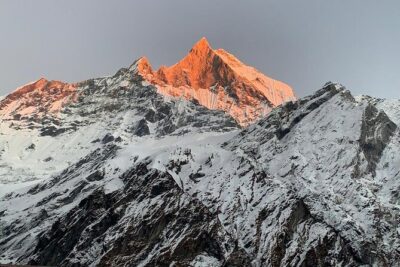
Kathmandu/Pokhara: 5-Day Annapurna Base Camp (ABC) Trek
Read our review →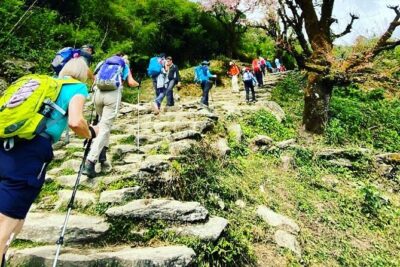
11-Day Hike Tour to Annapurna Base Camp Bliss in Kathmandu
Read our review →Browse the lists this tour appears in