
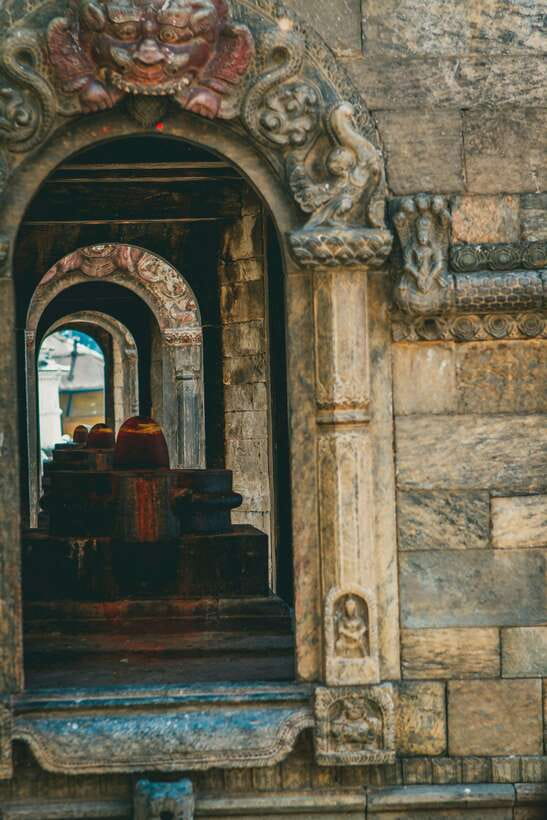
REVIEW · PASHUPATINATH TEMPLE TOURS
Sacred Kathmandu: Cremation Rites & Stupa Serenity
Sacred places ask for quiet attention. This five-hour private tour brings you to two of Kathmandu’s most important religious sites: Pashupatinath, where Hindu cremation rites take place beside the Bagmati River, and Boudhanath, the great Buddhist stupa surrounded by prayer wheels, flags, monks, and shops. I especially like the strong contrast between Hindu and Buddhist traditions and the chance to walk the stupa’s kora rather than simply snap a photo. I also like the private format, hotel pickup, and the guide’s role in explaining what you are seeing. The main consideration is that the $68 price does not include the two site fees or food, and the cremation ceremonies can feel emotionally heavy.
You get four hours at the two main sites, plus transportation from your central Kathmandu hotel, within a five-hour outing. The tour is intended for people aged 12 and older, and the private arrangement gives you room to ask questions or pause when a ritual needs respectful attention. One verified booking by Carlos from El Salvador praised his guide, Pranav, for explaining the history and important details carefully. That is exactly the kind of guidance these places need.
In This Review
- Key points to know before you go
- Why these two Kathmandu sites belong together
- Starting from Kathmandu with a private pickup
- Pashupatinath and the Bagmati River cremation ghats
- Boudhanath Stupa and the clockwise kora
- What the guide adds to a sensitive experience
- Price, extra fees, and what you receive
- Who should book this experience
- Should you book Sacred Kathmandu?
- FAQ
- How long does the Sacred Kathmandu tour last?
- What sites does the tour visit?
- Are the entrance fees included?
- Is hotel pickup included?
- What languages are available for the live guide?
- Is this a private tour?
- Can children join the tour?
Key points to know before you go
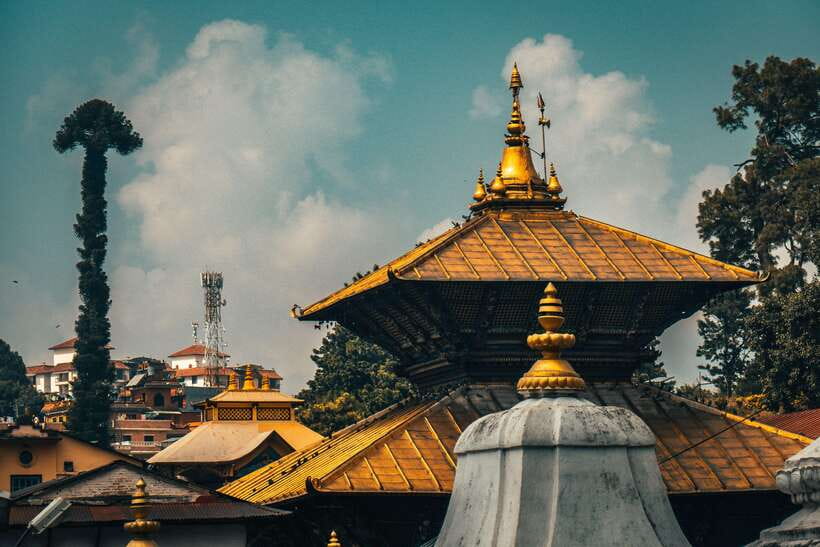
- Pashupatinath comes first in the listed route: Allow about two hours for the temple complex, riverbank, architecture, and cremation rites.
- Boudhanath offers a calmer second act: Walk the kora clockwise, turn prayer wheels, study the flags, and listen for Buddhist chanting.
- The $68 price covers a private guide and transport: Add NRs 1,000 for Pashupatinath and NRs 400 for Boudhanath, plus any food or shopping.
- Respect matters at the cremation ghats: This is a working religious site, not a performance, so your guide’s instructions are important.
- The market adds local color: Shops around Boudhanath sell items connected with Buddhist practice, but purchases are your responsibility.
- Languages and access are flexible: Live guiding is offered in English, Arabic, Hindi, Chinese, and German, and the activity is listed as wheelchair accessible.
Why these two Kathmandu sites belong together
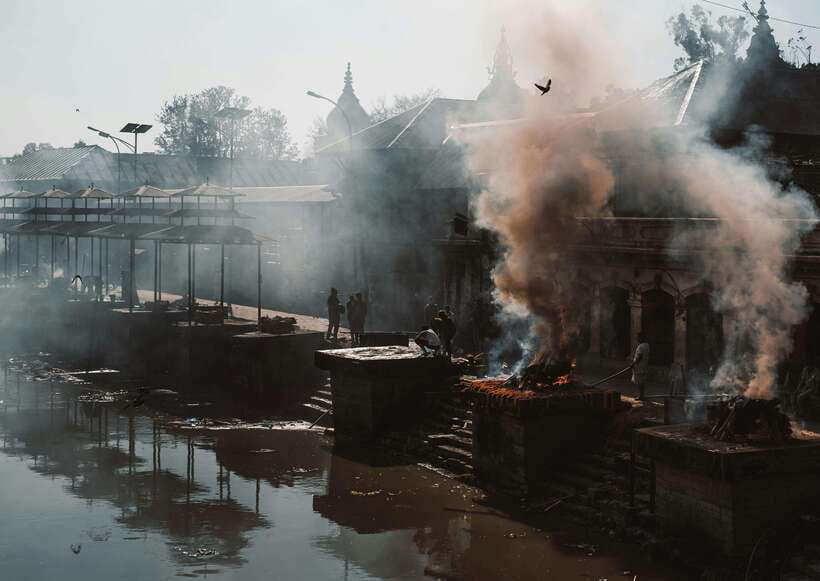
Pashupatinath and Boudhanath show two different religious worlds within the same city. Pashupatinath is one of Nepal’s most important Hindu sites, centered on sacred cremation beside the Bagmati River. Boudhanath is a major center of Tibetan Buddhism, built around a large white stupa that draws people into a slow clockwise circuit.
The pairing works because it gives you more than a single religious monument. At Pashupatinath, you confront the practical and solemn side of death rituals. At Boudhanath, you encounter a repetitive practice of walking, prayer, chanting, and reflection. The difference between the two places is part of the lesson.
I would not treat this as a standard sightseeing loop. You are being asked to observe places where people pray, mourn, make offerings, and maintain long-held customs. A guide can explain the basic meaning, but you still need to watch your own behavior. Keep your voice low, follow photography instructions, and remember that the cremation area is an active place of farewell.
More visits to Pashupatinath:
- Kathmandu Spiritual Sites: Bodhnath & Pashupatinath Tour
★ 5.0 · 185 reviews - Kathmandu: Pashupatinath Temple Evening Aarati Tour
★ 5.0 · 36 reviews - Kathmandu: Pashupatinath Temple Aarti Night Tour
★ 4.8 · 29 reviews
Starting from Kathmandu with a private pickup
The tour begins with pickup in Kathmandu, with the guide or driver collecting you from your hotel or another central location. This matters in a city where finding the right entrance or negotiating transport can take time. Instead of arranging separate rides, you have one person handling the route and guiding you through both sites.
The complete activity lasts five hours. The two formal visits are listed as roughly two hours each, leaving about an hour for driving, pickup, and return. Starting times depend on availability, so you should check the schedule when booking.
A private group is useful here. At Pashupatinath, you may want to ask about a ceremony without speaking over other people. At Boudhanath, you can choose to spend more time walking the kora, watching monks, visiting a shop, or sitting quietly with a cup of tea. A large group would make those small choices harder.
Bring a passport or identity card. Leave large luggage behind, since luggage and large bags are not allowed. Drones, alcohol, drugs, and nudity are also prohibited. These rules are simple, but they fit the serious nature of the sites.
Pashupatinath and the Bagmati River cremation ghats
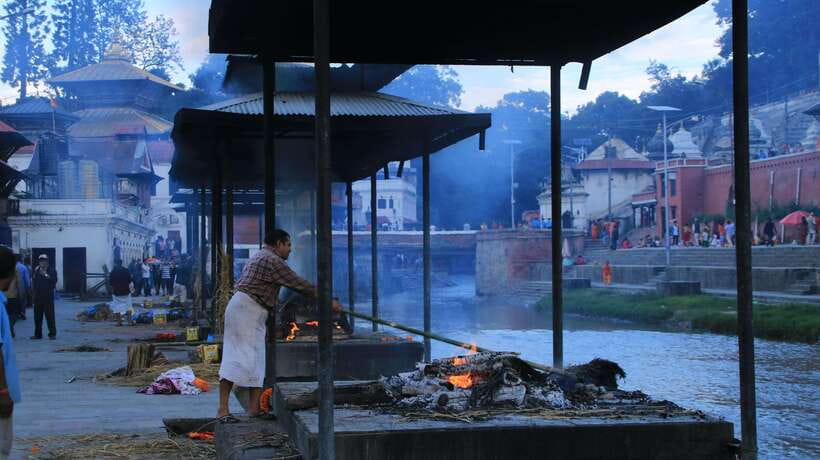
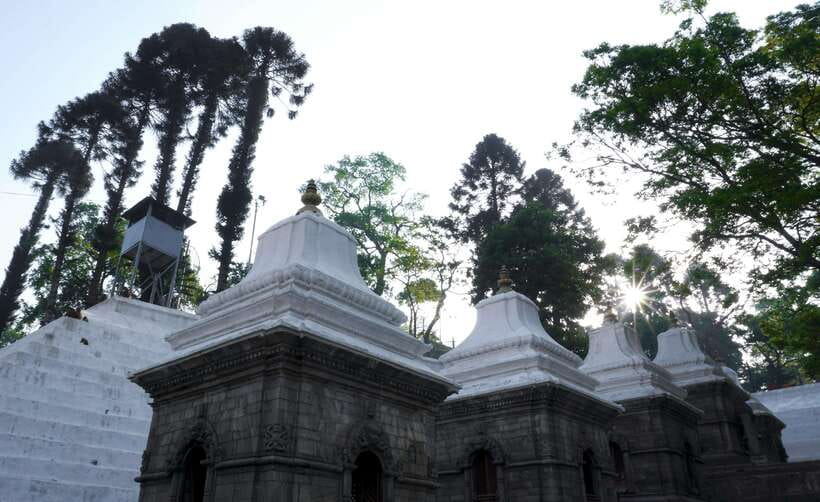
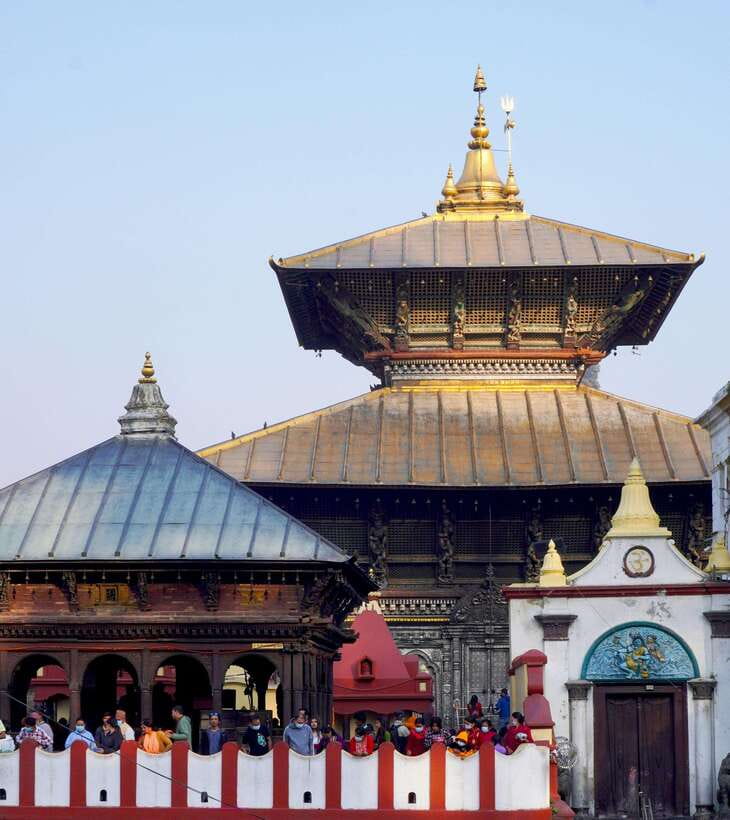
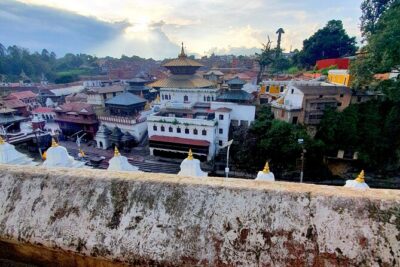
Pashupatinath is the most emotionally demanding part of the outing. Along the Bagmati River, Hindu cremation ceremonies take place as part of a family’s funeral rites. Your guide helps explain the customs and the religious ideas behind them, while you observe from the appropriate area.
The value here is not visual spectacle. It is the chance to see a central part of Hindu life carried out in public, within a sacred temple complex. The ceremonies make the site feel immediate and human. You may find the experience moving, uncomfortable, or both. That reaction is normal, and you should give yourself room to process it rather than rushing for photographs.
Your guide can also point out the architectural features of the temple complex and explain the site’s cultural and religious importance. The visit includes a photo stop, guided tour, sightseeing, and walking, but the photo element needs restraint. Ask before taking pictures, avoid directing attention toward grieving families, and follow local instructions around the riverbank.
The Pashupatinath visit is listed at about two hours. That is enough time for an introduction to the complex, a look at the river area, and a guided explanation without turning the visit into a hurried glance. Still, the exact balance may depend on activity at the ghats and the group’s pace.
The site fee is not included. The listed charge is NRs 1,000 per person. Add this to the tour price before comparing it with other Kathmandu outings. You should also remember that entry policies and local conditions can affect how much of the complex you see.
Boudhanath Stupa and the clockwise kora
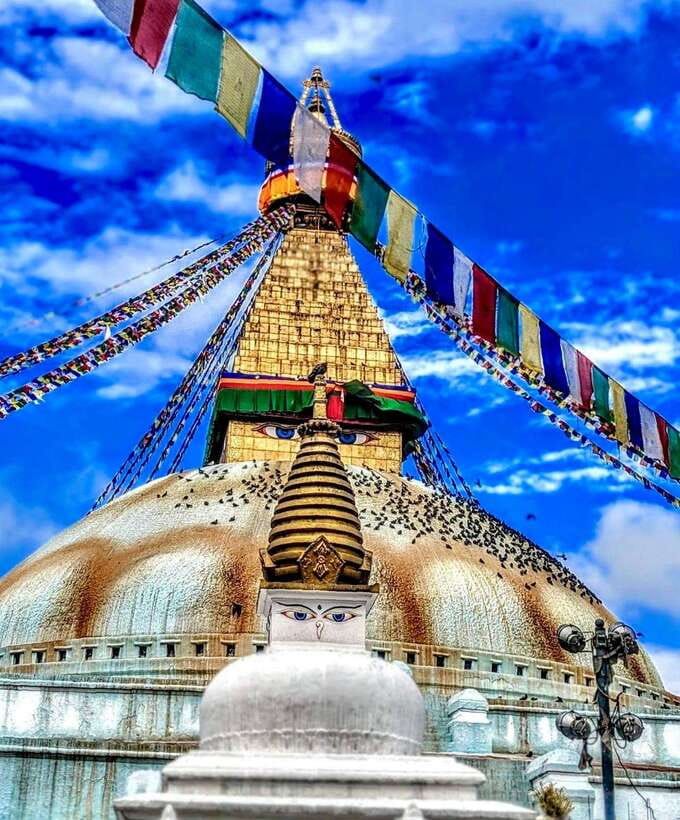
Boudhanath changes the mood. The stupa is one of the largest in the world and a major center of Tibetan Buddhism in Nepal. Its round form encourages movement, and the traditional response is the kora, a clockwise walk around the monument.
You can join pilgrims and other worshippers as you circle the stupa. The act is simple, but its rhythm gives the visit structure. Instead of moving from one display to the next, you walk, observe, and return again to the same central image. I like this because it gives you time to notice details that a quick photo stop would miss.
Prayer wheels line the route. You can spin them as you pass, following the customary direction and treating them with care. Colorful prayer flags carry Buddhist teachings and prayers, adding movement and color above the square. The description also includes monks chanting mantras and time for meditation or quiet thought, so you should not expect every moment to be a guided explanation.
Boudhanath is not silent. The area includes a lively market around the stupa, with shops and local activity close to the religious center. That mix is one of the site’s strengths. You can move from prayer wheels to small stores, then back to the stupa’s circular path within minutes.
The market is also where your spending can grow. Personal expenses, food, drinks, and optional purchases are not included. Shops may appeal if you want Buddhist prayer items or a small reminder of the visit, but you should buy only what you genuinely want. The tour provides access to the market, not a shopping allowance.
The Boudhanath stop is also listed at about two hours. That gives you time for the kora, the guide’s explanation, prayer wheels, monks’ chanting, and a little market exploration. If you prefer reflection to shopping, you can spend more time near the stupa rather than treating the shops as the main event.
A short list of alternatives around Kathmandu
- Everest Base Camp Trek – 14 Days
★ 5.0 · 1,499 reviews - Private Kathmandu Sightseeing Tour | UNESCO World Heritage sites
★ 5.0 · 756 reviews - Everest Base Camp Helicopter Tour landing at Everest View Hotel
★ 5.0 · 668 reviews - Half day cooking class in Thamel kathmandu
★ 5.0 · 607 reviews
What the guide adds to a sensitive experience
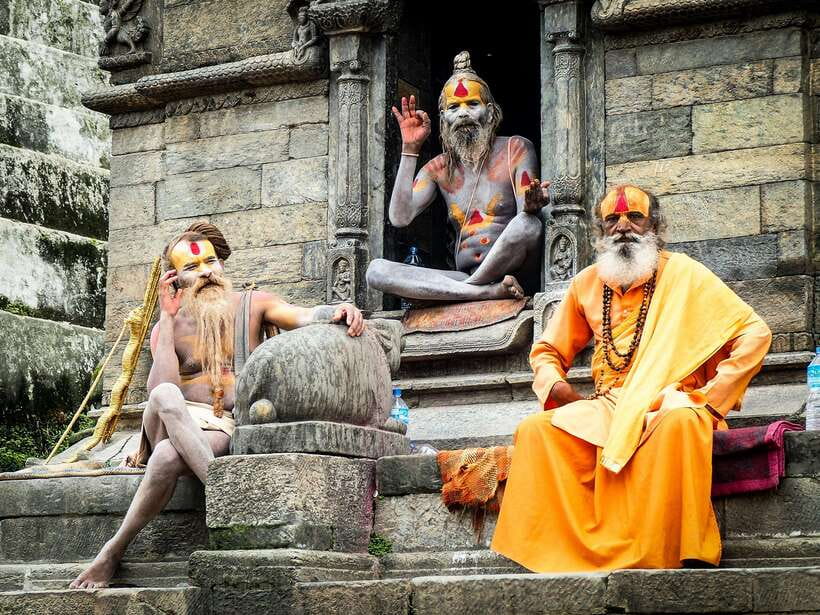
The guide is the difference between seeing two famous sites and understanding why they matter. At Pashupatinath, you need context for the cremation rites and the temple complex. At Boudhanath, the guide can explain the kora, prayer wheels, flags, and Buddhist setting without making the visit feel like a lecture.
The experience is offered with live guiding in English, Arabic, Hindi, Chinese, and German. That is helpful when religious terms and ritual actions are difficult to explain through signs alone. If you have a preferred language, confirm it at booking.
The one verified booking connected with the experience gave particular praise to Pranav. Carlos described the day as spectacular and interesting and said Pranav explained the history and important information in detail. I would not assume Pranav will be assigned to every departure, but his name gives you a useful standard to expect: clear explanations, not just transport and directions.
A private guide should also help you handle moments that need tact. At the cremation area, you may want to know where to look, when photography is inappropriate, or how close you should stand. At Boudhanath, you may want help understanding why people circle clockwise or how prayer wheels fit into Buddhist practice.
Price, extra fees, and what you receive
The tour costs $68 per person. For a five-hour private experience with hotel pickup and drop-off, a live guide, both major sites, and a guided return, that can be a reasonable price, especially if you value convenience and interpretation.
The mandatory site fees add NRs 1,400 in total: NRs 1,000 for Pashupatinath and NRs 400 for Boudhanath. Food and drinks are separate, as are market purchases. The final cost is therefore higher than the headline price, though the main inclusions cover the parts that are hardest to arrange independently.
The value is strongest for a first visit to Kathmandu or for anyone who wants a focused cultural outing without spending a full day away from the city. If you already know both sites well, the guided format may feel less necessary. If you are short on time, the pairing is efficient.
Free cancellation is available up to 24 hours before the activity for a full refund. You can also reserve now and pay later, which helps if your Kathmandu schedule is still changing. The tour offers skip-the-ticket-line access, though the separate entrance fees still apply.
Who should book this experience
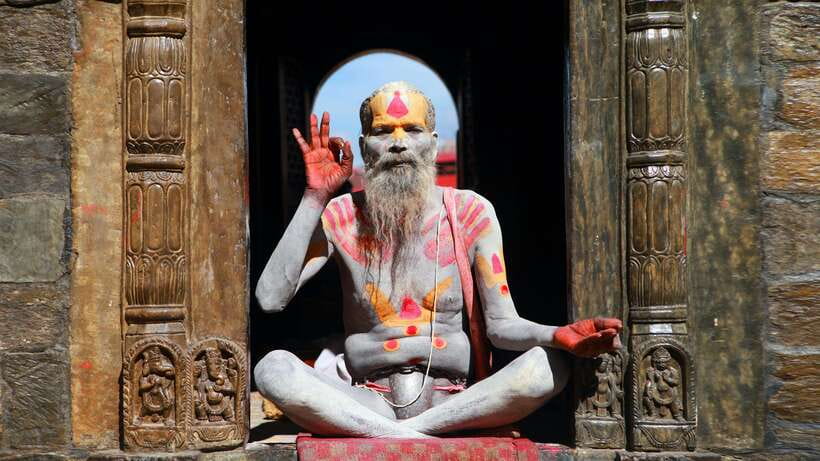
I would recommend this tour to adults and older teenagers who want cultural context, not just landmark photos. The minimum age is 12, and the cremation rites may be too serious for younger children. Anyone interested in Hindu and Buddhist practice will find the two-site format especially useful.
It also suits visitors who prefer a private group. You can ask direct questions, set a comfortable walking rhythm, and spend more time at the parts that matter to you. The listed wheelchair accessibility is an advantage, though the religious sites may still involve walking and varied surfaces, so you should confirm your specific needs before booking.
This may not suit you if you want a light, purely scenic morning. Pashupatinath deals directly with death and mourning, and the visit requires respect. It also may not suit a shopper looking for a long market session, since Boudhanath’s shops are one part of a wider religious visit.
Wear clothing suitable for sacred places and bring only what you need. Carry your passport or ID card, but leave large bags at your hotel. Most of all, bring patience. The best moments may be a slow circuit around the stupa or a quiet explanation beside the river, not a dramatic photograph.
Should you book Sacred Kathmandu?
Book it if you want a compact, guided look at two of Kathmandu’s most important religious centers and you appreciate having transport arranged. The strongest reasons are the private format, the contrast between Pashupatinath and Boudhanath, and the chance to take part in the kora rather than simply view the stupa from outside.
Think twice if cremation rites feel too difficult for you or if you prefer independent exploration. Before paying, budget for the NRs 1,400 in entrance fees, confirm your preferred guide language, and ask about the day’s pickup time.
For the right visitor, this is a serious but rewarding half-day. You leave with more than two famous Kathmandu photographs. You gain a clearer sense of how prayer, death, ritual, and daily city life meet in Nepal.
FAQ
How long does the Sacred Kathmandu tour last?
The activity lasts five hours. The listed visits include about two hours at Pashupatinath and two hours at Boudhanath, with the remaining time used for pickup, travel, and return.
What sites does the tour visit?
It visits Pashupatinath Temple and Boudhanath Stupa in Kathmandu. Pashupatinath includes the temple complex and Hindu cremation area beside the Bagmati River. Boudhanath includes the stupa, kora, prayer wheels, chanting, and nearby markets.
Are the entrance fees included?
No. The listed entry fee is NRs 1,000 at Pashupatinath and NRs 400 at Boudhanath. Food, drinks, personal expenses, and purchases at the shops are also separate.
Is hotel pickup included?
Yes. Pickup and drop-off from a central Kathmandu location are included. The guide or driver collects you from your hotel and returns you to your central location.
What languages are available for the live guide?
Live guiding is offered in English, Arabic, Hindi, Chinese, and German. Confirm your preferred language when arranging the tour.
Is this a private tour?
Yes. The experience is organized for a private group rather than a shared public group.
Can children join the tour?
The activity is not suitable for children under 12 years old. The cremation rituals at Pashupatinath are solemn, so older children should be prepared for a serious cultural experience.
New in the Kathmandu listings
- Traditional Momo Making Class★ 5.0 · 10 reviews
- Kathmandu: Ancient City Kirtipur & Pharping Monastery Tour★ 5.0 · 2 reviews
- Kathmandu to Pokhara Premium sofa bus ticket★ 4.0 · 17 reviews
- Women Empowerment Project(Nepali cooking class & jewelry workshop★ 5.0 · 15 reviews
- 7-Day Langtang Valley Trek from Kathmandu★ 5.0 · 1 review
- Kathmandu 2 Nights 3 Days Chitwan Jungle Safari Tour★ 5.0 · 9 reviews
- Yoga Experience Day Trip with Private Transfer From Kathmandu★ 4.0 · 2 reviews
- Wildlife Adventure in Chitwan Nepal★ 4.0 · 4 reviews
Pashupatinath Temple Tours, compared.
Kathmandu Spiritual Sites: Bodhnath & Pashupatinath Tour
Read our review →
Pashupatinath Temple, Hindu Crematorium and Aarati in-depth Tour
Read our review →
Pashupatinath Evening Aarati: Few Divinely Hours in Kathmandu
Read our review →
Sacred Pashupatinath: Aarati,Cremation Rites & Boudha Stupa
Read our review →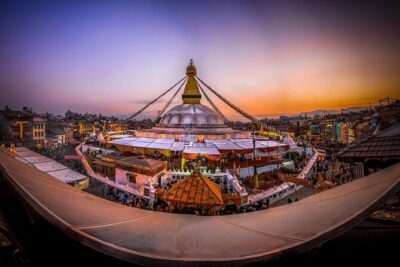
PashupatiNath and BoudhaNath – Private/Small Group
Read our review →Browse the lists this tour appears in