REVIEW · TOURS
Shamanism Tour in Nepal with Spiritual and Cultural Experience
Ancient rituals meet village life. This two-day trip from Kathmandu takes you beyond the usual sightseeing circuit, with time for a personal Shaman healing and consultation session, a Tamang dance after dark, and a night in a community homestay. I especially like the chance to meet local Shamans in their own setting and the visit to Uttar Gaya, a sacred pilgrimage site that adds a serious spiritual dimension.
The other strong point is the mix of culture and history. You visit Nuwakot Durbar Square, linked with King Prithivi Narayan Shah, then continue toward Betrawati and Rasuwa for a slower village experience. The main consideration is the timing: the schedule begins at 12:15 am and packs a lot into roughly two days, so you should be ready for a long first day and simple overnight arrangements.
In This Review
- Key points to know before you go
- Why this Nepal Shamanism trip feels different
- The long road to Nuwakot Durbar Square
- Betrawati and the community homestay
- Meeting the Shaman and understanding the ritual
- Uttar Gaya, a quieter spiritual stop
- How the schedule affects your comfort
- Is $250 good value?
- Who should choose this experience?
- Booking, cancellation, and practical checks
- Should you book the Nepal Shamanism Tour?
- FAQ
- Where does the tour begin?
- What time does the tour start?
- How long is the experience?
- Where do you stay overnight?
- What meals are included?
- Is the Shaman healing session included?
- Can I cancel for a full refund?
Key points to know before you go
- A personal Shaman session is included: You receive an energy-cleansing and consultation session with an experienced local Shaman.
- The overnight stay is part of the experience: You sleep in a community home in Betrawati, rather than returning to Kathmandu.
- Nuwakot adds historical depth: The hilltop Durbar Square connects the spiritual trip with Nepal’s royal past.
- Tamang culture takes center stage: A traditional dance performance under the stars gives the evening a distinctly local feel.
- Uttar Gaya is a sacred stop: You visit this Hindu pilgrimage site and receive blessings there.
- The tour is private: Only your group participates, allowing more direct conversation and personal attention.
Why this Nepal Shamanism trip feels different
Many Kathmandu excursions give you temples, viewpoints, and a guide with a flag. This one is built around contact with people and traditions. You are not simply looking at a shrine or taking a photograph of a village. You spend time with Shamans, eat local meals, sleep in a community home, and talk with residents about Shamanism and village customs.
That distinction matters. Himalayan Shamanism is not presented here as a museum display. The tour introduces you to Bon Shamanism traditions and includes a personal session, so the experience is more participatory than a standard cultural outing. You should approach it with respect and curiosity, not as a guaranteed cure or theatrical show.
I also like the small, private format. Your group is the only group on the activity, which can make it easier to ask questions and explain what you hope to understand. The provider is Trek Pal Nepal Tour & Adventure, and the company is associated with Avinash, described as a young, good-humored, determined founder who responded to questions before the trip. That kind of communication is useful for an experience with unusual customs and an early start.
A short list of alternatives around Kathmandu
- Everest Base Camp Trek – 14 Days
★ 5.0 · 1,499 reviews - Private Kathmandu Sightseeing Tour | UNESCO World Heritage sites
★ 5.0 · 756 reviews - Everest Base Camp Helicopter Tour landing at Everest View Hotel
★ 5.0 · 668 reviews
The long road to Nuwakot Durbar Square
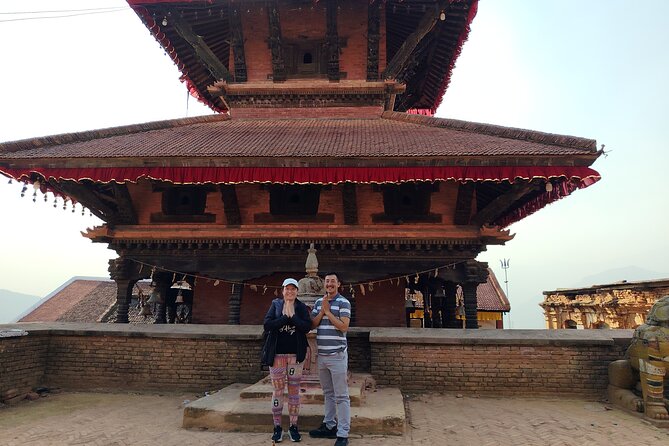
The first major stop is Nuwakot Durbar Square, reached by scenic private transport from Kathmandu. The site is connected with King Prithivi Narayan Shah and includes a historic palace area and temples on a hilltop with broad views over the surrounding hills.
This is a smart opening stop. It gives you a historical frame before the tour turns toward living spiritual practice. Nepal’s past is not limited to the Kathmandu Valley, and Nuwakot helps show how power, religion, and hill settlements were connected.
Allow yourself time here for uneven walking, temple visits, and views. The supplied schedule gives the Nuwakot portion about 14 hours, including the day’s transport and activities, so this is not a quick roadside stop. The long duration is useful if you enjoy a relaxed pace, but it also means you should be prepared for a tiring day.
The private vehicle is an important part of the value. You are not piecing together public buses between Kathmandu, Nuwakot, Betrawati, and the Rasuwa area. The price includes private transportation, and that removes much of the friction from reaching this less familiar route.
Betrawati and the community homestay
After Nuwakot, the trip continues to Betrawati, near the border of Nuwakot and Rasuwa. This is where the character of the experience changes. Instead of another formal monument, you spend the night in a local community home.
The homestay is likely to be the part that stays with you longest. You get a view of rural daily life through local hospitality, food, and conversation. The accommodation is simple by design. This is not a resort night with polished services and a long list of facilities. It is a chance to stay in a village setting and support a community-based experience.
Your included meals are dinner on the first day, breakfast the next morning, and lunch. The food is described as authentic local fare, though no fixed menu is provided. If you have dietary restrictions, raise them when booking or before departure rather than assuming the host can adjust meals easily.
The schedule allows about 10 hours for the Betrawati portion on the first day. That time includes the overnight stay and evening activities. A traditional Tamang cultural dance is planned under the stars, giving you a social and celebratory side of the community rather than only a solemn spiritual one.
The dance is also a reminder that Tamang culture is broader than Shamanism alone. Music, movement, food, family hospitality, and religious practice all belong to the same local world. You may find the performance more meaningful after spending time with the community instead of arriving only for a staged show.
Meeting the Shaman and understanding the ritual
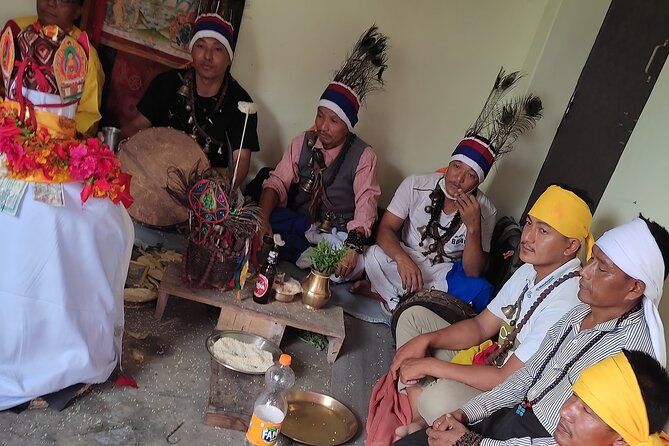
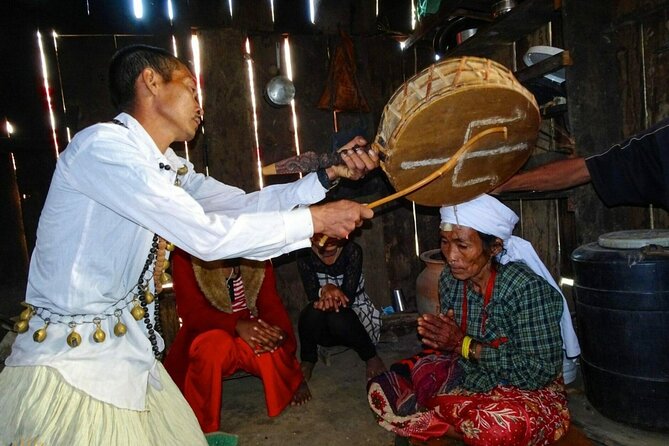
The personal healing session is the tour’s central feature. You meet a local Shaman and take part in an energy-cleansing and consultation session. The experience is presented as part of ancient Himalayan Bon Shamanism traditions.
You should think of this as a cultural and spiritual encounter, not a medical appointment. The session may be personally moving, but the tour does not promise a medical result. If you have a serious physical or mental health concern, continue using qualified medical care and treat the Shaman session as a spiritual practice.
A good approach is to listen first. Ask what the ritual means, what objects or gestures are being used, and how the practice fits into local life. The private format gives you a better chance to ask these questions without a large crowd waiting behind you.
An extra private Shaman session is not included. The listed experience includes one Shaman healing and consultation session, while additional private services cost extra. You should clarify the difference between the included session and any optional add-on before agreeing to anything.
This is also a place for cultural courtesy. Avoid treating the ritual as a performance made only for photographs. Follow the guide’s instructions about where to sit, when to speak, and whether photography is appropriate.
A completely different way to spend the day:
- Half day cooking class in Thamel kathmandu
★ 5.0 · 607 reviews - Everest Base Camp Trekking
★ 5.0 · 485 reviews - Nagarkot Sunrise View and Day Hiking from Kathmandu
★ 5.0 · 471 reviews - Kathmandu: Full Day 7 UNESCO Tour with Lunch – Private/Group
★ 5.0 · 415 reviews
Uttar Gaya, a quieter spiritual stop
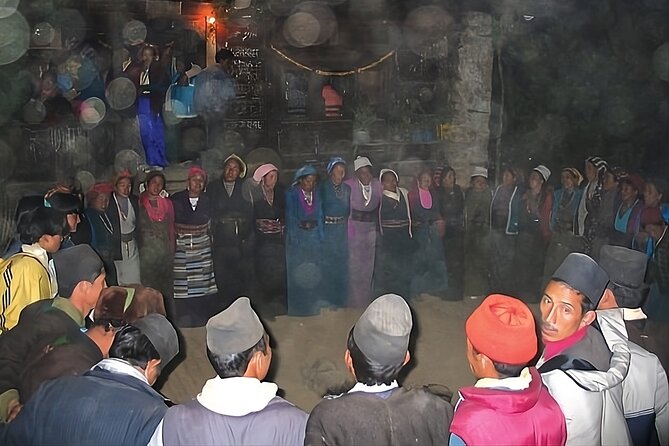
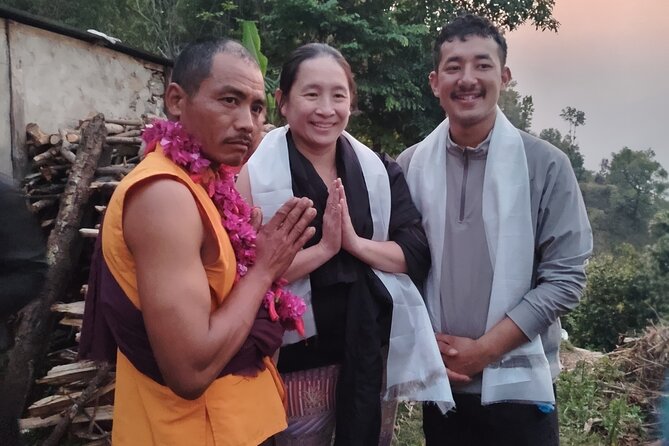
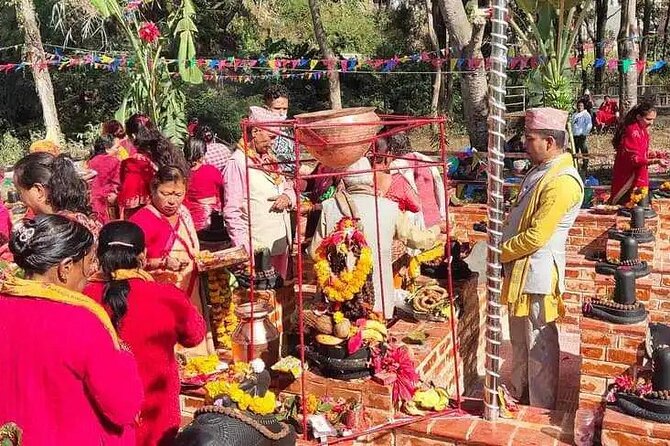
On the second day, after breakfast, you visit Uttar Gaya dham. It is described as a sacred Hindu pilgrimage site with a calm atmosphere, and you receive blessings there.
This stop broadens the spiritual focus of the trip. The first day centers on Bon Shamanism and Tamang culture. Uttar Gaya brings a Hindu pilgrimage tradition into the same journey. You are not being asked to choose one belief system over another. Instead, you see how several religious traditions exist across Nepal’s hill communities.
The visit is scheduled for about four hours, along with time to speak with local people about Shamanism and village traditions. That conversation may be one of the most valuable parts of the morning. It lets you move beyond a formal ceremony and hear how spiritual customs are understood in ordinary community life.
The site is not described as a major sightseeing complex with extensive visitor facilities. That is part of its appeal, but it also means you should keep expectations focused on quiet observation, blessings, and conversation rather than a long list of attractions.
How the schedule affects your comfort
The listed start time is 12:15 am from Thamel, Kathmandu. That is unusually early, or technically overnight, so confirm the pickup details carefully with Trek Pal Nepal Tour & Adventure before setting out. You should also plan your sleep around it and keep your first-day expectations realistic.
The overall duration is approximately two days and one night. The first day is particularly full, with Nuwakot, the drive toward Betrawati, the homestay, meals, and cultural activities. The second day includes breakfast, Uttar Gaya, local conversation, and the return to the original meeting point.
Because the tour uses private transportation, you have a more direct route than you would with local buses. Still, mountain and hill roads can make a day feel longer than the mileage suggests. Bring water, snacks for personal use, and comfortable clothing. Personal expenses such as snacks and souvenirs are not included.
Most people can participate, and the activity is near public transportation, but the schedule and rural setting may not suit anyone seeking a short, easy city excursion. The information does not specify walking distances, bathroom arrangements, bedding, or room setup at the homestay. Ask about those points if they affect your decision.
Is $250 good value?
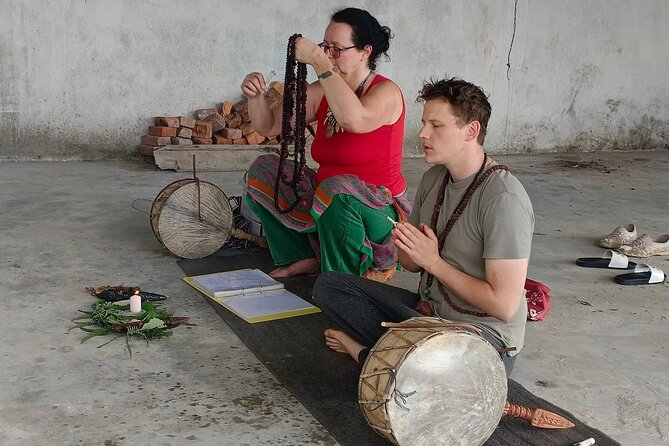
At $250 per person, the cost is reasonable if you value access and local contact more than luxury. The price includes private transportation, a one-night community homestay, breakfast, lunch, dinner, a local guide, the village experience, the Shaman session, and the Tamang performance.
Add those pieces together and the price covers much more than a simple day trip. You are paying for transport outside Kathmandu, an overnight stay, three meals, cultural programming, and a personal spiritual session. You also avoid arranging several difficult connections on your own.
The value is less convincing if your main goal is a polished hotel, a predictable menu, or a long list of major monuments. The accommodation is community-based, and the spiritual session depends on your personal interest and openness. I would book it for access to people and traditions, not for comfort or sightseeing volume.
The private format makes the price more attractive for couples, families, or small groups who want direct attention. Solo visitors can also benefit, particularly because the experience provides a structured way to meet local people while exploring beyond Kathmandu.
Who should choose this experience?
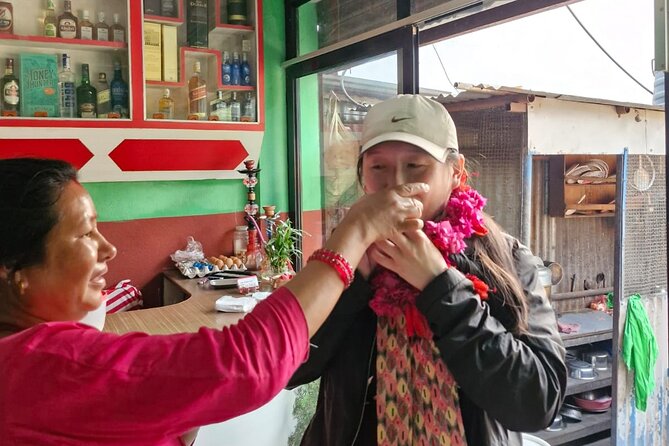
I would recommend this trip to you if you want to explore Nepal through living traditions. It suits people interested in Shamanism, Hindu pilgrimage, Tamang culture, village life, and personal conversation. It also works well for a first-time solo visitor who wants a guided route and a meaningful cultural setting outside the capital.
It may not suit you if you dislike early starts, long drives, simple homestays, or spiritual ceremonies. You should also think carefully if you want complete control over your schedule. The tour is compact and activity-filled, so there is less free time than on a slow village stay.
The best mindset is respectful curiosity. You do not need to share every belief involved in the rituals. You do need to listen, follow local guidance, and accept that the experience may feel unfamiliar.
Booking, cancellation, and practical checks
Your booking confirmation is issued at the time of reservation, and the activity ends back at the Thamel meeting point. Tips are appreciated but not required, while personal snacks, souvenirs, and extra private Shaman services cost more.
The cancellation terms are fairly strict near departure. You receive a full refund when you cancel at least six full days before the start time. Cancellation two to six full days ahead brings a 50 percent refund, while cancellation less than two full days before departure receives no refund. Changes inside those same windows are not accepted, and the cut-off follows Nepal local time.
Before paying, I would confirm four things: the 12:15 am pickup time, the exact accommodation arrangement, what the included Shaman session involves, and whether your meal needs can be met. Those questions are more useful than asking for a polished itinerary, since the appeal here is the local setting.
Should you book the Nepal Shamanism Tour?
Book it if you want a personal, culturally focused trip that connects Nuwakot’s royal past with Tamang village life, Bon Shamanism, and Hindu pilgrimage. The homestay, included meals, private transport, and intimate group format give the $250 price solid value.
Skip it if you want a comfortable resort stay, a conventional sightseeing tour, or a guaranteed health result from the healing session. For the right person, though, this is a thoughtful way to spend two days beyond Kathmandu, with real contact, a memorable night in Betrawati, and a spiritual program that asks you to pay attention rather than simply look around.
FAQ
Where does the tour begin?
The tour begins at Thamel, Kathmandu 44600, Nepal.
What time does the tour start?
The listed start time is 12:15 am. Confirm the pickup details with the provider before departure.
How long is the experience?
The trip lasts approximately two days and includes one overnight stay.
Where do you stay overnight?
You stay for one night in a community homestay in Betrawati.
What meals are included?
Breakfast, lunch, and dinner are included.
Is the Shaman healing session included?
Yes. The package includes a Shaman healing and consultation session. An additional private Shaman session is not included.
Can I cancel for a full refund?
Yes, if you cancel at least six full days before the experience start time. Cancellation two to six full days ahead receives a 50 percent refund, while cancellation less than two full days before departure is nonrefundable.
New in the Kathmandu listings
- Traditional Momo Making Class★ 5.0 · 10 reviews
- Kathmandu: Ancient City Kirtipur & Pharping Monastery Tour★ 5.0 · 2 reviews
- Kathmandu to Pokhara Premium sofa bus ticket★ 4.0 · 17 reviews
- Women Empowerment Project(Nepali cooking class & jewelry workshop★ 5.0 · 15 reviews
- 7-Day Langtang Valley Trek from Kathmandu★ 5.0 · 1 review
- Kathmandu 2 Nights 3 Days Chitwan Jungle Safari Tour★ 5.0 · 9 reviews
- Yoga Experience Day Trip with Private Transfer From Kathmandu★ 4.0 · 2 reviews
- Wildlife Adventure in Chitwan Nepal★ 4.0 · 4 reviews
Tours, compared.
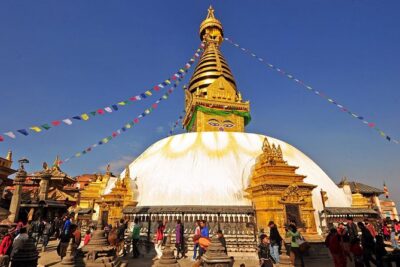
Private Kathmandu Sightseeing Tour | UNESCO World Heritage sites
Read our review →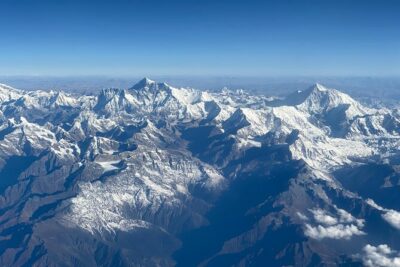
Everest Base Camp Helicopter Tour landing at Everest View Hotel
Read our review →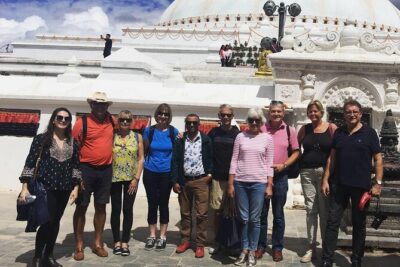
Full Day 7 UNESCO Tour with Lunch – Private/Group
Read our review →
Full Day Top 4 UNESCO Tour with Lunch – Private/Group
Read our review →
Full-Day 7 UNESCO Tour with Lunch – Private/Group
Read our review →