REVIEW · TOURS
Temples and Stupas Tour in Kathmandu Valley
Kathmandu’s sacred heart fits into one busy day. This small-group tour links Pashupatinath Temple, Patan Durbar Square, and Boudhanath Stupa, three UNESCO World Heritage sights that show Nepal through Hindu worship, royal Newari architecture, and Tibetan Buddhist faith. At $34 per person, it is a practical way to cover major sights without bargaining with taxi drivers.
I like the maximum group size of 10, which should make questions and conversation easier than on a large coach tour. I also like the English-speaking guide and air-conditioned transport, especially when Kathmandu traffic turns a short road trip into a slow crawl. The main caution is that entrance fees, food, drinks, and hotel transfers are not included, and the quality of commentary may depend heavily on your assigned guide.
In This Review
- Key points before you book
- A useful first day in Kathmandu
- Pashupatinath: Kathmandu’s most powerful first stop
- Patan Durbar Square and the Malla royal legacy
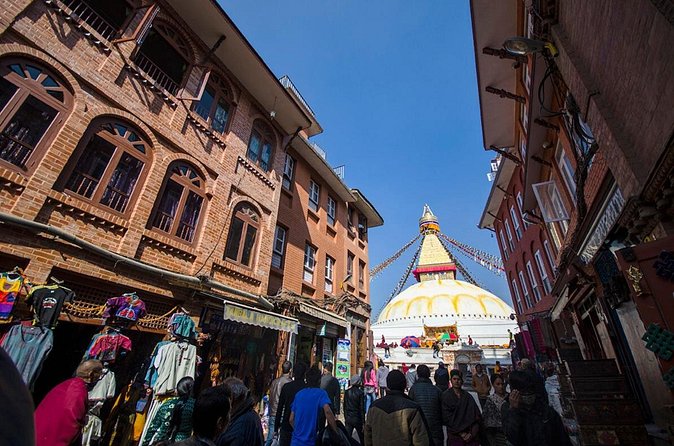
- Boudhanath: the day ends beneath watchful eyes
- How much value do you get for $34?
- What the day feels like in practice
- Who should book this Kathmandu tour?
- Should you book it?
- FAQ
- How long does the Temples and Stupas Tour last?
- What time and where does the tour start?
- Which sights are included?
- Are entrance fees included?
- Is hotel pickup and drop-off provided?
- What is the maximum group size?
Key points before you book
- Three major sights in about seven hours: You visit Pashupatinath, Patan Durbar Square, and Boudhanath in one well-packed day.
- Pashupatinath offers a serious look at Hindu practice: You may see holy men and, depending on the day, a cremation taking place.
- Patan gives you royal Nepal and Newari design: The former Malla royal center rewards close attention to its carved wood and brickwork.
- Boudhanath changes the mood: The great Buddhist stupa brings prayer, ritual, and a calmer final stop.
- The $34 price covers the basics: Transport and an English-speaking guide are included, but entrance fees are extra.
- Plan for an early cost check: One account put entrance fees at about 2,000 Nepalese rupees total at two stops, but fees can change.
A useful first day in Kathmandu
The tour starts at 9:00 a.m. from Royal Mountain Travel on Lal Durbar Marg and returns to the same meeting point. It lasts about seven hours, with roughly two hours planned at each sight and the remaining time used for driving between them.
That schedule gives you a broad introduction rather than a leisurely study of one place. I would choose it for a first full day in Kathmandu, especially if you want help making sense of the city’s religious traditions and royal past. If you already know the valley well, the three-stop format may feel brisk.
Transport is by air-conditioned vehicle sized for the group. That matters in Kathmandu, where moving between districts can be tiring and confusing if you are trying to arrange separate taxis. You do need to reach the starting point yourself, since hotel pickup and drop-off are not part of the basic package.
The mobile ticket is handy, and confirmation is provided at booking. The tour is listed as suitable for most people and near public transportation. Children aged 10 and above are charged an entrance fee, while the supplied details do not state a separate child tour price.
A short list of alternatives around Kathmandu
- Everest Base Camp Trek – 14 Days
★ 5.0 · 1,499 reviews - Private Kathmandu Sightseeing Tour | UNESCO World Heritage sites
★ 5.0 · 756 reviews - Everest Base Camp Helicopter Tour landing at Everest View Hotel
★ 5.0 · 668 reviews
Pashupatinath: Kathmandu’s most powerful first stop
Pashupatinath Temple is dedicated to Shiva, known here as Pashupatinath, or Lord of Animals. It is one of Nepal’s most important Hindu sites and also a final destination for Hindu devotees. The religious purpose of the place is not hidden behind museum glass. Worship, death, ritual, and daily life share the same space.
You have about two hours here. That should give your guide time to explain the temple’s role and point out the meaning behind what you see. Hindu holy men may be present, and you might witness a cremation. This is not a staged cultural display, so approach the river area and funeral rites with quiet respect.
For me, this is the stop where a guide adds the most value. Without context, you may see a temple complex, riverside platforms, and people moving through ceremonies without understanding their place in Hindu practice. A good guide can explain the difference between what you may observe from public areas and what belongs to worshippers.
Pashupatinath can also be the most emotionally demanding part of the day. A cremation is a family and religious event, not a performance for visitors. Keep your distance, follow instructions, and avoid treating solemn moments as photo opportunities. The tour description says you may see a cremation, not that one is guaranteed.
Entrance is not included. Since the advertised price does not cover all fees and taxes, keep Nepalese cash available or ask the operator for the current amount before setting out. One past account put the total at around 2,000 rupees for entry at two of the stops, with about 1,000 rupees at each, but you should treat that as a planning guide rather than a fixed current price.
Patan Durbar Square and the Malla royal legacy
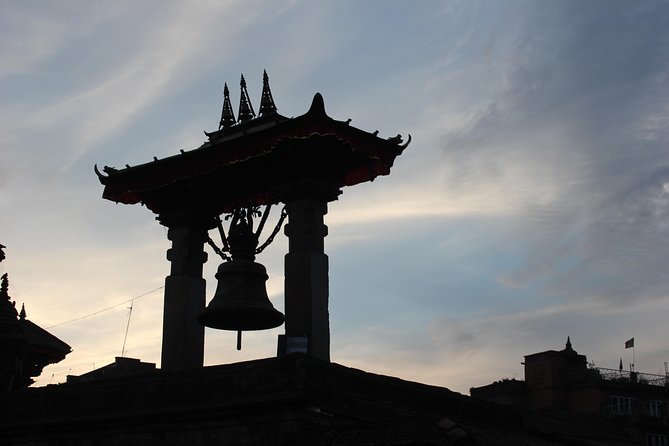
The second stop is Patan Durbar Square in Lalitpur, often called the city’s historic center. This was once the royal palace area of the Malla kings, and it is known for Newari architecture, carved details, temples, and courtyards.
You have another two hours here. That is enough time to walk through the main area and let the guide connect the buildings to Nepal’s royal and artistic traditions. I would pay close attention to the woodcarving and brickwork. Patan is not just a collection of old structures. Its design shows how religion, kingship, craftsmanship, and city life worked together.
This stop is likely to appeal most if you enjoy architecture and history. The word Durbar means palace, and the square recalls the period when Kathmandu Valley was divided among powerful city kingdoms. Your guide can help turn a maze of shrines and palace buildings into a story about the Malla rulers and Newari culture.
The square is also a reminder that heritage sites can be living places. You may see worshippers, local activity, and people using the area as more than a monument. I like that quality. You are not simply walking through a preserved royal set; you are seeing a historic center that remains tied to local life.
The main drawback is time. Two hours may pass quickly if you want detailed photographs, museum visits, or a slow look at every temple. Since the tour has three major stops, you will need to accept a clear limit on how long you linger.
Patan has its own entrance fee, which is excluded from the tour price. If you want a full day at the square, this group tour is not the best format. If you want a well-guided introduction while also seeing two other major sites, the schedule makes more sense.
Boudhanath: the day ends beneath watchful eyes
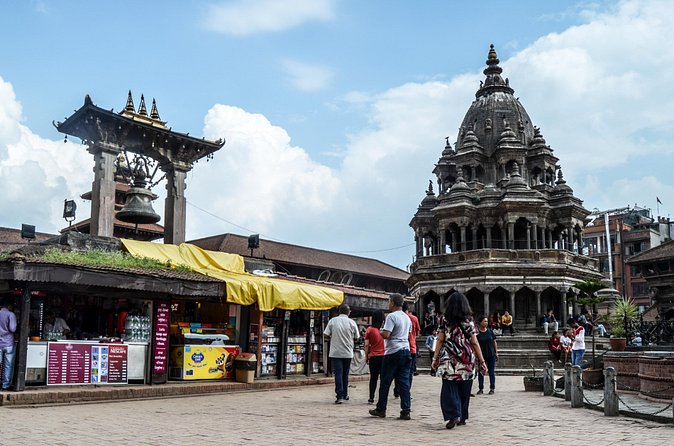
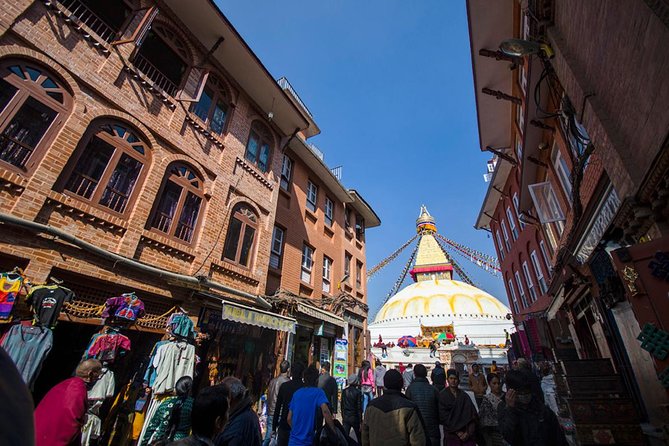
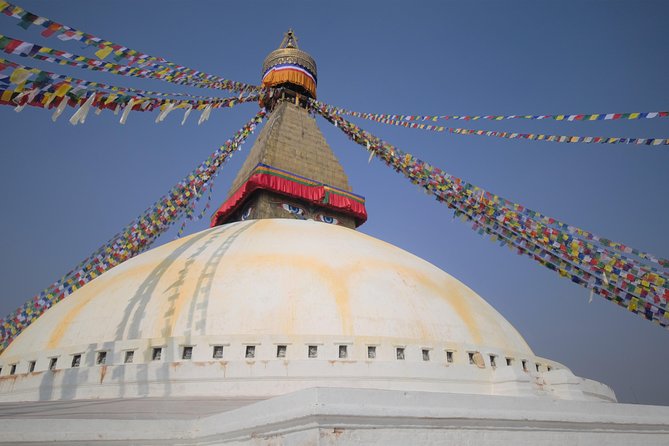
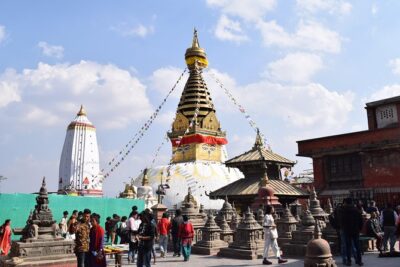
Boudhanath Stupa is one of Nepal’s holiest Buddhist sites. Its importance reaches beyond the Buddhist community, since Hindu worshippers in Nepal also pay respect here. That shared reverence gives the stop a wider meaning than a simple architectural visit.
The stupa is the final planned stop, with about two hours allocated. After Pashupatinath’s intense Hindu rituals and Patan’s royal architecture, Boudhanath offers a different kind of experience. Your guide can explain the Buddhist significance of the monument and help you understand why the site matters to both local faith and Nepal’s wider culture.
Look closely at the structure rather than treating it as a quick photo stop. The white dome, broad base, and watchful eyes create an immediately recognizable image of Kathmandu. The surrounding area also helps you see how a sacred monument functions as part of an active neighborhood.
Two hours gives you room to walk around, listen to the guide, and take in the setting at a sensible pace. Still, the tour does not promise a meal or refreshments, so plan your food around the schedule. Food and drinks are excluded.
Boudhanath is a strong final stop because it leaves you with a clear sense of Nepal’s religious variety. You see Hindu devotion at Pashupatinath, the royal and artistic world of Patan, and Buddhist faith at Boudhanath, all within one day.
A completely different way to spend the day:
- Half day cooking class in Thamel kathmandu
★ 5.0 · 607 reviews - Everest Base Camp Trekking
★ 5.0 · 485 reviews - Nagarkot Sunrise View and Day Hiking from Kathmandu
★ 5.0 · 471 reviews - Kathmandu: Full Day 7 UNESCO Tour with Lunch – Private/Group
★ 5.0 · 415 reviews
How much value do you get for $34?
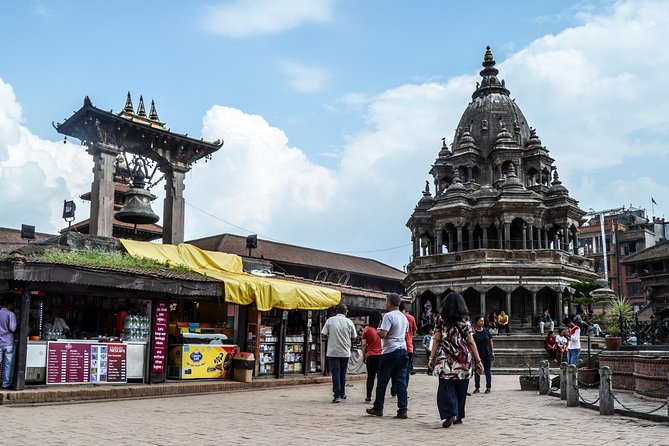
At $34, this tour is priced as a transport-and-guiding service rather than an all-inclusive sightseeing package. You pay for an English-speaking guide, an air-conditioned vehicle, and the convenience of reaching three major sights without arranging separate rides.
That is good value if you are new to Kathmandu and want an efficient introduction. A small group capped at 10 people also makes the price more appealing. You are not paying for a private tour, but you are avoiding the crowd size and slow movement of a large bus.
The value depends on the guide. Several people had excellent days with guides named Deepa and Kalpana. Kalpana was praised for strong knowledge of local culture and for answering questions, while Deepa was credited with making the day pleasant and well organized. Another account described a guide who continued explaining Nepalese history during lunch and helped with a hotel drop-off, even though that transfer was not required.
Those examples show the tour’s best version: an active guide who teaches between sights, responds to questions, and makes the ride time useful. But the experience can be less satisfying if the guide offers little explanation outside the three stops. One account described the guide and driver speaking Nepali to each other during the drives, leaving the passenger with little commentary between sites.
That difference matters. The roads between these places are part of the Kathmandu experience, but traffic can make the journeys long. A guide who explains local customs, neighborhoods, or the day’s historical connections can turn waiting time into part of the tour. If your guide is quiet, the transport becomes mainly a shuttle.
Entrance fees are the largest extra cost to consider. The tour does not include all fees and taxes, so the $34 headline price is not your final sightseeing cost. Add the admission money, your own meals, and transportation to and from the meeting point when comparing this tour with a private alternative.
What the day feels like in practice
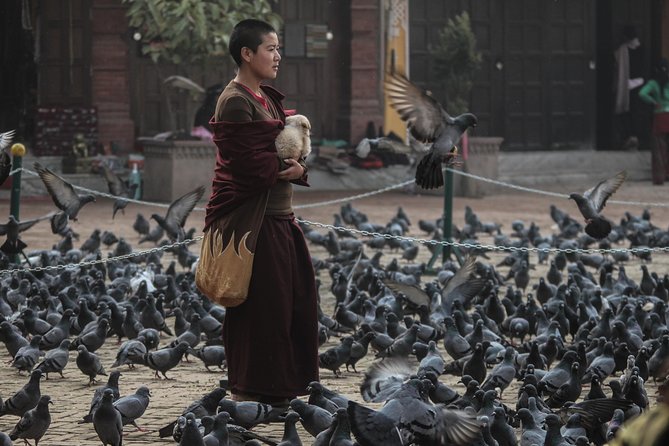
The schedule is clear and easy to follow: meet at 9:00 a.m., visit three sights for about two hours each, and return to the starting point around seven hours later. You do not need to spend the morning negotiating with taxi drivers or working out a route across the valley.
The tradeoff is limited flexibility. The group needs to keep moving, so you cannot simply decide to spend an extra hour at Patan or leave Pashupatinath early for a quiet café. This is a sightseeing circuit, not a custom day.
The tour earns a strong overall rating of 4.8 from 36 ratings, with 94 percent recommending it. Those numbers fit the practical picture: most people receive a useful, well-organized introduction, while the weaker experience comes from limited commentary and inflexible handling of a missed departure.
One person missed the tour after a flight delay and was not moved to another departure after contacting the office. That is a reminder to protect your start time, especially if you are arriving in Nepal that morning. If a delay is possible, do not build this tour around a tight flight connection.
Free cancellation is available if you cancel at least 24 hours before the 9:00 a.m. start time. Cancellations or changes made inside that window are not refunded or accepted.
Who should book this Kathmandu tour?
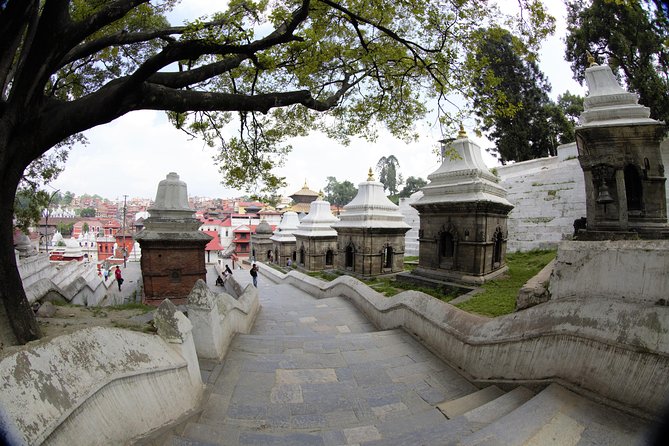
I would choose this tour if you have one open day in Kathmandu and want the main religious and royal sights explained in English. It is especially useful for first-time visitors who prefer a set route, shared transport, and a small group.
It also suits you if you value cultural context more than a slow, independent visit. The best guides, including Deepa and Kalpana, appear to make the history and customs much easier to understand.
I would hesitate if you want hotel pickup, a private vehicle, included admission, or a relaxed pace. I would also avoid booking it immediately after a flight with a high risk of delay. The tour begins at a fixed meeting point and does not promise a second chance if you miss it.
Should you book it?
Book this tour if you want an affordable, efficient overview of Kathmandu Valley’s essential sights and you are comfortable paying entrance fees separately. The three locations complement one another well, and a strong guide can turn a busy day into a meaningful introduction to Nepal.
Skip it if you already have a detailed plan, want to linger at each site, or need guaranteed commentary throughout the drives. Before paying, budget for admissions, confirm the meeting point, and keep the 9:00 a.m. start firmly in mind. At $34, it is a sensible value when convenience and orientation matter most.
FAQ
How long does the Temples and Stupas Tour last?
The tour lasts approximately seven hours. About two hours are planned at each of the three main sights, with the remaining time used for transportation.
What time and where does the tour start?
It starts at 9:00 a.m. from Royal Mountain Travel, Lal Durbar Marg, Kathmandu 44601, Nepal.
Which sights are included?
The tour visits Pashupatinath Temple, Patan Durbar Square in Lalitpur, and Boudhanath Stupa.
Are entrance fees included?
No. Entrance tickets are not included, and all fees and taxes are excluded from the listed price. Entrance fees apply to children aged 10 and above.
Is hotel pickup and drop-off provided?
No. Hotel pickup and drop-off are not included. The activity ends back at the meeting point, although an individual guide may sometimes offer an additional hotel drop-off.
What is the maximum group size?
The tour has a maximum of 10 people. It includes an English-speaking guide and transport in an air-conditioned vehicle suited to the group size.
New in the Kathmandu listings
- Traditional Momo Making Class★ 5.0 · 10 reviews
- Kathmandu: Ancient City Kirtipur & Pharping Monastery Tour★ 5.0 · 2 reviews
- Kathmandu to Pokhara Premium sofa bus ticket★ 4.0 · 17 reviews
- Women Empowerment Project(Nepali cooking class & jewelry workshop★ 5.0 · 15 reviews
- 7-Day Langtang Valley Trek from Kathmandu★ 5.0 · 1 review
- Kathmandu 2 Nights 3 Days Chitwan Jungle Safari Tour★ 5.0 · 9 reviews
- Yoga Experience Day Trip with Private Transfer From Kathmandu★ 4.0 · 2 reviews
- Wildlife Adventure in Chitwan Nepal★ 4.0 · 4 reviews
Tours, compared.
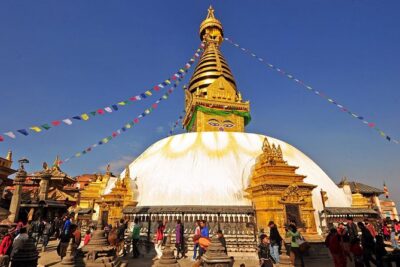
Private Kathmandu Sightseeing Tour | UNESCO World Heritage sites
Read our review →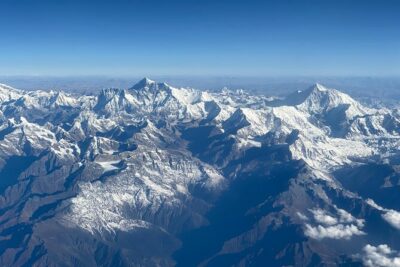
Everest Base Camp Helicopter Tour landing at Everest View Hotel
Read our review →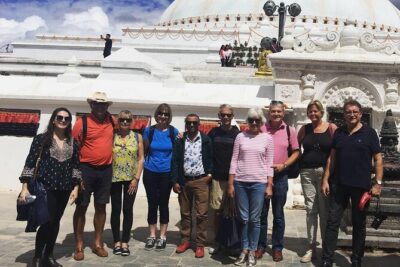
Full Day 7 UNESCO Tour with Lunch – Private/Group
Read our review →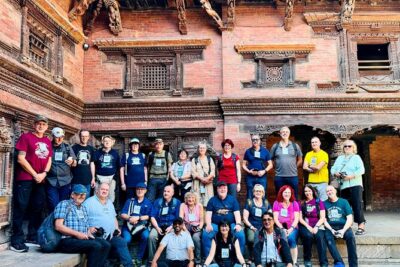
Full Day Top 4 UNESCO Tour with Lunch – Private/Group
Read our review →
Full-Day 7 UNESCO Tour with Lunch – Private/Group
Read our review →