
REVIEW · COOKING CLASSES
Cook with Lisha: Nepali and Newari Cooking Class
Come hungry, leave with recipes. This three-hour Saturday cooking class brings you into Lisha’s Kathmandu home for Dal Bhaat, momos, and Newari dishes prepared with family guidance. I like the personal setting and the freedom to adjust dishes to your taste, including the spice level.
I also like that you do more than eat. You can learn dough folding, prepare traditional Newari food, hear family stories, and possibly visit a local market. The main consideration is that the class is held only on Saturdays after noon, and people with food allergies are advised not to book.
In This Review
- Key points to know before booking
- Why this Kathmandu cooking class feels personal
- Arriving near Bliss Apartment in Kathmandu
- Starting with Dal Bhaat, Nepal’s everyday classic
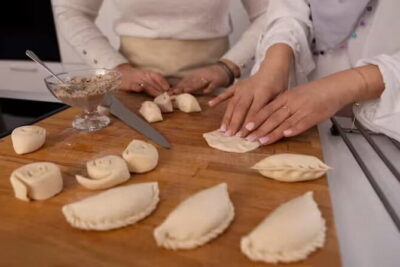
- Learning to fold momos by hand
- Meeting Newari food through the Khaja Set
- Yomari and the food traditions behind it
- Family stories are part of the meal
- Adding a local market visit
- What the $20 price includes
- Who should book this experience?
- Practical booking advice for a smoother afternoon
- Should you book Cook with Lisha?
- FAQ
- Where does the cooking class take place?
- How long does the class last?
- When is the class available?
- What food can I prepare?
- Is transportation included?
- Can I cancel or pay later?
Key points to know before booking
- A private home setting: Lisha hosts the class at her Kathmandu residence, creating a small and personal atmosphere rather than a formal cooking school.
- Three classic food experiences: You can prepare Dal Bhaat, make momos, and work through a Newari Khaja Set, depending on your chosen courses.
- Spice levels can be adjusted: Arith and Lisha’s family can adapt the food to your preferences, which helps if you enjoy Nepalese flavors but struggle with heat.
- A family-led cultural visit: The cooking comes with conversation about Nepali life, Newari customs, and local food traditions.
- Good value at $20: The fee includes ingredients, instruction, recipes, and a full meal, while special ingredients and transport cost extra.
- Saturday timing matters: Classes begin after 12 pm, and you should tell the host your food preferences and interests before arriving.
Why this Kathmandu cooking class feels personal
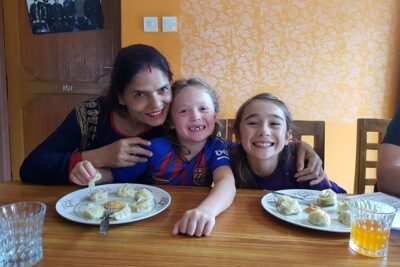
Many cooking classes put you at a long counter with a dozen strangers. This one takes place inside Lisha’s home, so the mood is closer to a family meal than a commercial lesson.
That setting matters. Food in Nepal is tied to daily life, festivals, family habits, and community. You are not simply learning how to stir lentils or fold dumplings. You are seeing how a Newari family presents food and hospitality in its own space.
Lisha is a full-time home cook from a typical Newari family. Her son, Arith, also helps host the experience. The family has experience in tourism, and that shows in the way they welcome visitors and explain Nepal beyond the kitchen.
One particularly appealing detail is the small-group format. A group of three received direct instruction from the family matriarch, with Arith adding background on Nepal’s political and social life. That kind of conversation can give the food more meaning, especially if you are keen to understand the country beyond its famous trekking routes.
The private setting can also feel more relaxed for beginners. You do not need to arrive with cooking skills. The point is to take part, ask questions, and eat what you prepare.
More Cooking Classes in Kathmandu
- Half day cooking class in Thamel kathmandu
★ 5.0 · 607 reviews - Kathmandu: Local Women-Led Nepali Cooking & Momo Class
★ 4.9 · 360 reviews - Kathmandu: Local Lead Nepali Cooking & Momo-Making Class
★ 5.0 · 212 reviews
Arriving near Bliss Apartment in Kathmandu
The meeting point is near Bliss Apartment, with the class taking place at Lisha’s home in Kathmandu. You should confirm the exact directions with the host before the day, since the supplied meeting information gives the area rather than a full street address.
Transportation is not included. The family can arrange it for an extra fee if you request it in advance. That is worth considering if you are unfamiliar with Kathmandu or carrying shopping bags from another part of the city.
The class takes place every Saturday after 12 pm. Check the available starting time when booking, then allow yourself enough time to reach the meeting point without rushing. The experience lasts three hours, so it fits well into a relaxed afternoon or early evening plan.
Wear comfortable clothes. You may be handling dough, spices, vegetables, and sauces, so this is not the time for your best dinner outfit. Bring a camera if you want to record the dishes or the cooking process, but keep the focus on participating.
Starting with Dal Bhaat, Nepal’s everyday classic
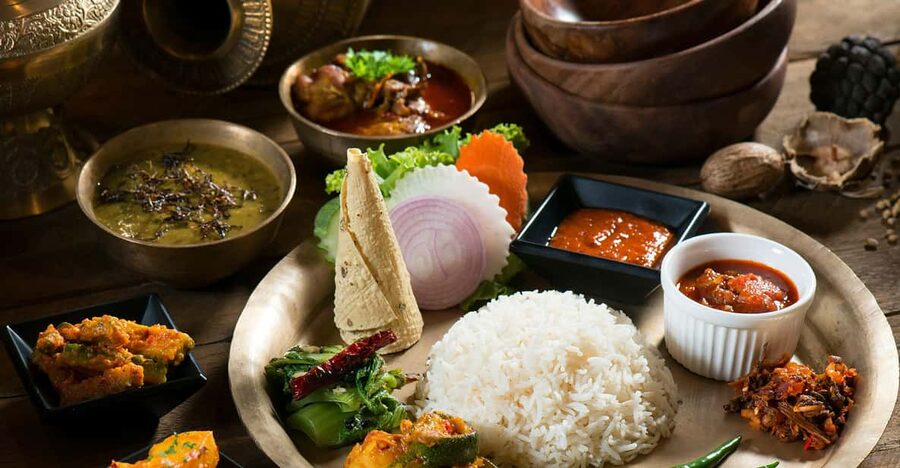
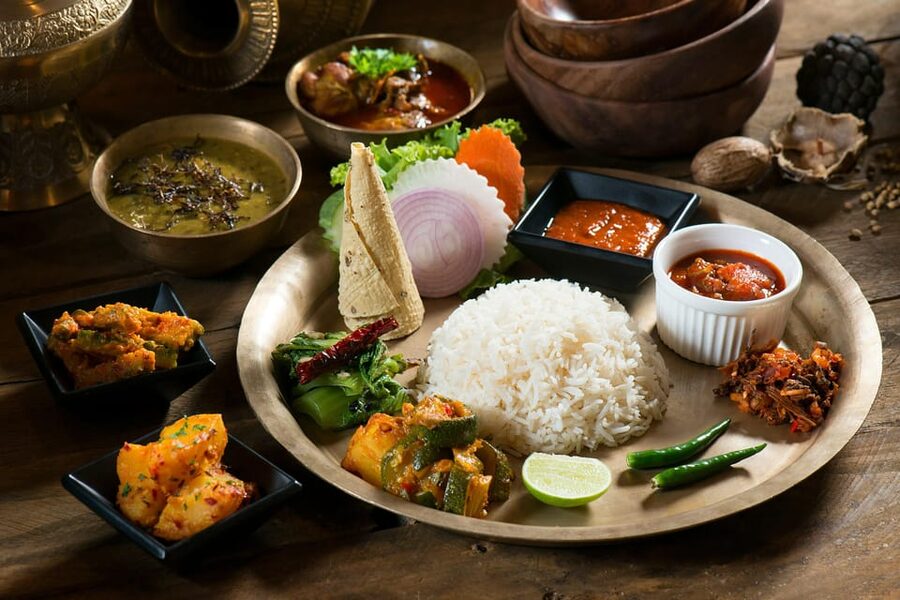
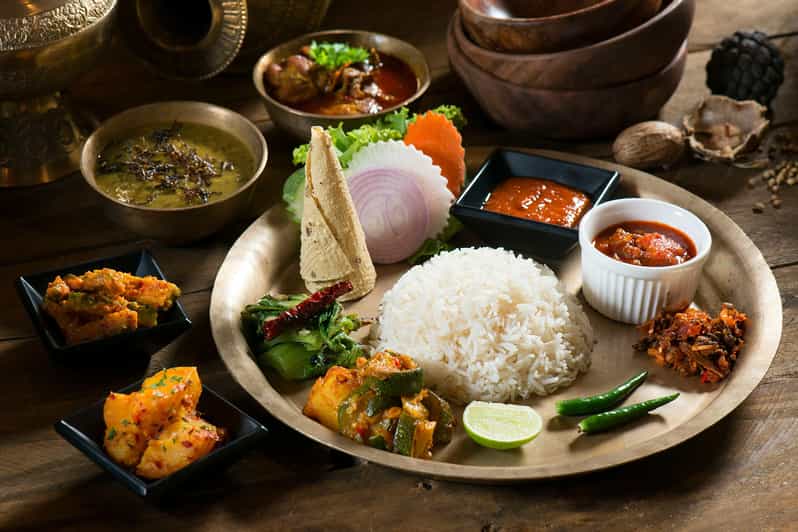
Dal Bhaat is the heart of the class. The name refers to lentil soup with rice, but a proper Nepali meal includes much more than those two parts.
You can prepare dal with bhaat, or choose dhido instead of rice. Dhido is a traditional porridge made with stone-ground cornmeal, millet flour, or buckwheat flour. It has a firm, earthy character and gives you a chance to try a staple that is less familiar to many visitors than rice.
The meal can also include saag, Nepali spinach, vegetables, achar, ghee, salad, and a vegetable or non-vegetable curry. Each part plays a role. The dal brings warmth and moisture, the rice or dhido provides the base, and achar adds the sharp, spicy note that wakes up the plate.
I like this part of the class because it explains how Nepali food works as a complete meal. You are not preparing one isolated recipe. You are building a plate of contrasting tastes and textures.
The host can adjust the spice level to suit you. That flexibility is useful because Nepali food can range from gentle to fiery, and a mild meal does not have to be a bland one. Tell Lisha your preference before cooking begins.
For meat, chicken is included as the standard choice when a non-vegetarian option is selected. If you want another type of meat, an extra charge of about $3 to $5 applies. Special or premium ingredients may also cost more, so discuss those requests in advance.
Learning to fold momos by hand
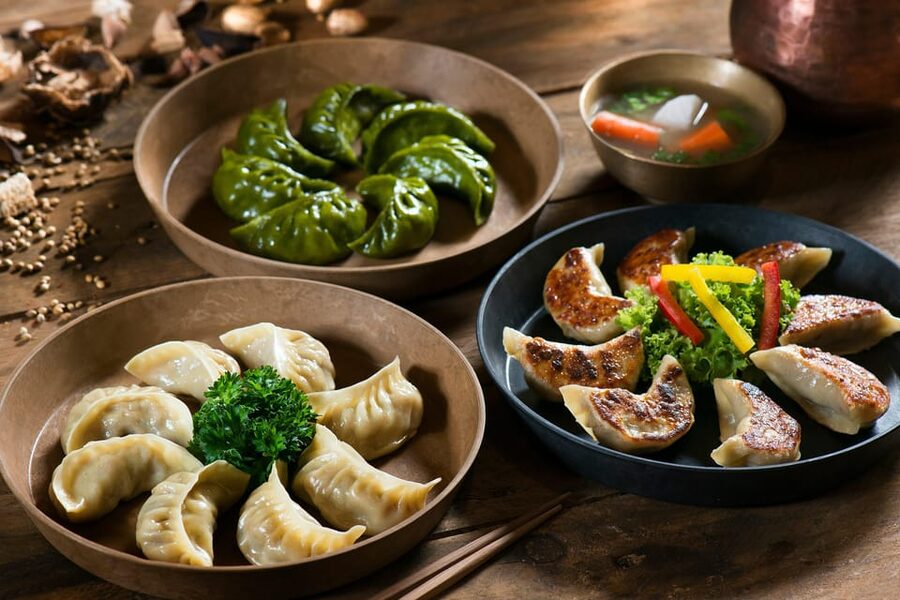
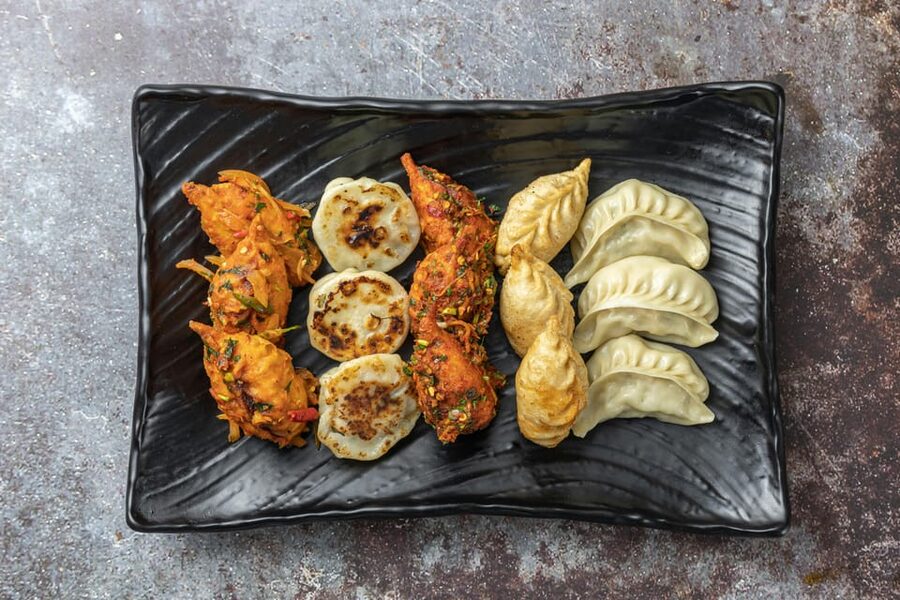
Momos are likely to be the most playful part of the session. These Nepali dumplings involve several steps: making the dough, preparing the filling, shaping the wrappers, and folding them into different forms.
You can work with vegetable or meat fillings and learn both steamed and fried versions. The cooking method changes the finished result. Steamed momos are soft and tender, while fried momos have a firmer exterior and more pronounced texture.
The folding lesson is useful even if your first few dumplings look uneven. That is part of the fun. You get a practical look at how a familiar street and home food is made, rather than simply ordering a plate at a restaurant.
I would choose the momo course if you want the most hands-on activity. It gives you a clear task, and the finished dumplings make an excellent part of the meal. If you have limited time or prefer a broader look at Nepali food, ask the host which combination of courses works best within the three-hour session.
Because the class is private, you can tell the family if you prefer vegetarian fillings or want the food kept mild. You should not wait until the cooking starts to mention those choices.
A completely different way to spend the day:
- Everest Base Camp Trek – 14 Days
★ 5.0 · 1,499 reviews - Private Kathmandu Sightseeing Tour | UNESCO World Heritage sites
★ 5.0 · 756 reviews - Everest Base Camp Helicopter Tour landing at Everest View Hotel
★ 5.0 · 668 reviews - Everest Base Camp Trekking
★ 5.0 · 485 reviews
Meeting Newari food through the Khaja Set
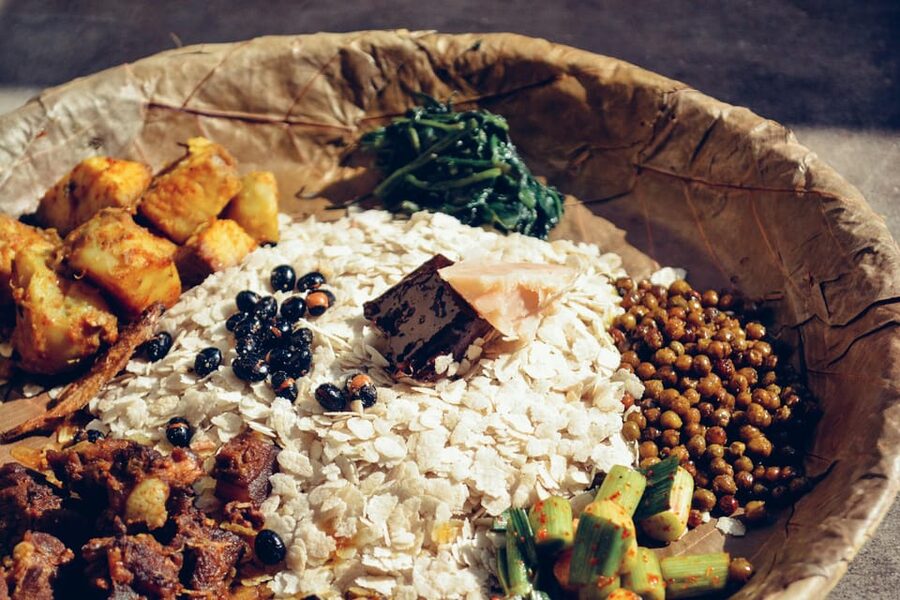
The Newari Khaja Set gives the class its strongest local character. Newar cuisine comes from the Kathmandu Valley and is known for bold flavors, varied textures, and dishes often served together as a substantial snack or meal.
The set may include bitten rice, fried soya beans, choila, Alu Sadheko, achar, Alu Tama with soya beans, bara, and a vegetable or non-vegetable curry. This is a generous range of foods, and several names may be new to you.
Choila is a spiced preparation, while bara is a savory Newari pancake. Alu Sadheko brings seasoned potato to the plate, and Alu Tama combines potato and bamboo shoots with soya beans. The bitten rice and fried soya beans add crunch.
The appeal here is variety. A Khaja Set lets you compare smoky, sour, spicy, savory, crisp, and soft elements in one sitting. It also shows why Newari food is such an important part of Kathmandu’s food identity.
This course may suit you best if you want to taste many dishes and learn how they fit together. It may be less suitable if you prefer a simple meal or do not enjoy spicy food, although the family can adjust the heat. Ask what will be prepared before booking if you have a narrow diet.
Yomari and the food traditions behind it
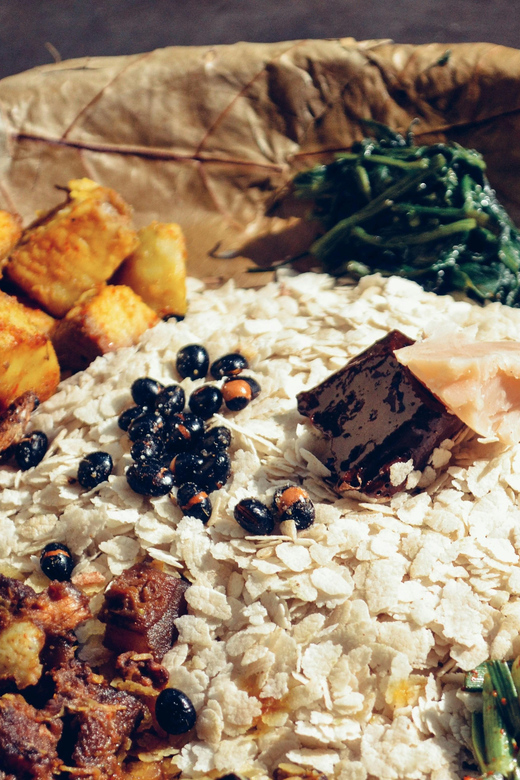
Yomari is an optional course, and it adds a festival connection to the class. You learn how to create this traditional Newari delicacy while hearing about Yomari Punhi, the festival and the customs linked with it.
The value of this lesson is cultural as much as culinary. A dish can tell you about ritual, seasonal celebration, and the way food brings a community together. You are not only learning a recipe to copy at home. You are learning why the recipe matters.
Since Yomari is optional, tell Lisha in advance if it interests you. The same advice applies to all special requests. The family asks participants to share their interests, restrictions, and preferences before the class so the session can be planned properly.
Family stories are part of the meal
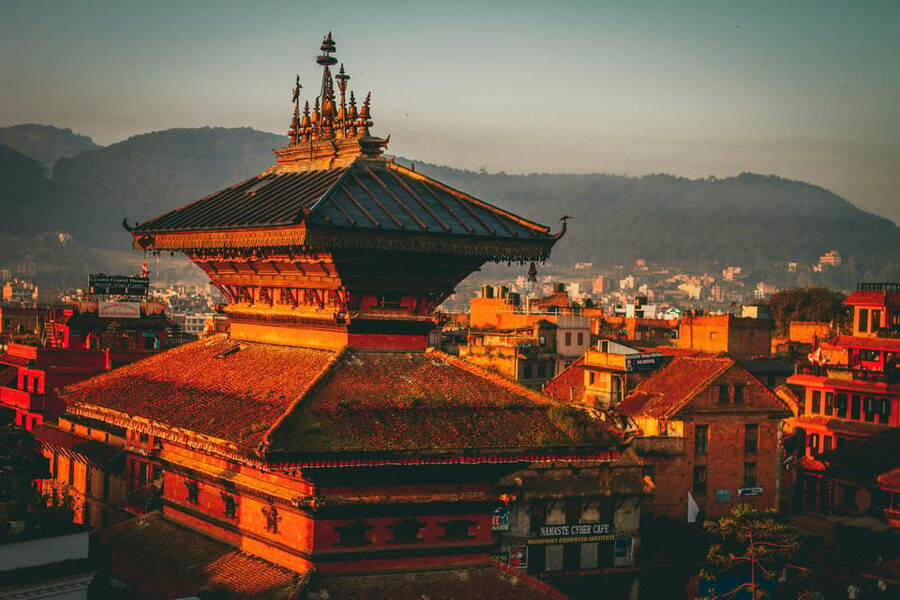
The food is only half the experience. The family atmosphere is one of its strongest points.
Arith has been praised for being an engaging host who can discuss Nepal’s political and social life, while Lisha and her family create a comfortable homestay-style setting. One small group even received an extra meal, a generous touch that suggests the family treats hospitality as more than a paid service.
You should think of this as a conversation-based experience. The pace may feel less rigid than a professional kitchen lesson, and that is a benefit if you want a human connection. It also means the experience is shaped by the people hosting it, not by a fixed show performed the same way for every group.
The family speaks Nepali, Hindi, and English. That makes it easier to ask about ingredients, cooking methods, Newari traditions, and everyday life in Kathmandu.
Adding a local market visit
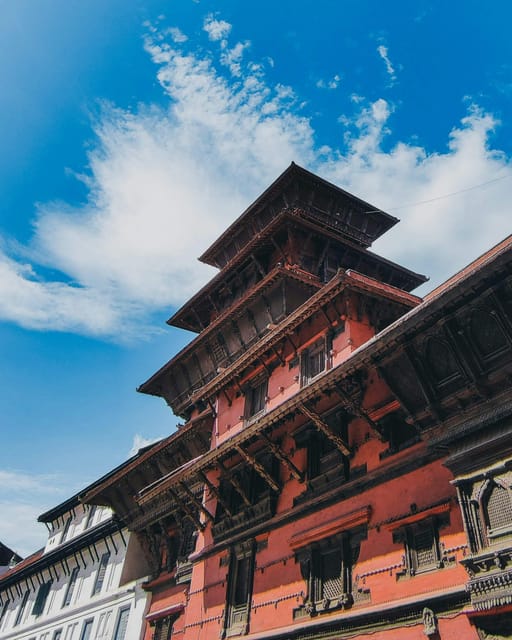
An optional market visit can be arranged for an additional charge. This gives you a chance to see where ingredients come from and to turn the cooking class into a broader food experience.
The market visit is not included in the $20 price, so confirm the cost and plan before you arrive. It may be especially useful if you want to identify spices, vegetables, grains, or other ingredients that you later hope to find in Nepal or at home.
You can also use the visit to ask about unfamiliar food. If you see an ingredient in the market and want it included in the meal, discuss it with the host first. Premium or exotic ingredients may involve another charge.
What the $20 price includes
At $20 per person, this is an attractive price for a private, family-led session. The fee includes the hands-on class, ingredients for the selected dishes, recipes for everything prepared, and a full meal at the end.
Taxes and service charges are included too. That makes the price easier to understand, since you are not building the final cost from several small mandatory fees.
The value depends on what you choose. A basic class with standard ingredients should remain close to the advertised rate, while special meat, premium ingredients, transportation, or the market visit can raise the total.
The recipes add lasting value. Restaurant meals disappear quickly, but written instructions give you a way to repeat the dishes at home. I would ask whether the recipes cover every course you plan to prepare, especially if you add optional momo or Yomari lessons.
Who should book this experience?
I would recommend this class to you if you want food served with personal conversation. It suits people who prefer small groups, home settings, and direct contact with a local family.
It is also a good choice for cooks at different skill levels. Beginners can follow guidance step by step, while experienced home cooks can ask about seasoning, dough, preparation methods, and Newari ingredients.
The class is a particularly good fit if you:
- Want to learn about Nepali and Newari food in one afternoon
- Enjoy eating several small dishes rather than one main course
- Prefer mild food or want control over spice levels
- Like meeting local people in a private home
- Want recipes to take home
- Have a free Saturday afternoon in Kathmandu
You should think twice if you have food allergies. The activity is specifically not suitable for people with food allergies, and special dietary needs must be discussed before booking. It is also not ideal if you want a daily activity, since the class runs only on Saturdays after 12 pm.
Normal house rules apply. Smoking indoors, intoxication, alcohol and drugs, littering, loud noise, nudity, and alcoholic drinks in a vehicle are not allowed.
Practical booking advice for a smoother afternoon
Tell the host your preferred courses before the class. You may be able to focus on Dal Bhaat, add momos, include Yomari, or concentrate on the Khaja Set, but the family needs notice to plan the food.
Share your spice preference and vegetarian or non-vegetarian choice early. If you want meat other than chicken, special ingredients, or a market visit, ask about the extra cost in advance.
The class offers free cancellation up to 24 hours before the start time, and you can reserve now while paying later. That is useful if your Kathmandu plans are still shifting, but you still need to check the starting time and coordinate transport.
Should you book Cook with Lisha?
Book it if your idea of a good Kathmandu afternoon includes cooking, eating, and talking with a local family. The personal home setting, flexible spice level, Newari menu, and family stories give it more character than a standard recipe lesson.
At $20, the class offers strong value for the food, instruction, recipes, and full meal. Just budget extra for transport, a market visit, or premium ingredients, and avoid booking if you have food allergies. For an authentic food-focused experience with Arith, Lisha, and their family, this is an easy choice for a Saturday in Kathmandu.
FAQ
Where does the cooking class take place?
The class is held at Lisha’s home in Kathmandu. The meeting point is near Bliss Apartment.
How long does the class last?
The cooking class lasts three hours.
When is the class available?
Classes take place every Saturday after 12 pm. Check the available starting time before booking.
What food can I prepare?
You can prepare Dal Bhaat with rice or dhido, vegetables, saag, achar, salad, ghee, and a vegetable or non-vegetable curry. Optional courses include momos and Yomari, while the Newari Khaja Set includes dishes such as bara, choila, Alu Sadheko, and Alu Tama with soya beans.
Is transportation included?
No. Transportation to and from the class is not included, but it can be arranged for an additional fee if requested in advance.
Can I cancel or pay later?
You can cancel up to 24 hours in advance for a full refund. The activity also offers reserve now and pay later booking.
New in the Kathmandu listings
- Traditional Momo Making Class★ 5.0 · 10 reviews
- Kathmandu: Ancient City Kirtipur & Pharping Monastery Tour★ 5.0 · 2 reviews
- Kathmandu to Pokhara Premium sofa bus ticket★ 4.0 · 17 reviews
- Women Empowerment Project(Nepali cooking class & jewelry workshop★ 5.0 · 15 reviews
- 7-Day Langtang Valley Trek from Kathmandu★ 5.0 · 1 review
- Kathmandu 2 Nights 3 Days Chitwan Jungle Safari Tour★ 5.0 · 9 reviews
- Yoga Experience Day Trip with Private Transfer From Kathmandu★ 4.0 · 2 reviews
- Wildlife Adventure in Chitwan Nepal★ 4.0 · 4 reviews
Cooking Classes, compared.
Nepalese Momos or Dal Bhat Cooking Class (Cook with Delight)
Read our review →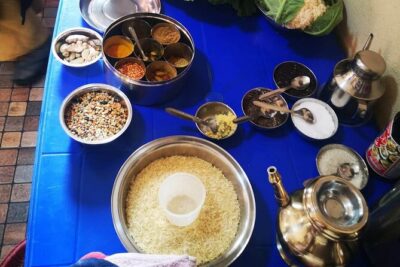
The best Private Nepali Cooking Class in Kathmandu
Read our review →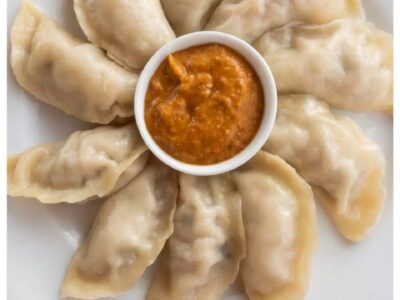
Nepalese Kitchen in Pokhara: Momos or Dal Bhat Cooking Class
Read our review →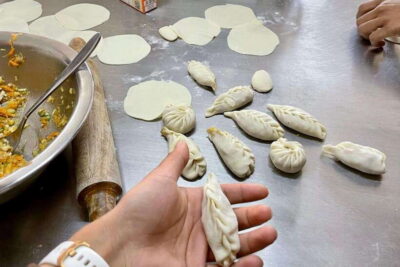
Browse the lists this tour appears in