REVIEW · HIKING & TREKKING
Dhaulagiri Circuit Trek – 17 Day
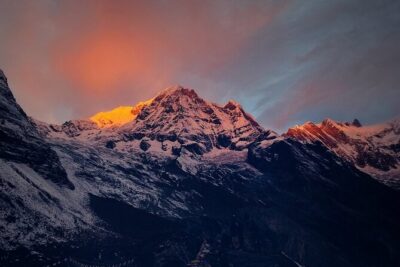
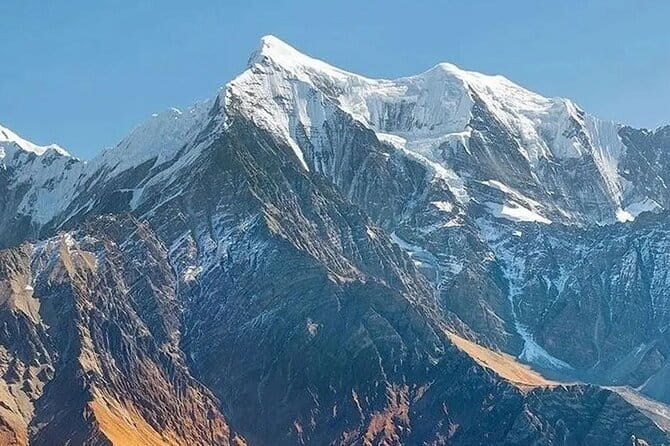
This is Nepal with the crowds left behind. The 17-day Dhaulagiri Circuit Trek takes you from Kathmandu through Magar, Gurung, and Thakali communities, then into a remote mountain route beneath Dhaulagiri I. I especially like the mix of village life and high-altitude wilderness, plus the chance to cross French Pass at about 5,323 meters before reaching Hidden Valley.
I also like that this trip includes the Dhaulagiri special permit, Annapurna Conservation Area permit, TIMS, transfers, a guide, guesthouse stays, and tented camps. The main concern is clear: this is a hard trek. Long walking days, rough trails, glaciers, stonefall risk, and sleeping at 5,200 meters make it a poor choice if you want an easy introduction to Nepal.
In This Review
- Five things to know before you book
- Why the Dhaulagiri Circuit feels different
- Day 1: Kathmandu to Beni through Pokhara
- Days 2 and 3: Myagdi Khola villages and river trails
- Day 4: Muri and the first serious climbs
- Days 5 and 6: Forests, Boghara, and Dobang
- Day 7: Following the Myagdi Khola
- Days 8 and 9: Italian Base Camp and acclimatization
- Days 10 to 12: Glacier Camp and Dhaulagiri Base Camp
- Day 13: French Pass and Hidden Valley
- Days 14 and 15: Descending to Yak Kharka and Marpha
- Days 16 and 17: Pokhara, then Kathmandu
- What the $1,750 price really covers
- Who should book this trek?
- Should you book the Dhaulagiri Circuit Trek?
- FAQ
- How long is the Dhaulagiri Circuit Trek?
- What is the price of the trek?
- Is hotel pickup included?
- Is this a private trip?
- What type of transport is used?
- Is a trekking guide included?
- Which permits are included?
- Where do you sleep during the trek?
- What is the highest point on the route?
- Can you cancel for a full refund?
Five things to know before you book
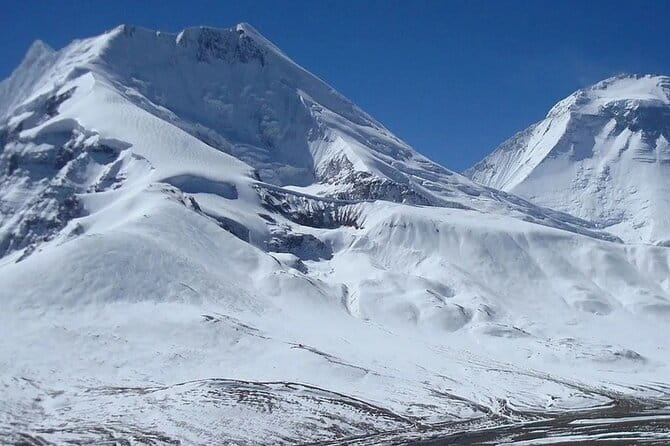
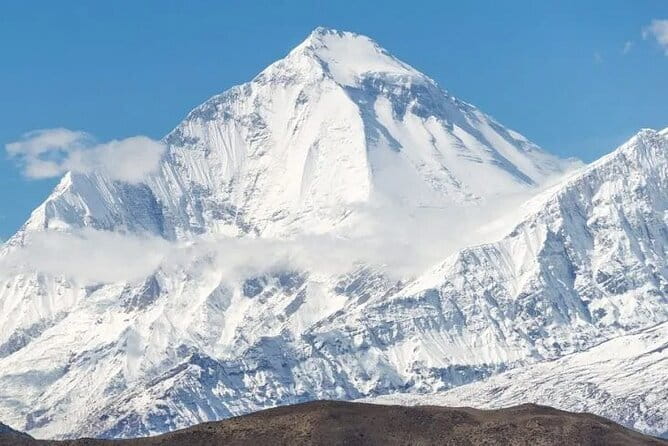
- Dhaulagiri I reaches 8,167 meters: You get close views of the world’s seventh-highest mountain and nearby peaks.
- French Pass is the high point: The crossing rises to roughly 5,323 meters, followed by a night in Hidden Valley at about 5,200 meters.
- The route begins gently: Beni, Babiachor, Dharapani, and Muri provide village walking before the serious mountain sections begin.
- Camping is part of the adventure: Several nights use tents, including stays near Boghara, Italian Base Camp, Glacier Camp, and Dhaulagiri Base Camp.
- The $1,750 price covers important basics: Guide, permits, accommodation, hotel transfers, and local transport are included, while personal expenses and gratuity are not.
- Guide support matters here: Guide Suman is specifically praised for professional handling of this demanding trek.
Why the Dhaulagiri Circuit feels different
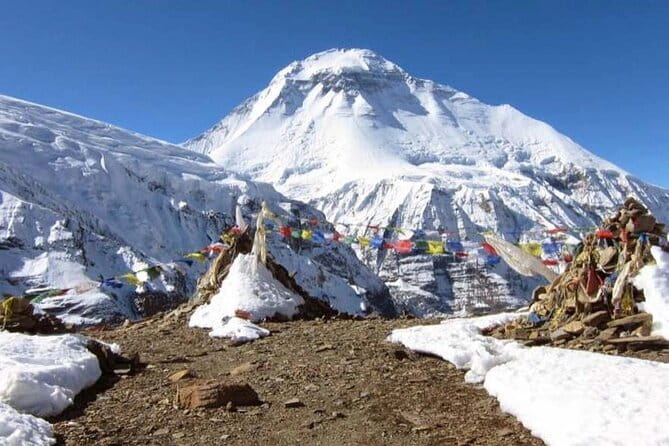
Many Nepal treks follow well-used routes with regular lodges and steady foot traffic. This circuit takes a rougher line through the Myagdi Khola Valley, glacier country, high passes, and broad empty spaces. The reward is a stronger sense of distance from ordinary life.
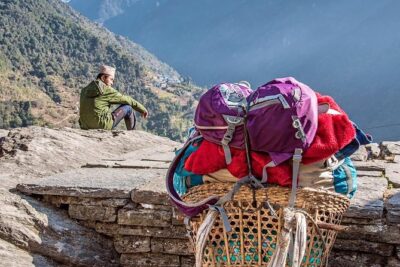
You will not spend every night in a comfortable teahouse. The route combines guesthouse accommodation with tented camps, and that changes the rhythm of the trip. A tent near a high glacier is memorable, but it also means fewer comforts and less room for an easy day if the weather turns bad.
The cultural side is just as important. Early sections pass through villages linked with Magar communities, while later stops connect with Gurung and Thakali culture. Dharapani and Muri offer a look at local village life, and Marpha gives you a gentler final night among whitewashed houses and apple orchards.
This is a private trip, so only your group participates. That can make a major difference on a route where pace, rest, and acclimatization need careful attention. Group discounts are also offered, which may improve the value for a small party.
More walking in the hills of Kathmandu:
- Everest Base Camp Trek – 14 Days
★ 5.0 · 1,499 reviews - Everest Base Camp Trekking
★ 5.0 · 485 reviews - Nagarkot Sunrise View and Day Hiking from Kathmandu
★ 5.0 · 471 reviews
Day 1: Kathmandu to Beni through Pokhara
The first day is mostly a road journey. You cover about 293 kilometers from Kathmandu to Beni, with roughly eight to nine hours in transit.
The route passes through Pokhara, Nepal’s well-known starting point for many treks, then continues along the Baglung Highway into the Kali Gandaki Valley. The drive includes river views, small streams, roadside villages, and changing mountain scenery.
Beni sits at about 850 meters and functions as the gateway toward the Mustang region. It is a practical starting town rather than a grand sightseeing stop, so keep your expectations focused on getting into position for the trail.
This long drive is one of the less glamorous parts of the trip. Still, the included intercity transfer by local sharing bus keeps the price down. If you dislike long road days, this is worth considering before you commit.
Days 2 and 3: Myagdi Khola villages and river trails
From Beni, the walking begins with a five-hour trek to Babiachor. You follow the Myagdi Khola, first passing small settlements such as Tatopani. Several bridge crossings give the day a proper adventure feel, including a wooden bridge before the final approach to Babiachor.
Babiachor is only about 950 meters above sea level, so this is still a low-altitude stage. You sleep in a tent, however, which introduces you early to the camping side of the trip.
Day 3 takes you to Dharapani in about seven hours. The valley opens at first, giving you views toward the river on both sides. After crossing Dudh Khola and reaching Ratorunga, the valley narrows again before Dharapani.
At roughly 1,400 meters, Dharapani is still low enough for the itinerary to build altitude slowly. That gradual rise is useful because the circuit later reaches more than 5,000 meters. You are not thrown directly into the high country.
Day 4: Muri and the first serious climbs
The walk to Muri takes about five hours, but the terrain becomes more demanding. After crossing the river, you head toward Phedi and climb to a ridge.
The ridge route passes Mattim, then rough roads near Gattikhola, followed by a descent to Phalaigaon. You cross Dhara Khola on a small wooden bridge, then climb again to Muri at 1,850 meters.
This is a good example of how distance alone does not tell the full story. A five-hour day can still include repeated climbs, descents, rough footing, and bridge crossings. Muri is one of the more interesting village stops because it marks the transition from settled valley walking toward a wilder section of the route.
A short list of alternatives around Kathmandu
- Private Kathmandu Sightseeing Tour | UNESCO World Heritage sites
★ 5.0 · 756 reviews - Everest Base Camp Helicopter Tour landing at Everest View Hotel
★ 5.0 · 668 reviews - Half day cooking class in Thamel kathmandu
★ 5.0 · 607 reviews - Kathmandu: Full Day 7 UNESCO Tour with Lunch – Private/Group
★ 5.0 · 415 reviews
Days 5 and 6: Forests, Boghara, and Dobang
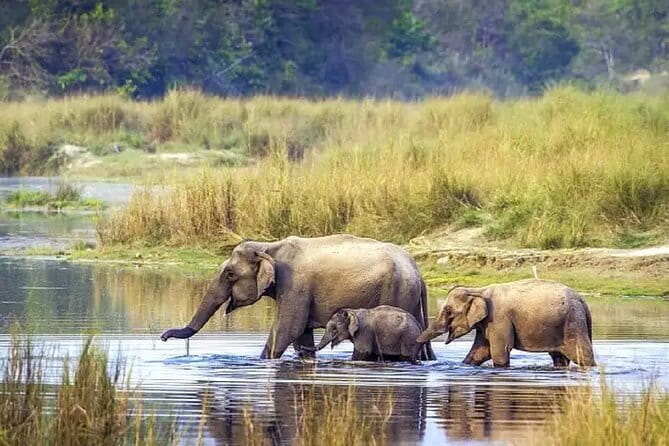
The route from Muri to Boghara takes about seven hours. You first descend slightly, cross a stream, and pass through terraced fields before climbing toward Ghorban Dhara.
Views of Mount Ghustung South appear during the climb. The trail then follows the Naura River through oak and pine forest. Stone steps lead toward Boghara, which sits at approximately 2,100 meters.
Boghara is a tented stop. By this point, you should expect the trek to feel more remote, with fewer village comforts and more dependence on the trekking crew.
Day 6 continues to Dobang in about six hours. The trail descends through open fields toward Jyardan, a small settlement between the two main stops. From there, uneven paths climb toward Lipse.
The forest section is one of the pleasant surprises of this route. Pines, birches, flowers, and other vegetation provide variety before the route reaches the stark glacier zone. Dobang sits at about 2,500 meters, so the altitude is beginning to matter, but the schedule still allows time to adjust.
Day 7: Following the Myagdi Khola
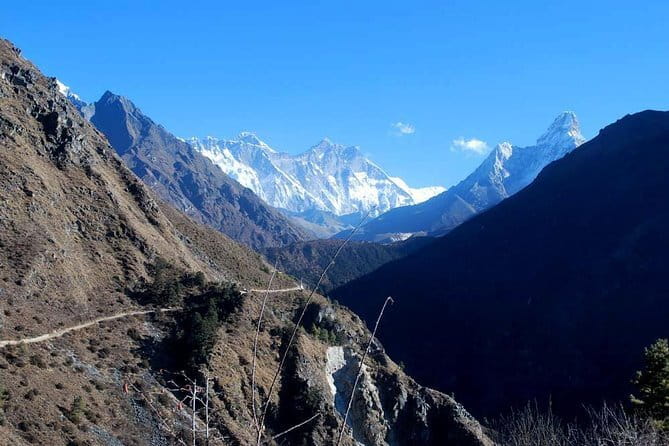
This six-hour day continues along the Myagdi Khola and into the Myagdi Khola Valley. The route rises gradually, with views toward Dhaulagiri and its glaciers becoming more prominent.
The overnight area near Choriban Khola is described as a pristine stretch surrounded by high peaks. This is the point where the circuit begins to deliver its main promise: a remote setting beneath major Himalayan walls, without the developed feel found on more popular trekking routes.
You should also understand the tradeoff. Remote routes have fewer backup options. The schedule depends more heavily on weather, trail conditions, and the group’s fitness. A strong guide and a patient attitude are essential.
Days 8 and 9: Italian Base Camp and acclimatization
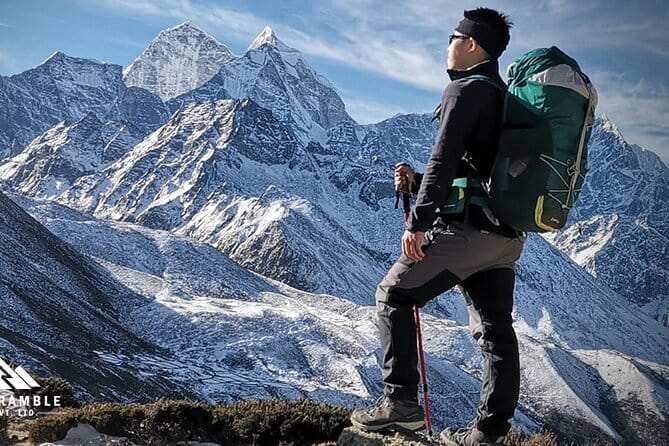
Day 8 takes about seven hours and brings you onto glacier paths in the Dhaulagiri Massif. You follow the route toward Chhonbardan Glacier, with Tukuche Peak providing a striking mountain view.
The trail includes many ups and downs before reaching Italian Base Camp at approximately 3,660 meters. It is not a simple final climb. Uneven ground and repeated changes in height can make the day tiring even before the highest sections arrive.
Day 9 is set aside for rest and acclimatization at Italian Base Camp. There is an optional hike toward Glacier Camp, giving you a chance to see more of the surrounding mountains without moving camp.
This rest day is not wasted time. It is one of the most important parts of the program because the following stages rise quickly. Use it to recover, explore nearby terrain at a sensible pace, and prepare for colder, thinner air.
Days 10 to 12: Glacier Camp and Dhaulagiri Base Camp
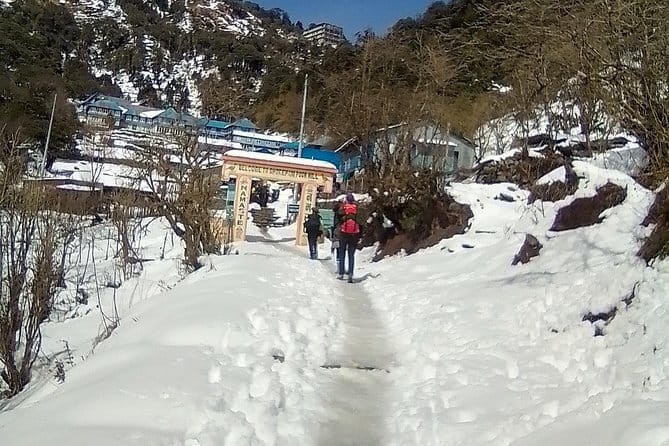
Day 10 begins early, assuming the weather is clear. The route passes through a small gorge and reaches Glacier Camp at about 4,210 meters. The area can have stonefall, so this is a section where you should follow your guide’s instructions closely and avoid treating the route as a casual walk.
The day takes about seven hours. At this height, the same walking time feels harder than it did near Beni. Cold, altitude, uneven ground, and the need to move carefully all add to the effort.
Day 11 is another seven-hour stage, this time to Dhaulagiri Base Camp at roughly 4,740 meters. The trail climbs over uneven ground toward the base of Dhaulagiri I.
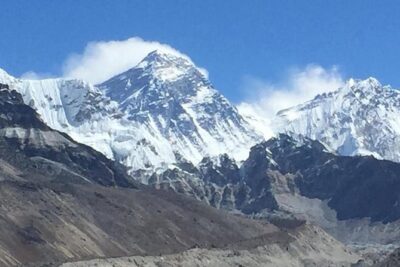
The views include Dhaulagiri I and Dhaulagiri II, along with other snow-covered peaks. This is one of the great rewards of the trek, but the location is not a sightseeing platform with easy access. You earn the view through a long, physically demanding day.
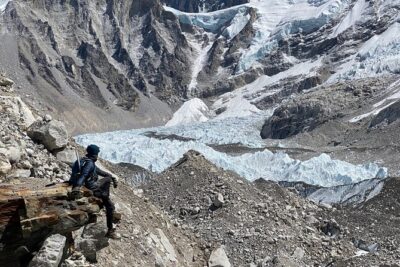
Day 12 is another acclimatization and rest day at base camp. You can explore the glacier area and prepare for the crossing ahead. The solitude here is a major attraction, but it can also feel severe if you are not comfortable with basic camp conditions and high-altitude exposure.
Day 13: French Pass and Hidden Valley
This is the defining day of the circuit. The route climbs through terraced hills, then continues across moraines toward French Pass at about 5,323 meters.
From the pass, you can see Mukut Himal, Tashi Kang, and Sita Chuchura. The mountain views are broad and dramatic, but the climb is serious. At this altitude, even a modest uphill section can demand steady pacing and frequent pauses.
After the pass, you continue toward Hidden Valley, which sits around 5,200 meters. The seven-hour day combines a major ascent, high-altitude terrain, and a night at extreme elevation.
Do not judge this day by the distance alone. Your fitness, acclimatization, weather, and trail conditions will shape the experience. This is the part of the route that makes the trek unsuitable for anyone seeking a relaxed holiday.
Days 14 and 15: Descending to Yak Kharka and Marpha
Day 14 offers a welcome change in direction. You descend from Hidden Valley toward Dhampus Pass, then enter greener country with distinctive plant and animal life.
The trail makes a steep descent to Yak Kharka, at about 3,680 meters. The seven-hour day can still be hard on your knees, but losing altitude usually feels helpful after the high camps.
Day 15 continues down the Kali Gandaki Valley to Marpha in about six hours. Marpha is known for apple orchards, traditional whitewashed houses, and its small Himalayan village atmosphere.
After the starkness of Hidden Valley and the base camp area, Marpha feels like a reward. You return to a settled village setting and have a chance to enjoy a more comfortable night before the road journey back to Kathmandu.
Days 16 and 17: Pokhara, then Kathmandu
Day 16 involves about seven hours on the road to Pokhara. Once you arrive, the rest of the day is free.
You can walk along Phewa Lake or visit tourist sites around Pokhara. This stop breaks up the return journey and gives you a little breathing room after the trek.
On Day 17, you drive for about seven hours from Pokhara to Kathmandu. The trip ends with transfer to your hotel or the airport for your onward journey.
The return drives are long, but they are included in the overall plan. The itinerary is practical rather than luxurious: it gets you from the trailhead to the capital without adding a separate flight cost.
What the $1,750 price really covers
At $1,750 per person, the value depends on how much support you would otherwise need to arrange yourself. The price includes hotel pickup and drop-off, local sharing bus transfers, an English-speaking trekking guide, special permits, the Annapurna Conservation Area permit, TIMS, guesthouse accommodation, tented accommodation according to the route, and the private trip arrangement.
Those permits matter because this is not a simple village walk. The Dhaulagiri special permit and conservation paperwork are useful inclusions, especially on a complicated high-altitude route.
You still need to budget for personal expenses and gratuity. The supplied details do not state that meals, equipment, porter service, insurance, or emergency evacuation are included, so ask for a precise inclusions sheet before paying.
The private format is another value point. Your group is not combined with strangers, and the pace can be handled within your party. Group discounts may make the cost more attractive for friends or family traveling together.
Who should book this trek?
I would recommend it to fit hikers who want remote Nepal, serious mountain terrain, and a route with both culture and wilderness. You should be comfortable with seven-hour walking days, tented camps, steep climbs, rough paths, glacier areas, and very high altitude.
It is also a good fit if you want a less crowded alternative to the country’s best-known circuits. The combination of Magar, Gurung, and Thakali villages, Dhaulagiri views, French Pass, Hidden Valley, and Marpha gives the trip a strong sense of progression.
I would not choose it for a first trip to the Himalayas unless you already have strong trekking experience and proper preparation. The stated requirement for strong physical fitness is not a formality.
Free cancellation is available if you cancel at least 24 hours before the start time. Changes or cancellations made inside that window are not accepted for a refund.
Should you book the Dhaulagiri Circuit Trek?
Book this trek if you want a demanding, private Himalayan route with major peaks, glaciers, high passes, village culture, and several nights under canvas. The professional support associated with guide Suman is encouraging, and the included permits and transfers help explain the $1,750 price.
Think twice if you need reliable road comfort, lodge accommodation every night, or an easy altitude profile. The best reason to choose this circuit is also its warning: it takes you far from the usual trail, and that means more effort, fewer comforts, and a much bigger sense of achievement.
FAQ
How long is the Dhaulagiri Circuit Trek?
The trek lasts approximately 17 days, beginning in Kathmandu and ending after the return drive from Pokhara to Kathmandu.
What is the price of the trek?
The listed price is $1,750 per person. Group discounts are offered.
Is hotel pickup included?
Yes. Hotel pickup and drop-off are included.
Is this a private trip?
Yes. Only your group participates in the trip.
What type of transport is used?
Intercity transfers are provided by local sharing bus. The itinerary includes road journeys between Kathmandu, Beni, Pokhara, and Kathmandu.
Is a trekking guide included?
Yes. An English-speaking trekking guide is included.
Which permits are included?
The Dhaulagiri special permit, Annapurna Conservation Area permit, and TIMS are included.
Where do you sleep during the trek?
Accommodation includes guesthouses and tented camps, according to the route. Tents are used at several remote stops.
What is the highest point on the route?
French Pass reaches approximately 5,323 meters. Hidden Valley is around 5,200 meters, and Dhaulagiri Base Camp is about 4,740 meters.
Can you cancel for a full refund?
Yes, if you cancel at least 24 hours before the experience start time. Cancellations made less than 24 hours before the start time are not refunded.
New in the Kathmandu listings
- Traditional Momo Making Class★ 5.0 · 10 reviews
- Kathmandu: Ancient City Kirtipur & Pharping Monastery Tour★ 5.0 · 2 reviews
- Kathmandu to Pokhara Premium sofa bus ticket★ 4.0 · 17 reviews
- Women Empowerment Project(Nepali cooking class & jewelry workshop★ 5.0 · 15 reviews
- 7-Day Langtang Valley Trek from Kathmandu★ 5.0 · 1 review
- Kathmandu 2 Nights 3 Days Chitwan Jungle Safari Tour★ 5.0 · 9 reviews
- Yoga Experience Day Trip with Private Transfer From Kathmandu★ 4.0 · 2 reviews
- Wildlife Adventure in Chitwan Nepal★ 4.0 · 4 reviews
Hiking & Trekking, compared.
Nagarkot Sunrise View and Day Hiking from Kathmandu
Read our review →