
REVIEW · EVEREST BASE CAMP TREKS
Everest Base Camp Trekking – 2025/2026
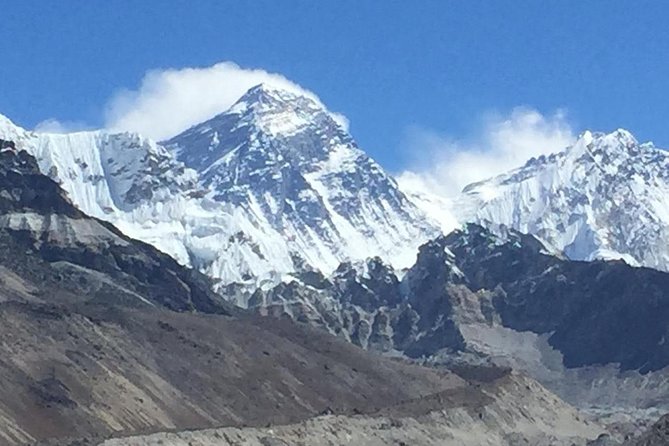
The world’s highest mountains are the reward. This private, guided Everest Base Camp trek combines the famous Lukla flight, Sherpa villages, Buddhist monasteries, and close views of Everest in one demanding but carefully organized journey. I especially like that domestic flights and permits are included, and that your guide sets the walking pace for your own group rather than forcing you to keep up with strangers.
I also like the everyday support: wake-up tea around 6 a.m., full-board meals during the trek, water purification tablets, a guide, and porter support. The main consideration is altitude. This is not a casual walk, and the schedule reaches rugged ground and very high elevations. The itinerary also needs clarification before booking, since the published day numbering skips Day 8 and repeats Day 9.
In This Review
- Key things to know before booking
- What the $1,339.20 price really covers
- Kathmandu arrival and the Lukla flight
- Phakding to Namche Bazaar, 10 to 12 kilometers
- Namche to Pangboche through Sherpa country
- Pangboche to Lobuche, about five hours
- Lobuche to Gorak Shep and Everest Base Camp
- The return to Pangboche, Namche, and Lukla
- Lodge life, meals, and the daily routine
- Fitness, packing, and safety
- The guides and support team
- When to go and who should book
- Should you book this Everest Base Camp trek?
- FAQ
- Are flights to and from Lukla included?
- How long does the Everest Base Camp trek take?
- What meals are included?
- Is accommodation included?
- Do I need advanced climbing skills?
- Can I cancel for a full refund?
Key things to know before booking
- Lukla flights are included: Your package covers the domestic flight from Kathmandu or Manthali to Lukla and the return flight.
- The trek reaches extreme altitude: Gorak Shep and Everest Base Camp require steady walking, patience, and careful attention to how your body feels.
- You walk privately: Your guide can adjust the pace for your group, which is useful on long uphill sections.
- Accommodation is basic: Expect trekking lodges with blankets, pillows, and mattresses, but shared bathrooms may be necessary at higher elevations.
- Most meals are covered: Breakfast, lunch, and dinner are included during the trek, while drinks, snacks, hot showers, and Wi-Fi cost extra.
- The company has strong customer ratings: Alpine Ramble Treks holds a 5 rating from 199 reviews, with particular praise for owner Dil and guides including Sujal, Samir, Manish, Krishna, Hairy, and Prabin Tamang.
What the $1,339.20 price really covers
At $1,339.20 per person, this trek offers solid value if you want the major practical pieces arranged in advance. The price includes private transportation, trekking lodge accommodation, a government-licensed English-speaking guide, porter support, Everest National Park fees, the TIMS card, meals during the trek, water purification tablets, and domestic flights to and from Lukla.
Those flights matter. Air travel into the Everest region can be a costly part of the trip, and arranging it yourself would add work and uncertainty. The included permits also remove two administrative tasks that you would otherwise need to handle.
The price does not cover everything. You still need to pay for your Nepal visa, international flights, travel insurance, food and accommodation before and after the trek, and personal spending in the mountains. Hot and cold drinks, bottled water, snacks, Wi-Fi, showers, alcohol, and shopping are also extra.
I would budget beyond the advertised price for these daily purchases. Tea and drinks become tempting after a cold walking day, and charging or Wi-Fi may cost more at higher elevations. Bring some Nepalese rupees, since the package does not cover these personal expenses.
A porter is provided for two trekkers, with luggage normally limited to 18 kilograms. That is a useful arrangement, but pack with discipline. You will still carry your daypack, water, layers, camera, and personal items each day.
More Everest Base Camp treks:
- Everest Base Camp Trek – 14 Days
★ 5.0 · 1,499 reviews - Everest Base Camp Trekking
★ 5.0 · 485 reviews - Everest Base Camp Trekking – 13 Day
★ 5.0 · 365 reviews
Kathmandu arrival and the Lukla flight
Day 1 begins with airport reception and a transfer to your Kathmandu hotel. An airport representative welcomes you, and you meet the tour team in the evening. The package includes private transportation, and a private Kathmandu Valley sightseeing option is also available.
The next major moment is the flight to Lukla. This short domestic flight takes you from the Kathmandu or Manthali area to the mountain gateway of Lukla, followed by a trek to Phakding at 2,652 meters. The walk takes about three to four hours.
Phakding is a sensible first night because the opening walk is relatively short. You begin adjusting to the trail without immediately pushing toward the highest villages. Your lodge will be simple, clean, and functional, with warm blankets, pillows, and a mattress.
Flight delays are possible in Kathmandu and Lukla, and the supplied information specifically warns about them. Keep your schedule flexible and make sure your insurance covers trekking and delays. A delayed flight can affect the rest of the route.
Phakding to Namche Bazaar, 10 to 12 kilometers
Day 3 brings the first serious walking day, from Phakding to Namche Bazaar. The distance is listed as 10 to 12 kilometers, with about five hours of walking, and Namche sits at 11,283 feet.
Namche is one of the most memorable settlements on the route. It is a major Sherpa center and an important stop for adjusting to altitude. The route becomes more demanding here, with rugged paths and steady climbs rather than simple valley walking.
This is where a private guide earns his keep. You can stop for short rests, drink water, adjust layers, and move at a sensible pace. The standard rhythm is 45 minutes to an hour of walking, followed by a short rest of three or four minutes.
The itinerary does not clearly identify a separate acclimatization day in Namche. That is worth asking about before you pay, since altitude planning is one of the most important parts of a safe Everest Base Camp schedule. The published route moves onward the next day.
Namche to Pangboche through Sherpa country
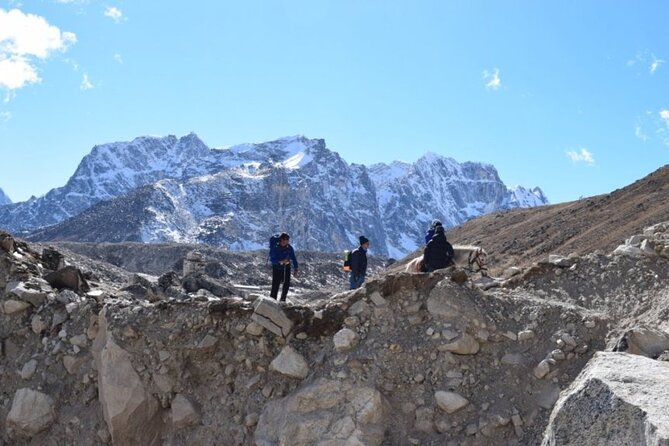
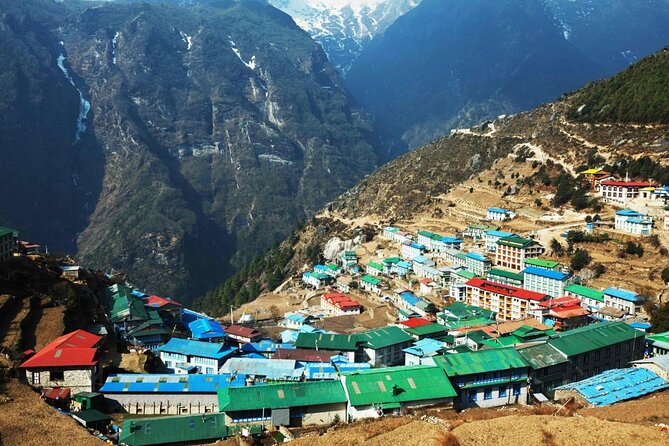
The route then continues from Namche to Pangboche, with roughly five hours of walking. Pangboche gives you a quieter mountain-village setting and a chance to see more of the Sherpa way of life away from the larger stop at Namche.
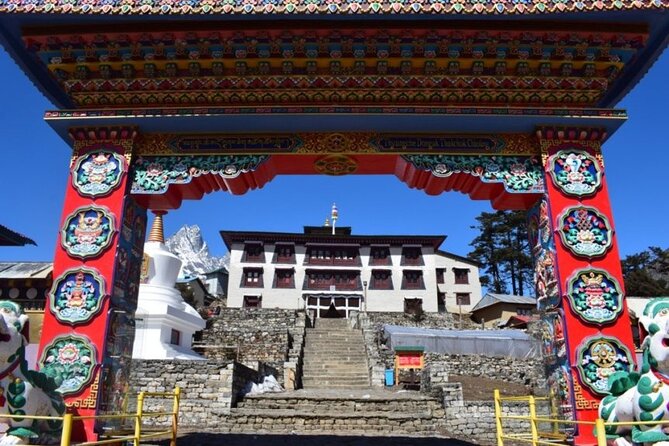
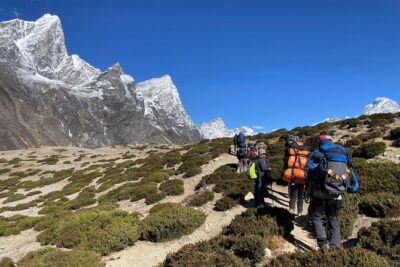
One of the pleasures of this trek is that the route is not only about reaching Everest Base Camp. You pass through Sherpa settlements, see Buddhist monasteries, and learn about local culture and mountain nature from your guide. The company also encourages you to visit local communities in the afternoon, rather than simply sitting in the lodge until dinner.
That cultural side gives the journey more meaning. You are walking through places where the mountains shape work, religion, food, and daily routines. Ask your guide about local customs before taking photographs or entering community spaces.
Pangboche is also a point where conditions become more alpine. Nights are cold, and lodge facilities become more limited. The company tries to arrange attached bathrooms where possible, but at higher elevations you may need to share.
More walking in the hills of Kathmandu:
- Nagarkot Sunrise View and Day Hiking from Kathmandu
★ 5.0 · 471 reviews - Annapurna Circuit Trek with Tilicho Lake
★ 5.0 · 368 reviews - Everest Base Camp Trek -14 Days
★ 5.0 · 321 reviews - Annapurna base camp trek 5 Days
★ 5.0 · 252 reviews
Pangboche to Lobuche, about five hours
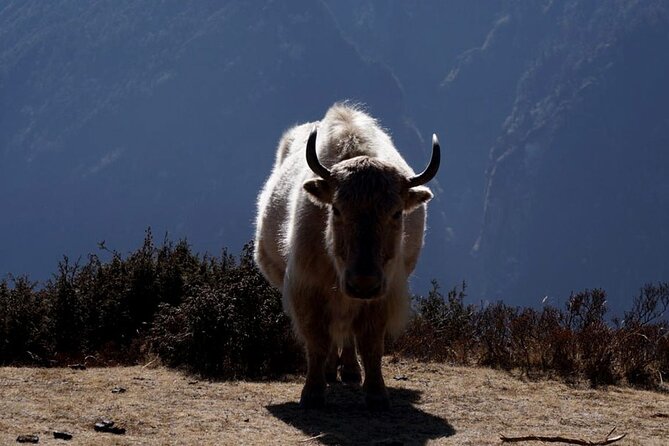
The next stage runs from Pangboche to Lobuche, listed as about five hours. The supplied itinerary spells the village as Labuche in one place and Lobuche in another, but it clearly refers to the same stop.
By now, the walking hours may not look enormous on paper, yet altitude changes the experience. A five-hour day high in the Himalayas feels very different from a five-hour walk at sea level. The best approach is slow and steady, with no prize for arriving first.
Breakfast is normally served around 7 a.m. After a short warm-up and stretching, you begin walking. Lunch generally comes around noon or 1 p.m. and lasts about 40 minutes. Your guide helps choose a lodge along the route, and meals are ordered from the available menu.
The food selection is broader than you might expect. Dal bhat, soups, potatoes, rice, noodles, pasta, pizza, eggs, handmade bread, Sherpa stew, and apple pie are listed. Tea, hot chocolate, ginger tea, lemon tea, coffee, and green tea are also available, but drinks are not included as personal extras in the package.
I would favor fresh vegetable dishes, dal bhat, potatoes, and soup. The company advises avoiding meat in the Everest region because storage and hygiene can be less reliable at altitude.
Lobuche to Gorak Shep and Everest Base Camp
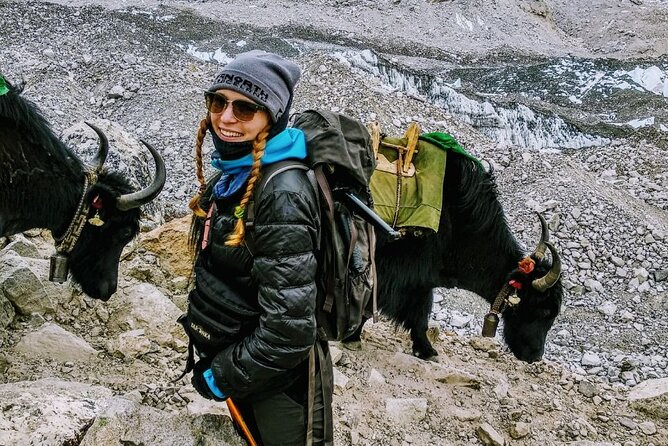
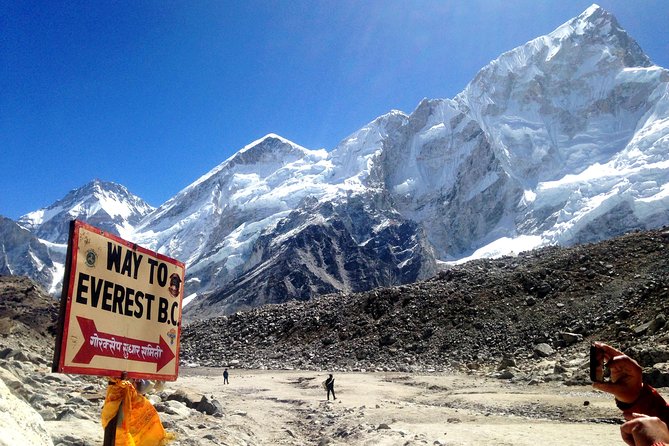
The most demanding section takes you from Lobuche to Gorak Shep, then onward to Everest Base Camp before returning to Gorak Shep. The full day is listed at about five hours, though actual timing can vary with walking speed, trail conditions, and rest stops.
Gorak Shep is the high point of the lodge route. Facilities here are basic, and shared bathrooms are more likely. You should not expect Kathmandu hotel standards in this part of the trek. The reward is the enormous mountain setting and the feeling of reaching the foot of the Everest climbing route.
Everest Base Camp itself is a major emotional marker, but keep expectations realistic. The exact appearance of the camp can change with the climbing season, and the site is not a permanent village or museum. The experience comes from standing in the Khumbu region beneath the highest peaks, surrounded by rock, ice, and immense Himalayan views.
The route description does not list Kala Patthar, a common viewpoint on many Everest Base Camp programs. If sunrise views from that peak are important to you, ask Alpine Ramble Treks if it is included or available as an addition. Do not assume it is part of this price.
The return to Pangboche, Namche, and Lukla
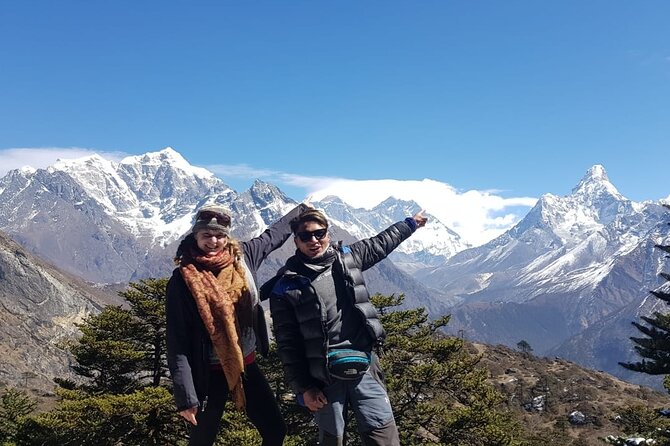
After the base camp section, the itinerary returns to Pangboche, then continues toward Namche Bazaar. The route is listed as Pangboche to Namche in about four hours, followed by a five-hour trek from Namche to Lukla.
The return usually feels different from the climb in. You know the trail, the air gradually becomes easier, and you can appreciate villages and mountain views that may have passed in a blur on the way up. Still, downhill walking can be hard on knees and ankles, especially after several days at altitude.
The published schedule has a numbering problem. It lists Day 7 as Pangboche to Namche, Day 9 as Namche to Lukla, and Day 9 again as the flight back to Kathmandu. There is no clear Day 8. I would ask for a dated, day-by-day confirmation before booking, including where each night is spent and whether any acclimatization day is included.
The return flight from Lukla to Kathmandu is listed at about 35 minutes. Weather can affect this flight too, so avoid scheduling an international departure immediately after the trek.
Lodge life, meals, and the daily routine
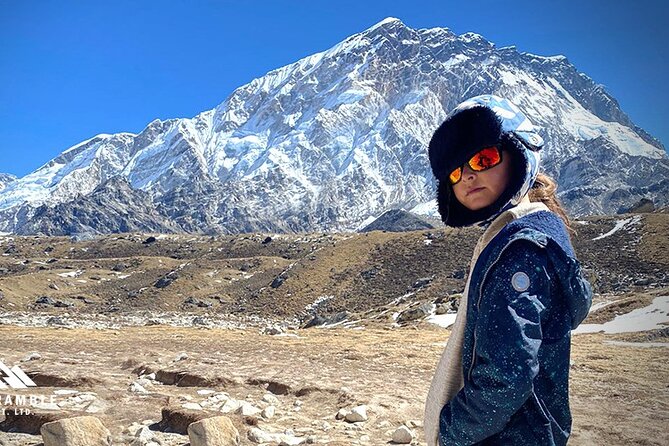
The daily routine is structured but not rushed. Wake-up tea arrives around 6 a.m., breakfast follows at about 7, and the morning walk lasts two to three hours before lunch. After another two to three hours of walking, you reach the lodge and rest before dinner.
Your guide can bring tea to your room while you settle in. Dinner orders are usually placed before 5 p.m., and the group eats together at a chosen time. After dinner, the guide briefs you on the next day.
This rhythm helps keep the trek manageable. You are not left guessing about tomorrow, and you have time to dry clothes, wash, read, take a shower when available, or visit nearby Sherpa settlements.
Water is available along the route, but bottled water costs around $2 to $3 per liter. The package provides purification tablets, so carrying a refillable bottle is the better value. A separate bottle suitable for hot water is recommended because cold water becomes uncomfortable and may freeze at higher elevations.
Fitness, packing, and safety
The trek is described as non-technical. You do not need climbing skills, ropes, crampons, or an oxygen cylinder for the standard route. You do need the ability to walk three to five hours a day over rugged ground, often in cold conditions, with enough stamina for a two-week mountain trip.
Training can be simple and practical. Walking, stairs, jogging, cycling, swimming, gym work, and regular downhill practice will help. I would also spend time breaking in proper trekking boots before arriving.
The suggested packing list includes:
- Warm hat, scarf, sun hat, sunglasses, sunscreen, and headlamp
- Lightweight and warm gloves
- Quick-drying shirts, fleece layers, sweaters, and a down or fiber-filled jacket
- Rain jacket, poncho, trekking trousers, and extra socks
- Proper trekking boots
- A daypack of more than 30 liters, pack cover, thermal bottle, and optional walking poles
- Toiletries, laundry soap, antibacterial gel, and personal medication
- Basic first-aid supplies, blister care, painkillers, oral rehydration salts, and medication approved for your needs
The company can provide a warm down jacket and sleeping bag on rent, according to the supplied information. Confirm the rental terms and sizing before arrival.
Travel insurance is not included, and it is essential for a high-altitude trek. Speak with a medical professional about altitude medication such as acetazolamide rather than treating the packing list as medical advice. If you feel unwell, tell your guide immediately.
The guides and support team
Alpine Ramble Treks uses government-licensed, English-speaking local guides, with a porter generally assigned for every two trekkers. The strongest praise for the company focuses on communication, care, and mountain support.
Owner Dil is described as quick to answer questions and attentive during planning. Guides Sujal, Samir, Krishna, and Hairy receive especially warm praise for their care and organization. Samir and Sherpa Manish are singled out as a particularly supportive pair, while Prabin Tamang is praised for careful planning and attention to safety on an Island Peak trip.
That pattern matters more than flashy promises. On a long trek, a guide who explains the next day, watches your pace, and helps with practical problems can shape the whole experience.
When to go and who should book
The best periods listed are autumn, from mid-September into May, and spring, especially March through May. These months are valued for clearer mountain views and more favorable trekking conditions, though nights remain cold and can drop below freezing.
This trek suits a moderately fit person who wants a private route with the major logistics handled. It is a good match if you like mountain villages, basic lodges, long walking days, and cultural contact more than comfort and free time.
I would hesitate if you dislike cold rooms, shared bathrooms, flight uncertainty, or physically demanding days. You should also ask for the corrected itinerary and altitude plan before committing.
Should you book this Everest Base Camp trek?
I would book this trek if you want a reasonably priced, private Everest Base Camp package with flights, meals, permits, lodges, a guide, and porter support included. The strong 5 rating from 199 reviews and repeated praise for Alpine Ramble’s communication and caring guides add useful confidence.
Before paying, confirm the missing Day 8, the exact acclimatization schedule, porter arrangements, Kathmandu hotel details, and what happens if a Lukla flight is delayed. If those answers are clear, this is a practical way to reach Everest Base Camp without arranging every moving part yourself.
FAQ
Are flights to and from Lukla included?
Yes. The package includes domestic flights from Kathmandu or Manthali to Lukla and the return flight.
How long does the Everest Base Camp trek take?
The advertised duration is approximately 14 days, including arrival, trekking, and the return to Kathmandu. The day numbering should be confirmed because one day is missing in the supplied schedule.
What meals are included?
Breakfast, lunch, and dinner are included during the trek on a full-board basis. Drinks, snacks, bottled water, alcohol, and extra meals or accommodation in Kathmandu are not included.
Is accommodation included?
Yes. Trekking lodge accommodation is included during the mountain portion of the trip, generally on a twin-sharing basis. Attached bathrooms may not be available at higher elevations.
Do I need advanced climbing skills?
No. The standard Everest Base Camp trek is described as non-technical and does not require climbing skills, ropes, crampons, or an oxygen cylinder. You should have moderate fitness and be able to walk about three to five hours per day.
Can I cancel for a full refund?
You can receive a full refund if you cancel at least 24 hours before the experience start time. Cancellations or changes made within 24 hours are not refunded, while weather or minimum-participant cancellations may result in a different date or a full refund.
New in the Kathmandu listings
- Traditional Momo Making Class★ 5.0 · 10 reviews
- Kathmandu: Ancient City Kirtipur & Pharping Monastery Tour★ 5.0 · 2 reviews
- Kathmandu to Pokhara Premium sofa bus ticket★ 4.0 · 17 reviews
- Women Empowerment Project(Nepali cooking class & jewelry workshop★ 5.0 · 15 reviews
- 7-Day Langtang Valley Trek from Kathmandu★ 5.0 · 1 review
- Kathmandu 2 Nights 3 Days Chitwan Jungle Safari Tour★ 5.0 · 9 reviews
- Yoga Experience Day Trip with Private Transfer From Kathmandu★ 4.0 · 2 reviews
- Wildlife Adventure in Chitwan Nepal★ 4.0 · 4 reviews
Everest Base Camp Treks, compared.
Everest Base Camp Trek with Helicopter Return from Gorakshep to Lukla
Read our review →Browse the lists this tour appears in