
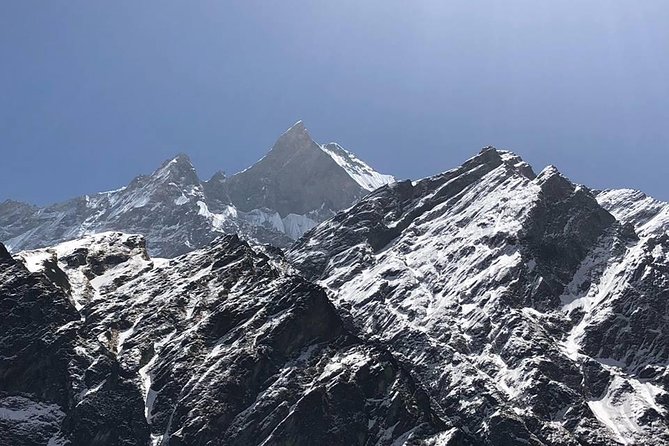
REVIEW · EVEREST BASE CAMP TREKS
Everest Base Camp Trek -14 Days
The trail begins with a small plane. This 14-day Everest Base Camp trek combines a Lukla flight, lodge-to-lodge hiking, licensed guide support, meals, permits, and a small group capped at 12 people. I like the built-in acclimatization days at Namche Bazaar and Dingboche, and I like that the price includes the usually complicated Lukla flights and trekking paperwork.
The main caution is the altitude and the basic nature of the lodges. You will pay extra for water, drinks, Wi-Fi, hot showers, porter service, and personal items, while the route itself demands a moderate level of fitness. The schedule is also advertised as both 13 days and 14 days, so confirm the exact departure and return dates before paying.
In This Review
- Key points before you book
- What the $1,420 price really covers
- Kathmandu arrival and the flight to Lukla
- Namche Bazaar and the first real mountain views
- Tengboche, Dingboche, and the value of rest days
- Memorials, the Khumbu Glacier, and Everest Base Camp
- Kala Patthar gives the best view of Everest
- The return route through Sherpa villages
- Lodges, meals, guides, and group size
- The Kathmandu finish and the parts you should clarify
- Who should book this Everest trek?
- Should you book it?
- FAQ
- How high does the trek reach?
- Are flights between Kathmandu and Lukla included?
- Are meals included during the trek?
- Is a porter included?
- How large is the group?
- What is the cancellation policy?
Key points before you book
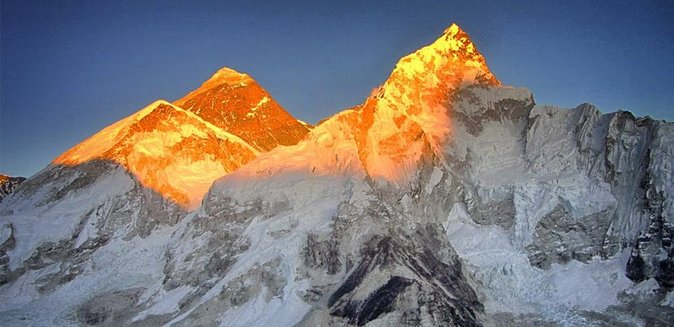
- Everest Base Camp at 17,598 feet: The trek reaches 5,364 meters, with the final approach following the Khumbu Glacier.
- Two important acclimatization stops: Rest days at Namche Bazaar and Dingboche give your body time to adjust before the highest sections.
- Early Lukla flight included: The scenic flight from Kathmandu takes about 35 minutes, with return airfare and departure taxes covered.
- Small group of up to 12: A limited group makes it easier to get to know your guide and fellow hikers.
- Kala Patthar sunrise: An early climb brings wide Himalayan views, including Mount Everest, Lhotse, Nuptse, Pumori, and Ama Dablam.
- Strong guide support: Guides connected with this operator include Laxman, Ram, Subash, Saugat, Nir, and others praised for patience, organization, and care.
What the $1,420 price really covers
At $1,420 per person, this trek offers a fair package for someone who wants a managed Everest Base Camp experience rather than arranging every piece independently. The cost includes round-trip Kathmandu to Lukla flights, trekking lodges, full-board meals during the trek, a government-licensed guide, required trekking documents, national park and TIMS fees, first aid supplies, taxes, and official expenses.
That list matters. The Lukla flight is the key transport link, and the permits and paperwork can be a nuisance to arrange on your own. You also avoid the daily work of finding a lodge and deciding where to eat after a tiring hike.
The package does not cover everything. International airfare, Nepal’s entry visa, accommodation and food before and after the trek, porter service, drinks, bottled water, snacks, hot showers, Wi-Fi, and tips come from your own pocket. Emergency rescue is listed as included only when funded by your travel insurance, so proper insurance is essential.
The meal plan is described as 12 breakfasts, 11 lunches, and 11 dinners. That appears to cover the trekking portion, not every meal around the arrival and departure days. I would ask the operator to confirm exactly which nights and meals are included, especially since the program is described in different places as 13 and 14 days.
More Everest Base Camp treks:
- Everest Base Camp Trek – 14 Days
★ 5.0 · 1,499 reviews - Everest Base Camp Trekking
★ 5.0 · 485 reviews - Everest Base Camp Trekking – 13 Day
★ 5.0 · 365 reviews
Kathmandu arrival and the flight to Lukla
Day one is simple. Staff meet you at Tribhuvan International Airport, transfer you to your hotel, and help you settle in. The meeting point is in Thamel, Kathmandu, a practical base for a trek because the area has trekking shops, restaurants, and transport links nearby.
The next morning starts early with a scenic flight of about 35 minutes to Lukla. This is not a routine airport transfer. Lukla marks the beginning of the walking route and puts you among Sherpa communities almost at once.
At Lukla, you meet the trekking crew and begin walking after a roughly two-hour acclimatization period. The first section leads through forest and along the Dudh Koshi River. You may get early views of Everest, Kusum Kanguru, and other peaks, but the real reward on this day is simply adjusting to the thinner air and new pace.
The short flight saves a long road journey, but it also makes the schedule dependent on mountain flying conditions. The supplied information does not state how delays are handled, so ask about the operator’s plan if the flight is postponed. Keep some flexibility in your wider Nepal itinerary.
Namche Bazaar and the first real mountain views
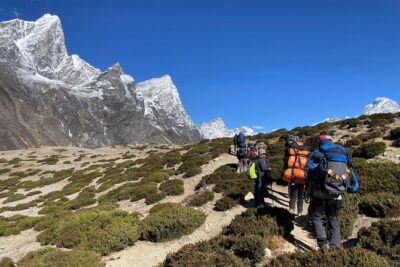
The route toward Namche passes through pine forest, suspension bridges, and small villages. The river crossings give the walk a lively rhythm, while the gradual rise lets you settle into the repeated pattern of hiking, eating, and resting.
Namche Bazaar is the key early stop. The itinerary includes an acclimatization day here, with a lookout walk for views of Everest, Lhotse, Cholatse, Thamserku, Kwangde, Ama Dablam, and other peaks. The point is not to sit still all day. A short climb followed by rest helps your body adjust better than simply remaining in the lodge.
I like this built-in pause because a rushed Everest Base Camp program can turn altitude into the main story. Here, you have time to walk high and sleep lower, though the exact acclimatization routine will depend on your guide and the condition of the group.
The day after Namche follows the main Everest route, with a descent toward the Dudh Koshi River and a climb through rhododendron forest. This section is described as part of the high route toward Everest, with views that open and close as the trail moves through trees.
Tengboche, Dingboche, and the value of rest days
Tengboche is one of the most memorable stops on the route. In the early morning, the monastery and surrounding mountains are described as especially striking. The trail then passes through forest and continues toward higher villages.
The itinerary gives you time around Tengboche before moving on to Dingboche. That is useful because the route becomes more exposed and the altitude begins to affect nearly everyone in some way. The scenery also changes, with fewer trees and more open views toward the high peaks.
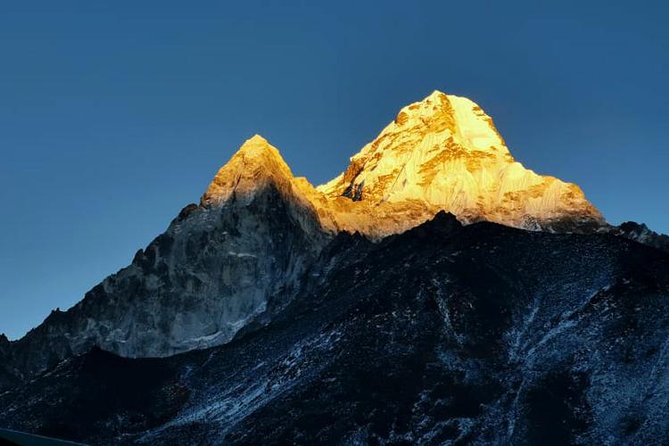
Dingboche receives another rest day. This village is an important staging point for people heading toward Everest, Ama Dablam, and Imja Tse. Stone walls protect the local barley and potato fields, giving the village a distinct mountain character rather than making it feel like a collection of trekking lodges.
The second rest day is one of the strongest parts of this schedule. You need patience here. Dingboche is high enough that a simple walk can feel harder than expected, and the extra day gives your guide time to watch how everyone is coping.
The package includes a licensed guide and a basic first aid kit, including Diamox for high-altitude sickness. That does not replace medical advice, and you should discuss altitude medication with a qualified professional before the trek. The guide can support the group, but you remain responsible for taking symptoms seriously.
More walking in the hills of Kathmandu:
- Nagarkot Sunrise View and Day Hiking from Kathmandu
★ 5.0 · 471 reviews - Annapurna Circuit Trek with Tilicho Lake
★ 5.0 · 368 reviews - Annapurna base camp trek 5 Days
★ 5.0 · 252 reviews - Everest Base Camp Trekking – 2025/2026
★ 5.0 · 199 reviews
Memorials, the Khumbu Glacier, and Everest Base Camp
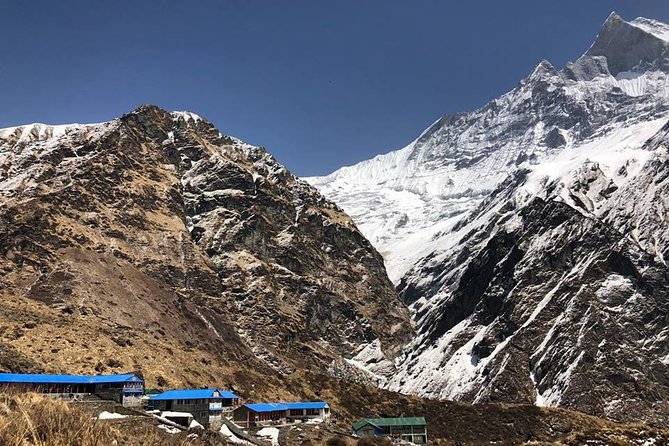
After Dingboche, the trail climbs gradually to Duglha, then rises steeply to the ridge at Chukpo Lari. This section includes memorials honoring climbers who died on Mount Everest. It is a sober point on an otherwise scenic route, and it puts the risks of high-altitude climbing into plain view.
The next stage leads toward Lobuche. You are now in the high part of the trek, where the combination of cold, altitude, and long walking days matters more than the technical difficulty of the trail. The information provided does not give exact walking times or distances for each day, so ask for those details before departure.
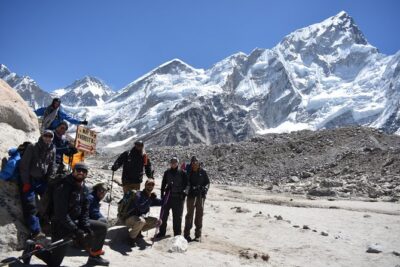
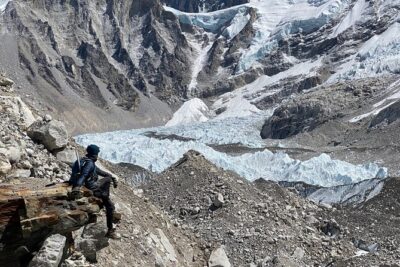
From Lobuche, the route follows the Khumbu Glacier. The path first crosses a relatively flat meadow, then climbs gradually along the glacier before reaching the lateral moraine. This is the long-awaited approach to Everest Base Camp, but the base camp itself is not a place with hotel facilities or a grand visitor center. It is a high-altitude mountaineering site reached by foot.
The goal is the achievement and the setting: glacier, moraine, huge peaks, and the knowledge that you have reached 5,364 meters. Expect a demanding day, and remember that the itinerary must still get you back to a lower sleeping point afterward.
Kala Patthar gives the best view of Everest
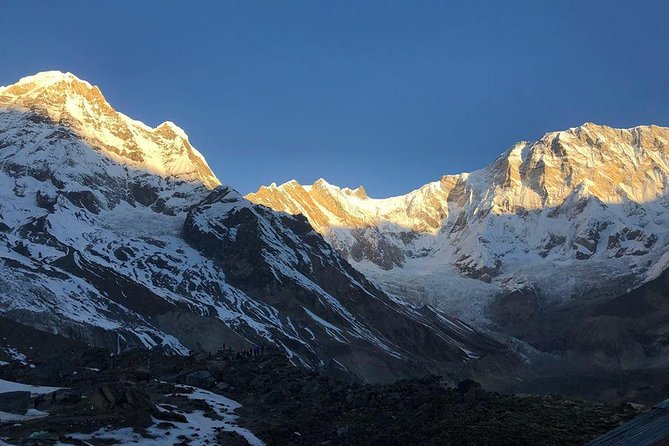
The early climb to Kala Patthar is arguably the visual high point of the trip. You wake before dawn and walk for about two hours toward the viewpoint at the base of Pumori.
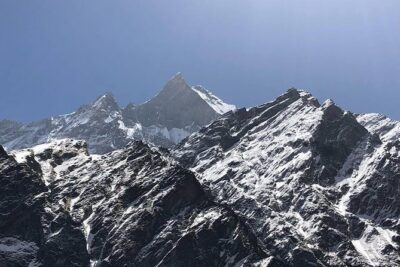
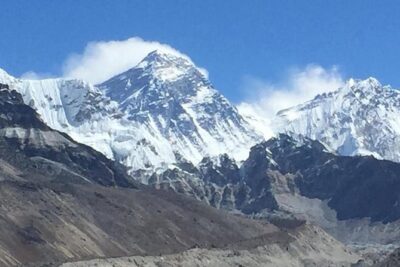
From the top, the route offers a 360-degree panorama that includes Mount Everest, Nuptse, Lhotse, and Pumori, along with other Himalayan peaks. Sunrise is the reason for the early start, and the cold will be part of the bargain.
A useful distinction: Everest Base Camp gets you to the famous destination, but Kala Patthar usually provides the more satisfying view of Everest itself. The two stops serve different purposes, and this itinerary includes both.
The high altitude can make the climb feel slow. Take your time, follow your guide’s instructions, and do not treat the viewpoint as a race. The reward is a broad mountain panorama rather than a single close-up summit.
The return route through Sherpa villages
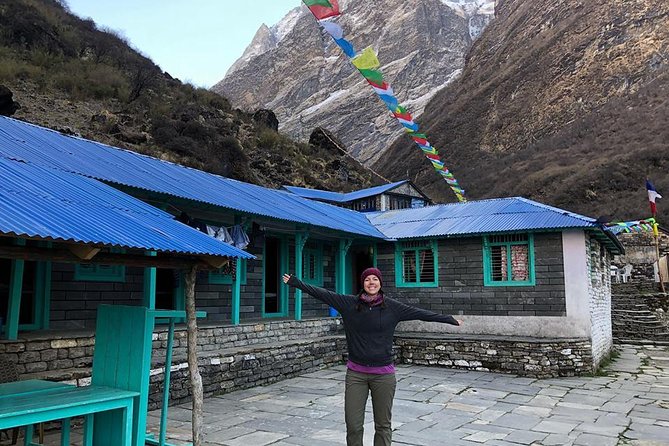
After the high point, the trail descends through Sherpa villages toward the Dudh Koshi River. You pass through Dingboche and climb back toward Tengboche before continuing lower.
Retracing the route can sound repetitive, but it often feels different in reverse. You notice details missed on the way up, and the lower altitude makes breathing easier. Forest returns, rivers become louder, and the route feels less severe.
The final trekking day descends through Jorsalle, Manjo, Benkar, Phakding, and smaller settlements. Several suspension bridges cross the Dudh Koshi River, giving the last stretch a fitting finish before Lukla.
The return is not merely a formality. Your legs may be tired, and descents can be hard on knees. Trekking poles would be a sensible personal item, but they are not listed among the inclusions, so plan your own equipment carefully.
Lodges, meals, guides, and group size
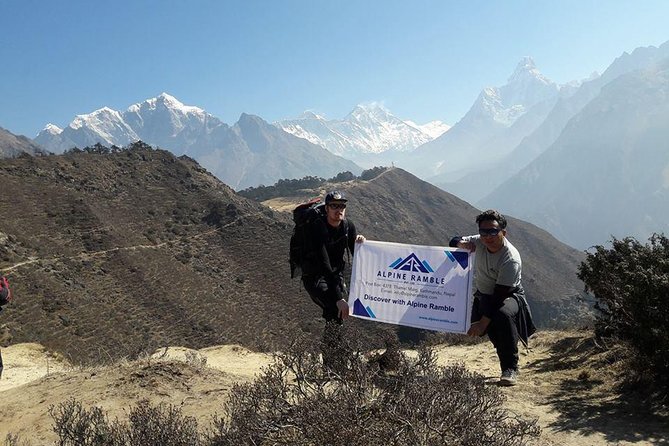
Accommodation is in the best available trekking lodges, with full-board breakfast, lunch, and dinner during the trek. You should expect practical mountain lodging rather than hotel comfort. Hot showers, Wi-Fi, drinks, and other extras cost more.
Food is included, but the menu may feel repetitive over nearly two weeks. Simple meals are part of the trekking routine, and the package emphasizes authentic local food rather than a broad restaurant-style selection. Bring money for snacks and drinks, since water and hot beverages are not included.
The maximum group size of 12 is a useful middle ground. A larger group can slow down decisions and make the pace less personal, while a small group gives you more time with the guide and easier social contact.
The most praised part of the operator’s service is the human support. Guides such as Laxman, Ram, Subash, Saugat, Nir, Amer, and Dhowar have been associated with careful pacing, quick answers, flexibility, and support for both solo hikers and families. One especially useful point for parents: Laxman was praised for making the trek manageable for teenagers aged 15 and 17.
You can request a porter if you need one, but porter service is not included. If you trek without one, as Ram’s solo guest once did, you should be prepared for the added weight and the repeated uphill effort.
The Kathmandu finish and the parts you should clarify
After returning to Kathmandu on day 13, you have a leisure day in the city. The package description also refers to celebrating with a night at a top Kathmandu hotel and dinner, but the included list says accommodation and food before and after the trek are not covered.
That is an important contradiction. Ask in writing if the post-trek hotel night and dinner are included in your exact booking. Do not assume the promotional description and the final package have identical terms.
The operator offers pickup, and the end point returns to the Thamel meeting location. Confirmation is provided at booking, and free cancellation is available up to 24 hours before the experience begins. Inside that 24-hour window, the payment is not refundable and changes are not accepted.
Who should book this Everest trek?
I would recommend this trip to you if you want the classic Everest Base Camp route with the major logistics arranged. It suits hikers with moderate fitness who are willing to walk for many days, sleep in basic lodges, pay for extras, and accept that the altitude may change the pace.
It is also a good fit for solo hikers who want company without joining a huge group, families with active older children, and first-time Nepal trekkers who prefer an agency to handle permits, flights, meals, and guide support.
I would hesitate if you want private hotel comfort, a flexible schedule, or a short and gentle mountain holiday. The flight to Lukla, high altitude, long walking days, basic rooms, and extra costs make this a serious trek, not a sightseeing tour with a few easy walks.
Should you book it?
At $1,420, this is a sensible value if the listed inclusions match your final confirmation. The two acclimatization days, return Lukla flights, licensed guide, lodge stays, meals, permits, and small-group format cover the costly and stressful pieces of the route.
Before booking, confirm the exact day count, post-trek Kathmandu hotel and dinner, porter rates, meal coverage, and the plan for a delayed Lukla flight. If those details are clear and you are ready for altitude, this package offers a practical way to reach Everest Base Camp and Kala Patthar without spending your trip negotiating every step.
FAQ
How high does the trek reach?
Everest Base Camp is listed at 17,598 feet, or 5,364 meters, above sea level. Kala Patthar is also included as a high viewpoint near Mount Pumori.
Are flights between Kathmandu and Lukla included?
Yes. The package includes round-trip flights between Kathmandu and Lukla, including departure taxes.
Are meals included during the trek?
Yes. Breakfast, lunch, and dinner are included during the trekking portion. Water, hot and cold drinks, coffee, tea, and snacks cost extra.
Is a porter included?
No. A local porter is available if needed, but porter service is not included in the listed price.
How large is the group?
The group can include a maximum of 12 people.
What is the cancellation policy?
You can cancel at least 24 hours before the experience begins for a full refund. Cancellations or changes made less than 24 hours before the start time are not accepted for a refund.
New in the Kathmandu listings
- Traditional Momo Making Class★ 5.0 · 10 reviews
- Kathmandu: Ancient City Kirtipur & Pharping Monastery Tour★ 5.0 · 2 reviews
- Kathmandu to Pokhara Premium sofa bus ticket★ 4.0 · 17 reviews
- Women Empowerment Project(Nepali cooking class & jewelry workshop★ 5.0 · 15 reviews
- 7-Day Langtang Valley Trek from Kathmandu★ 5.0 · 1 review
- Kathmandu 2 Nights 3 Days Chitwan Jungle Safari Tour★ 5.0 · 9 reviews
- Yoga Experience Day Trip with Private Transfer From Kathmandu★ 4.0 · 2 reviews
- Walking tour of real Kathmandu through back streets.★ 5.0 · 3 reviews
Everest Base Camp Treks, compared.
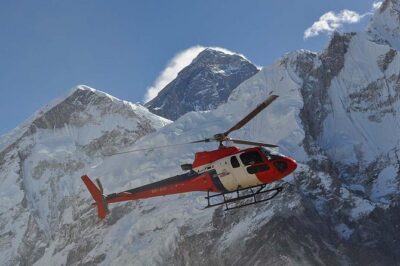
Everest Base Camp Trek with Helicopter Return from Gorakshep to Lukla
Read our review →Browse the lists this tour appears in