
REVIEW · EVEREST BASE CAMP TREKS
Everest Base Camp Trek with Helicopter Flight Back
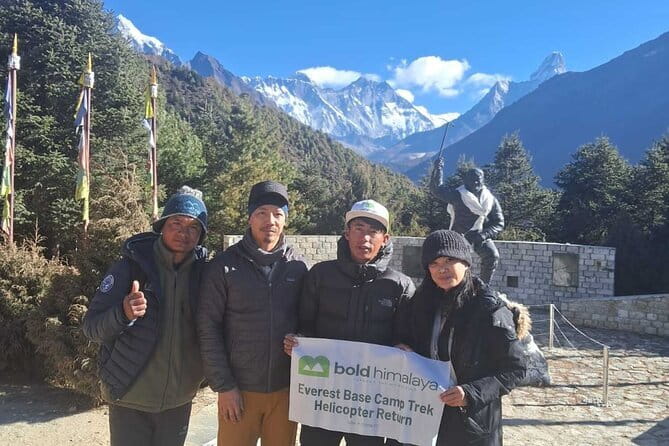
Everest is the payoff, but the route is the story. This 10-day trip with Bold Himalaya combines the classic trek to Everest Base Camp with a helicopter return from Gorak Shep. I like the smart one-way design, which gives you time in Sherpa villages, mountain monasteries, and high valleys without forcing you to retrace the entire route on foot.
I also like that the package includes a guide, meals, park fees, permits, trekking gear, a duffle bag, and the domestic flight to Lukla. The main catch is important: the helicopter flight back is not included in the advertised price, so your final cost will be higher than $446.50 per person. You also need good fitness and a willingness to sleep at very high altitude.
In This Review
- Key points before you book
- Why the one-way Everest route makes sense
- Day 1: Kathmandu arrival and trek briefing
- Day 2: Lukla to Phakding through alpine forest
- Day 3: Suspension bridges and the climb to Namche Bazaar
- Day 4: Namche rest day and Everest View Hotel
- Day 5: Tengboche and its mountain monastery
- Day 6: Through Pangboche and Somare to Dingboche
- Day 7: Dingboche acclimatization and Nagarjun Peak
- Day 8: Thukla Pass and Lobuche at 4,940 meters
- Day 9: Everest Base Camp and the night at Gorak Shep
- Day 10: Kala Patthar sunrise and the helicopter home
- What the package includes, and what it does not
- Service, comfort, and guide support
- Who should book this trek?
- Should you book the Everest Base Camp helicopter return?
- FAQ
- How long is the Everest Base Camp trek with helicopter return?
- Is the helicopter flight from Gorak Shep to Kathmandu included?
- What level of fitness is required?
- Is the tour private?
- Are meals included?
- Is accommodation included?
- What happens if poor weather cancels the experience?
Key points before you book
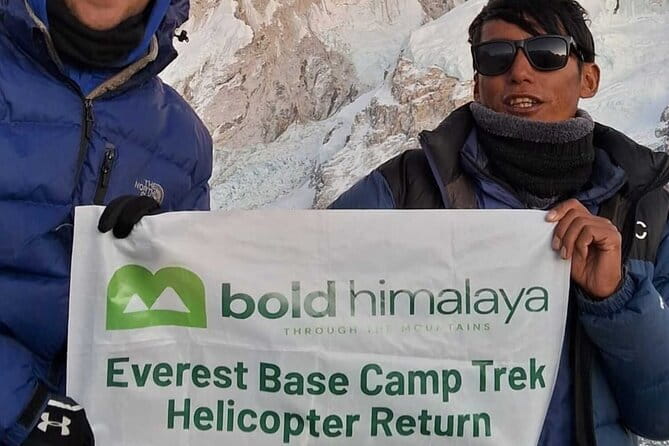
- The helicopter saves several trekking days: You walk up to Everest Base Camp, then fly from Gorak Shep to Kathmandu after Kala Patthar.
- Kala Patthar reaches 5,550 meters: The sunrise hike is one of the trip’s great rewards, but altitude makes this a serious physical challenge.
- Two nights help with acclimatization: You spend a rest and preparation day in Dingboche before climbing higher.
- The guide package is broad: Guide costs, food, accommodation, insurance, permits, national park fees, and several useful gear items are included.
- The flight plan can change: Lukla flights may operate from Ramechhap instead of Kathmandu, and the helicopter depends on weather.
- Personal service gets strong praise: Manager Sobit and guides such as Surendra are specifically praised for careful communication and safety support.
Why the one-way Everest route makes sense
The standard Everest Base Camp trek usually asks you to walk back down the same valleys you climbed. That return has its own pleasures, but it also adds several days of walking. Here, you make the uphill journey on foot and use a helicopter for the trip back.
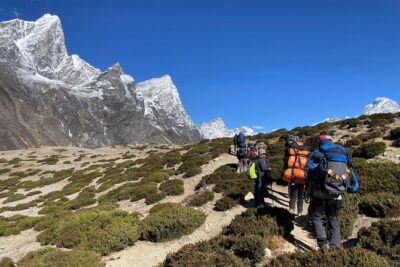
That changes the feel of the holiday. You still get the slow approach to Everest, which is the part that gives the journey meaning. You cross suspension bridges, pass through Sherpa settlements, visit Tengboche, and watch the scenery become colder and barer as you gain altitude. Then, after the highest walking days, you return by air.
I see this as a good fit for you if you have limited holiday time or simply do not want to spend another week retracing the route. It is not a soft option. You still walk to 5,364 meters at Base Camp and 5,550 meters at Kala Patthar. The helicopter removes the long descent, not the hard ascent.
The price requires close attention. At $446.50 per person, the package looks low for a trek that includes a domestic flight, guide, meals, park fees, accommodation, equipment, and a helicopter return. The reason is that the Gorak Shep to Kathmandu helicopter flight is excluded. Ask Bold Himalaya for the current helicopter supplement before you compare this with other Everest packages.
More Everest Base Camp treks:
- Everest Base Camp Trek – 14 Days
★ 5.0 · 1,499 reviews - Everest Base Camp Trekking
★ 5.0 · 485 reviews - Everest Base Camp Trekking – 13 Day
★ 5.0 · 365 reviews
Day 1: Kathmandu arrival and trek briefing
Your trip begins at Tribhuvan Airport, where pickup and private transportation are provided. You are taken to your hotel, listed as Hotel Thrive or a similar property, with one night in twin-share accommodation and breakfast.
The evening briefing matters. This is your chance to review the route, check equipment, and ask about the flight to Lukla. The company provides a sleeping bag, down jacket, trekking poles if needed, a duffle bag, cap, and trip certificate. I would use this meeting to confirm exactly what you will carry and what can go in the duffle bag.
The package also includes one cultural show and dinner program in Kathmandu. That gives the trip a small cultural opening and closing note, rather than making it only about mountain mileage.
Day 2: Lukla to Phakding through alpine forest
The flight to Lukla is short, scenic, and central to the whole route. You fly over Himalayan country before landing at the well-known mountain airport. The itinerary allows for the flight to operate from Kathmandu or from Ramechhap, depending on the current flight plan.
Once in Lukla, the first walk goes downhill to Phakding and takes about four hours. This is a useful first day because you begin moving without immediately facing the longest climb. The trail passes through alpine forest and gives you your first close look at the narrow valleys and villages of the Khumbu region.
You should treat the Lukla flight as weather-sensitive. The company says poor weather can lead to cancellation or a changed date. That makes a flexible schedule valuable, even though the published itinerary is set out in ten days.
Day 3: Suspension bridges and the climb to Namche Bazaar
The walk from Phakding to Namche Bazaar takes about six hours. You follow the Dudh Koshi River and cross suspension bridges while moving through Himalayan Sherpa villages.
Namche is not just a stopping point. It is the main trading center of the Khumbu and the first place where the altitude becomes impossible to ignore. The climb here is steady, and you should expect the day to feel harder than the distance suggests.
The appeal is the rhythm of the trail. You are not being rushed from one viewpoint to the next. You walk from village to village, crossing bridges and gaining height in stages. Lunch and dinner are included on trekking days, along with breakfast, so your daily costs are easier to manage.
More Helicopter Tours in Kathmandu:
- Everest Base Camp Helicopter Tour landing at Everest View Hotel
★ 5.0 · 668 reviews - Everest Base Camp Helicopter Tour landing at Hotel Everest View
★ 5.0 · 218 reviews - Everest Base Camp Trek with Helicopter Return from Gorakshep to Lukla
★ 5.0 · 161 reviews - Everest Base Camp helicopter tour with landing
★ 5.0 · 61 reviews
Day 4: Namche rest day and Everest View Hotel
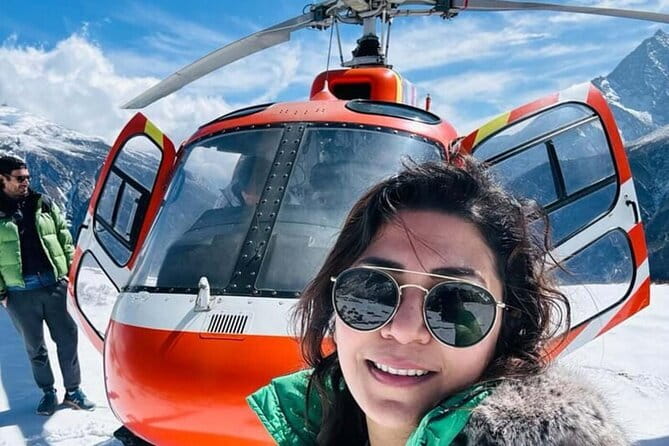
Day four is an acclimatization day in Namche, with about five hours of exploring and walking. The plan includes the Sherpa Museum and a hike to the Everest View Hotel.
This is a useful rest day, but do not mistake rest for doing nothing. The hike gives your body a chance to adjust while keeping you active. The viewpoint offers broad views toward Everest and the surrounding peaks, and the museum provides context about Sherpa culture and mountaineering.
I like this stop because it breaks up the ascent at the right time. You also get a chance to sort your clothing, charge devices if possible, and make sure your boots and gear are working before the route gets higher and more demanding.
Day 5: Tengboche and its mountain monastery
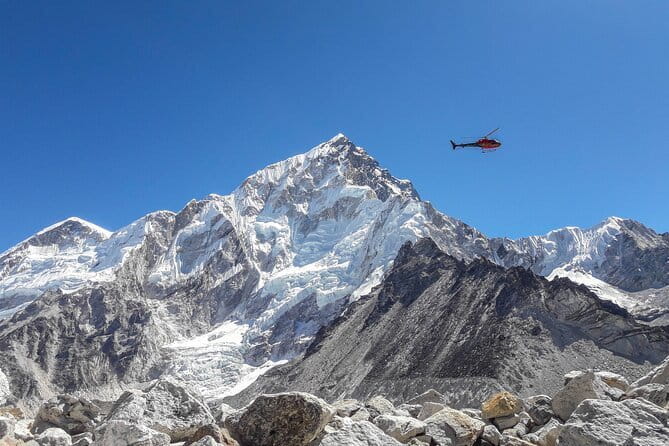
The trek to Tyangboche, usually written as Tengboche, takes around six hours. You stop for lunch at Phungi Thanga before climbing onward.
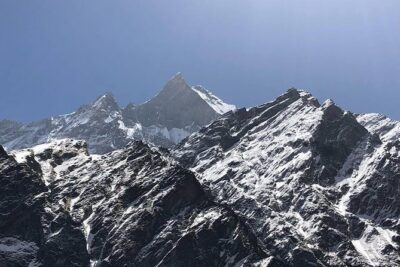
Tengboche is one of the most memorable points on the route. The monastery gives the day a cultural focus, while views of Everest, Lhotse, and nearby peaks provide the mountain drama. The setting feels more remote than Namche, and the trail begins to take on a more severe high-country character.
There is no included admission cost listed for the day, but the monastery visit is included in the itinerary. You should still respect local customs and follow your guide’s advice about entering buildings or attending any religious activity.
Day 6: Through Pangboche and Somare to Dingboche
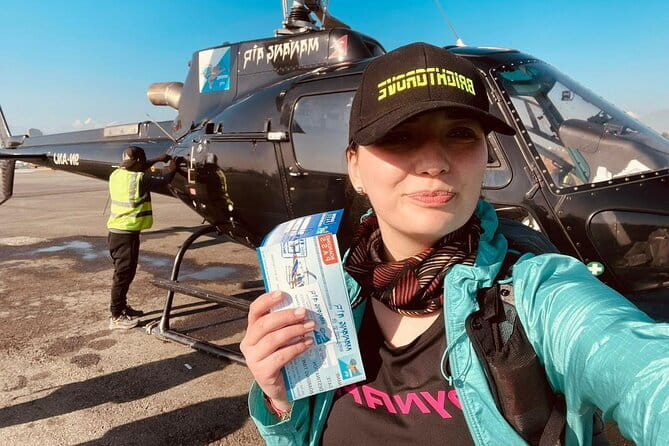
The six-hour walk to Dingboche crosses a suspension bridge over the Imja Khola. You pass through rhododendron forest and villages including Pangboche and Somare.
Dingboche marks a clear change in the trip. The route is higher, the air is thinner, and the vegetation begins to thin out. It is a good place for you to slow down and pay attention to how your body feels.
This is also where the included guide becomes especially important. Bold Himalaya says the guide’s salary, food, accommodation, and insurance are covered. That arrangement gives you a clear point of contact during a part of the trek where altitude and weather can affect plans.
Day 7: Dingboche acclimatization and Nagarjun Peak
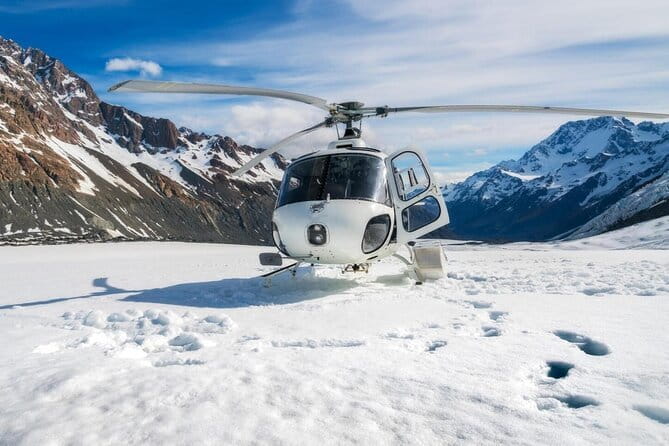
The second acclimatization day includes a hike in the Dingboche Valley and an ascent toward Nagarjun Peak. The walk takes about five hours and gives you wide mountain views.
The purpose is not to race upward. You climb high enough to help your body adjust, then return to Dingboche to sleep at the lower elevation. This type of schedule is one of the strongest features of the plan because it gives you two preparation days before Lobuche and the final approach.
You should be honest with yourself here. The itinerary is marked for people with moderate physical fitness, but the altitude makes that phrase important. You may be a strong low-altitude walker and still struggle above 4,000 meters. Follow your guide’s advice, keep your pace steady, and do not treat the schedule as a competition.
Day 8: Thukla Pass and Lobuche at 4,940 meters
The route to Lobuche takes about six hours and reaches 4,940 meters. You pass through Thukla Pass, where memorials honor climbers who died in the Everest region.
This is a powerful and sobering part of the walk. The memorials add human weight to the scenery. Everest is not only a postcard destination, and this stop makes that clear without needing a long speech.
Lobuche is also where the altitude becomes a major practical issue. Sleep can be difficult, appetites can change, and even simple movement may feel slow. Keep your day organized, protect yourself from cold, and tell your guide promptly if you feel unwell.
Day 9: Everest Base Camp and the night at Gorak Shep
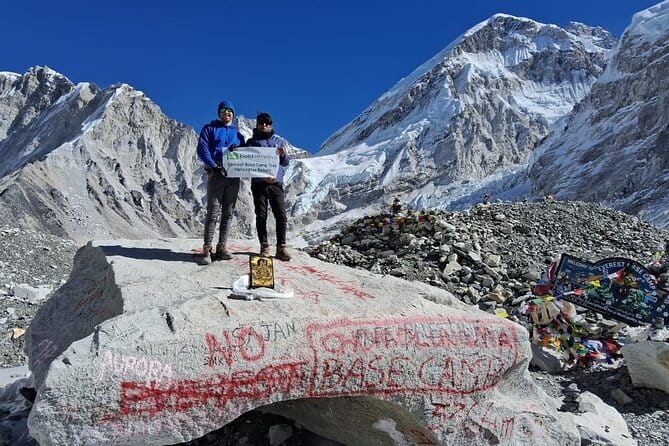
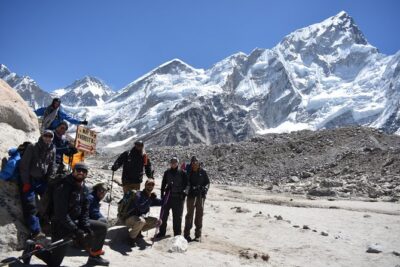
Day nine is the longest and most important walking day. You trek to Gorak Shep at 5,170 meters, leave your gear, and continue to Everest Base Camp at 5,364 meters. The full day takes about seven hours.
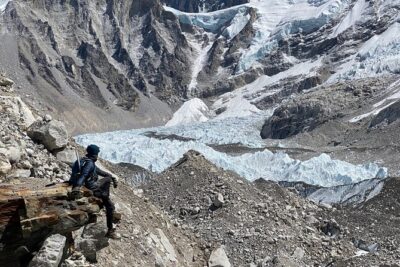
The trail leads toward views of the Khumbu Icefall, one of the most recognizable features of the Everest climbing route. Base Camp itself is seasonal and changes in appearance, but reaching it remains a major personal milestone.
You then return to Gorak Shep for the night. This is a demanding schedule at extreme altitude, so the earlier acclimatization days are not decorative additions. They are essential parts of the plan.
I would pack only what you need for the Base Camp walk and leave the rest at the lodge. The supplied duffle bag and porter option can help, but porters are not included. If you want porter support, arrange and price it in advance.
Day 10: Kala Patthar sunrise and the helicopter home
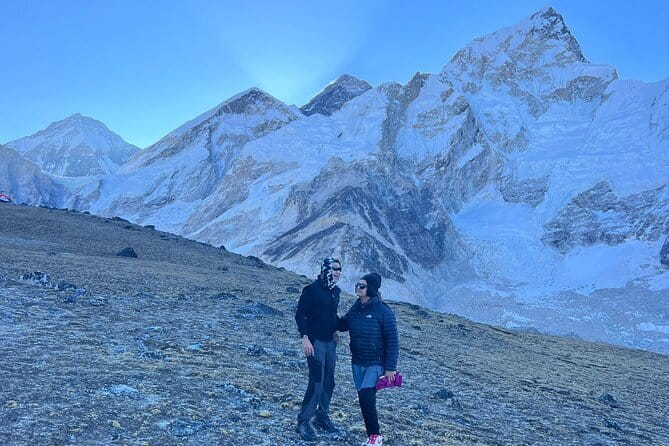
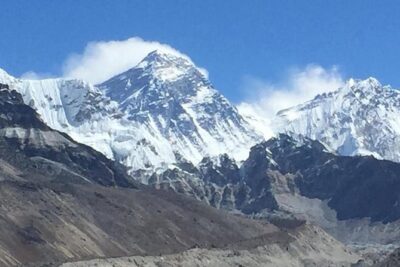
The final morning begins early with the hike to Kala Patthar at 5,550 meters. The goal is panoramic Himalayan scenery around sunrise, with views toward Everest and the surrounding peaks.
This may be the visual high point of the trip. Base Camp gives you the achievement, but Kala Patthar gives you the broad view. The climb is short in duration, listed at about three hours including the return to Gorak Shep, yet the altitude can make every step feel serious.
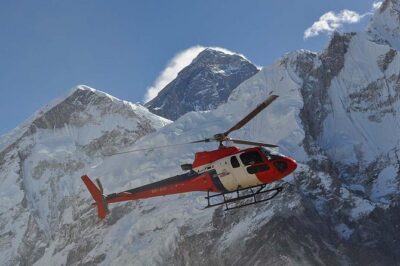
After returning to Gorak Shep, you board a helicopter for Kathmandu. The flight gives you a fast aerial view of the valleys you have just walked through and removes the long descent from the program.
Again, the helicopter is not part of the listed $446.50 price. It is the defining feature of the trip, so this is the first cost I would clarify. A weather delay is also possible, since helicopter operations depend on flying conditions. The cancellation terms allow a full refund if the experience is canceled for poor weather, or you may be offered another date.
What the package includes, and what it does not
The included items give this trip a solid base value:
- Experienced trekking guide, including salary, food, accommodation, and insurance
- Kathmandu to Lukla domestic flight, or the Ramechhap to Lukla alternative
- Private transportation
- One Kathmandu hotel night with breakfast
- Breakfast on nine days
- Lunch on eight days
- Dinner on eight days
- Seasonal fruit and dry nuts during the trek
- Sagarmatha National Park fee
- Pasang Lhamu Rural Municipality fee
- TIMS permit
- Sleeping bag, down jacket, and trekking poles if needed
- Duffle bag, cap, and trip certificate
- Kathmandu cultural show and dinner
- Government taxes and service charges
You pay separately for international flights, travel insurance, bar bills, desserts, tips, porters, and the helicopter. Travel insurance is not optional in practical terms for a trip at this altitude, so include it in your real budget.
The absence of porters is worth noting. You can carry your own bag, but the trek becomes more comfortable if you arrange help. Ask whether the company can organize a porter and what weight limit applies.
Service, comfort, and guide support
The strongest praise for Bold Himalaya focuses on care and communication. Manager Sobit is described as attentive from the first email, which is useful when you are trying to coordinate flights, gear, hotel arrangements, and a high-altitude route from another country.
Guide Surendra and porter Doma Ghale are specifically praised for safety, determination, and support during a 10-day Everest Base Camp trek. Those names matter because a guide can shape your experience more than a printed schedule does. Ask in advance who will lead your group, especially if you have medical concerns or want a particular pace.
One account also describes strong accommodation support during difficult weather connected with the remnants of a cyclone. Hot water and comfort were maintained in Kathmandu and at the lodges, although plans changed two or three times because of unexpected conditions.
That detail gives you a realistic picture. The company appears willing to adjust, but the Everest region remains weather-dependent. A changed lodge, flight, or timing is not necessarily poor service. It is often part of mountain travel.
Who should book this trek?
I would recommend it to you if you want the classic Everest Base Camp approach but have only about ten days. It is also a sensible choice if the thought of walking back down the same trail feels less appealing than seeing the region from a helicopter.
You should be comfortable with long walking days of four to seven hours, cold conditions, basic high-altitude trekking, and nights above 4,000 meters. The itinerary calls for moderate fitness, but I would prepare beyond a casual level because Kala Patthar reaches 5,550 meters.
This trip is less suitable if you need a fixed schedule with no weather flexibility. It is also not ideal if you want a fully inclusive price, since the helicopter and porter costs are separate.
The activity is private, meaning only your group participates. That can make the pace and support more personal than a large shared departure. Group discounts are available, and pickup is offered.
Should you book the Everest Base Camp helicopter return?
Book it if you want maximum scenery with less time spent retracing the route. The itinerary includes the meaningful parts of the Everest approach: Namche, Tengboche, Dingboche, Thukla Pass, Base Camp, and Kala Patthar.
Before paying, get the helicopter price in writing, confirm the Lukla flight departure point, ask who your guide will be, and check whether you want to add porters. If that final cost fits your budget and you are ready for serious altitude, this is a practical way to experience Everest Base Camp without committing to the full return trek.
FAQ
How long is the Everest Base Camp trek with helicopter return?
The experience lasts approximately 10 days, including arrival in Kathmandu, the trek to Everest Base Camp, the Kala Patthar hike, and the helicopter return.
Is the helicopter flight from Gorak Shep to Kathmandu included?
No. The helicopter flight from Gorak Shep to Kathmandu is listed as not included, so you should request its current price before booking.
What level of fitness is required?
The experience is intended for people with a moderate level of physical fitness. The route includes walking days of roughly four to seven hours and reaches altitudes above 5,000 meters.
Is the tour private?
Yes. Only your group participates in this private tour or activity.
Are meals included?
Yes. The package includes nine breakfasts, eight lunches, and eight dinners during the itinerary.
Is accommodation included?
One night in Kathmandu is included at Hotel Thrive or a similar property, with twin-share accommodation and breakfast. Trekking accommodation is also covered through the guide package.
What happens if poor weather cancels the experience?
If the experience is canceled because of poor weather, you will be offered a different date or a full refund. You can also cancel up to 24 hours before the start time for a full refund.
New in the Kathmandu listings
- Traditional Momo Making Class★ 5.0 · 10 reviews
- Kathmandu: Ancient City Kirtipur & Pharping Monastery Tour★ 5.0 · 2 reviews
- Kathmandu to Pokhara Premium sofa bus ticket★ 4.0 · 17 reviews
- Women Empowerment Project(Nepali cooking class & jewelry workshop★ 5.0 · 15 reviews
- Yoga Experience Day Trip with Private Transfer From Kathmandu★ 4.0 · 2 reviews
- 7-Day Langtang Valley Trek from Kathmandu★ 5.0 · 1 review
- Kathmandu 2 Nights 3 Days Chitwan Jungle Safari Tour★ 5.0 · 9 reviews
- Wildlife Adventure in Chitwan Nepal★ 4.0 · 4 reviews
Everest Base Camp Treks, compared.
Everest Base Camp Trek with Helicopter Return from Gorakshep to Lukla
Read our review →Browse the lists this tour appears in