
REVIEW · EVEREST BASE CAMP TREKS
Everest Base Camp Trek with Helicopter Return – 10 Days
The return flight is the grand finale. This 10-day Nepal trip gives you the classic walk from Lukla to Everest Base Camp, then replaces the long route back with a shared helicopter flight toward Kathmandu. I like the small group size of up to 15 people, and I like that the price includes guides, porters, meals on the trek, permits, gear, flights, and airport transfers.
The main concern is the pace. Reaching Everest Base Camp in eight hiking days, with acclimatization stops at Namche Bazaar and Dingboche, asks a lot from your legs and lungs. At $3,400 per person, this is also a serious investment, though the helicopter return and broad list of inclusions help explain the cost.
In This Review
- Key points to know before booking
- What the $3,400 price really buys you
- Day 1: A soft landing in Kathmandu
- Day 2: Flying to Lukla and walking to Phakding
- Day 3: The hard climb to Namche Bazaar
- Day 4: Acclimatizing above Namche
- Day 5: Tengboche and its famous monastery
- Day 6: Higher into the Imja Valley
- Day 7: Toward Lobuche and the Khumbu Glacier
- Day 8: Everest Base Camp and Gorakshep
- Day 9: Kala Patthar, then the helicopter return
- Day 10: Airport transfer and onward travel
- Guides, porters, and the human side of the trek
- How demanding is this 10-day route?
- What is included, and what still costs extra?
- Who should book this trek?
- FAQ
- How long is the Everest Base Camp trek with helicopter return?
- What time does the tour start?
- Is the helicopter flight private?
- Are meals included?
- Is accommodation included?
- What happens if bad weather prevents the helicopter flight?
- Should you book the 10-day Everest Base Camp trek?
Key points to know before booking
- You walk the full classic approach: The route runs from Lukla through Phakding, Namche Bazaar, Tengboche, Dingboche, Lobuche, Gorakshep, and Everest Base Camp.
- Two acclimatization stops matter: You spend an acclimatization day around Namche and another planned stop in Dingboche, giving your body time to adjust to increasing altitude.
- The helicopter saves the return trek: After Kala Patthar, you fly back toward Kathmandu by group-sharing helicopter instead of retracing the route to Lukla.
- The price covers the big essentials: Trekking accommodation, meals during the trek, Lukla flights, permits, porters, guide service, airport transfers, and selected equipment are included.
- The early starts are real: The trip begins with a 6:15 a.m. meeting time, and the Lukla flight and trek start early on Day 2.
- Guide support is a strong part of the package: The company assigns an English-speaking guide and one porter for every two trekkers, with guide and porter expenses covered.
What the $3,400 price really buys you
At first glance, $3,400 is not a casual holiday price. But this is not simply a hotel stay with a sightseeing bus. You are paying for a high-altitude trek with a support team, internal flights, permits, lodge accommodation, food, equipment, and a helicopter flight at the end.
The included items cover breakfast in Kathmandu, all three meals during the trek, tea house or lodge accommodation, an experienced English-speaking guide, and porters at a ratio of one porter for two trekkers. The company also covers porter transportation, food, lodging, salary, equipment, and insurance.
You receive a duffle bag, down jacket, sleeping bag, walking pole, trekking map, and trip achievement certificate. That can reduce the amount of equipment you need to buy or carry from home. Everest permits, the TIMS card, government taxes, VAT, office charges, landing fees, and facility fees are also included.
The helicopter return is the costliest and most memorable extra. It avoids the same long trail back to Lukla, which normally takes several more days. It also gives you a final aerial view of the Khumbu area, though helicopter arrangements depend on good weather and group-sharing operations.
You still need to budget for Nepal’s entry visa, lunch and dinner in Kathmandu, drinks, internet, laundry, hot showers, phone calls, battery charging, bar bills, and tips. Tea, coffee, hot chocolate, bottled water, boiled water, soft drinks, and beer are not included. Those small expenses can add up in the mountains.
More Everest Base Camp treks:
- Everest Base Camp Trek – 14 Days
★ 5.0 · 1,499 reviews - Everest Base Camp Trekking
★ 5.0 · 485 reviews - Everest Base Camp Trekking – 13 Day
★ 5.0 · 365 reviews
Day 1: A soft landing in Kathmandu
Your arrival day is simple. You are met at the airport and transferred by private vehicle to your Kathmandu hotel. The rest of the day is free for rest or a first look at the city.
That open time is useful because the next morning begins early. I would treat Day 1 as a recovery day rather than trying to pack in major sightseeing. You need to be ready for a domestic flight and a trek start on Day 2.
Accommodation in Kathmandu includes breakfast. Lunch and dinner do not, so plan to pay for those yourself. The package also includes airport pickup and drop-off according to the schedule.
Day 2: Flying to Lukla and walking to Phakding
The mountain portion begins with an early flight from Kathmandu to Lukla. The meeting time is 6:15 a.m., so this is not a slow morning with coffee and a late checkout.
Lukla is the entry point for the Everest region. After meeting the trekking crew, you begin walking toward Phakding. The first section brings green scenery and views toward Kusum Kanguru, with the trail following the Dudh Koshi River area.
This is a sensible opening day because the walk to Phakding is shorter than several later stages. You get your first taste of mountain paths, village life, and lodge accommodation without immediately facing the hardest altitude.
The main practical issue is the flight schedule. A Lukla flight can shape the entire day, leaving little room for delay once you arrive. Keep your first day flexible and do not plan an important evening commitment in Kathmandu.
Day 3: The hard climb to Namche Bazaar
Day 3 is one of the first demanding sections. You walk through pine forest, cross the Hillary suspension bridge, and follow the Dudh Koshi before entering Sagarmatha National Park.
Namche Bazaar is the Sherpa capital and the main gateway to the Everest region. It is more than a place to sleep. It is where the route begins to feel properly high and remote, and where you get a chance to see Sherpa culture through the local museum.
The Sherpa Museum visit is listed at 30 minutes, with admission not included. The rest of the day involves a long, steep walking schedule, so you should expect tired legs on arrival. The two separate Namche stops shown in the plan reflect the importance of this town rather than two different destinations.
Namche is one of the best places on the route for a pause. You are no longer simply walking from one village to the next. You are adjusting to altitude, preparing for colder air, and beginning to see the large peaks that define the region.
More Helicopter Tours in Kathmandu:
- Everest Base Camp Helicopter Tour landing at Everest View Hotel
★ 5.0 · 668 reviews - Everest Base Camp Helicopter Tour landing at Hotel Everest View
★ 5.0 · 218 reviews - Everest Base Camp Trek with Helicopter Return from Gorakshep to Lukla
★ 5.0 · 161 reviews - Everest Base Camp helicopter tour with landing
★ 5.0 · 61 reviews
Day 4: Acclimatizing above Namche
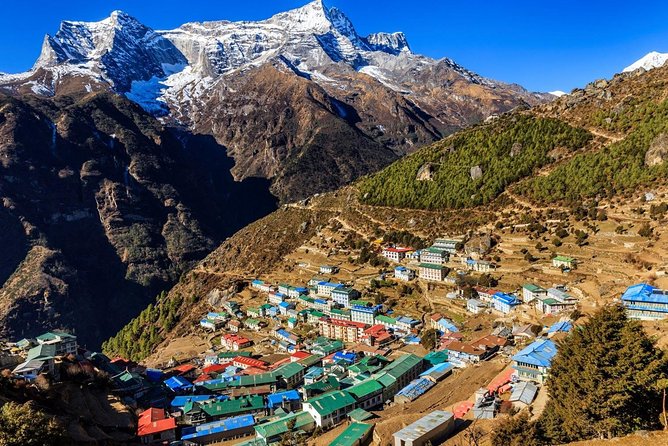
Day 4 is set aside for acclimatization. You hike toward the Everest View Hotel area and Syangboche for mountain views, then return to Namche.
This is an important design choice. The trip is compact, so a full rest day might be tempting to skip, but altitude adjustment is not a luxury on this route. The short hike also lets you gain height during the day and sleep lower in Namche, a common approach to helping your body adapt.
The viewpoint is a major reward. You can expect broad views of the Khumbu peaks, including Everest when conditions are clear. Still, mountain weather can change quickly, so do not judge the whole trip by one cloudy morning.
Day 5: Tengboche and its famous monastery
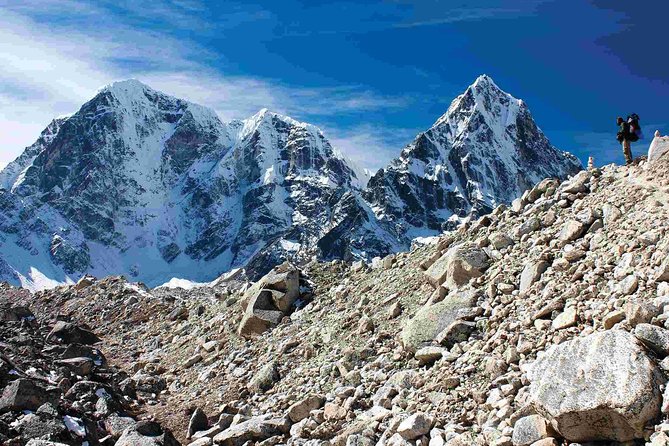
The trail from Namche toward Tengboche has a mix of smoother stretches, short climbs, and more serious uphill walking. You pass Kayangjuma and Sanasa, cross the Dudh Koshi near Punki Tenga, and then climb toward Tengboche.
Tengboche is home to the largest monastery in the Khumbu region. Its position on the route gives the day a cultural focus, not just a mountain one. The monastery helps you connect the scenery with the Buddhist traditions of the local communities.
This is another long day, listed at roughly 12 hours for the stop schedule. The distance and altitude can make it feel longer than the mileage suggests. A good pair of walking shoes and a willingness to keep a steady pace will matter more than speed.
Day 6: Higher into the Imja Valley
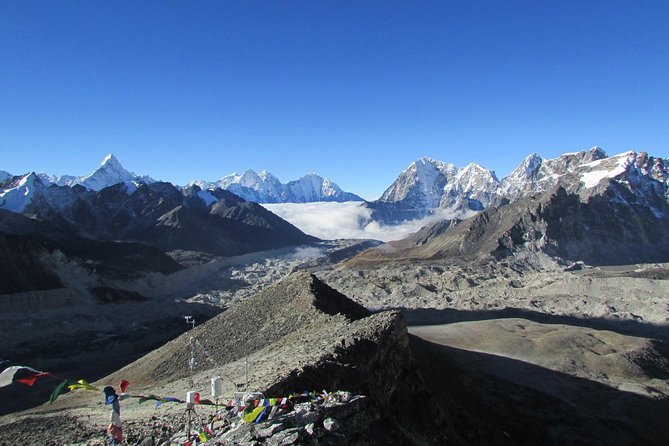
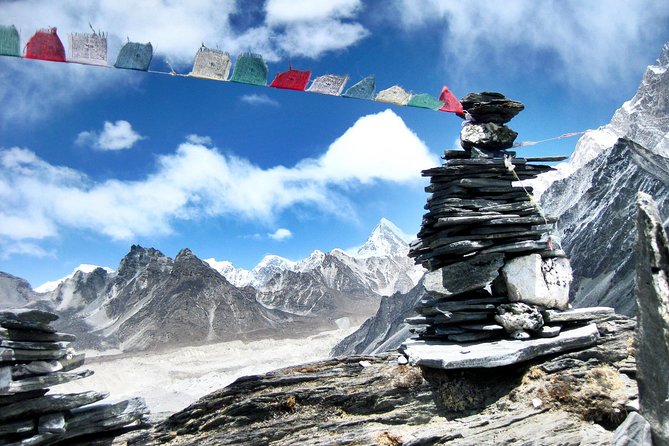
From Tengboche, the route continues through villages, chortens, mani walls, and the Imja Valley. You cross the Imja Khola and pass Pangboche at about 3,900 meters before reaching Dingboche.
The stone mani walls and chortens add a strong sense of place. This is not just a hike through empty mountain scenery. The route passes working villages and religious markers that show how people live with the mountains.
Dingboche is another acclimatization point. That break is valuable because the route keeps gaining height, and the next stages bring more exposed, demanding terrain. You should expect basic guest house or lodge accommodation, with meals included but drinks and personal extras charged separately.
Day 7: Toward Lobuche and the Khumbu Glacier
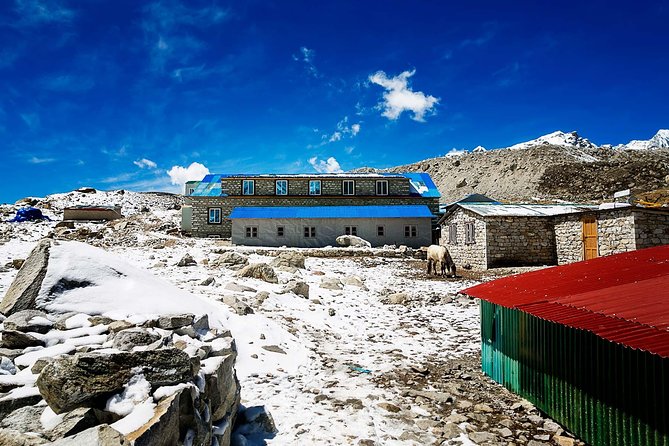
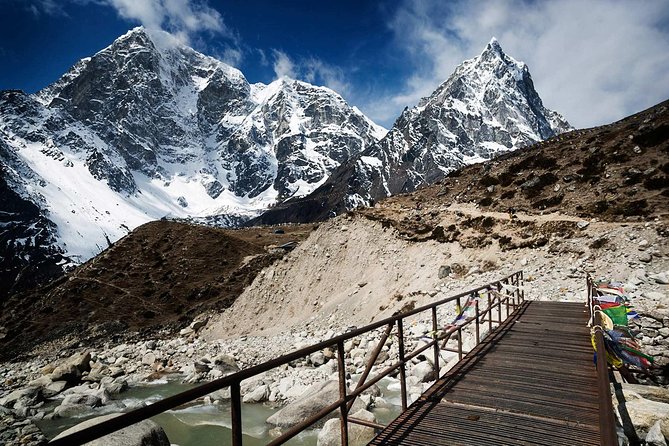
The trail climbs through the Khumbu Khola Valley toward Duglha. Along the way, you pass Dusa and Phulung Karpo, then continue toward the area of Chola Lake before crossing a small bridge and climbing again.
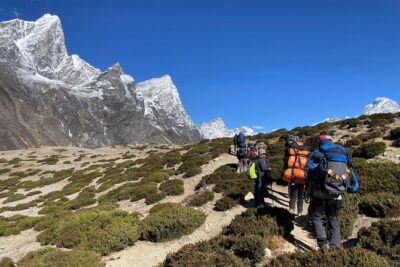
This is a day of steady effort rather than one single famous sight. The route has repeated ups and downs, and high-altitude walking can make modest climbs feel surprisingly tough. Lobuche Peak comes closer, with its east and west summits near the Khumbu Glacier.
The scenery becomes more stark as you gain height. Pine forest gives way to a more open mountain setting, and the focus shifts from village life to glaciers, rock, and huge Himalayan walls.
Day 8: Everest Base Camp and Gorakshep
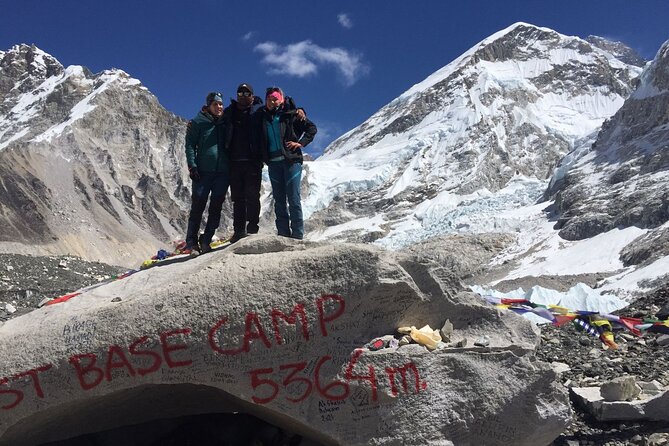
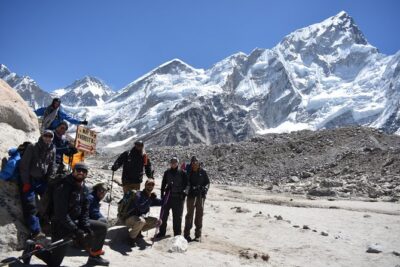
The goal arrives on Day 8. You walk through several high-altitude rises and falls, then reach Everest Base Camp after roughly three hours of steady hiking from the day’s starting area.
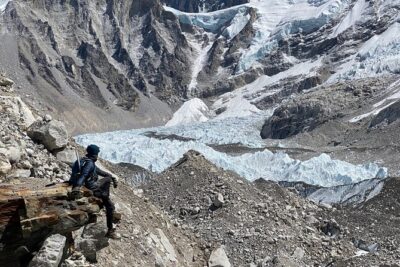
At Base Camp, you can see the Khumbu Glacier and icefall. The stop is planned for about 30 minutes, which is enough for photographs and a look around, but not a leisurely afternoon. The site is the starting point for climbers heading toward Everest, though reaching Base Camp is not the same as climbing the mountain.
You then return to Gorakshep, described as the final stopping point for the trek to Base Camp. This return matters because the following morning begins with the climb to Kala Patthar. At this altitude, every step takes more effort, so conserve energy and follow your guide’s pace.
Day 9: Kala Patthar, then the helicopter return
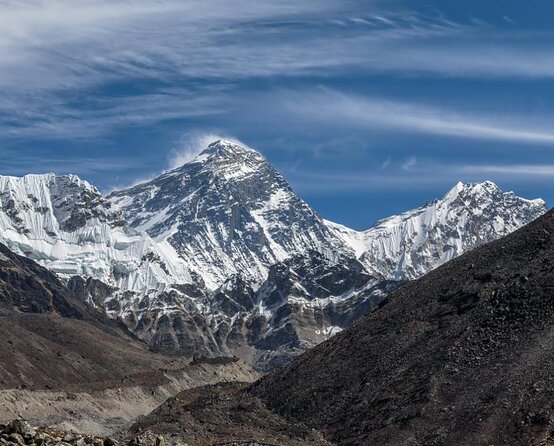
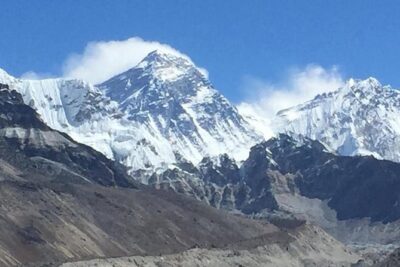
Day 9 is the emotional high point. You hike to Kala Patthar for panoramic views of Everest and the Khumbu mountains. The viewpoint is well known for its wide mountain panorama, and it gives you a different perspective from Base Camp itself.
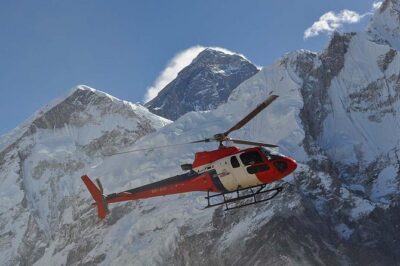
The plan allows about 30 minutes at Kala Patthar, with the helicopter return afterward. The description refers to a group-sharing helicopter back to Kathmandu, while the included services describe the helicopter flight from Gorakshep to Kathmandu. In practical terms, the flight follows the Kala Patthar visit, but the exact pickup point and timing can depend on operating conditions.
This is where the tour saves the most time. Instead of retracing the route through Lobuche, Dingboche, Tengboche, Namche, Phakding, and Lukla, you take to the air. That makes the 10-day format possible and removes several days of downhill walking.
The tradeoff is that helicopter service requires suitable weather. If poor conditions cancel the flight or the activity cannot operate, the stated policy offers a different date or a full refund. You should also understand that group-sharing means the helicopter is not necessarily private to your party.
Day 10: Airport transfer and onward travel
After breakfast, you are transferred to the international airport for your flight home or onward trip. There is no extra sightseeing program built into this day.
That simple finish is helpful after a demanding trek, but it leaves little room for a delayed helicopter or unexpected weather disruption. If your international flight is fixed, keep your plans clear and confirm the final transfer details with the operator.
Guides, porters, and the human side of the trek
The company provides an English-speaking guide and one porter for every two trekkers. That ratio is important. You are not expected to carry the full load of lodge gear, sleeping equipment, and clothing yourself, though you still need a daypack with your personal essentials.
The strongest praise centers on the support team. Guides named in the feedback include Dipak, Ram, Ramesh, Rabi, and Ramesh Sapkota. Specific comments describe Dipak and porter Ram as helpful, while Ramesh Sapkota was praised for focusing on safety and health during the trek. Binayak also receives praise for quick communication before arrival.
Those details matter because a high-altitude trek is not only about the route. Clear communication before you arrive, careful pacing, and attention to how you are feeling can make a major difference. The company’s staff were repeatedly credited with making arrangements easy and the trip feel well managed.
Tips are expected but not mandatory. Since guides and porters are central to the experience, you should include gratuities in your personal budget.
How demanding is this 10-day route?
The tour asks for a moderate level of physical fitness, but that phrase should not be read as easy. You walk for several long days, climb steadily, cross suspension bridges, and spend nights at increasing altitude.
The two acclimatization periods help, but they do not remove the challenge. You should be comfortable with sustained uphill walking and prepared for basic lodge conditions. The supplied sleeping bag, down jacket, and walking pole make packing easier, but they do not replace physical preparation.
The compact schedule suits people who want the full approach to Base Camp but cannot spare the longer time needed for a walk back to Lukla. If you prefer slower days, extra rest, or more flexibility, a longer trekking plan may be a better fit.
What is included, and what still costs extra?
Included:
- Breakfast in Kathmandu
- Breakfast, lunch, and dinner during the trek
- Kathmandu airport transfers by private vehicle
- Flight from Kathmandu to Lukla
- Group-sharing helicopter flight toward Kathmandu
- Guest house or lodge accommodation during the trek
- English-speaking trekking guide
- Porters, with one porter for two trekkers
- Everest trekking permit and TIMS card
- Duffle bag, down jacket, sleeping bag, and walking pole
- Trekking map and trip achievement certificate
- Government taxes, VAT, office charges, landing fees, and facility fees
Not included are Nepal’s entry visa, Kathmandu lunches and dinners, drinks, phone calls, internet, laundry, hot showers, battery charging, bar bills, and tips. Bottled water and hot drinks also cost extra.
The package has strong practical value because the expensive structural pieces are already arranged. Your biggest extra costs will come from personal spending and the items you choose to buy along the route.
Who should book this trek?
I would recommend it to fit hikers who want the classic Everest Base Camp route but want to avoid walking back the same way. It is also a good match if you value having permits, flights, porters, gear, meals, and transfers handled in one package.
You should think twice if you dislike early starts, basic accommodation, long walking days, or fixed schedules. The small group limit of 15 helps keep the trip personal, but it cannot change the demands of altitude or weather.
The 4.9 rating from nine published reviews supports the positive picture, especially around communication, guide care, and organization. Still, nine ratings are a small sample, so I would treat the score as encouraging rather than a guarantee.
FAQ
How long is the Everest Base Camp trek with helicopter return?
The experience lasts approximately 10 days, including arrival and departure in Kathmandu.
What time does the tour start?
The stated start time is 6:15 a.m. The early start is especially relevant on Day 2, when you travel to the domestic airport for the flight to Lukla.
Is the helicopter flight private?
No. The included helicopter flight from the Everest region to Kathmandu is provided on a group-sharing basis.
Are meals included?
Breakfast is included in Kathmandu. Breakfast, lunch, and dinner are included during the trek. Lunch and dinner in Kathmandu, along with drinks, are not included.
Is accommodation included?
Yes. The package includes Kathmandu accommodation with breakfast and guest house or lodge accommodation during the trek.
What happens if bad weather prevents the helicopter flight?
The activity requires good weather. If it is canceled because of poor weather, you are offered a different date or a full refund. The same applies if the minimum number of participants is not met.
Should you book the 10-day Everest Base Camp trek?
Book it if you want the full walk to Everest Base Camp, appreciate strong logistical support, and see the helicopter return as part of the prize. The route includes the major milestones, from Lukla and Namche Bazaar to Tengboche, Dingboche, Base Camp, and Kala Patthar.
I would not book it simply because the word helicopter makes the trek sound easy. The walking days are long, the altitude is serious, and the schedule leaves limited room for delay. But if you are prepared for that effort, the $3,400 package offers a practical way to experience the Everest route without spending several extra days walking back to Lukla.
New in the Kathmandu listings
- Kathmandu: Ancient City Kirtipur & Pharping Monastery Tour★ 5.0 · 2 reviews
- Traditional Momo Making Class★ 5.0 · 10 reviews
- Kathmandu to Pokhara Premium sofa bus ticket★ 4.0 · 17 reviews
- Women Empowerment Project(Nepali cooking class & jewelry workshop★ 5.0 · 15 reviews
- 7-Day Langtang Valley Trek from Kathmandu★ 5.0 · 1 review
- Kathmandu 2 Nights 3 Days Chitwan Jungle Safari Tour★ 5.0 · 9 reviews
- Yoga Experience Day Trip with Private Transfer From Kathmandu★ 4.0 · 2 reviews
- Wildlife Adventure in Chitwan Nepal★ 4.0 · 4 reviews
Everest Base Camp Treks, compared.
Everest Base Camp Trek with Helicopter Return from Gorakshep to Lukla
Read our review →Browse the lists this tour appears in