REVIEW · HIKING & TREKKING
Everest View Trek
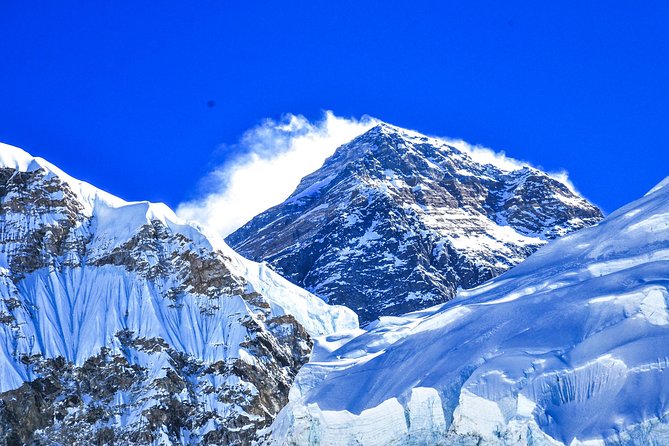
The Himalayas begin at Lukla. This short Everest View Trek gives you a taste of the famous trail without pushing all the way to Everest Base Camp. I like the small group limit of six, and I like that the price covers a guide, lodge stays, meals, gear, permits, and airport transfers. The main caution is simple: the tour is advertised as five days, but the day-by-day plan runs across seven calendar days.
I also like the full day around Namche Bazaar, where you get time for Everest views, Sherpa villages, and a slower look at local life. The flight to Lukla adds real mountain drama, though weather can affect mountain flights, and you should confirm exactly how the operator counts the tour days before paying.
In This Review
- Key points at a glance
- What this Everest View Trek really offers
- Day 1: Kathmandu arrival at 1,350 meters
- Day 2: Kathmandu to Lukla, then the walk to Phakding
- Day 3: Phakding to Namche Bazaar at 3,440 meters
- Day 4: Everest View Hotel, Khunde, and Khumjung
- Day 5: Namche to Phakding and Lukla
- Day 6: Lukla to Kathmandu
- Day 7: Departure from Kathmandu
- Meals, lodges, and supplied gear
- Group size, fitness, and the best match
- Cancellation and practical booking checks
- Should you book the Everest View Trek?
- FAQ
- How long does the Everest View Trek take?
- Where does the tour start?
- Is airport pickup included?
- What meals are included?
- Is a guide included?
- What equipment is provided?
Key points at a glance
- Lukla access: Fly from Kathmandu to the mountain airstrip, then begin walking almost at once.
- Namche focus: Spend a full day around Namche Bazaar instead of rushing straight back down.
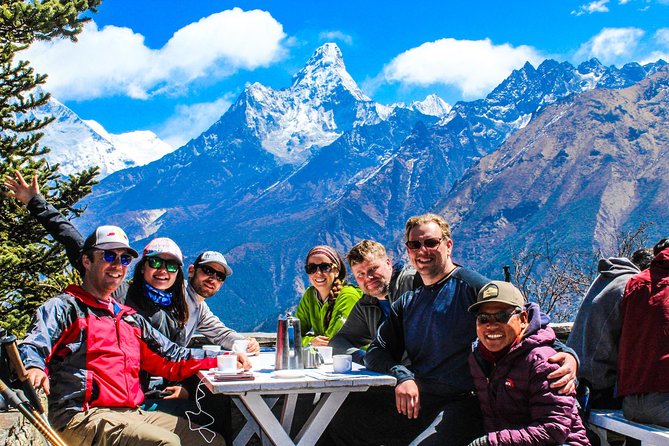
- Everest panorama: Hike to the Everest View Hotel for views of Everest, Lhotse, Nuptse, Ama Dablam, Thamserku, and Kongde.
- Sherpa culture: Visit Khunde and Khumjung, with time to ask about the Khumjung Monastery and its famous Yeti relic.
- Small group: The maximum group size is six, a useful limit on narrow trails and in modest teahouses.
- Included value: Meals, lodges, guide, porter-style duffel bag, sleeping bag, down jacket, permits, taxes, and airport transfers are included.
What this Everest View Trek really offers
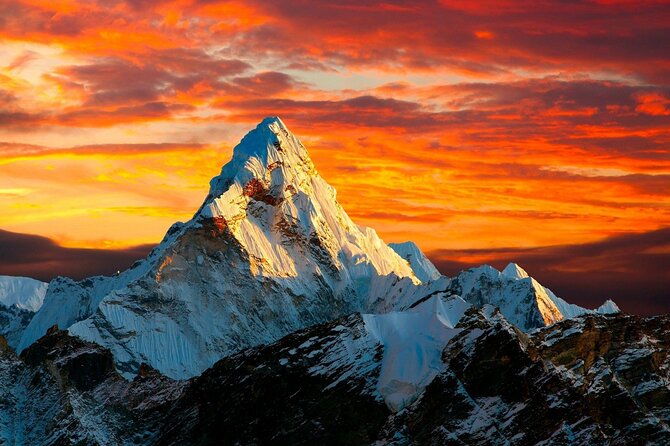
This is a short introduction to the Khumbu, the alpine region around Everest. You fly from Kathmandu to Lukla, walk through Sherpa valleys, spend time in Namche Bazaar, and climb to a viewpoint with a broad Himalayan panorama.
You do not reach Everest Base Camp. That is the point. The route gives you mountain scenery and Sherpa culture in roughly a week, without committing to the longer and harder Base Camp trek.
The advertised price is $1,200 per person. That sounds high until you look at what is included. You receive private airport pickup and drop-off, lodge accommodation during the trek, three main meals each trekking day, an English-speaking licensed guide, government paperwork, local and government taxes, a TIMS registration card, a sleeping bag, down jacket, duffel bag, map, first-aid kit, and rescue and medical evacuation arrangements for a worst-case situation.
You still pay for international flights, your Nepal visa, insurance, emergency evacuation costs, drinks, hot showers, bottled or treated drinking water, internet, laundry, desserts, snacks, and personal purchases. Kathmandu hotels and meals are also outside the package. The value is good if you need the equipment and support, but less attractive if you already own trekking gear and want a bare-bones trip.
More walking in the hills of Kathmandu:
- Everest Base Camp Trek – 14 Days
★ 5.0 · 1,499 reviews - Everest Base Camp Trekking
★ 5.0 · 485 reviews - Nagarkot Sunrise View and Day Hiking from Kathmandu
★ 5.0 · 471 reviews
Day 1: Kathmandu arrival at 1,350 meters
Your arrival day is designed to be easy. A private vehicle meets you at Tribhuvan Airport and takes you to your hotel. The listed meeting time is 7:15 am, so confirm whether that time applies to your arrival or to the next morning’s flight arrangements.
Kathmandu is more than a staging point. It is Nepal’s cultural center, and this first day gives you a chance to settle in before the quick change from city streets to high mountain paths. The included pre-trip meeting is useful here. Use it to ask about the walking pace, meals, gear, weather, and the flight to Lukla.
The hotel is not included in the trekking package, so check your booking details carefully. One account describes the Kathmandu hotel as clean, comfortable, and close to a major road or local area, which suggests a practical base rather than a luxury stay. That is the right expectation for a trip built around the mountains.
If you are carrying more than you need, ask how the duffel bag system works before departure. The included duffel is intended for the trek, while your city clothes and extra luggage may need separate storage arrangements.
Day 2: Kathmandu to Lukla, then the walk to Phakding
The flight to Lukla is one of the defining moments of the trip. The airstrip opens the route into the Khumbu, where prayer flags, mountain air, and high valleys replace Kathmandu’s traffic and dense streets.
From Lukla, you begin walking toward Phakding at about 2,800 meters. This first trekking day is valuable because it introduces the rhythm of the trail without immediately demanding the hardest climb. You will be on foot soon after leaving the airstrip, so wear your walking shoes and keep essentials in your daypack.
The flight is also the first major practical issue. Mountain flights can be sensitive to weather, and the itinerary does not describe a large buffer for delays. Ask the operator how schedule changes are handled and keep your return plans flexible. The package includes arrangements for serious rescue and medical evacuation, but routine weather delays and extra hotel nights may create costs outside the listed inclusions.
Phakding is a stopping point rather than the main prize. Its value is in giving you a first night in the trekking region and breaking up the climb toward Namche. Meals are full board during the trek, with breakfast, lunch, and dinner or a main course included. Drinks, hot showers, internet, and snacks cost extra.
Day 3: Phakding to Namche Bazaar at 3,440 meters
The walk to Namche is the key physical jump of the route. You move from Phakding toward the main town of the Everest region, gaining substantial altitude along the way.
Namche Bazaar is the practical center of the Khumbu. You will find government offices, ATMs, internet cafes, shops, restaurants, and a colorful market. That mix matters. Namche is not only a place to sleep. It is where you can check supplies, contact home, and see how trade and daily life work in a high mountain community.
The climb into Namche can feel demanding, especially if you are not used to walking uphill for several hours. The tour requires moderate physical fitness, and that description should be taken seriously. You do not need to be an elite athlete, but you should be comfortable with sustained walking and uneven mountain trails.
Your guide is an English-speaking, government-licensed professional trained by Nepal’s Ministry of Tourism. The guide’s meals, lodging, salary, and insurance are covered. That is important because good local support is not just about route finding. It also helps you understand the Sherpa valleys, Tibetan Buddhist customs, prayer flags, monasteries, and the practical limits of mountain travel.
A short list of alternatives around Kathmandu
- Private Kathmandu Sightseeing Tour | UNESCO World Heritage sites
★ 5.0 · 756 reviews - Everest Base Camp Helicopter Tour landing at Everest View Hotel
★ 5.0 · 668 reviews - Half day cooking class in Thamel kathmandu
★ 5.0 · 607 reviews - Kathmandu: Full Day 7 UNESCO Tour with Lunch – Private/Group
★ 5.0 · 415 reviews
Day 4: Everest View Hotel, Khunde, and Khumjung
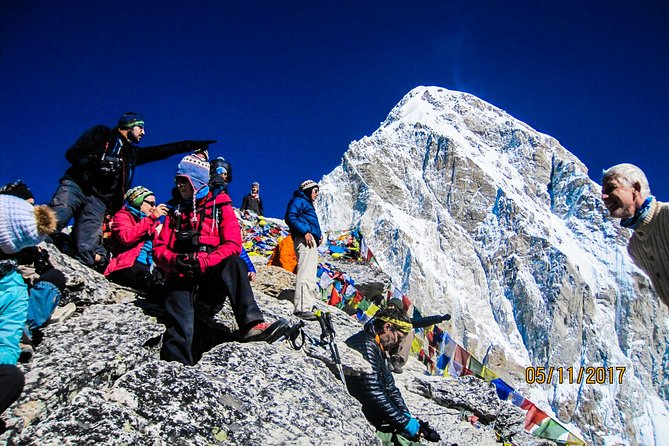
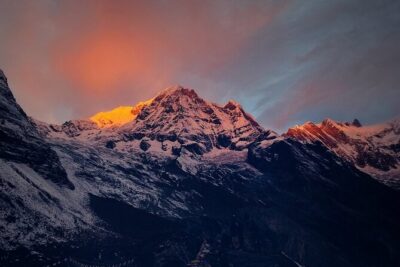
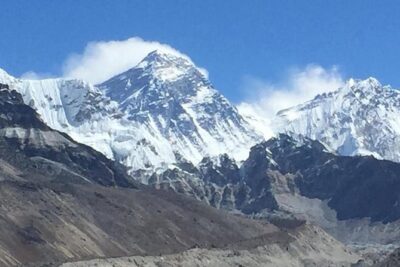
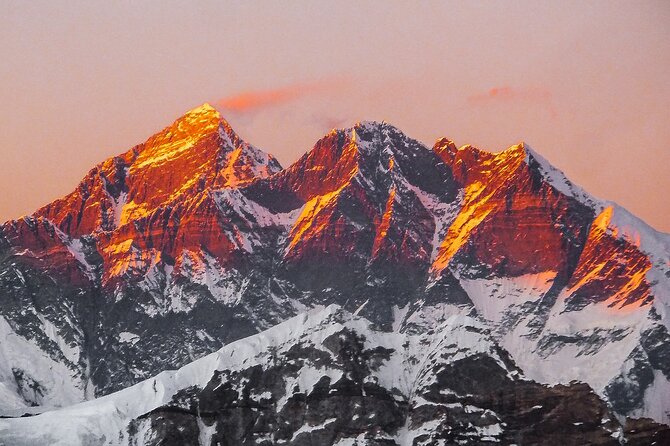
This is the strongest day of the trek. You leave Namche early and climb for about an hour toward the Everest View Hotel. From there, you can see Everest, Lhotse, Nuptse, Ama Dablam, Thamserku, Kongde, and other Himalayan peaks.
The early start is worthwhile. The light can be especially good in the morning, and the clear mountain air gives the view its drama. The plan also allows time to sit with a hot coffee, which is a small but welcome luxury at altitude. Bring layers because the temperature can change quickly when you stop moving.
The viewpoint is not only about collecting a photograph. It gives you a sense of the scale of the Khumbu. Everest is part of a larger wall of peaks, and Ama Dablam often draws the eye because of its distinctive shape. A guide can help you identify the mountains, which makes the panorama much more meaningful than a row of unnamed white summits.
From the viewpoint, you continue to Khunde and Khumjung. These traditional Sherpa villages offer a closer look at local settlement patterns and Tibetan Buddhist culture. Ask your guide about visiting Khumjung Monastery. The monastery is associated with a scalp said to belong to a Yeti, a curious piece of local lore that adds a bit of mystery to the day.
The return route passes through Syangboche and its small airstrip before circling back to Namche. This makes the day feel like an outing rather than a simple climb up and down the same path. You return to Namche for another night, with more time to explore its shops, cafes, market, or side streets.
This day is also why the trip is better than a rushed out-and-back. You are not simply trying to reach a high point and retreat. You have time to see the surrounding villages and let the place make an impression.
Day 5: Namche to Phakding and Lukla
The route returns toward Phakding and then continues to Lukla at about 2,800 meters. The descent may feel easier on your lungs, but downhill walking can be tiring on knees and thighs.
This is a long travel day on foot, so keep your pack light. The provided duffel bag, down jacket, sleeping bag, map, and medical kit reduce the amount you need to carry yourself. Your personal daypack should hold water, rain protection, sun protection, medication, documents, and a warm layer.
The plan combines the walk to Phakding with the continuation to Lukla. Confirm the expected walking hours with the guide at the pre-trip meeting. The provided schedule does not give exact distances or daily start times beyond the 7:15 am meeting information, so you should not assume this will be a relaxed afternoon.
Day 6: Lukla to Kathmandu
The return flight brings you back to Kathmandu at about 1,350 meters. It is a sharp change from the mountain villages, and many people appreciate having a final evening to rest before departure.
Private airport transfer service is included before and after the trek. Still, keep your evening plans loose. The itinerary gives no guarantee that the flight will operate at a fixed hour, and mountain weather can affect timing.
Kathmandu meals and accommodation are not included in the trekking price. If you have a late departure or an early return caused by changes to the itinerary, those extra costs are also excluded. Travel insurance is essential, especially because emergency evacuation and costs caused by conditions beyond the operator’s control are not covered as ordinary inclusions.
Day 7: Departure from Kathmandu
The final day is for departure from Kathmandu. The listed itinerary therefore covers seven calendar days, even though the tour summary describes the experience as approximately five days.
This mismatch is the most important booking detail to settle. It might reflect five trekking days plus arrival and departure days, but the schedule clearly shows Day 1 through Day 7. Ask for the exact number of hotel nights, trekking nights, and meals included before you commit.
Meals, lodges, and supplied gear
Accommodation during the walk is in teahouses or lodges. These are practical mountain lodgings, not full-service hotels. Your package includes the lodge stays listed in the route and full-board meals during the trek.
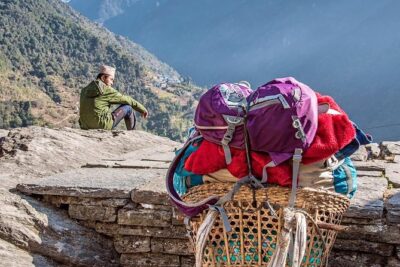
The included equipment is helpful for anyone who does not want to buy specialist gear for one trip. You receive a four-season sleeping bag and down jacket, both returned after the trek, plus a duffel bag and trekking map. Seasonal fresh fruit is also provided when available.
Drinking water is not included. Neither are hot showers, phone calls, internet, laundry, desserts, drinks, or small snacks. Carry enough local currency for those purchases, particularly because access to ATMs and internet is not guaranteed outside Namche.
Group size, fitness, and the best match
The maximum group size is six. That is a strong feature for a mountain trip. A small group is easier to manage on narrow paths, and you have a better chance to ask questions and adjust the pace with the guide.
I would recommend this trek to you if you want Everest views, Sherpa culture, and a real taste of the trail in a compact format. It is also a good fit if you want the operator to supply much of the technical gear and handle permits, transfers, meals, and guide arrangements.
I would be more cautious if you want a luxury holiday, dislike basic lodges, or have no experience with sustained uphill walking. The tour calls for moderate fitness, and the altitude still matters even though this is not a Base Camp route.
The experience may also suit solo visitors who prefer support. The listed feedback describes Pasang meeting a guest at the airport and the arrival process running smoothly. Pasang is specifically named in the available account, though you should confirm who will meet you for your own departure.
Cancellation and practical booking checks
Free cancellation is available if you cancel at least 24 hours before the local start time. Cancellations made inside that window are not refundable, and late changes are not accepted.
Before booking, confirm four points: the actual seven-day schedule, the number of Kathmandu hotel nights, the handling of Lukla flight delays, and the exact arrangements for luggage left in Kathmandu. These questions matter more than minor price differences.
Should you book the Everest View Trek?
Book it if you want a compact, well-supported introduction to the Everest region and value having meals, gear, permits, transfers, and a licensed guide arranged together. The Namche day hike is the heart of the trip, and the small group size makes the $1,200 price easier to justify.
Do not book until the five-day versus seven-day wording is clear. Also budget for insurance, drinks, showers, water, Kathmandu lodging, and possible costs caused by delays or emergencies.
For the right person, this is a sensible way to see the Khumbu without taking on the full Everest Base Camp commitment. You get a memorable Lukla flight, a night or two around Namche, Sherpa villages, and a serious mountain panorama in a manageable package.
FAQ
How long does the Everest View Trek take?
The tour summary says approximately five days, but the day-by-day schedule runs from Day 1 through Day 7. Confirm the exact trip length and hotel nights with the provider before booking.
Where does the tour start?
The tour starts at Tribhuvan Airport in Kathmandu, Nepal. The listed start time is 7:15 am.
Is airport pickup included?
Yes. Private airport pickup and drop-off are included before and after the trek.
What meals are included?
Breakfast, lunch, and dinner or a main course are included during the trek. Meals and accommodation in Kathmandu are not included.
Is a guide included?
Yes. The package includes an English-speaking, government-licensed trekking guide trained by Nepal’s Ministry of Tourism. The guide’s meals, accommodation, salary, and insurance are included.
What equipment is provided?
The package includes a down jacket, four-season sleeping bag, duffel bag, trekking map, and a first-aid medical kit. The down jacket and sleeping bag must be returned after the trip.
New in the Kathmandu listings
- Traditional Momo Making Class★ 5.0 · 10 reviews
- Kathmandu: Ancient City Kirtipur & Pharping Monastery Tour★ 5.0 · 2 reviews
- Women Empowerment Project(Nepali cooking class & jewelry workshop★ 5.0 · 15 reviews
- Kathmandu to Pokhara Premium sofa bus ticket★ 4.0 · 17 reviews
- 7-Day Langtang Valley Trek from Kathmandu★ 5.0 · 1 review
- Kathmandu 2 Nights 3 Days Chitwan Jungle Safari Tour★ 5.0 · 9 reviews
- Yoga Experience Day Trip with Private Transfer From Kathmandu★ 4.0 · 2 reviews
- Wildlife Adventure in Chitwan Nepal★ 4.0 · 4 reviews
Hiking & Trekking, compared.
Nagarkot Sunrise View and Day Hiking from Kathmandu
Read our review →