
REVIEW · EVEREST BASE CAMP TREKS
From Lukla: 10-Day Guided Trek to Everest Base Camp Trek
Everest begins with a small plane. This 10-day private trek takes you from Lukla to Everest Base Camp, with Sherpa villages, suspension bridges, high mountain views, and two useful acclimatization days. I like the private English-speaking guide and the porter service for bags up to 12 kilograms. I also like the careful route through Namche and Dingboche before the highest nights. The main drawback is the pace: Day 10 can mean eight to nine hours on foot, and the trip requires strong fitness at serious altitude.
The price is $641 per person, with tea-house lodging, permits, conservation fees, hotel transfers, a guide, and one porter included. Meals and emergency rescue costs are extra, so you need room in your budget for food, cash, insurance, and possible surprises. The only published rating is a verified five-star review from Manuel of Spain, who praised the guide and porter for looking after the group throughout the trek.
In This Review
- Five details that shape this Everest trek
- Why this route works from Lukla
- Lukla to Phakding, a short first test
- Phakding to Namche Bazaar crosses the big bridges
- Namche’s acclimatization hike to Everest View Hotel
- Namche to Tengboche and the monastery visit
- Tengboche to Dingboche through the Imja Valley
- Nangkartshang Peak makes Dingboche count
- Dingboche to Lobuche and the memorials at Thukla Pass
- Lobuche to Everest Base Camp and the Khumbu glacier
- Kala Patthar sunrise before the long descent
- Pheriche to Lukla is the schedule’s hardest logistics point
- What the $641 price really covers
- What to pack and how to prepare
- Who should book this trek?
- Should you book the Lukla to Everest Base Camp route?
- FAQ
- How long is the Everest Base Camp trek from Lukla?
- What is the highest point on the route?
- Does the trek include Everest Base Camp?
- Are meals included in the price?
- Is a porter included?
- What type of accommodation is provided?
- Is the trek private?
- Are permits and conservation fees included?
- What happens if I need an emergency rescue?
Five details that shape this Everest trek
- A private 10-day route from Lukla to Base Camp: You travel with your own group rather than joining a large shared party.
- Two acclimatization days: Namche and Dingboche provide short high-altitude hikes before the route climbs higher.
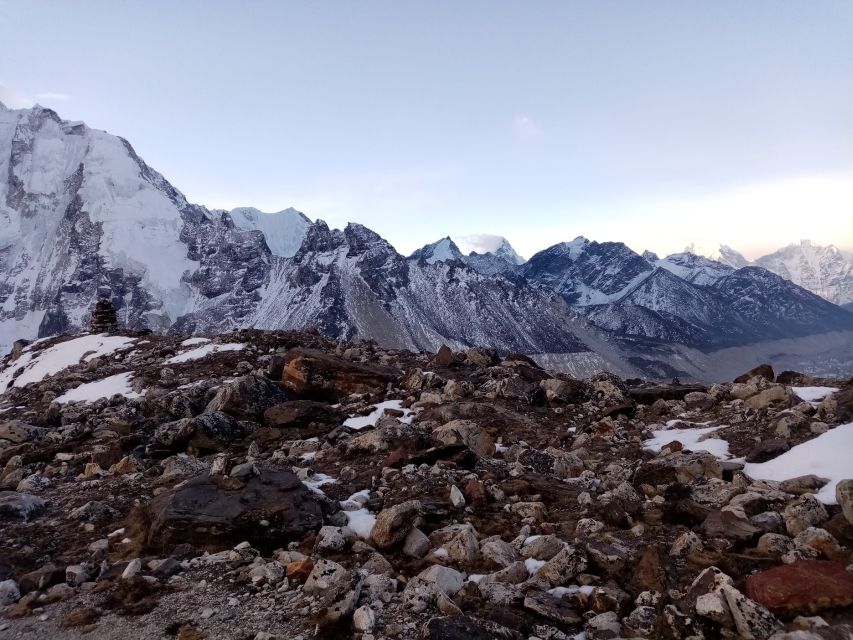
- Kala Patthar reaches 5,545 meters: The sunrise walk offers one of the finest viewpoints in the schedule.
- Porter support up to 12 kilograms: You carry less, but you still need to pack carefully for cold and wet weather.
- Simple tea-house nights: Lodging is basic guest-house accommodation, useful for location and shelter rather than luxury.
- Meals and rescue are not included: Bring cash for food and make sure your travel insurance covers the trek.
Why this route works from Lukla
This is a classic high-altitude walking route, but the ten-day schedule is demanding. You start at 2,840 meters in Lukla and finish the main approach at Everest Base Camp, 5,364 meters above sea level. The route then gains a little more height at Kala Patthar before dropping toward Pheriche and Lukla.
I like the way the plan builds in acclimatization rather than treating the trek as one long uphill push. You spend a day around Namche at 3,440 meters and another in Dingboche at 4,410 meters. Those pauses add time, but they also give your body a better chance to adjust.
The route is not a gentle holiday walk. Some days last five to seven hours, while the Base Camp day and final return can reach seven to nine hours. You need to be comfortable walking for long periods on mountain trails, often with changing weather and substantial altitude gain.
The trip is private, which matters here. Your guide can keep the group together, help with the daily rhythm, and respond to how you are handling the altitude. The available feedback gives particular praise to the guide and porter, with Manuel of Spain describing both as fantastic and attentive throughout the trek. No names are provided, but that praise points to the human support as one of the tour’s strongest features.
More Everest Base Camp treks:
- Everest Base Camp Trek – 14 Days
★ 5.0 · 1,499 reviews - Everest Base Camp Trekking
★ 5.0 · 485 reviews - Everest Base Camp Trekking – 13 Day
★ 5.0 · 365 reviews
Lukla to Phakding, a short first test
The trek begins in Lukla, where the first day includes the scenic flight into the mountain town. From there, you walk for about three to four hours toward Phakding at 2,610 meters.
This opening section descends through forest and traditional Sherpa villages. It is a good introduction to the rhythm of the trail, with mountain scenery arriving quickly but without the harsh altitude of the upper route. Since Phakding is lower than Lukla, the first night does not push you higher.
You sleep in a basic tea house. Expect practical shelter rather than hotel comfort. The accommodation is included, but meals are available for purchase, so you pay separately for what you eat and drink.
Phakding to Namche Bazaar crosses the big bridges
Day 2 is longer, taking around six to seven hours. You cross several suspension bridges, enter Sagarmatha National Park, and then face the steep climb toward Namche Bazaar at 3,440 meters.
This is one of the route’s memorable days because the trail begins to feel properly Himalayan. The bridges add a little drama, while the climb into Namche gives your legs their first serious test. You should expect the pace to slow as the trail rises.
Namche is an important stop because it is both a lively mountain town and the first planned acclimatization base. The town is included in the schedule for two nights, which is far more useful than racing through it after a single night.
Your guide and porter matter most on days like this. You may be carrying only your day bag, while the porter handles up to 12 kilograms of your main luggage. Pack that bag sensibly, because the porter’s limit is firm and the route still demands personal responsibility for warm clothing, water, sunscreen, and trekking gear.
Namche’s acclimatization hike to Everest View Hotel
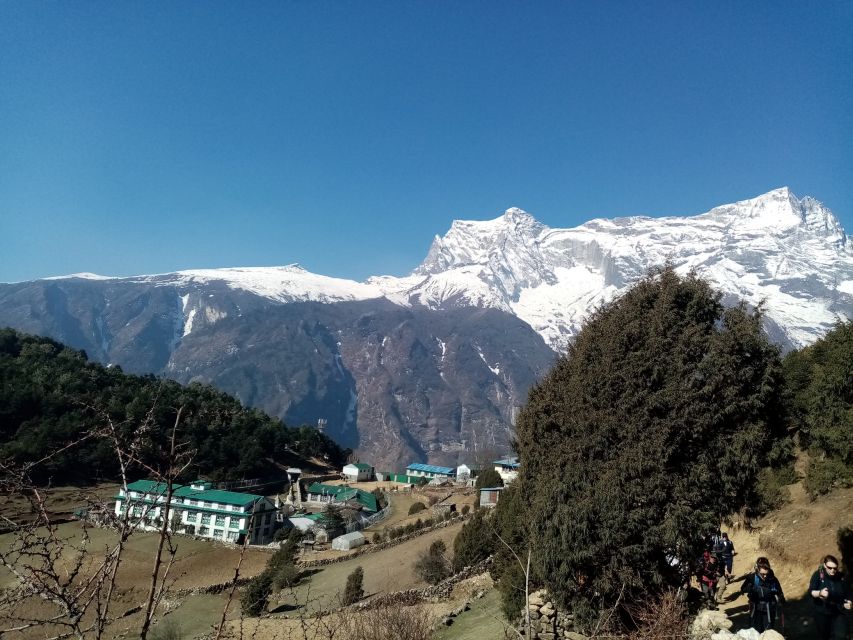
Day 3 is not a day off in the usual sense. You take a short hike to the Everest View Hotel at 3,880 meters or to Khumjung village.
The purpose is acclimatization, not simply sightseeing. You gain height during the day and return to sleep at Namche, giving you a chance to adjust before moving toward Tengboche and the higher valley. The schedule specifically highlights views of Everest, Lhotse, and Ama Dablam.
I like this design because it gives you something worthwhile to do while protecting the overall route. You can see major peaks without spending another night at a higher elevation. Still, you need to take the day seriously. Walk steadily, drink as needed, and tell your guide if you feel unwell.
Altitude sickness is a real concern on this trek. The information provided stresses the need to adapt to high-altitude conditions, but it does not promise medical support or rescue coverage. Emergency rescue costs are excluded, so travel insurance is not a nice extra. It is part of sensible planning.
More walking in the hills of Nepal:
- Nagarkot Sunrise View and Day Hiking from Kathmandu
★ 5.0 · 471 reviews - Annapurna Circuit Trek with Tilicho Lake
★ 5.0 · 368 reviews - Everest Base Camp Trek -14 Days
★ 5.0 · 321 reviews - Annapurna base camp trek 5 Days
★ 5.0 · 252 reviews
Namche to Tengboche and the monastery visit
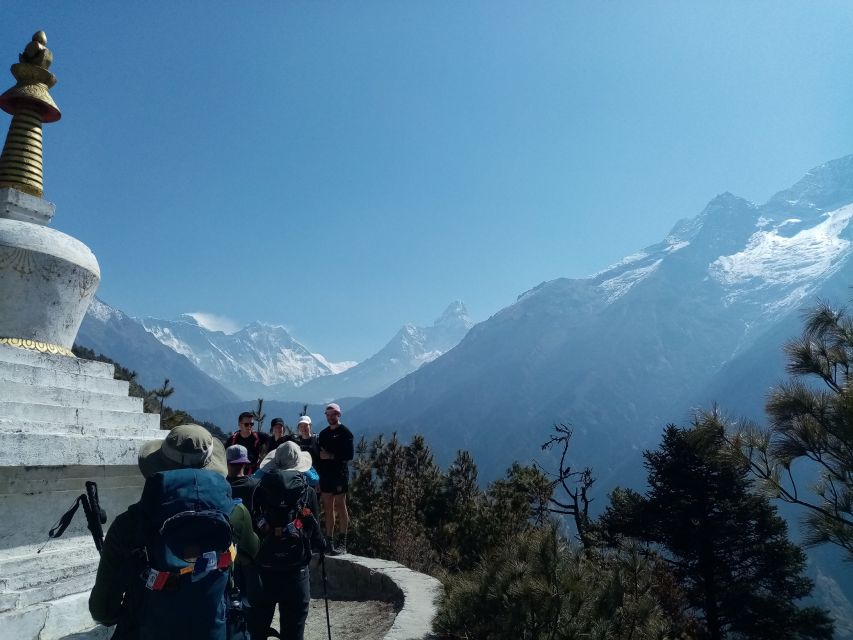
On Day 4, the trail climbs and descends toward Tengboche at 3,860 meters. The walk takes about five to six hours, with views of Ama Dablam along the way.
The main cultural stop is Tengboche Monastery, described as the largest monastery in the Khumbu region. That makes this more than another mountain viewpoint. You get a chance to see a significant religious site within the Sherpa region and to pause from the physical demands of the trail.
Tengboche is also a striking overnight location, but the altitude is beginning to matter. You are higher than Namche, and the next days continue upward. Keep your evening simple. Warm clothes, a careful pace, and attention to how you feel are more useful than trying to squeeze every possible activity into the stop.
Tengboche to Dingboche through the Imja Valley
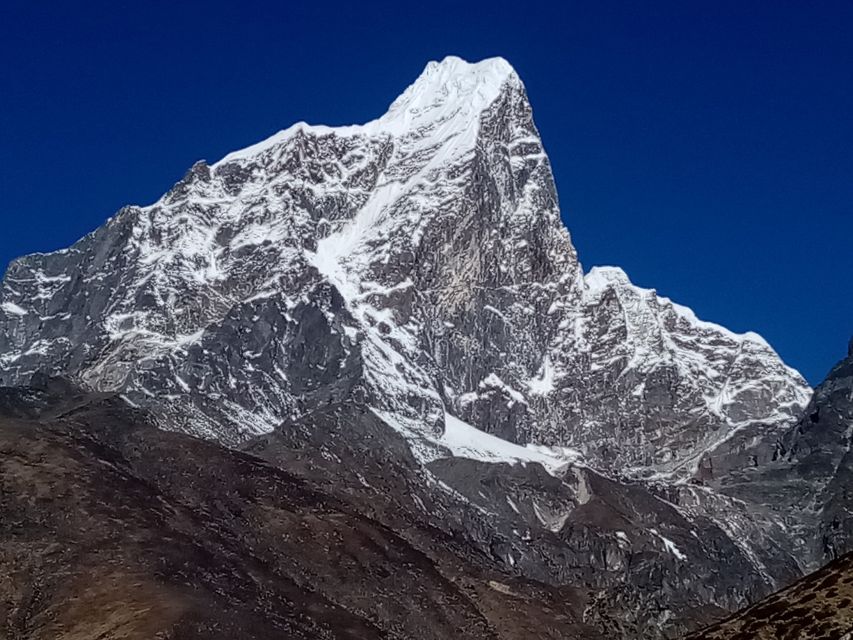
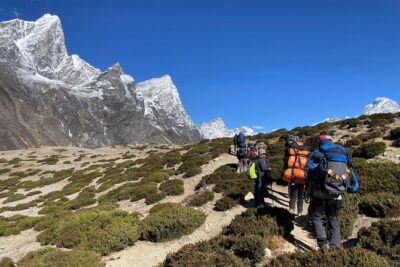
Day 5 takes five to six hours and leads toward Dingboche at 4,410 meters. The route passes through rhododendron forests and into the Imja Valley, with a gradual gain in altitude.
The word gradual is important. You are still climbing high, but the schedule avoids a single giant jump from Namche to the upper settlements. The views become more imposing as you move deeper into the Himalayas, with open sightlines toward high peaks.
Dingboche is another two-night stop. Its acclimatization day is one of the most valuable parts of the trip because you are now sleeping above 4,000 meters. Your body may feel the difference even if you are fit at home.
Tea-house accommodation becomes more about basic shelter and recovery. The included lodging keeps the price manageable, but you should not expect resort comforts. Food is not included, and prices in remote mountain areas can affect your daily budget. Bring cash, since there are no ATMs in remote areas.
Nangkartshang Peak makes Dingboche count
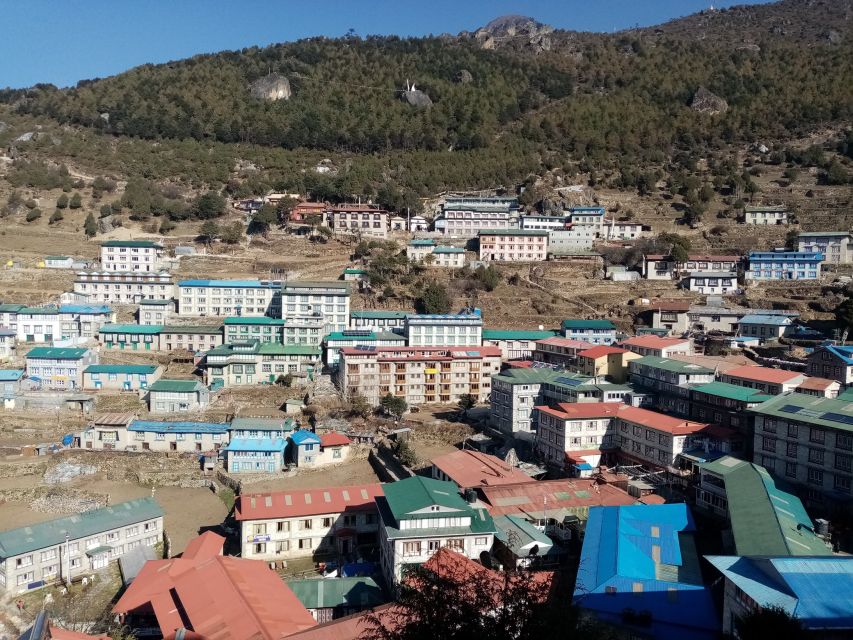
Day 6 includes a hike toward Nangkartshang Peak at about 5,100 meters. The reward is a set of views toward Makalu, Lhotse, and Island Peak.
This is a demanding acclimatization hike, not a casual stroll. You go high during the day and return to Dingboche to sleep, which follows the basic logic of gaining daytime altitude before resting lower. The schedule calls this a crucial preparation day before the route moves farther toward Lobuche and Gorak Shep.
I would treat this as a fitness check. If you are struggling badly here, the next stages will be tougher. Stay close to the guide, keep your pace controlled, and do not confuse enthusiasm with readiness. The trip is designed for people with a good level of fitness and is not suitable for people with mobility impairments.
Dingboche to Lobuche and the memorials at Thukla Pass
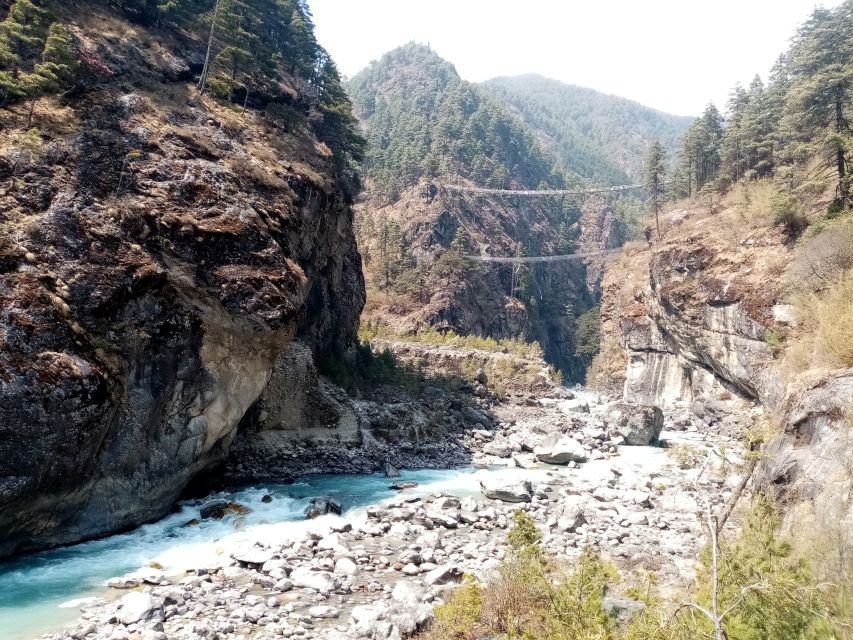
Day 7 takes five to six hours and climbs to Lobuche at 4,910 meters. One of the most serious stops is Thukla Pass, where memorials honor climbers who died on Himalayan expeditions.
The memorials change the tone of the trek. Until this point, the route can feel like a grand mountain walk with dramatic views and village stops. At Thukla, you are reminded that Everest is not simply a scenic backdrop. High-altitude climbing carries real danger, and the memorials deserve quiet respect.
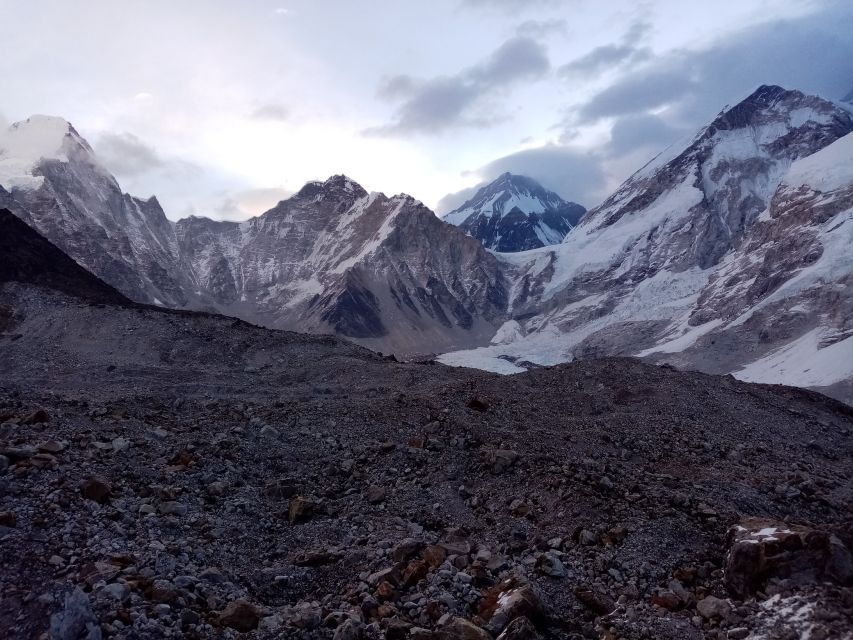
The day also brings you along the Khumbu glacier moraine. The terrain becomes harsher and more open, with less of the forest scenery seen lower down. Lobuche is a practical overnight stop before the hardest day, but the altitude means you may not sleep comfortably. That possibility is one reason the two acclimatization days are so important.
Lobuche to Everest Base Camp and the Khumbu glacier
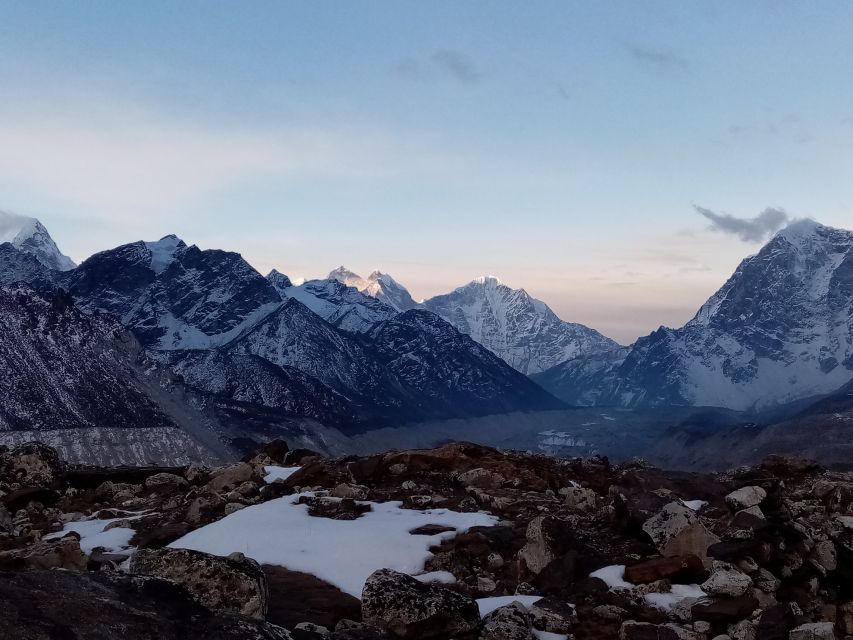
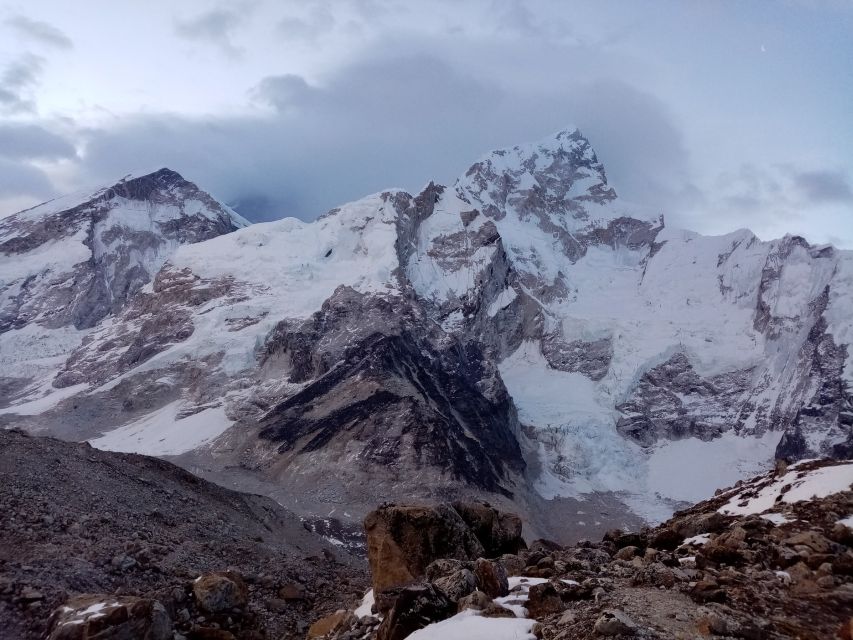
Day 8 is the emotional center of the trip. You walk from Lobuche to Gorak Shep at 5,170 meters, continue to Everest Base Camp at 5,364 meters, then return to Gorak Shep. The full walking time is about seven to eight hours.
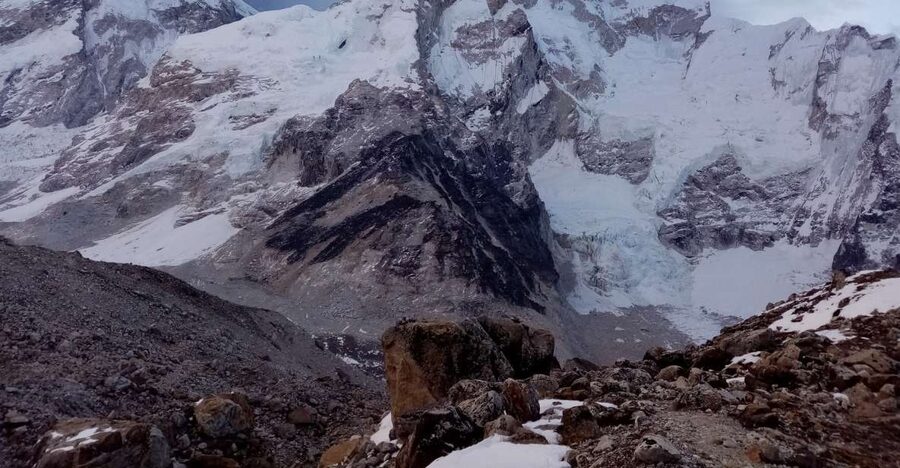
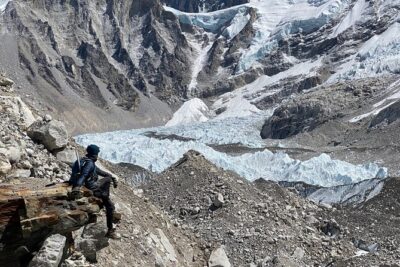
The route takes you onto the Khumbu glacier moraine and includes walking on the Khumbu glacier. Reaching Base Camp is the headline moment, but the approach is not a quick photo stop. You have already climbed for days, and the thin air makes every section slower.
You need realistic expectations. Everest Base Camp is iconic because of its place in mountaineering history and its position beneath the world’s highest mountain, but the base camp experience depends on conditions and the season. The schedule promises arrival at Base Camp and glacier walking, not a particular view, weather condition, or climbing activity.
Returning to Gorak Shep after reaching Base Camp makes this a long and tiring day. Keep your day bag light, carry warm clothing, protect yourself from the sun, and follow the guide’s pace. Sunscreen is specifically recommended, and high mountain sunlight can be strong even when temperatures are low.
Kala Patthar sunrise before the long descent
Day 9 begins with an early morning hike to Kala Patthar at 5,545 meters. You then descend to Pheriche at 4,240 meters, with a total walking time of about seven to eight hours.
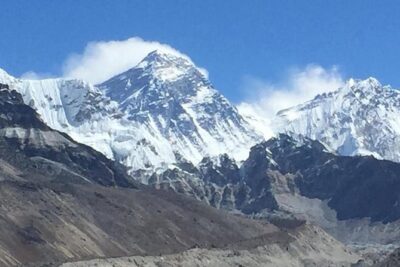
This is arguably the finest viewpoint in the schedule. The early start is meant to provide sunrise views of Everest, and the high point gives you a different angle from Base Camp. Base Camp is the destination, but Kala Patthar is where the mountain views may feel most direct.
The descent to Pheriche is not an easy finish. Your knees and feet have already worked hard, and the day combines a pre-dawn climb with a long drop in elevation. The good news is that sleeping at Pheriche brings you down from the highest nights, which can make recovery easier.
The contrast between the two days is useful. Day 8 gives you the achievement of reaching Base Camp. Day 9 gives you the major viewpoint and begins the return to lower altitude.
Pheriche to Lukla is the schedule’s hardest logistics point
Day 10 is listed as Pheriche to Namche to Lukla, taking eight to nine hours. The route passes through Tengboche and Namche before returning to Lukla.
This is an extremely long final walking day. The schedule notes that it can be split into two days for less fatigue, and you should take that option seriously if your body needs it. A shorter return would add a night and may affect the overall arrangement, so confirm the plan with the provider before booking.
The final route retraces familiar ground, but descending does not make it effortless. You still face uneven trails, bridges, and the cumulative tiredness of the week. A private group gives you more flexibility than a large fixed group, but it does not remove the distance.
Ending in Lukla gives the trek a clear finish. Hotel pickup and drop-off are included among the services, although the exact transfer details should be confirmed when you reserve.
What the $641 price really covers
At $641 per person, the tour offers a useful package for someone who wants a guide and basic trekking support without arranging every detail alone. The price includes a private English-speaking guide, one porter for up to 12 kilograms, tea-house accommodation, trekking permits, conservation fees, and hotel pickup and drop-off.
Those inclusions matter. Permits and conservation fees are necessary parts of the route, while a guide can help with navigation, pacing, and altitude concerns. Porter support also makes a major difference on a trek that reaches 5,545 meters.
The price does not include all meals. You need to pay for food as you go, and you should bring cash because ATMs are not available in remote areas. Emergency rescue costs are also excluded, so check that your travel insurance covers high-altitude trekking and evacuation.
You should also budget for warm clothing and trekking gear if you do not already own them. The package is good value for guided access and basic support, but it is not an all-inclusive mountain holiday.
What to pack and how to prepare
The required packing advice is simple but important. Bring warm clothing, warm shoes, sunscreen, trekking gear, and travel insurance. The weather can change quickly, so you should be ready for cold and wet conditions.
Because a porter carries up to 12 kilograms, pack for function rather than appearance. Keep essential warm layers, sunscreen, and personal items in your day bag in case you need them during the walk. The provided information does not specify a full equipment list, so ask for current packing guidance before departure.
Fitness is not optional here. You should be comfortable with repeated days of five to nine hours of walking and with steep sections, especially the climb into Namche and the high routes around Nangkartshang Peak, Base Camp, and Kala Patthar.
Respect local customs and traditions, particularly around Tengboche Monastery and Sherpa villages. Your guide can help you understand appropriate behavior, but you should approach religious sites with care and restraint.
Who should book this trek?
I would recommend this trip to a fit walker who wants the major Everest Base Camp route with a private guide, porter support, and a clear acclimatization plan. It suits you if basic tea-house accommodation is acceptable and you are happy to purchase meals separately.
The trek is also a good match if you value mountain scenery and village life as much as the final Base Camp moment. Namche, Tengboche, Khumjung, Thukla Pass, and the Imja Valley give the route variety beyond the final destination.
I would hesitate if you want short walking days, comfortable hotels, included meals, or guaranteed easy transport. I would also think carefully if you have mobility limitations or are not prepared for high-altitude exertion.
Free cancellation up to 24 hours before departure and the reserve-now, pay-later option make planning less rigid. Still, flexibility in booking does not change the physical demands of the trek.
Should you book the Lukla to Everest Base Camp route?
Book it if you want a private, guided Everest Base Camp trek at a relatively modest starting price and you understand what the package leaves out. The strongest points are the two acclimatization days, the porter allowance, the English-speaking guide, the Tengboche visit, and the chance to see Everest from Kala Patthar at sunrise.
Before paying, confirm the flight arrangements, the plan for the final Pheriche to Lukla section, meal costs, and the rescue coverage required by your insurance. If you accept long days, basic tea houses, unpredictable weather, and serious altitude, this route gives you a focused way to reach Base Camp without carrying every item yourself.
FAQ
How long is the Everest Base Camp trek from Lukla?
The trek lasts 10 days, beginning in Lukla and ending back in Lukla.
What is the highest point on the route?
Kala Patthar is the highest point listed, at approximately 5,545 meters.
Does the trek include Everest Base Camp?
Yes. Day 8 includes the walk from Lobuche to Gorak Shep, the visit to Everest Base Camp at 5,364 meters, and the return to Gorak Shep.
Are meals included in the price?
No. Meals are available for purchase but are not included in the tour price.
Is a porter included?
Yes. One porter is included to carry a bag weighing up to 12 kilograms.
What type of accommodation is provided?
You stay in tea houses, described as small, basic guest houses.
Is the trek private?
Yes. The trip is for a private group and includes an English-speaking trekking guide.
Are permits and conservation fees included?
Yes. Trekking permits and conservation fees are included.
What happens if I need an emergency rescue?
Emergency rescue costs are not included. You should bring travel insurance and check its high-altitude coverage before the trek.
New in the Nepal listings
- Traditional Momo Making Class★ 5.0 · 10 reviews
- Kathmandu: Ancient City Kirtipur & Pharping Monastery Tour★ 5.0 · 2 reviews
- Pokhara: Pokhara Highlights Tour by Bus★ 3.6 · 10 reviews
- Day Walk(8-10h.) inside Chitwan National Park.★ 5.0 · 1 review
- One Day Tour inside Chitwan National Park★ 5.0 · 2 reviews
- Night Stay in Chitwan National Park, 2 Nights 3 Days Package★ 5.0 · 1 review
- Private Jeep Safari (8-10 hrs.)inside Chitwan National Park.★ 5.0 · 3 reviews
- Jungle Towernight Stay: 4-Day Tour in Chitwan National Park★ 5.0 · 4 reviews
Everest Base Camp Treks, compared.
Everest Base Camp Trek with Helicopter Return from Gorakshep to Lukla
Read our review →Browse the lists this tour appears in