REVIEW · HIKING & TREKKING
Kangchenjunga Circuit South and North Base Camp Trek
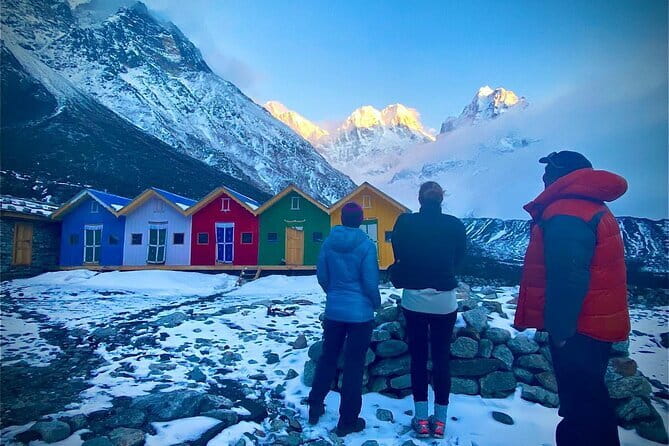
Kanchenjunga rewards steady walkers. This 17-day circuit reaches both Pangpema, the North Base Camp, and Ramche, the South Base Camp, with a rest day in Ghunsa for altitude adjustment. I like the careful rise from lower valleys into high mountain country, and I like that the price includes permits, domestic flights, meals, lodges, a guide, and shared ground transport. The main concern is the pace: several days run six to eight hours, and the route reaches 4,290 meters at Sele La, so moderate fitness is only the starting point.
I also like the private format, since only your group takes part. That gives you more control over walking rhythm and rest stops than a large mixed group. A solo woman can feel reassured by the organized support, as one published account praised the company for making the trip feel safe and manageable. Still, this is a remote trek, not a soft adventure, and weather can disrupt flights or plans.
In This Review
- Key points at a glance
- Why the Kanchenjunga circuit is worth the effort
- Days 1 and 2: From tea gardens to Sekathum
- Days 3 and 4: Rhododendrons, waterfalls, and steady climbing
- Days 5 and 6: Ghunsa provides the key pause
- Days 7 to 9: Glaciers and the North Base Camp
- Day 10: The long return to Ghunsa
- Days 11 and 12: Crossing Sele La to Tseram
- Day 13: Ramche and the South Base Camp
- Days 14 and 15: Forest trails and the way out
- Days 16 and 17: Road transfer and flight back to Kathmandu
- What the $1,995 price covers
- Lodges, transport, and group style
- Who should book this trek
- Booking details and weather planning
- Should you book the Kanchenjunga circuit?
- FAQ
- How long is the Kanchenjunga Circuit South and North Base Camp Trek?
- Does the trek visit both Kanchenjunga base camps?
- What is the highest point listed on the route?
- Are meals included?
- Are permits and domestic flights included?
- What happens if bad weather cancels the experience?
Key points at a glance
- Two base camps in one circuit: Reach Pangpema at the North Base Camp and Ramche at the South Base Camp.
- Altitude is introduced in stages: The route pauses in Ghunsa before climbing to Khambachen, Lhonak, and higher passes.
- A remote eastern Nepal route: Expect tea gardens, rhododendron forests, Tibetan villages, glaciers, waterfalls, and long mountain days.
- Most major costs are covered: Flights, full-board meals, standard lodges, permits, a guide, and shared road transport are included.
- The price is $1,995 per person: The package offers solid value for a private, permit-heavy trek, though extras and tips remain your responsibility.
- Weather still controls the schedule: Poor conditions can lead to a different date or a full refund under the stated cancellation terms.
Why the Kanchenjunga circuit is worth the effort
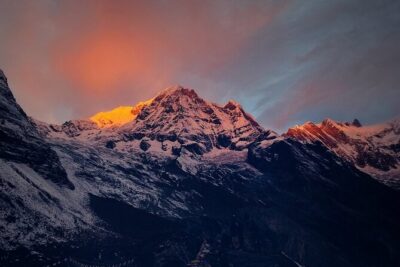
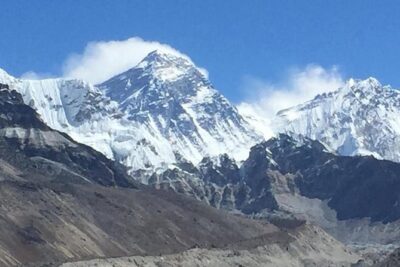
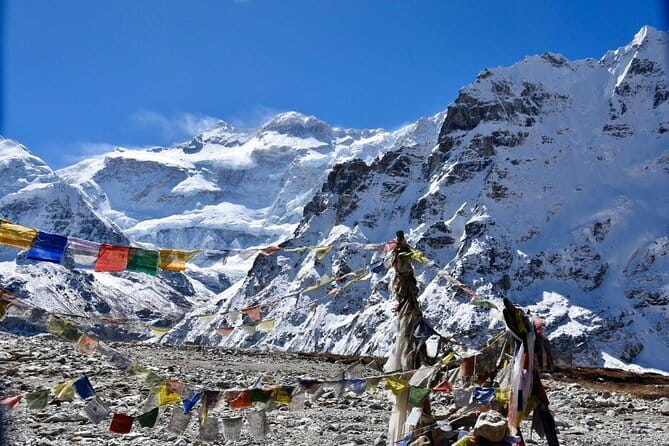
Kanchenjunga is the world’s third-highest mountain, and this route gives you more than a single viewpoint. You approach the mountain from the north, continue over the high Sele La crossing, then reach its southern base area. That circuit shape is the reason this trek feels like a full Himalayan journey rather than a walk to one endpoint.
The scenery changes day by day. The lower approach passes tea gardens and thick forest. Higher up, rhododendrons, waterfalls, traditional Tibetan villages, glaciers, and bare high-altitude slopes replace one another. The variety keeps the route interesting, though it also means you should expect rougher access roads and long walking days.
I would choose this experience if you want a serious mountain trek without arranging every permit, transfer, meal, and lodge yourself. The company handles the main moving parts, while you focus on walking and altitude management.
More walking in the hills of Kathmandu:
- Everest Base Camp Trek – 14 Days
★ 5.0 · 1,499 reviews - Everest Base Camp Trekking
★ 5.0 · 485 reviews - Nagarkot Sunrise View and Day Hiking from Kathmandu
★ 5.0 · 471 reviews
Days 1 and 2: From tea gardens to Sekathum
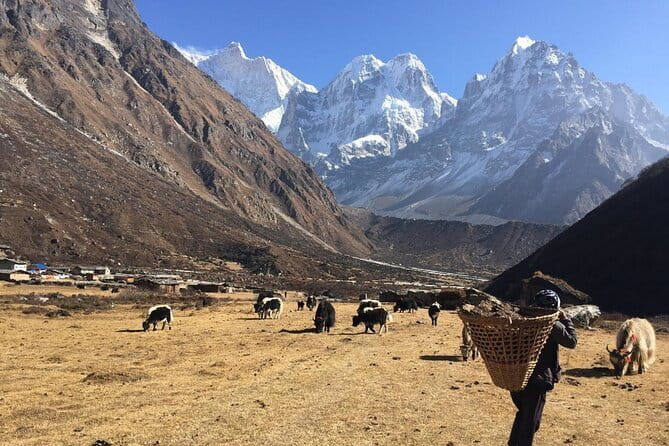
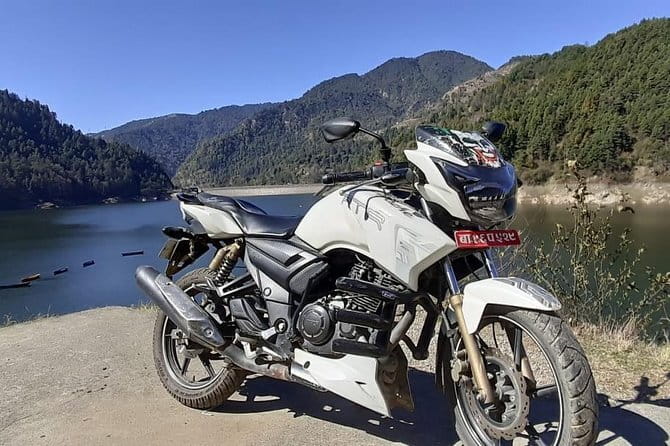
Your first morning begins with a flight from Kathmandu to Bhadrapur. From there, a long drive heads toward Phidim, passing tea gardens and mountain views. The travel day is listed at about seven hours, so do not treat the first day as a quick transfer. It is the opening chapter of the trek, with plenty of road time before your boots hit the main trail.
Day two continues by road after breakfast in Phidim. You drive toward Taplejung through mountain country and dense jungle, then continue to Sekathum Bridge. Another day of roughly seven hours makes this a demanding transport start, but it gets you close to the walking route quickly.
The benefit is efficiency. The drawback is that road travel in this region takes time, and these first two days may feel tiring before the main trekking begins. Keep essentials in a day bag, since you will want water, a jacket, and basic items close at hand during the transfers.
Days 3 and 4: Rhododendrons, waterfalls, and steady climbing
From Sekathum, the route turns properly to walking. The trek to Amjilosa rises to about 2,510 meters and takes around five hours of ascent. Rhododendron forest and mountain views provide welcome scenery, but the important point is the gradual climb. You are gaining height early, so a measured pace matters.
The next day leads from Amjilosa to Gyabla at about 2,730 meters. Waterfalls and mountain views accompany the roughly five-hour walk. These days are not simply scenic warmups. They build the rhythm you will need later, when the route becomes higher and more exposed.
You should be comfortable walking uphill for several hours with a pack or day bag. The listed fitness level is moderate, but the repeated climbs make this more than a casual walking holiday.
Days 5 and 6: Ghunsa provides the key pause
The route continues from Gyabla to Ghunsa, a traditional Tibetan village at about 3,595 meters. The supplied schedule gives only a brief duration for this segment, so confirm the exact walking time with Bold Himalaya before departure. The distance itself is less important than the arrival at Ghunsa, because this is the main acclimatization base.
Day six is a rest and acclimatization day. You can explore the surrounding area while your body adjusts to the altitude. This pause is one of the smartest parts of the plan. The trek soon climbs beyond 4,000 meters, and pushing upward without a rest day would make the route less comfortable and potentially less safe.
Rest day does not have to mean staying inside all day. A gentle outing can help you get your bearings, but you should avoid turning it into a hard hike. Follow your guide’s advice and report any altitude problems early.
A short list of alternatives around Kathmandu
- Private Kathmandu Sightseeing Tour | UNESCO World Heritage sites
★ 5.0 · 756 reviews - Everest Base Camp Helicopter Tour landing at Everest View Hotel
★ 5.0 · 668 reviews - Half day cooking class in Thamel kathmandu
★ 5.0 · 607 reviews - Kathmandu: Full Day 7 UNESCO Tour with Lunch – Private/Group
★ 5.0 · 415 reviews
Days 7 to 9: Glaciers and the North Base Camp
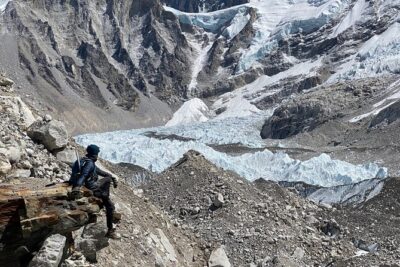
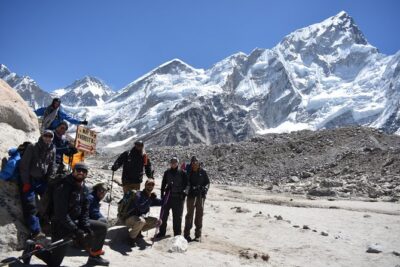
The path from Ghunsa to Khambachen reaches about 4,050 meters and follows the Kanchenjunga Glacier. The six-hour day brings a clear change in feel. You are now walking in a higher, colder setting, and the glacier becomes part of the main view rather than a distant feature.
Day eight continues from Khambachen to Lhonak, another six-hour trek. The reward is a broad mountain setting around the high settlement. At this point, even routine tasks can take more effort, so keep your pace slow and your layers easy to reach.
Day nine is the major northern goal. You walk from Lhonak to Pangpema, the North Base Camp, then return to Lhonak. The round trip takes about six to eight hours, with panoramic views of Kanchenjunga and the surrounding peaks. This is a long day at altitude, but returning to Lhonak avoids moving your overnight base after the viewpoint.
Plan this day around the conditions. Start with enough time, carry warm clothing, and conserve energy on the way out. The North Base Camp is a highlight, but the return walk is part of the challenge. A clear view is never guaranteed in the mountains, so the route itself remains worthwhile even if clouds cover some peaks.
Day 10: The long return to Ghunsa
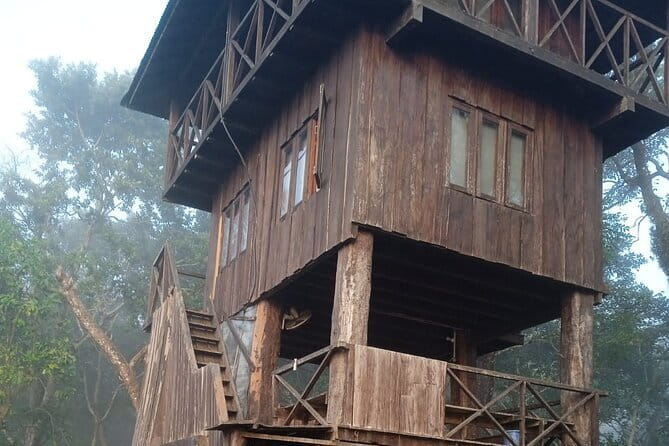
You retrace the high route from Lhonak to Ghunsa, a six to eight-hour descent through mountain scenery. Going downhill is not automatically easy. After the North Base Camp round trip, your legs may be tired, and uneven trail can make the descent slow.
The return to Ghunsa gives you another night at a lower elevation before the next high crossing. That matters. It breaks up the demanding northern section and prepares you for the route toward Sele La.
Days 11 and 12: Crossing Sele La to Tseram
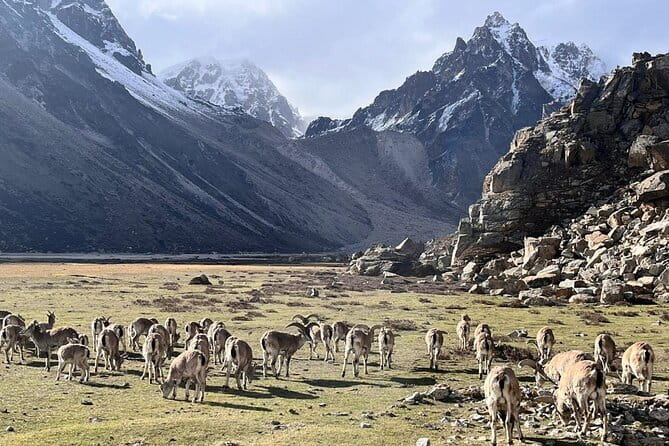
Day eleven takes you from Ghunsa toward Sele La at about 4,290 meters. The pass crossing is listed at three to five hours, though the full day is described as about six hours. You should expect a serious uphill section and possibly a slow pace at the pass.
This is the circuit’s high link between the northern and southern sides. It changes the trip from an out-and-back walk into a true crossing. The reward is a different view of glaciers and high peaks, but there is no shortcut around the altitude. Good weather is especially important on a pass day.
The following day leads from Sele La to Tseram in about five hours, with glacier and peak views along the way. The schedule gives a very short duration for this stop, so ask for clarification about the exact walking plan and overnight arrangement before you go. The broader route is clear: after the pass, you descend toward the southern side.
Day 13: Ramche and the South Base Camp
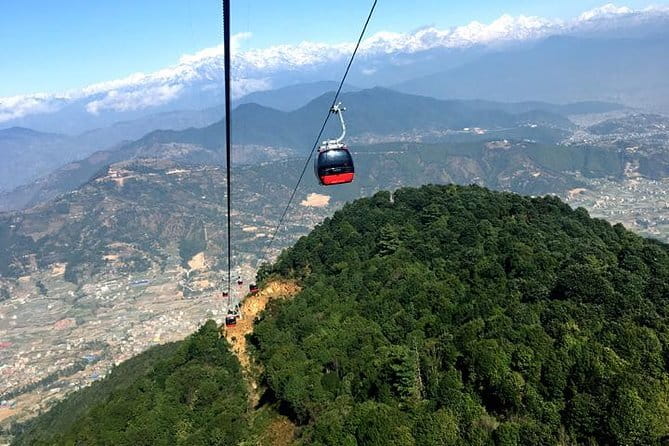
From Tseram, you walk to Ramche, the South Base Camp area, then return to Tseram. Allow six to seven hours for this out-and-back day. The route gives you time to explore the scenery around the southern base of Kanchenjunga without changing your sleeping location.
I like this structure. Leaving your main overnight gear behind can make a long day feel more manageable, and returning to Tseram means you are not forced to set up a new base after a demanding walk. As with Pangpema, views depend on weather, but the south side adds a second perspective on the mountain.
By this point, the combination of high altitude and accumulated walking will test your endurance. You will appreciate the earlier acclimatization day in Ghunsa and the support of an experienced English-speaking guide.
Days 14 and 15: Forest trails and the way out
The route descends from Tseram to Tortong in four to five hours. Forests and meadows replace the high glacier country, offering a change of scenery and, usually, a more relaxed walking rhythm. Even so, descending trails can be tough on knees and ankles.
Day fifteen continues toward Yasang and then Ranipool. The route features cascading waterfalls and lush alpine forest. This is a quieter scenic finish, with the satisfaction of leaving the highest ground behind while still walking through attractive mountain country.
The schedule describes this as a six-hour day. Keep your footwear in good shape, since wet or uneven sections can make descents harder. Trekking poles may be useful, although the supplied package does not specifically list them.
Days 16 and 17: Road transfer and flight back to Kathmandu
From Ranipool, you drive to Taplejung for about four hours. After lunch, the road continues toward Phidim, making this another six-hour travel day. The long transfer is practical rather than glamorous, but it links the remote trail with the return flight route.
On the final morning, you drive through tea gardens toward Birtamode, then take a flight back to Kathmandu. The day is listed at about six hours. Weather can affect domestic flights, so keep your final schedule flexible if you have an international departure soon afterward.
What the $1,995 price covers
At $1,995 per person, the package is not a bargain-basement trek, but it includes many costs that can quickly add up in a remote region. You receive domestic flights between Kathmandu and Bhadrapur, necessary shared ground transport, full-board meals, standard trekking lodge accommodation, and an English-speaking experienced guide.
The permits are especially important here. The price includes the Kanchenjunga Conservation Area entry permit, the Trekkers Information Management System card, and the restricted-area special permit. Handling these requirements yourself would add paperwork and planning, so their inclusion adds real value.
You also receive a sleeping bag and down jacket if needed, with the expectation that these are returned after the trek. A duffle bag, T-shirt, trip certificate, some seasonal fruit, a cultural show, and a farewell dinner are included as well.
The meal schedule lists 17 dinners, 17 lunches, and 16 breakfasts. That broadly matches a 17-day trip, but I would confirm the exact meal coverage for the first and final travel days. Dessert, bar bills, travel insurance, and crew tips are not included. Set aside money for those items before departure.
Lodges, transport, and group style
Accommodation is in standard guesthouses or trekking lodges. That tells you to expect practical mountain lodging rather than hotel comfort. The package does not promise private rooms, upgraded facilities, or luxury services, so pack with a simple lodge stay in mind.
Ground transport is provided on a sharing basis, while the tour itself is private for your group. Those two details can coexist: you have a private walking group, but some road transfers may be shared. Ask how many people are in your group and how the shared vehicle arrangements work.
The guide is English-speaking and described as experienced in trekking. No individual guide name is provided, so you should request the guide’s name and credentials before departure if that matters to you. Good communication is useful here, especially during acclimatization and on the high pass.
Who should book this trek
I would recommend it to fit walkers who want a remote Himalayan route with strong mountain scenery and a clear two-base-camp goal. It suits you if you are happy with six-hour days, occasional eight-hour outings, basic lodge accommodation, long road transfers, and changing weather.
It may also suit a solo woman who wants organized support rather than setting off entirely alone. The private format can provide peace of mind, though you should still check the company’s current solo arrangements directly.
I would not choose it for a first-ever mountain holiday if you dislike long uphill walks or have no plan for altitude. The route reaches 4,290 meters and includes a high pass, a glacier approach, and two demanding base-camp days. Moderate fitness is required, but preparation is wise.
Booking details and weather planning
Confirmation is provided at booking. Free cancellation applies if you cancel at least 24 hours before the start time. Later cancellations or changes are not accepted for a refund under the stated terms.
The experience depends on good weather. If poor conditions cause cancellation, you are offered another date or a full refund. Because the trip includes flights and remote roads, I would avoid scheduling an important international connection immediately after the return to Kathmandu.
Should you book the Kanchenjunga circuit?
Book it if you want a demanding, well-supported route to both Kanchenjunga base camps and value having permits, flights, meals, lodges, and a guide arranged in one price. The acclimatization day in Ghunsa, private group format, and included gear make the package easier to manage than a fully independent plan.
Think twice if you want short walking days, polished hotels, or a fixed schedule immune to mountain weather. Before paying, confirm the unclear walking times around Ghunsa to Tseram, the exact shared transport setup, meal coverage on travel days, and your guide’s name. For a prepared walker, this is a strong choice for seeing one of Nepal’s great high mountain regions from both sides.
FAQ
How long is the Kanchenjunga Circuit South and North Base Camp Trek?
The trip lasts approximately 17 days, including flights, road transfers, trekking days, acclimatization, and the return to Kathmandu.
Does the trek visit both Kanchenjunga base camps?
Yes. The route visits Pangpema, the North Base Camp, on day nine and Ramche, the South Base Camp area, on day thirteen.
What is the highest point listed on the route?
Sele La Pass is listed at about 4,290 meters. The route also reaches Khambachen at about 4,050 meters and Lhonak at a higher altitude, although no elevation is provided for Lhonak.
Are meals included?
Yes. Breakfast, lunch, and dinner are included during the trek. The listed package provides 17 dinners, 17 lunches, and 16 breakfasts.
Are permits and domestic flights included?
Yes. The price includes the Kanchenjunga Conservation Area permit, TIMS card, restricted-area special permit, and domestic flights between Kathmandu and Bhadrapur.
What happens if bad weather cancels the experience?
If poor weather causes cancellation, you can choose a different date or receive a full refund. You must cancel at least 24 hours before the start time to receive a full refund for a personal cancellation.
New in the Kathmandu listings
- Traditional Momo Making Class★ 5.0 · 10 reviews
- Kathmandu: Ancient City Kirtipur & Pharping Monastery Tour★ 5.0 · 2 reviews
- Kathmandu to Pokhara Premium sofa bus ticket★ 4.0 · 17 reviews
- Women Empowerment Project(Nepali cooking class & jewelry workshop★ 5.0 · 15 reviews
- 7-Day Langtang Valley Trek from Kathmandu★ 5.0 · 1 review
- Kathmandu 2 Nights 3 Days Chitwan Jungle Safari Tour★ 5.0 · 9 reviews
- Yoga Experience Day Trip with Private Transfer From Kathmandu★ 4.0 · 2 reviews
- Wildlife Adventure in Chitwan Nepal★ 4.0 · 4 reviews
Hiking & Trekking, compared.
Nagarkot Sunrise View and Day Hiking from Kathmandu
Read our review →