
REVIEW · COOKING CLASSES
Kathmandu: About 3-hour Cooking Class Experience near Thamel
Come hungry, leave with recipes in your head. This three-hour class near Thamel gives you a hands-on taste of Nepalese food, with local instruction, fresh ingredients, and a meal you help prepare. I especially like the chance to choose three dishes from a wide menu, and I like that the class covers both everyday food such as dal bhat and less familiar specialties such as yomari and bara. The main consideration is that drinks beyond the welcome tea or coffee are not included, and pickup outside Thamel costs extra.
The class takes place in the same building as the Shepherd Holidays office, at the listed location P874+X7H. It is a practical choice if you are staying near Thamel and want more than another restaurant meal. The small number of published bookings means the group size may vary, and one solo booking received a full menu instead of only three dishes, but you should not assume that will happen every time.
In This Review
- Key things to know before booking
- Why this class works well near Thamel
- Choosing three dishes from the Nepali menu
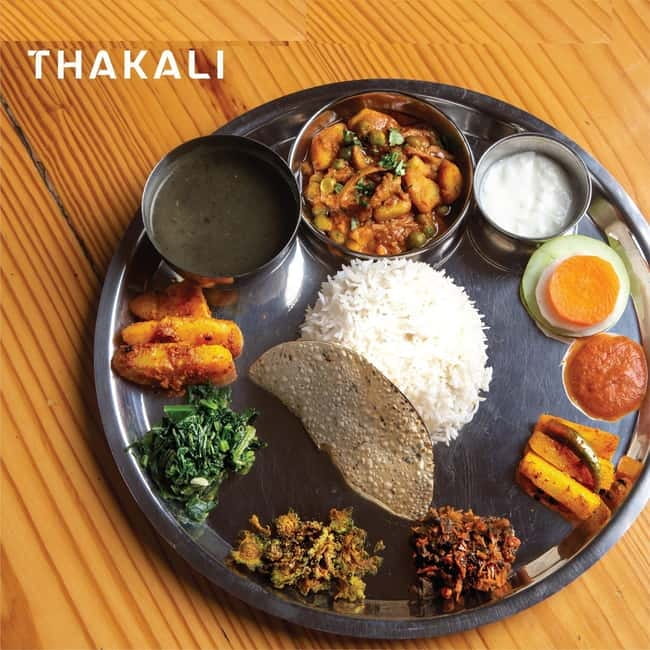
- Dal bhat: the best choice for cultural context
- Momos and chatamari bring the hands-on fun
- Bara, yomari, and the less familiar choices
- Chicken curry, roti, and thukpa
- Three hours of cooking, stories, and eating
- Instruction from Bikram and Kamal
- Price, pickup, and practical value
- Who should book this cooking class
- My final call: a useful taste of Kathmandu
- FAQ
- Where is the cooking class located?
- How long does the cooking class last?
- How many dishes can I choose?
- Are ingredients and cooking equipment included?
- Is the food included after cooking?
- Is pickup available outside Thamel?
- What languages are spoken by the instructor?
Key things to know before booking
- Three dishes are your main focus: Choose from Nepali staples, snacks, dumplings, noodle soup, flatbread, and desserts.
- Dal bhat teaches daily Nepali eating: You work with lentil soup and rice, the country’s best-known meal combination.
- Momos and chatamari bring the fun: You learn dumpling-making and the technique behind Nepal’s so-called pizza.
- The class is close to Thamel: You can walk to the meeting point if you are staying in the central tourist area.
- Local teaching is part of the value: Instructors speak English, Hindi, and Nepali, and the class includes cultural stories as you cook.
- The $29 price covers the basics: Ingredients, equipment, instruction, helpers, and the food made during class are included.
Why this class works well near Thamel
Thamel is an easy place to find restaurants, cafés, trekking shops, and tour offices. That convenience is useful, but it can also keep you on the tourist side of Kathmandu’s food culture. This class gives you a more active way to understand what appears on a Nepali table.
You are not simply shown a plate and told what it contains. You chop, stir, season, shape, and cook under guidance. That matters because Nepali food depends on method as much as ingredients. A lentil dish, for example, is not just lentils and spices. The timing, texture, and balance with rice are part of the lesson.
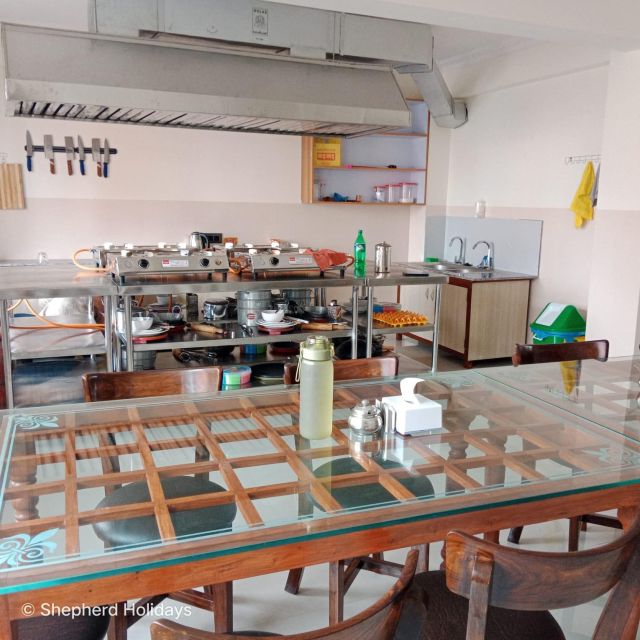
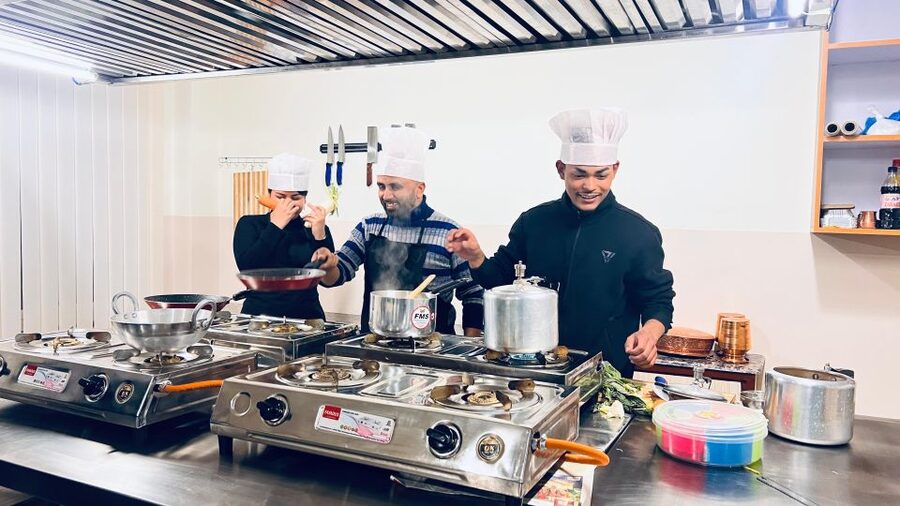
The setting is described as a traditional kitchen within the same building as the Shepherd Holidays office. You should expect a functional teaching kitchen rather than a polished cooking school designed for television. That can be a plus. The point is to make food, not pose beside it.
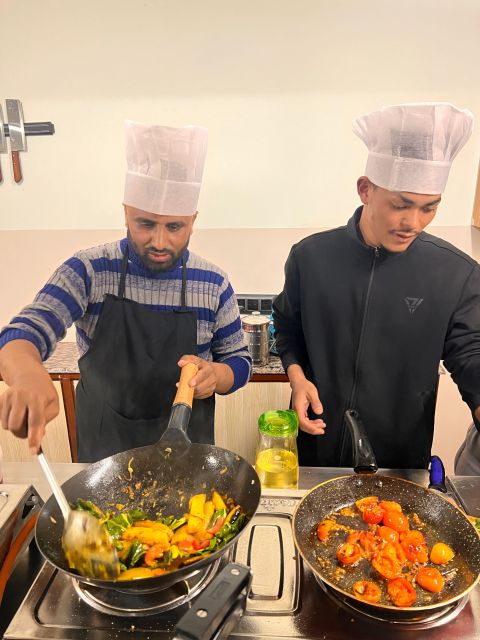
On arrival, you receive tea or coffee while you settle in. You then select three dishes from the available menu. Fresh ingredients and all cooking equipment are provided, and an instructor plus helper guide the work.
More Cooking Classes in Kathmandu
- Half day cooking class in Thamel kathmandu
★ 5.0 · 607 reviews - Kathmandu: Local Women-Led Nepali Cooking & Momo Class
★ 4.9 · 360 reviews - Kathmandu: Local Lead Nepali Cooking & Momo-Making Class
★ 5.0 · 212 reviews
Choosing three dishes from the Nepali menu
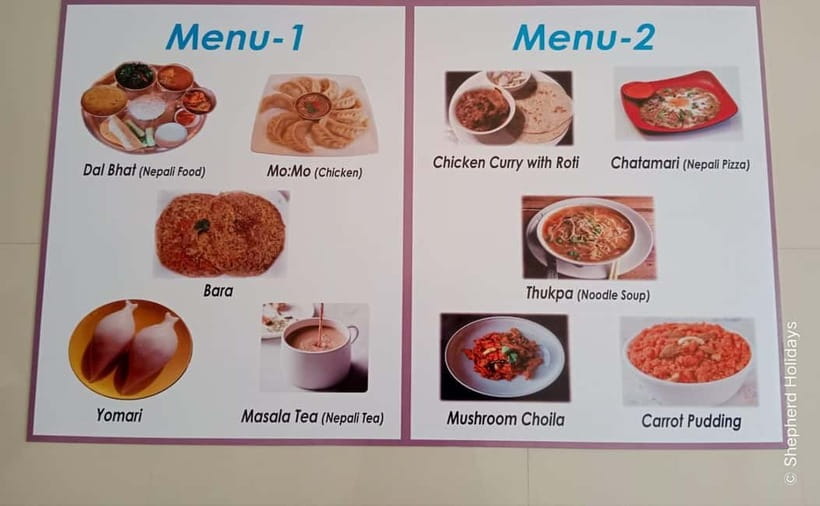
The menu is wide enough that your choices shape the class. You could build a meal around familiar comfort food, focus on snacks and dumplings, or include a sweet dish for a broader look at Nepalese cooking.
The menu includes:
- Dal bhat
- Chicken or vegetarian momo
- Bara
- Yomari
- Chicken curry with roti
- Chatamari
- Thukpa
- Mushroom choila
- Carrot pudding
The three-dish limit is sensible for a three-hour session. It lets you spend time learning rather than rushing through a dozen recipes. Still, you may feel a little torn if several options appeal to you. Ask about preparation time before making your selection, especially if you want to include a dessert such as yomari or carrot pudding.
One unusual detail comes from a short-notice solo booking. The participant was able to complete the full menu despite being alone. That sounds generous, but it appears to have been a special circumstance rather than the standard promise. Book expecting three dishes. If the kitchen has extra time, anything more is a bonus.
Dal bhat: the best choice for cultural context
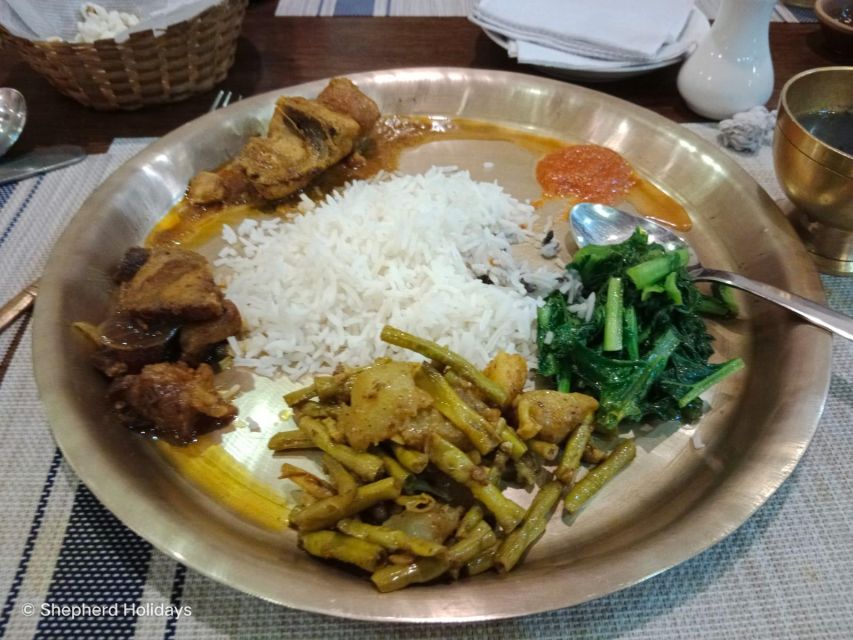
If you choose only one dish for its cultural importance, make it dal bhat. The meal combines lentil soup and rice, and it represents the basic rhythm of Nepali dining better than a novelty dish can.
The class presents dal bhat as a complete lesson in balance. You learn how the lentils are prepared, how the rice fits into the meal, and how seasoning gives the dish its character. The details of the cooking process are not listed, so you should not expect a fixed recipe with exact spice quantities in advance. The value comes from working alongside the local chef and seeing how the dish comes together.
This is also the class’s strongest option for anyone hoping to cook at home later. One participant specifically planned to make dal bhat again after returning home. That is a good sign for the dish’s usefulness, not just its flavor.
Dal bhat may not be the flashiest choice on the menu. It is familiar-looking food, and its appeal depends on good cooking rather than presentation. But that is exactly why it belongs in a lesson about Nepalese food. It gives you something you can understand and repeat.
Momos and chatamari bring the hands-on fun
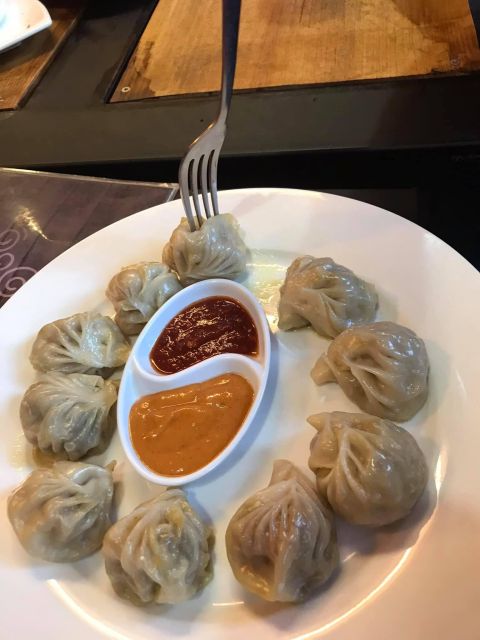
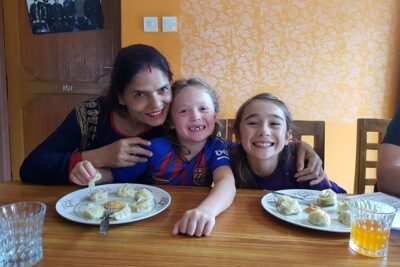
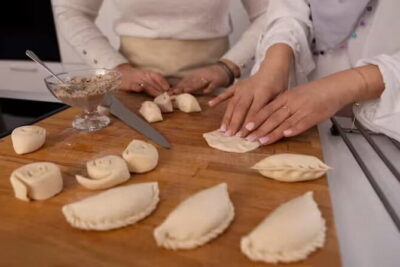
Momos are a natural pick if you want an interactive class. You choose chicken or vegetable filling, then learn the secrets behind Nepalese dumplings. Shaping momos takes more involvement than stirring a pot, and the finished result gives you a clear sense of what your hands contributed.
If you are cooking with a partner or family member, momos also make a good shared choice. One person can work on filling while another shapes the dumplings, though the exact class arrangement depends on the group.
Chatamari offers a different kind of lesson. It is often called Nepali pizza, but the nickname only goes so far. The dish is a distinctive flatbread with varied toppings, and learning to make it shows how Nepal has developed its own answers to familiar food forms.
I would choose chatamari if you want something less predictable than dal bhat or curry. The drawback is simple: the menu description promises diverse toppings but does not specify them. If you have dietary restrictions or strong preferences, ask what is available before choosing it.
A completely different way to spend the day:
- Everest Base Camp Trek – 14 Days
★ 5.0 · 1,499 reviews - Private Kathmandu Sightseeing Tour | UNESCO World Heritage sites
★ 5.0 · 756 reviews - Everest Base Camp Helicopter Tour landing at Everest View Hotel
★ 5.0 · 668 reviews - Everest Base Camp Trekking
★ 5.0 · 485 reviews
Bara, yomari, and the less familiar choices
Bara is a lentil patty that is crisp outside and soft within. It works well as a snack and gives you a lesson in texture. Compared with dal bhat, it feels more like street food or a small plate, so it may suit you if you want to sample a Nepali favorite without committing to a full rice meal.
Yomari takes the class in a sweet direction. This dumpling is filled with jaggery and sesame seeds, giving you a look at Nepalese desserts rather than only savory food. It is a smart choice if you want a three-course feeling from a short class.
Carrot pudding is another dessert option. The description emphasizes the balance of ingredients and its place among Nepali sweets. Since the class does not provide a detailed sample schedule, ask how much time the dessert takes if you are deciding between it and yomari.
Mushroom choila is the boldest vegetarian option on the menu. It uses marinated mushrooms and strong spices. The word bold is useful here because choila is meant to deliver a more pronounced, spicy flavor than a mild vegetable side. If you enjoy heat, this could be a better choice than a simple starch.
Chicken curry, roti, and thukpa
Chicken curry with roti is the most familiar pairing for many people who already enjoy South Asian food. The lesson focuses on aromatic spices and a rich sauce, with roti providing the bread component. It is a comfortable choice if you want a substantial meal and prefer cooking a curry to shaping dumplings.
The menu also includes thukpa, a hearty noodle soup with Tibetan roots that has become part of Nepalese food culture. This is a useful reminder that Kathmandu cooking is shaped by several regional traditions. A soup course also changes the pace of the class, since you are working toward broth, noodles, and other components rather than a single dry dish.
The information provided does not specify the soup’s protein, vegetables, or spice level. Ask before choosing thukpa if you have a particular diet. The same advice applies to chicken curry and chicken momos.
Three hours of cooking, stories, and eating
The class lasts about three hours, beginning at Shepherd Holidays and continuing in the cooking space at P874+X7H. The basic sequence is straightforward:
- You arrive and receive tea or coffee.
- You choose three dishes.
- The team prepares the fresh ingredients.
- You cook with the instructor and helper.
- You sit down to eat what you have made.
That schedule leaves room for conversation. The chefs share food stories and cultural context while you work. English, Hindi, and Nepali are spoken, so English-speaking visitors can follow the instruction.
The class includes the food and drinks prepared during the session, but the wording about drinks should be read carefully. Tea or coffee is offered on arrival, while beverages are listed as not included. You should budget for any additional drinks rather than expecting an all-inclusive meal service.
The meal at the end is not an afterthought. It is the payoff for the work. A participant who attended alone reported that the portions were large and the food was delicious. That is useful information if you are wondering whether the class replaces a meal. It likely can, especially if you arrive hungry.
Instruction from Bikram and Kamal
Two instructors named in the feedback are Bikram and Kamal. They were praised for teaching people how to make delicious Nepali food, with particular appreciation for the practical instruction.
That personal teaching is one of the class’s strongest features. You are not left to follow a printed recipe while a chef works separately. The format is built around guided preparation, which is especially helpful for unfamiliar dishes such as bara, chatamari, and yomari.
The available information does not state the maximum group size or whether the same instructor teaches every session. If you want a private class or hope for a particular chef, confirm that before booking. The solo booking shows that one-person sessions can happen, but it does not guarantee them.
Recipes are available for a small extra fee. If you want to recreate the food at home, this is worth considering. Otherwise, take notes during the class and pay close attention to texture and seasoning, since those details may be more useful than a list of ingredients alone.
Price, pickup, and practical value
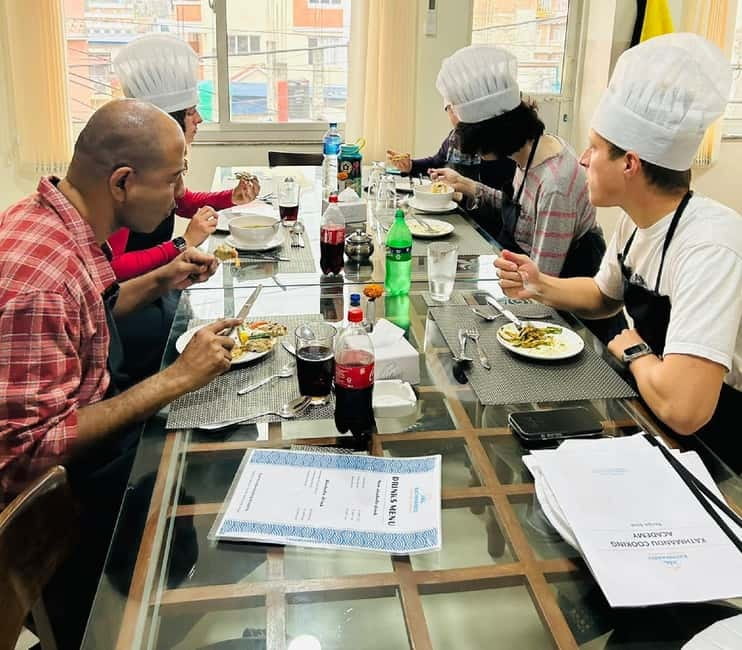
At $29 per person, the class offers solid value for a three-hour activity. The price includes ingredients, equipment, an instructor, a helper, and the food you prepare. You are paying for a meal, but also for instruction and a cultural introduction.
The value is strongest if you want a meal with participation. A normal restaurant visit may cost less or more depending on where you eat, but it will not teach you how to fold a momo or prepare dal bhat. On the other hand, this is not the right purchase if you only want a quick tasting. Three hours is a meaningful block of your Kathmandu schedule.
The meeting point is within walking distance of Thamel. If you stay outside the area, pickup and drop-off are available for an extra charge. That can make the class easier to fit into a day, but it changes the total cost. Check the add-on price before deciding.
You can cancel up to 24 hours in advance for a full refund, and you can reserve now and pay later. Those policies are useful in Kathmandu, where plans may shift with weather, transport, or trekking arrangements.
Who should book this cooking class
I would recommend this class to you if you:
- Want a hands-on introduction to Nepali food
- Enjoy learning local dishes rather than only photographing them
- Are staying near Thamel
- Want to eat a proper meal during the activity
- Have three hours available for cooking and conversation
- Plan to recreate at least one dish at home
It is also a good match for solo visitors. The class can run with one participant, and the available solo booking still received substantial instruction and food.
I would think twice if you dislike spicy food, have strict dietary needs, or want a tightly specified menu. Chicken and vegetarian momos are offered, but the full ingredients and substitution policy are not provided. Ask before booking so you know which three dishes will work for you.
My final call: a useful taste of Kathmandu
Book this class if you want to understand Nepali food by making it yourself. The strongest picks are dal bhat for cultural meaning, momos for hands-on work, and chatamari for something distinctive. Bara, yomari, thukpa, choila, curry, and pudding let you shape the session around your appetite.
The class is not a luxury cooking school, and the group format and final dish choices may vary. But at $29, with ingredients and the cooked meal included, it gives you a lot for the time and money. I would reserve it near the start of a Kathmandu stay, then use what you learn to order more confidently in local restaurants.
FAQ
Where is the cooking class located?
The class is in the same building as the Shepherd Holidays office, at the listed location P874+X7H. It is a short walk from Thamel.
How long does the cooking class last?
The cooking class lasts three hours.
How many dishes can I choose?
You can choose any three dishes from the available menu. The menu includes dal bhat, momos, bara, yomari, chicken curry with roti, chatamari, thukpa, mushroom choila, and carrot pudding.
Are ingredients and cooking equipment included?
Yes. The price includes the ingredients and all equipment needed to prepare the food.
Is the food included after cooking?
Yes. Food and drinks prepared during the class are included. Additional beverages are not included.
Is pickup available outside Thamel?
Yes. Pickup and drop-off are available for an extra charge if you are staying outside Thamel.
What languages are spoken by the instructor?
Instruction is available in English, Hindi, and Nepali.
New in the Kathmandu listings
- Traditional Momo Making Class★ 5.0 · 10 reviews
- Kathmandu: Ancient City Kirtipur & Pharping Monastery Tour★ 5.0 · 2 reviews
- Kathmandu to Pokhara Premium sofa bus ticket★ 4.0 · 17 reviews
- Women Empowerment Project(Nepali cooking class & jewelry workshop★ 5.0 · 15 reviews
- 7-Day Langtang Valley Trek from Kathmandu★ 5.0 · 1 review
- Kathmandu 2 Nights 3 Days Chitwan Jungle Safari Tour★ 5.0 · 9 reviews
- Yoga Experience Day Trip with Private Transfer From Kathmandu★ 4.0 · 2 reviews
- Wildlife Adventure in Chitwan Nepal★ 4.0 · 4 reviews
Cooking Classes, compared.
Nepalese Momos or Dal Bhat Cooking Class (Cook with Delight)
Read our review →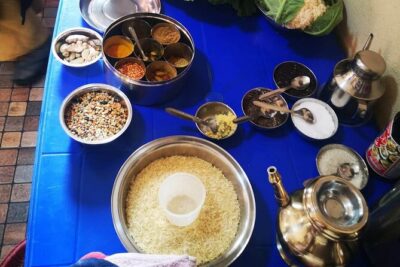
The best Private Nepali Cooking Class in Kathmandu
Read our review →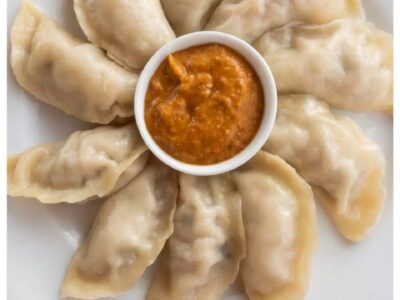
Nepalese Kitchen in Pokhara: Momos or Dal Bhat Cooking Class
Read our review →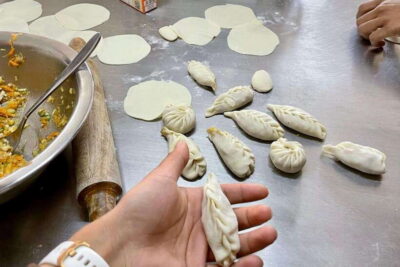
Browse the lists this tour appears in