
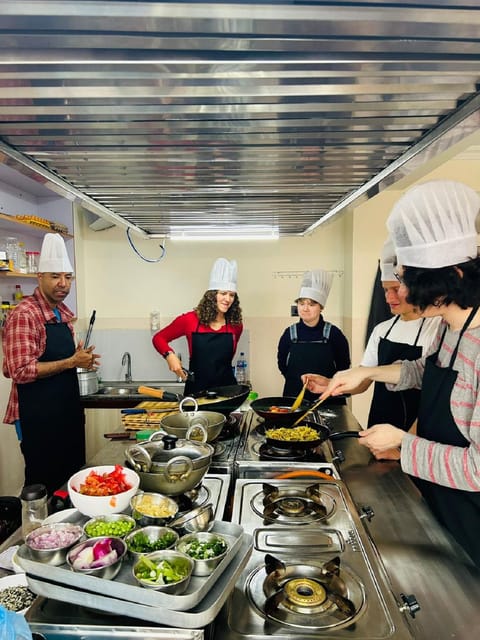
REVIEW · COOKING CLASSES
Kathmandu: Cooking Class in Nepal
Taste Nepal with your hands. This three-hour Kathmandu cooking class near Thamel gives you a practical way to meet Nepali food, not just order it from a menu. I like the choice of three dishes, and I like that an instructor and helper guide you through the work before you sit down to eat what you prepared.
The class also handles vegetarian cooking on separate stoves, which is a useful detail for anyone avoiding meat. The main consideration is that pickup and drop-off cost extra, and the sample menu offers more choices than you can fit into one three-item session.
In This Review
- Key things to know before you cook
- Why a cooking class works well in Kathmandu
- Choosing your three Nepali dishes
- The three-hour kitchen experience
- Momo, dal bhat, and the value of familiar food
- What the $25 price really includes
- Location, pickup, and timing near Thamel
- Vegetarian cooking and dietary planning
- Who will enjoy this class most
- How to get the most from the three hours
- Should you book this Kathmandu cooking class?
- FAQ
- Where does the cooking class take place?
- How long does the cooking class last?
- How much does the experience cost?
- How many dishes can I cook?
- What dishes can I choose?
- Are vegetarian options available?
- Is pickup and drop-off included?
- What languages are available for instruction?
Key things to know before you cook
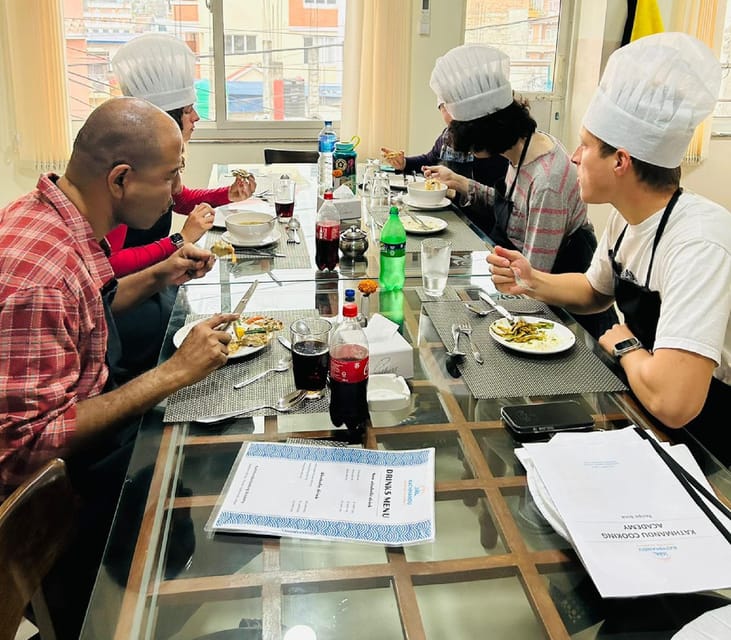
- Three dishes become your meal: Choose from dal bhat, momo, bara, yomari, thukpa, chatamari, curry, and other Nepali favorites.
- Momo gets special attention: You learn how to prepare Nepal’s famous dumplings with either chicken or vegetarian filling.
- Vegetarians have separate cooking space: Vegetarian dishes are prepared on separate stoves.
- The class is close to Thamel: This makes it easy to add to a day of sightseeing in central Kathmandu.
- The instruction is hands-on: A professional chef and helper assist with techniques, timing, and preparation.
- The price is modest: At $25 per person, ingredients, cooking equipment, instruction, and the finished food are included.
Why a cooking class works well in Kathmandu
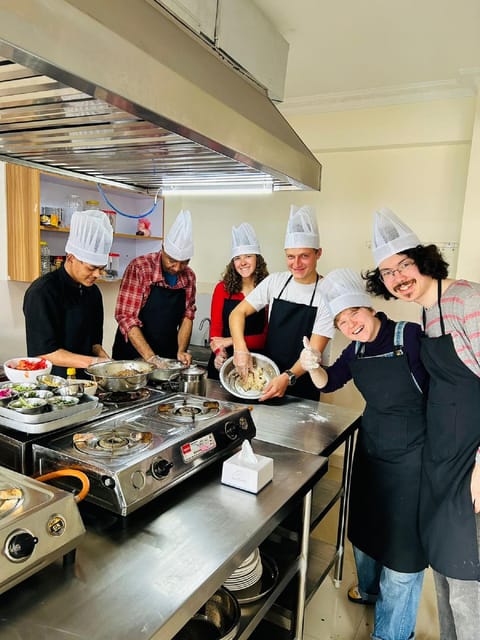
Kathmandu can feel like a feast of new smells and unfamiliar names. A cooking class gives you a way to make sense of that food. Instead of simply pointing at a menu item, you learn what goes into it, how it is handled, and why it belongs on a Nepali table.
I like this kind of activity early in a trip. After three hours, you will recognize several dishes and may feel more comfortable ordering them elsewhere. It also gives you a break from sightseeing, with coffee, tea, lunch, or dinner built into the session depending on the time you choose.
The class takes place near Thamel, Kathmandu’s main tourist hub. That location matters because you can reach it without setting aside a full day or arranging a long ride across the city. If you are staying in another part of Kathmandu or in Lalitpur, pickup can be arranged for an extra charge.
The setting is described as a traditional kitchen, with local chefs and a helper leading the work. The class is taught in English, Nepali, and Hindi. That language range makes the experience accessible, though the exact level of instruction can depend on the group and the chosen language.
More Cooking Classes in Kathmandu
- Half day cooking class in Thamel kathmandu
★ 5.0 · 607 reviews - Kathmandu: Local Women-Led Nepali Cooking & Momo Class
★ 4.9 · 360 reviews - Kathmandu: Local Lead Nepali Cooking & Momo-Making Class
★ 5.0 · 212 reviews
Choosing your three Nepali dishes
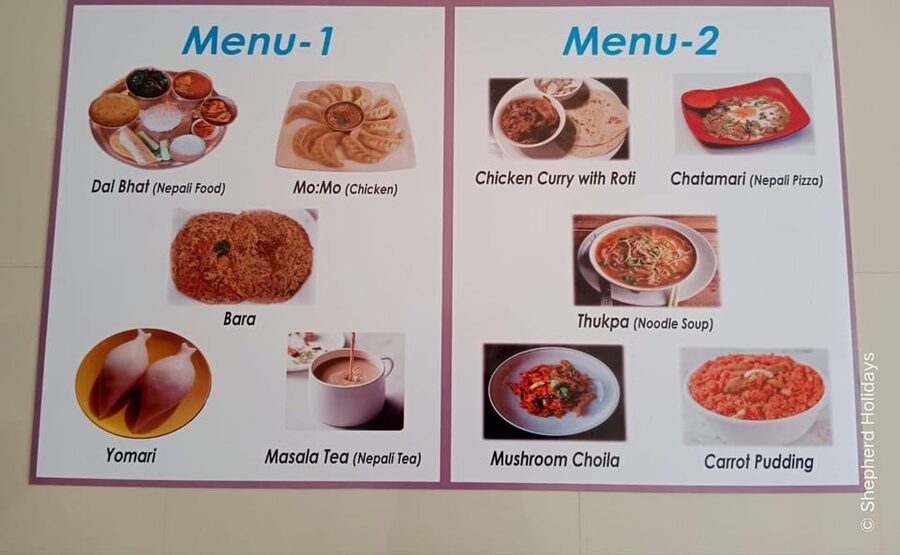
The most important decision comes before the chopping begins: select three items from the menu. You cannot reasonably cook everything in one three-hour class, so choose a mix that shows different parts of Nepali cooking.
A good first choice is dal bhat, the familiar combination of lentil soup and rice. It is a central everyday meal in Nepal, and learning it gives you a useful base for understanding how lentils, rice, spices, and side dishes work together. It may not sound as dramatic as a plate of dumplings, but it is the most practical dish to take home and repeat.
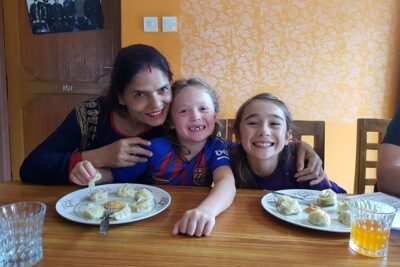
Next, consider chicken or vegetable momo. These Nepali dumplings are the class’s main draw for many people. You learn about the filling, folding, and cooking process, then eat the result as part of your lunch or dinner. Choose chicken if you want the classic meat option. Choose vegetables if you prefer a meat-free meal.
The class also offers bara, deep-fried lentil patties with a crisp outside and soft center. Bara gives you a different texture from both dal bhat and momo, and it shows how lentils appear in more than one form in Nepali cooking.
For a sweet choice, select yomari. This dumpling is filled with jaggery and sesame seeds, giving you a look at Nepali desserts rather than another savory dish. It is a smart pick if you want a three-course feeling from the class.
Other options make the menu more varied:
- Chicken curry with roti focuses on aromatic spices and flatbread.
- Chatamari, sometimes called Nepali pizza, is a flatbread with assorted toppings.
- Thukpa is a hearty noodle soup with Tibetan roots that has become part of Nepali food culture.
- Mushroom choila uses spicy marinade and mushrooms for a meat-free dish with a strong flavor.
- Carrot pudding offers another sweet ending.
I would choose momo, dal bhat, and yomari for the clearest introduction. If you already know dal bhat, swap it for thukpa, bara, or chatamari. Ask about portion size and timing when you arrive, since the best combination may depend on the day’s preparation plan.
The three-hour kitchen experience
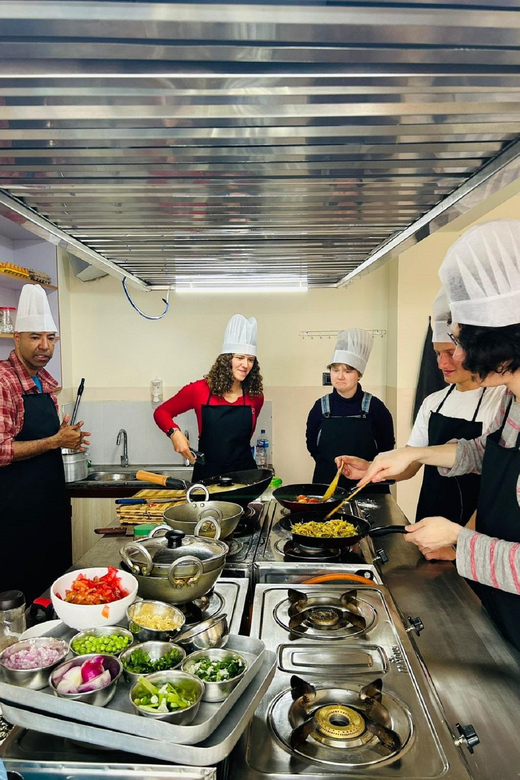
The schedule is simple. You arrive at the selected starting point, enter the Kathmandu cooking class, prepare your chosen dishes, and eat the food you have made. Coffee or tea may be part of the session, and the main meal is served as lunch or dinner depending on the start time.
The first stage is likely to focus on ingredients and preparation. This is where the instructor can explain the role of spices, lentils, fillings, dough, or vegetables in the chosen recipes. The value is not just in copying instructions. You get a sense of how each dish is built.
The chef and helper are there to keep the work moving. That matters in a short class. If you are shaping momo, for example, you may need help with the dough or folding technique. The instructor has been praised for being friendly, chatty, and helpful when refining cooking methods, so you should feel comfortable asking questions rather than quietly watching.
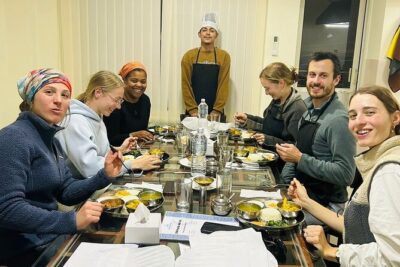
The middle part is the most hands-on. You cook three selected dishes with the supplied ingredients and equipment. The class is not a demonstration where you sit at the back and take notes. You take part in preparing the food, which makes the final meal more satisfying and gives you a better chance of remembering the method.
The end of the class is also the payoff. You eat the food prepared during the session, with drinks included as specified for the experience. This keeps the meal tied to the cooking rather than sending you to a separate restaurant afterward.
Allow the full three hours. Even if you are a confident cook, shaping dumplings, preparing several dishes, and eating together takes time. If you have a tight sightseeing plan, do not schedule a major attraction immediately afterward.
Momo, dal bhat, and the value of familiar food
Momo is the dish that gives this class its strongest hook. Nepal’s dumplings are easy to recognize but less easy to make well. The filling, dough, shape, and cooking method all affect the final result. A class lets you see those steps clearly and gives you a chance to correct them with help.
I would choose vegetable momo if you want the separate-stove arrangement to be especially useful. Meat-free cooking is addressed directly, rather than treated as an afterthought. The menu also includes mushroom choila, which gives vegetarians another substantial option.
Dal bhat has a different value. It is not about a complicated shape or a clever presentation. It is about learning one of Nepal’s most important food combinations. If you plan to eat in local restaurants during your trip, knowing what dal bhat involves will help you order with confidence.
Yomari, bara, and chatamari round out the lesson. Together, these dishes show that Nepali food is not limited to one famous plate. You get lentils as patties, dumplings as sweets, flatbread with toppings, and noodles in soup. That variety is one reason the three-choice format works well.
A completely different way to spend the day:
- Everest Base Camp Trek – 14 Days
★ 5.0 · 1,499 reviews - Private Kathmandu Sightseeing Tour | UNESCO World Heritage sites
★ 5.0 · 756 reviews - Everest Base Camp Helicopter Tour landing at Everest View Hotel
★ 5.0 · 668 reviews - Everest Base Camp Trekking
★ 5.0 · 485 reviews
What the $25 price really includes
At $25 per person, the price is reasonable for a three-hour food activity in central Kathmandu. You are not paying only for a meal. The fee includes ingredients, cooking equipment, an instructor, a helper, and the food and drink prepared during the class.
That makes the experience a better value than a standard restaurant meal if you care about learning. Three hours of instruction, plus the meal you cook, gives you both an activity and lunch or dinner. It is also a useful choice on a rainy day or when you want something other than temple visits and city walks.
The value depends on your interest. If you only want to eat momo, a local restaurant will be cheaper and faster. If you want to understand how the dishes are made and perhaps repeat them at home, the class earns its price more easily.
Personal expenses and accommodation are not included. Beverages beyond the food and drink prepared during the class are also not included. Pickup and drop-off are optional extras, so budget for transportation if you want door-to-door service.
Location, pickup, and timing near Thamel
The class is near Thamel, which is convenient for many people staying in Kathmandu. The starting location depends on the option you select. Pickup is available for an extra charge, and you can contact the provider by WhatsApp with your location.
This arrangement gives you flexibility, but it also means you should confirm the meeting point before setting out. If you are coming from a different part of Kathmandu or from Lalitpur, paid pickup may save you time and reduce the difficulty of finding the kitchen.
The activity can finish with drop-off in Lalitpur or Kathmandu according to the available arrangement. Since transport is not included in the base price, treat the listed $25 as the class cost, not a complete door-to-door package.
Starting times vary. Choose a lunch session if you want food during the middle of the day, or an evening session if you prefer to make dinner. I would avoid booking it immediately before a flight, long-distance bus, or fixed evening event. Kathmandu traffic can make even short transfers unpredictable, and the class itself lasts three hours.
Vegetarian cooking and dietary planning
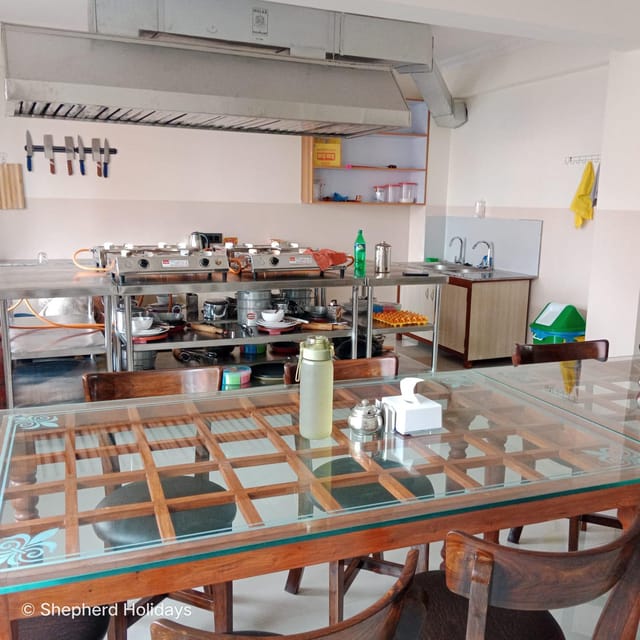
The separate-stove policy is one of the most useful details here. Vegetarian cooking is handled on separate stoves, which gives meat-free diners a clearer answer than a vague promise to leave meat out.
When booking, state your preference clearly. The menu provides vegetarian momo and mushroom choila, and other dishes may also suit a meat-free meal depending on the selected combination. Because you choose only three items, tell the provider what you want before the class if possible.
The supplied information does not specify allergy procedures, gluten-free choices, vegan substitutions, or a full ingredient list. If any of those matters to you, contact the provider before reserving. Do not assume that a vegetarian dish is also vegan, or that every flour-based dish is suitable for a gluten-free diet.
Who will enjoy this class most
I would recommend this activity to anyone who likes food with a practical side. It suits first-time visitors who want an introduction to Nepali cooking, home cooks looking for recipes to recreate, and people who prefer a small activity to another guided sightseeing circuit.
It is also a good choice for couples, friends, and families who can agree on three dishes. The shared decision matters because the menu is broad, while the class time is limited.
The class may be less suitable if you dislike hands-on work, have very limited time, or want a polished restaurant meal with no preparation. It is also not the best fit if you expect transport, drinks, or a full tasting menu to be included in the base price.
The strongest praise has focused on the instructor’s friendly manner and practical help with cooking technique. That is important. A cooking class succeeds or fails on the quality of its guidance, and a chatty teacher who corrects your method can make the difference between a pleasant lesson and a confusing one.
How to get the most from the three hours
Choose your three dishes before you arrive, but remain open to the instructor’s advice about timing. Momo, dal bhat, and yomari make a balanced set, while three labor-intensive dishes may leave less time for explanation and eating.
Wear clothes that you do not mind wearing in a kitchen. The provided information does not specify an apron or storage arrangements, so keep your belongings simple and follow the instructor’s directions about equipment.
Ask questions as you work. The class is especially useful when you ask why a spice is added, how the texture should feel, or what step matters most. A quiet participant can still enjoy the meal, but an engaged one is more likely to leave with skills.
Take notes if you want to cook at home. The class covers popular Nepali dishes, but the exact three recipes will depend on your selection. Recording the names and basic steps will help you remember which version you made.
The experience allows free cancellation up to 24 hours before the start for a full refund, and you can reserve now and pay later. Those terms are helpful when your Kathmandu schedule is still changing, but confirm the starting time and meeting location before the day.
Should you book this Kathmandu cooking class?
Book it if you want more than a meal and would enjoy learning three Nepali dishes near Thamel for $25. The combination of hands-on instruction, a cooked meal, separate vegetarian stoves, and a friendly chef makes this a strong value for food-minded visitors.
Choose your dishes with care, confirm transport costs, and allow the entire three hours. I would especially recommend it for a first visit to Nepal, for anyone curious about momo, and for vegetarians who want a clearly planned cooking setup.
Skip it only if your schedule is too tight for a relaxed class or if you would rather spend your money on eating than learning. For most people with an open afternoon or evening, this is an easy, flavorful way to bring a small piece of Nepali food culture home.
FAQ
Where does the cooking class take place?
The class takes place in Kathmandu near Thamel, the city’s main tourist hub. The exact starting location depends on the option selected.
How long does the cooking class last?
The cooking class lasts three hours.
How much does the experience cost?
The price is $25 per person.
How many dishes can I cook?
You can choose and prepare three items from the available menu.
What dishes can I choose?
Choices include dal bhat, chicken or vegetable momo, bara, yomari, chicken curry with roti, chatamari, thukpa, mushroom choila, and carrot pudding.
Are vegetarian options available?
Yes. Vegetarian momo is available, and vegetarian cooking is handled on separate stoves.
Is pickup and drop-off included?
No. Pickup and drop-off are available for an additional charge. Pickup can be arranged by contacting the provider through WhatsApp and sharing your location.
What languages are available for instruction?
Instruction is available in English, Nepali, and Hindi.
New in the Kathmandu listings
- Traditional Momo Making Class★ 5.0 · 10 reviews
- Kathmandu: Ancient City Kirtipur & Pharping Monastery Tour★ 5.0 · 2 reviews
- Kathmandu to Pokhara Premium sofa bus ticket★ 4.0 · 17 reviews
- Women Empowerment Project(Nepali cooking class & jewelry workshop★ 5.0 · 15 reviews
- 7-Day Langtang Valley Trek from Kathmandu★ 5.0 · 1 review
- Kathmandu 2 Nights 3 Days Chitwan Jungle Safari Tour★ 5.0 · 9 reviews
- Yoga Experience Day Trip with Private Transfer From Kathmandu★ 4.0 · 2 reviews
- Wildlife Adventure in Chitwan Nepal★ 4.0 · 4 reviews
Cooking Classes, compared.
Nepalese Momos or Dal Bhat Cooking Class (Cook with Delight)
Read our review →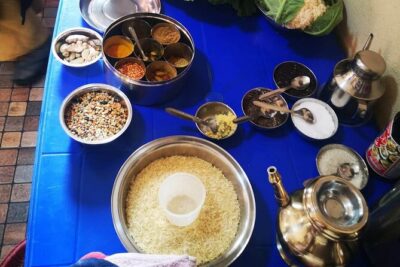
The best Private Nepali Cooking Class in Kathmandu
Read our review →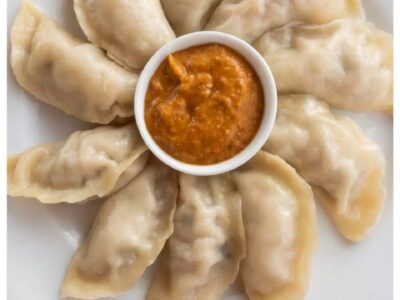
Nepalese Kitchen in Pokhara: Momos or Dal Bhat Cooking Class
Read our review →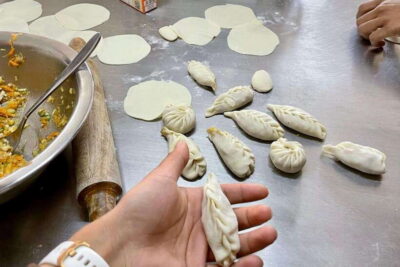
Browse the lists this tour appears in