
REVIEW · COOKING CLASSES
Kathmandu: Dining Experience at Local’s Home & Cooking Demo
Kathmandu tastes better around a family table. This three-hour home dining experience combines a hands-on cooking demonstration with a homemade Nepali meal, giving you more than a restaurant dinner. I like the personal setting, and I like the chance to see how everyday dishes such as dal bhat tarkari come together. The main consideration is that transportation to the home is not included, and the exact meeting point arrives only after booking.
You can choose lunch or dinner, which helps this fit around a busy Kathmandu sightseeing day. I also appreciate the small-group format and the chance to meet a local father and son who cook together. One particularly appealing detail is the rooftop view of the Kathmandu Valley at night, though the experience may not suit you if you have food allergies, diabetes, respiratory problems, or other listed medical concerns.
In This Review
- Key points to know before you book
- A Kathmandu meal with a family feel
- The opening welcome with raksi and tea
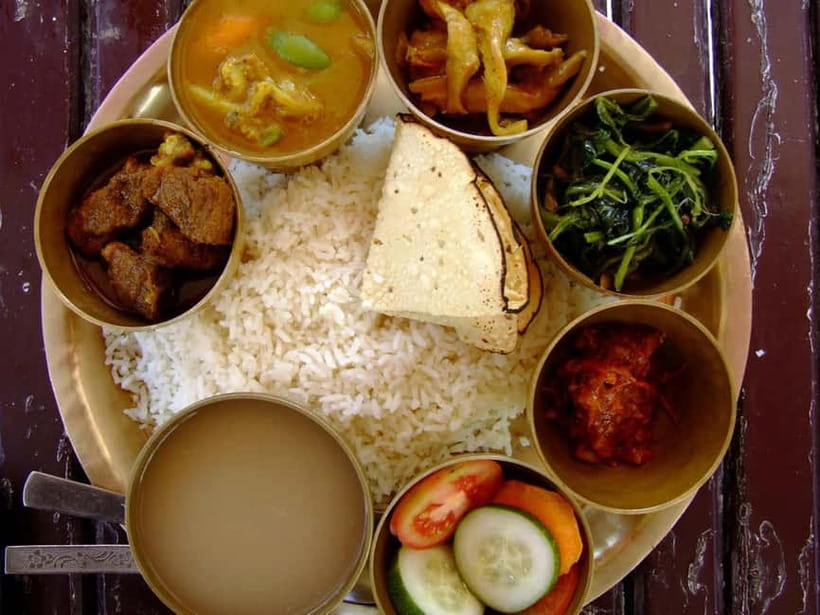
- Watching dal bhat come together
- Goat curry, seasonal vegetables, and vegan choices
- Joining the cooking instead of only watching
- Lunch or dinner in a Kathmandu home
- Why the three-hour length works
- Is $20 a fair price?
- Finishing with dhau and local honey
- Who will enjoy this experience most
- Practical booking advice
- Should you book this Kathmandu home meal?
- FAQ
- How long does the Kathmandu home dining experience last?
- How much does the experience cost?
- Can I choose lunch or dinner?
- What food is served?
- Are drinks included?
- Is transportation included?
- What languages are available?
- How many people can join?
Key points to know before you book
- A family kitchen, not a formal restaurant: You eat in a local home and watch the host prepare traditional food.
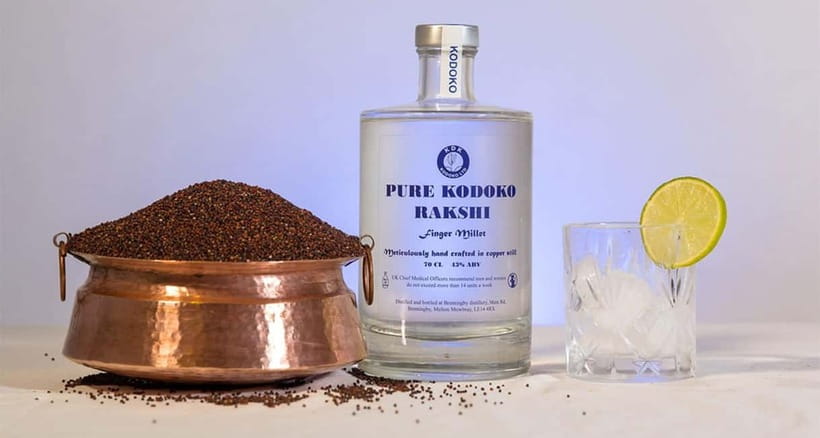
- Raksi starts the welcome: A complimentary serving of traditional Nepali rice wine is included, along with Nepali tea.
- Dal bhat is the main event: Expect lentils, rice, seasonal vegetables, and possibly spiced goat or mutton curry.
- You can join the cooking: The host demonstrates family recipes and lets you take part in some stages.
- The setting changes with the time: Lunch offers a daytime meal, while dinner may bring rooftop views across the valley.
- Small group, flexible timing: The activity lasts three hours, with starting times arranged around availability.
A Kathmandu meal with a family feel
Kathmandu has plenty of restaurants serving Nepali food, but a meal in a private home gives you a different kind of access. You are not simply handed a menu and left to choose. You are welcomed by a local family, shown part of the cooking process, and seated for food prepared in a domestic setting.
That difference matters. Nepali cooking is closely tied to daily life, and the meal here centers on food people actually eat at home. The tone is less polished than a hotel dining room, but that is part of the appeal. You get conversation, family recipes, and a closer look at the work behind the plate.
The host and his son cook together, and you may join in for parts of the preparation. I like this balance. You are not expected to take a full cooking class, but you are not kept at a distance either. The demonstration gives you useful context without turning a simple meal into a long lesson.
The experience is offered in English, Hindi, or Nepali. That language choice can make the evening easier and more social, especially if you want to ask about ingredients or family cooking habits.
More Cooking Classes in Kathmandu
- Half day cooking class in Thamel kathmandu
★ 5.0 · 607 reviews - Kathmandu: Local Women-Led Nepali Cooking & Momo Class
★ 4.9 · 360 reviews - Kathmandu: Local Lead Nepali Cooking & Momo-Making Class
★ 5.0 · 212 reviews
The opening welcome with raksi and tea
Your visit begins with a welcome and a complimentary serving of raksi, Nepal’s traditional rice wine. Raksi can be strong, so treat it as a small cultural taste rather than a drink to rush through. If you do not drink alcohol, ask about the nonalcoholic options before accepting it.
Nepali tea, listed as chia, is also included. The combination gives the opening a relaxed rhythm: rice wine for a traditional welcome, then tea as a familiar part of Nepali hospitality. This is a good moment to settle in and ask what dishes you will be preparing or eating.
The phrase Atithi Devo Bhava, meaning guests are treated with great respect, captures the spirit of the visit. The warmth is not presented as a stage show. It comes through the act of feeding you, explaining family recipes, and making room at the table.
You should keep your expectations realistic. This is a home visit, not a restaurant with a printed wine list, polished service, or a fixed professional kitchen. The reward is the personal contact, not ceremony.
Watching dal bhat come together
The cooking demonstration focuses on everyday Nepali dishes. The clearest example is dal bhat tarkari, the familiar combination of lentil soup, rice, and seasonal vegetable curry. It is simple in structure but central to Nepali food culture.
Dal provides a soft, savory base. Rice makes the meal filling, while the vegetable curry changes with what is available. Watching the host prepare these elements helps you understand why dal bhat is more than a dish ordered by tourists. It is a practical home meal built from staples, timing, and seasoning.
The demonstrated recipes are described as family recipes passed down through generations. You may not leave with exact measurements for every spice, but you can see the general method and ask questions while the food is being prepared. That is more useful than a quick restaurant explanation because you can connect each part of the meal with the cooking process.
The experience also includes authentic Nepali dishes beyond dal bhat. The food is freshly prepared by the host, which gives the meal a direct connection to the kitchen you have just watched.
Goat curry, seasonal vegetables, and vegan choices
For meat eaters, the meal may include khasi ko masu, a spiced goat curry. Goat is a familiar meat in Nepali cooking, and the curry provides a stronger, richer contrast to the lentils, rice, and vegetables.
A related meal description includes mutton curry and pumpkin shoot stir-fry, along with dal bhat. That combination gives you an idea of the range: a hearty curry beside a seasonal vegetable dish, rather than one large main course doing all the work.
The exact menu can vary, so do not assume every dish will appear at every sitting. You can expect traditional Nepali food, but the specific curry or vegetable preparation may depend on the host and the occasion.
Vegan alternatives are available. If you follow a vegan diet, make that clear when arranging the experience so the host can plan the meal. The listing does not provide a full vegan menu, so you should ask about the exact substitutions rather than assume every dish is suitable.
Food allergies require extra care. People with food allergies, including nut allergies, are specifically advised not to book. This is important in a home kitchen, where cross-contact and ingredient changes may be harder to manage than in a restaurant with a detailed allergen system.
A completely different way to spend the day:
- Everest Base Camp Trek – 14 Days
★ 5.0 · 1,499 reviews - Private Kathmandu Sightseeing Tour | UNESCO World Heritage sites
★ 5.0 · 756 reviews - Everest Base Camp Helicopter Tour landing at Everest View Hotel
★ 5.0 · 668 reviews - Everest Base Camp Trekking
★ 5.0 · 485 reviews
Joining the cooking instead of only watching
The cooking portion is a demonstration, but you can take part in some steps. That makes the activity a good fit if you enjoy learning by doing but do not want an intensive cooking course.
You might help with a simple preparation task, observe the way ingredients are combined, or join the host for part of the final cooking process. The supplied details do not promise a fixed list of hands-on jobs, so the amount of participation can vary.
I see that flexibility as a strength for most people. You can ask questions and participate at a comfortable level, then sit down and enjoy the meal. If you want a technical cooking class with printed recipes and a set curriculum, this is probably not the right choice.
The family setting also gives you a chance to talk about food beyond the plate. You can ask about daily dishes, family habits, and the role of rice, lentils, vegetables, and curry in a Nepali meal. Those small exchanges are often what make a food activity memorable.
Lunch or dinner in a Kathmandu home
You can choose lunch or dinner, with starting times arranged according to availability. Lunch may suit you after a morning of sightseeing, while dinner gives the evening a more social feel.
The strongest setting detail comes from the dinner experience in a suburb outside central Kathmandu. The quieter neighborhood offered a break from the noise and congestion of the city center. After the meal, the rooftop provided a night view across the valley.
That rooftop detail adds real value, especially if you are staying in central Kathmandu and spending most of your time among traffic, narrow streets, and busy commercial areas. It is not advertised as a separate sightseeing stop, so you should think of the view as an atmospheric bonus rather than the main reason to book.
Because the exact home location is provided after booking, you cannot judge the route in advance from the general Bagmati Zone location alone. Transportation to and from the home is not included, although it can be arranged on request. Ask about this before booking if you do not want to organize your own ride.
Why the three-hour length works
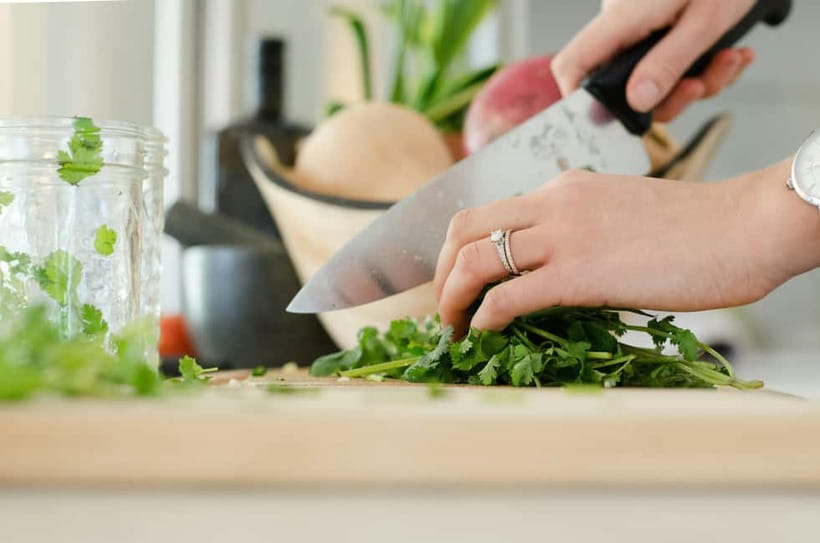
Three hours gives the visit enough time to feel like a real meal rather than a quick tasting. You have time for the welcome drink, the cooking demonstration, the meal, and conversation without forcing every part into a tight schedule.
The length also means you should avoid booking it immediately before another fixed evening plan. Cooking and conversation do not always run to the minute, especially in a private home. Flexible starting times help, but you should still allow breathing room around the activity.
A small group makes a difference here. The details list a limit of six participants in one place and eight in another, so I would confirm the maximum group size when booking. Either way, the experience is intended to be small rather than a large communal food tour.
With fewer people, you have a better chance to see the cooking clearly and ask questions. A larger group would make a home meal feel less personal, so the group limit is an important part of the value.
Is $20 a fair price?
At $20 per person, this is a strong value if you want food, cultural contact, and a cooking activity in one package. The price includes the Nepali dining experience, homemade food, the demonstration, raksi, Nepali tea, and complimentary dhau.
You are paying for more than the ingredients. A restaurant meal might cost less or more depending on the venue, but it would not normally include time with a local family or a look into the preparation. The cooking demonstration and personal setting are what justify the price.
The value is even better if you would otherwise book a separate food tour and restaurant meal. Here, the main meal and cultural exchange happen in one three-hour visit.
Transportation is the main extra cost to consider. It is not included, though the provider can arrange it on request. Since the exact home location is given after booking, ask for the transport price and pickup details before you finalize your plans.
Finishing with dhau and local honey
The meal ends with dhau, a creamy Nepali yogurt served with local honey. This is a gentle finish after lentils, rice, vegetables, and spiced curry.
The yogurt gives the meal a cool, smooth final course, while honey adds sweetness without turning the ending into a heavy dessert. It also helps the meal feel complete rather than ending abruptly after the savory dishes.
Dhau is included, so you do not need to budget extra for it. If you have dietary restrictions, ask how it is prepared and whether an alternative is possible. The available details do not specify dairy-free substitutions.
Who will enjoy this experience most
I would choose this activity if you want a personal introduction to Nepali food and prefer a home setting to a standard restaurant. It suits couples, solo visitors, families, and small groups who enjoy conversation and are open to a flexible meal.
It is also a good choice if you want a quieter side of Kathmandu. The suburban setting and rooftop valley view offer a change from the central city, particularly at dinner.
You may want to skip it if you need precise allergen control, have a serious medical condition, or do not feel comfortable eating in an informal home environment. The activity specifically advises against participation for people with respiratory issues, diabetes, food allergies, pre-existing medical conditions, recent surgeries, motion sickness, and nut allergies.
That list is broad. If any health concern applies to you, ask the provider for clarification before booking rather than relying on assumptions.
Practical booking advice
The meeting point is not published in advance. You receive the pinpoint location after booking, so leave time to understand where the home is and how you will reach it.
Transportation is not part of the $20 price. You can request arrangements, or organize your own route once you know the location. This is the one practical detail most likely to affect your total cost and evening plans.
The activity allows free cancellation up to 24 hours before the start time, and you can reserve now and pay later. Those options help if your Kathmandu schedule is still changing.
Starting times are flexible upon request. Still, confirm the time, group limit, menu, dietary suitability, and transport before you commit. The group information varies between six and eight participants, so getting the current number in writing is sensible.
Should you book this Kathmandu home meal?
Book it if you want a warm, low-key food experience built around a real family setting. The father-and-son cooking team, hands-on moments, traditional raksi, homemade dal bhat, and rooftop valley view give this meal more character than a standard restaurant visit.
The best reason to go is the combination of food and connection. You see how the meal is prepared, then share it with the people who made it. At $20, that is good value, provided you are comfortable arranging transport and eating in an informal home kitchen.
Skip it if your priority is a formal cooking school, a guaranteed fixed menu, or strict allergy controls. For everyone else, especially people who want to step away from central Kathmandu for an evening, this is an appealing and affordable way to eat Nepali food on a more personal level.
FAQ
How long does the Kathmandu home dining experience last?
The activity lasts three hours.
How much does the experience cost?
The listed price is $20 per person.
Can I choose lunch or dinner?
Yes. You can choose between lunch and dinner, with starting times available according to scheduling.
What food is served?
The meal may include dal bhat tarkari, khasi ko masu, seasonal vegetables, and vegan alternatives. Dessert is dhau, creamy yogurt served with local honey.
Are drinks included?
Yes. Complimentary raksi, traditional Nepali rice wine, and Nepali tea, called chia, are included.
Is transportation included?
No. Transportation to and from the host’s home is not included, but it can be arranged upon request.
What languages are available?
The host or greeter can communicate in English, Hindi, or Nepali.
How many people can join?
The experience is described as a small-group activity. The listed group limits vary between six and eight participants, so confirm the current maximum when booking.
More Dinners out in Kathmandu
- Kathmandu: Cultural Dinner Show with Traditional Dance
★ 4.2 · 27 reviews - Dinner with Cultural Show Kathmandu
★ 5.0 · 8 reviews - Kathmandu: Nepalese Cuisine dinner with traditional dance
★ 4.6 · 5 reviews - Nepali Dinner with Cultural Show in Kathmandu
★ 3.0 · 5 reviews
New in the Kathmandu listings
- Traditional Momo Making Class★ 5.0 · 10 reviews
- Kathmandu: Ancient City Kirtipur & Pharping Monastery Tour★ 5.0 · 2 reviews
- Kathmandu to Pokhara Premium sofa bus ticket★ 4.0 · 17 reviews
- Women Empowerment Project(Nepali cooking class & jewelry workshop★ 5.0 · 15 reviews
- 7-Day Langtang Valley Trek from Kathmandu★ 5.0 · 1 review
- Kathmandu 2 Nights 3 Days Chitwan Jungle Safari Tour★ 5.0 · 9 reviews
- Yoga Experience Day Trip with Private Transfer From Kathmandu★ 4.0 · 2 reviews
- Wildlife Adventure in Chitwan Nepal★ 4.0 · 4 reviews
Cooking Classes, compared.
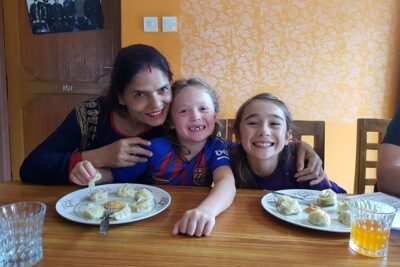
Nepalese Momos or Dal Bhat Cooking Class (Cook with Delight)
Read our review →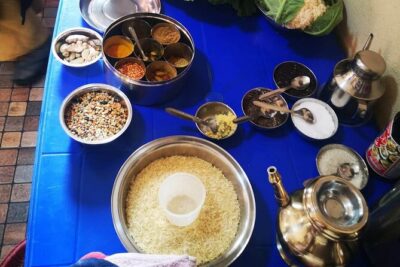
The best Private Nepali Cooking Class in Kathmandu
Read our review →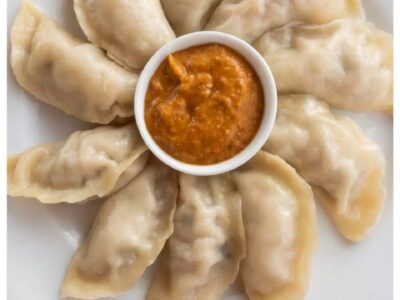
Nepalese Kitchen in Pokhara: Momos or Dal Bhat Cooking Class
Read our review →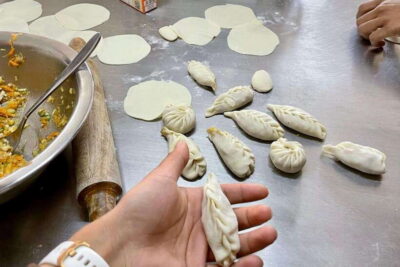
Browse the lists this tour appears in