
REVIEW · COOKING CLASSES
Half Day Cooking Class in Thamel with Local Market Visit
Cook Nepal, one hot plate at a time. This three-hour class combines a local market visit with hands-on lessons in Nepali and Newari cooking, then lets you eat each dish while it is still fresh. I especially like the small groups of eight or fewer and the freedom to adjust chili and other ingredients to your taste. One possible snag: the market visit may not happen on every schedule, especially on a Saturday morning.
At $21 per person, you get four courses, ingredients, equipment, masala tea, drinking water, and a walk-up meeting service inside Thamel. I also like that momos appear on every menu, though shoppers hoping to buy spices at the market should know that prices can feel high.
In This Review
- Key points to know before you book
- Why this Thamel cooking class is worth three hours
- Start with the market, when the timing allows
- Learning Nepali and Newari food at the stove
- Four courses, served fresh as you cook
- What the small-group format feels like
- Choosing the right time: 9 am, 1:30 pm, or 4:30 pm
- The $21 price and what you receive
- Spice levels, allergies, and menu choices
- What to bring and how to prepare
- Who should book this Kathmandu cooking experience?
- Should you book the Nepal Cooking School class?
- FAQ
- How long does the cooking class last?
- What time do the classes begin?
- How many dishes will I cook?
- Are momos included?
- Is the local market visit included?
- Is transportation included?
- Can I adjust the food for spice preferences or dietary restrictions?
Key points to know before you book
- Four dishes, cooked and eaten in stages: You prepare one course, eat it hot, then move to the next.
- Momos are included on every menu: You will not have to choose between a menu with momos and one without them.
- Three traditional menus: You can select from different combinations of Nepali and Newari dishes, with some flexibility to swap or adjust items.
- Small groups of up to eight: The format gives you a better chance to ask questions and receive help at the stove.
- Three start times: Classes begin at 9 am, 1:30 pm, or 4:30 pm.
- Market access can vary: The food market is part of the planned experience, but it did not take place for one Saturday morning booking.
Why this Thamel cooking class is worth three hours
Thamel is full of restaurants, cafés, and souvenir shops, so it is easy to eat well without learning much about the food. This class gives you a reason to step behind the menu and see how Nepalese cooking comes together.
You are not simply shown a finished plate. The chef takes you through the process step by step, and you prepare four courses yourself. That matters because you can see how ingredients change during cooking, taste as you go, and decide how much chili or seasoning suits you.
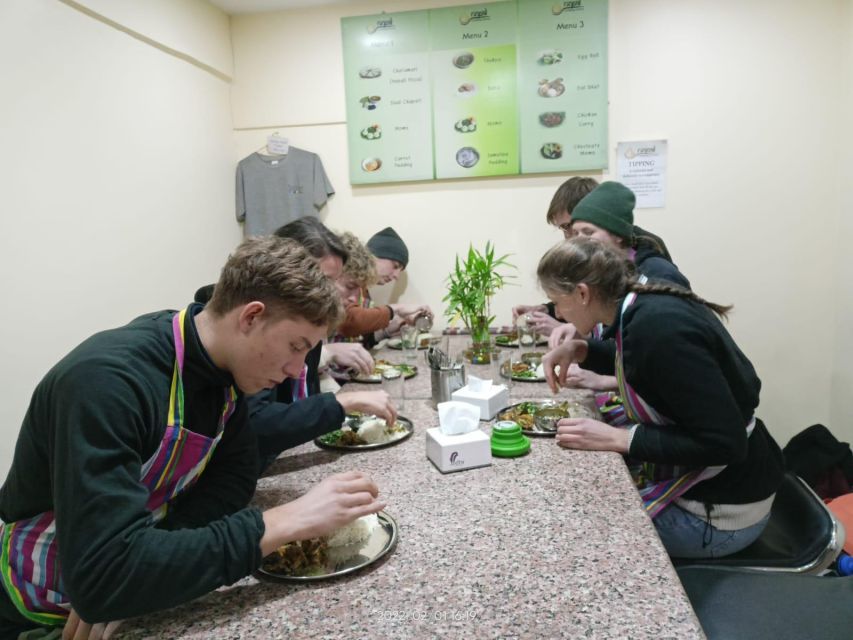
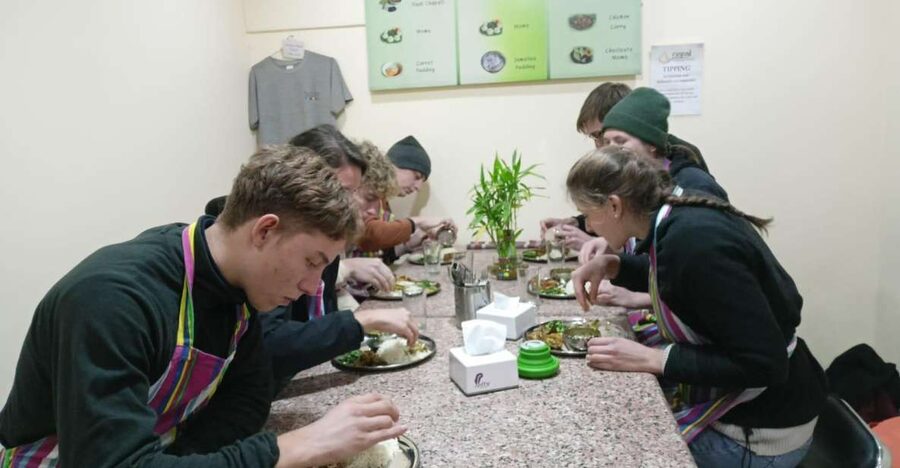
The format is also pleasantly practical. You cook one course, eat it, and then continue. Your food does not sit under a heat lamp while someone else finishes the entire class. If you are hungry after a morning walk through Kathmandu, that steady stream of fresh food is a real advantage.
I would not describe this as a formal culinary school course. It is a friendly introduction to local food, spices, and basic techniques, with enough hands-on work to make the experience useful after you return home.
More Cooking Classes in Kathmandu
- Half day cooking class in Thamel kathmandu
★ 5.0 · 607 reviews - Kathmandu: Local Women-Led Nepali Cooking & Momo Class
★ 4.9 · 360 reviews - Kathmandu: Local Lead Nepali Cooking & Momo-Making Class
★ 5.0 · 212 reviews
Start with the market, when the timing allows
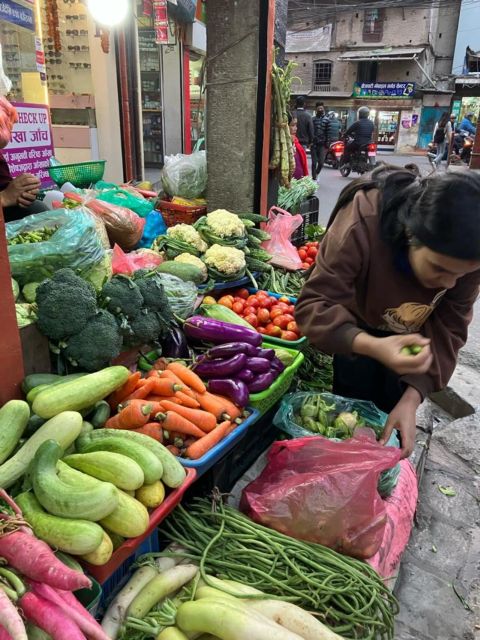
The class is designed to begin with a visit to a local market to choose fresh ingredients. This is more than a shopping errand. It gives you a first look at the raw materials behind the dishes you will prepare and helps connect the cooking lesson to daily life in Kathmandu.
The market portion should help you recognize local spices and understand how ingredients are selected. Your instructor can explain what goes into the recipes before you begin handling the food yourself.
Still, you should treat the market visit as a planned feature rather than an absolute guarantee. One Saturday morning booking did not include the market stop. The reason was not confirmed, but the timing may have played a role. If seeing the market is a major reason for booking, ask about that part when you reserve.
There is another practical point. Spices bought at the market may cost more than you expect. One participant found the spices expensive, even while hoping they were good quality. I would enjoy the market for the lesson and atmosphere, but I would compare prices before buying a large supply to take home.
Learning Nepali and Newari food at the stove
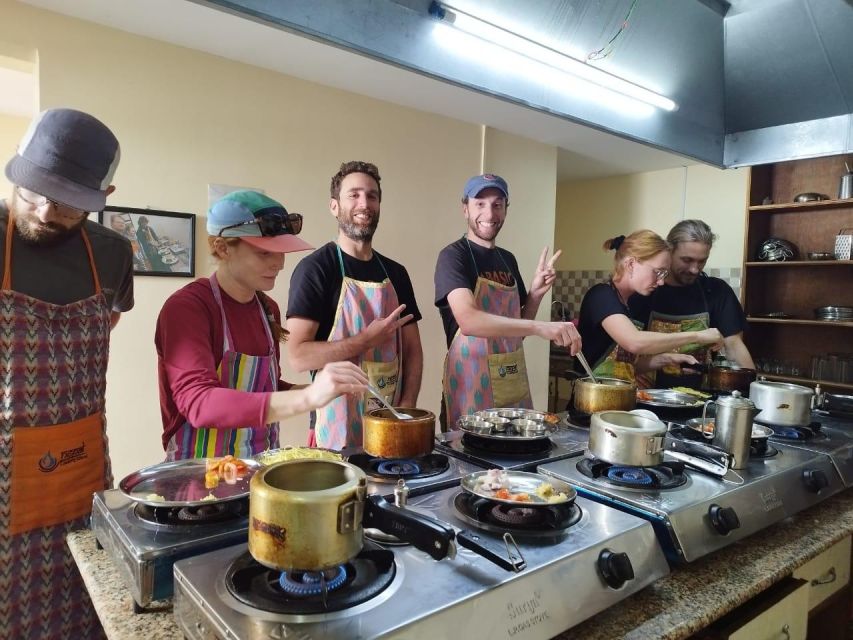
After the shopping visit, you move into the cooking part of the class. The instructor explains the ingredients, spices, and cooking methods while guiding you through each dish.
The class offers three different four-dish menus. That gives you some choice instead of forcing every person to cook the exact same meal. Even within a menu, dishes may be adjusted or exchanged when possible, which is useful if one ingredient does not suit you.
The recipes draw from both Nepali and Newari food traditions. That distinction gives the class more range than a lesson built around one familiar dish. Newari cooking is closely associated with the Kathmandu Valley, so you get a taste of a food tradition that can be harder to identify when you are simply ordering from a general Nepalese restaurant menu.
You do not need advanced cooking skills. The instructor leads each stage, and the small group size keeps the session manageable. You can ask for clarification, watch how a technique is done, and then try it yourself.
The class is taught in English. That makes the explanations accessible to English-speaking visitors, though the exact pace may depend on the group. A small group of eight is much easier to teach than a large demonstration class, especially when several people are cooking at once.
Four courses, served fresh as you cook
The most appealing part of the format is the order of service. You cook one course and then eat it before moving on. This keeps the meal hot and gives you a chance to notice what you have made.
It also makes the class feel less like a lecture. Your attention moves between preparation, tasting, and conversation. If a dish needs more heat, you can add chili. If you prefer a gentler flavor, you can use little or none.
That flexibility is helpful because spice tolerance varies sharply. You are not locked into the instructor’s preferred level of heat. You can make choices that reflect how you actually eat.
Momos are included on all three menus. This is a smart decision because dumplings are among the foods many people most want to learn in Nepal. Their presence also gives the class a familiar anchor while the other courses introduce less familiar flavors.
Come hungry. Four courses, plus the tasting and masala tea, make this a substantial meal rather than a small sample. If you have an evening class, you may want to avoid eating a large lunch first.
A completely different way to spend the day:
- Everest Base Camp Trek – 14 Days
★ 5.0 · 1,499 reviews - Private Kathmandu Sightseeing Tour | UNESCO World Heritage sites
★ 5.0 · 756 reviews - Everest Base Camp Helicopter Tour landing at Everest View Hotel
★ 5.0 · 668 reviews - Everest Base Camp Trekking
★ 5.0 · 485 reviews
What the small-group format feels like
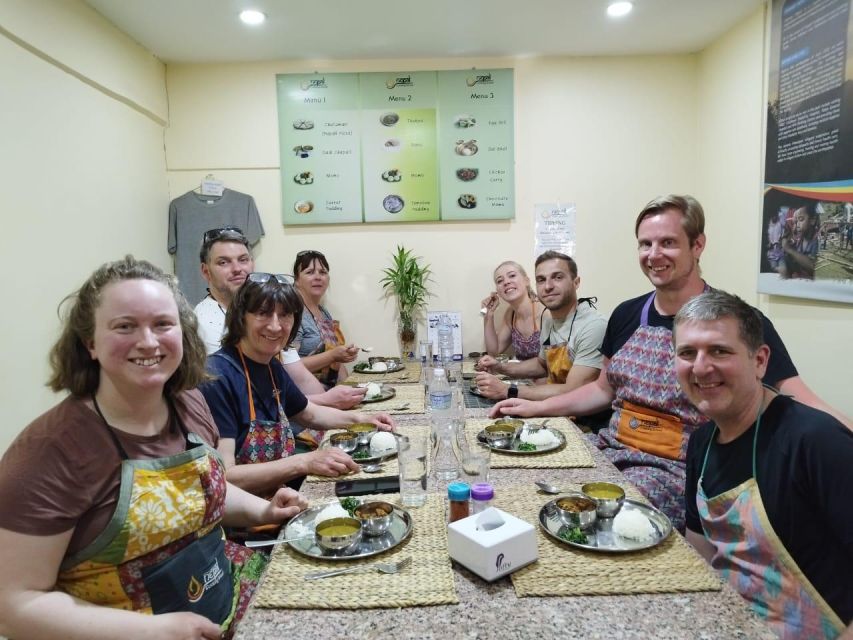
The maximum group size is eight people. That is small enough to feel personal but large enough to create a social cooking table rather than a private lesson.
I like this size for a class where everyone needs access to ingredients and equipment. You have a better chance of following the action, and the instructor can help when a technique needs correction.
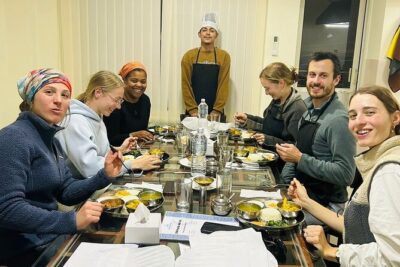
The atmosphere appears to be relaxed and welcoming. A solo participant felt comfortable from the first minute, and another described the experience as closer to visiting a family of cooks than attending a formal course. That is useful information if you are traveling alone or worry about arriving without companions.
A family of cooks leads the school, and one participant noted that the family grows its own spices. That detail adds a personal connection to the food. It also gives you a natural opening to ask where the spices come from and how they are used.
The friendly approach does have a trade-off. If you want a highly technical lesson with exact measurements, professional knife drills, and a printed curriculum, this may feel informal. The value here is participation, flexibility, and local contact.
Choosing the right time: 9 am, 1:30 pm, or 4:30 pm
You can choose among three daily shifts:
- 9 am
- 1:30 pm
- 4:30 pm
The morning class works well if you want the rest of the day free. It may also be the best fit if a market visit is especially important, though you should confirm the market schedule rather than assume it will happen.
The 1:30 pm class is a useful middle option. You can take a slower morning in Thamel, eat a light breakfast, and arrive ready for a late lunch.
The 4:30 pm class turns the experience into an evening meal. Since you cook and eat as you go, it can replace dinner, but you should arrive with room for four courses.
Each session lasts about three hours. The stated duration is also described as two to three hours, so allow the full three hours in your plans. The class includes a walk-up meeting service within Thamel, but pickup outside the area and private transportation are not included.
The $21 price and what you receive
At $21, this is a strong value if you want both an activity and a meal. The price includes the cooking class, four courses, all equipment, all ingredients, the market visit, an English-speaking instructor, masala tea, drinking water, and the food you prepare.
A restaurant meal alone would not give you the same chance to understand the ingredients or practice the methods. You also leave with recipes and techniques you can try again, although the supplied details do not specify whether printed recipe cards are provided.
The value is strongest for people who enjoy active experiences. If you only want to taste Nepalese food, a restaurant is simpler and probably faster. Here, part of what you pay for is the time spent preparing, asking questions, and making decisions about flavor.
The price does not include alcoholic drinks, private transport, or pickup beyond Thamel. Those exclusions are easy to manage, but they matter if you are staying outside the district or want door-to-door service.
Spice levels, allergies, and menu choices
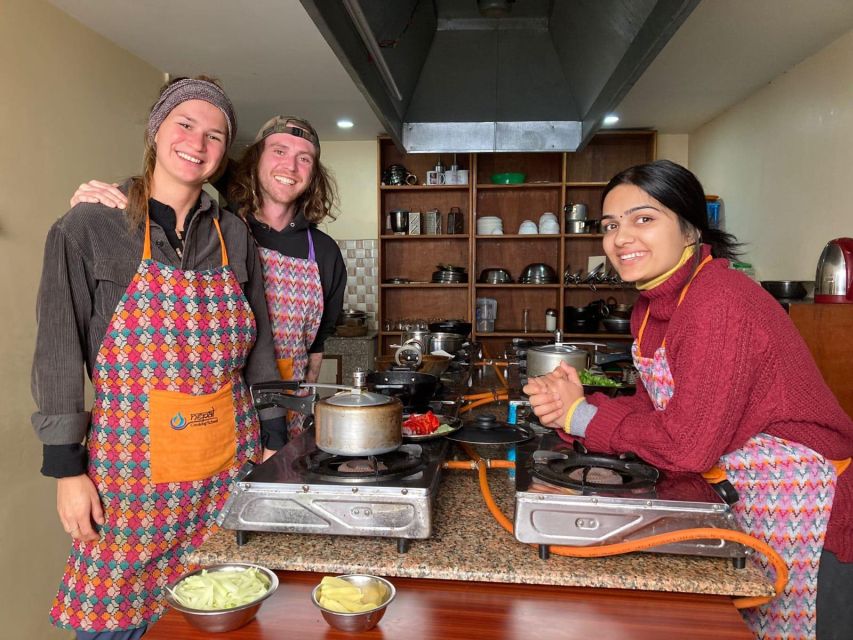
The class lets you control the amount of chili, which is one of its most useful features. You can make a dish hot, mild, or somewhere in between instead of accepting one fixed version.
You should tell the cooking school about allergies or dietary restrictions before the class. The instructor may be able to suggest alternative ingredients or adjust a dish, but you should not wait until the cooking begins to raise the issue.
The three menus add useful variety, but the exact dishes on each menu are not specified here. You can expect four traditional dishes per menu and momos on every option. Ask what is being prepared on your date if you have a strong preference.
This is also a good activity for a mixed group with different tastes. One person can ask for more chili, while another keeps the food mild. The flexibility makes the meal more enjoyable than a fixed tasting plate.
What to bring and how to prepare
Bring a camera if you want to record the market, ingredients, or finished dishes. You will also want to arrive ready to cook and eat, rather than treating this as a quick demonstration.
Wear something comfortable for a three-hour cooking session. The official information only specifically asks you to bring a camera, so I would not assume that special equipment or clothing is required.
Check the date, start time, meeting point, and duration before you go. If you are relying on the market visit, confirm that detail too, particularly for a Saturday morning booking.
The class offers free cancellation up to 24 hours before the start time. You can also reserve now and pay later, which helps if your Kathmandu plans are still changing.
Who should book this Kathmandu cooking experience?
I would recommend it to solo visitors, couples, and small groups who want a meal with some effort behind it. Solo participants should feel comfortable joining because the class is designed for small groups and has a friendly tone.
It also suits families or friends with different spice preferences. The ability to control chili and adjust some dishes means you are not all forced into one flavor profile.
Food-focused visitors will get the most from the market explanation, spice lesson, and chance to cook Newari dishes. It is also a good rainy-day plan, though the market section may be less appealing in poor weather and is not guaranteed in every session.
I would be more cautious if you need a strict dietary program, guaranteed market access, or a highly technical cooking curriculum. Contact the school first about allergies, menu details, and the market schedule.
Should you book the Nepal Cooking School class?
Book it if you want a friendly, hands-on introduction to Nepali and Newari food for $21. The strongest reasons are the four-course format, fresh tasting as you cook, momos on every menu, flexible spice levels, and a small group capped at eight.
Keep your expectations realistic. The market visit can vary, spice purchases may be costly, and the lesson is designed as a relaxed cultural cooking experience rather than professional chef training.
For most visitors staying in Thamel, this is an easy way to turn lunch or dinner into an activity. Choose the morning slot if the market matters most, the afternoon for a flexible day plan, or the 4:30 pm class if you want to cook your own evening meal.
FAQ
How long does the cooking class last?
The experience lasts about three hours. The class information also describes the cooking portion as two to three hours, so you should allow three hours in your schedule.
What time do the classes begin?
There are three daily start times: 9 am, 1:30 pm, and 4:30 pm.
How many dishes will I cook?
You will cook four traditional Nepali and Newari dishes. You cook one course at a time and eat it fresh before continuing.
Are momos included?
Yes. Momos are included on each of the three available menus.
Is the local market visit included?
Yes, the local market visit is included in the experience. However, the market visit did not take place for one Saturday morning booking, so confirm the schedule if this is important to you.
Is transportation included?
A walking pickup is included inside the Thamel area. Pickup outside Thamel and private transportation are not included.
Can I adjust the food for spice preferences or dietary restrictions?
You can adjust the amount of chili and other ingredients to suit your taste. You should inform the cooking school about allergies or dietary restrictions in advance so the instructor can suggest alternatives or make suitable adjustments.
More Market Mornings in Kathmandu
- Kathmandu Secret Food Crawl & Local Market Tour
★ 4.7 · 54 reviews - Best Nepali Cooking Class in Thamel with Local Market Trip
★ 5.0 · 26 reviews - Kathmandu Food Crawl & Market Tour
★ 5.0 · 26 reviews - Oldest Local Market Walking Tour with Living Goddess Kumari
★ 5.0 · 8 reviews
New in the Kathmandu listings
- Traditional Momo Making Class★ 5.0 · 10 reviews
- Kathmandu: Ancient City Kirtipur & Pharping Monastery Tour★ 5.0 · 2 reviews
- Kathmandu to Pokhara Premium sofa bus ticket★ 4.0 · 17 reviews
- Women Empowerment Project(Nepali cooking class & jewelry workshop★ 5.0 · 15 reviews
- 7-Day Langtang Valley Trek from Kathmandu★ 5.0 · 1 review
- Kathmandu 2 Nights 3 Days Chitwan Jungle Safari Tour★ 5.0 · 9 reviews
- Yoga Experience Day Trip with Private Transfer From Kathmandu★ 4.0 · 2 reviews
- Wildlife Adventure in Chitwan Nepal★ 4.0 · 4 reviews
Cooking Classes, compared.
Nepalese Momos or Dal Bhat Cooking Class (Cook with Delight)
Read our review →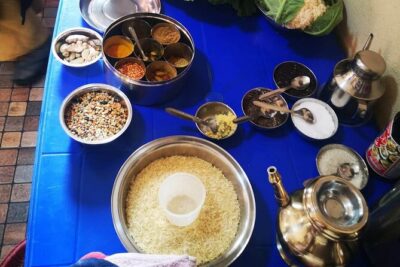
The best Private Nepali Cooking Class in Kathmandu
Read our review →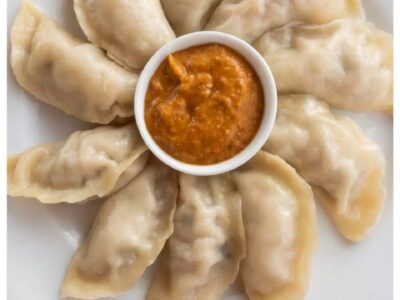
Nepalese Kitchen in Pokhara: Momos or Dal Bhat Cooking Class
Read our review →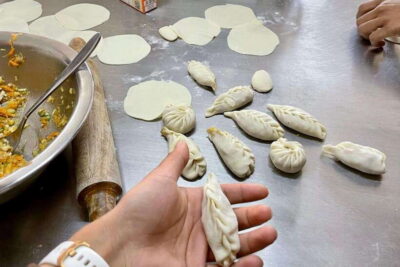
Browse the lists this tour appears in