
REVIEW · COOKING CLASSES
Kathmandu: Local Lead Nepali Cooking & Momo Making Class
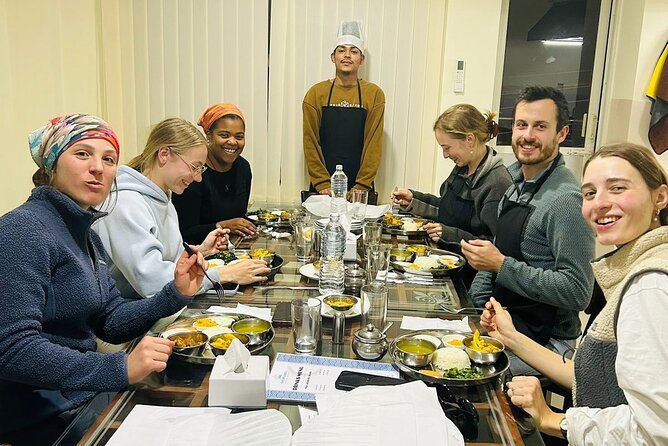
Food is the fastest way to meet Nepal. This Kathmandu cooking class puts you to work with momo, dal bhat, and other traditional dishes, beginning with a market or shop visit for fresh ingredients. I like the small-group format, capped at 10 people, and the patient, practical teaching praised by people who worked with instructors such as Vikram and Niche.
I also like that you eat what you prepare, with Nepali masala tea included. At only $4 per person, the value looks remarkable, though you should check the exact booking option carefully because hotel pickup and drop-off are optional, and the class may require at least two participants to run.
In This Review
- Key points to know
- Starting near Thamel at the Kathmandu Cooking Academy
- The market visit comes before the cooking
- Preparing momo, dal bhat, and more
- Why the small group makes a difference
- Sitting down to eat your own work
- The value of a $4 cooking class
- Practical comfort and access
- Who will enjoy this class most
- Booking tips for a smoother class
- Should you book the Kathmandu cooking class?
- FAQ
- Where does the cooking class take place?
- Is hotel pickup included?
- How long does the activity last?
- What dishes will I learn to cook?
- Is food and tea included?
- How many people can join the class?
- Can I cancel my booking?
Key points to know
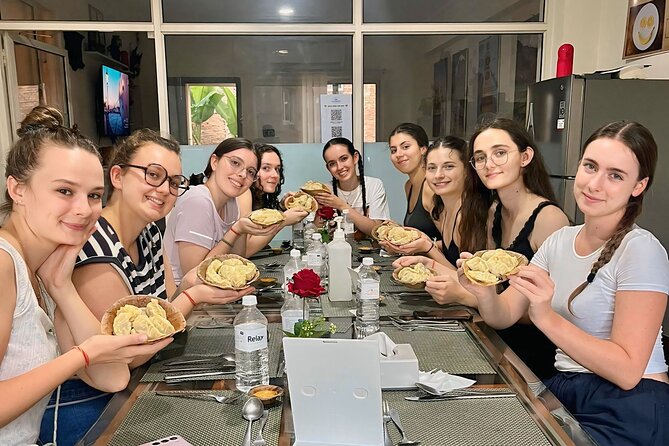
- Momo folding is the hands-on highlight: You do not simply watch a demonstration. You practice preparing and shaping Nepal’s famous dumplings.
- The market stop adds useful context: You help choose ingredients before returning to the kitchen, linking the cooking lesson to everyday food shopping in Kathmandu.
- The class lasts about three hours: Allow three to four hours from pickup, market visit, cooking, tasting, and any return transfer.
- Groups stay small: A maximum of 10 participants allows more personal help with recipes and tricky techniques.
- You can choose extra dishes: Momo and dal bhat are the main courses, but the available menu may also include dishes such as bara and yomari.
- The price is unusually low: At $4, this is one of the least expensive food activities in Kathmandu, but pickup, drinks beyond masala tea, and photos cost extra.
Starting near Thamel at the Kathmandu Cooking Academy
The cooking class takes place at the Kathmandu Cooking Academy, a 10 to 15 minute walk from Thamel. That location makes the meeting point fairly easy to reach if you are staying in the central tourist district.
Look for the academy sign outside the building. Staff meet you at the entrance and direct you to registration. Arrive at least 15 minutes early, especially if you are finding the building on foot or have arranged pickup.
You can also choose hotel pickup and drop-off from locations within Kathmandu Valley. This is useful if you are staying outside Thamel or would rather avoid figuring out the route through Kathmandu traffic. Since pickup is optional, check that you have selected it and supplied your hotel details when booking.
The academy is described as clean and well equipped. That matters in a cooking class. You want enough counter space, proper equipment, and a dining area where you can sit down after working in the kitchen.
More Cooking Classes in Kathmandu
- Half day cooking class in Thamel kathmandu
★ 5.0 · 607 reviews - Kathmandu: Local Women-Led Nepali Cooking & Momo Class
★ 4.9 · 360 reviews - Kathmandu: Local Lead Nepali Cooking & Momo-Making Class
★ 5.0 · 212 reviews
The market visit comes before the cooking
The class begins with a short walk to a nearby market or shop to buy ingredients. This is more than a shopping errand. It gives you a quick look at the food side of Kathmandu before you start cooking.
You go with the chef, who explains the ingredients and helps select what the group needs. The exact market and shopping time can vary, so you should not expect a long guided food tour. Think of it as a practical introduction to the ingredients used in the class.
I like this part because it gives the dishes a setting. Momo and dal bhat are not just recipes printed on a card. They are part of daily Nepali food culture, and seeing the buying process helps explain how the meal comes together.
The market stop also means the class is not completely fixed from the start. The menu can include two main courses, a dessert, and additional Nepali dishes chosen from the available options. Dietary needs should be shared in advance so the kitchen can adjust the plan where possible.
Preparing momo, dal bhat, and more
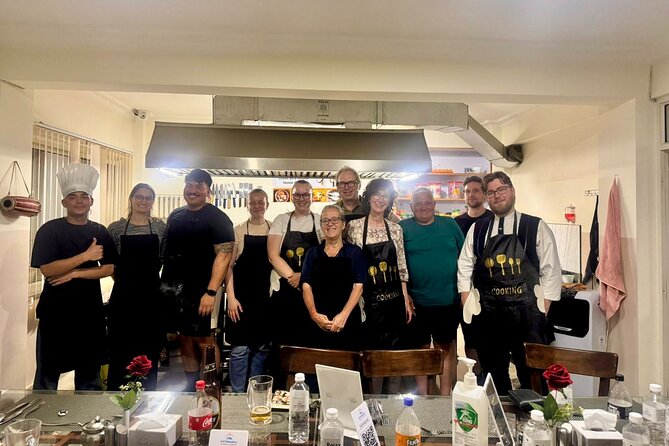
Back at the academy, the chef leads the group through the cooking process step by step. The lesson centers on momo and dal bhat, two dishes that give you a useful introduction to Nepali cooking.
Momo are the famous filled dumplings found across Nepal. The cooking process includes preparing them and learning how to fold the dough into the correct pattern. This is the part where patience helps. The shape can look simple when someone else does it, but your first few attempts may be less tidy.
That is also where individual instruction matters. The class size is limited to 10, and the teaching style is intended to be active rather than purely demonstrative. People who worked with Vikram described his guidance as clear, patient, and encouraging. Niche was praised for an energetic and funny approach, along with strong explanations of Nepali culture.
Dishes beyond the two main courses may be available. Previous menu choices included bara and yomari, giving you a chance to try something different from the usual momo lesson. The exact choices depend on the class decision and the options available that day, so do not assume every dish will be offered at every session.
Dal bhat provides a useful contrast to momo. Instead of focusing on one folded item, you learn about a familiar Nepali meal built around lentils, rice, and accompanying dishes. The class is therefore not just a lesson in making dumplings. It introduces different ways Nepali meals are prepared and served.
Why the small group makes a difference
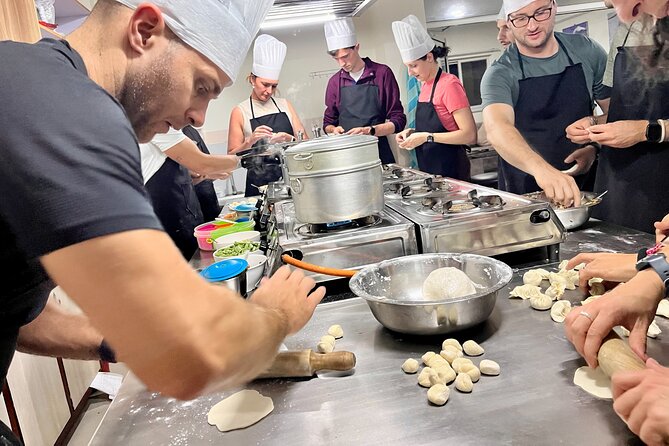
A 10-person maximum is a sensible size for a cooking class. You can share a social table, but the chef still has a reasonable chance to watch your technique and answer questions.
The best evidence of this comes from the repeated praise for clear instructions and hands-on help. One participant prepared three dishes, including momo, bara, and yomari, while another group worked with a chef and two assistants. That staffing can make a real difference when several people need help at once.
The pace also appears to be comfortable. You should expect to spend around three hours preparing and cooking, rather than rushing through a short demonstration. That gives you time to repeat a technique, correct a fold, and ask about ingredients or methods.
Still, a group class is not a private lesson. The menu may be decided by the group, and the amount of individual attention can change depending on how many people attend. If you want a fully tailored cooking session, confirm the group arrangement before booking.
A completely different way to spend the day:
- Everest Base Camp Trek – 14 Days
★ 5.0 · 1,499 reviews - Private Kathmandu Sightseeing Tour | UNESCO World Heritage sites
★ 5.0 · 756 reviews - Everest Base Camp Helicopter Tour landing at Everest View Hotel
★ 5.0 · 668 reviews - Everest Base Camp Trekking
★ 5.0 · 485 reviews
Sitting down to eat your own work
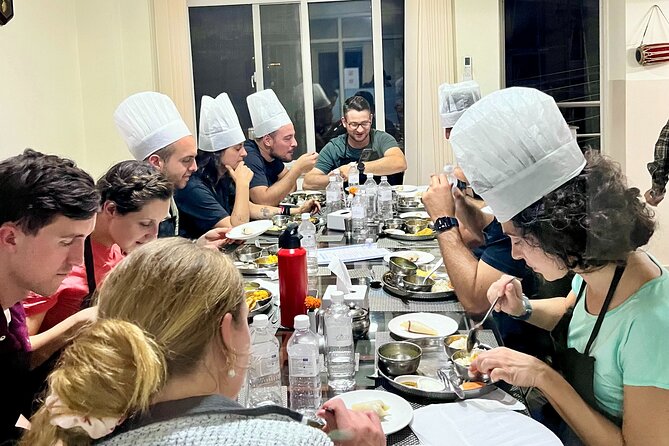
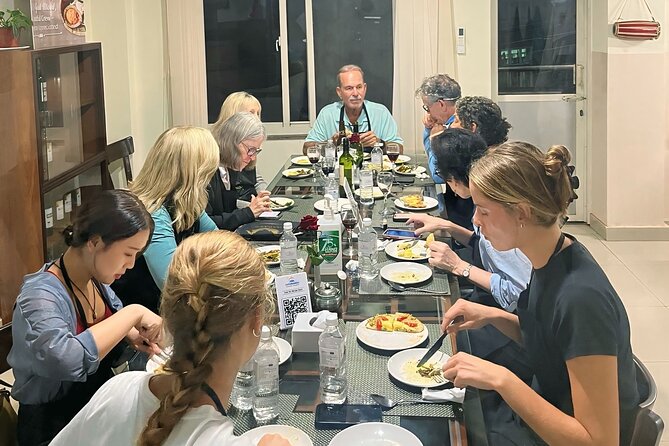
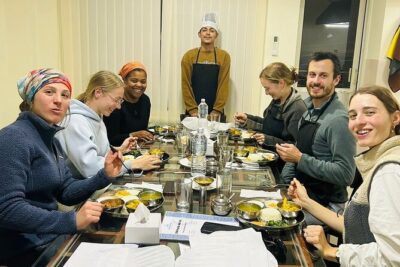
After the cooking is finished, you sit down to taste the food in the academy’s dining area. The meal typically includes two main courses, a dessert, and complimentary Nepali masala tea.
This tasting session is an important part of the class. You can see how the dishes should look and taste, then compare the result with what you may have eaten in Kathmandu restaurants. It also gives you a relaxed end to a fairly active morning or afternoon.
The portions have been described as plentiful, and the kitchen is intended to provide a complete meal rather than a token sample. You may want to arrive hungry, as one useful piece of advice from a previous participant was to bring an empty stomach.
Specialty drinks and alcohol are not included. Masala tea is provided, but you should budget separately if you want anything else to drink. Professional photos and videos are also available only for an additional fee.
The value of a $4 cooking class
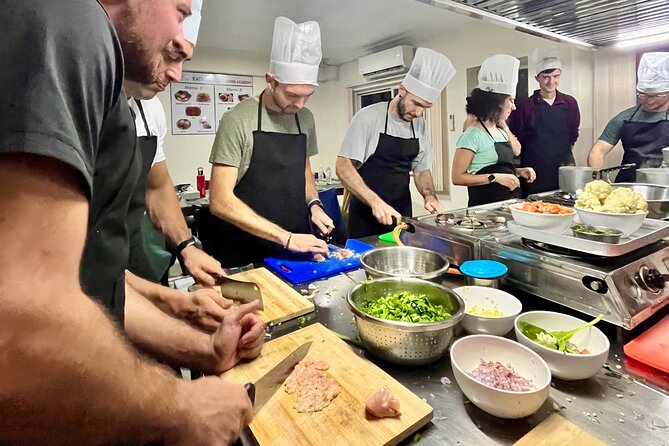
At $4 per person, this class is priced far below many organized food activities. If the listed price applies to your chosen date and option, it is excellent value simply because you receive instruction, market shopping, equipment use, a cooked meal, dessert, and tea within three to four hours.
The low price does come with a few details to check. Pickup and drop-off are optional, so the $4 rate may not include transport. Specialty drinks, alcohol, and professional photography are also extra.
You should also confirm the final menu and the class start time before you pay. Availability determines the start time, and the class may require at least two participants. If the minimum is not met, you are offered another date or a full refund.
For most people, the main value is not the amount of food. It is the fact that you leave with recipes, folding practice, and a better understanding of dishes you can try to prepare at home. Several people finished the class feeling confident about cooking Nepali food for friends and family.
Practical comfort and access
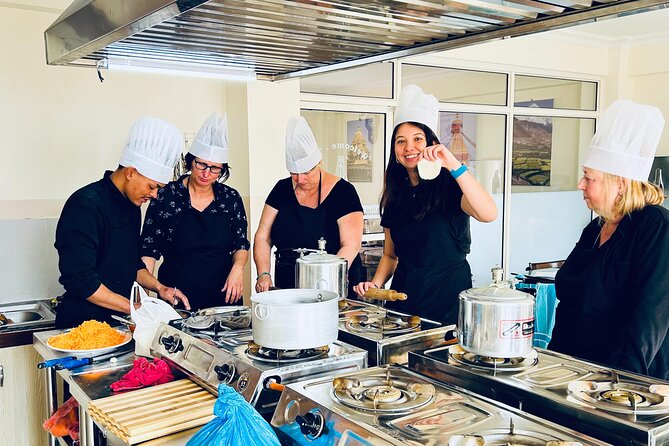
The class is listed as wheelchair accessible, which is useful information for anyone checking access before booking. You should still share any mobility needs with the provider in advance so the arrangements are clear.
Comfortable clothing is the right choice. You will be actively preparing food rather than sitting through a formal presentation, and the class includes movement between the market and kitchen.
Children under five are not suitable for the activity, and it is not intended for people over 95. The working format, cooking equipment, and three-hour duration are the reasons to think carefully about comfort and stamina.
The teaching language is English. Dietary restrictions and food preferences should be communicated in advance. The class offers menu flexibility, but the provider needs notice if you require changes.
Who will enjoy this class most
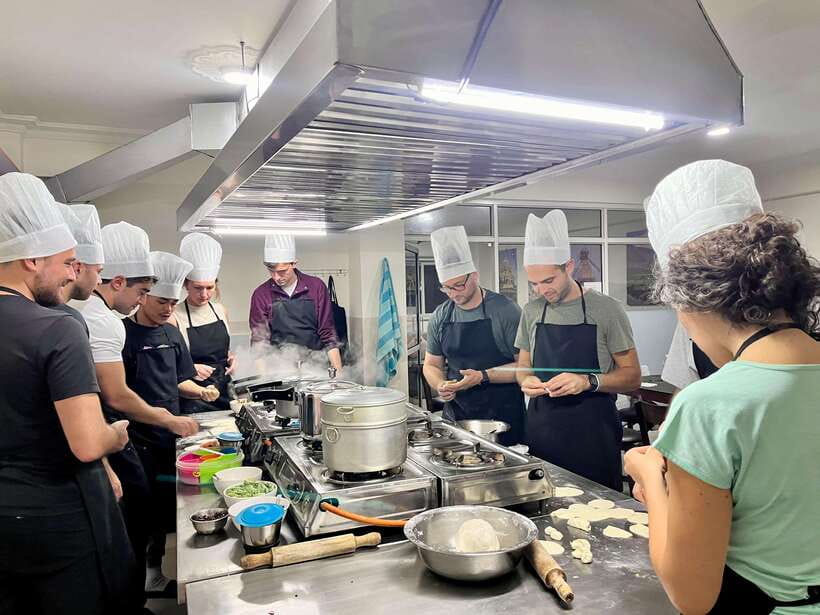
I would recommend this for people who want more than a restaurant meal. It suits food lovers, curious home cooks, and anyone who has eaten momo or dal bhat in Nepal and wants to understand how the dishes are made.
It is also a good choice for a rainy day in Kathmandu, since the cooking and meal provide several hours indoors. Couples, friends, and solo participants who enjoy small-group activities should fit comfortably into the format.
You may want to skip it if you dislike group cooking, have very strict dietary requirements that were not discussed in advance, or want a long market tour with extensive food tastings. The market visit is short and practical, while the main focus remains cooking.
This is also not the right choice if you need a fully private class. The group can include up to 10 people, and the menu may be shaped by the choices of the wider class.
Booking tips for a smoother class
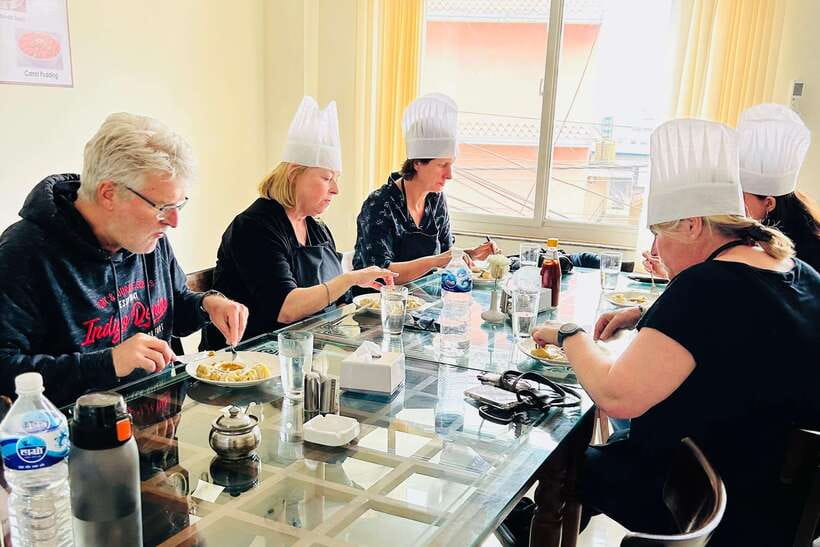
Check the meeting point and transport option before leaving your hotel. The academy is walkable from Thamel, but Kathmandu’s streets and traffic can make a pickup worthwhile if you are staying farther away.
Arrive 15 minutes early. This leaves time for registration and reduces the chance of missing the group’s market visit.
Tell the provider about dietary restrictions when you book. Do not wait until the cooking has already begun. Also confirm the dishes available on your date if you have your heart set on something beyond momo and dal bhat.
Bring a camera if you want pictures of the market, kitchen, or finished meal. Professional photographs and videos are not included, so casual photos are your main included option.
Free cancellation is available up to 24 hours before the activity for a full refund. You can also reserve and pay later, which helps if your Kathmandu plans are still shifting.
Should you book the Kathmandu cooking class?
Book it if you want a low-cost, hands-on introduction to Nepali food and you like the idea of eating a meal you helped prepare. The market visit, small group, patient instruction, and chance to practice momo folding give the class more substance than a simple restaurant meal.
The $4 price makes it especially appealing, provided you confirm what your selected option includes. Just remember that pickup, drinks beyond masala tea, and professional photos are separate, and the exact menu may vary.
For the best fit, arrive hungry, wear comfortable clothes, give advance notice about dietary needs, and expect to share the kitchen with other participants. If you are happy with that format, this class offers a practical souvenir of Kathmandu: the ability to make a few Nepali dishes at home.
FAQ
Where does the cooking class take place?
The class takes place at the Kathmandu Cooking Academy. It is about a 10 to 15 minute walk from Thamel.
Is hotel pickup included?
Hotel pickup and drop-off are available as an optional booking choice. The service covers locations within Kathmandu Valley, and you need to provide your hotel details.
How long does the activity last?
The full experience lasts approximately three hours, though you should allow three to four hours depending on the selected option and transport.
What dishes will I learn to cook?
Momo and dal bhat are the main courses. You may also choose from additional Nepali dishes, with options such as bara and yomari available depending on the class.
Is food and tea included?
The tasting session includes the dishes you prepare, typically two main courses and a dessert. Nepali masala tea is complimentary, while specialty and alcoholic drinks cost extra.
How many people can join the class?
The class is a small-group activity with a maximum of 10 participants. A minimum of two participants may be required for the class to operate.
Can I cancel my booking?
You can cancel up to 24 hours in advance for a full refund. The activity also offers a reserve-now-and-pay-later option.
New in the Kathmandu listings
- Traditional Momo Making Class★ 5.0 · 10 reviews
- Kathmandu: Ancient City Kirtipur & Pharping Monastery Tour★ 5.0 · 2 reviews
- Kathmandu to Pokhara Premium sofa bus ticket★ 4.0 · 17 reviews
- Women Empowerment Project(Nepali cooking class & jewelry workshop★ 5.0 · 15 reviews
- 7-Day Langtang Valley Trek from Kathmandu★ 5.0 · 1 review
- Kathmandu 2 Nights 3 Days Chitwan Jungle Safari Tour★ 5.0 · 9 reviews
- Yoga Experience Day Trip with Private Transfer From Kathmandu★ 4.0 · 2 reviews
- Wildlife Adventure in Chitwan Nepal★ 4.0 · 4 reviews
Cooking Classes, compared.
Nepalese Momos or Dal Bhat Cooking Class (Cook with Delight)
Read our review →
The best Private Nepali Cooking Class in Kathmandu
Read our review →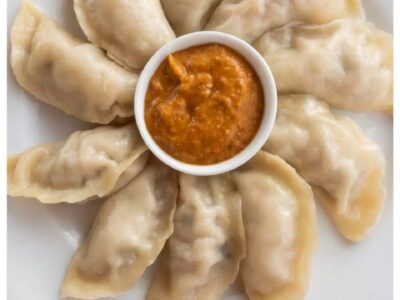
Nepalese Kitchen in Pokhara: Momos or Dal Bhat Cooking Class
Read our review →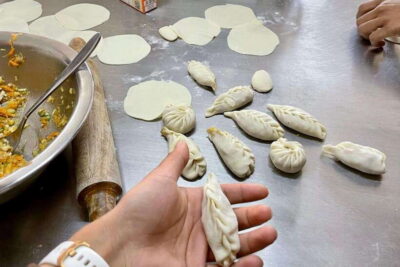
Browse the lists this tour appears in