
REVIEW · COOKING CLASSES
Kathmandu: Momo Making Class with a Local Chef
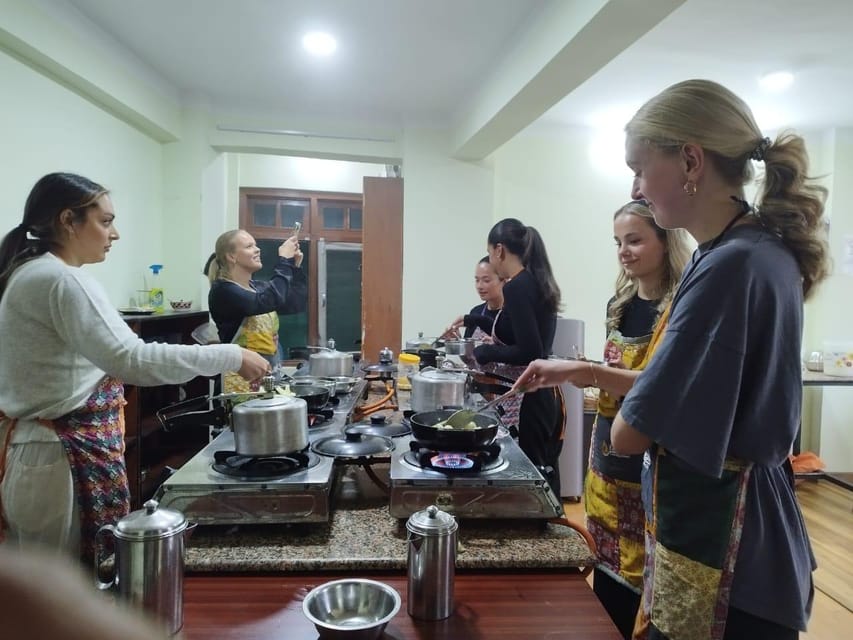
Momos are Nepal’s best edible souvenir. This one-hour class in Thamel lets you make them from scratch with a local chef, from mixing dough to folding and cooking the dumplings. I especially like the hands-on format and the chance to eat what you prepare. The small group, limited to eight people, should also give you room to ask questions.
I also like that the class covers the whole process rather than only demonstrating it. You prepare the filling, handle the seasonings, shape the dumplings, and cook them yourself. The main drawback is the short duration. One hour is enough for a useful introduction, but not enough for a long lesson on Nepalese food or many different momo styles.
In This Review
- Key things to know before booking
- Why momos make a good Kathmandu food class
- Finding Nepal Cooking School in Thamel
- The first minutes: meeting the English-speaking instructor
- Mixing the dough and preparing the filling
- Folding momos by hand
- Cooking and eating your own momos
- What the one-hour schedule means for you
- Value, flexibility, and practical planning
- Who should book this momo class?
- Should you book the Nepal Cooking School class?
- FAQ
- Where does the momo class take place?
- How long does the class last?
- Is the class taught in English?
- What is included in the activity?
- What should I wear or bring?
- How many people can join the class?
Key things to know before booking
- You make the entire dish: Mix the dough, prepare the filling, fold the momos, cook them, and eat the finished result.
- The class takes place in Thamel: Find Nepal Cooking School on Paknjaol Marg, opposite Ganesh Temple, on the third floor of the building with Delicious Pizza.
- The group is limited to eight: This is a better setup for questions and individual help than a large demonstration class.
- English instruction is provided: The chef or instructor leads the lesson in English.
- The class lasts one hour: It fits neatly into a morning, afternoon, or evening in Kathmandu.
- Come ready to work: Wear comfortable clothing, and choose clothes that can get dirty.
Why momos make a good Kathmandu food class
A momo looks simple: dough wrapped around a seasoned filling, then cooked. The useful part of this class is learning how the pieces fit together. A tough wrapper, a dry filling, or a loose fold can spoil the result. Making the dumplings yourself helps you understand the small choices behind a food you will see all over Nepal.
Momos are associated with Tibet, Nepal, and the Himalayan regions. In Kathmandu, they are a familiar part of everyday eating, not just a dish prepared for special occasions. A cooking lesson gives you more than a plate of food. It gives you a little context for something you are likely to encounter repeatedly during your time in Nepal.
I like the way this class keeps the focus on one dish. Some cooking lessons try to cover a full menu and leave you rushing through every recipe. Here, the hour is centered on the dough, filling, shape, and cooking method. That focus makes the class easy to follow, especially if you have never made dumplings before.
The format also suits people who want to do rather than watch. You will work with flour, water, vegetables, ground meat if you choose a nonvegetarian filling, spices, and seasonings. Expect a practical lesson, not a polished show kitchen performance.
More Cooking Classes in Kathmandu
- Half day cooking class in Thamel kathmandu
★ 5.0 · 607 reviews - Kathmandu: Local Women-Led Nepali Cooking & Momo Class
★ 4.9 · 360 reviews - Kathmandu: Local Lead Nepali Cooking & Momo-Making Class
★ 5.0 · 212 reviews
Finding Nepal Cooking School in Thamel
The meeting point is Nepal Cooking School on Paknjaol Marg, opposite the Ganesh Temple. The school is on the third floor of the building that houses Delicious Pizza.
That address matters because Thamel has many shops, restaurants, signs, and side streets. I would allow a little extra time to locate the building and climb to the correct floor. The class does not include transportation, so you need to make your own way there.
Thamel is a sensible place for this activity. It is a central visitor district, and a one-hour class can be fitted around sightseeing, shopping, or a meal. You do not need to give up half a day to reach a cooking school outside the city center.
The setting is practical rather than grand. You are there to cook, so the important question is whether you can find the school and arrive ready to participate. If you are carrying a large daypack or wearing good clothing for an evening out, consider leaving extra items at your accommodation if that is convenient.
The first minutes: meeting the English-speaking instructor
The class begins with an experienced chef or instructor. Instruction is in English, which makes the lesson accessible if you want explanations while you work.
The class has a maximum of eight participants. That number is small enough to make personal help possible, though the exact amount of one-to-one attention can depend on how many people attend that day. You should be able to see the work, follow the steps, and ask about anything that feels unclear.
A verified booking review from Tizia of Germany gives a useful picture of the teaching style. She praised the cook for explaining a lot and being helpful throughout the process. That is important here. Momo making involves several simple steps, but beginners benefit from someone correcting the dough texture or showing how to close a dumpling before the first batch goes into the steamer or pan.
The available information does not name the instructor, so you should not expect a particular chef by name. The experience is presented as a local chef-led lesson, with English used for the class.
Mixing the dough and preparing the filling
The first real task is the dough. You work with flour and water, combining them until you have a wrapper mixture that can be shaped around the filling. This stage may sound basic, but it affects the finished momo. The dough needs to be workable enough to flatten and fold without falling apart.
The class is active from the start. You are not simply watching a chef prepare a bowl while you stand nearby. You get your hands dirty, which is exactly what makes the lesson useful. Wear clothes that can handle flour, food splashes, and the general mess of a working kitchen.
Next comes the filling. The listed ingredients include vegetables, ground meat for a nonvegetarian version, spices, and other seasonings. The information does not specify one fixed recipe or promise a particular meat, so you should treat this as a general introduction to momo filling rather than a detailed regional comparison.
This part is valuable because it lets you see how texture and seasoning are built. You prepare the ingredients rather than receiving a finished mixture. If you eat meat, you can work with the ground meat option. If you prefer vegetarian food, vegetables are included among the common ingredients used in the lesson. The details of substitutions or dietary adjustments are not provided, so ask the school before booking if you need a strict change.
One point needs clarification. The class includes ingredients for momo preparation, yet the practical information also lists ingredients among the things to bring. I would contact the provider before arriving and ask exactly what you need to supply. Do not assume you must shop for everything, but do not ignore that instruction either.
A completely different way to spend the day:
- Everest Base Camp Trek – 14 Days
★ 5.0 · 1,499 reviews - Private Kathmandu Sightseeing Tour | UNESCO World Heritage sites
★ 5.0 · 756 reviews - Everest Base Camp Helicopter Tour landing at Everest View Hotel
★ 5.0 · 668 reviews - Everest Base Camp Trekking
★ 5.0 · 485 reviews
Folding momos by hand
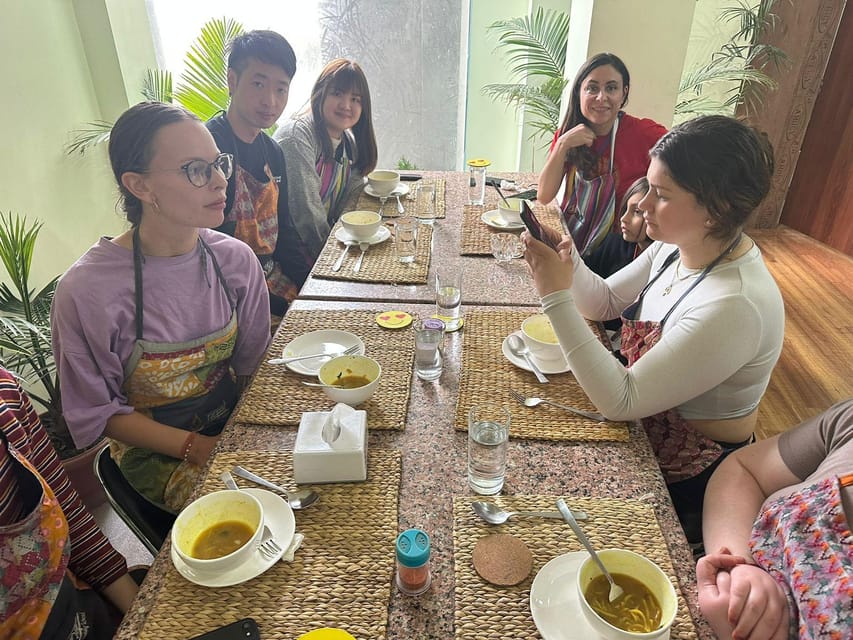
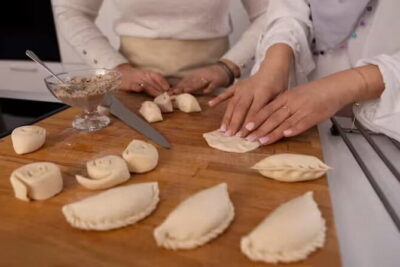
Folding is the part many people look forward to, and it is also where the class becomes more than a cooking demonstration. The instructor shows you how to shape the dough around the filling, then you try it yourself.
The supplied information does not promise a particular fold or decorative pattern. Your result may be neat, uneven, or somewhere in between. That is part of the fun. Dumplings tend to reveal your learning curve quickly, and the first one rarely looks like the last.
I like this stage because it gives you a skill you can repeat at home. The ingredients are familiar, the equipment requirements are not described as complicated, and the basic process is clear. You may not leave as a momo expert, but you will understand the sequence and have a better sense of how the finished dumpling should look before cooking.
The short class length keeps the activity moving. You will not spend an hour on elaborate decorative work. Instead, expect a quick lesson followed by your own attempts. If you enjoy slow, detailed instruction, the schedule may feel compressed. If you want a direct introduction, the pace is likely a benefit.
Cooking and eating your own momos
After shaping the dumplings, you cook them. The exact cooking method is not specified in the activity details, so the instructor will determine the approach used in the class. The important point is that you complete the process rather than handing your folded momos to someone else for the final stage.
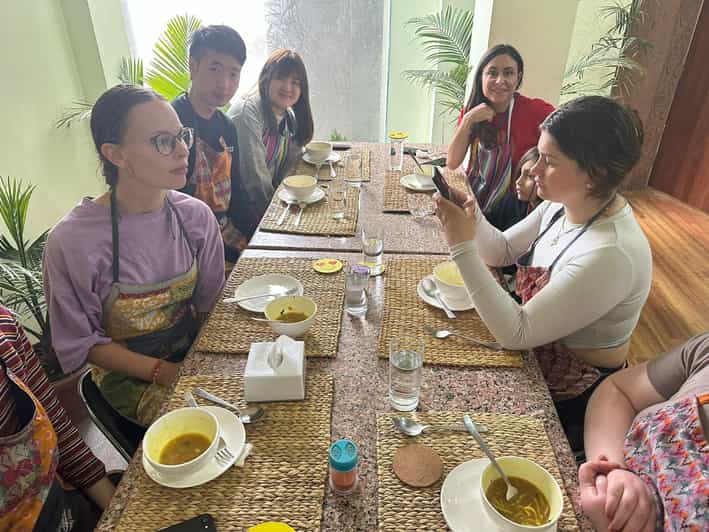
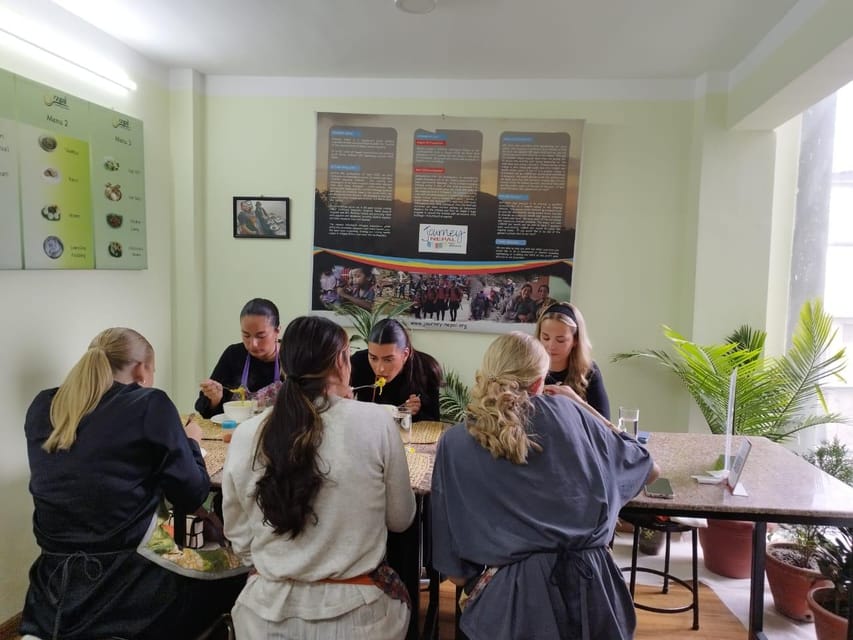
Then you eat the momos you made. They are often served with dipping sauces or sides, although the exact accompaniments can vary. This tasting is included, so the class functions as both a lesson and a light meal.
That final plate gives the experience a clear payoff. You can judge the dough, filling, folds, and seasoning right away. If a momo comes out imperfect, it is still edible, and the instructor can help explain what may have happened.
Tizia’s verified April 2024 booking review is especially useful here. She said the momos tasted very good and that she had a very good time making them. Her praise focused on two things that matter most for this activity: helpful instruction and satisfying food.
The class is only one hour, so do not count on a large feast. It is better viewed as a tasting meal built around the food you prepare. If you arrive very hungry, you may want to plan another meal later.
What the one-hour schedule means for you
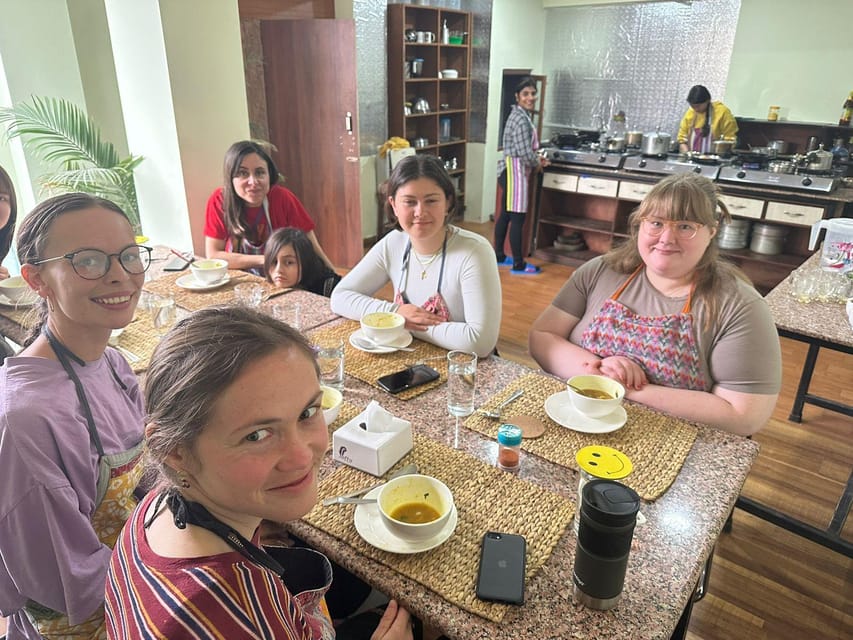
A one-hour class is convenient. You can place it between sightseeing stops without losing a full morning or afternoon. It also works well on a day when you are adjusting to Kathmandu and want a low-commitment activity.
The tradeoff is depth. The time must cover the dough, filling, shaping, cooking, and eating. There is unlikely to be room for a long discussion of Nepalese food traditions, several fillings, or repeated practice with many cooking methods. The description promises a focused momo lesson, and that is what you should expect.
I would choose this class if you want a clear introduction and a meal in a small group. I would look for a longer course if your main goal is serious culinary training or a broad survey of Nepalese cuisine.
The English instruction and eight-person limit help make the brief schedule more useful. You can follow the chef without needing translation, and a small group should reduce the chance of standing at the back and missing the important hand movements.
Value, flexibility, and practical planning
The exact price is not included in the supplied details, so I cannot judge the cost in relation to a specific amount. In value terms, the package includes the one-hour class, an experienced instructor, ingredients for preparation, and the chance to eat your finished momos. You are paying for participation and guidance, not just a restaurant plate.
That is a fair way to assess it. A plate of momos alone is cheaper in many places, but it will not teach you how to make the dough or fold the dumplings. If you enjoy food activities and want a practical memory from Kathmandu, the lesson adds something a meal cannot.
Transportation is not included. Since the school is in Thamel, you need to arrange your own route to Paknjaol Marg. Personal expenses are also excluded, so plan to pay for anything outside the class itself.
The booking terms offer useful flexibility. You can cancel up to 24 hours before the activity for a full refund, and you can reserve now and pay later. Starting times vary, so check availability for the date you want. These details help if your Kathmandu schedule is still changing.
Wear comfortable clothes that can get dirty. The class is hands-on, and flour or filling may end up where you did not expect. The activity information also says to bring ingredients, despite listing ingredients as included. Confirm this point with Epic Adventures Private Limited before the class.
Who should book this momo class?
I would recommend it to first-time visitors who want a short, active introduction to Nepalese food. It suits couples, friends, solo participants, and families with an interest in cooking, provided everyone is comfortable working in a small group.
It is also a good choice if you have only a little free time in Kathmandu. The one-hour format leaves plenty of room for other plans, and the Thamel location is easy to combine with time in the district.
Food-focused visitors will get the most from it, especially if they like learning through their hands. The class may be less suitable if you want a quiet meal, a long cultural lecture, or a full menu with several separate dishes.
Vegetarian participants may find the vegetable filling useful, but the available information does not explain how dietary requests are handled. Contact the provider in advance if you have allergies, avoid particular ingredients, or need a guaranteed vegetarian preparation.
Should you book the Nepal Cooking School class?
Book it if you want to make a well-known Himalayan dish instead of only ordering one. The best reasons are the full start-to-finish process, the English-speaking instruction, the small group size, and the chance to eat your own work. The positive experience reported by Tizia also points to helpful explanations and good flavor, two strong signs for a short cooking lesson.
Skip it if one hour feels too brief for your interests, or if you are seeking advanced Nepalese cooking instruction. Also confirm the ingredient requirement before you go, since the practical notes give mixed signals about what is supplied.
For most visitors with a free hour in Thamel, this is a friendly, useful food activity. You leave with a better understanding of momos, a full set of basic preparation steps, and a meal you helped create. That is a worthwhile return for a short class.
FAQ
Where does the momo class take place?
It takes place at Nepal Cooking School on Paknjaol Marg in Thamel, opposite the Ganesh Temple. The school is on the third floor of the building with Delicious Pizza.
How long does the class last?
The class lasts one hour. Starting times depend on availability for your chosen date.
Is the class taught in English?
Yes. The instructor language is English.
What is included in the activity?
The class includes the one-hour momo lesson, an experienced chef or instructor, ingredients for momo preparation, and the opportunity to taste the momos you make.
What should I wear or bring?
Wear comfortable clothes that can get dirty. The practical information also says to bring ingredients, although ingredients are listed as included, so confirm this detail with the provider before attending.
How many people can join the class?
The class is limited to eight participants, making it a small-group activity.
New in the Kathmandu listings
- Traditional Momo Making Class★ 5.0 · 10 reviews
- Kathmandu: Ancient City Kirtipur & Pharping Monastery Tour★ 5.0 · 2 reviews
- Kathmandu to Pokhara Premium sofa bus ticket★ 4.0 · 17 reviews
- Women Empowerment Project(Nepali cooking class & jewelry workshop★ 5.0 · 15 reviews
- 7-Day Langtang Valley Trek from Kathmandu★ 5.0 · 1 review
- Kathmandu 2 Nights 3 Days Chitwan Jungle Safari Tour★ 5.0 · 9 reviews
- Yoga Experience Day Trip with Private Transfer From Kathmandu★ 4.0 · 2 reviews
- Wildlife Adventure in Chitwan Nepal★ 4.0 · 4 reviews
Cooking Classes, compared.
Nepalese Momos or Dal Bhat Cooking Class (Cook with Delight)
Read our review →
The best Private Nepali Cooking Class in Kathmandu
Read our review →
Nepalese Kitchen in Pokhara: Momos or Dal Bhat Cooking Class
Read our review →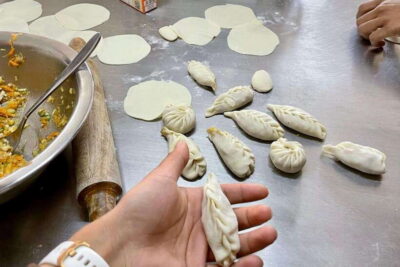
Browse the lists this tour appears in