REVIEW · HIKING & TREKKING
Makalu Base Camp Trek
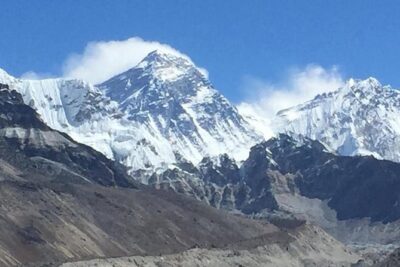
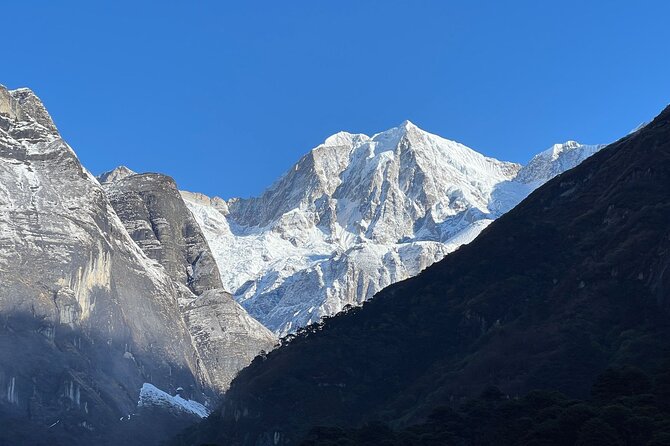
Silence has a way of sharpening the view. The 15-day Makalu Base Camp Trek takes you far from Nepal’s busiest mountain routes and into Makalu-Barun National Park, where waterfalls, rhododendron forests, alpine valleys, and glaciers replace the usual trail crowds. I especially like the remote setting and the chance to see Makalu, Everest, Lhotse, and Baruntse from less familiar angles.
I also like that the trek includes flights, meals, an English-speaking guide, porter support, maps, first-aid supplies, and national park fees. Guides Pujan and David received especially warm praise for their care and professionalism. The main drawback is simple: this is a physically demanding trek with steep climbs, high passes, basic lodging, uncertain mountain weather, and long days on foot.
In This Review
- Key points to know before booking
- Why Makalu feels different from Nepal’s famous treks
- The flight and rough road to the trailhead
- Days 1 to 3: Arun River, Seduwa, farms, and forest
- Days 4 and 5: Forest climbing and a useful acclimatization pause
- Day 6: Two high passes in one demanding day
- Days 7 and 8: River valleys and the approach to Makalu
- Days 9 and 10: Reaching base camp and looking toward Barun Glacier
- Days 11 to 15: Retracing the route without switching off
- What the $1,750 price really covers
- Guide support, group style, and comfort
- Practical details before you commit
- Should you book the Makalu Base Camp Trek?
- FAQ
- How long is the Makalu Base Camp Trek?
- Where does the trek begin?
- Are flights included in the price?
- Are meals included?
- What accommodation is provided?
- How difficult is the trek?
- Is equipment provided?
- What happens if bad weather cancels the trek?
Key points to know before booking
- Two mountain flights bookend the trek: Kathmandu to Tumlingtar is included, with a possible return flight from Tumlingtar if timing and weather cooperate.
- Shipton La and Keke La are the hardest major passes: You cross them on Day 6 at about 4,170 and 4,150 meters.
- Makalu-Barun National Park changes character constantly: Expect farms, forest, river valleys, high meadows, glaciers, and alpine terrain.
- The base camp section is basic: Accommodation may be a simple lodge or tented camp, especially around the higher areas.
- The route is quiet and culturally rewarding: You pass through Rai, Sherpa, and Bhotiya communities rather than a heavily developed trekking corridor.
- The $1,750 price covers many essentials: Flights, three daily meals, guide and porter costs, taxes, fees, and basic trekking equipment on request are included.
Why Makalu feels different from Nepal’s famous treks
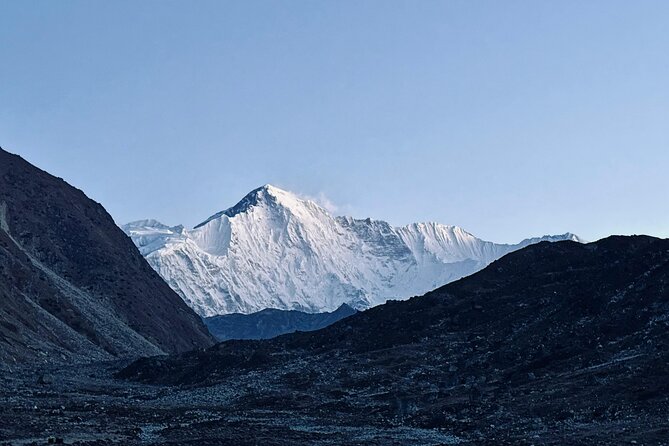
If Everest Base Camp is Nepal’s grand classic and Annapurna is its great all-rounder, Makalu is the quieter, rougher choice. The route leads into the eastern Himalayas and through Makalu-Barun National Park, an area known for sharp changes in altitude and plant life.
Your walk begins among farms and forest, then moves through rhododendrons, medicinal plants, river valleys, and high alpine country. That gradual change gives the trek its character. You are not simply walking toward one mountain. You are watching an entire mountain environment change around you.
The route is also valued for its calm. You may find long stretches where the main sounds are water, wind, and your own boots. That peace comes with a trade-off: fewer facilities, less predictable transport, and a higher need for self-reliance than on Nepal’s busiest routes.
The national park is home to red pandas, Himalayan thars, and many colorful birds. Wildlife sightings are never promised, so I would treat these as possible rewards rather than the reason to book. The forests and plant life are guaranteed parts of the walk, and they make the early days feel very different from the barren upper valleys.
More walking in the hills of Kathmandu:
- Everest Base Camp Trek – 14 Days
★ 5.0 · 1,499 reviews - Everest Base Camp Trekking
★ 5.0 · 485 reviews - Nagarkot Sunrise View and Day Hiking from Kathmandu
★ 5.0 · 471 reviews
The flight and rough road to the trailhead
The trip begins at Tribhuvan Airport in Kathmandu. The stated meeting time is 12:15 am, so confirm the exact pickup arrangement carefully before departure. A pickup is offered, and the experience uses a mobile ticket.
The flight to Tumlingtar takes about 45 minutes. From there, expect a four to five hour off-road drive to the start of the trekking route. This first transfer is not a minor detail. After the flight, you still have a long road journey before reaching the first teahouse.
I like the use of a domestic flight because it avoids an even longer overland approach. Still, mountain flights depend on weather, and the return flight on Day 15 may take place the same day or the following morning. Keep your schedule flexible. The package provides public transport, not a private vehicle, so private transport would cost extra.
Days 1 to 3: Arun River, Seduwa, farms, and forest
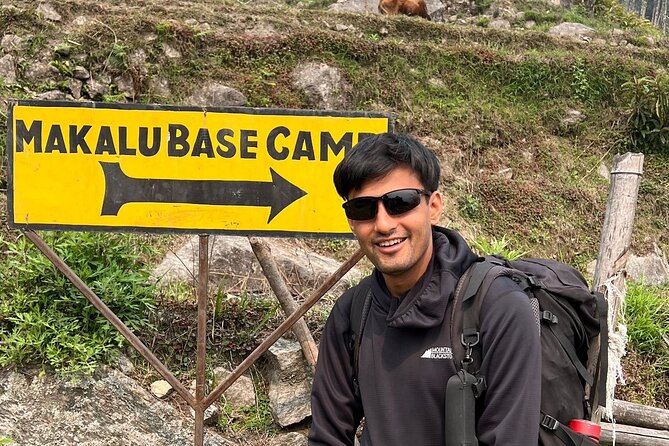
Day 1 combines the flight, road transfer, and an overnight stay in a teahouse. It is primarily an approach day, but it gives you an early sense of how remote this route becomes. After leaving Kathmandu, the setting quickly shifts from city travel to rough roads and small settlements.
Day 2 starts with a steep descent to the Arun River, followed by a steep climb to Seduwa. The five to six hour trek is not an easy warm-up. The descent can work your legs, and the climb afterward makes the day feel longer than its distance suggests.
Seduwa is important because it marks the beginning of the walking rhythm. You will be staying in basic teahouse accommodation, eating simple meals, and preparing for several more days of steady altitude gain. You should arrive with realistic expectations. This is not a hotel-based hiking holiday.
Day 3 is gentler. The trail passes farms and forests during a four to five hour walk. I like this section because it gives you a close look at local life before the route moves higher. Rai communities are part of the cultural setting, and the village stops help connect the mountain scenery with the people who live here.
Days 4 and 5: Forest climbing and a useful acclimatization pause
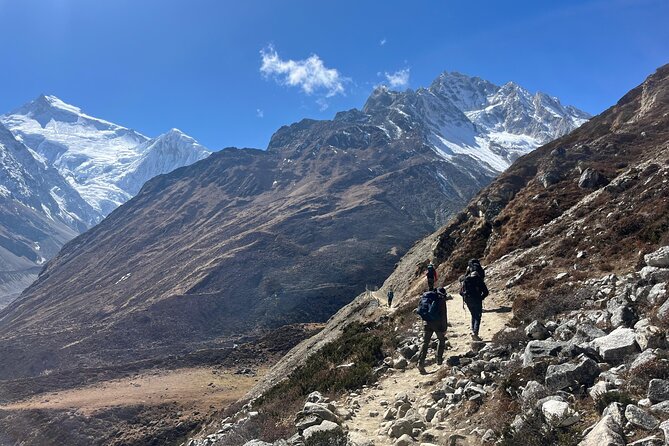
Day 4 brings a long uphill stretch through forest and meadows. The walk lasts six to seven hours, with an overnight stay in a basic lodge or teahouse. This is the kind of day when steady pacing matters more than speed.
The trail is still green and varied here, but the climb begins to make the trek feel serious. Take care with your knees on descents and your breathing on ascents. Your guide should help set a sensible pace, but you also need to speak up early if you feel unwell.
Day 5 is reserved for short hikes to nearby ridges for acclimatization. This is a smart part of the plan. A rest day does not always mean sitting inside all day. Short walks help you adjust while giving you a chance to look over the surrounding valleys.
This day may also be your best chance to enjoy the setting without the pressure of moving camp. Use it to check your water supply, sort clothing, and ask about the next high section. Since coffee and tea are not included, budget extra if you want hot drinks at teahouses.
A short list of alternatives around Kathmandu
- Private Kathmandu Sightseeing Tour | UNESCO World Heritage sites
★ 5.0 · 756 reviews - Everest Base Camp Helicopter Tour landing at Everest View Hotel
★ 5.0 · 668 reviews - Half day cooking class in Thamel kathmandu
★ 5.0 · 607 reviews - Kathmandu: Full Day 7 UNESCO Tour with Lunch – Private/Group
★ 5.0 · 415 reviews
Day 6: Two high passes in one demanding day
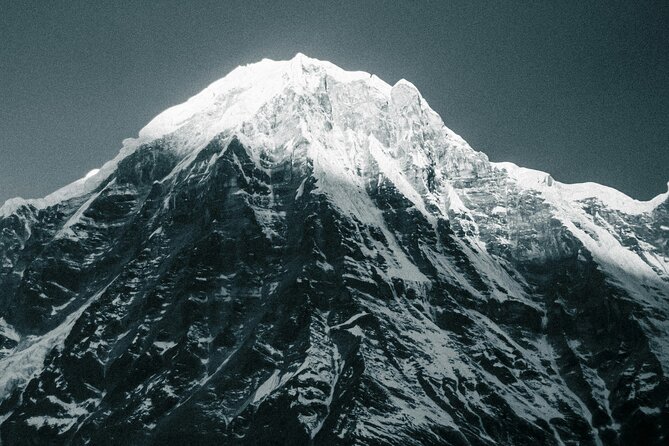
Day 6 is one of the trek’s key tests. You cross Shipton La at about 4,170 meters and Keke La at about 4,150 meters during a six to seven hour walk.
The exact passes matter because they explain why acclimatization is built into the schedule. These are high crossings, and the combination of altitude, uphill walking, and changing weather can make this the hardest day. The reward is a stark, beautiful route through high country, with views that open as the forest gives way to alpine terrain.
I would keep this day free of unnecessary pressure. Carry water, warm layers, snacks, and any personal essentials you need during the walk. Sleeping bags, trekking poles, and crampons are available on request, so ask for what suits the conditions before leaving.
The word crampons should not make you assume technical mountaineering. The information provided does not describe a climbing expedition. It does tell you that equipment can be supplied if needed, which is useful in a region where snow and ice conditions can change.
Days 7 and 8: River valleys and the approach to Makalu
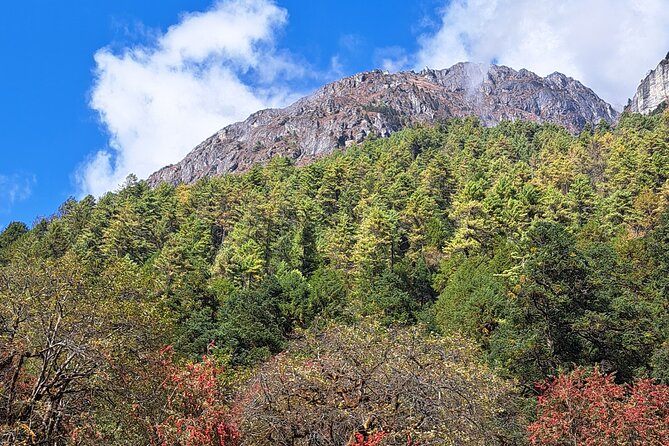
After the high passes, Day 7 follows rhododendron forests and river valleys for five to six hours. This change in surroundings is one of the route’s pleasures. The trail does not simply become higher and more barren each day. It continues to shift between wooded sections, open ground, and water-cut valleys.
Rhododendrons are a signature feature of Nepal’s mountain country, and here they form part of a broader mix of forest plants and medicinal species. Keep your eyes open, but do not expect a guided botany lesson unless your guide chooses to offer one.
Day 8 brings another gradual ascent with wide valley views. The five to six hour schedule is manageable on paper, but altitude makes every uphill section slower. I would use this day to conserve energy for the base camp approach rather than treating every viewpoint as a reason to race ahead.
The cultural side remains part of the trek, too. Rai, Sherpa, and Bhotiya communities contribute to the human story of the route, and their hospitality is one reason a guide adds real value here. You are not just following a line on a map. You are passing through lived-in mountain country.
Days 9 and 10: Reaching base camp and looking toward Barun Glacier
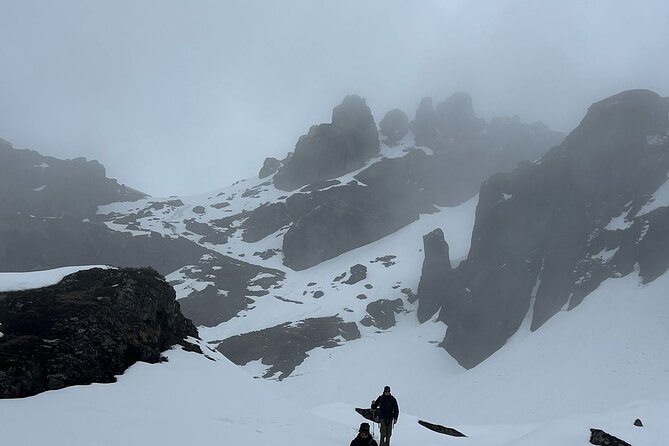
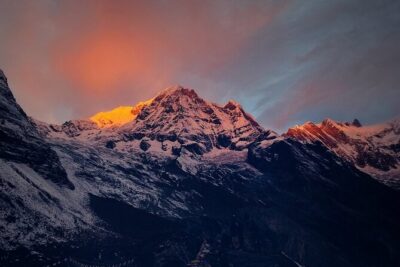
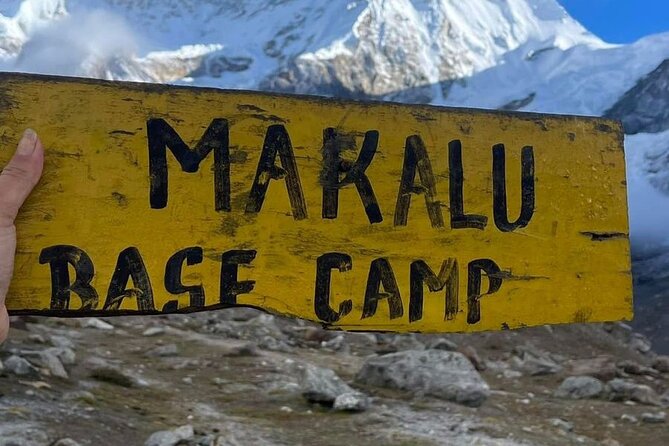
Day 9 is the main approach to Makalu Base Camp. The walk takes six to seven hours and brings the Himalayan views into their most dramatic phase. Makalu, the fifth-highest mountain in the world, is the central prize, but the route can also provide views of Everest, Lhotse, and Baruntse from unusual angles.
Accommodation at this point is basic lodge or tented camping. That detail deserves attention. At higher elevations, comfort becomes limited, and you should be ready for simple sleeping arrangements rather than a polished lodge experience.
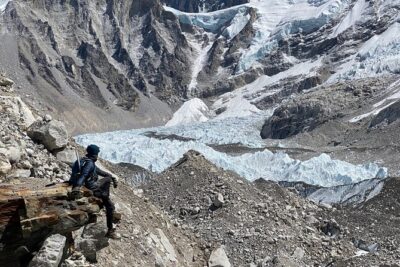
The base camp area is less about a single attraction and more about the setting around it. Glaciers, high valleys, and huge peaks create a sense of distance that is hard to find on busier Himalayan trails. If clear weather arrives, this may be the visual high point of your trip.
Day 10 allows optional side hikes toward Barun Glacier. Since the route describes these walks as optional, your guide can help judge what makes sense based on weather, energy, and conditions. This flexibility is useful after the long approach to base camp.
Do not treat the optional hike as an obligation. The base camp area is high and the accommodation is basic. If you need a slower day, staying close to camp may be the wiser choice.
Days 11 to 15: Retracing the route without switching off
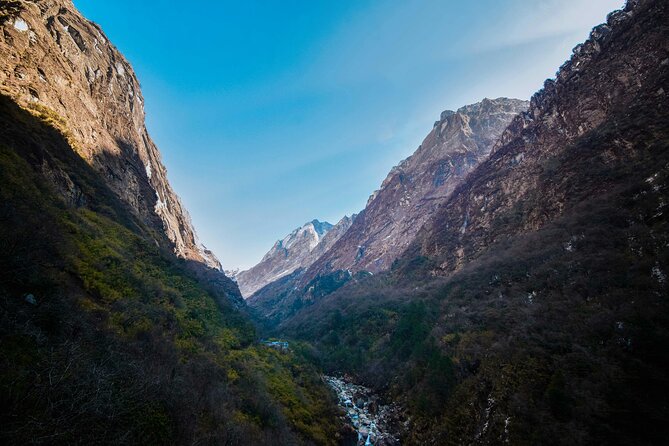
The return journey begins on Day 11 with a seven hour trek. Retracing your steps can sound less exciting, but the scenery often looks different in the opposite direction. You also notice details you missed while focused on reaching base camp.
Day 12 takes six to seven hours, followed by Day 13 at five to six hours. These are still full trekking days, so your legs may be more tired than your itinerary suggests. Good footwear and careful pacing matter throughout the descent.
Day 14 is another long descent of six to seven hours. Downhill walking can be hard on knees and ankles, even when breathing feels easier. Trekking poles are included on request, and I would consider them especially useful here.
Day 15 finishes with about four hours of trekking and a four to five hour drive. If the timing works, you may fly from Tumlingtar to Kathmandu that day or the next morning. Since weather can affect flights, do not schedule an important international connection too tightly after the trek.
What the $1,750 price really covers
At $1,750 per person, this trek is not a budget walk, but the price includes a substantial package. You receive two-way flights between Kathmandu and Tumlingtar, three daily meals during the trek, all stated fees and taxes, an English-speaking guide, porter support, guide and porter insurance, daily allowances, maps, and first-aid kits.
Breakfast, lunch, and dinner are included for the listed trekking days. Bottled water is not included, so bring a refillable bottle and plan to refill at teahouses or buy water along the route. Coffee and tea also cost extra.
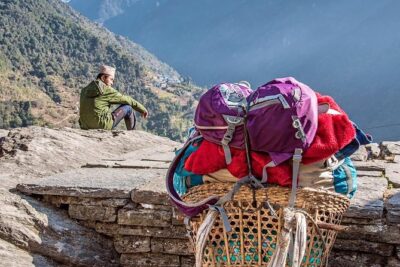
The package includes sleeping bags, trekking poles, and crampons on request. That can reduce the amount of specialist gear you need to bring or rent separately. Extra porter service is available for an added daily fee, with each porter carrying about 20 to 25 kilograms.
Private transport is not part of the package. The itinerary uses local transport, and private vehicles can be arranged at extra cost. Alcohol, personal insurance, and the Nepal visa fee are also outside the price.
The strongest value comes from combining a remote route with staff, meals, flights, and basic equipment support. The price is less attractive if you already have a guide, porter team, and domestic flights arranged independently. For a private group that wants one organized package, the inclusions are practical.
Guide support, group style, and comfort
This is a private activity, so only your group participates. That gives you more control over walking pace and rest stops than a large shared departure.
Guide Pujan and David were praised for making the trek feel safe, organized, and personal. Raj was also thanked for helping make the broader Nepal stay run smoothly. Staff quality matters more on Makalu than on a short day hike because the route is remote, physically demanding, and less developed.
Teahouses provide a bed and meals, but the accommodation is basic. At higher points, you may stay in a tented camp. You should bring the mindset that the scenery is the luxury here, not the room.
The trek is best for anyone with a moderate level of physical fitness who is comfortable walking five to seven hours on many days. A strong interest in nature, mountain photography, quiet trails, and local communities will add to your enjoyment.
Practical details before you commit
The experience offers free cancellation up to 24 hours before the local start time. Changes or cancellations made inside that window are not accepted for a refund. Poor weather can cancel the experience, in which case you are offered another date or a full refund.
Bring a refillable water bottle, personal insurance, warm clothing, and any preferred snacks. Since the trail is remote, avoid assuming you can replace every item along the way.
Ask in advance about the exact airport pickup time, the return flight plan, equipment requests, and the likely accommodation on the higher days. These questions are especially useful because transport and weather can affect the schedule.
Should you book the Makalu Base Camp Trek?
I would book this trek if you want a quiet, demanding Himalayan route and value wild scenery more than polished comfort. The combination of Makalu views, high passes, forests, glaciers, local communities, and low trail traffic gives it a strong sense of place.
I would not choose it if you want short walking days, dependable road transfers, upscale lodging, or a fixed return flight schedule. The route asks for patience and fitness, especially around Shipton La, Keke La, and the base camp section.
For the right person, the $1,750 package offers solid value because it handles flights, meals, staff, fees, and basic gear support. Ask for Pujan or David if available, keep a flexible schedule after Day 15, and prepare for comfort levels that match a remote mountain route.
FAQ
How long is the Makalu Base Camp Trek?
The trek lasts approximately 15 days, including domestic flights, road transfers, trekking days, and the return journey toward Tumlingtar.
Where does the trek begin?
The experience begins in Kathmandu, with pickup offered from Tribhuvan Airport. The route includes a flight to Tumlingtar followed by a four to five hour off-road drive.
Are flights included in the price?
Yes. Two-way public transportation flight tickets between Kathmandu and Tumlingtar are included. The return flight may operate on Day 15 or the following morning if timing allows.
Are meals included?
Breakfast, lunch, and dinner are included during the trek. Bottled water, coffee, and tea are not included and can be purchased separately or replaced with refilled water.
What accommodation is provided?
Overnights are generally in teahouses. Some higher sections use a basic lodge or tented camp, including around Makalu Base Camp.
How difficult is the trek?
A moderate level of physical fitness is required. Several days involve five to seven hours of walking, with steep sections and two high passes on Day 6.
Is equipment provided?
Sleeping bags, trekking poles, and crampons are provided on request. Extra porter service is available for an additional daily charge.
What happens if bad weather cancels the trek?
Because the experience requires suitable weather, a cancellation caused by poor weather gives you the option of another date or a full refund.
New in the Kathmandu listings
- Traditional Momo Making Class★ 5.0 · 10 reviews
- Kathmandu: Ancient City Kirtipur & Pharping Monastery Tour★ 5.0 · 2 reviews
- Kathmandu to Pokhara Premium sofa bus ticket★ 4.0 · 17 reviews
- Women Empowerment Project(Nepali cooking class & jewelry workshop★ 5.0 · 15 reviews
- 7-Day Langtang Valley Trek from Kathmandu★ 5.0 · 1 review
- Kathmandu 2 Nights 3 Days Chitwan Jungle Safari Tour★ 5.0 · 9 reviews
- Yoga Experience Day Trip with Private Transfer From Kathmandu★ 4.0 · 2 reviews
- Wildlife Adventure in Chitwan Nepal★ 4.0 · 4 reviews
Hiking & Trekking, compared.
Nagarkot Sunrise View and Day Hiking from Kathmandu
Read our review →