REVIEW · HIKING & TREKKING
Mohare Danda Trek
Trade crowds for sunrise and village paths. The Mohare Danda Trek gives you a quieter route through western Nepal, with Magar villages, community lodges, and broad views toward Annapurna, Dhaulagiri, and Manaslu. At $799 per person for about 10 days, it combines trekking, road transport, permits, meals, guides, porters, and basic mountain equipment in one package.
I like the trek’s community focus and its manageable length. Money spent on the route supports local education, rural development, women’s economic opportunities, and village welfare. I also like the chance to see up to 42 Himalayan peaks without following one of Nepal’s busiest trekking corridors. The main drawback is the amount of road travel, especially the long rides between Kathmandu, Pokhara, Beni, and back to Kathmandu.
This is not a luxury lodge holiday. You should expect simple community accommodation, changing trail conditions, long walking days, and a few itinerary timings that deserve confirmation before booking. Still, if you want mountain views with a direct local benefit, this is a thoughtful alternative to the better-known routes.
In This Review
- Five details that define the Mohare Danda experience
- Why Mohare Danda is different from Nepal’s famous treks
- Day 1: Kathmandu arrival and Thamel
- Day 2: The long road to Pokhara and Phewa Tal
- Day 3: From Pokhara to Beni Bazaar
- Day 4: Ramche, Nagi, and the first real village experience
- Day 5: The climb from Nagi to Mohare Danda
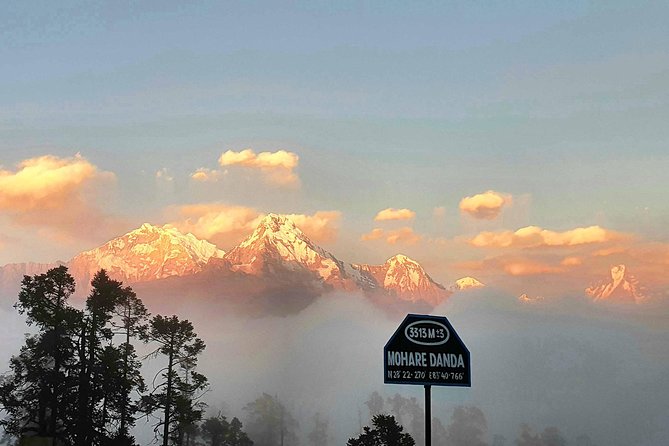
- Day 6: Sunrise from Mohare Danda at 3,313 meters
- Day 7: Walking toward Tikot and the Magar hills
- Day 8: The final trail to Basari
- Day 9: The seven-hour return to Kathmandu
- Day 10: Airport transfer and departure
- What the $799 price really covers
- Group size, comfort, and walking ability
- The strongest part of the guiding service
- Cancellation and weather rules
- Who should book the Mohare Danda Trek?
- Should you book this Nepal trek?
- FAQ
- How long is the Mohare Danda Trek?
- What is the highest point of the trek?
- How many people can join the group?
- Is transportation included?
- Are meals included?
- Is drinking water included?
- What equipment is provided?
- What happens if bad weather cancels the trek?
Five details that define the Mohare Danda experience
- Sunrise at 3,313 meters: Mohare Danda is the trip’s highest point and the main place for early Himalayan views.
- A community-run trekking route: Your spending helps support village economies, education, women’s empowerment, and rural development.
- Magar culture in the hills: Nagi and Tikot are important stops for seeing local homes, customs, food, and daily life.
- Views toward three 8,000-meter peaks: On clear days, the route can reveal Annapurna, Dhaulagiri, and Manaslu.
- A small group capped at 11 people: This keeps the walk more personal than a large organized departure.
- Useful gear included: A sleeping bag, down jacket, first aid kit, oxygen monitor, duffle bag, map, permits, and required documentation are provided.
Why Mohare Danda is different from Nepal’s famous treks
Mohare Danda was developed as a new community trekking trail. Its appeal is not only the ridge-top scenery. The route passes through villages where tourism income is intended to remain closer to the people who live there.
That matters because a trek can be more than a scenic walk. Here, the stated goals include education, women’s empowerment, local jobs, and village development. You are still buying a trekking package, but your choice of route helps direct money toward communities rather than only large commercial centers.
The cultural side is tied especially to the Poon Magar people. You will pass through ethnic Magar settlements and have opportunities to see traditional village life. The material provided does not promise formal cultural performances or set activities, so it is best to approach these villages with curiosity rather than expect a staged program.
The trail is described as short, easy, peaceful, and less touched by mass tourism. I would treat easy as relative. You still walk on mountain paths and stone steps, and the itinerary includes several long days. Anyone with joint problems or trouble walking down stone stairs should tell Trekking Trail Nepal before departure. The company says it can assist with a better route.
More walking in the hills of Kathmandu:
- Everest Base Camp Trek – 14 Days
★ 5.0 · 1,499 reviews - Everest Base Camp Trekking
★ 5.0 · 485 reviews - Nagarkot Sunrise View and Day Hiking from Kathmandu
★ 5.0 · 471 reviews
Day 1: Kathmandu arrival and Thamel
Your first day begins at Tribhuvan International Airport. A representative meets you after immigration and baggage collection, then takes you toward your accommodation in Thamel.
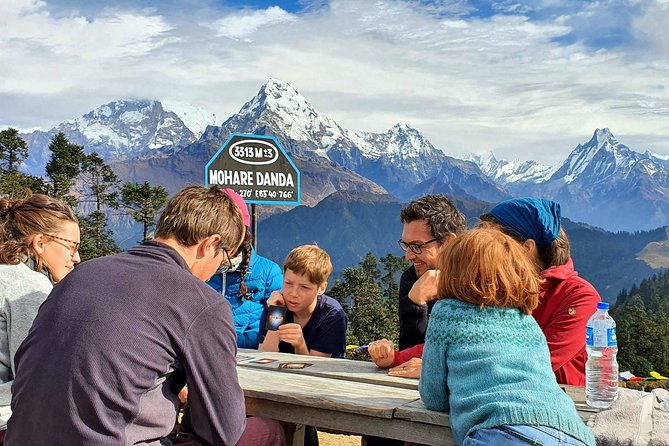
Thamel is Kathmandu’s main visitor district, filled with trekking shops, restaurants, money changers, and small hotels. The included schedule allows about three hours for this arrival and transfer stage, but your actual day depends on your flight.
Use this time to check your walking gear and ask practical questions. Confirm how much luggage will go with the porters, what you need to carry yourself, and how drinking water will be handled. Water, snacks, drinks, and personal purchases are not included.
Day 2: The long road to Pokhara and Phewa Tal
After breakfast, you travel west along the Prithivi Highway to Pokhara. The drive covers about 200 kilometers and is expected to take six to seven hours.
This is a transport day, not a mountain walk. Road conditions can affect the timing, so keep your schedule loose. The reward is Pokhara, Nepal’s relaxed lakeside city and the usual gateway for treks in the Annapurna region.
Phewa Tal is listed as the day’s stop, with about two hours allocated. The lake gives you a gentler change of pace after the highway ride. You can use the evening in Pokhara to rest before the trek begins, but lunch and dinner in Pokhara are not included in the price.
Day 3: From Pokhara to Beni Bazaar
After breakfast, you drive for about four hours from Pokhara to Beni Bazaar. Beni is the point where the walking section begins.
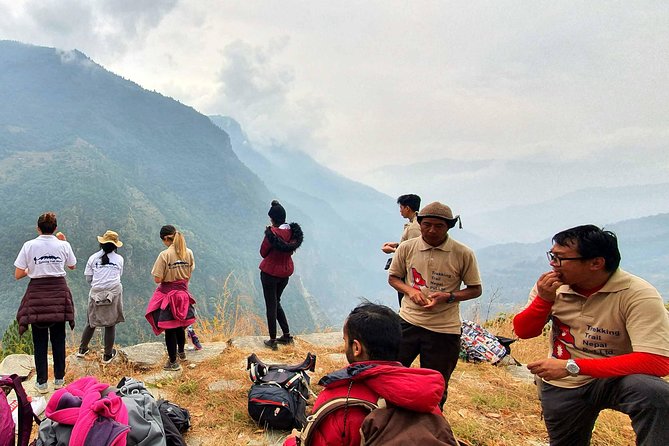
The schedule does not provide a specific trekking destination for this day, so ask the operator how much walking is planned after the vehicle drop-off. This is a useful question because the difference between a short afternoon walk and a full trekking day affects how you prepare.
Beni marks the practical change from road journey to trail. From here, the route moves into the hills and toward the community villages that give Mohare Danda its character.
A short list of alternatives around Kathmandu
- Private Kathmandu Sightseeing Tour | UNESCO World Heritage sites
★ 5.0 · 756 reviews - Everest Base Camp Helicopter Tour landing at Everest View Hotel
★ 5.0 · 668 reviews - Half day cooking class in Thamel kathmandu
★ 5.0 · 607 reviews - Kathmandu: Full Day 7 UNESCO Tour with Lunch – Private/Group
★ 5.0 · 415 reviews
Day 4: Ramche, Nagi, and the first real village experience
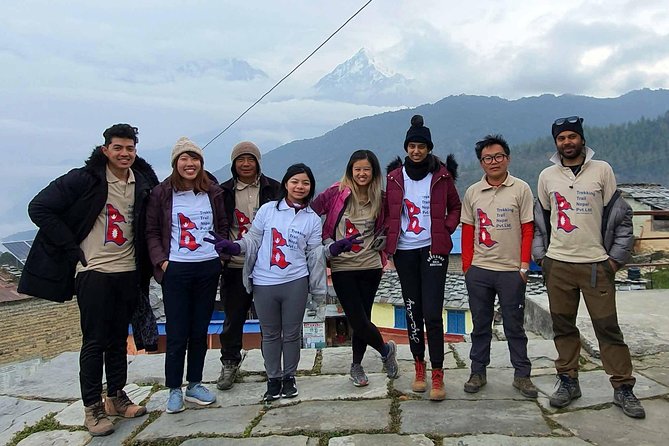
The fourth day takes you along the trail toward Nagi Village, with Ramche listed as the stop. The walk is described as a three-hour section, although the exact distance and elevation gain are not supplied.
This part of the trek is about more than getting from one lodge to another. You begin to see the local setting, village traditions, and the quieter rhythm of the hills. Nagi is one of the route’s key cultural stops, and the community lodge model becomes more meaningful here.
Expect simple accommodation and local meals rather than hotel-style service. That is part of the point, but it also means you should pack patience and keep your expectations practical. The package includes breakfast, lunch, and dinner on specified trekking days, but it does not include every meal in Kathmandu or Pokhara.
Day 5: The climb from Nagi to Mohare Danda
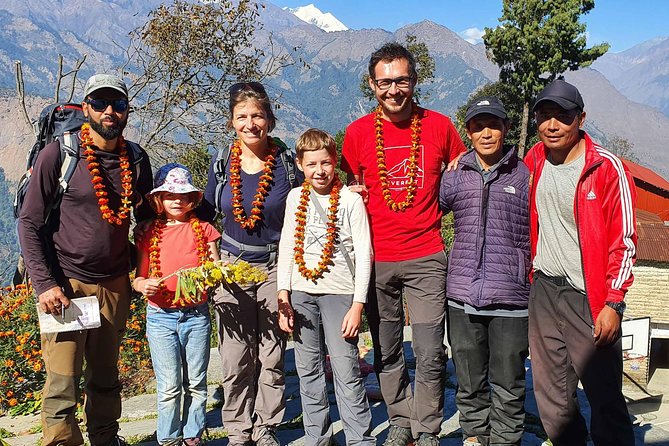
After breakfast in Nagi, you walk toward Mohare Danda. The stated walking time is about four to six hours.
This is the day when the route gains its main destination. The walking time is moderate on paper, but mountain paths can feel harder when the trail rises steadily or uses stone steps. Bring walking poles if you already use them, and take the descent seriously as well as the climb.
The closer you get to Mohare Danda, the more important the views become. Clear weather can open sightlines toward the Annapurna and Dhaulagiri ranges, with the possibility of seeing many additional peaks. Mountain weather changes quickly, so a cloudy arrival does not necessarily mean the next morning will be disappointing.
Day 6: Sunrise from Mohare Danda at 3,313 meters
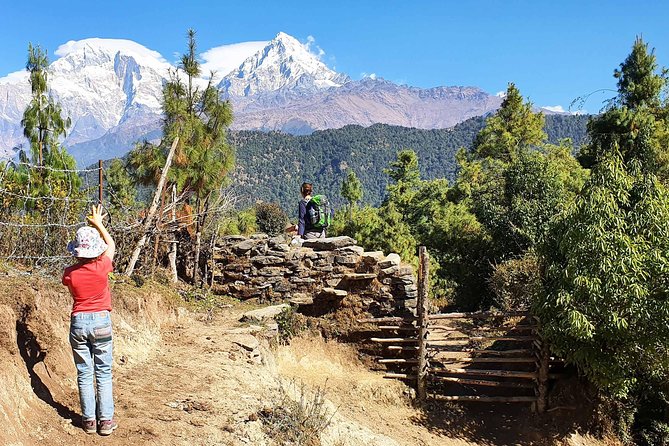
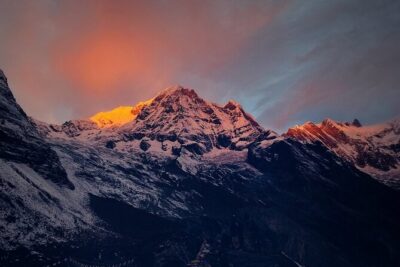
Mohare Danda is the highest point of the trek, at 3,313 meters above sea level. The major reward is an early Himalayan sunrise, with the mountains catching the first light.
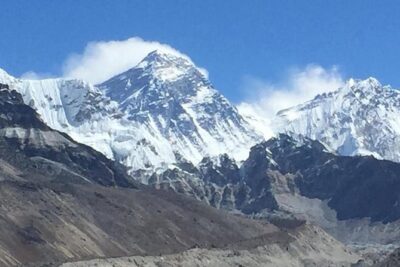
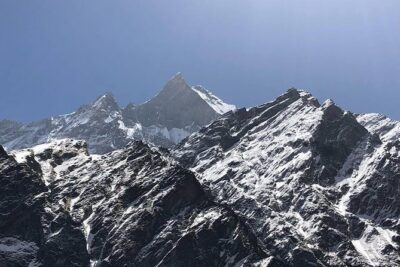
This is the place to allow extra time for photographs and simply looking. The route is promoted for views of up to 42 peaks, including the 8,000-meter mountains of Annapurna, Dhaulagiri, and Manaslu. Those views depend on visibility, but the ridge-top setting gives you the best chance of seeing them.
You stay at Mohare Community Lodge. The itinerary displays a 15-hour duration for this day, which likely includes a long schedule around sunrise and lodge activities, but it is worth confirming the exact walking and rest times before you set out. No one wants to discover a mystery 15-hour mountain day after breakfast.
The included sleeping bag and down jacket are useful here. Even without a detailed temperature forecast, a high mountain lodge before sunrise is a place where warm layers matter.
Day 7: Walking toward Tikot and the Magar hills
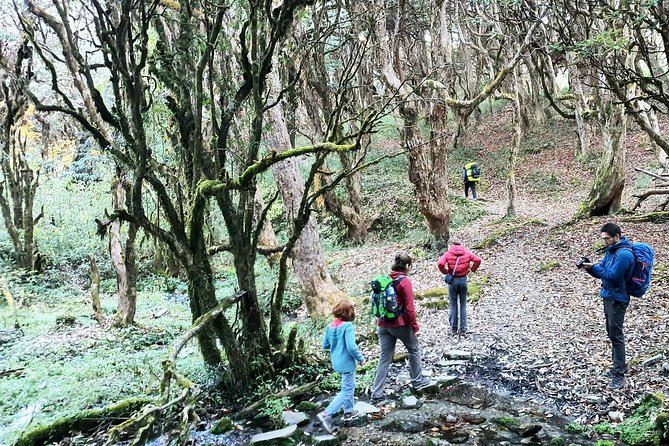
The route continues to Tikot Village, a beautiful ethnic Magar settlement. The walk passes viewpoints at Thula Kharka and Sikha Danda, adding more ridge scenery to the day.
The published duration is about 10 hours, making this one of the trek’s demanding sections. It may include breaks and viewpoint stops, but you should still prepare for a full day on your feet. Ask your guide for the expected walking time, elevation changes, and meal arrangements before leaving Mohare Danda.
Tikot is a valuable stop because it brings the community element into focus. You are not simply passing through a viewpoint. You are staying near a living settlement, where local hospitality, food, and everyday routines form part of the experience.
The guide can make a real difference on a day like this. Named guides associated with the operator include Apar and Lokendra. If either person is assigned to your group, you can expect the kind of help with pacing, route decisions, and mountain safety that has been praised in past experiences. Confirm your guide’s name before departure rather than assuming one of them will lead your group.
Day 8: The final trail to Basari
Day eight is the last mountain walking day. You continue toward Basari, also spelled Baseri in the schedule.
This final section gives you time to absorb the change from high ridge to lower village country. The exact walking duration is not stated, so ask whether the day includes vehicle pickup after reaching Basari and how long the transfer will take.
Ending the walking section here keeps the trek shorter than many classic Nepal routes. You do not need to commit to two or three weeks in the mountains, but the compact format also means some days are quite full.
Day 9: The seven-hour return to Kathmandu
You drive back to Kathmandu from Pokhara, with about seven hours of overland travel listed. The schedule also displays a 12-hour duration for the day, so confirm whether that includes transfers, traffic allowances, and stops.
After several trekking days, this ride can feel long. Use it as recovery time, but keep valuables and essential items with you rather than burying them in larger luggage.
The evening in Kathmandu is available for rest. Lunch and dinner are not included in Kathmandu, so budget for those meals separately.
Day 10: Airport transfer and departure
The final day includes transfer to Tribhuvan International Airport. The listed duration is about three hours, which gives room for the transfer process and departure arrangements.
If your flight is late or you plan to extend your stay, the operator can adapt the ending of the trip. The tour summary also indicates pickup is offered, and confirmation is provided at booking.
What the $799 price really covers
At $799 per person, the value depends on how much of the included support you would otherwise need to arrange yourself. The package covers the trekking guide and porters, their wages, insurance, and gear. It also includes permits, required documents, ground transportation, a trekking map, a duffle bag, and a completion certificate.
The equipment list is useful. A first aid kit, oxygen monitor, sleeping bag, and down jacket reduce the amount of specialist gear you need to rent or purchase. That is especially helpful if this is your first Nepal trek.
Meals are included as nine breakfasts, five dinners, and six lunches. The wording suggests coverage on selected trekking days rather than every meal throughout the 10-day schedule. You still pay for food in Kathmandu and Pokhara, as well as drinking water, snacks, soft drinks, bar bills, and personal items.
Tips for guides and porters are also extra. Set aside money for this before leaving home. You should also ask exactly which nights include lodge accommodation, since the supplied details do not give a full accommodation breakdown.
The package includes a short visit to Baglung High Bridge and its entry fee. That adds a small sightseeing stop to the transport plan, though the exact day is not specified.
Group size, comfort, and walking ability
The maximum group size is 11 people. That is small enough for a guide to keep an eye on the group, while still offering the social feel of a shared trek. If you prefer total privacy, ask if a private departure is available and how the price changes.
Most people can participate according to the supplied conditions, but this is still a mountain trek. Joint pain and difficulty descending stone stairs are specifically mentioned as concerns. Tell the company early, not after the first steep descent.
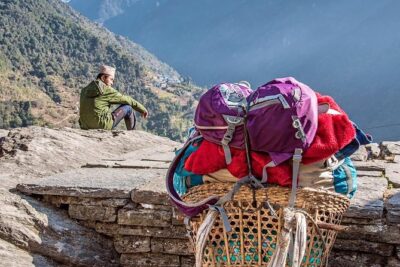
The trek provides porters, but you should still carry a daypack with water, rain protection, warm layers, medicine, and important documents. Drinking water is not included, so ask the guide about safe refill or purchase options.
The strongest part of the guiding service
The most consistently praised part of the experience is the human support. The feedback describes guides who explain mountain safety, adjust plans when needed, help with health concerns, and look after different walking speeds.
Apar is praised for being professional, patient, friendly, and clear with first-time trekkers. Lokendra is also singled out for practical help and strong route knowledge. Other team members named in connection with a four-day Mohare Danda trip include Ashishm and Joyendra.
Those names are useful, but they are not a guarantee that one specific person will lead your departure. Ask for your guide’s name and qualifications before you go. Good communication matters more than a fancy title, especially on the long days around Mohare Danda and Tikot.
Cancellation and weather rules
You can cancel for a full refund if you do so at least 24 hours before the experience start time. Cancellations made within 24 hours are not refundable, and changes inside that period are not accepted.
The trek requires suitable weather. If poor weather causes the operator to cancel, you are offered another date or a full refund. Keep your wider Nepal schedule flexible enough to handle a weather change.
Who should book the Mohare Danda Trek?
I would choose this trek if you want Himalayan views, village contact, and a direct community benefit without committing to a very long expedition. It suits people who value local lodging and cultural contact as much as the mountain photographs.
It is also a good fit if you want the convenience of a package. Permits, transport, porters, meals on selected days, safety equipment, and a duffle bag are already arranged.
I would hesitate if you dislike long road journeys, simple accommodation, or full walking days. The Kathmandu to Pokhara and Pokhara to Kathmandu transfers take up a large part of the schedule, and the trek includes enough stairs and uneven paths to require reasonable fitness.
Should you book this Nepal trek?
Book it if the community purpose matters to you and you want a quieter route with strong Himalayan viewing potential. The $799 price is fair when you count the guide, porters, insurance, permits, transport, meals, equipment, and community lodge support.
Before paying, ask three questions: Which meals and nights are included on each day? What are the exact walking hours on days six and seven? Who will guide your group? If the answers suit your pace and budget, Mohare Danda offers a compact, purposeful way to see Nepal beyond the main trekking highways.
FAQ
How long is the Mohare Danda Trek?
The trip lasts approximately 10 days, including arrival and departure transfers, road travel, and the mountain walking section.
What is the highest point of the trek?
Mohare Danda is the highest point, at 3,313 meters above sea level.
How many people can join the group?
The maximum group size is 11 people.
Is transportation included?
Yes. Ground transportation is included, including the main road journeys between Kathmandu, Pokhara, and the trekking area.
Are meals included?
The package includes nine breakfasts, five dinners, and six lunches. Lunch and dinner in Kathmandu and Pokhara are not included.
Is drinking water included?
No. Drinking water, snacks, drinks, bar bills, and other personal purchases are extra.
What equipment is provided?
The package includes a sleeping bag, down jacket, first aid medical kit, oxygen monitor, trekking map, and a complimentary trekking duffle bag.
What happens if bad weather cancels the trek?
If poor weather causes cancellation, you are offered a different date or a full refund. You must cancel at least 24 hours before the start time to receive a full refund for a personal cancellation.
New in the Kathmandu listings
- Traditional Momo Making Class★ 5.0 · 10 reviews
- Kathmandu: Ancient City Kirtipur & Pharping Monastery Tour★ 5.0 · 2 reviews
- Kathmandu to Pokhara Premium sofa bus ticket★ 4.0 · 17 reviews
- Women Empowerment Project(Nepali cooking class & jewelry workshop★ 5.0 · 15 reviews
- 7-Day Langtang Valley Trek from Kathmandu★ 5.0 · 1 review
- Kathmandu 2 Nights 3 Days Chitwan Jungle Safari Tour★ 5.0 · 9 reviews
- Yoga Experience Day Trip with Private Transfer From Kathmandu★ 4.0 · 2 reviews
- Wildlife Adventure in Chitwan Nepal★ 4.0 · 4 reviews
Hiking & Trekking, compared.
Nagarkot Sunrise View and Day Hiking from Kathmandu
Read our review →