
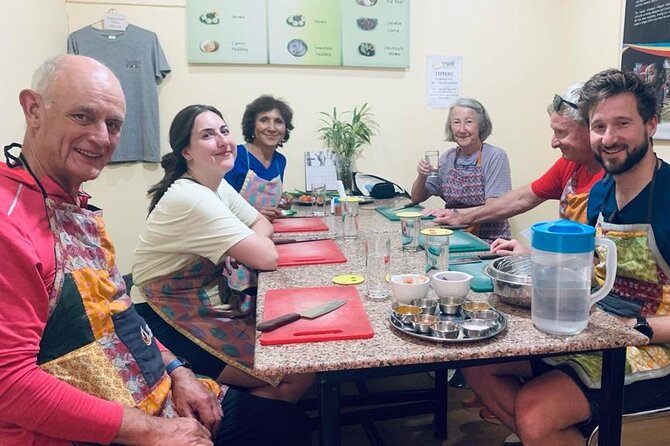
REVIEW · COOKING CLASSES
Momo Making Class in Kathmandu with Pickup & Drop off from Hotel
Momos are Nepal’s delicious little lesson in local life. This two-hour Kathmandu class combines a guided market visit with hands-on cooking, so you do more than sit at a counter and watch a chef work. I especially like the chance to choose fresh ingredients yourself and the freedom to make either classic steamed momos or soup momo.
The small group of up to 10 people should make instruction personal, and the option to request vegetarian, vegan, or chicken fillings adds useful flexibility. The main consideration is timing: the class begins at 1 PM, and the activity returns to its cooking academy meeting point rather than taking you on to another Kathmandu sight.
In This Review
- Key things to know before booking
- Why this Kathmandu cooking class feels different
- Starting at 1 PM in Thamel
- Choosing ingredients at the market
- Making the dough from scratch
- Mixing the filling and shaping the momos
- Steamed momos or soup momo?
- Eating what you made with Nepali masala tea
- Price, group size, and overall value
- Pickup and the practical details
- Who should book this class?
- Should you book the Kathmandu momo class?
- FAQ
- How long does the momo making class last?
- Where does the activity start and end?
- Is hotel pickup available?
- Which momo fillings can I choose?
- Can I choose between steamed momos and soup momo?
- How many people can join the class?
Key things to know before booking
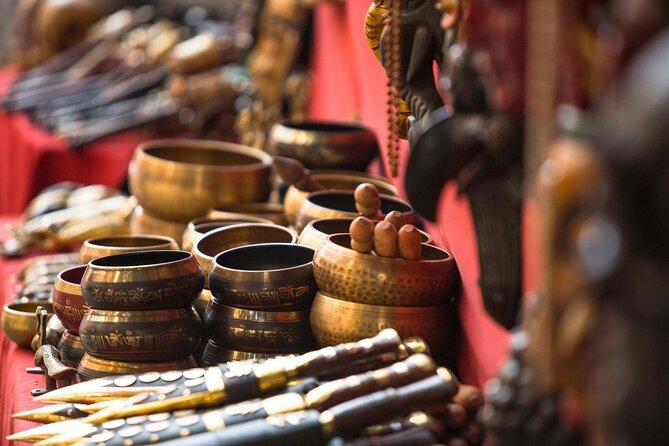
- Shop for ingredients at a local Kathmandu market: You help select the produce and filling ingredients before cooking.
- Learn dough and filling from scratch: The class covers the parts that often make homemade momos difficult.
- Choose your momo style: Prepare traditional steamed momos or try the less common soup momo.
- Vegetarian, vegan, and chicken options: You can choose a filling that suits your diet and preferences.
- Masala tea comes with the tasting: Your freshly cooked food is served with a cup of Nepali tea.
- Optional pickup within Kathmandu Valley: Hotel transport can make the 1 PM start easier, especially if you are unfamiliar with the city.
Why this Kathmandu cooking class feels different
Many cooking classes begin with bowls of premeasured ingredients. This one begins earlier, at the market. That small change matters because you get to see what goes into the dish before the chopping, mixing, and shaping start.
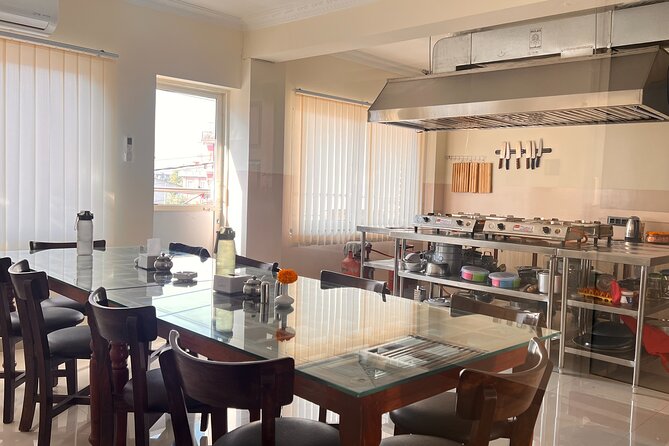
You are not simply handed a recipe. You help choose the ingredients for the filling, then return to the Kathmandu Cooking Academy on Yapikhya Marg in the Thamel area. It gives the class a stronger link to everyday food shopping in Nepal, even though the market visit is brief and focused on the meal.
I like this format for first-time visitors because momos are both familiar and distinctly Nepali. You may already know them from restaurants around the world, but learning the dough, filling, folding, and cooking process gives you a better sense of why a good momo works.
The class is also designed to be practical. The emphasis is on doing the work yourself, with an expert local instructor guiding each stage. That makes it a good pick for beginners, while the chance to request specific ingredients or filling choices gives more experienced cooks room to make the dish their own.
More Cooking Classes in Kathmandu
- Half day cooking class in Thamel kathmandu
★ 5.0 · 607 reviews - Kathmandu: Local Women-Led Nepali Cooking & Momo Class
★ 4.9 · 360 reviews - Kathmandu: Local Lead Nepali Cooking & Momo-Making Class
★ 5.0 · 212 reviews
Starting at 1 PM in Thamel
The activity starts at 1 PM at Kathmandu Cooking Academy, Nepali Cooking Class, on Yapikhya Marg, Kathmandu 44600. If you arrange pickup, the provider offers hotel collection and return within Kathmandu Valley. Since pickup is optional, check that your hotel falls within the service area before relying on it.
The afternoon start is useful if your morning is already occupied by sightseeing, a temple visit, or a late breakfast. It also means you should not treat the class as a quick morning activity before a tightly scheduled afternoon excursion. Allow around two hours for the class itself, plus transport time if you use pickup.
The meeting point is also the end point. That is simple, but important. You will not finish at a separate restaurant or sightseeing stop, so plan your next activity from the cooking academy in Thamel.
Choosing ingredients at the market
The market visit gives the class its strongest sense of place. Rather than starting with ingredients that have already been chosen, you walk through a local food market with your instructor and select what will go into your filling.
The stated choices include vegetarian, vegan, and chicken fillings. This is helpful if you are traveling with a mixed group, since not everyone needs to make the same kind of momo. If your diet is important to you, make your preference clear when booking or at the start of the class.
Do not expect a long market tour with a full lesson on every stall. The purpose here is to gather ingredients for the cooking session. Still, that short stop adds context. You see the raw materials before they become a plate of dumplings, and you get a glimpse of how a local meal begins with ordinary shopping.
The market portion may be less satisfying for someone hoping for a major food tour. It is a practical ingredient-shopping visit, not a separate cultural tour with many tastings. I see that as a fair trade for a two-hour class, but it is worth knowing before you book.
Making the dough from scratch
Back at the cooking academy, the instructor shows you how to prepare the momo dough. This is one of the most useful parts of the class because the wrapper affects the final dish as much as the filling does.
The goal is not just to hand you a ready-made wrapper and tell you how to stuff it. You learn the basic process from the beginning, then work with the dough yourself. The instructor can correct your technique as you go, which is much more useful than trying to copy a recipe at home without seeing the right texture.
For a beginner, this hands-on method removes some of the mystery from momos. The folding may take practice, and your first few dumplings may look less polished than the chef’s. That is part of the fun. A cooking class works best when you leave with a skill you can repeat, not just a photograph of a perfect plate.
The class uses the necessary cooking equipment and accessories, so you do not need to bring specialist tools. You should still wear practical clothing and avoid arriving with a large amount of luggage, since this is a working cooking session rather than a sit-down demonstration.
A completely different way to spend the day:
- Everest Base Camp Trek – 14 Days
★ 5.0 · 1,499 reviews - Private Kathmandu Sightseeing Tour | UNESCO World Heritage sites
★ 5.0 · 756 reviews - Everest Base Camp Helicopter Tour landing at Everest View Hotel
★ 5.0 · 668 reviews - Everest Base Camp Trekking
★ 5.0 · 485 reviews
Mixing the filling and shaping the momos
Once the dough is ready, you prepare the filling from the market ingredients. The instructor guides you through the process, with the choice of vegetarian, vegan, or chicken preparation.
I like the promise of personalized instruction here. One posted experience praised the ability to make specific requests, which suggests the format is not rigidly locked to one recipe. That does not mean every possible substitution is guaranteed, so explain your needs clearly before the cooking begins.
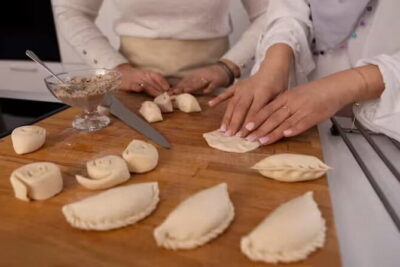
The shaping stage is where you get the most direct practice. You fill the dough, seal it, and form the dumplings under guidance. Momos can look simple, but neat pleats and a secure seal take a bit of coordination. A small group helps because the chef has a better chance of giving you individual corrections than in a large class.
There is also a social advantage to making the food together. Everyone is working toward the same meal, and the class has a clear purpose from beginning to end. You are not cooking several unrelated dishes and then rushing through a large tasting menu. The focus remains on one famous Nepali specialty.
Steamed momos or soup momo?
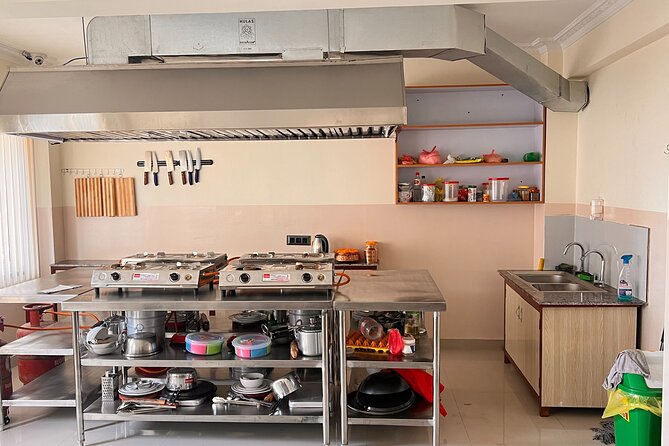
You can choose between traditional steamed momos and soup momo. Steamed momos are the familiar starting point: filled dumplings cooked until the wrapper is tender and the center is hot.
Soup momo offers a different result. The dumpling contains broth, so eating it requires a little more care. If you choose this style, listen closely to the instructor’s handling advice and take your first bite carefully. The option is valuable because it lets you try a less usual variation rather than repeating the same momo you might find at a restaurant near home.
The supplied details do not promise that every participant can make both styles during the two-hour session. Treat the choice as one style per class unless the chef tells you otherwise. If you are especially interested in soup momo, say so early.
This choice also makes the class more appealing to repeat visitors. Someone who already knows standard steamed momos can try a new version, while a first-time cook can stick with the more familiar shape and method.
Eating what you made with Nepali masala tea
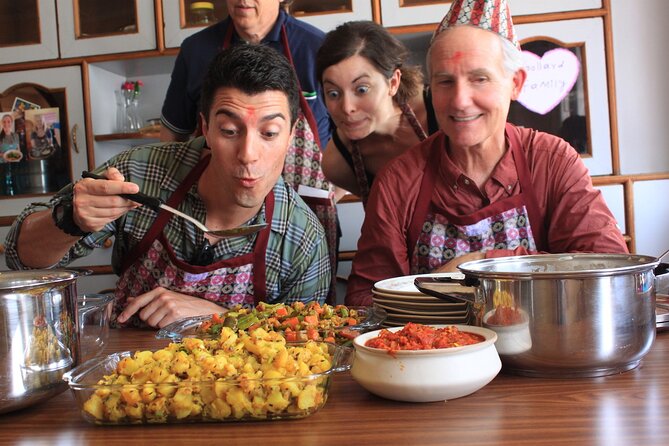
The final stage is a tasting session with the momos you prepared. That makes the meal feel earned. You have selected ingredients, prepared the dough, mixed the filling, and shaped the dumplings before sitting down to eat.
A complimentary cup of Nepali masala tea comes with the tasting. The tea adds a local touch without turning the class into a full drinks program. Specialty and alcoholic drinks are not included, so budget separately if you want anything beyond the provided tea.
The meal itself is likely to be modest in scale because the class lasts about two hours and centers on one dish. You should book it for the pleasure of learning and eating your own momos, not as a replacement for a large Kathmandu lunch.
Still, the tasting is an important part of the lesson. You can see how the dough cooked, check the balance of the filling, and understand which folds or seals worked best. Food tastes different when you have had a hand in every stage.
Price, group size, and overall value
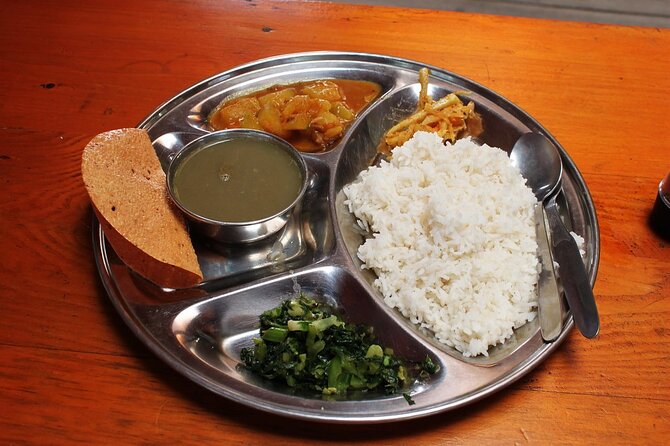
At $29 per person, this class offers good value if you want more than a meal. The price covers the hands-on lesson, market visit, ingredients, cooking equipment, tasting, and masala tea. Optional hotel pickup and drop-off within Kathmandu Valley add convenience, though the details provided do not state a separate transport surcharge.
The value comes from the combination of activities. A simple momo lunch would cost less, but it would not teach you how to make the dough or let you shop for ingredients with a local chef. A private cooking lesson could cost more, while this class keeps the group at a maximum of 10 people.
That group limit is worth noting. It is not a one-on-one lesson, but it is small enough to support direct help. The exact feel will depend on how many people book that day. With a full group, you may share attention during the busier stages, especially shaping and cooking.
I would choose this class for someone who wants a useful activity rather than another passive tour. It suits solo visitors, couples, families, and small groups, especially when different people want different fillings. The class is also a sensible choice during a rainy afternoon, although the provided details do not promise indoor pickup waiting time or specific weather arrangements.
Pickup and the practical details
Hotel pickup is optional and available within Kathmandu Valley. This can save time and reduce the hassle of finding Yapikhya Marg, especially if you are staying outside central Thamel or are still learning Kathmandu’s streets.
If you do not use pickup, the meeting point is clearly stated as Kathmandu Cooking Academy in Thamel. The activity ends back there, so it is easy to continue with dinner, shopping, or another Thamel activity afterward.
Confirmation is provided at booking, and the maximum group size is 10. Free cancellation is available if you cancel at least 24 hours before the local start time. Cancellations or changes made within 24 hours are not accepted for a refund, so keep that deadline in mind when planning around flights, long bus rides, or mountain weather.
Tips for the chef and staff are not included. They are optional, but you may wish to carry a small amount of Nepali currency if the class is especially helpful.
Who should book this class?
I would recommend it most strongly to:
- First-time visitors to Nepal who want an easy introduction to a well-known local food.
- Beginner cooks who benefit from step-by-step help with dough and folding.
- Food-focused couples and families looking for an activity they can do together.
- Vegetarian and vegan diners who want to choose a suitable filling.
- Repeat visitors to Kathmandu who want to try soup momo or learn a dish they can recreate.
- Small groups that value hotel pickup and a compact two-hour schedule.
It may be less suitable if you want a long market walk, several courses, or a full afternoon of Nepalese cooking. The class has a narrow focus, and that is both its strength and its limit.
Should you book the Kathmandu momo class?
Book it if you want to understand momos by making them yourself. The market visit, fresh ingredients, dough lesson, filling choices, and final tasting form a clear, enjoyable progression, and $29 is reasonable for the amount included.
I would especially choose it if you are staying in Kathmandu for a few days and want one activity that combines food with local daily life. Just remember that it begins at 1 PM, lasts about two hours, and ends at the academy. Arrange pickup if navigating Kathmandu is a concern, and tell the chef your filling preference early.
If your main goal is a large meal or an extensive market tour, choose another activity. If you want to leave Kathmandu with a new cooking skill and a plate of momos you helped create, this is an easy recommendation.
FAQ
How long does the momo making class last?
The class lasts approximately two hours and begins at 1 PM.
Where does the activity start and end?
It starts at Kathmandu Cooking Academy, Nepali Cooking Class, on Yapikhya Marg in Kathmandu. The activity ends back at the same meeting point.
Is hotel pickup available?
Yes. Optional hotel pickup and drop-off are available within Kathmandu Valley.
Which momo fillings can I choose?
The class offers vegetarian, vegan, and chicken filling choices. The included details specifically mention vegetarian or chicken during the market ingredient selection, while the class description also identifies a vegan option.
Can I choose between steamed momos and soup momo?
Yes. You can choose to make traditional steamed momos or soup momo.
How many people can join the class?
The class has a maximum of 10 participants.
New in the Kathmandu listings
- Traditional Momo Making Class★ 5.0 · 10 reviews
- Kathmandu: Ancient City Kirtipur & Pharping Monastery Tour★ 5.0 · 2 reviews
- Kathmandu to Pokhara Premium sofa bus ticket★ 4.0 · 17 reviews
- Women Empowerment Project(Nepali cooking class & jewelry workshop★ 5.0 · 15 reviews
- Yoga Experience Day Trip with Private Transfer From Kathmandu★ 4.0 · 2 reviews
- 7-Day Langtang Valley Trek from Kathmandu★ 5.0 · 1 review
- Kathmandu 2 Nights 3 Days Chitwan Jungle Safari Tour★ 5.0 · 9 reviews
- Wildlife Adventure in Chitwan Nepal★ 4.0 · 4 reviews
Cooking Classes, compared.
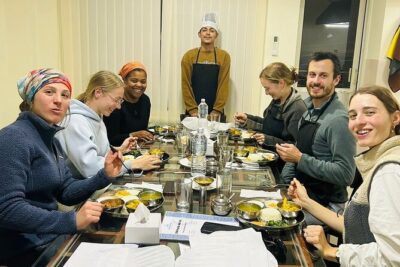

Nepalese Momos or Dal Bhat Cooking Class (Cook with Delight)
Read our review →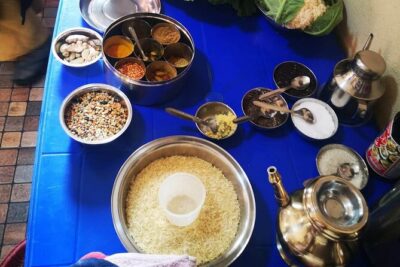
The best Private Nepali Cooking Class in Kathmandu
Read our review →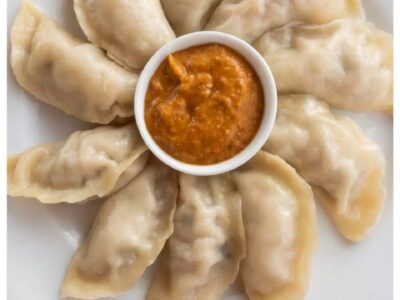
Nepalese Kitchen in Pokhara: Momos or Dal Bhat Cooking Class
Read our review →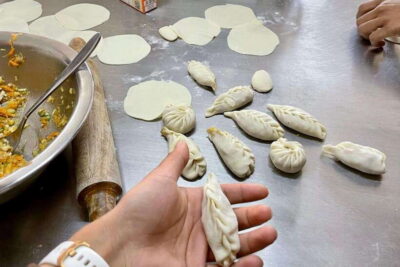
Browse the lists this tour appears in