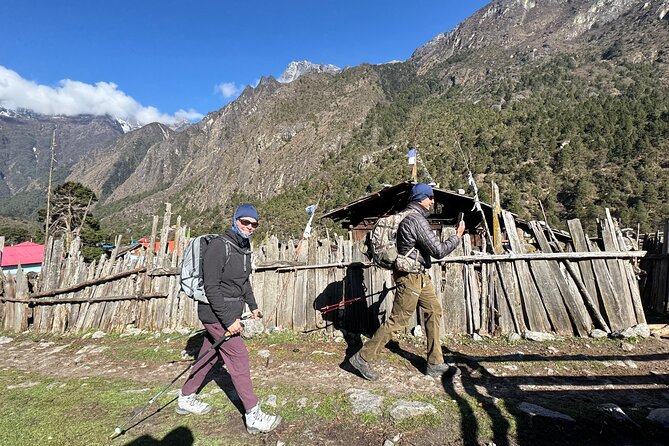
REVIEW · HIKING & TREKKING
Mt. Kanchenjunga South to North Base Camp Trekking
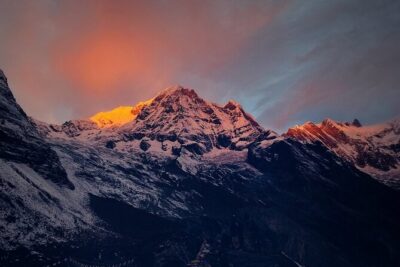
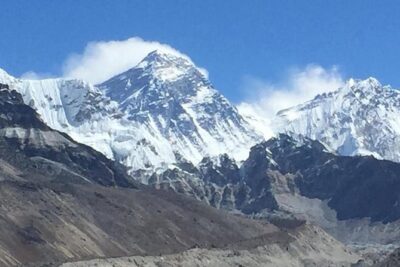
Two base camps, one serious Himalayan trek. This 22-day route takes you from Kathmandu to eastern Nepal, then on foot from Taplejung toward both the south and north sides of Mt. Kanchenjunga, the world’s third-highest mountain. I like the rare combination of quiet trails and high mountain passes, and I like the chance to meet Limbu and Sherpa communities along the way. The main concern is the remoteness: long road transfers, basic trekking conditions, altitude, and limited room for last-minute comfort make this a poor choice for a casual walker.
This is a private trip for your group, with pickup offered and a stated price of $2,525 per person. The itinerary can be customized, which matters in a region where weather and trail conditions can disrupt plans. The strongest praise centers on the care provided by Three Jewels Adventures, with Amber and the support team singled out for arranging airport pickup and handling the practical details of a demanding Kanchenjunga trip.
In This Review
- Key points before you commit
- Why Kanchenjunga feels different from Nepal’s busier routes
- Kathmandu preparation and the eastern Nepal transfer
- Days 4 to 7: village paths and changing cultures
- Days 8 to 10: the first serious altitude gain
- Days 11 and 12: reaching the south side of Kanchenjunga
- Day 13: Sele La at 4,290 meters
- Days 14 to 17: Ghunsa, Lhonak, and the north base camp
- Days 18 to 22: retracing the route and getting home
- What the $2,525 price means
- Who should choose this trek?
- Should you book the Kanchenjunga south to north trek?
- FAQ
- How long is the Kanchenjunga south to north trek?
- Where does the trek begin?
- How do I reach the trekking area from Kathmandu?
- Does the trek visit both Kanchenjunga base camp areas?
- What is the highest stated point on the route?
- Is there a rest day for acclimatization?
- Is this a private group activity?
- What level of fitness is required?
- What is included in the price?
- Where does the activity start and what time?
Key points before you commit
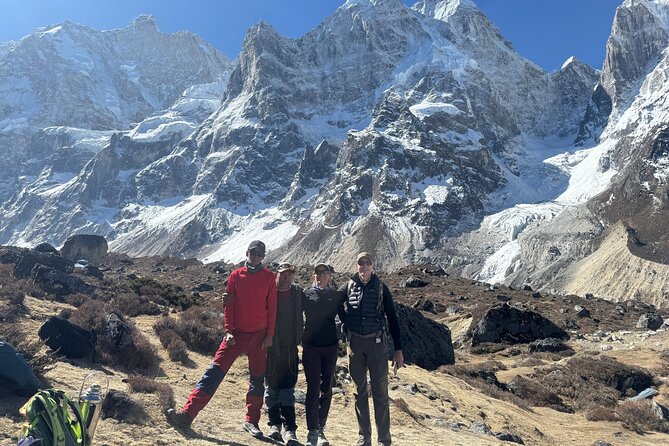
- South and north base camp access: You visit the Oktang viewpoint near the south base camp area and later reach the north base camp area near Lhonak.
- A 4,290-meter high pass: The crossing of Sele La is one of the route’s toughest and most memorable days.
- Eastern Nepal culture: The walk moves from Kirant and Limbu villages toward Sherpa settlements in the north.
- Remote conservation area: Kanchenjunga Conservation Area is known for birdlife and rare animals such as red pandas and snow leopards.
- Private group format: Only your own group participates, with private transportation included.
- Long approach and exit: The trip includes a 45-minute flight to Bhadrapur, roughly six hours by jeep to Suketar, and another jeep transfer before flying back to Kathmandu.
Why Kanchenjunga feels different from Nepal’s busier routes
Kanchenjunga is not the easiest Himalayan destination to reach, and that is part of its appeal. The trek begins in eastern Nepal rather than near the more familiar trekking gateways around Lukla or Pokhara. You spend time on roads and small trails before the big mountain views arrive.
I like this gradual change. The route does not drop you straight into a crowded high-altitude valley. It begins among mid-hill farms and traditional villages, then climbs through forests, mountain settlements, and high passes. The cultural shift is also part of the story. Early sections pass through villages associated with the Kirant and Limbu people, while later sections bring you toward Sherpa communities.
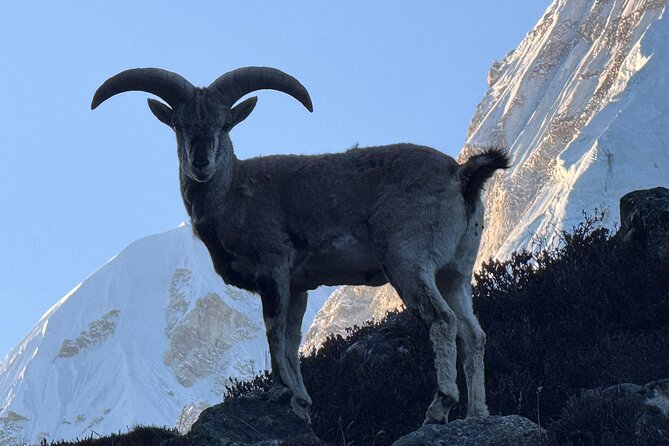
The area is protected as the Kanchenjunga Conservation Area. You may see many bird species, and the region is known as habitat for red pandas and snow leopards. Seeing either animal is never guaranteed, so you should come for the mountain journey first and treat wildlife sightings as a bonus.
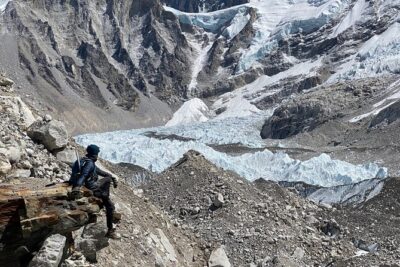
The route is described as one of the less-trekked parts of the Himalaya. That can mean peaceful walking, but it can also mean fewer services and less flexibility. You should be comfortable with remote places, long walking days, and a schedule that may need adjustment.
More walking in the hills of Kathmandu:
- Everest Base Camp Trek – 14 Days
★ 5.0 · 1,499 reviews - Everest Base Camp Trekking
★ 5.0 · 485 reviews - Nagarkot Sunrise View and Day Hiking from Kathmandu
★ 5.0 · 471 reviews
Kathmandu preparation and the eastern Nepal transfer
Day one begins in Kathmandu with arrival, a meeting with the guide, and a chance to settle last-minute trekking matters. Day two adds introductory sightseeing, permit processing, and a trek briefing.
That second day is useful rather than decorative. A trip this remote needs time for permits, questions, and preparation. You should use the briefing to confirm the pace, accommodation arrangements, what your price covers, and how weather changes will be handled.
On day three, you fly from Kathmandu to Bhadrapur. The flight takes about 45 minutes. From Bhadrapur, you continue by jeep toward Suketar in the Taplejung area, a drive listed at roughly six hours.
This is a demanding travel day before the trek even starts. The road transfer is a real cost in time and comfort, but it is also what gets you into eastern Nepal. If you dislike long mountain road journeys, this part may test your patience. If you want a remote route with fewer people, it is a necessary tradeoff.
Days 4 to 7: village paths and changing cultures
The first walking day leads to Lali Kharkha through mid-hill villages and cultivated land. This is a gentle introduction to the eastern Nepal setting, with farms, settlements, and everyday rural life rather than immediate glacier views.
Day five continues to Kade Banjyang at 2,130 meters. The route remains tied to traditional settlements, and the steady rise helps begin the transition toward higher country. The itinerary does not give exact walking hours, so you should ask the operator how long each day is expected to take.
On day six, you walk to Phumphe Danda at 1,858 meters. The altitude here is lower than at Kade Banjyang, which shows that the route is not a simple uphill line. Mountain trails rise and fall, and daily distance can matter as much as the overnight elevation.
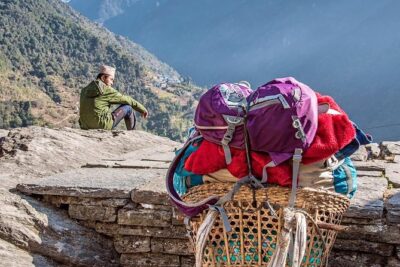
Day seven reaches Sherpaguan at 2,080 meters. This section is described as a cultural link between lower-altitude Kirant villages and the Sherpa communities farther north. I find that transition one of the most appealing parts of the trip. You are not simply walking toward a mountain, you are moving through different communities and ways of life.
Days 8 to 10: the first serious altitude gain
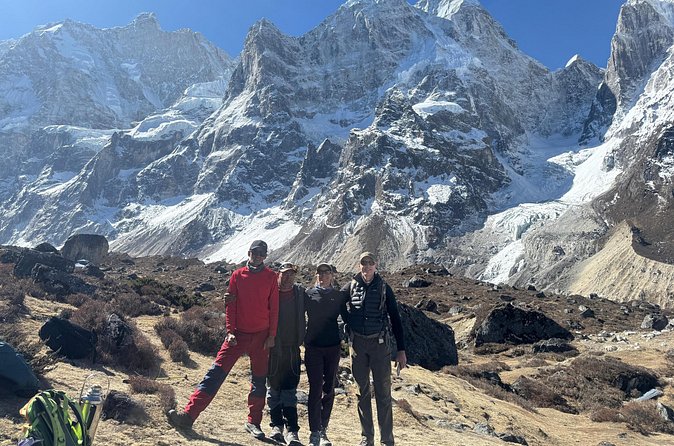
The trek to Torongton on day eight is mostly uphill and reaches 2,995 meters. As you gain height, the views open up. This is where the trek begins to feel more remote and physically serious.
Day nine climbs to Tseram at 3,870 meters. That is a major jump from the earlier village sections. You should expect the altitude to become a central part of the trip from this point onward. The schedule includes a rest and exploration day at Tseram on day ten, a wise pause before the route heads toward the south base camp area.
The rest day is not wasted time. It gives you a chance to adjust to the elevation and explore the surroundings without packing up and moving on. Since the itinerary is described as customizable, ask whether the operator can add another acclimatization day if your group needs one.
The published information only specifies moderate physical fitness, but I would treat that as a minimum rather than a full description of the challenge. You need to be ready for repeated uphill and downhill walking, high passes, remote conditions, and a trip lasting more than three weeks.
A short list of alternatives around Kathmandu
- Private Kathmandu Sightseeing Tour | UNESCO World Heritage sites
★ 5.0 · 756 reviews - Everest Base Camp Helicopter Tour landing at Everest View Hotel
★ 5.0 · 668 reviews - Half day cooking class in Thamel kathmandu
★ 5.0 · 607 reviews - Kathmandu: Full Day 7 UNESCO Tour with Lunch – Private/Group
★ 5.0 · 415 reviews
Days 11 and 12: reaching the south side of Kanchenjunga
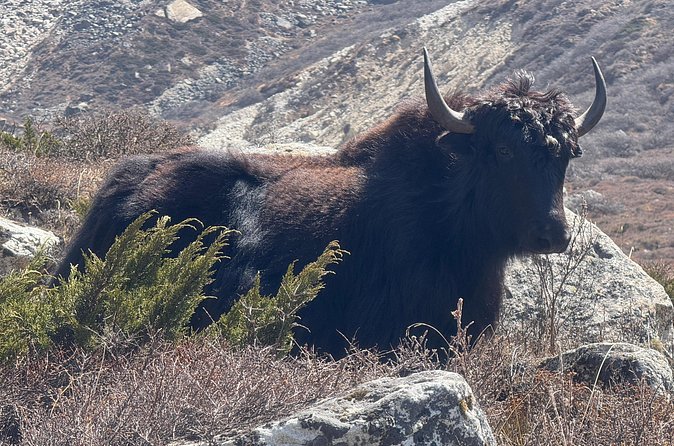
Day eleven moves closer to the Kanchenjunga south base camp area. The route now shifts from approach trek to mountain objective. You are walking into the country around one of the world’s great peaks, not simply passing through a scenic valley.
Day twelve is a major highlight. You walk to the Oktang viewpoint, visit the south base camp area, and return to Tseram at 3,870 meters. The return is important: this is an out-and-back mountain day rather than a simple transfer to a new sleeping place.
You should expect this to be a full day. The itinerary does not state the walking distance or exact duration, so confirm those details before booking. The reward is access to the south side of Kanchenjunga and the chance to see the mountain from a viewpoint that most Nepal visitors never reach.
I especially like this arrangement because it lets you focus on the south side without carrying the entire trip forward in one push. You return to the same overnight point, then prepare for the high-pass crossing.
Day 13: Sele La at 4,290 meters
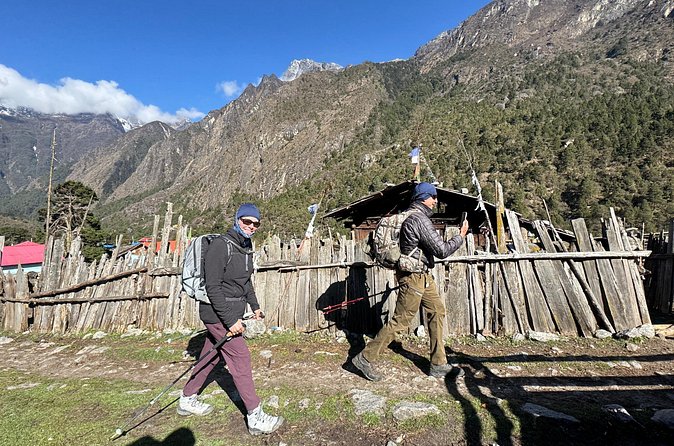
The trek to Sele La is one of the route’s defining days. At 4,290 meters, this old trade-route pass is the highest clearly stated point on the itinerary.
High passes are not just photo stops. At this altitude, weather, footing, pace, and acclimatization all matter. You should be ready for a slower day and ask the operator what happens if conditions make the pass unsafe. The supplied plan gives no exact crossing time or backup route, so that is worth clarifying.
The pass also gives the journey a strong sense of movement. You are not returning by the same path from the south base camp. You cross into the northern side of the Kanchenjunga region, making this a true south-to-north journey.
Days 14 to 17: Ghunsa, Lhonak, and the north base camp
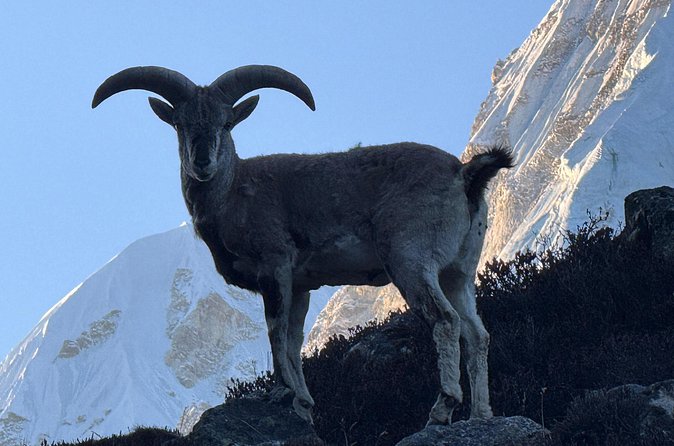
Day fourteen brings you to Ghunsa, followed by rest. Ghunsa is an important stop because it breaks up the high-country route and gives your body another chance to recover after Sele La.
On day fifteen, the trail continues toward the northern side of Kanchenjunga. Day sixteen reaches Lhonak, near the north base camp area. This is another change in character: the route now enters the stark, high mountain zone around the northern approach.
Day seventeen is set aside to explore the north Kanchenjunga base camp area, then return to the lodge. As with the south side, the plan does not provide a precise distance or walking time. Ask for those details, especially if your group includes people with limited high-altitude experience.
The two base camp visits are the heart of the trek. The south side gives you the Oktang viewpoint and a return to Tseram. The north side uses Lhonak as the base for exploration. Together, they offer two distinct views of Kanchenjunga and make the trip more than a standard out-and-back walk.
The northern section may also be where the route feels most remote. You should not expect the convenience or density of services found on Nepal’s best-known trekking corridors. That quiet is a benefit for some people and a drawback for others.
Days 18 to 22: retracing the route and getting home
Day eighteen returns to Ghunsa for another rest. The return is not an afterthought. After the north base camp excursion, a rest stop helps break up the descent and lets you recover before the lower trails.
Day nineteen continues down to Gyabla. Day twenty reaches Amjilosha, again with an overnight rest. These stops divide the return into manageable sections rather than forcing a long downhill march.
On day twenty-one, you trek to the road head and drive to Taplejung. The wording suggests a final walking section followed by a road transfer, but the exact distance is not given. Ask how much walking remains and how long the drive is expected to take.
Day twenty-two takes you by jeep toward Bhadrapur airport, followed by an afternoon flight to Kathmandu. This final day can be affected by road conditions and flight schedules, so you should avoid arranging an important international connection immediately afterward unless the operator confirms the timing.
The return also shows why the 22-day duration is approximate. A remote trek with both walking and mountain road transfers needs some breathing room. I would keep extra time around the trip if your wider Nepal plans are fixed.
What the $2,525 price means
At $2,525 per person, this is not a low-cost short trek. The value depends on what is included in your final booking, because the stated inclusions are limited to dinner and private transportation. Personal expenses are excluded.
Private transportation matters here. The Bhadrapur to Suketar transfer is long, and the return also requires a jeep ride to the airport. Having transport arranged for your own group is more comfortable and practical than trying to organize those connections independently.
The private format also means only your group participates. That can make the pace and communication easier, especially on a demanding route. Group discounts are available, which may improve the per-person value for a larger party.
Before paying, ask for a written breakdown of lodging, meals beyond dinner, domestic flights, permits, guide and porter services, airport pickup, road transfers, and any costs related to schedule changes. Those details are not all stated in the supplied information, and they can change the real cost by a great deal.
Three Jewels Adventures receives especially strong praise for organization and personal attention. Amber is specifically named in connection with arranging the Kanchenjunga trip and handling airport pickup and other details. That kind of support is valuable in a region where a missed road connection or permit problem can affect several days.
Who should choose this trek?
I would choose this route if you want a remote Himalayan journey with a clear purpose, not a quick scenic walk. It suits people interested in both mountain terrain and local culture, especially those who want to see eastern Nepal’s Limbu, Kirant, and Sherpa communities.
You should have moderate physical fitness at minimum, but the itinerary suggests a higher level of readiness is sensible. The route reaches 4,290 meters, includes repeated uphill and downhill days, and lasts about 22 days from Kathmandu back to Kathmandu.
This is a good fit for:
- People who want both Kanchenjunga base camp areas
- Hikers who prefer quieter routes
- Visitors interested in local communities and conservation
- Private groups that want arranged transport
- Experienced walkers comfortable with remote, rugged conditions
It is less suitable if you want short transfers, predictable comfort, or a large choice of facilities each evening. It is also not ideal if you have only a few spare days in Nepal.
The cancellation rule is fairly simple: you can receive a full refund if you cancel at least three full days before the start time. Cancellations or changes made inside that window are not accepted for a refund.
Should you book the Kanchenjunga south to north trek?
Book it if the two base camps are your priority and you value quiet trails, cultural contact, and a private arrangement more than convenience. The south-to-north design gives the trek a strong sense of purpose, while the rest days at Tseram and Ghunsa help break up the altitude gain.
I would not book it without first confirming the full cost and daily walking details. Ask exactly what the $2,525 covers, then check the plan for flights, accommodation, permits, meals, porter support, and bad-weather changes.
If those details suit your budget, this is one of the more unusual long treks available from Kathmandu. You trade easy access for a close look at a remote corner of Nepal, with Kanchenjunga as the main prize.
FAQ
How long is the Kanchenjunga south to north trek?
The trip lasts approximately 22 days, beginning and ending in Kathmandu.
Where does the trek begin?
The walking portion begins in the Taplejung area after travel from Kathmandu to Bhadrapur and then by jeep toward Suketar.
How do I reach the trekking area from Kathmandu?
You fly from Kathmandu to Bhadrapur in about 45 minutes, then travel by jeep for roughly six hours toward Suketar.
Does the trek visit both Kanchenjunga base camp areas?
Yes. The itinerary includes the south base camp area near the Oktang viewpoint and the north base camp area near Lhonak.
What is the highest stated point on the route?
Sele La is listed at 4,290 meters and is one of the high passes crossed during the trek.
Is there a rest day for acclimatization?
Yes. Day ten is a rest and exploration day at Tseram, and rest is also scheduled at Ghunsa on day fourteen and again on day eighteen.
Is this a private group activity?
Yes. Only your group participates in the activity.
What level of fitness is required?
The stated requirement is a moderate physical fitness level. The route also includes high altitude, rugged terrain, and several uphill sections, so you should be prepared for a demanding long trek.
What is included in the price?
The listed inclusions are dinner and private transportation. Personal expenses are not included.
Where does the activity start and what time?
The meeting point is in Kathmandu, Nepal, and the stated start time is 7:15 am. The activity ends back at the meeting point after returning to Kathmandu.
New in the Kathmandu listings
- Traditional Momo Making Class★ 5.0 · 10 reviews
- Kathmandu: Ancient City Kirtipur & Pharping Monastery Tour★ 5.0 · 2 reviews
- Kathmandu to Pokhara Premium sofa bus ticket★ 4.0 · 17 reviews
- Women Empowerment Project(Nepali cooking class & jewelry workshop★ 5.0 · 15 reviews
- 7-Day Langtang Valley Trek from Kathmandu★ 5.0 · 1 review
- Kathmandu 2 Nights 3 Days Chitwan Jungle Safari Tour★ 5.0 · 9 reviews
- Yoga Experience Day Trip with Private Transfer From Kathmandu★ 4.0 · 2 reviews
- Wildlife Adventure in Chitwan Nepal★ 4.0 · 4 reviews
Hiking & Trekking, compared.
Nagarkot Sunrise View and Day Hiking from Kathmandu
Read our review →