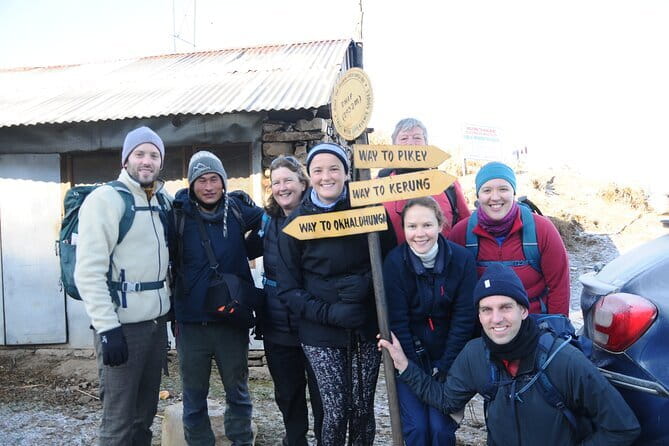
REVIEW · HIKING & TREKKING
Pikey Peak Trek
Ever wanted Everest without the Lukla flight? The Pikey Peak Trek gives you wide Himalayan views, quiet paths, and a sunrise summit at 4,066 meters, all within a seven-day trip from Kathmandu. I especially like the peaceful trail, where you may walk for hours without meeting another tourist, and the chance to visit Tupten Choling Monastery, one of the region’s largest nunneries. The main drawback is the long road journey at both ends, particularly the roughly 10-hour return to Kathmandu.
This route suits families, older hikers, and first-time trekkers who want mountain scenery without the pressure of the Everest Base Camp trail. Guides such as Sabin, Raj, and Kishwor have earned praise for their care and calm manner, though daily walking still requires stamina, and the uphill sections near base camp should not be underestimated.
In This Review
- Five things that make this trek special
- Why Pikey Peak is a smart alternative to Everest Base Camp
- The $899 price and what it covers
- Day 1: The road from Kathmandu to Dhap
- Day 2: Dhap to Jhapre and the first mountain sunrise
- Day 3: The uphill approach to Pikey Peak Base Camp
- Day 4: The sunrise climb to Pikey Peak
- Day 5: Down toward Junbesi
- Day 6: Tupten Choling Monastery and the road to Phaplu
- Day 7: The long return from Phaplu to Kathmandu
- Guides, group size, and the human side of the trip
- The quiet trails are the real luxury
- Who should book the Pikey Peak Trek?
- Should you book it?
- FAQ
- How long does the Pikey Peak Trek take?
- Where does the trek start?
- Does the trip include a flight to Lukla?
- How high is Pikey Peak?
- Can beginners or senior citizens join?
- Are meals included?
- What accommodation is used?
- What is not included in the price?
Five things that make this trek special
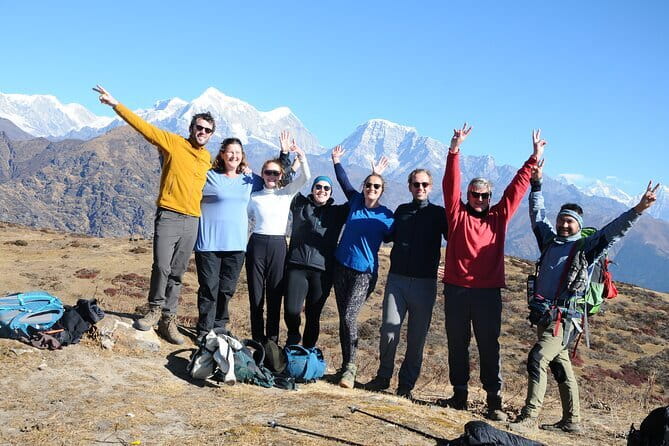
- Everest views without flying to Lukla: Reach the Solu region by road and see Mount Everest from Pikey Peak.
- A quiet alternative to famous routes: The trail can feel wonderfully empty, with long stretches of forest and open ridges.
- Sunrise at 4,066 meters: The early hike to Pikey Peak is the trip’s clearest highlight.
- The historic Hillary Trail: You follow a route linked with the early Everest approach.
- Tupten Choling Monastery: Visit a major nun’s monastery near Junbesi, home to around 20 nuns.
- A seven-day package with meals: Breakfast, lunch, and dinner are included, along with WiFi on board.
Why Pikey Peak is a smart alternative to Everest Base Camp
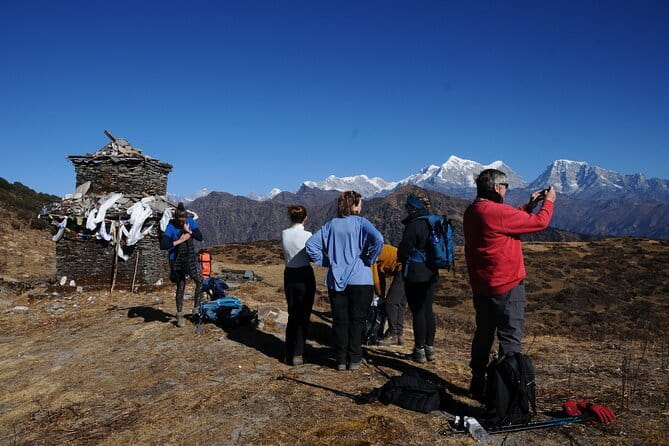
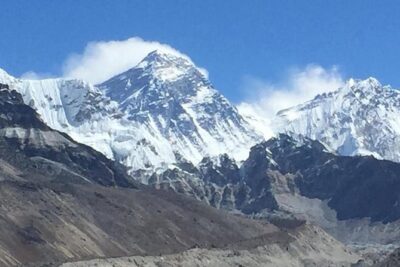
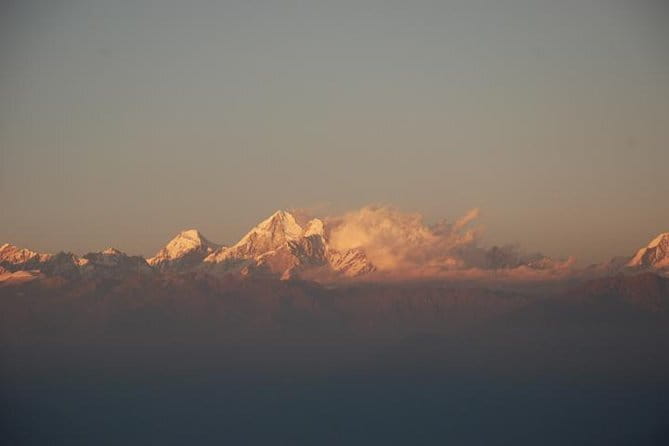
Pikey Peak is for you if the idea of Everest appeals more than the idea of a crowded, demanding base camp trek. From the summit viewpoint, you can see Mount Everest and panoramic views of seven of the world’s highest mountains. The attraction is not only the height of the peaks. It is the quiet way you meet them, from forest paths, open ridges, and small mountain settlements.
You also avoid the standard flight to Lukla. That matters for travelers who dislike small-aircraft flights, want to keep costs under control, or simply prefer a road journey through rural Nepal. The tradeoff is clear: the drive takes time, and the final return day lasts about 10 hours.
The trail reaches approximately 4,066 meters at Pikey Peak, high enough for serious mountain views but lower and shorter than many classic Everest routes. The package description presents the trek as suitable for families and senior citizens, and one participant specifically found it manageable for beginners and older hikers. Still, you should be comfortable walking for five to six hours on most trekking days, with uphill work on the approach to base camp.
More walking in the hills of Kathmandu:
- Everest Base Camp Trek – 14 Days
★ 5.0 · 1,499 reviews - Everest Base Camp Trekking
★ 5.0 · 485 reviews - Nagarkot Sunrise View and Day Hiking from Kathmandu
★ 5.0 · 471 reviews
The $899 price and what it covers
At $899 per person, this is not a bare transport-and-hotel deal. The price includes seven breakfasts, seven lunches, and six dinners, along with the guided trekking arrangement and the return transport described in the schedule. Tea house accommodation is used along the route, with comfort similar to other established trekking paths in Nepal.
That food coverage is important. Meals in remote mountain areas can add up quickly, and having the main daily meals arranged makes your budget easier to manage. The accommodation is practical rather than luxurious. Tea houses are part of the experience, so you should expect simple rooms and a local, functional style of lodging rather than resort comfort.
WiFi on board is included, which refers to the transport portions rather than a promise of strong internet throughout the mountains. A fuel surcharge is not included, so check the current total before paying. The maximum group size is 20 people. That is small enough to remain manageable, though the exact feel will depend on how many people actually book your departure.
Day 1: The road from Kathmandu to Dhap
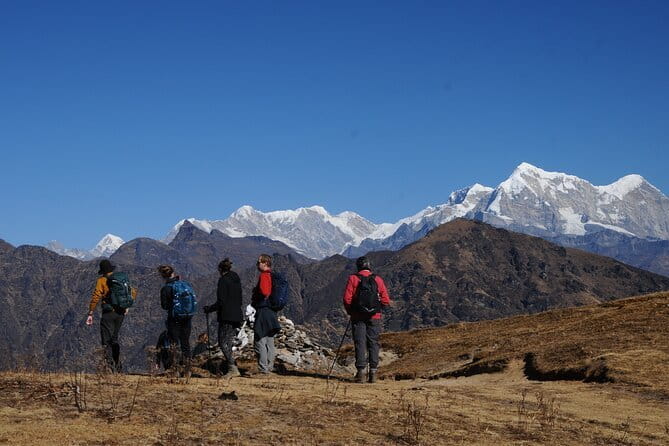
Your meeting point is Breeze Adventure Pvt. Ltd. on Thamel Marg in Kathmandu, with a 6:15 am start. The first day is a scenic drive toward Dhap, taking about five hours. The route offers mountain views, village scenes, and glimpses of daily life outside Kathmandu.
This opening day is more than a transfer. It gives you a gradual change from city streets to rural Nepal, with traditional homes and local communities appearing along the road. The Sunkoshi River is part of the route and adds a useful geographical marker as you move toward the trekking area.
The practical point is to be ready early. A 6:15 am departure leaves little room for a slow breakfast or last-minute packing. You should keep water, snacks, and anything needed during the drive close at hand. The drive is listed as taking five hours, but road travel in Nepal can feel like a full travel day even when the clock says otherwise.
Day 2: Dhap to Jhapre and the first mountain sunrise
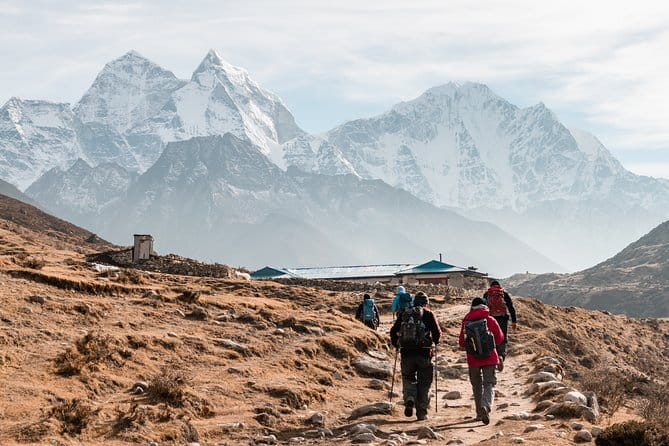
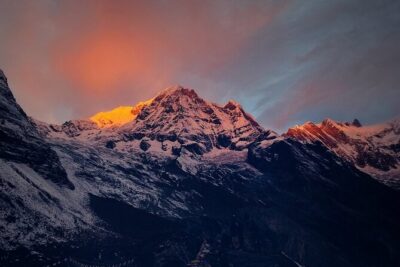
Day two begins with a sunrise view of the Himalayas, followed by breakfast and an easy trek to Jhapre. The walk takes about five hours and follows a newly built road for much of the way.
That road makes this a gentler introduction than a steep mountain path. It also means the walking may feel less wild and less scenic in places than a narrow trail. If you want a soft start, that is useful. If you dream of nonstop footpaths through untouched forest, you may find the road sections less exciting.
The mountain views begin to take shape here. Sunrise is a recurring part of the experience, and the early light gives you a better chance of seeing the Himalayan peaks clearly. The daily pattern is simple: rise early, eat breakfast, and walk while the air is cool.
A short list of alternatives around Kathmandu
- Private Kathmandu Sightseeing Tour | UNESCO World Heritage sites
★ 5.0 · 756 reviews - Everest Base Camp Helicopter Tour landing at Everest View Hotel
★ 5.0 · 668 reviews - Half day cooking class in Thamel kathmandu
★ 5.0 · 607 reviews - Kathmandu: Full Day 7 UNESCO Tour with Lunch – Private/Group
★ 5.0 · 415 reviews
Day 3: The uphill approach to Pikey Peak Base Camp
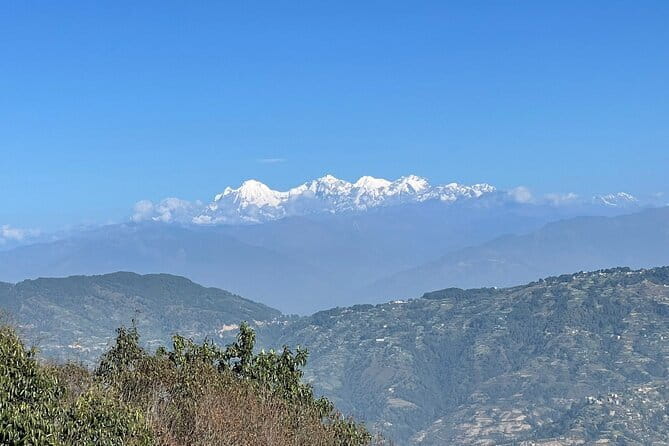
The third day is a longer walking day, around six hours, and the trail to Pikey Peak Base Camp is mainly uphill. Some sections include descents, so you are not climbing continuously, but this is where the trek begins to demand more from your legs.
The reward is a stronger sense of being in the high country. The route leads toward the base camp and sets up the sunrise climb for the following morning. Along the way, you may pass through rhododendron forest. During the blooming season, the color and scent of the trees become one of the trek’s most memorable features.
This is also the day to pay attention to your pace. The trek is described as accessible, but accessible does not mean effortless. Six hours of walking with uphill sections can be tiring, especially if you are not used to mountain paths. A patient guide can make a real difference here. Sabin has been praised for being energetic and helpful, while Raj has been singled out for speaking English well and paying close attention to physical condition.
Day 4: The sunrise climb to Pikey Peak
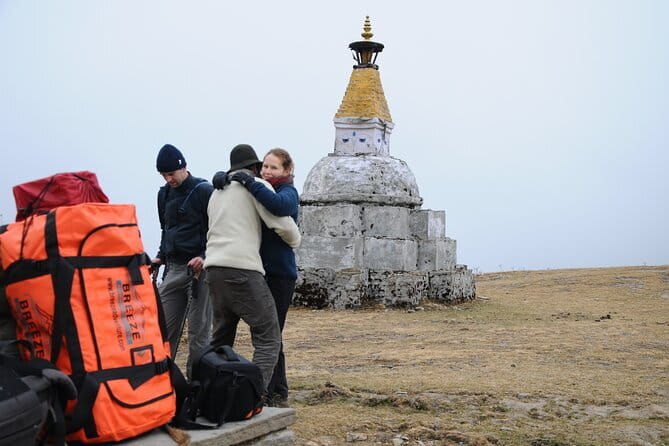
This is the day you came for. You wake early and hike for about one hour to Pikey Peak, reaching the viewpoint for sunrise. At about 4,066 meters, the summit gives you a broad view of the Himalayan range, including Mount Everest and six other very high peaks.
The early start is not optional in spirit. Sunrise is the point, and the light changes quickly once the sun appears. Bring warm layers and keep your camera ready, but do not let the camera distract you from the view. The appeal of Pikey Peak is the wide sweep of mountains rather than a single close-up peak.
The summit walk is short compared with the previous day, but the altitude can make even a one-hour climb feel harder. Take it slowly. The trip’s appeal is that you can see Everest without reaching the extreme altitude of Everest Base Camp, but 4,066 meters is still high. If you have never walked at altitude, allow yourself time and do not treat the final hour as a race.
The descent and the rest of the day take roughly six hours in total. After the summit, the route continues toward the next overnight stop, so you are not simply returning to the same lodge for a quiet morning. That makes day four both the visual high point and one of the longer days on foot.
Day 5: Down toward Junbesi
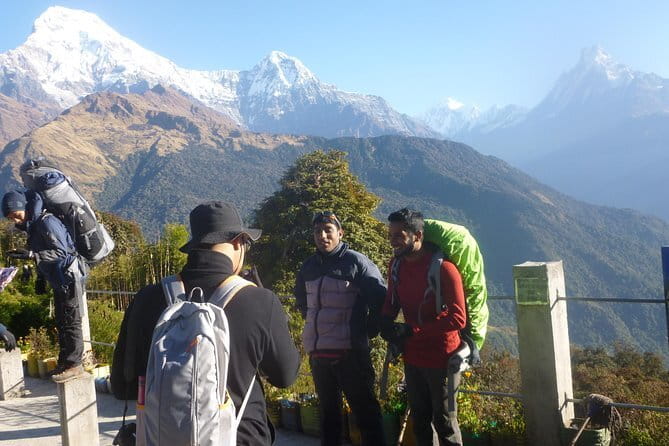
After breakfast, you walk toward Junbesi, a key settlement in the Solu area. The day takes about five hours and brings a change in mood after the summit morning. Instead of focusing only on high ridges, you begin moving through forests and mountain communities.
The exact route depends on where you stayed the night before. If you slept at Jasmane Bhanjyang, you first walk for about three and a half hours to Taktor, where the route continues toward Junbesi. This variation is worth clarifying before departure because it affects your morning distance and the shape of the day.
Junbesi is also important because it sets up the monastery visit on day six. The settlement gives you a chance to experience the local side of the trek, not just the mountain viewpoints. Tea house accommodation remains simple, but the warmth of the local hospitality is a major part of the route’s appeal.
Food is included, and several people have praised the meals served at the tea houses. You should still keep expectations sensible. This is remote trekking food, not a city restaurant menu. The value comes from having hot, filling meals available after a long walk.
Day 6: Tupten Choling Monastery and the road to Phaplu
Day six combines walking with one of the trek’s most distinctive cultural stops. After breakfast, you head toward Tupten Choling Monastery, one of the largest nunneries in the region. It sits at the foot of a mountain and is home to around 20 nuns.
This visit gives the trek a human and spiritual focus that a summit alone cannot provide. The monastery is not just a photo stop. You are seeing a working religious community in a remote setting, and the quiet atmosphere fits the tone of the whole route.
The day takes about six hours and ends toward Phaplu, where the road journey back to Kathmandu begins the next morning. The exact balance between walking and transport is not fully specified, so ask Breeze Adventure how much trekking is planned after the monastery and where you will sleep that night.
The route also includes the historic Hillary Trail. That detail adds context to the walk. You are not simply following a new recreational path. You are moving through part of the wider approach area associated with the early Everest era, before the modern Lukla-centered route became the usual choice.
Day 7: The long return from Phaplu to Kathmandu
The final day begins early because the drive from Phaplu to Kathmandu takes about 10 hours. After roughly two hours, the group stops at Dhap Thade for breakfast, where you can enjoy a mountain view before continuing.
This is the least relaxing day of the trip. Ten hours on the road is a serious finish, particularly after six days of walking. Still, it allows you to complete the circuit without a Lukla flight, and some people will prefer a long road day to a small-plane journey.
Plan your mindset correctly. This is not a sightseeing day with frequent stops and leisurely meals. It is a transfer day with one named breakfast stop and a return to the original meeting point in Kathmandu. Keep your phone, reading material, water, and any medication accessible rather than buried in your luggage.
Guides, group size, and the human side of the trip
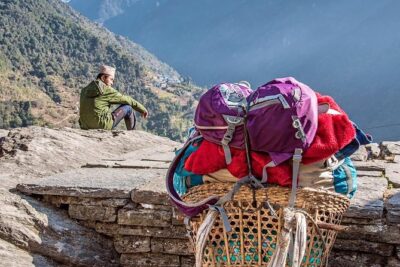
The strongest praise centers on the Breeze Adventure team. Kishwor, also spelled Kishwar in some feedback, is described as quick to answer questions and effective with organization. Sabin is praised as professional, fun, and energetic. Geli and Raj are also named positively, and Amrit is identified as a helpful porter.
You should confirm your guide’s name before departure since staff assignments can change. The important point is the level of personal support described: calm communication, attention to physical condition, and help with the practical details of a remote trek.
The group limit is 20 people. That keeps the operation from becoming a huge procession, but it is still large enough to affect the pace and lodge arrangements. If you value a quieter trip, ask how many people are booked when you reserve.
The experience allows service animals and is near public transportation at the Kathmandu meeting point. Most people can participate, according to the supplied details. Those points suggest broad access, but they do not remove the need to discuss medical concerns, altitude, or mobility limits with the operator.
The quiet trails are the real luxury
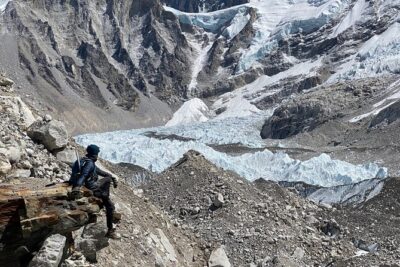
The most appealing feature is not a fancy room or a fast transfer. It is the lack of crowds. The route can feel calm and personal, with long stretches where you see no other tourists. That changes the rhythm of a Himalayan trek. You hear the forest, notice the villages, and have more space to look up.
Rhododendron forest adds another strong moment, especially when the trees are in bloom. The trail also gives you both scenery and culture: Himalayan peaks, local homes, tea houses, the Hillary Trail, and Tupten Choling Monastery.
The accommodation will not suit anyone seeking luxury. Tea houses are comfortable enough for a trekking route, but you should expect basic conditions. The long drives are another real drawback. This trip saves you from flying to Lukla, but it does so by putting more hours on the road.
Who should book the Pikey Peak Trek?
I would recommend this trek to you if you want:
- A shorter Himalayan experience of about five to seven days
- Everest views without the full Everest Base Camp route
- A quieter alternative to Nepal’s most famous trails
- A guided trip with meals and tea house stays arranged
- Cultural interest in addition to mountain scenery
- A route suitable for many beginners, families, and older hikers
I would be more cautious if you dislike long road transfers, want private or upscale lodging, or expect every day to be an easy walk. The climb to base camp and the high summit morning require steady effort, even though the route is considered manageable.
The free cancellation policy gives you a practical safety net: cancel at least 24 hours before the 6:15 am start for a full refund. Changes or cancellations made later are not accepted for a refund, so keep the local cut-off time in mind.
Should you book it?
Book the Pikey Peak Trek if you want a peaceful introduction to Nepal’s high mountains, with a genuine chance to see Everest and a worthwhile monastery visit. At $899, the package offers solid value because meals, guided support, transport, and tea house arrangements are bundled together.
I would choose it over a more famous route if quiet trails matter more to you than name recognition. Just prepare for early mornings, simple accommodation, uphill walking, one very long return drive, and a possible fuel surcharge. If those tradeoffs sound fair, Pikey Peak gives you a memorable mountain trip without the crowds or Lukla flight.
FAQ
How long does the Pikey Peak Trek take?
The experience lasts approximately seven days, beginning and ending in Kathmandu.
Where does the trek start?
You meet at Breeze Adventure Pvt. Ltd. on Thamel Marg in Kathmandu. The scheduled start time is 6:15 am.
Does the trip include a flight to Lukla?
No. The route uses road transport from Kathmandu to the trekking area and returns by road from Phaplu.
How high is Pikey Peak?
Pikey Peak is approximately 4,066 meters high.
Can beginners or senior citizens join?
The experience is described as suitable for people of all ages, including families and senior citizens. Most participants can take part, though the six-hour uphill day and high-altitude summit morning still require reasonable fitness.
Are meals included?
Yes. The package includes seven breakfasts, seven lunches, and six dinners.
What accommodation is used?
The trek uses tea house accommodation, with comfort described as similar to other established trekking routes in Nepal.
What is not included in the price?
A fuel surcharge is not included. The listed price is $899 per person.
New in the Kathmandu listings
- Kathmandu: Ancient City Kirtipur & Pharping Monastery Tour★ 5.0 · 2 reviews
- Traditional Momo Making Class★ 5.0 · 10 reviews
- Kathmandu to Pokhara Premium sofa bus ticket★ 4.0 · 17 reviews
- Women Empowerment Project(Nepali cooking class & jewelry workshop★ 5.0 · 15 reviews
- 7-Day Langtang Valley Trek from Kathmandu★ 5.0 · 1 review
- Kathmandu 2 Nights 3 Days Chitwan Jungle Safari Tour★ 5.0 · 9 reviews
- Yoga Experience Day Trip with Private Transfer From Kathmandu★ 4.0 · 2 reviews
- Wildlife Adventure in Chitwan Nepal★ 4.0 · 4 reviews
Hiking & Trekking, compared.
Nagarkot Sunrise View and Day Hiking from Kathmandu
Read our review →