REVIEW · HIKING & TREKKING
Tsum Valley Trekking
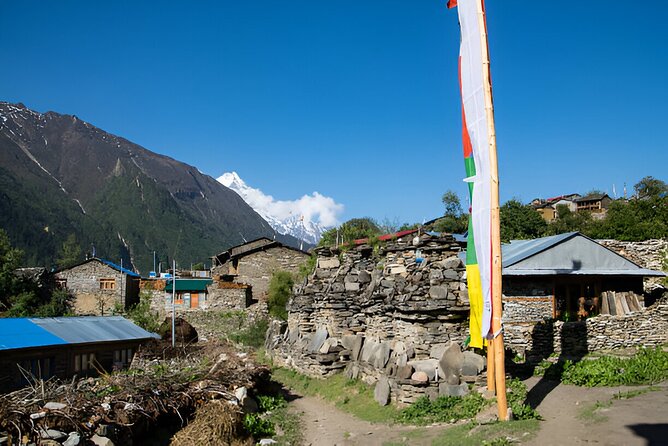
Remote Nepal rewards patient walkers. This 15-day Tsum Valley Trek takes you beyond the busier Manaslu route into a high, quiet valley shaped by Tibetan Buddhist culture, mountain trails, and villages that only opened to tourism in 2007. I like the remote setting and the chance to visit places such as Milarepa Cave and Mu Gompa. I also like that this is a private trip, so your group can move at its own pace.
The main caution is the physical demand. Several days are listed at seven to twelve hours, and the route reaches high country near the Tibetan border. The $1,800 price includes breakfast, lunch, and dinner, but not flights, visa costs, government fees, travel insurance, or personal expenses.
In This Review
- Key points at a glance
- Why Tsum Valley feels different
- Kathmandu begins with four major sights
- Days 3 and 4: rough roads and the Budhi Gandaki
- Day 5: the turn into Tsum Valley
- Day 6: Chhokangparo and Ganesh Himal views
- Day 7: Milarepa Cave and the final village
- Day 8: Mu Gompa near the Tibetan border
- Days 9 and 10: Rachen Gompa and the return through Tsum
- Days 11 and 12: back to Jagat and Machha Khola
- Days 13 to 15: road back to Kathmandu and departure
- What the $1,800 price really covers
- Who should book this trek?
- Booking, cancellation, and practical checks
- FAQ
- How long is the Tsum Valley Trek?
- Where does the tour start?
- Is this a private tour?
- What meals are included?
- What is not included in the price?
- How physically demanding is the trek?
- Which monasteries and religious sites are visited?
- What is the cancellation policy?
- Should you book the Tsum Valley Trek?
Key points at a glance
- A rarely visited Himalayan valley: Tsum Valley remains far quieter than Nepal’s better-known trekking routes and includes the villages of Chumchet and Chhekampar.
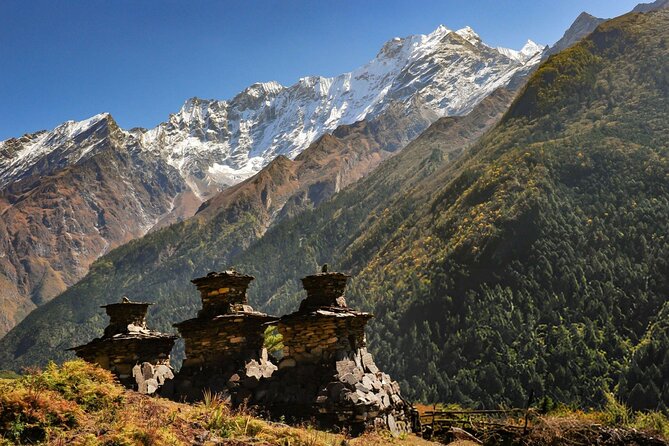
- Strong Buddhist character: You visit monasteries, chortens, mani walls, prayer wheels, Mu Gompa, Rachen Gompa, and the cave linked with the saint Milarepa.
- A private 15-day schedule: Only your group takes part, with airport pickup and a Kathmandu hotel transfer included at the start.
- Long walking days: The route includes several demanding days of up to 12 hours, so moderate fitness is not just a box to tick.
- Meals are covered: Breakfast, lunch, and dinner are included throughout the trip, helping make the $1,800 cost easier to assess.
- A useful Kathmandu finish: You have a free day for shopping or rest before departure, though the schedule lists that day as a full 12 hours, which is best understood as an open day rather than a walking day.
Why Tsum Valley feels different
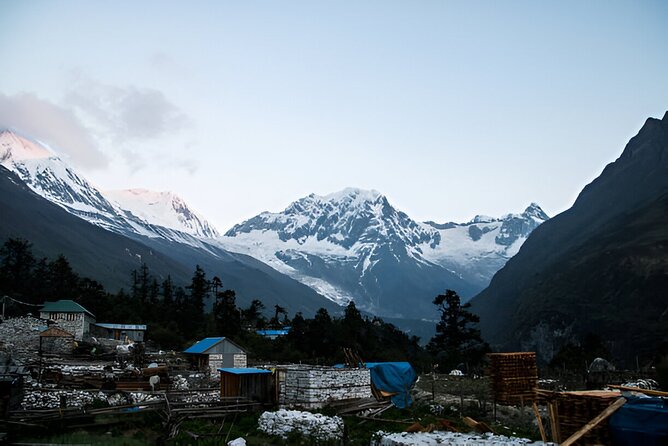
Tsum Valley lies in Nepal’s Gorkha district, beyond the lower Budhi Gandaki River corridor. It contains two remote village areas, Chumchet and Chhekampar, and has long been known as Tsum Tso Chuksums, meaning thirteen provinces ruled as one territory.
That old name hints at the valley’s separate identity. Tsum was geographically cut off and culturally distinct for generations. Tourism only became possible in 2007, so you are not simply visiting another Himalayan trekking village with a few lodges and souvenir stalls. The route still feels tied to local village life and Tibetan Buddhist practice.
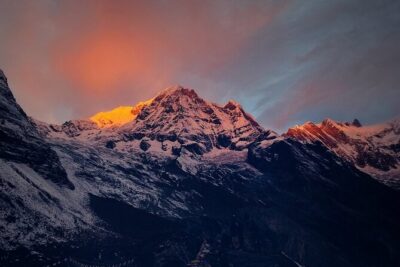
The name Tsum comes from the Tibetan word Tsombo, meaning vivid. That is a fitting description for the route’s mix of pine forest, mountain views, river gorges, prayer flags, white chortens, and high pastures. I especially like that the cultural story is not added as decoration. It is built into the walk itself.
The valley is mainly home to Gurung communities and has a long Buddhist tradition. Milarepa, the famous Buddhist saint, is believed to have meditated in caves in these mountains. You visit one of the caves associated with him on the way to Nile, giving the trek a spiritual focus that goes well beyond scenic viewpoints.
More walking in the hills of Kathmandu:
- Everest Base Camp Trek – 14 Days
★ 5.0 · 1,499 reviews - Everest Base Camp Trekking
★ 5.0 · 485 reviews - Nagarkot Sunrise View and Day Hiking from Kathmandu
★ 5.0 · 471 reviews
Kathmandu begins with four major sights
Your trip starts with pickup at Tribhuvan International Airport and a transfer to a hotel in Thamel. The first day is kept light, which makes sense after an international flight and a drive through Kathmandu’s busy streets.
On the second day, you visit four major cultural sites in the Kathmandu Valley: Boudhanath Stupa, Swayambhunath, Kathmandu Durbar Square, and Pashupatinath Temple. Each stop is scheduled for about two hours, so this is a substantial sightseeing day rather than a quick orientation.
Boudhanath gives you a first look at Nepal’s Tibetan Buddhist world, a useful introduction before you reach Tsum Valley. Swayambhunath, often called the Monkey Temple, sits above the city and provides a broad view across Kathmandu. Kathmandu Durbar Square brings together palace courtyards, temples, and traditional architecture, while Pashupatinath is one of the country’s most important Hindu religious sites.
I like this opening because it gives you cultural context before the mountain days begin. The drawback is the pace. Four major sites in one day can feel full, especially after arriving from another time zone. Use the first afternoon to rest rather than trying to pack in extra sightseeing.
Days 3 and 4: rough roads and the Budhi Gandaki
The trekking section starts with a long journey toward Machha Khola. You cross the Soti Khola and walk through Sal forest before descending to Lapubesi and continuing to Machha Khola. The day is listed at about 12 hours, so you should expect a serious start.
This first section is less about lofty mountain views and more about entering the river corridor. Forest, village paths, and the sound of running water set the rhythm. The long duration is the important detail here. If you want a gentle introduction to trekking, this will not be it.
The next day takes you toward Jagat. You cross Tharo Khola, reach Tatopani, follow a narrow valley, and cross the Budhi Gandaki River. Again, the day may run to about 12 hours.
Jagat marks a major point on the route because the trail begins to feel more enclosed and remote. The river is a constant companion, but narrow valley walking can be tiring. Good pacing matters. You will enjoy the scenery more if you avoid treating the first two trekking days as a race.
Day 5: the turn into Tsum Valley
From the lower route, you turn toward Tsum Valley and walk to Chumling. The path rises through pine and rhododendron forest, with suspension bridges along the way. The seven-hour walk is shorter than the first two trekking days, but the cultural shift is more important than the clock.
Chumling is a traditional Tibetan-style village, and the approach gives you your first clear sense that this is a different part of Nepal. The trail moves away from the more familiar river route and into a quieter valley system.
Suspension bridges are part of Himalayan trekking, but they can still be a test if you dislike heights or have a heavy pack. Keep your pace steady and let faster walkers go ahead. The crossing is more enjoyable when you do not hurry.
A short list of alternatives around Kathmandu
- Private Kathmandu Sightseeing Tour | UNESCO World Heritage sites
★ 5.0 · 756 reviews - Everest Base Camp Helicopter Tour landing at Everest View Hotel
★ 5.0 · 668 reviews - Half day cooking class in Thamel kathmandu
★ 5.0 · 607 reviews - Kathmandu: Full Day 7 UNESCO Tour with Lunch – Private/Group
★ 5.0 · 415 reviews
Day 6: Chhokangparo and Ganesh Himal views
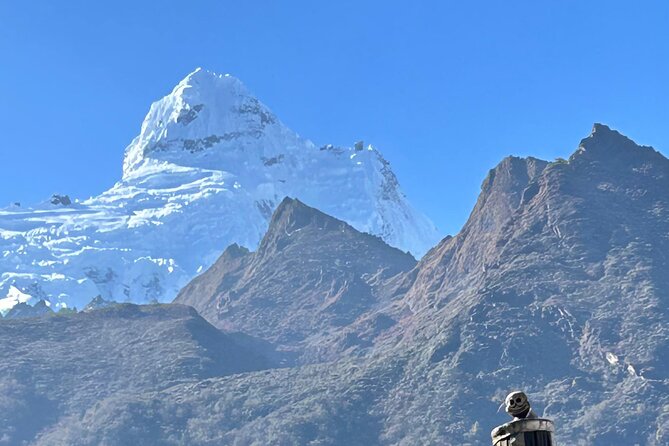
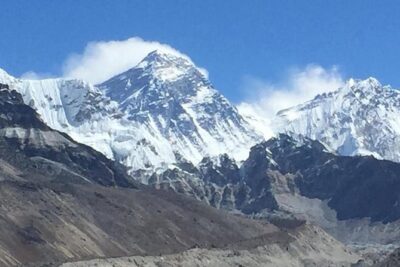
The route continues to the twin villages of Chhokang and Paro, often referred to together as Chhokangparo. The walk takes around seven hours and offers views toward Ganesh Himal.
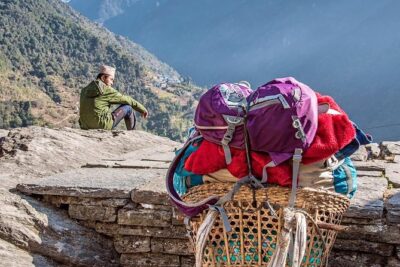
You pass small monasteries and prayer wheels, so the day gives you both mountain scenery and religious landmarks. This is one of the best sections for understanding how daily village life and Buddhist practice fit together. The prayer wheels and small shrines are not isolated attractions. They appear along the path people use for ordinary movement between homes and fields.
Chhokangparo also brings a change in altitude. The itinerary says the altitude begins to rise, so you should pay attention to how you feel, drink enough water, and tell your guide if symptoms develop. The supplied details do not give exact elevations, so it would be unwise to assume this is a simple high-altitude walk.
Day 7: Milarepa Cave and the final village
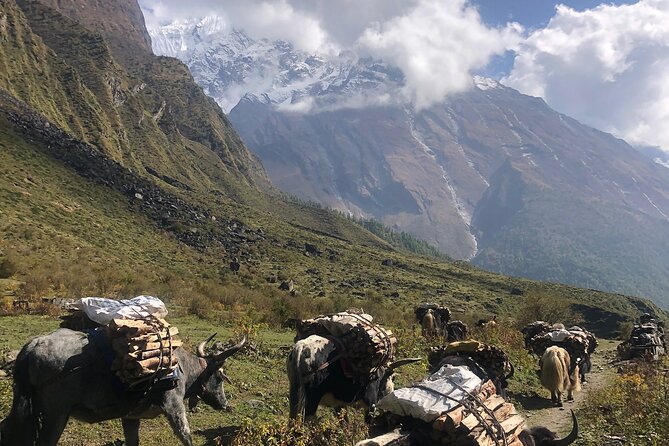
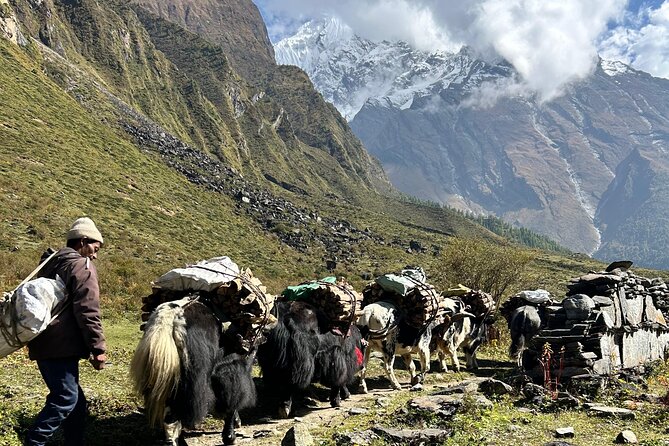
The walk to Nile takes about six hours and passes through yak pastures, mani walls, and colorful chortens. You also pass Lamagaon and Phurbe before reaching Nile, the last village before the Tibetan border.
This is one of the most memorable days because the valley’s religious character becomes especially clear. Mani walls are built from carved prayer stones, while chortens mark the route with a quiet visual presence. The yak pastures add a practical reminder that this is working mountain country, not a recreation area built for tourism.
The visit to Milarepa Cave is the key stop. The cave is linked with the Buddhist saint who is believed to have meditated among these mountains. You do not need to be religious to appreciate the place. Its value comes from the setting, the story, and the sense of continuity between the landscape and local belief.
Nile is the final village before the Tibetan border, which gives the day a real sense of distance. Services in a remote valley should not be compared with city standards. The supplied information confirms lodges and meals are part of the wider arrangements, but it does not promise a particular room type or level of comfort.
Day 8: Mu Gompa near the Tibetan border
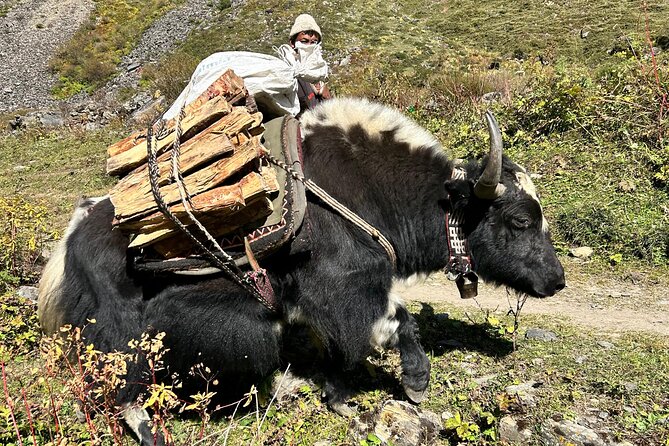
The morning hike to Mu Gompa is the high point of the trek. The monastery sits near the Tibetan border and is described as the highest point on the route. You have time to explore the ancient monastery and take in the surrounding mountain views.
This is not just another stop on a list. Mu Gompa gives the trek its clearest high-valley destination and its strongest connection to the Buddhist life of northern Tsum. The walk is listed at about five hours, shorter than several earlier days, but altitude can make a shorter route feel harder.
The schedule includes admission to Mu Gompa. Other visits are listed as free or included in the general itinerary, so you should not assume that every personal donation, extra entrance charge, or optional expense is covered. The tour includes meals, but personal and natural expenses remain your responsibility.
Days 9 and 10: Rachen Gompa and the return through Tsum
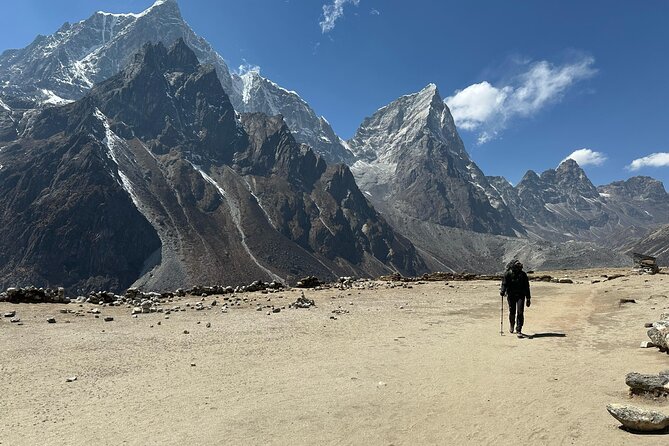
After Mu Gompa, you begin descending through the valley. The route includes Rachen Gompa, one of the area’s largest nunneries, where you can learn about the nuns’ daily routines and spiritual practice. The day is listed at about five hours.
Rachen Gompa adds balance to the monastery visits. Mu Gompa takes you toward the high border country, while Rachen Gompa shows another side of Buddhist life, centered on a community of nuns. It is a useful stop for anyone interested in how religion shapes local institutions.
The next day takes you back toward Lokpa through pine forest and small settlements. The seven-hour walk retraces part of the route, but going downhill changes what you see. Trails that looked like an approach now become a broad view back toward the valley and its dramatic mountains.
Retracing your steps can feel repetitive, but it also has a benefit. You recognize villages, bridges, and bends in the trail from a new angle. This is a route for people who value a slow journey rather than constant novelty.
Days 11 and 12: back to Jagat and Machha Khola
From Lokpa, you walk back to Jagat and rejoin the Budhi Gandaki River. The day is listed at about 12 hours and includes forests, villages, and mountain views.
This is likely to be one of the hardest days because you are already carrying fatigue from the high valley. The private format helps here. Your group is not sharing a fixed pace with strangers, although you still need to discuss realistic walking times with the guide before departure.
The following day continues toward Machha Khola through forest paths, riverside trails, and quiet village areas. It takes about seven hours. The change to lower elevations should make the walking feel more manageable, but the trail remains active and uneven by its nature.
These two days are not flashy. Their value is in the transition from a remote cultural valley back to the main trekking corridor. You get time to notice how the villages and terrain change as you descend.
Days 13 to 15: road back to Kathmandu and departure
Day 13 is a drive back to Kathmandu, listed at about 12 hours. That is a long road day, and you should plan mentally for a slow return rather than a quick transfer. The scenic views help, but road travel in the mountain region can still be tiring.
You spend the night in Kathmandu, then have Day 14 free for shopping, rest, or souvenirs for family and friends. Thamel is a practical base for this, with plenty of places to browse, eat, and prepare for departure. The itinerary labels this as a 12-hour day, but the description makes clear that it is a free day rather than another organized trek.
On Day 15, you are transferred to the airport for your international departure. The meeting point is Tribhuvan International Airport in Kathmandu, and the stated operating period runs from April 25, 2025, through November 26, 2026, daily from 6:15 a.m. to 6:45 p.m.
What the $1,800 price really covers
At $1,800 per person, this is not a low-cost independent trek, but the value depends on what you would otherwise need to arrange. The package includes breakfast, lunch, and dinner for all 15 days, airport pickup, Kathmandu transfers, the private tour format, and the organized route through a remote part of Nepal.
Food costs can add up on a long mountain trip, so included meals make the price easier to understand. The private structure also matters. You are not joining a large departure where the entire group must follow one pace.
The price does not include international flights, visa costs, government fees, travel insurance, or personal and natural expenses. Before paying, ask for a clear breakdown of those exclusions and confirm what accommodation, transport, permits, and guide services are covered.
Only two published ratings are available, so the perfect five-star score should be treated as encouraging but limited evidence. The strongest praise focuses on organization, friendly guides, lodges, and the remote valley itself. That matches the main strengths of the trip, but it is not enough information to predict every detail of your departure.
Who should book this trek?
I would recommend this trek to you if you want a private Himalayan trip with a strong cultural side and do not need a polished resort-style experience. The route suits people who are curious about monasteries, village life, Buddhist traditions, and remote mountain geography.
You should also be comfortable with long days. A moderate fitness level is required, yet the 12-hour stages suggest that basic fitness alone may not be enough if you are unused to sustained walking. Build preparation around endurance, hills, and carrying a daypack.
This is less suitable if you want short walks, easy transport, or a route with many comfort breaks. The itinerary is demanding, and the road journey back to Kathmandu is also long.
Service animals are allowed according to the tour information, but the remote terrain and extended walking schedule make it sensible to confirm the practical details with the provider before booking.
Booking, cancellation, and practical checks
Confirmation is provided at booking, and airport pickup is offered at the stated starting point. Since the trip is private, tell World Himalaya Treks & Expeditions about your group’s pace, fitness, dietary needs, and preferred level of comfort before you arrive.
You can receive a full refund if you cancel at least six full days before the local start time. Cancellation two to six full days before the start may receive a 50 percent refund, while cancellation less than two full days before the start receives no refund. Changes inside those windows are not accepted.
I would also confirm the exact transport plan for the 12-hour road sections, the accommodation standard, and the required government fees. These questions matter more here than they would on a short city tour.
FAQ
How long is the Tsum Valley Trek?
The full experience lasts approximately 15 days, including arrival and departure transfers, Kathmandu sightseeing, trekking days, the return drive, and a free day in Kathmandu.
Where does the tour start?
The tour starts at Tribhuvan International Airport in Kathmandu, Nepal. Airport pickup and transfer to a hotel in Thamel are offered.
Is this a private tour?
Yes. Only your group participates in the activity, rather than joining a shared public departure.
What meals are included?
Breakfast, lunch, and dinner are included for all 15 days.
What is not included in the price?
International flights, government fees, visa costs, travel insurance, and personal or natural expenses are not included.
How physically demanding is the trek?
The tour requires a moderate level of physical fitness. Several trekking days are listed at seven to twelve hours, and the route reaches Mu Gompa, the highest point of the trek.
Which monasteries and religious sites are visited?
The route includes Mu Gompa, Rachen Gompa, small monasteries, prayer wheels, mani walls, colorful chortens, and Milarepa Cave. Kathmandu sightseeing also includes Boudhanath Stupa, Swayambhunath, Kathmandu Durbar Square, and Pashupatinath Temple.
What is the cancellation policy?
A full refund is available when you cancel at least six full days before the local start time. Cancellation two to six full days before the start may receive a 50 percent refund. Cancellations less than two full days before the start are not refunded.
Should you book the Tsum Valley Trek?
Book it if you want a quiet, culturally focused trek and are ready for long walking days, basic remote-area conditions, and a lengthy return drive. The best reasons to go are the valley’s recent opening to tourism, its Tibetan Buddhist traditions, Milarepa Cave, Mu Gompa, and the chance to travel privately with meals arranged.
Think twice if your priority is easy walking or guaranteed comfort. Before booking, get the missing practical details in writing, especially accommodation, permits, road transport, and excluded fees. For a fit walker who values old villages and living religious traditions more than polished facilities, this $1,800 trip offers a strong route into one of Nepal’s least developed trekking valleys.
New in the Kathmandu listings
- Traditional Momo Making Class★ 5.0 · 10 reviews
- Kathmandu: Ancient City Kirtipur & Pharping Monastery Tour★ 5.0 · 2 reviews
- Kathmandu to Pokhara Premium sofa bus ticket★ 4.0 · 17 reviews
- Women Empowerment Project(Nepali cooking class & jewelry workshop★ 5.0 · 15 reviews
- 7-Day Langtang Valley Trek from Kathmandu★ 5.0 · 1 review
- Kathmandu 2 Nights 3 Days Chitwan Jungle Safari Tour★ 5.0 · 9 reviews
- Yoga Experience Day Trip with Private Transfer From Kathmandu★ 4.0 · 2 reviews
- Wildlife Adventure in Chitwan Nepal★ 4.0 · 4 reviews
Hiking & Trekking, compared.
Nagarkot Sunrise View and Day Hiking from Kathmandu
Read our review →