
REVIEW · ANNAPURNA CIRCUIT TREKS
12 Days Annapurna Circuit Trek from Kathmandu
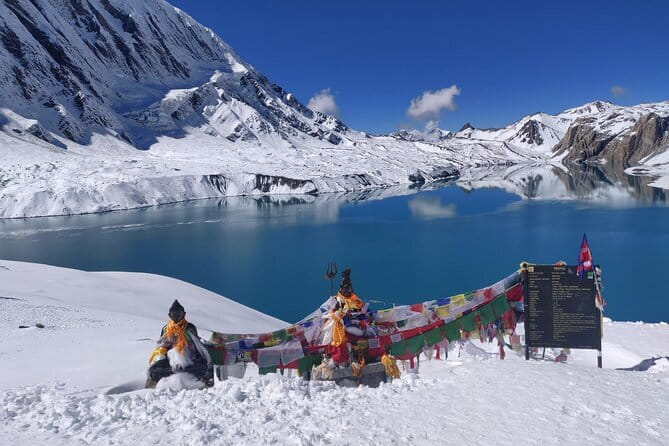
The high pass is only half the story. This 12-day trek links green river valleys, Tibetan-style villages, old monasteries, and the dry country around Mustang. I like the route’s remarkable change of scenery, from the Marshyangdi Valley to Thorong La Pass at 5,416 meters. I also like the practical support: airport transfers, permits, a guide, trekking poles, and accommodation are included. The main caution is the schedule. The trek reaches very high altitude quickly, and the 8 to 9 hour crossing day demands strong fitness.
This is a private trip for your group, with an English-speaking Sherpa guide and a listed price of $680 per person. Guide Biru receives especially warm praise for his care and explanations of mountain culture, while Milan, Amrit, and Krishna are also singled out for their help, English, honesty, and ability to adjust the pace. Food costs extra at about $25 per day, and the long road journeys are a real part of the experience.
In This Review
- What Makes This Annapurna Route Worth Considering
- What the $680 Price Really Covers
- Day 1: Kathmandu and a Useful First Night
- Day 2: The Long Road to Chame
- Day 3: Chame to Upper Pisang
- Day 4: Upper Pisang to Manang via Braga
- Day 5: Acclimatization in Manang
- Day 6: Manang to Yak Kharka
- Day 7: Yak Kharka to Thorong Phedi
- Day 8: Thorong La Pass and Muktinath
- Day 9: Muktinath to Jomsom through Kagbeni
- Day 10: Jomsom to Pokhara by Bus
- Day 11: Pokhara to Kathmandu
- Day 12: Airport Transfer and Departure
- The Guides Are a Major Part of the Value
- Who Should Book This Trek?
- Final Verdict: A Strong Value Trek with a Serious High Pass
- FAQ
- How long is the Annapurna Circuit Trek from Kathmandu?
- What is the highest point on the trek?
- Is an acclimatization day included?
- How long is the hardest trekking day?
- Is a guide included?
- Are trekking permits included?
- Are meals included in the price?
- What accommodation is included?
- Is this a private tour?
What Makes This Annapurna Route Worth Considering
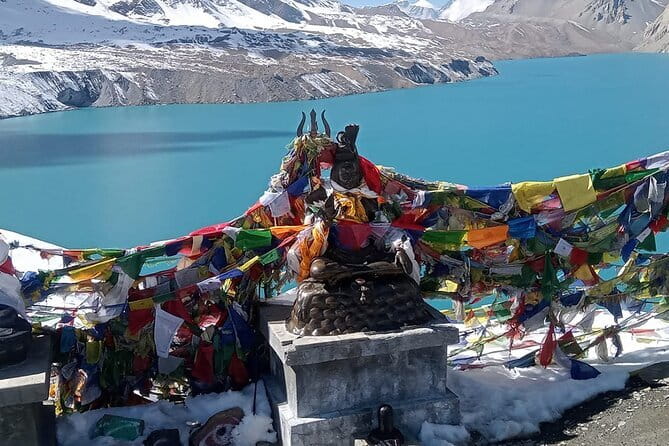
- Thorong La Pass at 5,416 meters: The trek’s big physical and scenic test, followed by a descent to Muktinath.
- A rapid change in scenery: Green valleys give way to juniper country, alpine pasture, and dry Mustang terrain.
- Braga and Manang culture: Tibetan-style buildings, monasteries, stupas, and traditional villages add meaning beyond mountain views.
- A genuine acclimatization day: Day 5 in Manang gives your body time to adjust before the highest section.
- Experienced guide support: Biru, Milan, Amrit, and Krishna are praised for care, local knowledge, English, and flexible pacing.
- A relatively low listed price: The package includes permits, guide service, accommodation, transfers, breakfast on selected nights, and a trekking pole.
What the $680 Price Really Covers
At $680 per person, this is priced as a practical guided package rather than a luxury trek. Your money covers hotel pickup and drop-off, an English-speaking guide, trekking permits and official documents, two nights in Kathmandu, one night in Pokhara with breakfast, guesthouse accommodation during the trek, a trekking pole, and transport listed as shared bus service.
That bundle matters because permits and road transfers can become a nuisance when arranged separately. You also have one person responsible for trail decisions, local communication, and general safety. The private format means only your own group participates, even though some transport is described as a shared bus.
You still need to budget for meals and drinks. The stated estimate is about $25 per day, so allow roughly $300 for the full trip if you use that figure across 12 days. Gratuities are optional and not included.
The price does not suggest high-end lodging. Guesthouses are part of the mountain experience, but the details of room arrangements, bathrooms, and heating are not specified. I would ask the operator what is included at each overnight stop before paying, especially if comfort matters to you.
More Annapurna Circuit treks:
- Annapurna Circuit Trek with Tilicho Lake
★ 5.0 · 368 reviews - Annapurna Circuit Trek
★ 5.0 · 94 reviews - Annapurna Circuit Trek
★ 5.0 · 35 reviews
Day 1: Kathmandu and a Useful First Night
Your arrival begins with a meeting at Tribhuvan International Airport. A representative takes you by private vehicle to your hotel in Thamel, Kathmandu, where you check in and settle down.
Thamel is a handy base for a Nepal trek. The first night is less about sightseeing and more about getting organized. You can use the time to confirm the next morning’s departure, check your gear, and meet the guide. The listed schedule shows about five hours for the day, though the actual airport transfer time will depend on arrival and city traffic.
Kathmandu accommodation includes breakfast for two nights. The package does not list sightseeing admissions, so do not assume that major city attractions are part of the plan.
Day 2: The Long Road to Chame
Day 2 is a road day of about nine hours. You drive toward Besisahar, cross the Trishuli and Marsyangdi river areas, and continue to Chame.
This is not a gentle introduction to trekking. It is a long transfer that gets you deep into the route. You may see rafting activity near the Trishuli River, while the Marsyangdi River becomes a companion closer to Chame. The changing river valleys provide a good preview of how quickly Nepal’s scenery shifts.
The drawback is simple: nine hours in road transport can feel tiring before the walking starts. The schedule lists a bus transfer, so ask how much of the journey is shared and what type of vehicle is used. The package description also calls the trip private, so clarify this small but important distinction.
Day 3: Chame to Upper Pisang
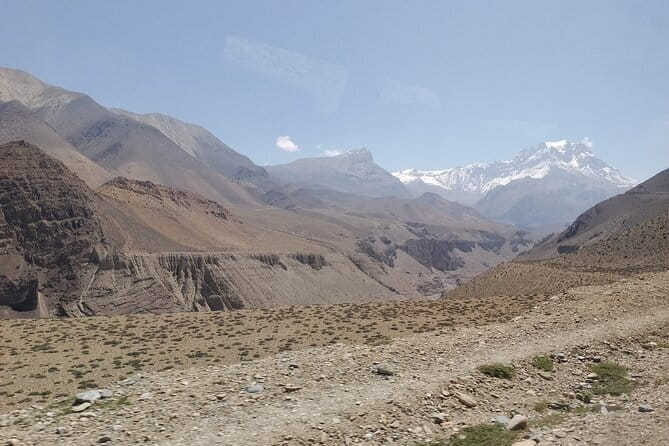
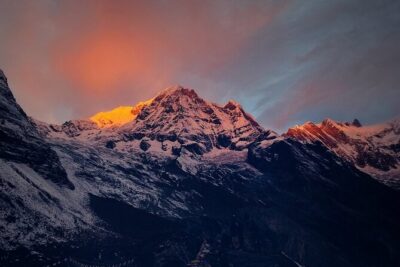
The walking begins in earnest on Day 3, with about six hours on the trail to Upper Pisang. You pass Telekhu and cross a suspension bridge while views open toward the Annapurna range and Mount Pisang, which rises to 6,091 meters.
This is where the trek begins to feel like a mountain journey rather than a transport itinerary. The trail links villages, river crossings, and high peaks without asking you to face the highest altitude all at once. Upper Pisang is also an important point in the route because the scenery and architecture begin to feel more Tibetan in character.
You should still take this day at a steady pace. A six-hour walk is manageable for a fit person, but it comes after the long road transfer from Kathmandu. Your guide’s role is especially useful here, as the group can settle into a rhythm before the altitude increases.
More walking in the hills of Kathmandu:
- Everest Base Camp Trek – 14 Days
★ 5.0 · 1,499 reviews - Everest Base Camp Trekking
★ 5.0 · 485 reviews - Nagarkot Sunrise View and Day Hiking from Kathmandu
★ 5.0 · 471 reviews - Everest Base Camp Trekking – 13 Day
★ 5.0 · 365 reviews
Day 4: Upper Pisang to Manang via Braga
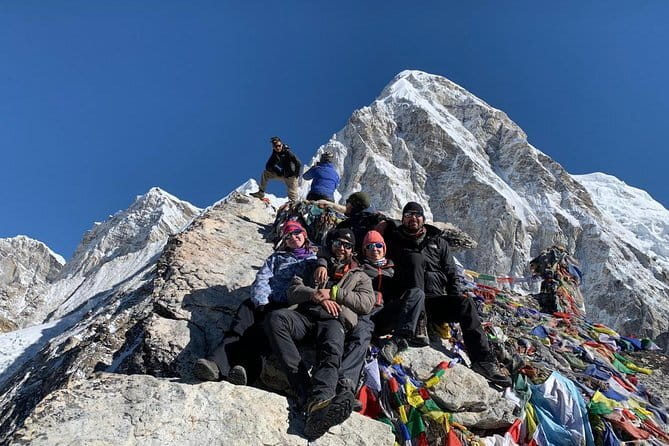
Day 4 takes about six hours and leads through the upper Manang area to Braga and Manang. Braga is one of the most memorable cultural stops on the route, with houses built one above another in a distinctive Tibetan style.
The village architecture gives you a clear sense of how people adapted to steep ground and a dry mountain climate. Manang is also a major staging point before the higher pass. The views toward Annapurna, Dhaulagiri, and Manaslu become a central part of the experience, but the villages and monasteries keep the walk from becoming just a sequence of viewpoints.
The itinerary mentions ancient monasteries and Buddhist stupas along the route. Treat these as places for quiet observation, not quick photo stops. Your guide can help explain the customs and religious details, especially if you have not spent time in Buddhist mountain communities before.
Day 5: Acclimatization in Manang
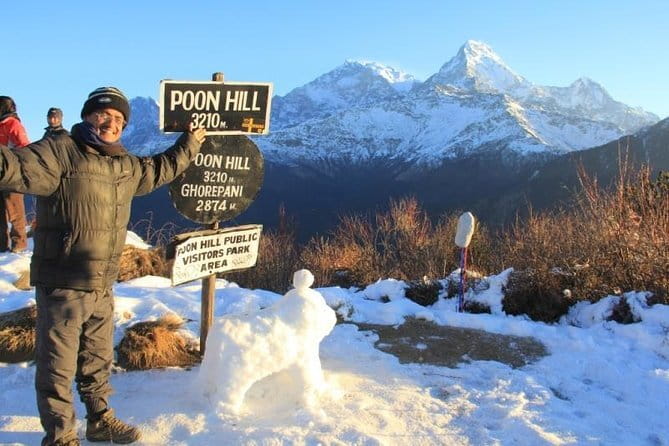
Day 5 remains based in Manang and lasts about six hours, with time for active acclimatization. This is one of the smartest features of the schedule.
At high altitude, resting all day is not always the best plan. A moderate outing helps you stay active while giving your body time to adjust before Yak Kharka, Thorong Phedi, and the pass. The exact side trip is not specified, so ask your guide what route is planned and how strenuous it will be.
Do not treat this as a spare vacation day. It is a safety measure. Headache, unusual tiredness, dizziness, or nausea should be reported promptly to your guide. The supplied information requires strong physical fitness, and that warning is justified.
Day 6: Manang to Yak Kharka
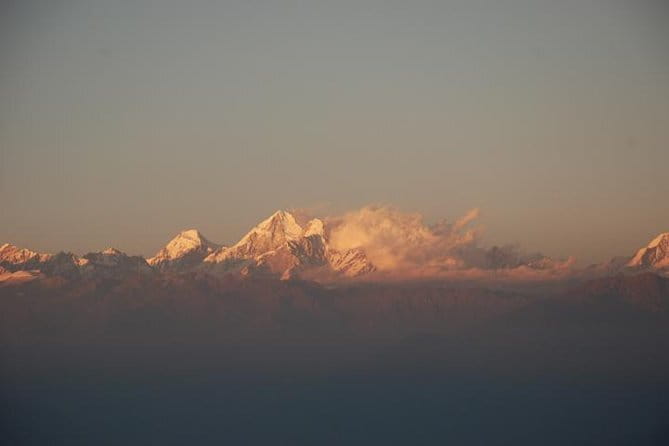
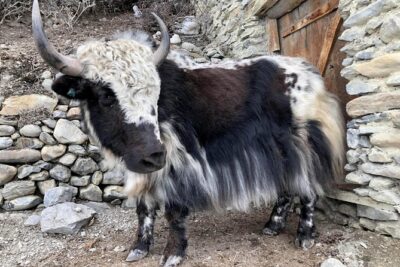
The route climbs about 10.4 kilometers to Yak Kharka in roughly six hours. You pass through juniper forest and alpine pasture, with yaks grazing along the way.
This section feels more exposed and remote than the lower valleys. The plants become shorter, the air thinner, and the settlements less frequent. The route also passes the only teahouse at Thorong Khola, according to the itinerary, so carry what you need for the day and do not count on frequent refreshment stops.
Yak Kharka is a functional overnight point before the pass. The schedule is not built around leisurely detours here. I would focus on hydration, a measured pace, and an early night rather than trying to squeeze in extra distance.
Day 7: Yak Kharka to Thorong Phedi
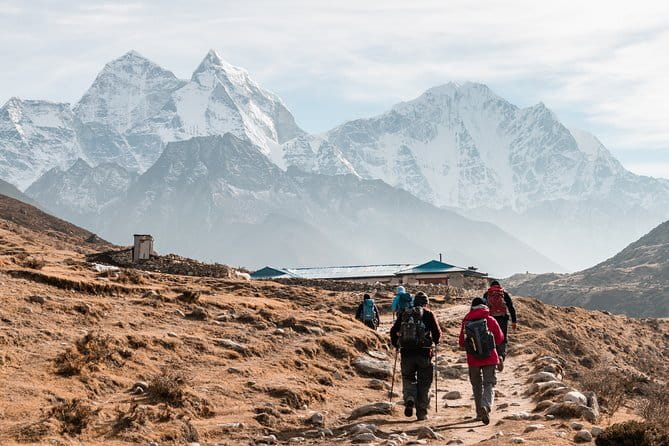
Day 7 is another six-hour walking day, following the east bank of the Jarang Khola. The trail climbs through steep bluffs toward Thorong Phedi, whose name means foot of the pass.
This is the psychological build-up to Thorong La. You can see the terrain becoming harsher as the trail leaves the more sheltered valley sections. Thorong Phedi is the last major staging point before the crossing, so your guide should help you prepare for the early and demanding effort ahead.
The itinerary does not provide exact departure times for this section. Ask your guide when the group will leave for the pass, what happens if weather or altitude causes a delay, and where the overnight stay is located.
Day 8: Thorong La Pass and Muktinath
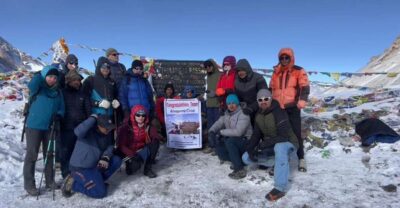
Day 8 is the trek’s hardest day, with 8 to 9 hours of walking. You cross Thorong La at 5,416 meters, then descend to Muktinath.
The pass is the headline achievement, but the altitude and wind make it more than a photo opportunity. The route can feel slow, and the descent does not make the day easy. Strong winds are specifically noted in this section, so warm layers and protection from wind are essential. The package does not provide a detailed equipment list, so confirm what you need before departure.
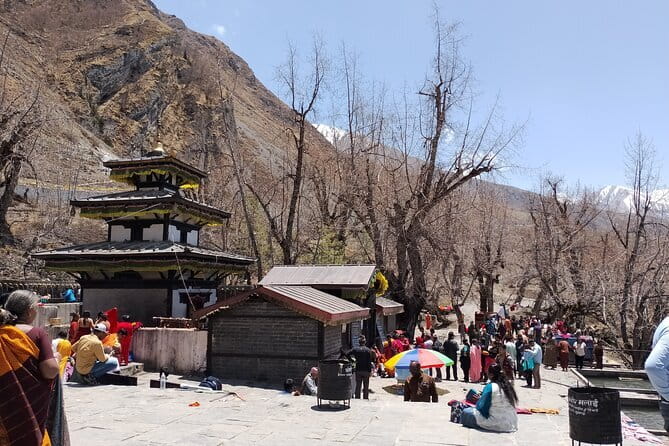
Reaching Muktinath gives the day a strong cultural finish. Muktinath is an important pilgrimage site, and its location links the high mountain route with the religious traditions of the area. The descent also begins the visual shift toward the drier Mustang side.
This is where a good guide earns the fee. Biru is praised for care and mountain culture explanations, while Milan is credited with helping make the pass and the route to Tilicho Lake easier. Tilicho Lake is not part of the supplied 12-day itinerary, so do not assume that side trip is included, but those comments suggest the guiding team has experience with demanding high-altitude sections.
Day 9: Muktinath to Jomsom through Kagbeni
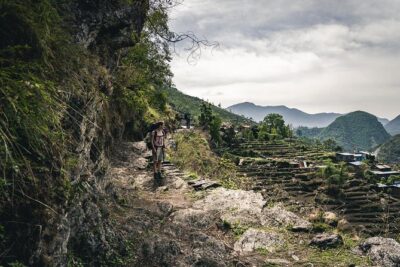
After the pass, Day 9 offers about six hours of walking toward Jomsom. The route passes meadows, orchards, streams, and Kagbeni before reaching the Kali Gandaki Valley.
The scenery here is a welcome change after the barren high pass. Kagbeni is known for its old village character and its position near the Mustang route. The combination of orchards, dry hills, and water channels gives this section a different feel from the Marshyangdi Valley.
Jomsom is the end of the main walking portion described here. You may feel relief after the pass, but the tour is not finished. The next two days involve long road journeys back to Pokhara and Kathmandu.
Day 10: Jomsom to Pokhara by Bus
Day 10 is a 7 to 8 hour drive to Pokhara, passing through Beni Bazaar and Tatopani. The schedule lists about six hours for the stop, so treat the timing as an estimate rather than a guarantee.
This is one of the less glamorous parts of the package, but it is practical. The road connects the mountain section with Pokhara without requiring another flight. You pass through changing river valleys and lower-country scenery as the air becomes warmer.
Pokhara is best known here for Phewa Lake, written as Phew Tal in the itinerary. One night of accommodation with breakfast is included. The plan does not list a boat ride, sightseeing tour, or entrance fees, so any extra activity would be separate.
Day 11: Pokhara to Kathmandu
Day 11 brings another long road journey, listed at 7 to 8 hours. You return to Kathmandu with a final night before your flight.
After the physical effort of the trek, this drive may feel tedious. Still, it keeps the package straightforward and avoids adding another transport type to the itinerary. Build patience into the day, and do not plan an important evening commitment in Kathmandu.
The trip has a clear strength here: you do not need to arrange your own return transfer. The guide or operator handles the journey according to the schedule, leaving you to enjoy the last views and rest.
Day 12: Airport Transfer and Departure
On your final day, the company takes you to Tribhuvan International Airport at least three hours before your scheduled departure. The experience ends with a direct transfer rather than a complicated handoff.
The listed meeting time is 4:15 pm, but the exact departure arrangements should be confirmed because airport pickup and the first day’s arrival transfer depend on your flight details. Confirmation is provided at booking, and cancellation is allowed for a full refund up to three full days before the experience begins. Within that three-day window, refunds and changes are not accepted.
The Guides Are a Major Part of the Value
The strongest positive feature is the guide service. Biru is repeatedly praised for being caring, friendly, and good at explaining mountain culture. Amrit receives similar praise for excellent support, while Krishna is noted for clear English and for changing the walking pace to suit the group. Milan is praised for honesty and help on difficult sections.
That matters on the Annapurna Circuit. A guide is not just someone who points out the trail. You need help with pacing, altitude concerns, village customs, and communication at guesthouses. The package describes the guides as experienced Sherpa professionals, and the personal praise gives you a useful reason to request a named guide if one is available.
Who Should Book This Trek?
I would recommend this experience to fit trekkers who want a classic Annapurna route with a guide and a fixed support package. It suits people who value scenery and local culture more than polished hotels, and who can accept long bus journeys at both ends.
It is less suitable if you want a relaxed holiday, private vehicles throughout, or detailed comfort guarantees. The high point is 5,416 meters, the longest walking day reaches 9 hours, and the accommodation details are limited. You should be comfortable with basic guesthouse conditions and a physically demanding schedule.
The route is also a good match for a private group that wants flexible pacing. Krishna’s praised ability to adjust speed is exactly the kind of support that can make a high-altitude trek feel manageable, though you should still confirm the guide assignment before departure.
Final Verdict: A Strong Value Trek with a Serious High Pass
I would book this trek if my priority were a full Annapurna Circuit experience at a moderate price, with permits, transfers, accommodation, and guide support bundled together. The scenery changes dramatically, the cultural stops are meaningful, and the acclimatization day in Manang is a valuable part of the plan.
I would pause before booking if I had limited trekking experience, poor fitness, or little tolerance for long road transfers. Ask about the exact guesthouses, transport arrangements, guide assignment, meal costs, and equipment before paying. If you are ready for the altitude and the long days, this is a rewarding route with strong guide support and a clear sense of place.
FAQ
How long is the Annapurna Circuit Trek from Kathmandu?
The experience lasts 12 days, including arrival and departure transfers, road journeys, trekking days, and overnight stays in Kathmandu and Pokhara.
What is the highest point on the trek?
The highest point is Thorong La Pass at 5,416 meters.
Is an acclimatization day included?
Yes. Day 5 is spent in Manang for active acclimatization before the route continues toward Yak Kharka and Thorong Phedi.
How long is the hardest trekking day?
The crossing from Thorong Phedi to Muktinath takes about 8 to 9 hours and is described as the most physically demanding day.
Is a guide included?
Yes. The package includes an experienced, English-speaking trekking guide. The experience provider is CAN Travels.
Are trekking permits included?
Yes. Trekking permits and official documents are included in the package.
Are meals included in the price?
No. Food and drinks are available for purchase, with an estimated cost of about $25 per day.
What accommodation is included?
The package includes two nights in Kathmandu and one night in Pokhara with breakfast. During the trek, accommodation is provided in guesthouses.
Is this a private tour?
Yes. Only your group participates in the private tour or activity. The itinerary also lists shared bus transport for the road journeys, so confirm the exact vehicle arrangements before booking.
New in the Kathmandu listings
- Traditional Momo Making Class★ 5.0 · 10 reviews
- Kathmandu: Ancient City Kirtipur & Pharping Monastery Tour★ 5.0 · 2 reviews
- Kathmandu to Pokhara Premium sofa bus ticket★ 4.0 · 17 reviews
- Women Empowerment Project(Nepali cooking class & jewelry workshop★ 5.0 · 15 reviews
- 7-Day Langtang Valley Trek from Kathmandu★ 5.0 · 1 review
- Kathmandu 2 Nights 3 Days Chitwan Jungle Safari Tour★ 5.0 · 9 reviews
- Yoga Experience Day Trip with Private Transfer From Kathmandu★ 4.0 · 2 reviews
- Wildlife Adventure in Chitwan Nepal★ 4.0 · 4 reviews
Annapurna Circuit Treks, compared.
15-Day Private Annapurna Circuit Trek from Kathmandu
Read our review →
Browse the lists this tour appears in