
REVIEW · EVEREST BASE CAMP TREKS
12 Days Everest Base Camp Trekking
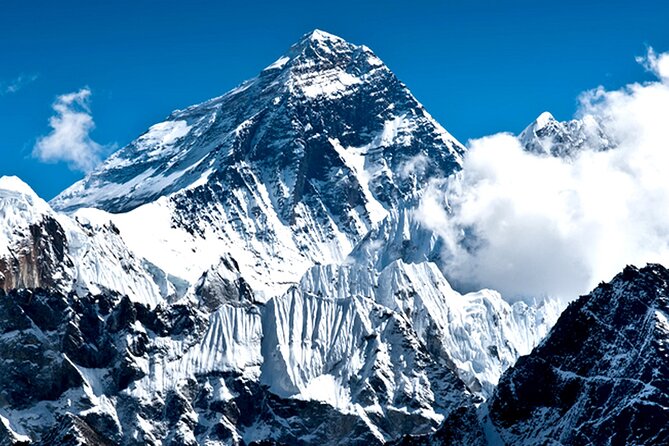
The Himalayas reward steady steps. This 12-day Everest Base Camp trek combines the classic Lukla route, licensed guiding, teahouse stays, and the key acclimatization days you need at altitude. I like the included round-trip flight, permits, meals, and airport transfers, and I also like that the trip is private for your own group. The main concern is the pace: high-altitude trekking is demanding, and the long days near Base Camp require solid fitness and patience.
I also appreciate the built-in nights at Namche Bazaar and Dingboche. Those pauses are not filler. They give your body time to adjust before you climb higher. The $1,399 price covers a surprising amount, but porter service, insurance, hot showers, Wi-Fi, snacks, tips, and other personal costs remain outside the package.
In This Review
- Key points at a glance
- What the $1,399 price really covers
- Day 1: Kathmandu to Lukla, then Phakding
- Day 2: Phakding to Namche Bazaar
- Day 3: Acclimatization around Namche Bazaar
- Day 4: Sagarmatha National Park and the route to higher country
- Day 5: Dingboche and the alpine change
- Day 6: Acclimatization at Dingboche
- Day 7: Khumbu Glacier and glacial moraines
- Day 8: Lobuche to Gorak Shep and Everest Base Camp
- Day 9: Kala Patthar at sunrise
- Days 10 and 11: A careful return through Sagarmatha National Park
- Day 12: Return to Kathmandu
- Guide quality and the private format
- Who should book this Everest Base Camp trek?
- Should you book it?
- FAQ
- Is the Everest Base Camp trek private?
- How long does the trek last?
- Are flights to Lukla included?
- Are meals included during the trek?
- Is a porter included?
- What accommodation is provided?
- What happens if bad weather cancels the experience?
Key points at a glance
- Early Lukla flight: Your trek begins with a scenic domestic flight from Kathmandu, or from Ramechhap during peak season, followed by the walk to Phakding.
- Two acclimatization days: Namche Bazaar and Dingboche each receive a rest day, with optional hikes to Everest View Hotel, Nagarjun Hill, or Chhukung.
- Private group format: Only your group takes part, which can make the pace and daily support feel more personal.
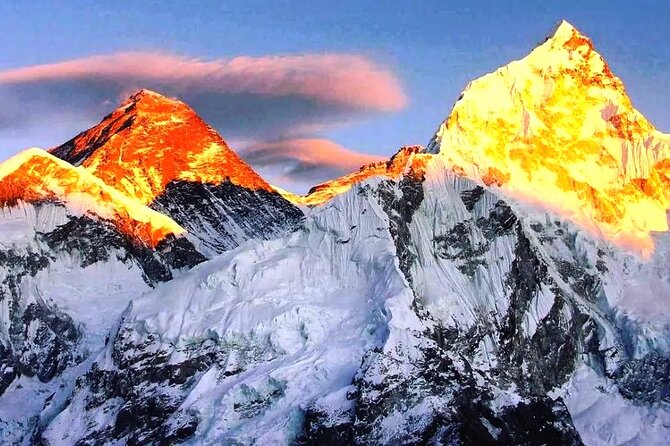
- The classic high points: You reach Khumbu Glacier, Everest Base Camp, and Kala Patthar, the best viewpoint on this route for Everest.
- Practical inclusions: Meals, twin-sharing teahouse accommodation, permits, guide costs, domestic flights, and ground transport are included.
- Guide support: The company assigns a licensed English-speaking guide. Past guests specifically praised guides named Ramchandra and Ram.
What the $1,399 price really covers
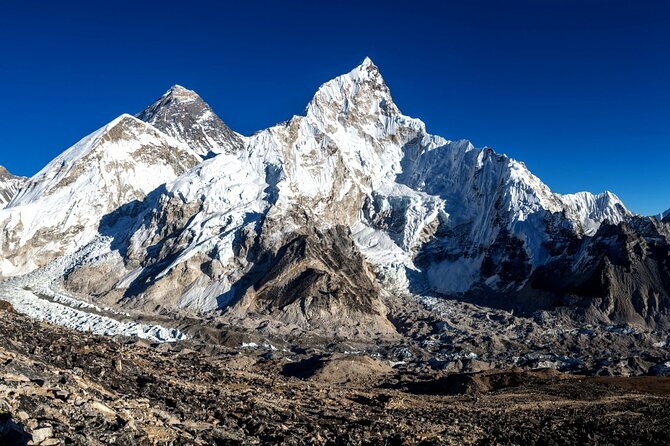
At first glance, $1,399 may look like a simple trekking fee. It is not. The package includes airport pickup and drop-off, one night in a deluxe Kathmandu hotel with breakfast, round-trip airfare to Lukla, local teahouse accommodation, three daily meals during the trek, a licensed guide, permits, taxes, and official service charges.
That bundle matters on Everest Base Camp routes. The domestic flight alone is a major part of the logistics, and the guide’s salary, meals, lodging, equipment, and insurance are also covered. A basic first aid kit and pulse oximeter are included, giving the guide a way to monitor oxygen levels as you gain height.
The accommodation is twin-sharing in local teahouses. You should think of this as practical mountain lodging, not a hotel-based holiday. The value comes from staying along the route and having meals arranged, not from private rooms or resort comforts.
You still need to budget for international flights, a Nepal entry visa, travel and medical insurance, porter service, snacks, drinks, laundry, hot showers, Wi-Fi, extra porters, and tips. Porter service is available on request, but it is not included. That is an important point if you do not want to carry your own main bag.
The trip includes breakfast, lunch, and dinner during the trek, with tea or coffee at breakfast. Dinner is also listed for all 12 days, while breakfast and lunch are listed 11 times, so it is sensible to confirm the exact meal schedule before departure.
More Everest Base Camp treks:
- Everest Base Camp Trek – 14 Days
★ 5.0 · 1,499 reviews - Everest Base Camp Trekking
★ 5.0 · 485 reviews - Everest Base Camp Trekking – 13 Day
★ 5.0 · 365 reviews
Day 1: Kathmandu to Lukla, then Phakding
Your guide collects you from your hotel and takes you to the airport for the early flight to Lukla, at about 2,800 meters. This is more than a transfer. It is the moment the city gives way to the Khumbu region and the walking portion of the trip begins.
From Lukla, you trek to Phakding. The first day is listed at about eight hours, although the actual walking rhythm can vary. The route is a useful introduction to the trip because you begin with a manageable section rather than heading straight into the highest country.
There is a practical issue here: flights to Lukla depend on weather. The cancellation policy says poor weather can lead to a different date or a full refund if the experience is canceled. Still, you should keep your wider Nepal plans flexible, since a flight change can affect later arrangements.
Day 2: Phakding to Namche Bazaar
After breakfast, you follow the trail from Phakding toward Namche Bazaar, the main trading center of the Khumbu. The day takes about seven hours and includes suspension bridges and a gradual climb.
This is when the trek starts to feel serious. The route is not only about distance. You are gaining height, and the repeated crossings and uphill sections require a steady pace. I would resist the urge to race early in the day. Your body will need that energy later.
Namche is an important stop because it gives you access to an acclimatization day. It is also one of the most memorable settlements on the route, with mountain views and a strong sense of being in the high country. You stay in local teahouse accommodation, so expect basic comfort and a social setting rather than luxury.
Day 3: Acclimatization around Namche Bazaar
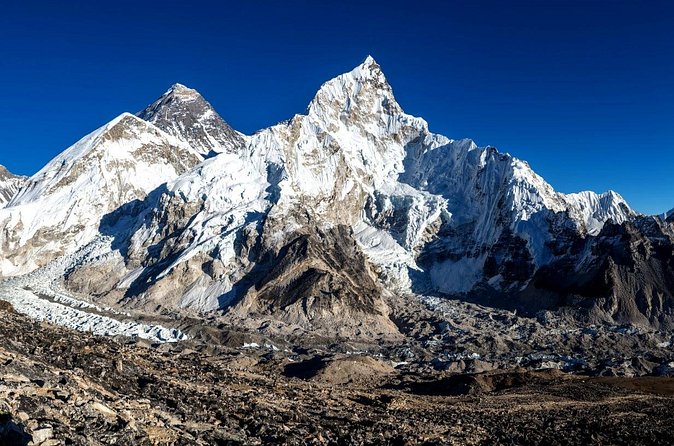
Day three is set aside for acclimatization. The suggested outing is a hike toward Everest View Hotel, where you may see Everest and surrounding peaks. The listed day lasts about eight hours, but this does not mean you must treat it like a full march.
The point is to walk higher and sleep lower, allowing your body to adjust. That makes this one of the most valuable parts of the schedule. Many rushed itineraries cut rest days, but altitude does not care about your calendar.
The optional hike also gives you a scenic reward before the trail becomes more austere. You can enjoy the mountain views without yet committing to the longest days near Base Camp. Ask your guide how hard to make this day based on how you are feeling.
More walking in the hills of Kathmandu:
- Nagarkot Sunrise View and Day Hiking from Kathmandu
★ 5.0 · 471 reviews - Annapurna Circuit Trek with Tilicho Lake
★ 5.0 · 368 reviews - Everest Base Camp Trek -14 Days
★ 5.0 · 321 reviews - Annapurna base camp trek 5 Days
★ 5.0 · 252 reviews
Day 4: Sagarmatha National Park and the route to higher country
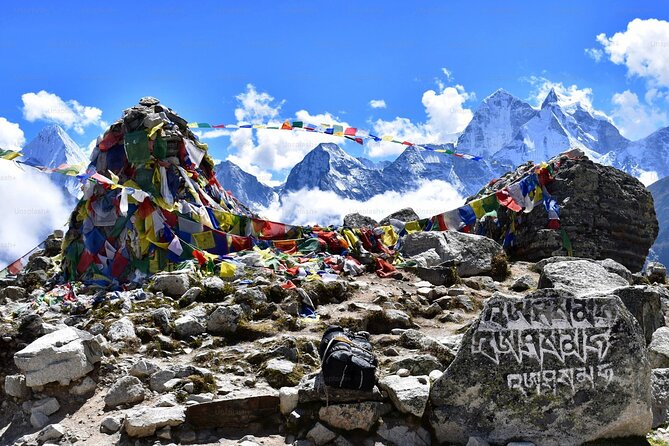
The trail continues through Sagarmatha National Park. You first descend for roughly two hours through rhododendron forest, then climb toward the next section of the route. The day is listed at about eight hours.
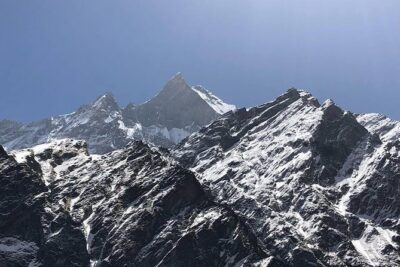
The views here include Everest, Nuptse, and Ama Dablam. Ama Dablam is especially striking from the Khumbu trail, and seeing it alongside Everest gives this part of the walk real visual drama.
The descent followed by a climb can be deceptive. A downhill morning may sound easy, but it still uses your legs, and the later ascent can feel demanding. Take care with your knees and keep your walking rhythm even.
Day 5: Dingboche and the alpine change
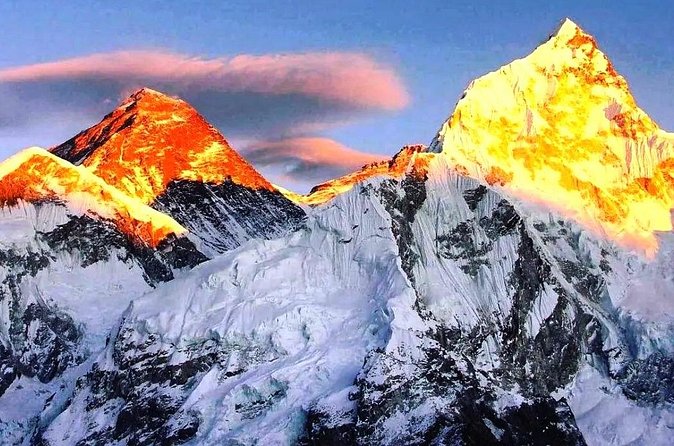
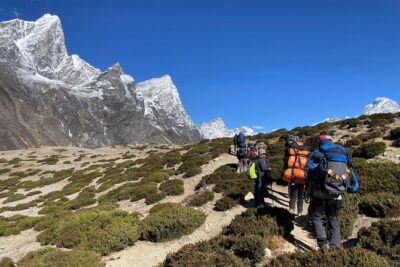
You continue to Dingboche, a village in the Khumbu Valley with views toward Island Peak and other Himalayan summits. The day passes through alpine forest and then more barren ground as the altitude increases.
This change in vegetation is one of the clearest signs that you are moving into a harsher environment. Forest becomes less dominant, open ground becomes more common, and the mountains take up more of your attention.
The walking time is about eight hours. Dingboche is not simply a place to sleep before the next climb. It is the base for another acclimatization day, which is essential before you go toward Lobuche, Gorak Shep, and Base Camp.
Day 6: Acclimatization at Dingboche
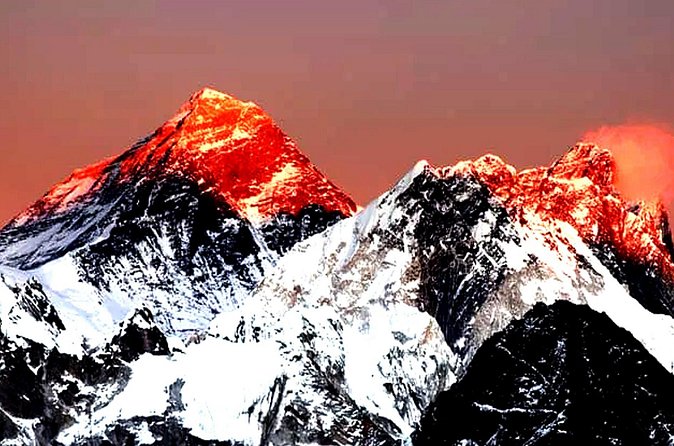
The second acclimatization day is based in Dingboche. Optional hikes include Nagarjun Hill or Chhukung. These outings allow you to gain some height without giving up your overnight recovery period.
You should treat this day seriously. Altitude sickness can affect fit people, and the schedule recognizes that your body needs time. The guide carries a basic first aid kit and a pulse oximeter, but those tools do not replace honest communication. Tell your guide if you feel unwell, unusually tired, or short of breath.
The listed duration is about eight hours, but the purpose is adjustment rather than speed. A private group can be useful here because the guide can pay closer attention to your condition and the group does not need to match the pace of a larger mixed party.
Day 7: Khumbu Glacier and glacial moraines
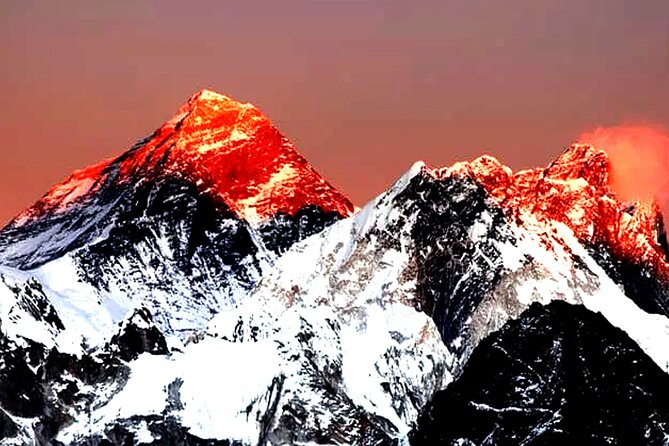
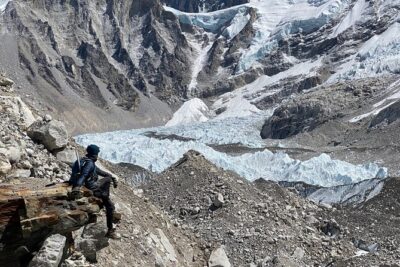
You leave early, cross the Khumbu River, and climb through rocky ground and glacial moraines. The day takes about eight hours and includes views of the Khumbu Glacier and nearby peaks.
This is a rougher section of trail. You should expect uneven footing rather than a smooth path. The scenery also shifts again, with rock, ice, and exposed mountain terrain replacing the greener lower route.
An early start makes sense because you are now moving toward the highest part of the trek. Your guide can set the pace and help you manage the changing surface. The route feels less like a village-to-village walk and more like a serious approach to the glacier zone.
Day 8: Lobuche to Gorak Shep and Everest Base Camp
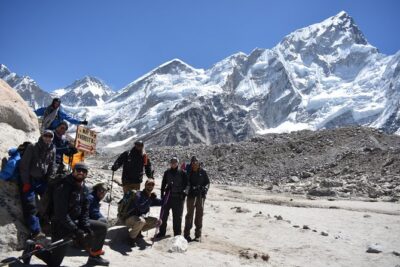
This is the big day. You trek from Lobuche to Gorak Shep, the final settlement before Everest Base Camp. After reaching Gorak Shep, you have lunch, settle your bags, and continue toward Base Camp.
The full day is listed at about nine hours. That makes it one of the longest and most demanding sections of the tour. The walk to Base Camp is not a quick photo stop. You need energy for the return to Gorak Shep, where you spend the night.
Reaching Everest Base Camp is a major milestone, but the view from Base Camp is not the same as the famous summit photographs seen from higher viewpoints. Its value is the setting itself: the Khumbu Glacier, the expedition route, and the knowledge that you have walked there on foot.
The guide is especially useful today for managing time and energy. You need enough strength to enjoy Base Camp without turning the return journey into a struggle.
Day 9: Kala Patthar at sunrise
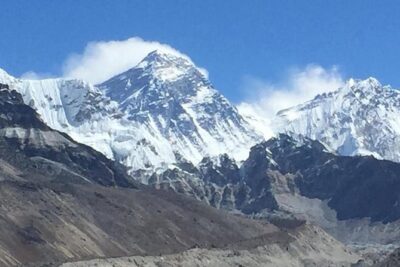
Kala Patthar is the scenic high point of the trek. You hike early for sunrise views over Everest, Lhotse, and other peaks, then return to Gorak Shep for breakfast before continuing downhill.
The schedule lists about eight hours, and the early start means you should be ready for a demanding morning. The reward is the broad view that many people consider the finest on the route. If your main goal is to see Everest clearly, this section may matter even more than standing at Base Camp.
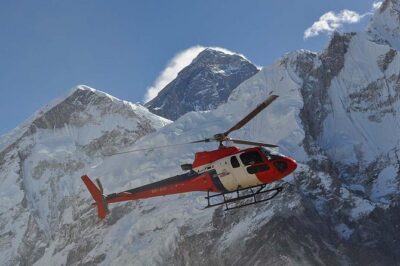
The stop is described as including a helicopter landing, but the daily plan itself focuses on hiking Kala Patthar. I would confirm before booking whether a helicopter landing is part of your specific package or simply the name used for the stop. That small clarification can prevent a large misunderstanding.
Days 10 and 11: A careful return through Sagarmatha National Park
The descent begins on Day 10. Downhill walking is often easier on the lungs than climbing, but it can be hard on your knees. The schedule specifically advises care with balance and footing, a useful reminder after several long days.
You continue through Sagarmatha National Park and enjoy familiar scenery from a new direction. Descending also gives you a chance to notice details you may have missed while concentrating on the uphill route.
Day 11 is the final trekking day and is shorter, at about six hours. You can spend the evening celebrating with your guide, porters, and fellow group members. Since porter service is optional and not included, confirm who will be part of your support team before assuming porters are present.
The return is not an afterthought. These final days can feel tiring, and careful steps matter. A strong guide will keep the group moving without treating the descent as a race.
Day 12: Return to Kathmandu
You take an early flight back to Kathmandu and receive a transfer to your hotel. The remaining time is free for rest, exploring, or a foot and body massage. A farewell dinner is also planned.
That open time is welcome after 11 days of walking. You may want a quiet day rather than another packed sightseeing plan. The included Kathmandu hotel night gives you a proper transition from mountain teahouses to city accommodation.
The flight remains weather-sensitive, so keep your international departure plans in mind. If you are flying home immediately after the trek, leave enough space for changes.
Guide quality and the private format
Blissful Himalayas has operated since 2011 and provides a licensed, experienced, English-speaking guide. The guide’s salary, meals, lodging, equipment, and insurance are included, so you are not expected to negotiate those costs along the trail.
The personal accounts attached to this experience give particular praise to guides Ramchandra and Ram. One first-time trekker described the planning as customized and supportive, while another account described a two-person group completing the trek successfully with a guide. Those details point to the kind of close support this private format can offer.
Still, a private tour does not make Everest Base Camp easy. It gives you more personal attention and potentially more flexibility, but you still face long days, cold conditions, rough ground, and altitude. The stated requirement is moderate physical fitness, though I would take that seriously and prepare with regular uphill walking.
Who should book this Everest Base Camp trek?
This tour suits you if you want the classic Everest route with a guide, meals, permits, flights, and lodging arranged in one price. It is also a good fit if you value a private group rather than joining a large departure.
You should be comfortable with local teahouse accommodation and a basic mountain routine. You should also be willing to carry personal items unless you arrange and pay for a porter.
This is less suitable if you want luxury rooms, a short daily walking schedule, or a fully weather-proof plan. The Lukla flight and high-altitude route both require flexibility.
The cancellation terms are generous if you cancel at least 24 hours before the start time. Changes or cancellations inside that window are not accepted for a refund, and poor weather may lead to a new date or a full refund.
Should you book it?
I would consider this a good-value Everest Base Camp package for someone who wants the standard route without managing every moving part alone. The included flights, permits, meals, guide costs, accommodation, and transfers remove many costs that can quietly add up.
Before paying, I would confirm three things: the exact flight departure airport during peak season, the cost and arrangement for a porter, and what the Kala Patthar helicopter wording means. Then check that your insurance covers trekking at the required altitude.
If you are fit enough for repeated seven to nine-hour walking days and you give yourself time to acclimatize, this plan has the right basic structure. Its strongest features are the two acclimatization stops, the private group setup, and the professional guide support associated with Ramchandra and Ram.
FAQ
Is the Everest Base Camp trek private?
Yes. Only your group will participate in this private tour or activity.
How long does the trek last?
The experience lasts approximately 12 days, including the flights from Kathmandu to Lukla and back, the trek to Everest Base Camp, and the return to Kathmandu.
Are flights to Lukla included?
Yes. Round-trip domestic airfare between Kathmandu, or Ramechhap during peak season, and Lukla is included.
Are meals included during the trek?
Yes. Breakfast, lunch, and dinner are included during the trek. Tea or coffee is included with breakfast.
Is a porter included?
No. Porter service is available upon request but is not included in the listed price.
What accommodation is provided?
The package includes one night in a deluxe hotel in Kathmandu with breakfast and twin-sharing accommodation in local teahouses during the trek.
What happens if bad weather cancels the experience?
If poor weather causes the experience to be canceled, you will be offered a different date or a full refund. For ordinary cancellations, you must cancel at least 24 hours before the start time to receive a full refund.
New in the Kathmandu listings
- Traditional Momo Making Class★ 5.0 · 10 reviews
- Kathmandu: Ancient City Kirtipur & Pharping Monastery Tour★ 5.0 · 2 reviews
- Kathmandu to Pokhara Premium sofa bus ticket★ 4.0 · 17 reviews
- Women Empowerment Project(Nepali cooking class & jewelry workshop★ 5.0 · 15 reviews
- 7-Day Langtang Valley Trek from Kathmandu★ 5.0 · 1 review
- Kathmandu 2 Nights 3 Days Chitwan Jungle Safari Tour★ 5.0 · 9 reviews
- Yoga Experience Day Trip with Private Transfer From Kathmandu★ 4.0 · 2 reviews
- Wildlife Adventure in Chitwan Nepal★ 4.0 · 4 reviews
Everest Base Camp Treks, compared.
Everest Base Camp Trek with Helicopter Return from Gorakshep to Lukla
Read our review →Browse the lists this tour appears in