
REVIEW · EVEREST BASE CAMP TREKS
14 Days Everest Base Camp Trek
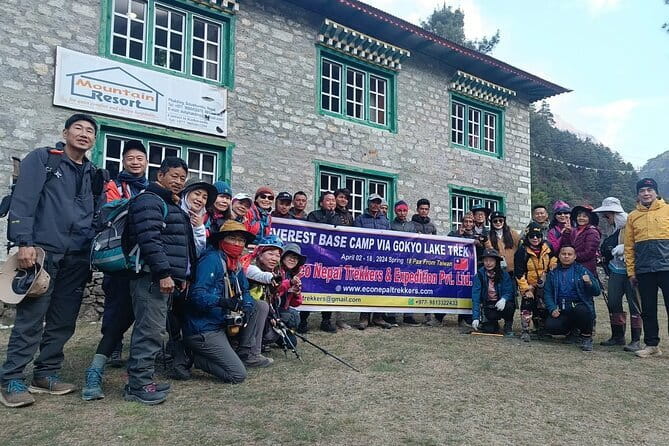
Everest begins with a small plane. This 14-day trek combines the thrilling Lukla flight, Sherpa villages, and a carefully paced route to Everest Base Camp at 5,463 meters. I like the two planned acclimatization days, especially the viewpoints above Namche and Dingboche, and I also like that guide, porters, park fees, meals, airport transfers, and medical supplies are included. The main caution is altitude: strong fitness is required, and one person in the company’s recent feedback could not reach base camp because of altitude sickness.
You also get an early-morning climb to Kala Patthar at 5,450 meters, usually the best close view of Everest on this route. The price of $1,680 is fair for a private trek with domestic flights, staff salaries, 13 breakfasts, 13 dinners, and 11 lunches, but you still need to budget for insurance, visa costs, drinks, tips, and possible rescue.
In This Review
- Key points to know before booking
- Kathmandu to Lukla: the dramatic opening
- Namche Bazaar and the first acclimatization day
- Tengboche and the best mountain views so far
- Dingboche and a serious altitude check
- Lobuche and the memorials at Thukla Pass
- Gorak Shep and Everest Base Camp at 5,463 meters
- Kala Patthar sunrise and the long return
- Namche, Lukla, and the final trekking days
- What the $1,680 price really covers
- Guides, support, and the private format
- Who should book this Everest trek?
- Should you book the 14-day Everest Base Camp trek?
- FAQ
- How long is the Everest Base Camp trek?
- Where does the trek begin?
- Is airport pickup included?
- Are Kathmandu to Lukla flights included?
- What is the highest point on the itinerary?
- Are meals included?
- Are a guide and porters included?
- Is this a private trek?
- Do I need travel insurance?
- Are tips included?
- What happens if bad weather cancels the trek?
- Can I cancel for a full refund?
Key points to know before booking
- Lukla flight included: The package covers round-trip flights between Kathmandu and Lukla for you and your guide.
- Two acclimatization days: You spend rest days in Namche Bazaar and Dingboche with short hikes to higher viewpoints.
- Kala Patthar sunrise: The pre-breakfast climb gives you a close mountain view before returning to Gorak Shep.
- Private group format: Only your own group takes part, rather than joining a large mixed party.
- Sherpa culture along the trail: Namche Bazaar, Tengboche, Pangboche, and other villages offer a look at the communities that support Himalayan climbing.
- Altitude is the real challenge: Everest Base Camp and Kala Patthar are both above 5,400 meters, so fitness and careful pacing matter more than speed.
Kathmandu to Lukla: the dramatic opening
Your first day is set aside for arrival in Kathmandu. A representative from Magic Himalaya Treks meets you at Tribhuvan International Airport, then transfers you to your hotel. The start is simple, but useful after an international flight. You get time to settle in before the mountain schedule begins.
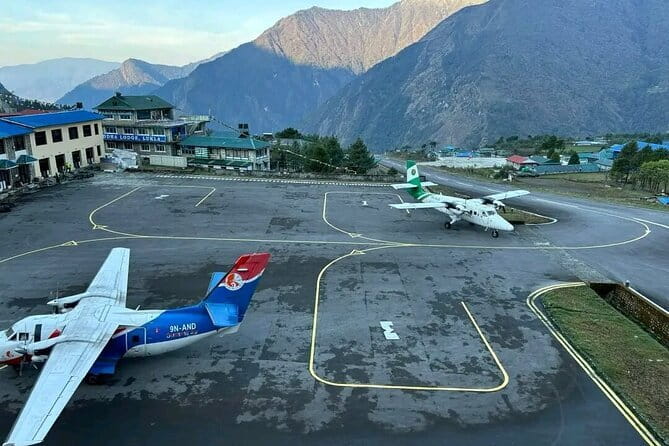
On Day 2, your guide collects you from the hotel and takes you to Kathmandu’s domestic terminal. The flight to Lukla is one of the most talked-about parts of the trip, not because it is long, but because the airport sits high in the mountains and has a short, demanding runway.
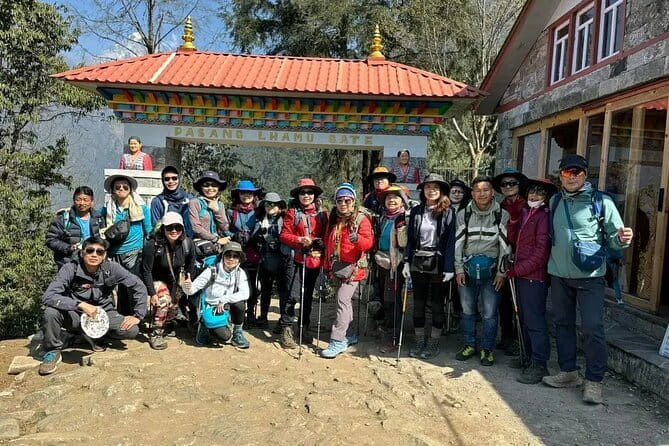
At Lukla, you meet the porters and begin walking. The first trek takes about five hours and heads toward the lower Khumbu villages. This is a sensible first walking day. You are already at altitude, but the route gives your body time to adjust before the harder sections ahead.
The flight schedule can be affected by weather, and the cancellation terms specifically allow a change of date or a full refund if poor weather stops the activity. Even with that protection, you should avoid booking an international flight home too tightly against the return from Lukla.
More Everest Base Camp treks:
- Everest Base Camp Trek – 14 Days
★ 5.0 · 1,499 reviews - Everest Base Camp Trekking
★ 5.0 · 485 reviews - Everest Base Camp Trekking – 13 Day
★ 5.0 · 365 reviews
Namche Bazaar and the first acclimatization day
Day 3 follows the Dudh Koshi River. You cross suspension bridges several times, stop for lunch in Jorsale, and continue uphill toward Namche Bazaar. The walking time is about six hours.
Namche is an important stop, not just a place to sleep. It is the main trading center of the Khumbu region and a natural pause before the trail climbs higher. The route from Jorsale to Namche is a meaningful test of your legs, with the final approach taking effort after the river crossings.
Day 4 is called a rest day, but you do not simply stay indoors. The planned walk takes about four hours and may include the Syangboche viewpoint or an Everest viewpoint. This is exactly the kind of rest day you want on a high-altitude trek. A gentle hike helps your body adjust while giving you a first clear look at the mountains.
I like this part of the schedule because it does not rush you straight from Lukla to the high camps. Still, four hours at altitude is not a free day. Tell your guide if you feel unwell, and do not treat the optional viewpoint walk as a competition.
Tengboche and the best mountain views so far
On Day 5, the trail leads to Tengboche, also spelled Tyangboche in the itinerary. The walk takes around six hours and is described as one of the most scenic days, with views toward Mount Everest and other major peaks.
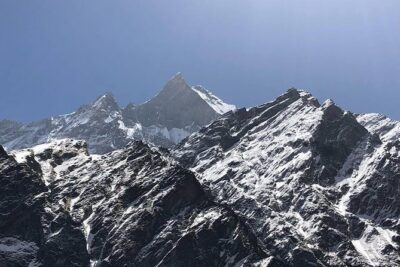
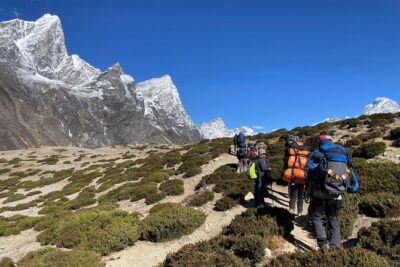
Ama Dablam, Thamserku, and Taboche are among the mountains named along this section. Ama Dablam is especially striking from the Khumbu route, with its sharp profile and hanging glaciers. The pleasure here is not only reaching a famous village. It is the steady change in the mountain views as the trail rises.
Tengboche is also one of the most recognizable settlements on the route. The itinerary does not promise a specific monastery visit or ceremony, so you should not book expecting a formal cultural program. The value comes from walking through a major Sherpa community and seeing how daily life and mountain tourism meet.
Dingboche and a serious altitude check
Day 6 is shorter, with about four hours of walking to Dingboche. You pass Pangboche and Sanasa before arriving around lunchtime, with Ama Dablam again providing much of the visual drama.
A shorter day at this point is welcome. Dingboche sits much higher than Namche, and the reduced walking time gives you more room to eat, rest, and watch for signs of altitude sickness. The itinerary lists an overnight stay and then another acclimatization day, so this is not merely a quick stop on the way to base camp.
Day 7 includes a hike to Nangkartshang Hill, at roughly 5,000 meters. It takes about four hours and offers views of the Imja Tse Valley, Island Peak, and Ama Dablam. This is a useful high-point exercise because you climb above your sleeping altitude and then return to Dingboche.
The hike also shows why this trek demands good physical fitness. A four-hour walk at this elevation can feel much harder than the same distance at sea level. You should be ready for slow progress, frequent pauses, and a guide who places your health ahead of the day’s timetable.
More walking in the hills of Kathmandu:
- Nagarkot Sunrise View and Day Hiking from Kathmandu
★ 5.0 · 471 reviews - Annapurna Circuit Trek with Tilicho Lake
★ 5.0 · 368 reviews - Everest Base Camp Trek -14 Days
★ 5.0 · 321 reviews - Annapurna base camp trek 5 Days
★ 5.0 · 252 reviews
Lobuche and the memorials at Thukla Pass
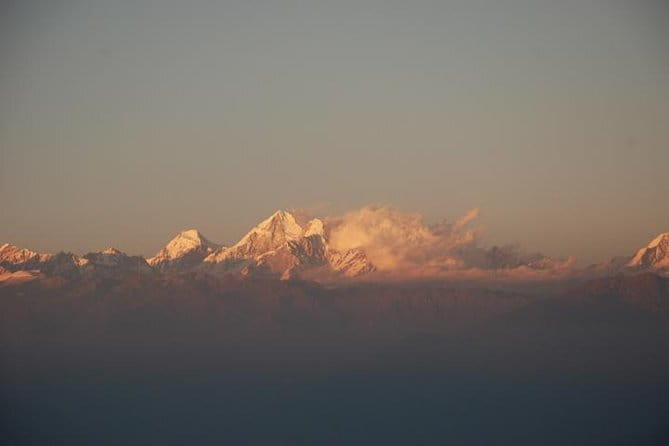
Day 8 takes you toward Lobuche in about six hours. The route passes Thukla and Thukla Pass, where monuments honor climbers who died in the Himalayas.
This is one of the most reflective sections of the trek. The memorials bring a human scale to the high mountains. Everest is often presented as a grand sporting goal, but the monuments remind you that high-altitude climbing carries real danger and loss.
You stop for lunch at Lobuche before continuing or settling into the overnight accommodation. At this stage, the air is thin and the route becomes less forgiving. Even if you are fit, you may feel tired, and the sensible approach is to keep an even pace rather than push hard to arrive early.
Gorak Shep and Everest Base Camp at 5,463 meters
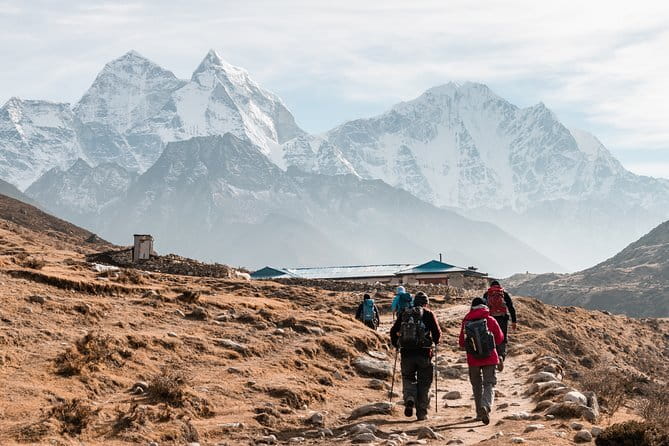
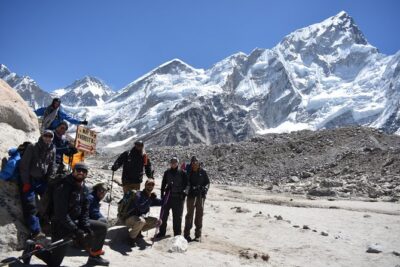
Day 9 is one of the longest days. You walk to Gorak Shep in the morning, have a light lunch, and then continue toward Everest Base Camp. The walk from Gorak Shep to base camp takes about two hours, according to the itinerary, followed by a return to Gorak Shep.
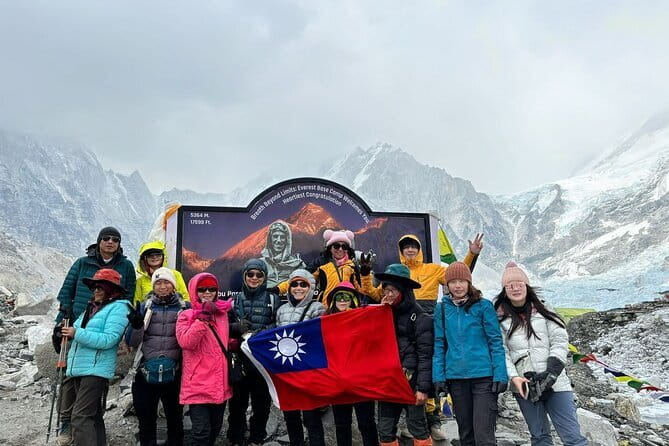
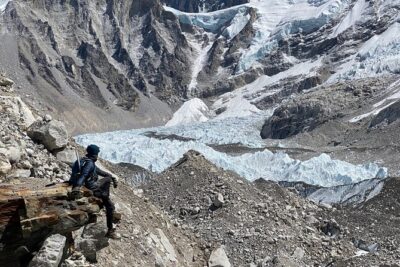
The base camp itself sits at 5,463 meters and changes from year to year as the Khumbu Glacier shifts. That detail matters. You are not arriving at a fixed city-style attraction with a permanent gate or building. The exact appearance and position of the camp can change with the ice.
The approach is rewarding, but do not expect a clear summit view of Everest from base camp itself. Kala Patthar is included for that closer mountain view. Base camp gives you the sense of standing at the start of the climbing route, surrounded by glacier terrain and the high Khumbu setting.
This is also the day when altitude can become the deciding factor. One person supported by the company had to stop before reaching base camp because of altitude sickness. That is not a failure. It is a reminder that your body, not your ambition, sets the limit.
Kala Patthar sunrise and the long return
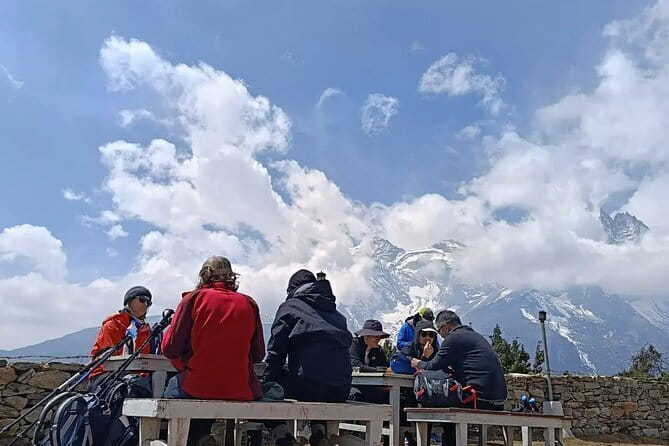
Day 10 begins early with the climb to Kala Patthar. You leave after tea, reach the summit for sunrise and mountain views, take photographs, and return to Gorak Shep for breakfast.
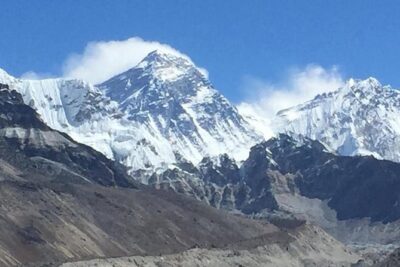
At 5,450 meters, Kala Patthar is almost as high as base camp and can be physically demanding. The reward is its reputation as the closest popular viewpoint for seeing Everest. The early start also gives the climb a clear purpose, although cold, darkness, and thin air make this a serious morning walk.
After breakfast, the route begins the return journey. The itinerary does not list every stop for this day, but you should understand that returning is not effortless. Your body may be tired from the base camp walk and the early climb, even though the trail generally loses elevation.
Namche, Lukla, and the final trekking days
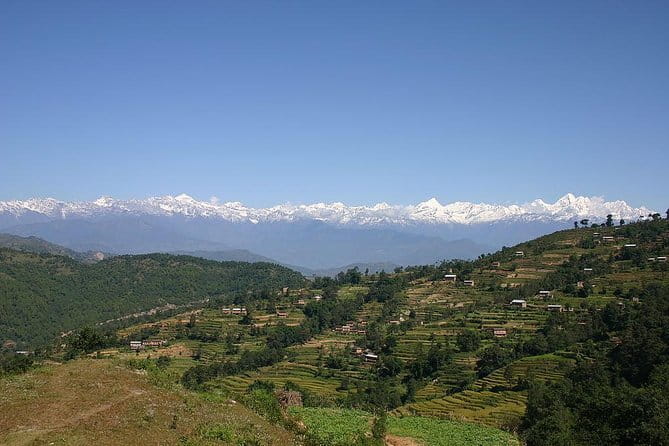
Day 11 brings you back toward Namche Bazaar. The walk takes around six hours and passes Pangboche and Tengboche, with lunch at Phortse Tanga. Reaching Namche gives you a welcome change of pace after the high, exposed sections near Gorak Shep.
The itinerary specifically mentions enjoying Namche’s bars and pubs. Drinks are not included, and bar bills are listed as an extra, so this is a personal treat rather than part of the package. It can be a pleasant place to mark the return, but alcohol is best approached carefully after a demanding trek.
Day 12 is the final trekking day, with about seven hours of walking from Namche to Lukla and lunch in Phakding. The schedule lists roughly eight hours for the day in total. A small celebration is planned in Lukla, including appreciation for the porters.
That farewell matters. Porters do much of the practical work that makes a trek like this possible, and tips are listed as compulsory rather than optional. The package covers their salaries and expenses, but you should still plan a separate tip budget.
On Day 13, you go to the airport after breakfast, depending on flight timing. In Kathmandu, a private vehicle transfers you to the hotel, where you have a full rest day. Breakfast is provided.
Day 14 is departure day, with breakfast before your flight home. The trip is listed as approximately 14 days, and the mountain flight schedule can affect how much spare time you actually have in Kathmandu.
What the $1,680 price really covers
At $1,680 per person, this is not a bare-bones independent trek. The cost includes:
- Round-trip Kathmandu to Lukla flights for you and your guide
- Airport pickup and private Kathmandu transport
- A licensed guide and required porters
- Guide and porter salaries and expenses
- Sagarmatha National Park entry
- Khumbu Municipality charges
- Government taxes and VAT
- A medical kit and required trekking medicine
- 13 breakfasts
- 13 dinners
- 11 lunches
- Accommodation during the route
That package has real value. Domestic mountain flights alone can be costly and unpredictable, while guide and porter support removes much of the planning work. You also do not need to arrange park permits or municipal charges yourself.
The exclusions are just as important. You pay for personal expenses, alcoholic and non-alcoholic drinks, extra food or drinks ordered with meals, Nepal’s entry visa, travel insurance, international flights, departure tax, and emergency rescue operations.
The rescue exclusion deserves careful attention. Travel insurance that specifically covers high-altitude trekking and emergency evacuation is not a luxury here. The itinerary reaches more than 5,400 meters, and a medical kit does not replace evacuation coverage.
Guides, support, and the private format
This is a private activity, so only your own group takes part. That gives you a better chance of setting a walking rhythm that suits your group, rather than matching the pace of a large mixed party.
The company’s praised staff include Nabin and Shanta, who are described as attentive, helpful, and focused on safety. Direct feedback also highlights gentle encouragement, good planning, friendly conversation with guides and porters, and care from airport pickup through the trek.
Those qualities matter most on difficult days. A guide who notices when you are struggling, encourages you without pressuring you, and puts safety first can change the whole trip. The package also includes a medical kit and required medicine, but you should still bring any personal medication you need.
Who should book this Everest trek?
I would recommend this trip to a fit walker who wants the classic Everest route with organized support and two proper acclimatization stops. It suits someone who values local guides, porter support, included meals, and a private group more than a luxury lodge holiday.
You should think twice if you dislike early starts, basic mountain accommodation, long walking days, or uncertain flight schedules. The itinerary includes days of four to eight hours, and the altitude is serious. Good fitness is required, but fitness alone cannot guarantee that you will reach base camp.
The route is also a good match if you want more than a photograph at the destination. Walking through Namche, Tengboche, Pangboche, and other Khumbu settlements gives you a closer look at Sherpa communities and the work that supports Himalayan expeditions.
Should you book the 14-day Everest Base Camp trek?
Book it if you want a well-supported classic route, a private group, included Lukla flights, and a schedule that makes room for acclimatization. The strongest parts are the professional guide support, careful high-altitude pacing, Kala Patthar sunrise, and the practical value of the included fees, meals, staff, and transport.
Do not book it on price alone. Add insurance, visa costs, tips, drinks, international flights, and a rescue reserve to your real budget. Also keep your return plans flexible because weather can interrupt the Lukla flights.
You can cancel for a full refund up to 24 hours before the start time. If poor weather or too few bookings cause cancellation, you should be offered another date or a full refund. For a fit person who accepts the physical risk and wants the classic Everest route without managing every detail alone, this is a strong choice.
FAQ
How long is the Everest Base Camp trek?
The trip lasts approximately 14 days, including arrival and departure in Kathmandu, the trek from Lukla, the return to Lukla, and domestic flights.
Where does the trek begin?
The organized journey begins in Kathmandu, Nepal. You fly from Kathmandu’s domestic airport to Lukla before starting the trek.
Is airport pickup included?
Yes. Airport pickup on arrival and private transportation in Kathmandu are included.
Are Kathmandu to Lukla flights included?
Yes. Round-trip flights between Kathmandu and Lukla for the guide and clients are included in the package.
What is the highest point on the itinerary?
Everest Base Camp is listed at 5,463 meters above sea level. Kala Patthar is listed at 5,450 meters, and the Nangkartshang Hill acclimatization hike reaches about 5,000 meters.
Are meals included?
Breakfast is included for 13 days, dinner for 13 days, and lunch for 11 days. Extra items ordered with meals are not included.
Are a guide and porters included?
Yes. The trip includes an experienced licensed guide and required porters, along with their salaries and expenses.
Is this a private trek?
Yes. Only your own group participates in the activity.
Do I need travel insurance?
Yes. Travel insurance for the trek is not included, and emergency rescue operations are also excluded from the price.
Are tips included?
No. Tips for the guide and porters are excluded and described as compulsory.
What happens if bad weather cancels the trek?
If poor weather causes the experience to be canceled, you should be offered a different date or a full refund.
Can I cancel for a full refund?
Yes. You can cancel at least 24 hours before the local start time for a full refund. Changes or cancellations made less than 24 hours before the start time are not accepted.
New in the Kathmandu listings
- Traditional Momo Making Class★ 5.0 · 10 reviews
- Kathmandu: Ancient City Kirtipur & Pharping Monastery Tour★ 5.0 · 2 reviews
- Kathmandu to Pokhara Premium sofa bus ticket★ 4.0 · 17 reviews
- Women Empowerment Project(Nepali cooking class & jewelry workshop★ 5.0 · 15 reviews
- Yoga Experience Day Trip with Private Transfer From Kathmandu★ 4.0 · 2 reviews
- 7-Day Langtang Valley Trek from Kathmandu★ 5.0 · 1 review
- Kathmandu 2 Nights 3 Days Chitwan Jungle Safari Tour★ 5.0 · 9 reviews
- Wildlife Adventure in Chitwan Nepal★ 4.0 · 4 reviews
Everest Base Camp Treks, compared.
Everest Base Camp Trek with Helicopter Return from Gorakshep to Lukla
Read our review →Browse the lists this tour appears in